

What to See in Rome, Places of Interest: 25 Things to Do and See in the Capital
A Rome things to see are really many: archaeological finds, museums, very ancient monuments make it an attraction for tourists coming from every corner of the world to visit it. The monuments and places to visit in Rome are countless, making the eternal city a real open-air museum. Visiting Rome in three days, five days, a month, is possible with the awareness that the capital of Italy has so many things to see that one lifetime is not enough.
- What to See in Rome, Places of Interest: 25 Things to Do and See in the Capital
- Main things to see in Rome: curiosities of the eternal city
- Discover Rome in video
- The 12 Most Famous Attractions in Rome
- Colosseum
- St. Peter’s Basilica
- Trevi Fountain
- Pantheon
- Roman Forum
- Piazza Navona
- Trastevere
- Castel Sant’Angelo
- Vatican Museums
- Spanish Steps
- Villa Borghese
- Janiculum Hill
- Places to Visit in Rome: The Most Important Points of Interest
- 1 Colosseum
- 2 St. Peter’s Basilica
- 3 Trevi Fountain
- 4 Pantheon
- 5 Piazza Navona
- 6 Piazza di Spagna
- 7 Altar of the Fatherland
- Rome what to see: the museums
- 8 Vatican Museums
- 9 Capitoline Museums and Capitoline Hill
- 10 The Ara Pacis Augustae
- 11 Must-see Museums in Rome
- 12 The Wax Museum
- 13 The Mastroianni Museum
- 14 Roman Forum and Palatine Hill
- Rome: see also
- 15 MACRO Museum of Contemporary Art
- 16 Keats-Shelley house
- 17 Less known museums of Rome
- Things to Do in Rome
- 18 Campo dei Fiori
- 19 Trastevere
- 20 Jewish Ghetto
- 21 Villa Borghese
- Brief information about Rome: where to eat, how to get there, how to get around
- 22 How to get to Rome
- 23 How to get around Rome
- 24 Where to eat in Rome
- 25 Where to sleep in Rome: recommended areas and useful tips
- If you are in a hurry and want to find out what to see in Rome, here’s what to do
- What to see in Rome in one day
- What to see in Rome in 2 days
- What to see in Rome in 3 days
- What unusual things to see in Rome
- Frequently Asked Questions About What to See in Rome
With this awareness, we have created a short list of things you cannot miss during your trip: what there is to see in Rome and what to do to not miss the curiosities of the capital.
Main things to see in Rome: curiosities of the eternal city
Among the many attractions the city offers, the main things to see in Rome, those not to be missed. If you plan to visit Rome the capital of Italy with your family or partner, Rome is a fantastic city to spend a 2-3 day weekend. Renaissance streets like Via Giulia, shops, theaters in Rome every corner exudes Roman history.
The historic center, and here is a tip, should be visited on foot or by bike because only in this way can you discover even hidden corners of Rome. If you are looking for a guide on things to see in Rome or simply want to be guided on what to see in the capital, follow me. I have selected the best places to see in Rome, with all the attractions and points of interest not to be missed in the capital city. So, what are you waiting for? Let’s discover together what to see in rome
Discover Rome in video
A brief visual journey to immerse yourself in the atmosphere of Rome, made by Turismo Roma:
The 12 Most Famous Attractions in Rome
Rome is an open-air museum, with hundreds of places to discover. Here is a selection of the 12 most iconic attractions to start exploring the Capital by its unmissable symbols.
Colosseum
Area: Historic Center
Type: Archaeological Site
St. Peter’s Basilica
Area: Vatican
Type: Religious
Trevi Fountain
Area: Trevi
Type: Monument
Pantheon
Area: Center
Type: Historical
Roman Forum
Area: Imperial Forums
Type: Archaeology
Piazza Navona
Area: Center
Type: Historical Square
Trastevere
Area: Trastevere
Type: Neighborhood
Castel Sant’Angelo
Area: Vatican
Type: Museum
Vatican Museums
Area: Vatican
Type: Museum
Spanish Steps
Area: Center
Type: Iconic Square
Villa Borghese
Area: Pinciano
Type: Park and Museum
Janiculum Hill
Area: Trastevere
Type: Panoramic Viewpoint
Places to Visit in Rome: The Most Important Points of Interest
1 Colosseum
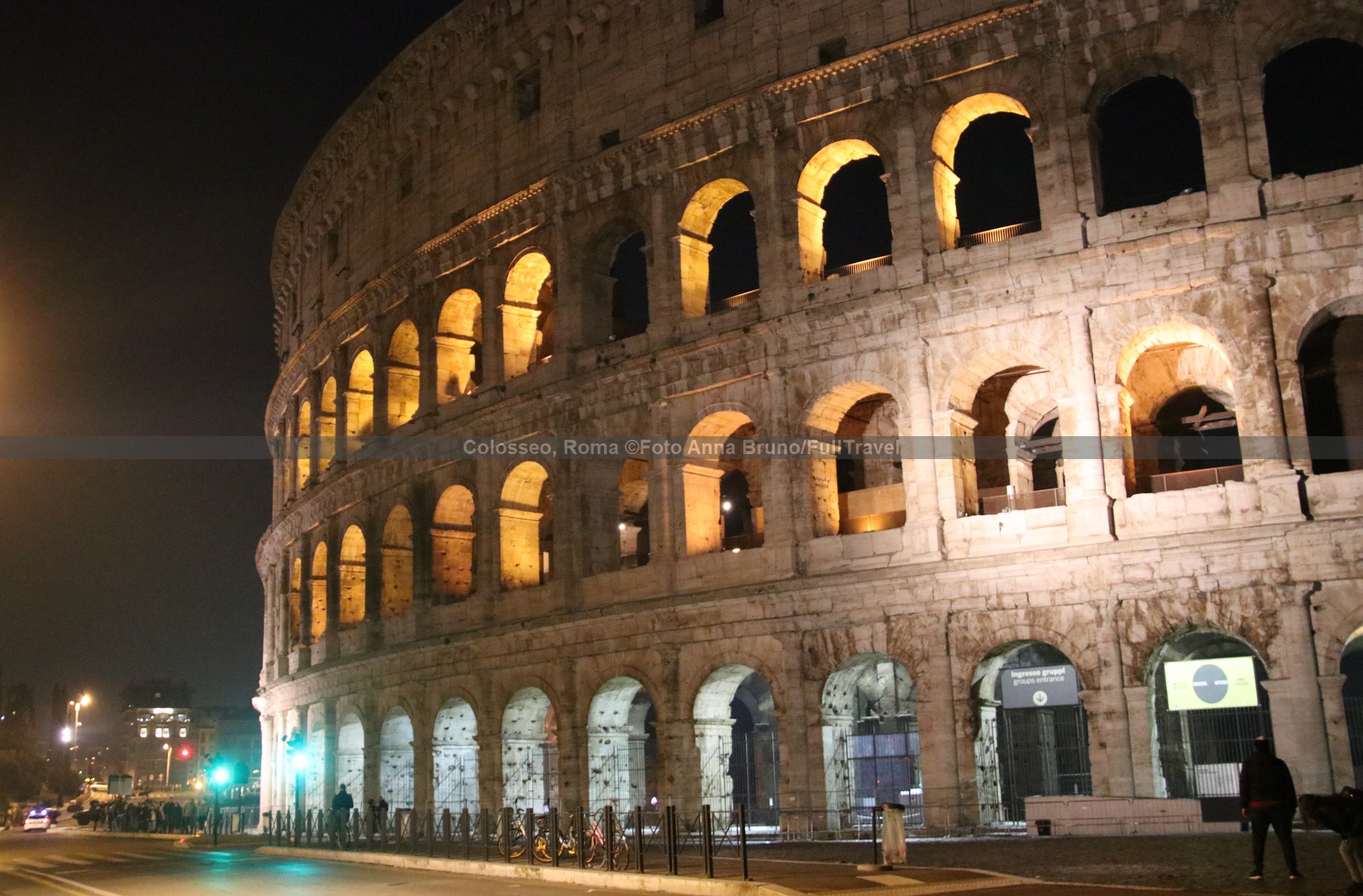
Colosseum An ancient saying goes that “when the Colosseum falls, Rome will fall.” This demonstrates that it is the symbolic representation of Rome, the one by which the city is known worldwide. Built between 72 and 90 AD, the Flavian Amphitheatre, commonly known as the “Colosseum, UNESCO heritage site,” could host up to 50,000 people. The Colosseum was the meeting place for fights between gladiators and animals, symbolizing strength and power just like the Roman Empire. Commissioned by Emperor Vespasian, the Colosseum was built on the Domus Aurea of one of Nero’s palaces. It is open every day from 9:00 AM to 7:30 PM, except in winter when it closes at 4:30 PM. It is one of the first stops on the “imperdibles de roma” list.
2 St. Peter’s Basilica
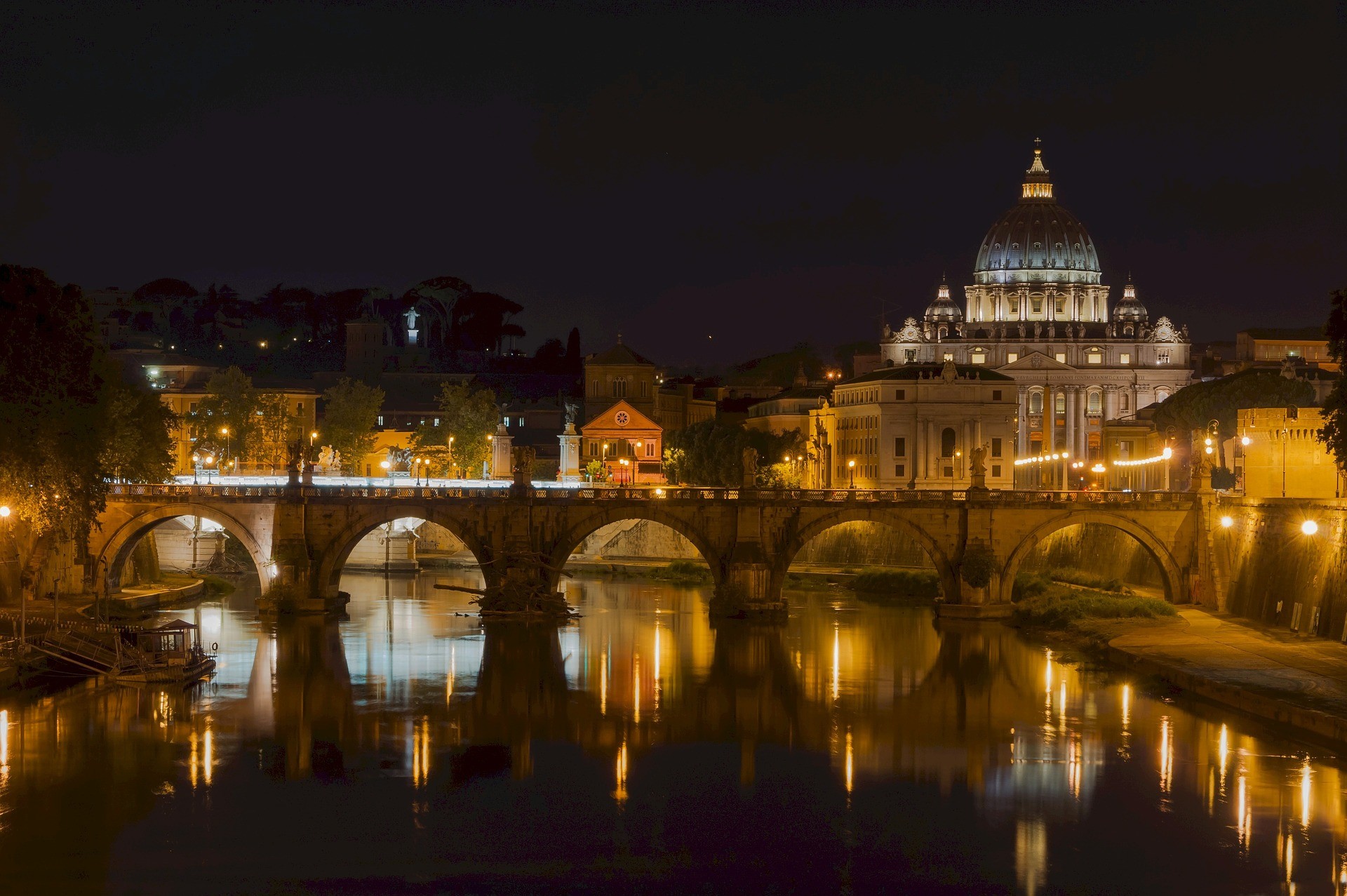
The dome of the St. Peter’s Basilica designed by Michelangelo and the colonnade created by Bernini are the main features of this building, a worldwide symbol of Christianity. Inside are the tombs of several Popes and treasures of Renaissance art, such as Michelangelo’s Pietà. The St. Peter’s Basilica holds about 60,000 people and dates back to the early 16th century. Initially, it was Bramante who was called to design it, but after his death, Raphael (who succeeded him) changed several aspects. Michelangelo, who followed, also made several modifications. The Basilica was inaugurated in 1626 and features its typical Greek cross plan. The Basilica is open every day from 7:00 AM to 7:00 PM, with closing at 6:00 PM in winter (October-March). The dome of St. Peter’s Basilica is open from 8:00 AM to 6:00 PM and from November to March, from 8:00 AM to 5:00 PM. The entrance to St. Peter’s Basilica must be done respectfully, with modest clothing. A must-see!
3 Trevi Fountain
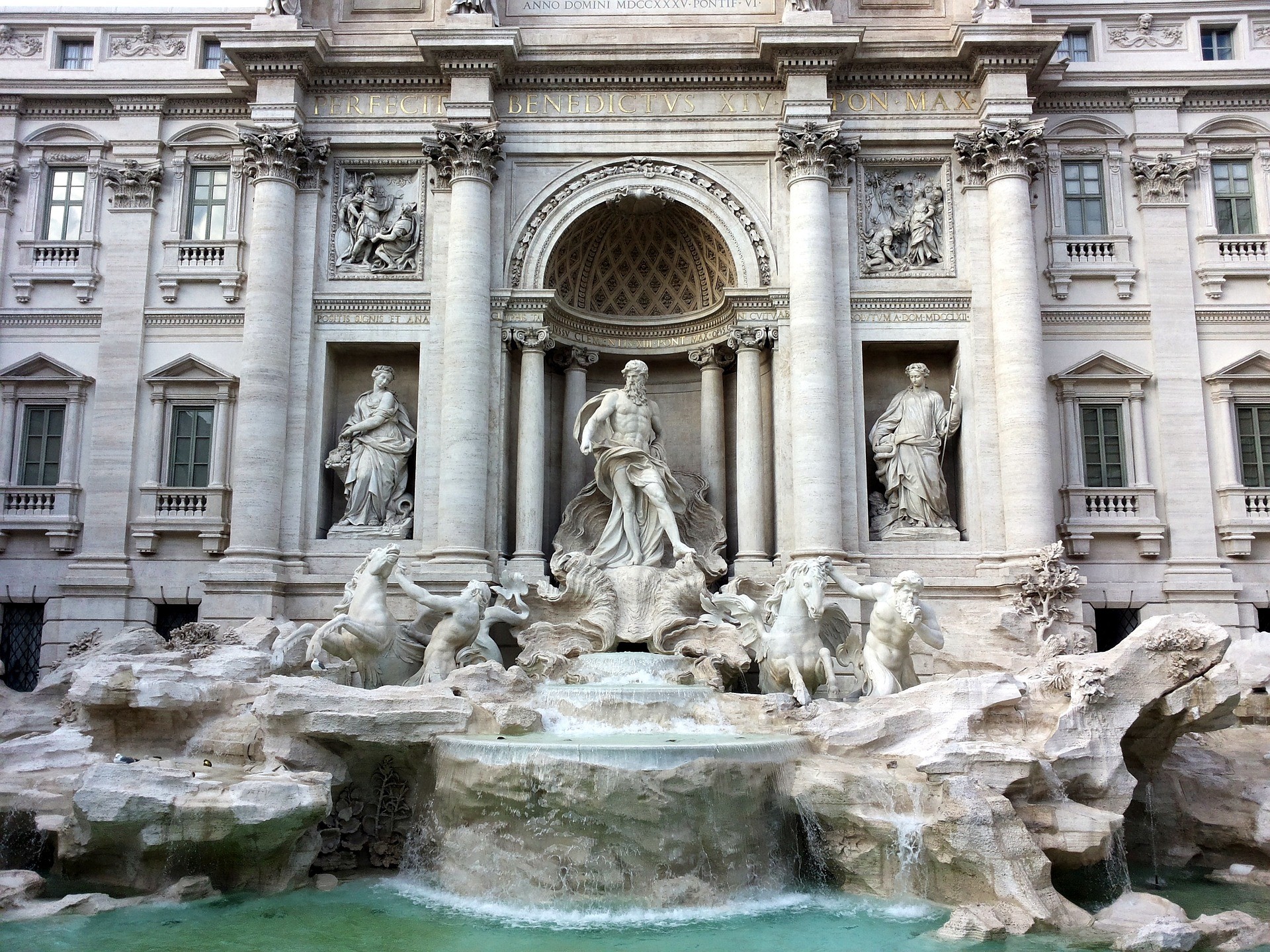
The beautiful and imposing construction of the Trevi Fountain represents the sea. It will leave you breathless. The Trevi Fountain was made famous by Anita Ekberg in Federico Fellini’s film “La dolce vita” and is a majestic Baroque fountain designed by Nicola Salvi in 1730. It is the outlet of the Roman aqueduct Acqua Virgo and is always watched over by many tourists. If you want to return to Rome, remember to throw a coin into the fountain! It is among the top items on the list “10 things to see in Rome in 2 days“.
4 Pantheon
The Pantheon is known for its colonnade and imposing dome, symbol of the temple dedicated to all the deities, built between 118 and 125 AD during the reign of Hadrian. Among the buildings of classical antiquity, the Pantheon is certainly the best preserved, thanks to its transformation into a church (Santa Maria ad Martyres) in 609. The original construction was commissioned between 27 and 25 BC by Marcus Vipsanius Agrippa in honor of Augustus and later dedicated to the main deities of the Julio-Claudian family. Its current form dates back to the early years of Hadrian’s reign (118-125). A huge cylindrical wall (the Rotunda) over 6 meters thick supports the monumental dome, the largest masonry vault ever built, with a diameter of 43.30 meters and equal height. Since the Renaissance, this place has been used as a tomb for illustrious figures including Raphael. The Pantheon is located in Piazza della Rotonda and is open Monday to Saturday from 8:30 AM to 7:30 PM, Sundays from 9:00 AM to 6:00 PM. Free entry.

Piazza Navona was built over the Stadium of Domitian (1st century AD) and owes its particular oval shape to it. The main attraction of the square is Bernini’s Fountain of the Four Rivers, representing the Danube, Ganges, Nile, and Rio de la Plata. Also noteworthy are the Neptune Fountain by Giacomo della Porta and the Moor Fountain located in the same square. Piazza Navona is especially loved by Romans and tourists alike and is the place to have a relaxing coffee, proving to be a truly pleasant experience. It is also the place where young people gather, enlivening Rome’s nightlife. Nearby, do not miss the Church of San Luigi dei Francesi and the Palazzo Braschi, extraordinary examples of Baroque art.
[caption id="attachment_124476" align="alignnone" width="1500"] Neptune Fountain in Piazza Navona, Rome © Photo Anna Bruno6 Piazza di Spagna
A stunning setting used for film and fashion events, thanks to its 135-step stairway, Trinità dei Monti, Piazza di Spagna is an icon of Rome, known worldwide. The stairway consists of 138 steps and was built to connect the Spanish embassy to the Holy See. Sitting for a moment on this staircase is among the things to include in the “Things to Do in Rome” list. It will allow you to observe the true soul of the city. Nearby, you can admire the Church of Sant’Ivo alla Sapienza, a masterpiece of Baroque architecture.
[caption id="attachment_208950" align="alignnone" width="1920"]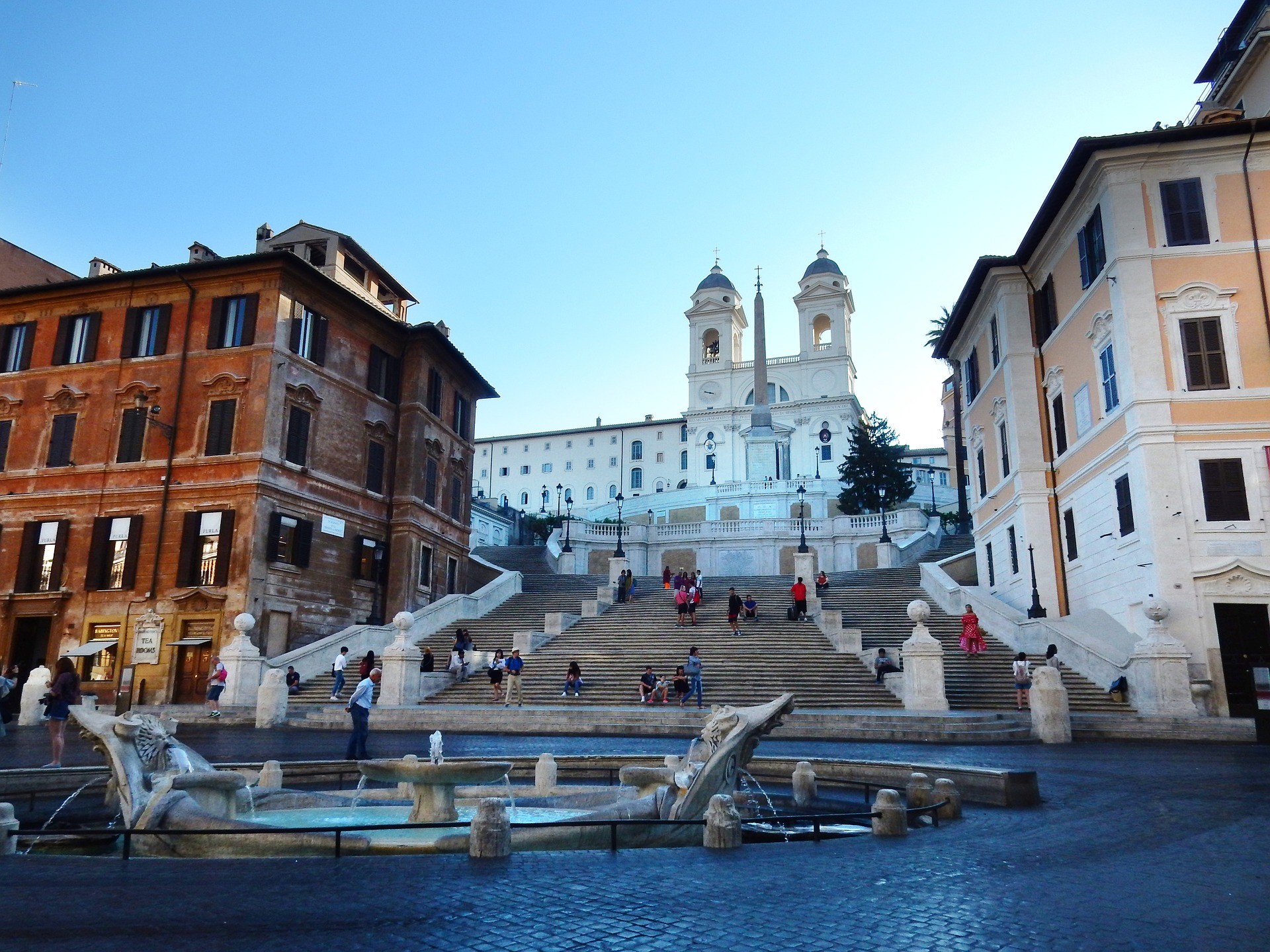 Piazza di Spagna, Rome
7 Altar of the Fatherland
Known as the Altar of the Fatherland, the Vittoriano is located in Piazza Venezia and is a monumental complex built in honor of King Victor Emmanuel II, the first king of Italy. At his death in 1878, it was decided to erect a monument celebrating the Father of the Fatherland and with him the entire Risorgimento period. The Vittoriano was meant to be an open space for citizens. The monumental complex was inaugurated by Victor Emmanuel III on June 4, 1911. It was the culminating moment of the International Exhibition celebrating fifty years of unified Italy. The general design of the Vittoriano is inspired by classical Greek and Latin examples. The majestic monument is also known as the “typewriter” or “wedding cake” because of its shape. It houses the remains of the “unknown soldier” next to which there is always a burning flame guarded. It is also home to the Museum of the Risorgimento. The monument and museum are open every day from 9:30 AM to 5:30 PM. In winter, it closes an hour earlier.
[caption id="attachment_217203" align="alignnone" width="1920"] Altar of the Fatherland and Vittoriale – Photo by Waldo Miguez
Rome what to see: the museums
8 Vatican Museums
Vatican Museums: they are among the most important museums in the world and contain priceless works of art, including the Last Judgment by Michelangelo in the Sistine Chapel. The Raphael Rooms are unmissable but the entire route is to be done at least once in a lifetime. In summer the Vatican Museums also offer an evening entrance during weekends. The entrance to the Vatican Museums is on Viale Vaticano, at number 100. Opening hours of the Vatican Museums: in summer, Monday to Friday from 8:45 am to 4:45 pm (last admission at 3:20 pm); on Saturday and the last Sunday of the month from 8:45 am to 1:45 pm (last admission at 12:20 pm); from November to February, from 8:45 am to 3:45 pm. It is recommended to book skip-the-line tickets to avoid long queues.
[caption id="attachment_68516" align="alignnone" width="1200"] Vatican Museums: Raphael Rooms
9 Capitoline Museums and Capitoline Hill
It was Michelangelo who designed the Capitoline Square and the museum buildings. The Capitoline Museums are located in the Palazzo dei Conservatori and in the Palazzo Nuovo which are connected by the Gallery of Connection. The Capitoline Museum, located in the Palazzo dei Conservatori, houses statues and artifacts. On the second floor of the palace, works by, among others, Caravaggio and Titian are displayed. Opening hours: from 9:00 am to 8:00 pm; closed on Sundays.

10 The Ara Pacis Augustae
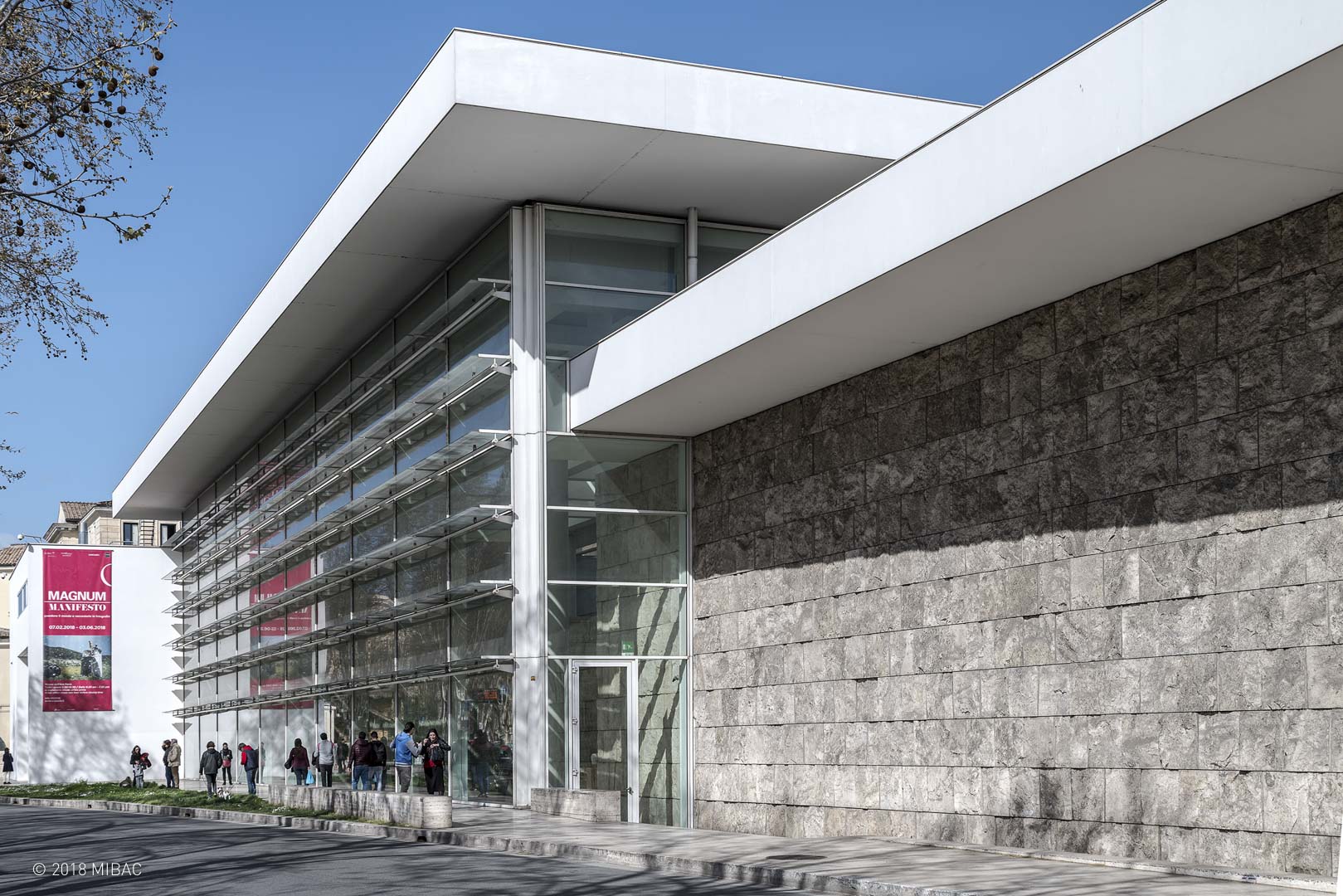
The Ara Pacis Augustae, dedicated to the Pax guaranteed by the first emperor over the territories dominated by Rome, represents one of the highest examples of classical art that has reached us to this day. The Ara was decreed by the Senate in 13 BC on the occasion of Augustus’ return from the provinces of Spain and Gaul and was deliberately built in the northern Campus Martius, already the scene of the gymnastic and military exercises of the youth of the city. Buried and thus forgotten for centuries, some large fragments of the altar were recognized at the end of the nineteenth century and then reconstructed in 1938 inside a structure that did not guarantee their proper preservation. The current Museum, completed and inaugurated in 2006, was designed by the American architect Richard Meier and represents the first architectural work built in the historic center of Rome after the last world war.
11 Must-see Museums in Rome
- Capitoline Museums;
- Vatican Museums;
- Museum of the Risorgimento;
- Museum of the Imperial Forums;
- Museum of the Villa Doria Pamphilj;
- Museum of the Ara Pacis Augustae;
- Museum of Etruscan and Italic Antiquities;
- Museum of Vintage Carriages;
- Rome Wax Museum;
- Borghese Museum and Gallery;
- Jewish Museum of Rome;
- Napoleonic Museum;
- National Museum of Arts;
- National Museum of Popular Arts and Traditions;
- National Museum of Castel Sant’Angelo;
- National Etruscan Museum of Villa Giulia;
- Numismatic Museum of the Mint;
- Historical Museum of the Carabinieri Corps;
- Mastroianni Museum;
- Museo del Corso.

12 The Wax Museum
The Wax Museum of Rome is the only one in Italy and the third in Europe. It has about 80 life-size statues, some dating back to 1958 and restored, others created in recent years. The statues represent characters from history, literature and poetry, music, sports, cinema, and art.

13 The Mastroianni Museum
The Umberto Mastroianni Donation Museum, the artist’s bequest to the Pio Sodalizio dei Piceni, is currently managed by the Umberto Mastroianni Opera Study Center, and in it you can admire many of his works, including two sculptures exhibited on the occasion of the great exhibition on twentieth-century Italy held in 2000 at the Quirinale Stables or those that were displayed in Japan, China, and the United States to represent Italy.

14 Roman Forum and Palatine Hill
The Roman Forum is on one of Rome’s most famous streets: Via dei Fori Romani. The first settlement of Rome was certainly on the Palatine Hill. And it is here that legend places Romulus and Remus and the she-wolf that nursed them. The palaces were built on hills, while at the foot the forum was built as we can see today. Visiting the Roman Forum is free. Here you will find: the Temple of Castor and Pollux, the Arch of Septimius Severus, the Arch of Constantine, and the Arch of Titus. Access is allowed every day from 9:00 am until one hour before sunset. Admission to the Palatine Hill is paid and the ticket also allows entry to the Colosseum, a UNESCO heritage site.

Rome: see also
- Basilica di San Cesareo de Appia, Rome
- Museum of Rome in Trastevere, Rome
15 MACRO Museum of Contemporary Art
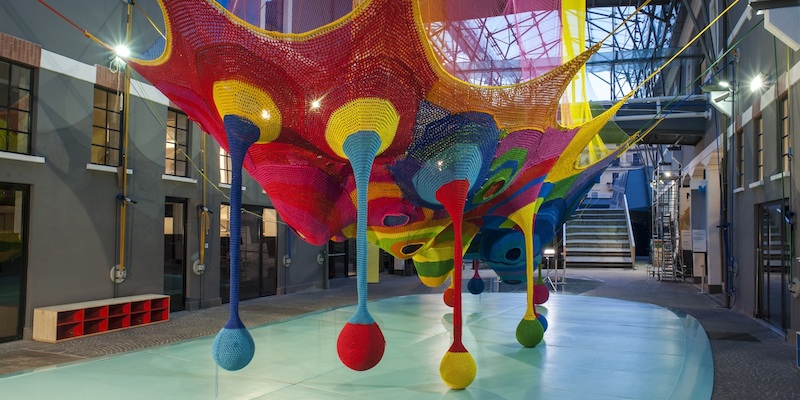
The MACRO is the museum hub of the city of Rome dedicated to Contemporary Art, committed to presenting to the public the most significant artistic expressions that the capital and the world offer. The MACRO circuit consists of two museum locations: the first and main one on via Nizza, at the former Peroni factory site, while the second – MACRO Testaccio and Pelanda – is in the former slaughterhouse area.
16 Keats-Shelley house
The Keats-Shelley Museum is located in the heart of Rome’s historic center, in an eighteenth-century townhouse situated in Piazza di Spagna, to the right of the Trinità dei Monti staircase. The place, particularly loved and remembered by English painters, writers, poets, and musicians, was the last residence of the poet John Keats who lived in the palazzo for a few months and died there in February 1821. In 1903, a group of American, English, and Italian enthusiasts and scholars founded the Keats-Shelley Memorial Association which in 1906 purchased the building to preserve works of the romantic poets Keats, Shelley, and Byron.

17 Less known museums of Rome
- Museum Archive of historical photography: the Museum/Archive of historical Photography is composed of three sections: Permanent exhibition section of photographic equipment from the 19th to the 20th century; Archive of Historical Photographic Collections; Library specialized in the history of photography composed of the bibliographic collection of the National Photographic Cabinet (GFN), part of the Becchetti Collection as well as later acquisitions.
The Museum is committed to the constant work of conservation, protection, and enhancement of the photographic heritage. It acquires new collections and archives otherwise withdrawn from public access. - Civic Museum of Zoology: with its spectacular exhibits and about 3 million preserved specimens, the Civic Museum of Zoology is one of the main centers for knowledge and conservation of biodiversity. Located in Rome, in the heart of Villa Borghese, it tells through an interactive and multimedia path the central themes of the animal world: from the strategies implemented to reproduce and ensure species survival, to the extraordinary adaptations to the most extreme environments – such as deserts, caves, or polar ice – from the complexity of life on a coral reef, to the secrets of our own home in the room dedicated to the wetlands of Lazio. The path is completed by some important historic collections on public display. The calendar of activities and events for all ages is also rich.
- Museum of horrors by Dario Argento: the museum, founded in 1989 by the famous director Dario Argento, hosts reproductions of settings and special effects related to horror and fantasy cinema. The museum is located in the basement of a horror merchandise store called “Profondo Rosso” (identical name to the famous film by the director) and is accessed through a spiral staircase. The structure consists of a single corridor lined with dark cells. Inside the cells, you can admire reproductions of scenes from the most famous horror films, as well as memorabilia (many of which are original) belonging both to films directed by Dario Argento and to those directed by other Italian and foreign directors. During the visit, you will be accompanied by a voice guide and various sound effects that help maintain the suspense alive.
- Museum of Torquato Tasso: Dedicated to the poet Torquato Tasso, it was inaugurated in 1939 in the premises of the Convent of S. Onofrio on the Janiculum, managed by the Equestrian Order of the Holy Sepulchre of Jerusalem. In this building, the poet died on April 25, 1595: his tomb is located in the chapel of the church. Some of his memorabilia are preserved there such as the urn that kept his ashes for many years, an autograph letter, and some personal objects including a crucifix and an ancient ceramic. In display cases, there are also old editions of La Gerusalemme Liberata and other of his works. Besides the museum, it is also possible to visit the convent and the cloister.
- Museum of the Ancient Near East: The Near East is part of the La Sapienza Museum Hub. The PmS constitutes an integrated system of university museums that preserve collections capable of illustrating various fields of knowledge, in relation to both scientific and humanistic disciplines. Founded in 1962 to preserve finds from excavations carried out in the Near East, it has since been greatly enriched with collections that have important educational and scientific significance.
- Museum of the Walls of Rome: The Museum is housed within the Porta S. Sebastiano of the Aurelian walls and offers visitors a didactic itinerary realized in 1990, but the history of the use of the monument for purposes more or less appropriate to its importance started much earlier. In 1939, despite the opposition of the Antiquities and Fine Arts Division, which opposed the transformation of the monument into an artist’s studio, already open to the public for years, some work was carried out inside the Porta to adapt it to the residence and private studio of the secretary of the fascist party Ettore Muti, who stayed there from 1941 to ‘43. New floors were rebuilt as the masonry vaults had collapsed, new rooms with dividing walls were created, wooden and masonry stairs were installed, and even the flooring in travertine and bricks was redone, with the insertion of two mosaics on the first floor.
- Museum of crystallographic instrumentation and information: the civic museum of Campagnano exhibits materials related to the mansio of Vacanas (1st-5th century AD) found near kilometer 31 of the Via Cassia. The archaeological exploration of the site highlighted remains of the Roman consular road and a series of buildings, including some tabernae and a thermal complex. The find is of considerable interest, as it is the only Roman post station currently under excavation in Italy.
- Museum of anthropology “Giuseppe Sergi”: in 1984, the Anthropology Museum belonging to the La Sapienza Museum Hub was named after Giuseppe Sergi who founded it exactly one century before. The museum preserves finds and collections which are of interest to anthropology, paleoanthropology, and the natural history of primates. The exhibition sector hosts an audio-visual room and two educational paths regularly open to the public.
- Physics Museum of Rome: The Museum of the Physics Department of Sapienza preserves instruments used in teaching and research in the field of physical sciences from the late 18th century to the 1960s, including the mechanical calculator used by Enrico Fermi. The Museum, a concrete testimony of the evolution of physics in Rome, was opened in 1978.
Things to Do in Rome
18 Campo dei Fiori
During your stay in Rome, you must stop by Campo de’ Fiori also simply called “Campo“. A lively square during the day, with a rich open-air market, and crowded in the evening, with all its bars and venues. Campo dei Fiori is the alternative to Piazza Navona as it is more popular even though today it has also become a less rustic square. At the center of the square stands the statue of Giordano Bruno, a philosopher burned alive for his ideas that placed philosophy above religion.

19 Trastevere
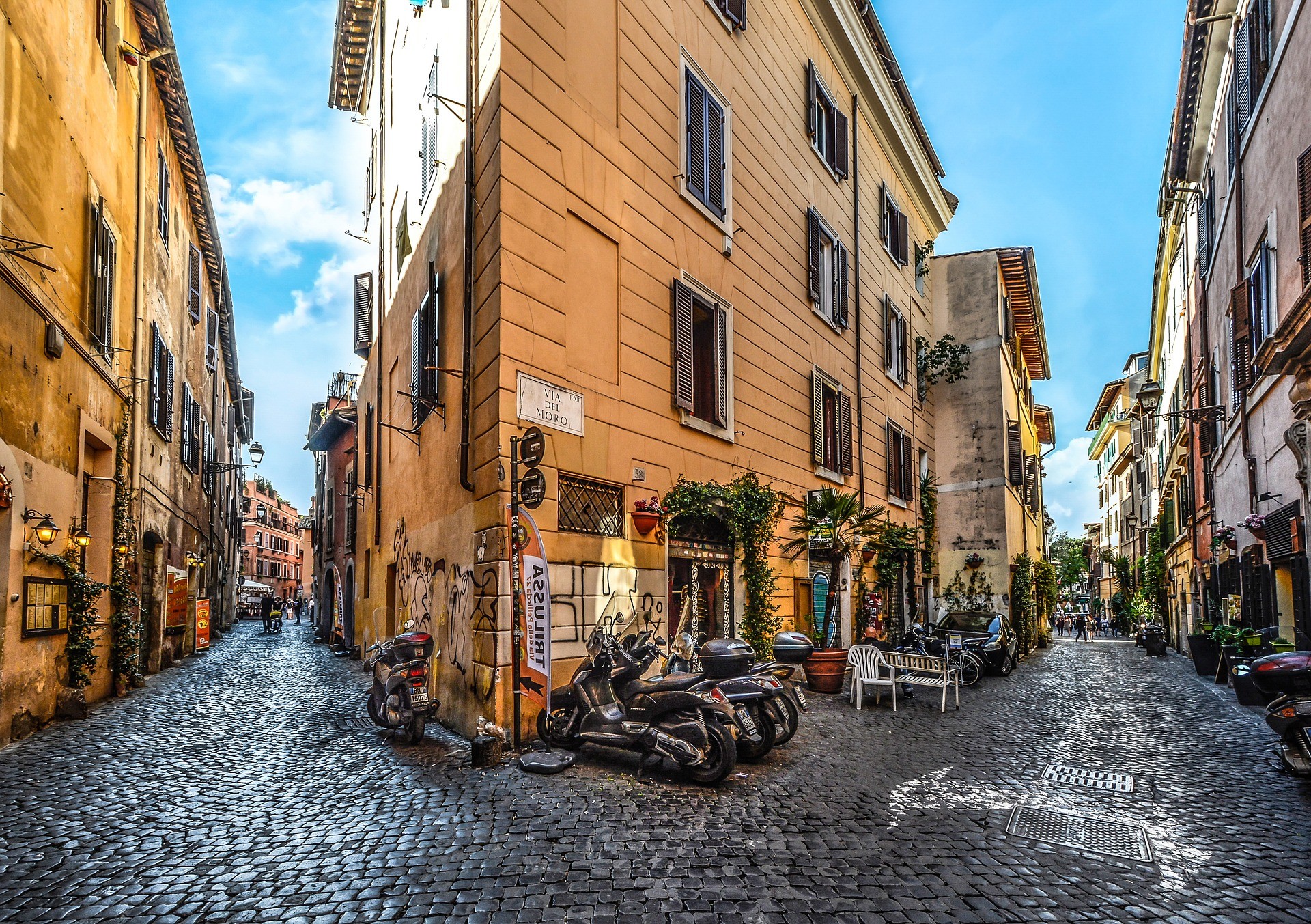
The district of Trastevere is especially known for its nightlife. Located across the Tiber River, hence its name, Trastevere is lively with young people, tourists, and Romans. The trattorias, the trendiest bars, and the streets are always full of people who enliven the neighborhood. It is certainly one of the most beloved places by Romans and tourists. A place among places. Worth visiting is the Church of Sant’Agnese in Agone, located in the square of the same name.
20 Jewish Ghetto
In the Jewish Ghetto, located on the banks of the Tiber River, there are places with Jewish cuisine (known for carciofi alla giudia), the Synagogue with a museum and typical Jewish shops. It was here that the Jews were deported by the Nazis during World War II and here that they sought refuge, fleeing from centuries of persecution by the Vatican. The Jewish community of Rome dates back over 2000 years and is the oldest in Europe.

21 Villa Borghese
Villa Borghese is the green soul of Rome, an ideal place for a relaxing walk away from the city chaos, yet still in the heart of the city. A walk among the groves, along the artificial lake, or in the biopark contained within it should be included in the “Rome: things to do” list.

Brief information about Rome: where to eat, how to get there, how to get around
22 How to get to Rome
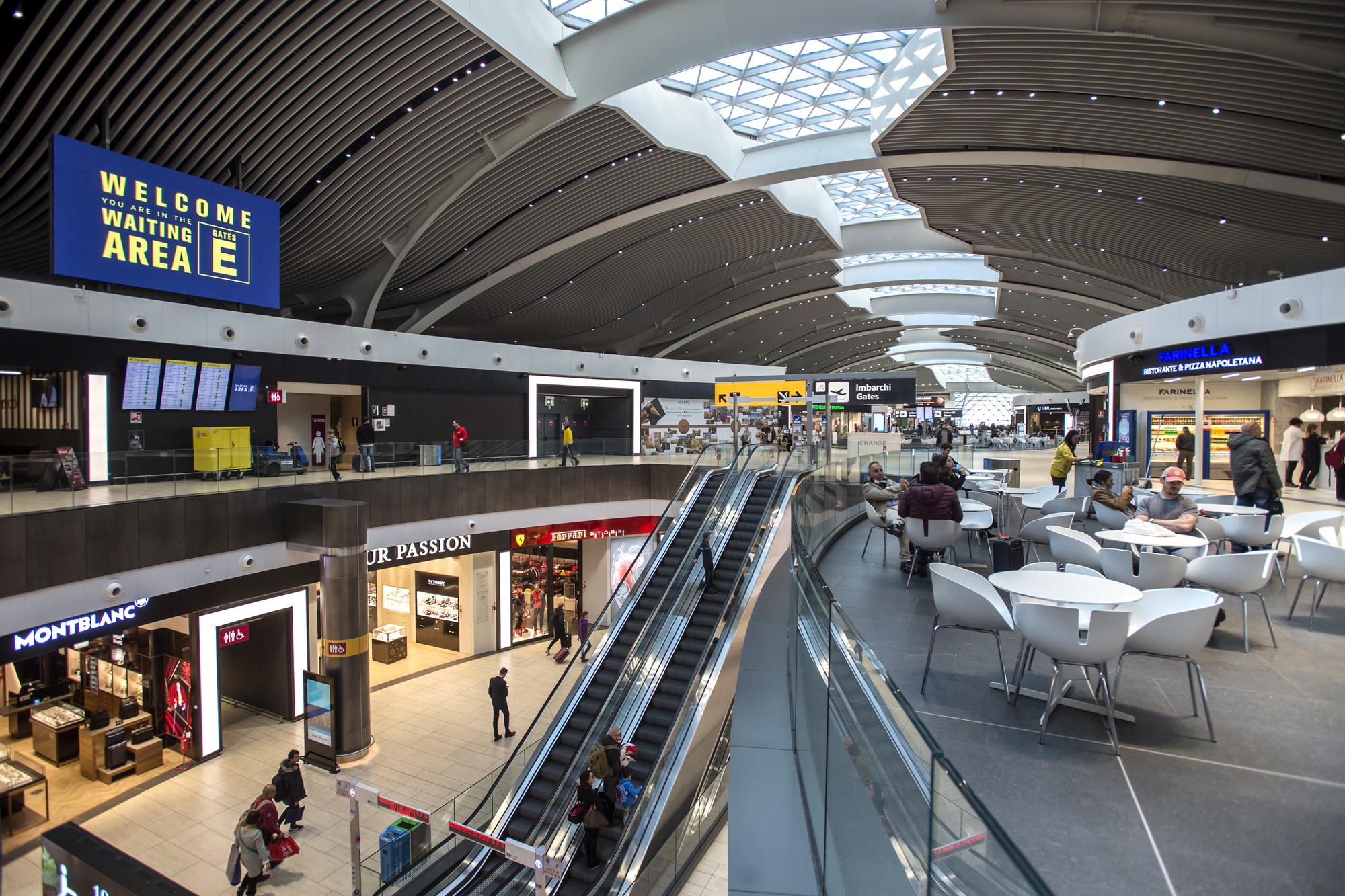
Besides by car, you can reach Rome by train, arriving at Roma Termini railway station, or by plane arriving at the Rome Fiumicino Airport or at Ciampino Rome Airport.
23 How to get around Rome
To get around Rome we recommend using the subway service (faster and avoids traffic) or the bus service. Using a car is instead not advisable due to the consistently heavy traffic. The alternative is the taxi which, however, is not entirely economical. If you want to move by car you can also consider the various car sharing services available locally but watch out for traffic!

24 Where to eat in Rome
Walking around the city you will realize how many restaurants and pizzerias there are on every corner, especially in the most touristy areas. Typical Roman cuisine is really very good, so we recommend not to miss the following dishes on the “Rome: what to eat” list: amatriciana, gricia, cacio e pepe and carbonara, four famous and really tasty first courses; abbacchio alla romana as a main course and maritozzo alla panna as a dessert. Avoid the most crowded and heavily touristy places. In Garbatella, south of Rome, for example, you can find places with “authentic” Roman cuisine while in the Jewish Ghetto you can enjoy carciofi alla giudia.

25 Where to sleep in Rome: recommended areas and useful tips
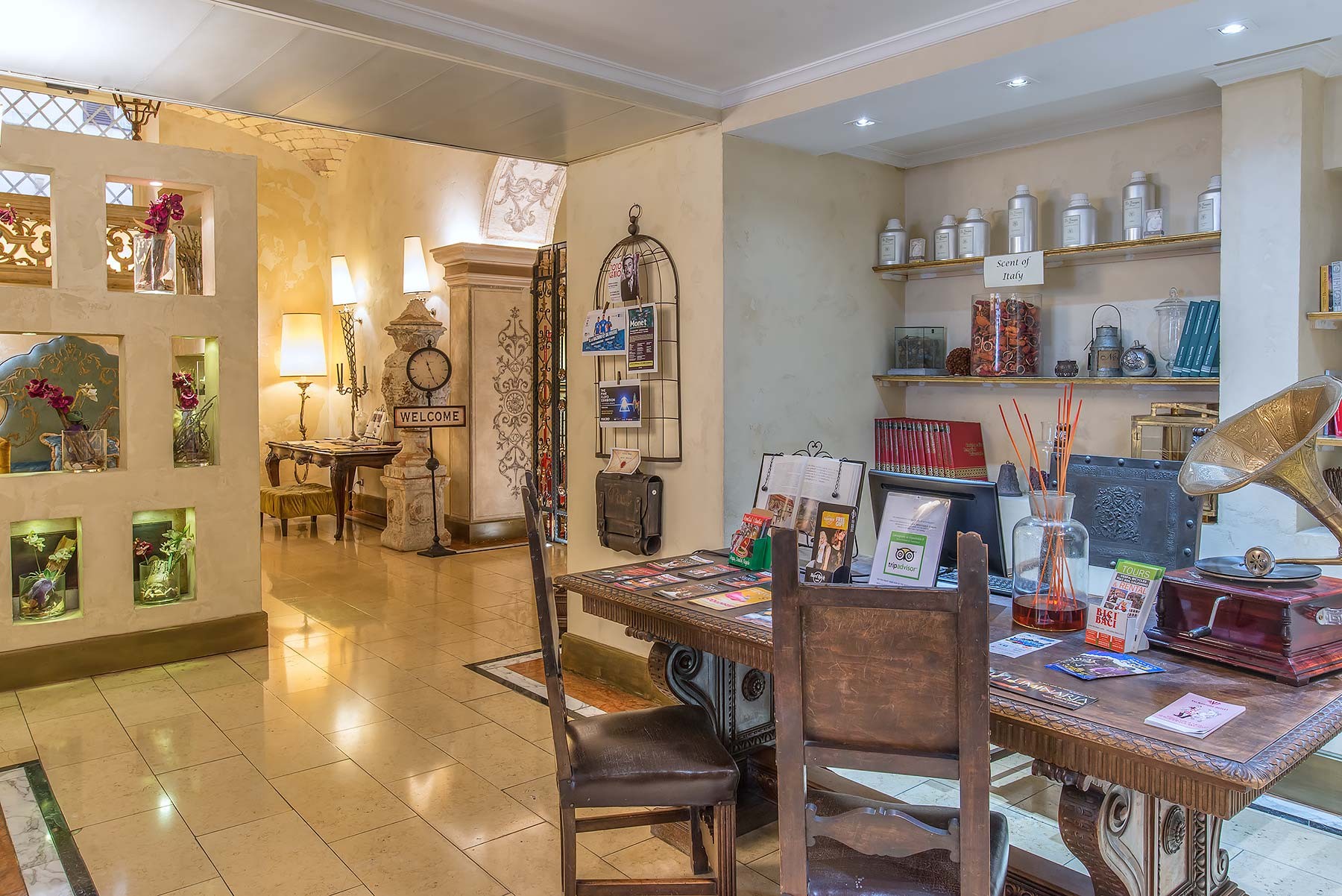
Finding accommodation in Rome can be a challenge, especially in peak season. To save money, you can choose well-connected but slightly outlying areas, such as Garbatella, San Giovanni, Colosseum or Ostiense: all served by the metro and perfect for visiting the center without spending too much.
Central areas like Prati, Piazza Navona or Trastevere are beautiful but often more expensive, especially during peak periods. Rome doesn’t have a real low season, but in winter and August it’s possible to find more convenient offers.
🛏️ Tip: check our selection of hotels and accommodations in Rome to find the option that best suits your needs or how to save money on sleeping in Rome.
💡 Or search for deals on: Booking.com
If you have little time available, here are some ideas to discover Rome in a few hours. Each itinerary will allow you to visit the wonders of the city, adapting to the time you have available, without giving up the most iconic experiences.
What to see in Rome in one day
If you have only one day to visit Rome, it is important to focus on the main attractions of the capital, those that best tell the story and culture of this city without wasting too much time. Start your day with a visit to the Colosseum, the most famous amphitheater in the world, symbol of the greatness of Ancient Rome. Immediately after, head to the Roman Forum and the Palatine Hill, two of the most fascinating archaeological sites, where you can walk among the ruins of the ancient city and discover its extraordinary history. In the afternoon, don’t miss a walk to the Trevi Fountain, one of the most iconic monuments of Rome, and be sure to throw a coin in to return to the eternal city. The Spanish Steps, leading to Piazza di Spagna, is another must-see spot for a panoramic view. End your visit with an evening stroll along Via del Corso, which will also allow you to discover luxury shopping in the heart of Rome.
What to see in Rome in 2 days
If you have two days available to visit Rome, you have the opportunity to explore a little more and also discover some of the most evocative places in the city. In addition to what you have already seen in one day, dedicate yourself to the Vatican City on the second day, which represents one of the most significant destinations in the capital. Start your visit with the St. Peter’s Basilica, one of the most imposing religious sites in the world, then climb up to the dome for a breathtaking view of Rome. Just a few steps away, the Vatican Museums and the Sistine Chapel, with Michelangelo’s frescoes, are a must for lovers of art and history. After exploring the Vatican, stroll through the Prati district and visit the Pantheon, one of the best-preserved Roman temples, and Piazza Navona, with its evocative Fountain of the Four Rivers designed by Bernini. If you have time, don’t forget to stop for a coffee in one of the city’s historic cafés to fully experience the Roman atmosphere.
What to see in Rome in 3 days
Three days in Rome allow you to discover its treasures more deeply, from the most famous monuments to neighborhoods less frequented by tourists. On the first day you can follow the one-day itinerary, including the Colosseum, the Roman Forum, the Trevi Fountain, and Piazza di Spagna. On the second day, after exploring the Vatican, dedicate your time to exploring Trastevere, one of the most characteristic neighborhoods of Rome, famous for its cobbled streets and lively nightlife. Trastevere is the ideal place to discover the most authentic Rome, with its traditional restaurants and the Basilica of Santa Maria in Trastevere, one of the oldest churches in the city. On the third day, visit the Castel Sant’Angelo, an imposing castle that offers a spectacular view of the Tiber River and the city. Stroll through the Gardens of Villa Borghese, where you can relax and take a bike ride before visiting the Borghese Gallery, which houses one of the most important art collections in Italy, with works by Caravaggio, Bernini, and Titian. Don’t forget to stop at the Pincian Hill, one of the most beautiful panoramic points in the city, from which you can admire a breathtaking view of Rome.
What unusual things to see in Rome
Rome is a city full of surprises and unusual places often missed by the most common tourist circuits. If you are looking for unique experiences, start with a visit to the Coppedè district, a hidden corner of Rome characterized by Art Nouveau buildings and unique artistic decorations that will make you feel like you are in another era. Another unusual place not to be missed is the Basilica of San Clemente, which houses three levels of history within: from the medieval church, through an ancient Roman temple, to a 2nd-century house. For a truly out-of-the-ordinary experience, visit the Catacombs of San Callisto, an underground labyrinth of funerary galleries dating back to the early centuries of Christianity. If you want to discover a more authentic and gastronomic side of the city, stop at the Testaccio Market, a historic market where you can taste typical Roman dishes like coda alla vaccinara or supplì. Another unusual experience awaits you at the Museum of the Souls in Purgatory, a small and curious collection of religious objects related to the theme of the afterlife, located inside the Church of the Sacred Heart of Suffrage.
Frequently Asked Questions About What to See in Rome
❓ What are the most famous places to visit in Rome?
It is difficult to make a definitive list of Rome's most famous attractions: the city is an open-air museum. However, there are iconic places that every visitor should see at least once in their lifetime. The Colosseum is undoubtedly the symbol of the capital, followed by the majestic St. Peter’s Basilica in the Vatican, the Trevi Fountain, and the Pantheon. Also unmissable are Piazza Navona, with its baroque fountains, and the Vatican Museums, which hold true treasures of world art.
❓ What to see in Rome in one day?
Visiting Rome in just one day is a challenge, but with a well-organized itinerary you can admire a lot. You can start from the Colosseum and the Roman Forum, continue towards Piazza Venezia, then head up to the Trevi Fountain. From there, the Pantheon and Piazza Navona are just a few steps away. To finish, Piazza di Spagna with its famous staircase is perfect for enjoying the sunset. An intense taste of the eternal city.
❓ What to see in Rome for free?
Rome offers many free experiences that are just as good as paid ones. You can walk through the most famous squares like Piazza di Spagna and Piazza Navona, admire the Pantheon (free entry at certain hours), see the Trevi Fountain, explore Trastevere or climb the Janiculum Hill for a breathtaking view. St. Peter’s Basilica is also free to visit, as well as many events and temporary exhibitions.
❓ What is the best time to visit Rome?
The best months to visit Rome are spring (April and May) and autumn (September and October), when the temperatures are mild and the city is less crowded than in summer. During these periods, walking, sitting outdoors, and enjoying the attractions without long waits is more pleasant. December, with Christmas lights, also offers a magical atmosphere.
❓ How to get around Rome to visit the attractions?
The center of Rome is easily walkable, but to cover longer distances you can rely on the metro (lines A, B, and C), trams, or buses. For those wanting a more touristic experience, hop-on hop-off buses are a good solution to see a lot in a short time. Additionally, there are apps and integrated passes (like the Roma Pass) that facilitate travel and access to museums and monuments.