

Milano in breve
- Population: About 1.4 million
- Known for: Fashion, design, finance, art
- Iconic places: Duomo, Galleria Vittorio Emanuele II, Teatro alla Scala
- Culinary specialties: Milanese risotto, Milanese cutlet, panettone
- Best time to visit: Spring and autumn
Visit Milan: 23 Things to Do and See
Downtown Milan is undoubtedly an Italian city that has a lot to offer its tourists. When visiting, you will quickly realize the large number of iconic works and monuments that will leave you completely amazed. If you are wondering what to see in downtown Milan, this is the guide for you: we will tell you about the points of interest and attractions you shouldn’t miss in Milan.
- Milano in breve
- Visit Milan: 23 Things to Do and See
- Discover Milan in Video
- The 12 Most Famous Attractions in Milan
- Duomo di Milano
- Galleria Vittorio Emanuele II
- Castello Sforzesco
- Teatro alla Scala
- Parco Sempione
- Santa Maria delle Grazie
- Cenacolo Vinciano
- Brera
- Piazza Gae Aulenti
- CityLife
- Navigli
- Cimitero Monumentale
- What to see in Milan: places of interest
- 1 The Milan Cathedral (Duomo di Milano)
- 2 Galleria Vittorio Emanuele II
- 3 Sforza Castle
- 4 La Scala Theatre
- 5 Brera and Art Gallery
- 6 Milan Modern Art Gallery
- 7 Vinciano Last Supper
- 8 Ambrosian Art Gallery, Milan
- 9 Church of San Maurizio at the Monastero Maggiore
- 10 Cappuccini Museum of Milan
- 11 Museums of Milan not to miss: 23 proposals
- 12 The Navigli of Milan
- 13 Astronomical Museum and Brera Botanical Garden
- 14 Herbarium Botanical Museum
- 15 Diocesan Museum of Milan
- 16 Roman Amphitheater Park and “Alda Levi” Antiquarium, Milan
- 17 Interactive Cinema Museum, Milan
- 18 Darsena of Milan
- 19 Milan Fashion Quadrilateral
- Milan in a nutshell: how to get around, how to arrive, where to eat, where to stay
- 20 How to get to Milan
- 21 How to get around Milan
- 22 Where to eat in Milan
- 23 Where to stay in Milan: strategic areas and periods to avoid
- If you are in a hurry and want to find out what to see in Milan, here’s what to do
- What to see in Milan in half a day
- What to see in Milan today
- What to see in Milan in one day
- What to see in Milan in 3 days
- Frequently Asked Questions About What to See in Milan
Discover Milan in Video
A visual journey through architecture, innovation, and tradition: Milan told through the contemporary perspective of YesMilano, the official tourism portal.
The 12 Most Famous Attractions in Milan
Milan is a city with many facets, where history and modernity coexist in perfect harmony. Below you will find a selection of the 12 most iconic attractions from which to start exploring the heart of the Lombard metropolis.
Duomo di Milano
Area: Center
Type: Gothic Cathedral
Galleria Vittorio Emanuele II
Area: Center
Type: Architecture / Shopping
Castello Sforzesco
Area: Center
Type: Historic / Museum
Teatro alla Scala
Area: Center
Type: Historic Theater
Parco Sempione
Area: Center
Type: Urban Park
Santa Maria delle Grazie
Area: Corso Magenta
Type: Church and Art
Cenacolo Vinciano
Area: Corso Magenta
Type: Work of Art
Brera
Area: Historic Center
Type: Artistic District
Piazza Gae Aulenti
Area: Porta Nuova
Type: Modern Architecture
CityLife
Area: Fair Zone
Type: Contemporary Architecture
Navigli
Area: South
Type: Lively District / Canals
Cimitero Monumentale
Area: Porta Volta Zone
Type: Art and Memory
What to see in Milan: places of interest
To make your stay well organized, we have thought of a guide that can advise you on what to see in Milan. This way you can see the most significant things with only a few days available. Before moving on to the complete list, however, we want to help you understand what to see in Milan in one day or over several days if you have more time available (it’s worth it). We recommend visiting the museums and palaces where you can also find the major exhibitions in Milan.
Take advantage of the offers of the numerous tours of the Milanese city to visit it with an expert guide of Milan’s historic center.
1 The Milan Cathedral (Duomo di Milano)
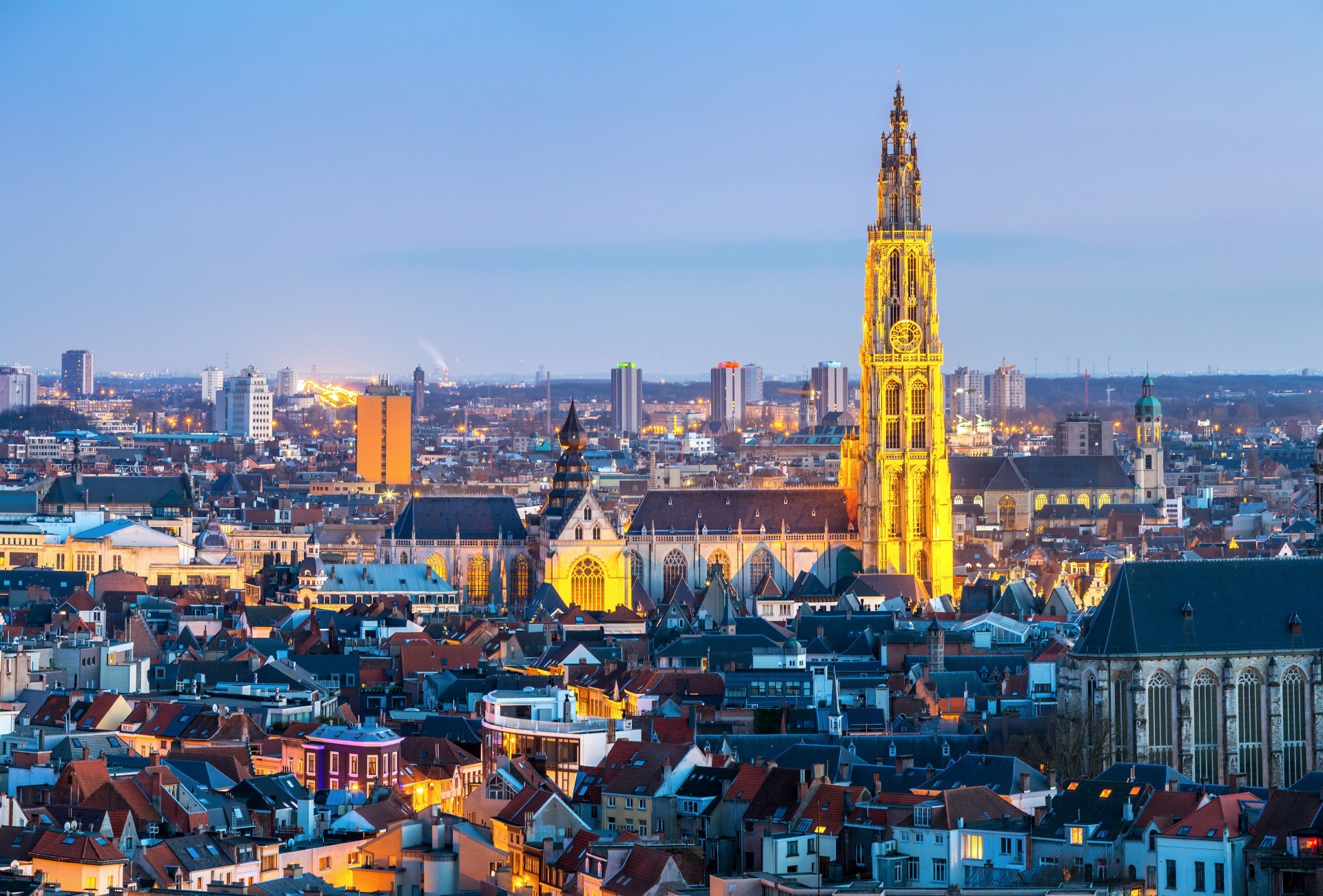
The Gothic cathedral (Duomo di Milano) is the symbol of the city, with its hundreds of spires and external statues, including the famous Madonnina. It is the fourth largest church in the world and has a capacity of 40,000 seats. Reaching the top of the Duomo, by elevator or stairs, you can admire the city of Milan from above. Don’t miss a visit to the Duomo Museum and the Duomo terraces.

2 Galleria Vittorio Emanuele II
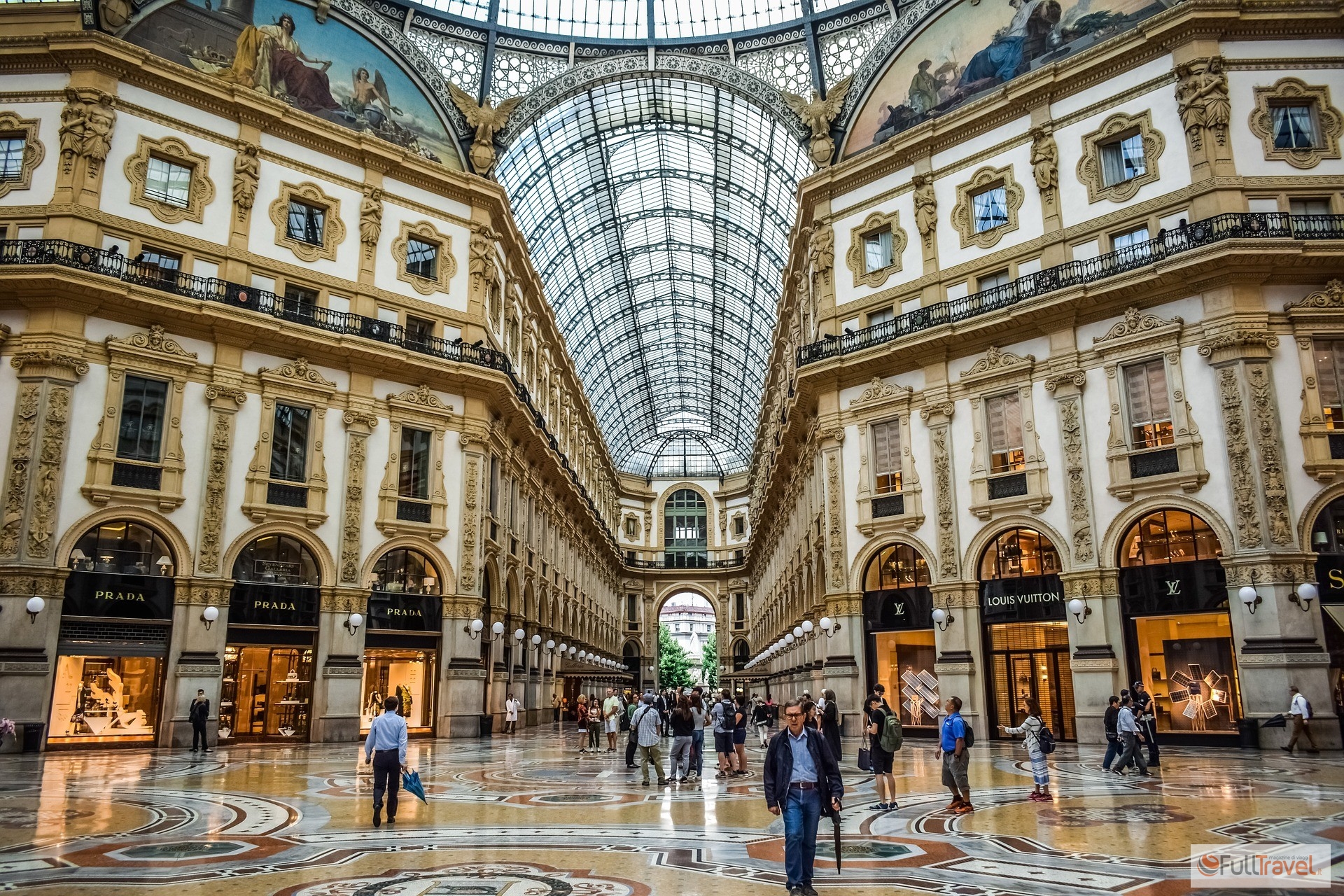
The Galleria Vittorio Emanuele II is located next to the Duomo, in Piazza Duomo. It is often called “the living room of Milan” and is one of the most iconic shopping places of the Lombardy city. Its mosaic floor makes it truly unique. In the gallery, you will find cafés, starred restaurants, and many boutiques.
3 Sforza Castle
The Sforza Castle, also known as Milan Castle, is located in the center of Milan and is one of the must-see destinations in the “Milan what to see” list. The Sforza Castle is one of Milan’s main symbols and history. It was built in the 15th century by Francesco Sforza, newly Duke of Milan, on the remains of a previous 14th-century fortification known as Castrum Porte Jovis (Castle of Porta Giovia or Zobia), and over the centuries underwent significant transformations.
Between the 16th and 17th century, it was one of the main military citadels in Europe; restored in historicist style by Luca Beltrami between 1890 and 1905, it is now home to important cultural institutions and a tourist destination. It is one of the largest castles in Europe. Inside, you will find the Civic Museums of the Castle and artworks: the Sforza Castle is the ideal place to spend a few hours away from the city chaos without leaving the city center. We recommend the audioguide visit or a Sforza Castle guided tour.

4 La Scala Theatre
The La Scala Theatre, also known simply as “La Scala”, is the first theater of Milan. Located near the Galleria Vittorio Emanuele II, it was inaugurated on August 3, 1778, with the performance of the opera “L’Europa riconosciuta“, by Antonio Salieri. It is an artistic and cultural landmark not only in Italy but worldwide. Inside the theater, there is a museum. Possibility of a guided tour of La Scala Theatre and the attached Museum.

5 Brera and Art Gallery
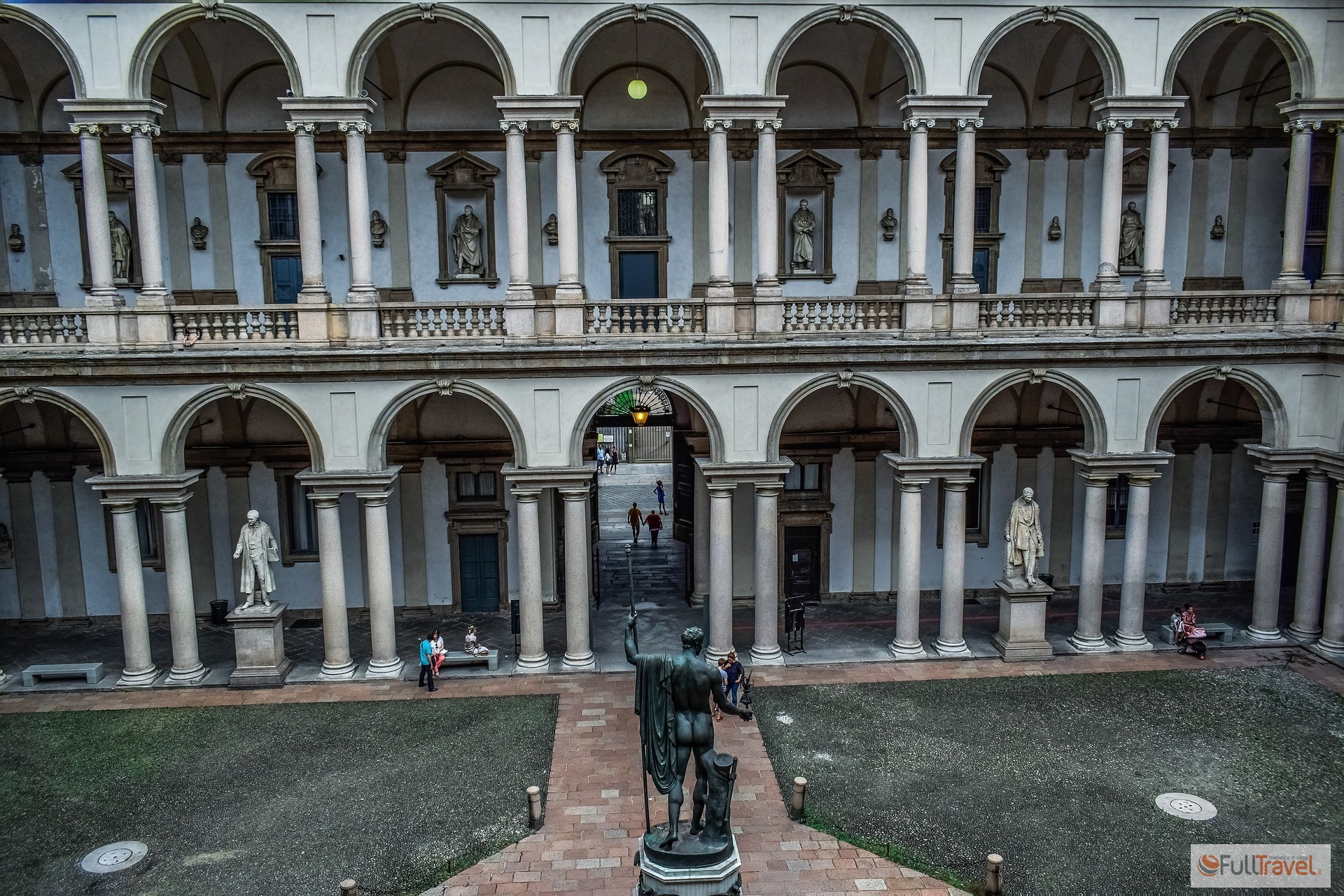
Brera is the artists’ district and surely reminds one of the Parisian atmosphere. Painting enthusiasts can immerse themselves in works by Italian and foreign artists during the visit to the Brera Art Gallery, a key point in the “Things to do in Milan” list.
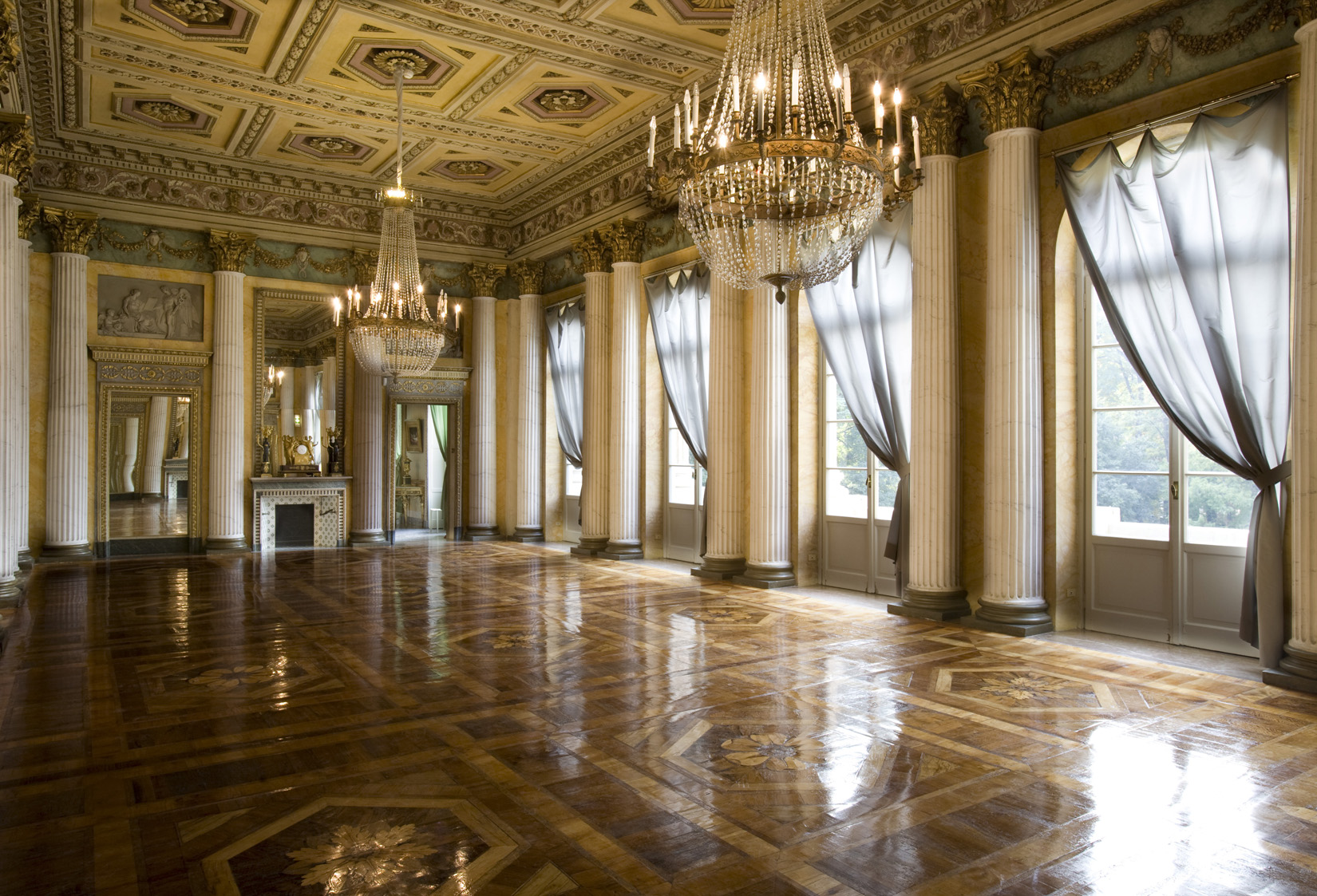
6 Milan Modern Art Gallery
The Milan Modern Art Gallery is located in the space of the Villa Reale; inside you can find artworks dating back to the 19th century.
7 Vinciano Last Supper
The Vinciano Last Supper is a UNESCO heritage and is one of the absolute masterpieces regarding art history. To be able to observe Leonardo da Vinci’s “The Last Supper” will turn out to be a truly unforgettable experience. The Last Supper is located in the church of Santa Maria delle Grazie, another iconic monument of Milan.

8 Ambrosian Art Gallery, Milan
The great Lombard Library founded by Cardinal Federico Borromeo was one of the first to be opened to public reading thanks to the gesture of an illustrious patron (1609). It was conceived by the founder as a center of study and culture: he wanted other institutions such as the College of Doctors, the Academy of Fine Arts, and the Art Gallery to flourish alongside it. The first president was the painter Giovan Battista Crespi known as il Cerano. The new institution initially flourished, attracting architects, painters, and sculptors such as Biffi, Mangone, Procaccini, Morazzone, Daniele Crespi, Nebbia; but later declined until it ceased to exist in 1776. Piazza Pio XI, 2 20123 Milan.
9 Church of San Maurizio at the Monastero Maggiore
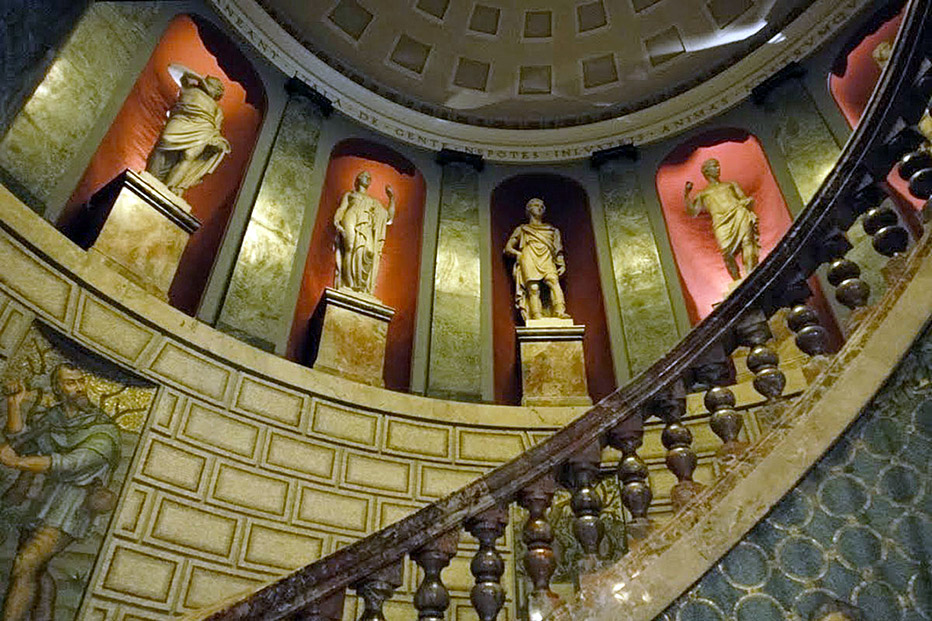
The Church of San Maurizio at the Monastero Maggiore and its annexed Archaeological Museum are located on Corso Magenta, number 13, not far from the Duomo. For about ten centuries, until the end of the 1700s, it was the church of the most important female monastery in Milan, also very significant for its cycles of frescoes earning the title “Sistine Chapel of Milan“. Inside, you can admire 16th-century works by Bernardino Luini and his sons Aurelio, Evangelista, and Giovan Pietro, Boltraffio, and Simone Peterzano. The complex arose in a very significant area of the city since Roman times, near the circle of city walls and on the site of the circus, close to the imperial palace. The Church of San Maurizio consists of a rectangular nave, divided by a partition into two distinct areas, respectively for the faithful and the cloistered nuns. In the cloister, now home to the Archaeological Museum, you can see two Roman towers, preserved intact up to the roof, one square from which the horse races departed in the circus (recalled by today’s via Circo), and the other, a 24-sided polygonal tower, part of the city walls, both dating to the late 3rd – early 4th century AD. The two towers survived destruction because they were incorporated into the monastery. The church is open from Tuesday to Sunday; group entrance hours are set at the following times: 10:00; 11:00; 12:00; 14:15; 15:15; 16:15 for a maximum of 60 minutes.

10 Cappuccini Museum of Milan
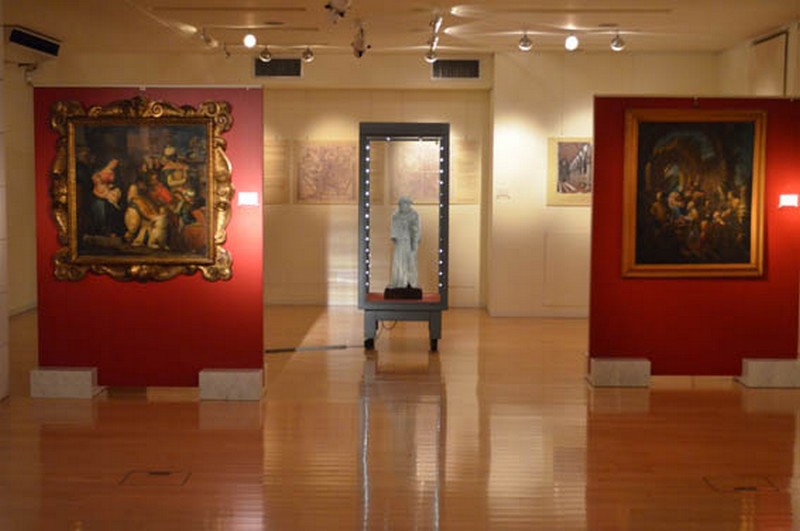
The Cappuccini Museum of Milan presents artworks (many still unpublished) coming both from the Order’s archive and some of the many fraternities in Lombardy. The Museum presents the thoughts and activities of the Cappuccini, the cultural and religious environment in which they operated, framed within broad pathways of Milan’s tradition and history.
These are just some of the main monuments we recommend visiting in Milan if you have only one day available. If your stay is longer, instead, we suggest you add other places to your tour and include them in your list: “Milan what to visit”.
11 %%FLI_PROTECTED_10%% not to miss: 23 proposals
The city of Milan offers a considerable number of art exhibitions and just as widespread are the museums where you can admire masterpieces of today and yesterday. There are museums in Milan, furthermore, that collect bizarre and little-known collections. Here are 23 proposals:
- Musical Instruments Museum;
- National Museum of Science and Technology Leonardo da Vinci;
- San Siro Museum;
- Civic Photographic Archive;
- Aquarium and Civic Hydrobiological Station;
- Movement of Current Foundation;
- Museum of the Twentieth Century;
- Cabinet of Drawings;
- Braidense National Library;
- Archaeological Museum;
- Civic Museum of Natural History;
- Gallerie d’Italia;
- Boschi Di Stefano House Museum;
- “G. Lorenzi” Collection;
- Achille Bertarelli Print Collection;
- Martinitt and Stelline Museum;
- Villa Necchi Campiglio;
- Regional Museum of Psychiatry;
- Zucchi Museum Collection;
- Morando Palace;
- Arese-Litta Palace;
- Museum of the Risorgimento;
- Francesco Messina Studio Museum.
12 The Navigli of Milan
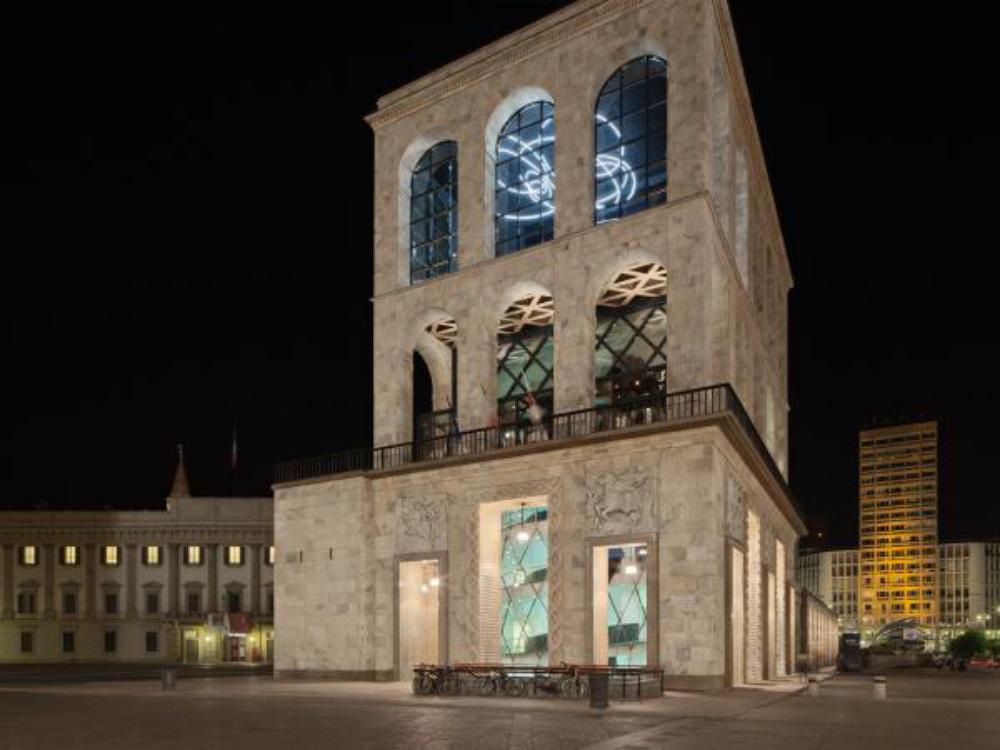
The Navigli represent one of the most intimate and romantic areas of Milan. You can spend an evening with friends or enjoy a walk as a couple, among shops and bars, wrapped in a magical and bohemian atmosphere. Navigli Milan, how to get there: You can easily reach the Navigli thanks to the green metro line. If you are near the Duomo area, we recommend a 30-minute walk along the dock: you won’t regret it!

13 Astronomical Museum and Brera Botanical Garden
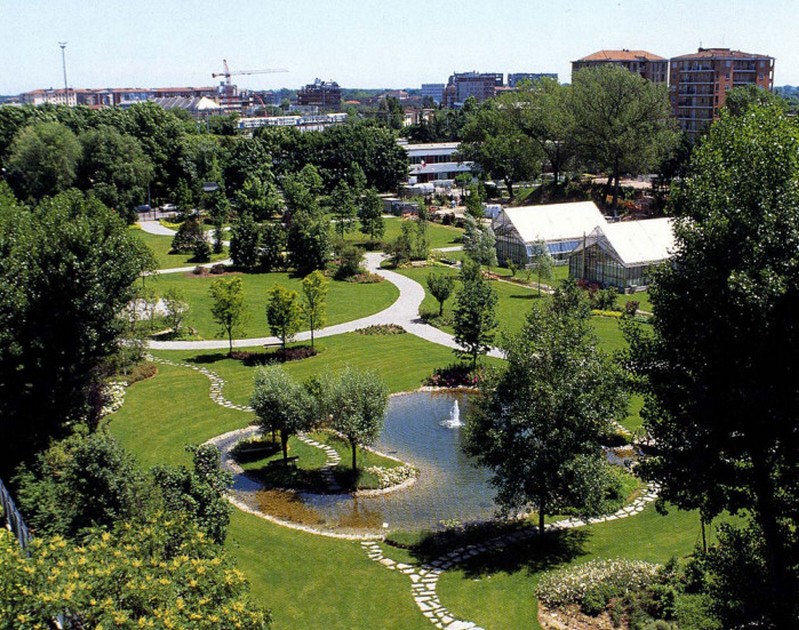
The Brera Astronomical Museum-Botanical Garden testifies to the work of safeguarding and enhancing the historical, scientific, and cultural heritage undertaken by the University of Milan in Palazzo Brera. For over twenty years, the facility has offered specific activities aimed at schools and citizens: guided tours, multimedia conferences, observation nights, botanical painting and astronomy workshops. Astronomical Museum Opening Hours, Monday to Friday (except holidays) 9:00 am – 4:30 pm. Botanical Garden opening hours (except holidays): from September 1 to October 31 Mon – Fri 9:00 – 12:00 and 2:00 – 5:00 pm – Sat. 10:00 am – 5:00 pm; from November 1 to January 31 Mon – Fri 9:00 am – 12:30 pm – Sat. 10:00 am – 4:00 pm; from February 1 to June 30 Mon – Fri 9:00 – 12:00 and 2:00 – 5:00 pm – Sat. 10:00 am – 5:00 pm; from July 1 to August 31 Mon – Fri 9:00 – 12:00 and 2:00 – 4:00 pm – Sat. 10:00 am – 4:00 pm. Via Brera, 28.

14 Herbarium Botanical Museum
In 1982, the Botanical Sciences Institute of the University of Milan was incorporated into the Department of Biology, where the Botanical Museum is today. The rich botanical collection hosted there includes ancient herbariums from university or personal collections of scientists who from 1871 to the present have contributed to enriching the original collection nucleus. The Museum collaborates with the Civic Museum of Natural History of Brescia, the Civic Museum of Natural History, and the Botanical Garden of Bergamo.
15 Diocesan Museum of Milan
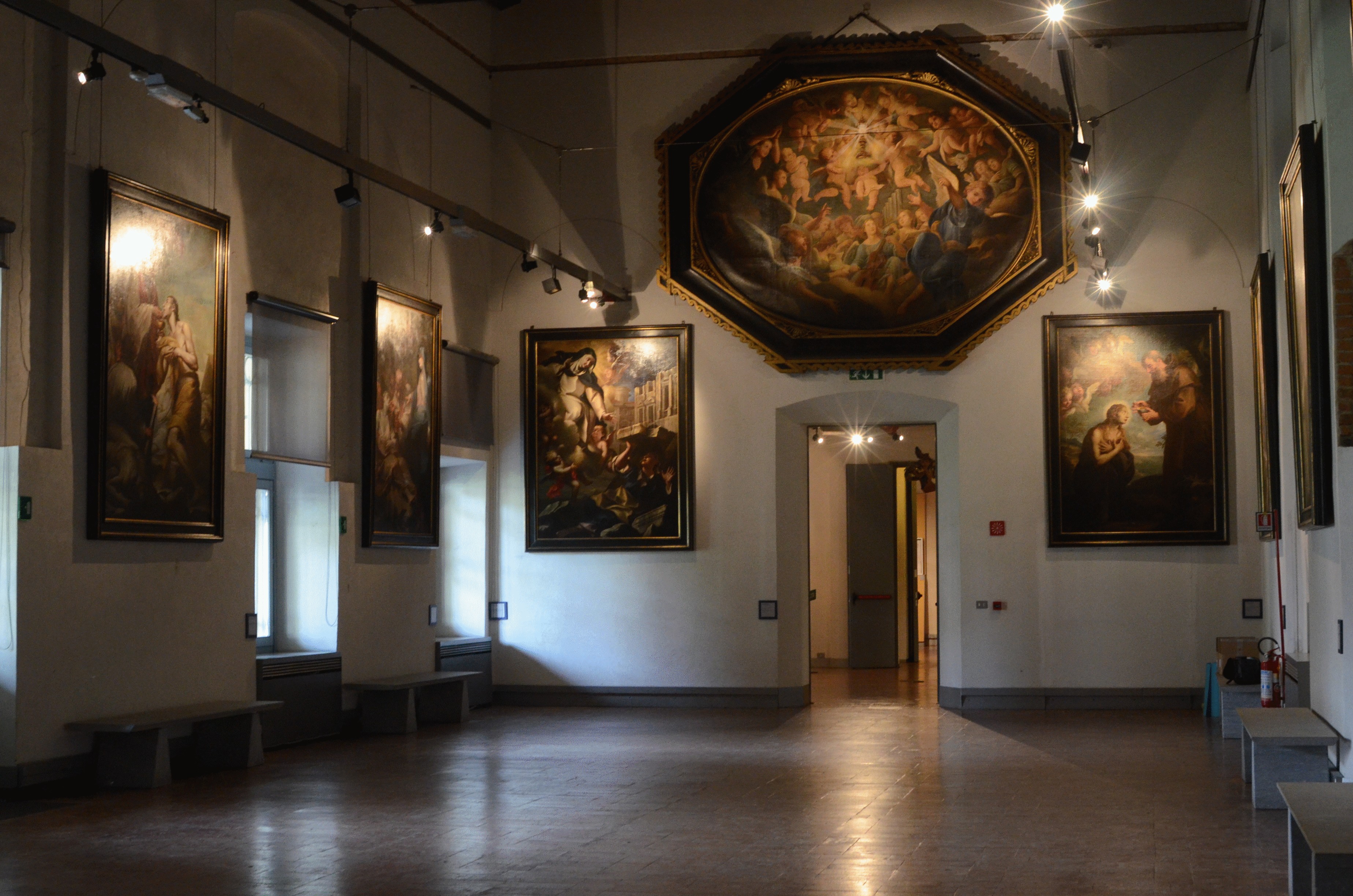
The Diocesan Museum stands within the cloisters of Sant’Eustorgio, an integral part of one of Milan’s oldest monumental complexes, consisting of the unified complex of the basilica and the Dominican convent, flourishing over the centuries in an area significant for Milanese Christian history. On the Sant’Eustorgio square there is still the legendary font where Saint Barnabas around the mid-1st century baptized the first Milanese, starting the local church. The basilica is also linked to the legend of the relics of the Magi, brought from the East with Bishop Eustorgio, and to the cult of Saint Peter Martyr, the Dominican who lived in the convent around the mid-13th century, anti-Cathar preacher and fierce inquisitor.
16 Roman Amphitheater Park and “Alda Levi” Antiquarium, Milan
The Roman Amphitheater Park and Antiquarium are located in a large green space in the heart of Milan. Opened since 2004, they show the historical-archaeological richness of a neighborhood of ancient Mediolanum developed near the road axis Mediolanum-Ticinum. The archeological park preserves a portion of the foundations of the Roman amphitheater (1st-4th century AD), while in the exhibition space significant artifacts and multimedia installations tell about the characteristics of the arena shows and the evolution of the south-west area of the city from Prehistory to the Late Middle Ages.

17 Interactive Cinema Museum, Milan
The Interactive Cinema Museum (MIC), is a project of the Italian Film Library Foundation and Lombardy Region-Culture. The Film Library is located in the former Tobacco Factory area, where for some years the Foundation’s offices and management have also been based. Small and precious, highly intense. A medium-small space, through microelectronics, is just the size for a cognitive, emotional, and playful experience lasting one to one and a half hours on the three themes in which the MIC has special things to show. Viale Fulvio Testi, 20162 Milan.

18 Darsena of Milan
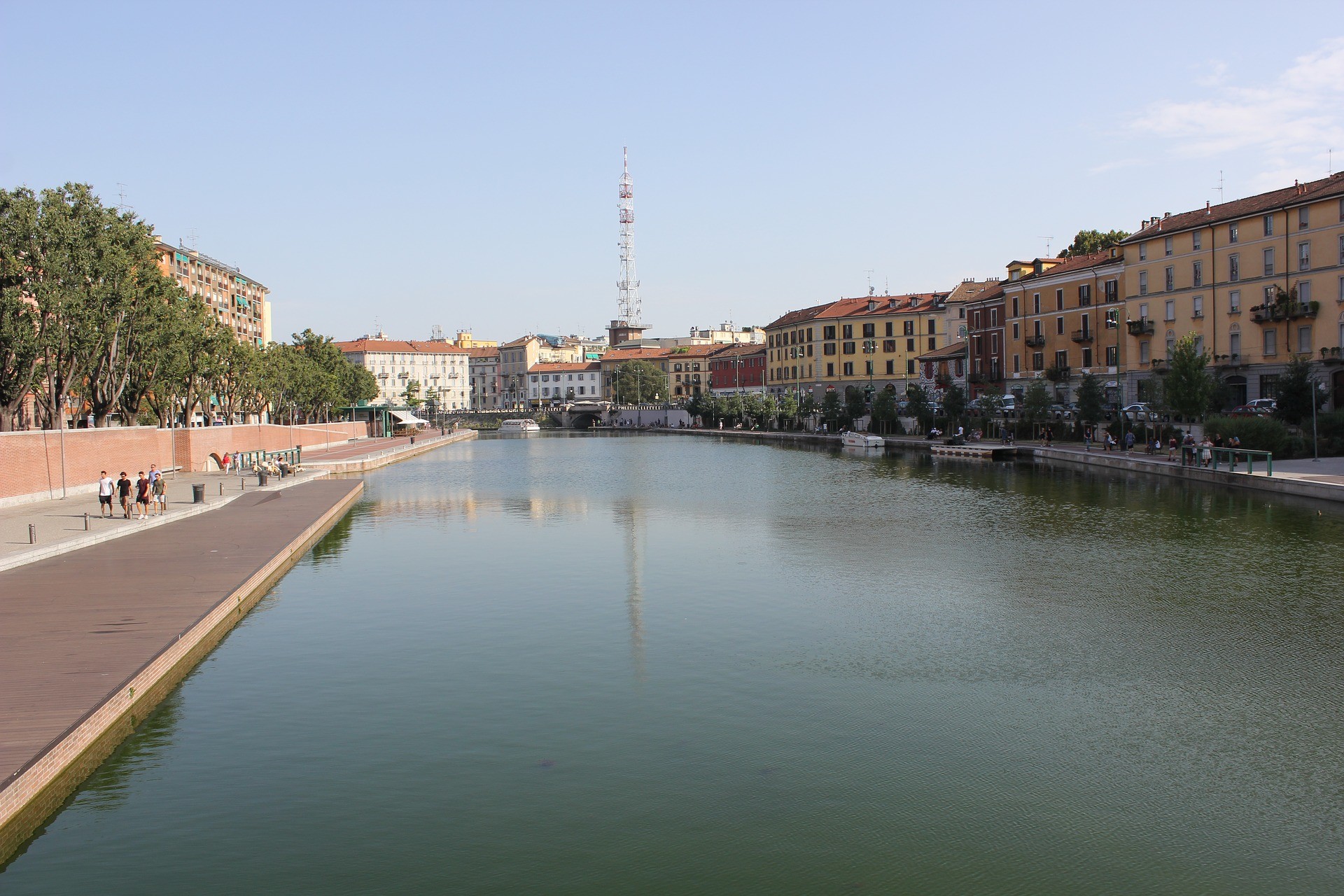
The Darsena of Milan is the ancient port of Milan. A meeting point between the Naviglio Grande and the Naviglio Pavese, today it is the heart of Milan nightlife and the vibrant nightlife of Milan. Darsena of Milan, how to get there: you can easily reach the Darsena on foot, by metro, or by bus.
19 Milan Fashion Quadrilateral
The Fashion Quadrilateral is absolutely the luxury shopping district of Milan. The core of this district is via Montenapoleone, but don’t forget to also explore via della Spiga and Corso Venezia. The big brands await you for a day of relaxation and shopping in one of the key points on the travel list “Milan what to do“.

Milan in a nutshell: %%FLI_PROTECTED_36%%, how to arrive, where to eat, where to stay
20 How to get to Milan
If you want to reach Milan without using a car, you can opt for the train, arriving at the Milan Central Station. Alternatively, you can travel by plane and land at one of the two airports, Milan Malpensa or Milan Linate. Whatever means you decide to use, connections from the station or the two airports are well served thanks to buses and the subway.

21 How to get around Milan
In Milan we recommend getting around using the Milan metro service which serves the entire city very efficiently. Alternatively, we suggest using the tram and other public ground transportation.
Tip: Taxis are not very cheap, as in many Italian cities. If you want to move around by car, you can also consider using a car-sharing rental.

22 Where to eat in Milan
For a good lunch or a delicious dinner in Milan, we recommend looking for a typical restaurant that will allow you to enjoy a traditional risotto alla milanese with ossobuco or a cotoletta. Of course, there are also starred chefs and international cuisines in restaurants in Milan, for those who want to combine the cultural visit with a high-quality culinary experience.

23 Where to stay in Milan: strategic areas and periods to avoid
Milan is a well-connected city, so you can choose from various areas with ease. The Navigli are perfect for those who love nightlife, while Brera offers a refined mix of art, boutiques, and elegant venues. If you want to stay in the heart of the city, look for a hotel near the Duomo or the Fashion Quadrilateral.
For a more relaxing stay, consider the Parco Sempione area, rich in greenery and well connected. However, be wary of the busiest times of the year: during the Salone del Mobile (April) or the Immaculate Conception holiday prices rise significantly, especially downtown.
🎄 Curiosity: read our guide on the Oh Bej! Oh Bej! fair, a Christmas tradition typical of Milan linked to the patron Saint Ambrose.
🛏️ Tip: discover our selection of hotels and accommodations in Milan for every travel style and our article on how to stay in Milan on a budget.
💡 Or look for deals on: Booking.com
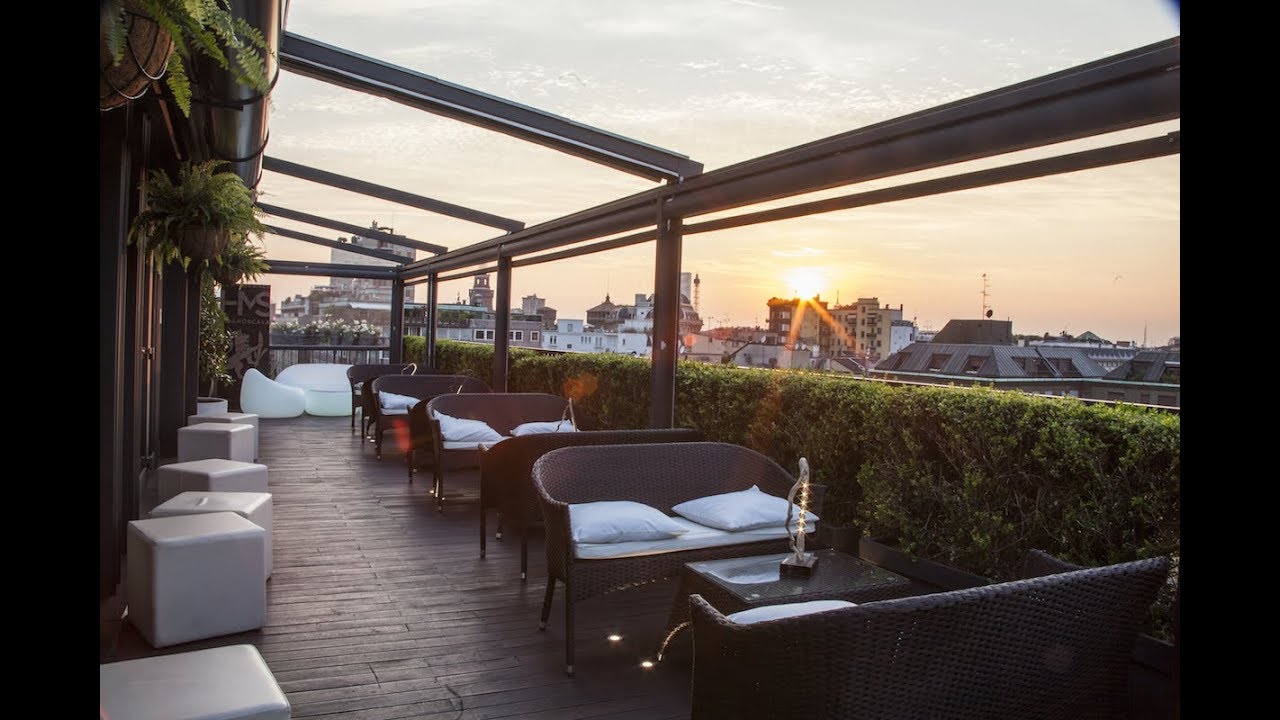
Milan is a city full of culture, history, and modernity. Even with little time available, you can visit some of its main attractions, from the Duomo to art galleries, without losing the essence of the metropolis.
What to see in Milan in half a day
If you have only a few hours, Milan still manages to offer a lot. For a quick but complete itinerary, start your visit from the Duomo, the beating heart of the city. Its majestic Gothic façade will leave you speechless, and if you have time, go up to the terraces for a spectacular panoramic view of Milan and its skyscrapers. Just a few steps away, you will find the Galleria Vittorio Emanuele II, one of the oldest and most luxurious galleries in the world, famous for its mosaics and for the shops of the main international fashion brands. Don’t forget to stop at one of the historic cafés for an espresso. After visiting the Duomo and the Galleria, head towards the Castello Sforzesco, an imposing fortress that tells the story of medieval and Renaissance Milan. The castle hosts museums and temporary exhibitions, offering a perfect balance of culture and history, ideal for a half-day visit.
What to see in Milan today
If you are in Milan for one day and want to optimize your time, here is a perfect itinerary that includes some of the city’s most iconic attractions. Start your day with a visit to the Duomo, the symbol of the city, and take it as a starting point to explore the heart of Milan. After visiting the cathedral, you cannot miss a walk through the Galleria Vittorio Emanuele II, where historic architecture meets luxury boutiques and gourmet restaurants. Another must-see in Milan is the Teatro alla Scala, one of the most prestigious opera theaters in the world. If you are passionate about culture, book a visit to the Museo della Scala to discover the history of this incredible theater. In the afternoon, visit the Navigli, one of the liveliest and most charming areas of Milan, where you can stroll along the canals and enjoy the bohemian atmosphere. Here you will also find numerous bars and restaurants where you can stop for an aperitif.
What to see in Milan in one day
Milan in one day? It’s possible if you plan a focused itinerary. After visiting the Duomo and the Galleria Vittorio Emanuele II, head to the Pinacoteca di Brera, one of the most important art galleries in Italy, where you can admire works by artists such as Caravaggio, Raphael, and Piero della Francesca. In the afternoon, you cannot miss the Castello Sforzesco, with its large park that offers a quiet break from the city’s hectic pace. If you love contemporary art, visit the Museo del Novecento to discover works by artists like Picasso, Kandinsky, and Modigliani. At the end of the day, head to the Navigli, a neighborhood full of history and charm, ideal for a final walk and an aperitif in one of its many characteristic venues. Milan, with its mix of art, fashion, and history, will surely leave you with an unforgettable memory.
What to see in Milan in 3 days
With three days available, Milan offers you a wide range of experiences to enjoy.
First day: start your visit with the Duomo, where you can admire the majesty of the cathedral and enjoy a spectacular view from the terrace. Then visit the Museum of the Duomo to discover the history of this iconic structure. In the afternoon, explore the Galleria Vittorio Emanuele II, and if you are fond of shopping, take advantage of the luxury boutiques. Don’t forget a visit to the Teatro alla Scala, one of the temples of classical music.
Second day: dedicate the second day to culture. Visit the Pinacoteca di Brera, one of Italy’s most prestigious galleries, and admire masterpieces by great masters. After lunch, head to the Castello Sforzesco for a visit to the museums and a walk in the surrounding park. In the late afternoon, explore the Navigli, an ideal area for a relaxing walk along the canals, among art galleries, vintage shops, and restaurants.
Third day: take advantage of this day to explore the less touristy but equally fascinating areas. Don’t miss the Quadrilatero della Moda, the heart of Milanese shopping, where you can shop a little or simply stroll among boutiques. End the day with a visit to the Church of San Maurizio al Monastero Maggiore, famous for its frescoes and for being one of the quietest places in Milan. Finally, relax at Parco Sempione, where you can enjoy some tranquility before departing.
In conclusion, Milan offers a wide range of attractions not to be missed, from its iconic monuments such as the Duomo and the Castello Sforzesco, to its world-renowned museums like the Pinacoteca di Brera and the Leonardo da Vinci National Museum of Science and Technology. Whether you are interested in art, history, fashion, or gastronomy, Milan’s historic center and its surrounding neighborhoods have something to offer every visitor. Don’t forget to explore the city’s house museums and enjoy the unique atmosphere of the Navigli. With a well-planned itinerary, you can discover the best of this fascinating Italian city in just a few days.
Milan, where to stay: any area is suitable for choosing your hotel in Milan, as connections allow you to easily move around the city. You can stay in Brera or on the Navigli, or opt for a hotel in the city center, close to the Duomo. If you prefer a neighborhood surrounded by greenery, head towards the Parco Sempione area. Be mindful of Milan’s busy periods, such as the Furniture Fair (in April) or the Christmas period with the Oh Bej! Oh Bej! fair of Sant’Ambrogio, the city’s patron saint (December 7), which actually anticipates the Immaculate Conception holiday.
Frequently Asked Questions About What to See in Milan
❓ What to see in Milan in one day?
In one day in Milan, you can see the Duomo, climb the panoramic terraces, visit the Galleria Vittorio Emanuele II, the Sforza Castle, and end with an aperitif on the Navigli. It’s a perfect itinerary to capture the historical and modern essence of the city.
❓ What are the most famous attractions in Milan?
The most famous are the Duomo, the Galleria Vittorio Emanuele II, the Sforza Castle, La Scala Theater, the Last Supper, the Navigli, and the Brera district. Each tells a different facet of Milan: from art to fashion, from architecture to nightlife.
❓ What can you see in Milan for free?
Many iconic places are visible for free: the exterior of the Duomo, the windows of the Galleria Vittorio Emanuele, Sempione Park, the Navigli, modern squares like Gae Aulenti, and the Brera district. The Monumental Cemetery is also free and fascinating.
❓ When is the best time to visit Milan?
Spring and early autumn are ideal for pleasant weather and fewer crowds. Milan is still enjoyable all year round thanks to a rich cultural calendar and an excellent transport network.
❓ How to get around Milan to visit the attractions?
The city center is easily walkable, but the metro network is one of the best in Italy. Tram lines, bike sharing, and car sharing services facilitate every journey, even to more modern areas like CityLife or Gae Aulenti.