


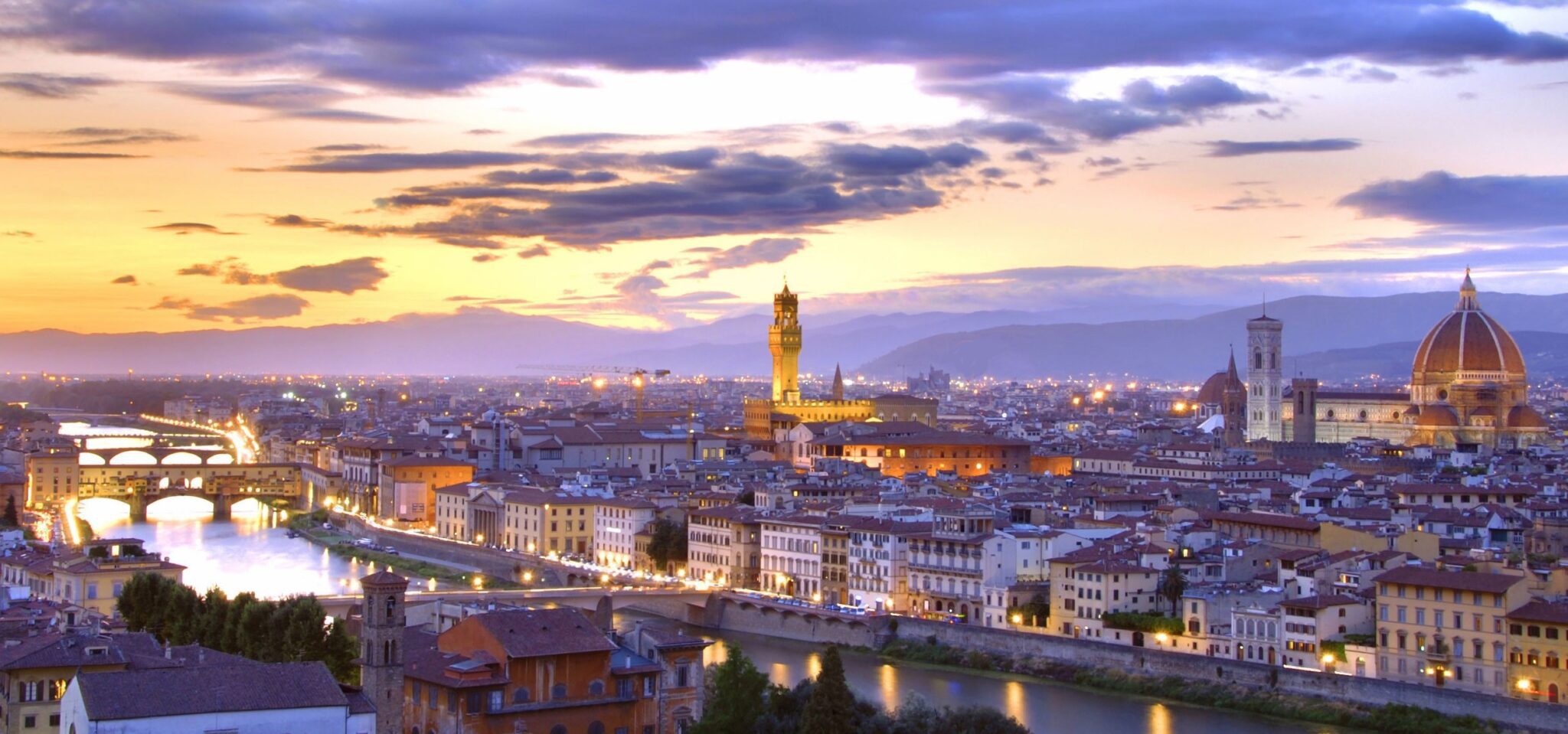


Florence is known worldwide for being one of the Italian cities where art and architecture dominate. Walking through the streets of this wonderful town, you will be enchanted to observe the great number of works that will appear before your eyes. The historic center of Florence is a true open-air museum, and we recommend visiting it as thoroughly as possible. This guide will be useful to understand what to see in Florence and what to do, illustrating the 10 things to see in Florence in one day and beyond.
- Discover Florence in video
- What to visit in Florence, must-see attractions
- The 12 Most Famous Attractions of Florence
- Duomo of Florence
- Ponte Vecchio
- Uffizi Gallery
- Piazza della Signoria
- Palazzo Vecchio
- Accademia Gallery
- Basilica of Santa Croce
- Boboli Gardens
- Palazzo Pitti
- Michelangelo Square
- San Lorenzo Market
- Basilica of Santa Maria Novella
- What to absolutely see in Florence
- 1 Piazza Duomo
- 2 Cathedral of Santa Maria del Fiore
- 3 Ponte Vecchio
- 4 Palazzo Pitti
- 5 Boboli Gardens
- 6 The Uffizi and the Cabinet of Drawings and Prints
- 7 Santa Maria Novella
- 8 Piazza della Signoria
- 9 Monumental Complex of Santa Croce
- 10 Baptistery of San Giovanni
- Florence, places of interest
- 11 Palazzo Medici Riccardi
- 12 Cenacolo di Sant’Apollonia
- 13 Casa Giorgio Vasari in Florence
- 14 Church of San Benedetto
- 15 Brancacci Chapel
- 16 Chiostro dello Scalzo
- 17 Basilica of San Lorenzo
- 18 Crypt of Santa Reparata
- Museums of Florence
- 19 Carriage Museum
- 20 Palazzo Vecchio Museum
- 21 Casa di Dante Museum
- 22 Gallery of Modern Art of Florence
- 23 Pietro Annigoni Museum
- 24 Museum of the Santa Maria Novella Perfume Workshop
- 25 Porcelain Museum
- 26 Gucci Museum
- Florence: places to visit
- 27 Medici Villa of Careggi
- 28 Collections of the Ximenian Observatory
- 29 Plaster Cast Gallery of the State Art Institute
- 30 Enzo Pazzagli Art Park
- Other Museums in Florence Not to Be Missed
- 31 Medici Chapels Museum
- 32 Instruments Museum of the Military Geographic Institute
- Quick info: how to get around, where to stay in Florence, where to eat. Don’t miss visiting Florence at Christmas and at Easter, with “the explosion of the cart”.
- 33 Firenze Card
- 34 How to get around Florence
- 35 Where to Eat in Florence
- 36 Where to sleep in Florence: central areas and budget options
- Frequently Asked Questions about What to See in Florence
Discover Florence in video
Florence like you’ve never seen it before: art, emotion, and beauty told by the official video of Italian tourism. A perfect introduction to the city.
What to visit in Florence, must-see attractions
The 12 Most Famous Attractions of Florence
Florence is an open-air museum: every corner tells a part of its great artistic history. Here is a selection of the 12 attractions to start your exploration.
Duomo of Florence
Area: Center
Type: Architecture / Religious
Ponte Vecchio
Area: Oltrarno
Type: Iconic / Historic
Uffizi Gallery
Area: Center
Type: Museum
Piazza della Signoria
Area: Center
Type: Historic square
Palazzo Vecchio
Area: Center
Type: Historic / Museum
Accademia Gallery
Area: San Marco
Type: Museum / Michelangelo’s David
Basilica of Santa Croce
Area: Santa Croce
Type: Religious / Historic
Boboli Gardens
Area: Oltrarno
Type: Historic garden
Palazzo Pitti
Area: Oltrarno
Type: Palace / Museum
Michelangelo Square
Area: Hills
Type: Scenic
San Lorenzo Market
Area: San Lorenzo
Type: Food / Handicraft
Basilica of Santa Maria Novella
Area: Center
Type: Religious / Artistic
To visit all the places of interest and attractions in Florence, several days would be needed, but don’t be intimidated. If you have little time available, you can visit Florence in one day by prioritizing the visit of some monuments over others.
We have created a guide for you to help you understand what to do in Florence based on the time you have available. Obviously, there are many things to see in Florence, but especially if you have little time, you should not miss out. Here are the most important places to visit in Florence and what not to miss in Florence.
What to absolutely see in Florence
1 Piazza Duomo
Piazza Duomo in Florence must be the very first thing to visit in Florence. It is a true open-air museum in the heart of the city. With a single ticket you can access several monuments: the Duomo, the Opera del Duomo Museum, the Cathedral of Santa Maria del Fiore, the Brunelleschi’s dome, the Giotto’s bell tower, the Baptistery of San Giovanni.
The Brunelleschi’s Dome of the Florence cathedral is a monument open to the public where you can see closely Brunelleschi’s architectural structures, the sixteenth-century frescoes inside, and enjoy from above a spectacular view of the city.
The Giotto’s bell tower, of the Florence Cathedral, is a monument open to the public where you can closely see the fourteenth-century architectural structures and enjoy a beautiful panorama of the city from the panoramic terrace at the top of the building.
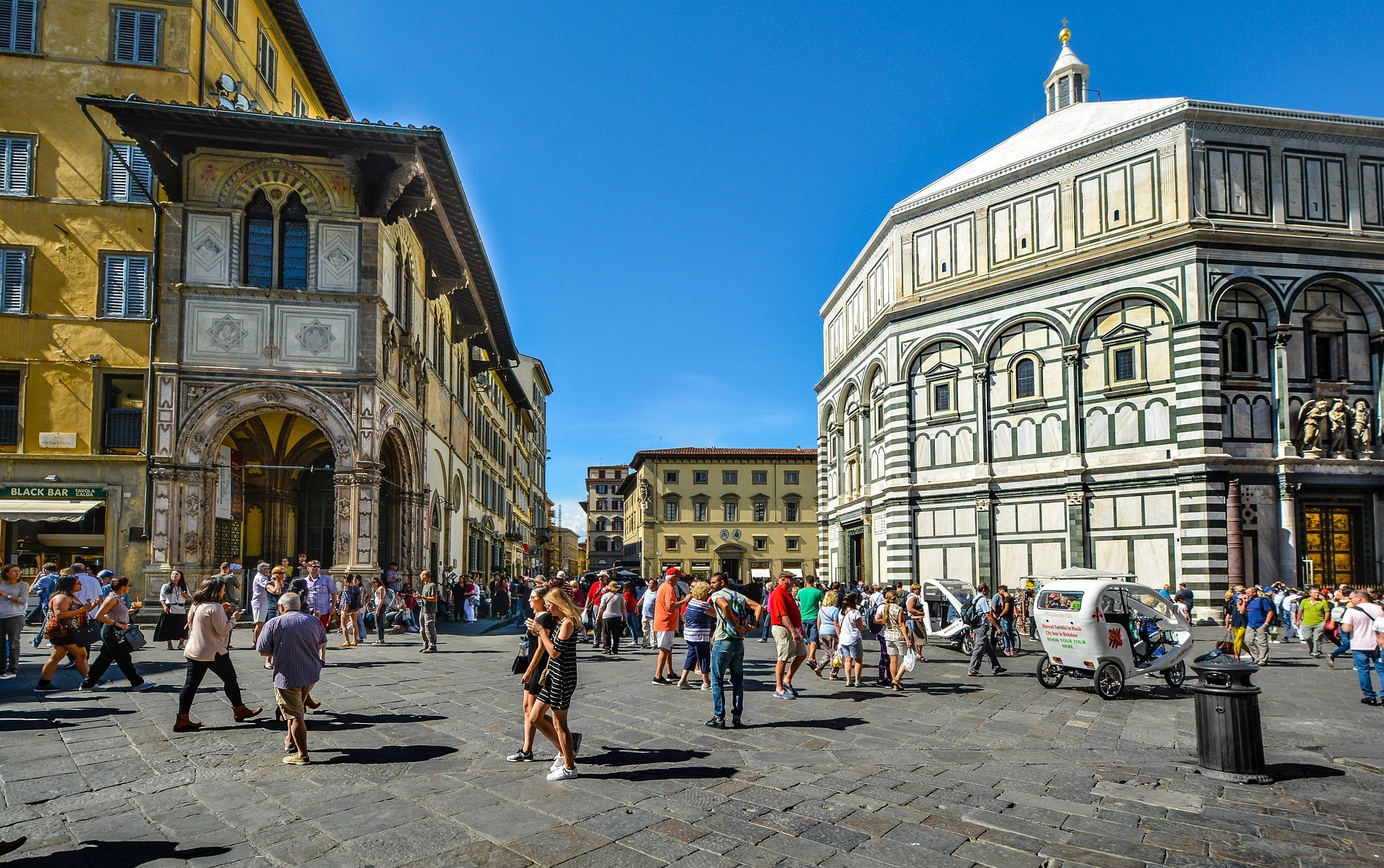
2 Cathedral of Santa Maria del Fiore
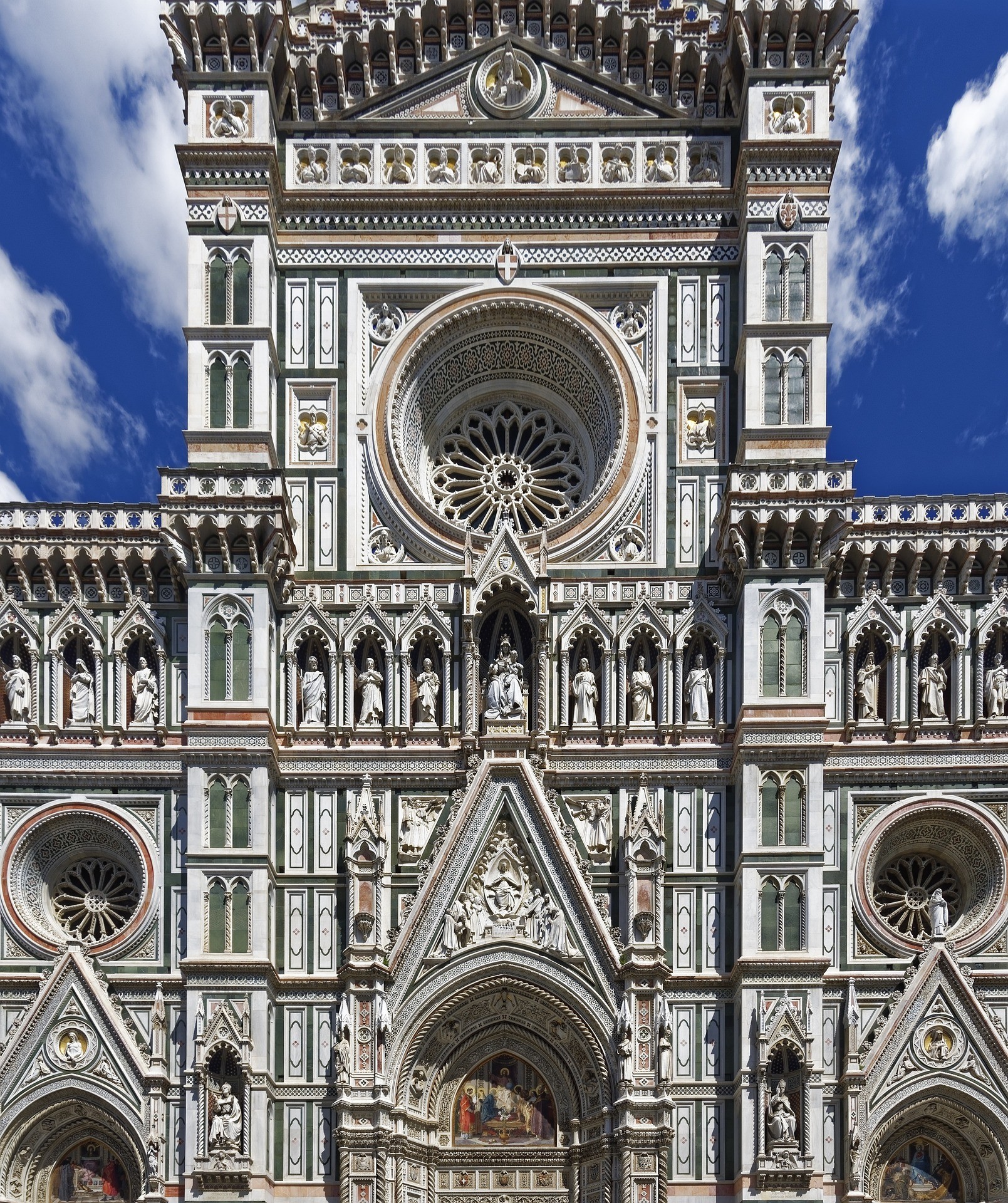
The Cathedral of Santa Maria del Fiore, whose construction was designed by Arnolfo di Cambio, the third and last Florentine cathedral, was dedicated in 1412 to Santa Maria del Fiore with a clear allusion to the lily, symbol of the city. It was built over the second cathedral, which Early Christian Florence had dedicated to Santa Reparata. The Museum of the Opera of Santa Maria del Fiore was established to preserve and display the works of the cathedral complex. It was expanded and renovated in 1999.
3 Ponte Vecchio
The Ponte Vecchio of Florence is certainly one of the most famous bridges in the world, wonderful, romantic; a souvenir photo from this point in Florence is a must. In ancient times, it connected Palazzo Vecchio, also known as Palazzo della Signoria, the political heart of the city, to Palazzo Pitti, , and thus to the Boboli Gardens.

4 Palazzo Pitti
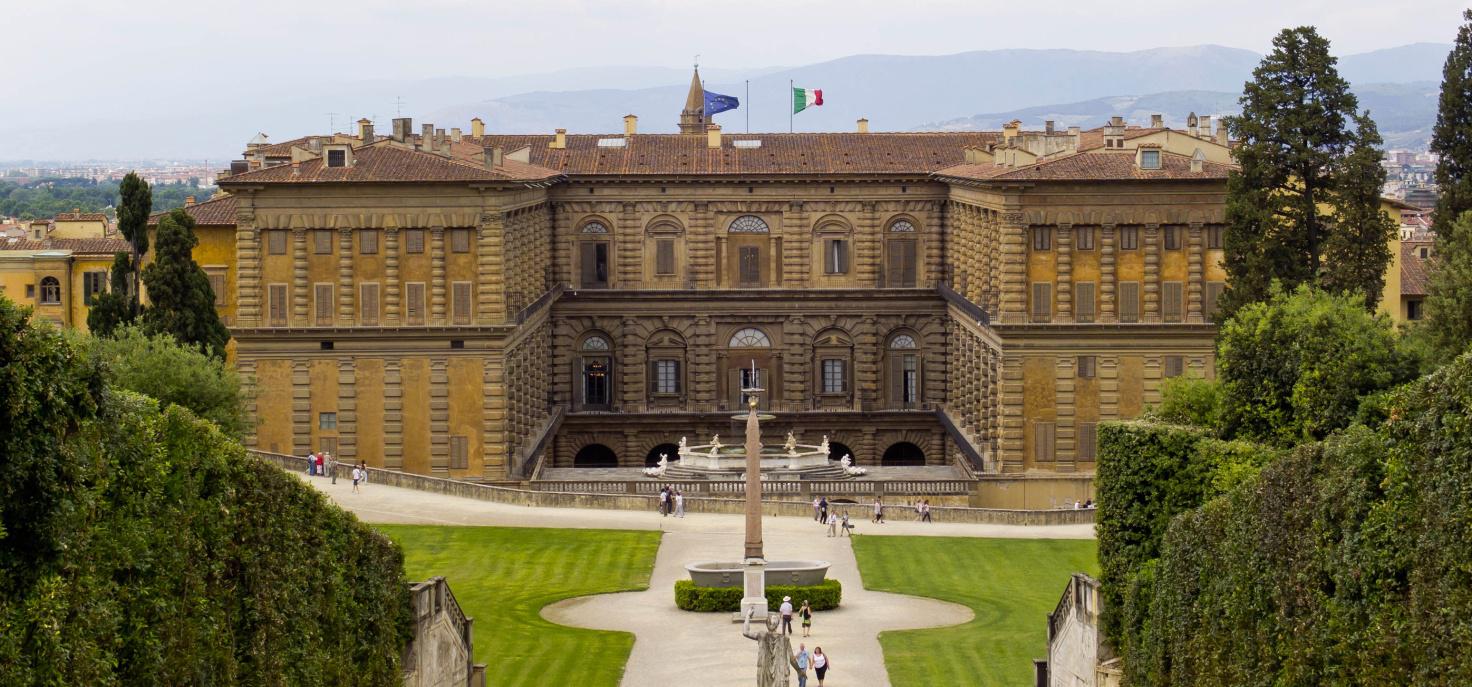
Originally the Palace was the residence of the Grand Dukes of Tuscany. Currently, it is a monumental area used as the site of several museums and as a venue for major exhibitions in Florence.
Palatine Gallery and Royal Apartments. In the eighteenth century, some representative rooms of the Grand-Dukes’ palace of Tuscany began to be used as a picture gallery until the collection was opened to the public at the beginning of the nineteenth century. The Gallery illustrates the Medici and Lorraine collecting taste both in the layout, inspired by the decorative and representational principles of a princely gallery, and in the preference for art from the sixteenth and seventeenth centuries represented by artists such as: Raphael, Andrea del Sarto, Pontormo, Titian, Tintoretto, Veronese, Caravaggio, Rubens, Van Dyck, Velazquez. The Gallery is attached to the monumental apartments that preserve the furniture from the period when they were residence of the Italian royal family.
Costume Gallery. The museum is dedicated to the history of fashion. It houses collections of costumes and accessories from the eighteenth century to today and theatrical costumes, as well as the restored funeral clothes of Cosimo I de’ Medici, Elenora di Toledo, and don Garzia. Exhibitions include biennial selections and temporary shows.

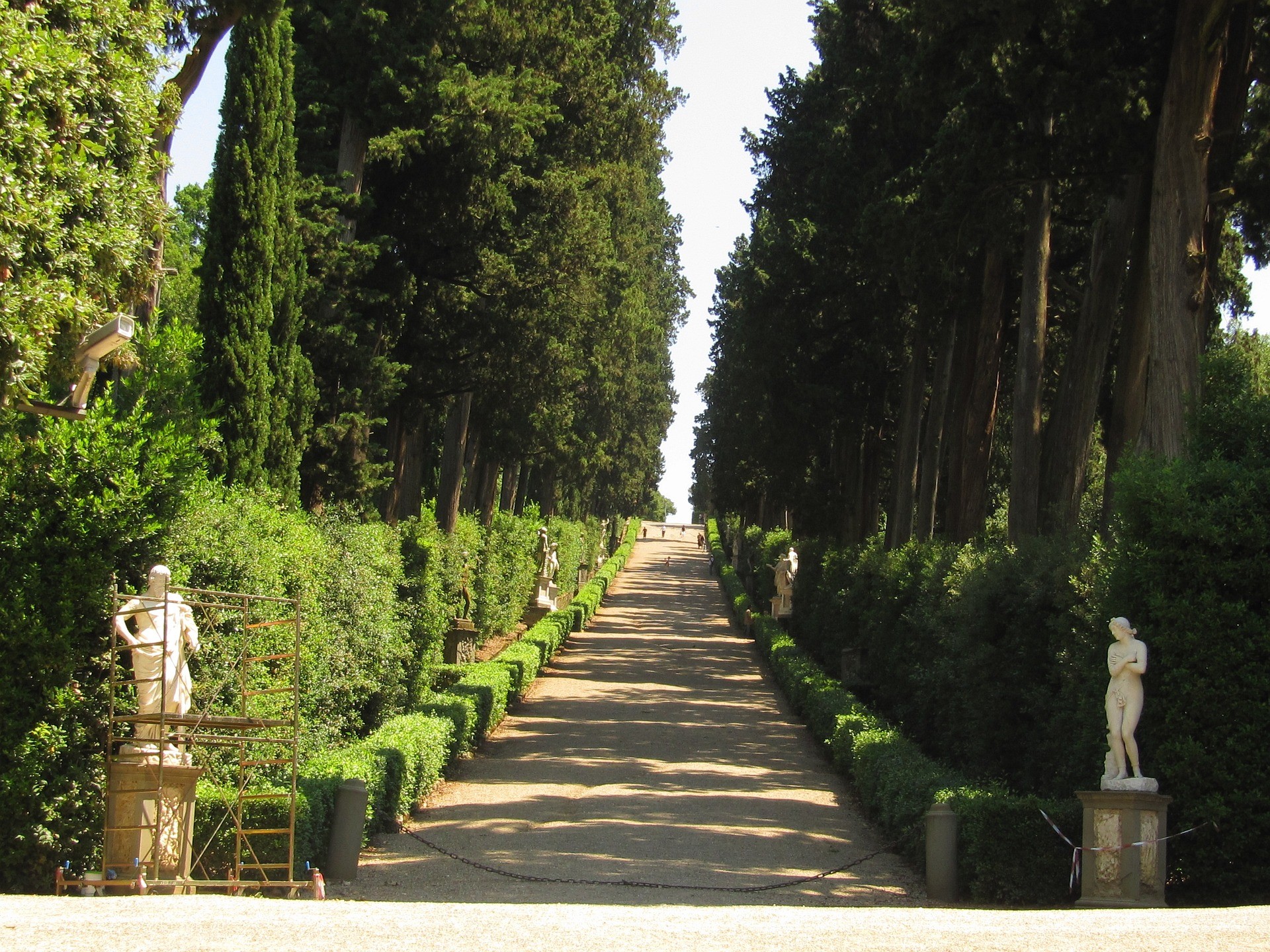
5 Boboli Gardens
The Boboli Garden, inside Palazzo Pitti, is wonderful and makes this place one of the unmissable spots on the “Florence what to visit” list. Started in 1549, designed by Tribolo for Duchess Eleonora di Toledo, it was expanded and modified in the following centuries. Used for the entertainments of the grand ducal court, it was opened to the public in 1766 during the time of Pietro Leopoldo of Lorraine. It was museumified in 1992. It represents one of the greatest examples of Italian gardens, which give rational order to nature and enrich the geometry of avenues and plants with grottos, statues, and fountains. Of particular artistic importance are the ancient Roman statues and those by important Renaissance sculptors such as Baccio Bandinelli and Giambologna. The grottos, fountains, and amphitheater where court shows used to take place.
6 The Uffizi and the Cabinet of Drawings and Prints
The Uffizi: is another must-see place in Florence. It is the most visited Italian museum in the world, attracting more than a million visitors every year. The line to enter will be quite long, but do not be discouraged, the wait will be rewarded by the wonders you will find inside. The Cabinet of Drawings and Prints of the Uffizi is located on the first floor of the Vasariano complex of the Uffizi and houses one of the most important graphic collections in the world. The collection, started around the mid-seventeenth century by Cardinal Leopoldo de’ Medici, has been expanded over the centuries and is still continuously growing. The works (almost 150,000, including drawings and prints) date from the late fourteenth century to the present day. Renaissance artists predominate, especially Florentine and Tuscan, foreign schools are significantly represented, and the presence of contemporary artists is constantly increasing. Also important is the heritage of architectural drawings. The Institute periodically organizes exhibitions, accompanied by scientific catalogs, presented to the public in the Exhibition Hall.
To skip the Uffizi line, choose to buy tickets in advance. Here’s how.

7 Santa Maria Novella
The Basilica of Santa Maria Novella, adjacent to the station of the same name, is wonderful both externally and internally. It is part of the history of Florence and inside you can observe, among other things, the crucifix painted by Giotto. It requires a visit that we recommend.
The church of Santa Maria Novella, while maintaining free access to a chapel reserved for prayer and masses held on weekdays at 7:30 and 18:00, on holidays at 8:30, 10:30, 12 and 18, has been museumified, with the institution of an entrance ticket and preset visiting hours, in order to guarantee an orderly visit of the church with wider and more comfortable opening hours, ensure the protection of artworks and respect for the religious function of the monument.
The Museum of Santa Maria Novella consists of part of the monumental complex of the Dominican convent of Santa Maria Novella with its pictorial decorations. Since 1983, a selection of sacred furnishings belonging to the Basilica has been displayed in the refectory.

8 Piazza della Signoria
Piazza della Signoria is located in the center of Florence, in front of Palazzo Vecchio and you will surely recognize it by the David (N.B.: the original is located at the Accademia Gallery) by Michelangelo placed on the right side.

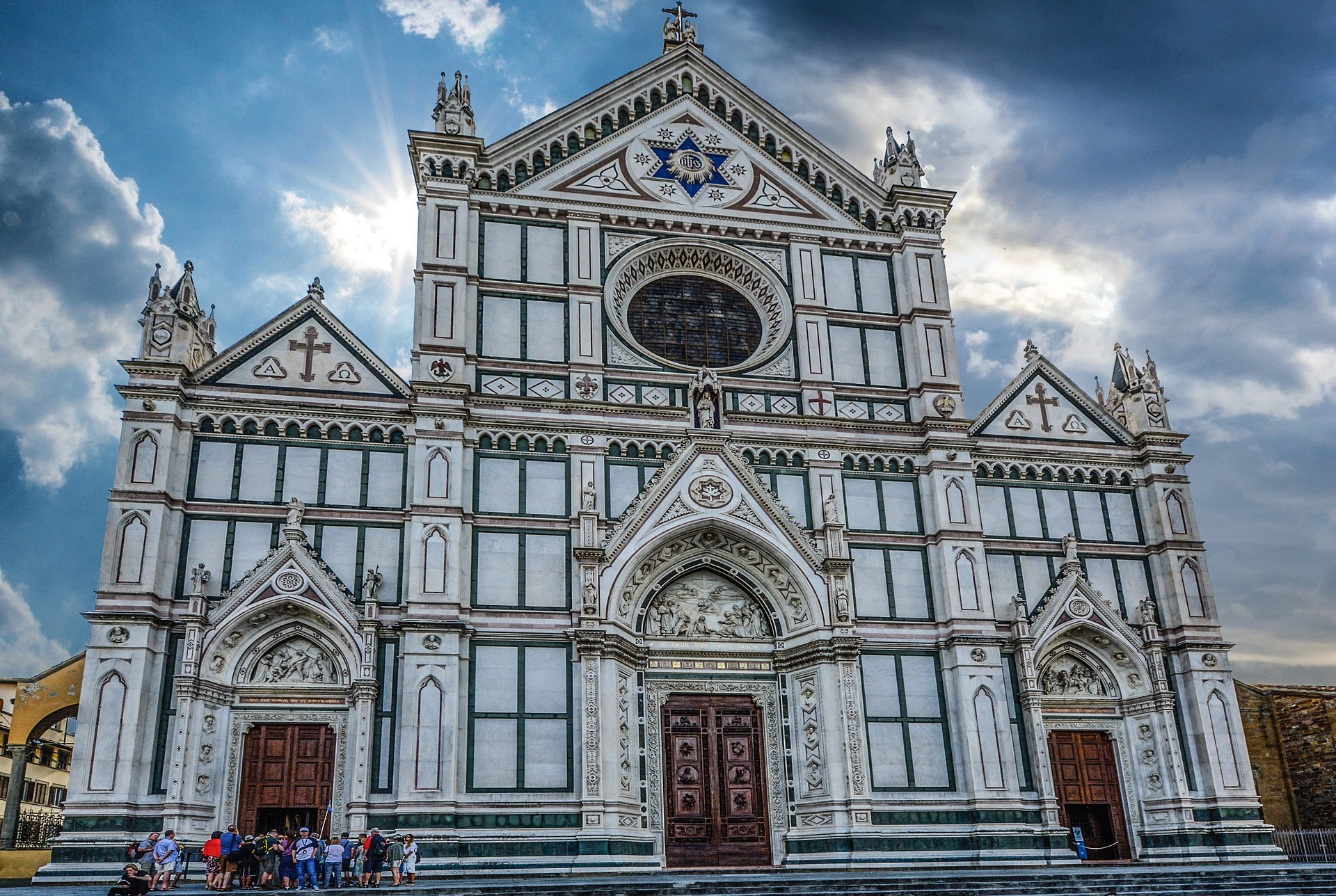
9 Monumental Complex of Santa Croce
After the 1966 flood, the spaces and artworks were restored and the museum was reorganized in 1977. The Santa Croce museum is connected to the permanent exhibition of about 300 pieces among engravings and woodcuts of xylographic works by Pietro Parigi (1892-1988). Since 2002, the church of Santa Croce has also been museumified and the visit to the basilica with its works of art is part of the museum route.
10 Baptistery of San Giovanni
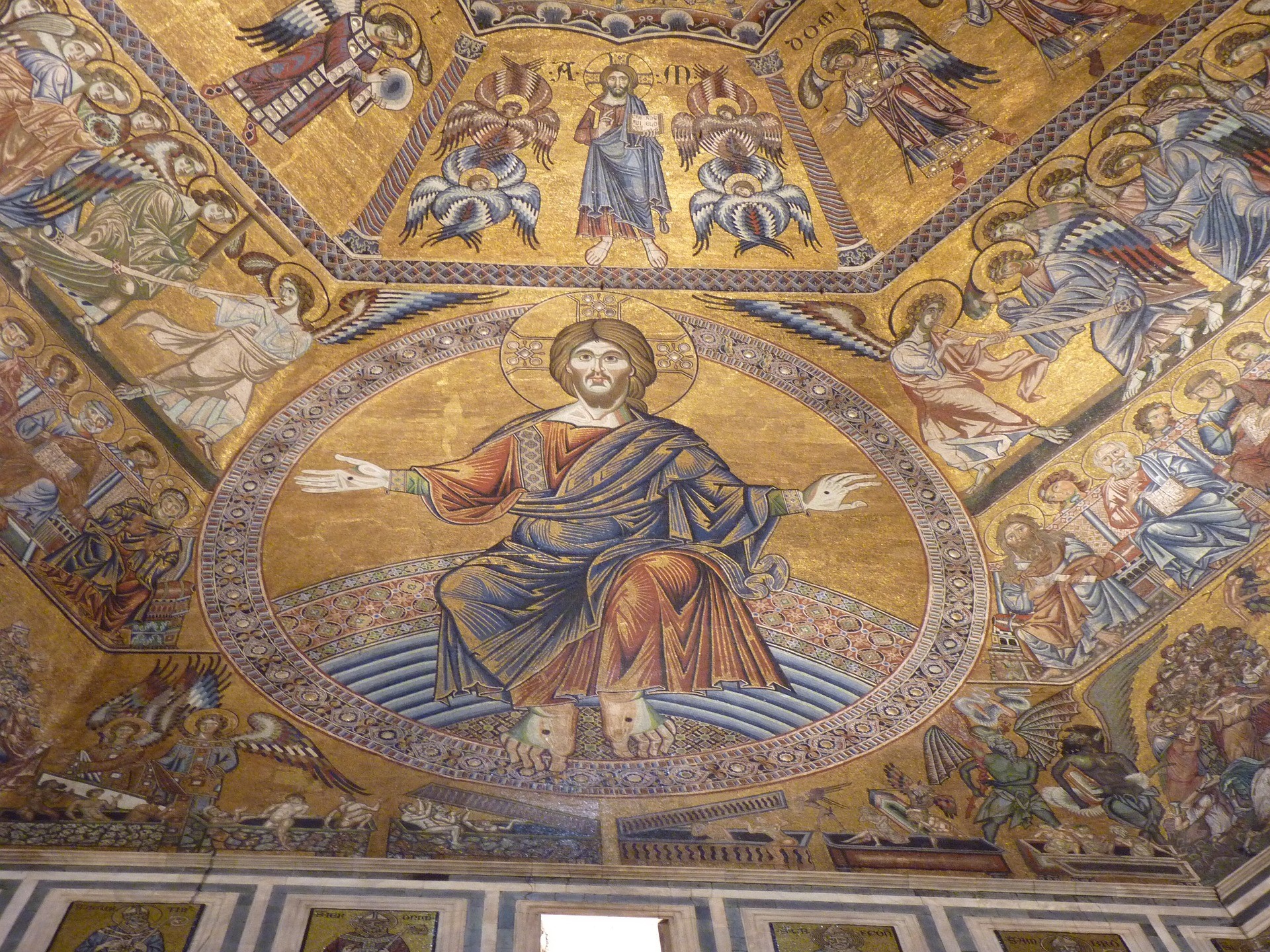
The Baptistery of San Giovanni, a masterpiece of Florentine Romanesque art. Octagonal in shape, entirely covered with white and green marble slabs from Prato, the Baptistery is covered by a dome with eight segments resting on the perimeter walls, masked outside by the elevation of the walls above the second-level arch and by a flattened pyramid roof.
Florence, places of interest
11 Palazzo Medici Riccardi
The first museum established in the Palazzo Medici Riccardi was the Medici Museum, in the rooms on the ground floor, dedicated to the history of the Medici family. The current museum route instead includes the Chapel with frescoes by Benozzo Gozzoli, the Michelozzo courtyard, the garden, and the Gallery frescoed in the seventeenth century by Luca Giordano. The rooms of the former Medici Museum are now used for temporary exhibition events.
12 Cenacolo di Sant’Apollonia
The museum occupies part of the ancient monastery of the Benedictine nuns of Sant’Apollonia, founded in 1339 and enlarged in the fifteenth century. Around 1447, Andrea del Castagno frescoed the back wall of the refectory with the Last Supper, the Crucifixion, the Deposition, and the Resurrection. The museum also displays other detached frescoes by Andrea del Castagno along with their sinopies and paintings by Paolo Schiavo and Neri di Bicci, originating from the monastery.

13 Casa Giorgio Vasari in Florence
After a restoration lasting several years, the Florentine home in which Giorgio Vasari lived the last years of his life and died there in 1574 is open to the public. The residence is located inside a sixteenth-century palace in Borgo Santa Croce, not far from the square of the same name. The house has undergone numerous interventions over time, but these spared the Sala Grande, the only one remaining today among those frescoed by the master and his collaborators.
14 Church of San Benedetto
The first records of the church date back to 1002, when it was defined as Ecclesia Sancti Benedicti extra muros civitatis Florentiae. In fact, at that time the church was located outside the Carolingian city walls. It was one of the 36 ancient Florentine parishes, endowed with financial assets outside Florence, and some of its Rectors are mentioned in various documents as early as 1127. San Benedetto is the only church in Florence dedicated to the Saint founder of Western Monasticism, now also patron of Europe: Benedict of Nursia (480-547).
15 Brancacci Chapel
Following the restoration of frescoes by Masaccio, Masolino, and Filippino Lippi, the Brancacci Chapel has been turned into a museum space, isolating it from the church of the Carmine and allowing visitor access through the Cloister and the chapter house of the convent.

16 Chiostro dello Scalzo

17 Basilica of San Lorenzo
The Basilica of San Lorenzo, while retaining its religious and parish functions, has been turned into a museum space allowing visits at scheduled times with the payment of an entrance fee, in order to ensure better preservation and enjoyment of the artworks housed there, while respecting the religious function of the monument.

18 Crypt of Santa Reparata
With access from inside the Duomo, the archaeological excavations that uncovered the ancient cathedral of Santa Reparata, destroyed following the construction of the new Cathedral of Santa Maria del Fiore, can be visited.

Museums of Florence
19 Carriage Museum
It houses a series of carriages from the 18th and 19th centuries, mainly belonging to the Lorraine court and the House of Savoy. Currently, the collection is housed in a storage room accessible upon request, awaiting the museum’s opening.
20 Palazzo Vecchio Museum
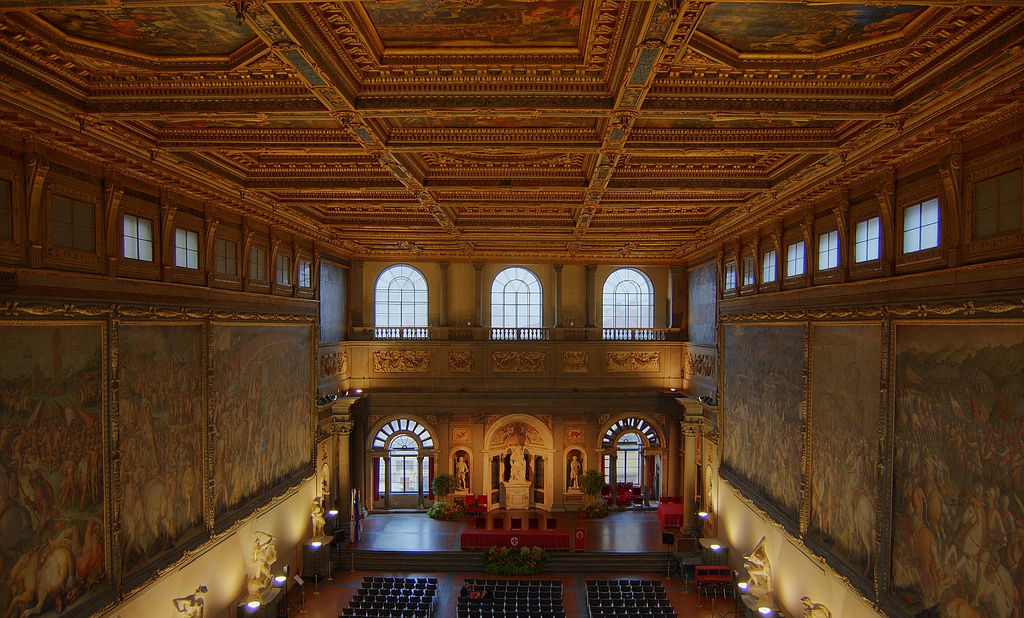
The museum consists of the public rooms (Hall of the Five Hundred, Hall of the Two Hundred, Hall of the Lilies, and Audience Hall) and the so-called Medici quarters of the Elements and Eleonora, located within the Palazzo della Signoria. The visit route also includes the mezzanine where the Loeser collection is exhibited.
21 Casa di Dante Museum
The museum, arranged according to modern museology principles, reconstructs the political-economic and cultural environment of the time of the illustrious Florentine. The exhibition path retraces the life of the Supreme Poet through his works, the events of his family, his exile, and Florence of the time.
22 Gallery of Modern Art of Florence
The Gallery of Modern Art of Florence preserves artworks (paintings and sculptures) mainly related to the Tuscan figurative culture enclosed between analogical apexes ranging from the late 18th century to the period between the two World Wars. It illustrates the evolution of Tuscan art from the neoclassical, romantic, and purist periods, focused on celebratory historical themes, to the anti-academic reform enacted after the mid-century by the Macchiaioli group, based on painting made of color patches and light contrasts with prevalent attention to subjects of nature and daily life.
The 19th-century itinerary concludes with expressions of decadence, symbolism, post-impressionism, divisionism. Among the various artists present are F. Hayez, S. Lega, T. Signorini, G. Fattori, C. Pissarro, M. Rosso, G. Boldini, A. Magnelli.
23 Pietro Annigoni Museum
The Pietro Annigoni Museum was established following the acquisition by the Ente Cassa di Risparmio di Firenze in agreement with the Fondazione Parchi Monumentali Bardini e Peyron of a substantial part of the rich collection of artworks created by the master, which belonged to his children. It consists of about 6000 pieces including paintings, drawings, lithographs, engravings, and sculptures, constituting the highest concentration of materials related to the extensive artistic production of the Milanese-born painter.
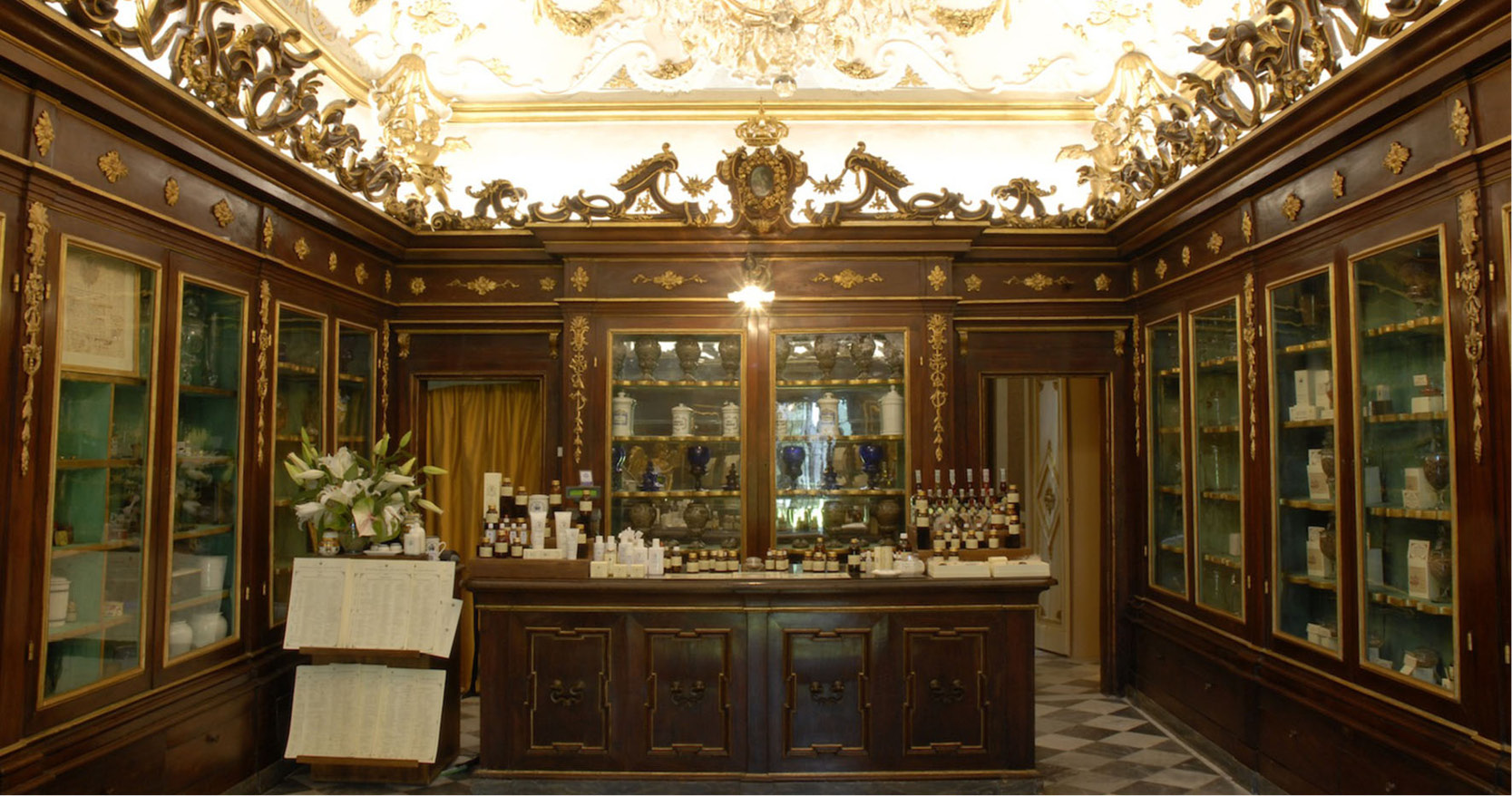
24 Museum of the Santa Maria Novella Perfume Workshop
The museum was strongly desired to bring light and life back to the machines and ancient instruments used in the past, of which the Workshop has been a jealous and careful custodian through the troubled events of the centuries. This aims not only to make known the preparations of Santa Maria Novella products but is also intended for those simply interested in visiting a traditional museum.
25 Porcelain Museum
The Porcelain Museum, functionally linked to the Silver Museum and the Boboli Gardens, gathers the collections of table porcelain from the reigning houses that succeeded each other at Palazzo Pitti, from the Medici to the Lorena and the Savoy. The first room presents porcelain from the Real Factory of Naples, the Doccia Manufactory founded by the Ginori family. French porcelain is represented by pieces from the Vincennes and Sèvres factories. The second room displays porcelain from Vienna brought by the Lorenese. The third room exhibits porcelain from Meissen and other German manufactories.
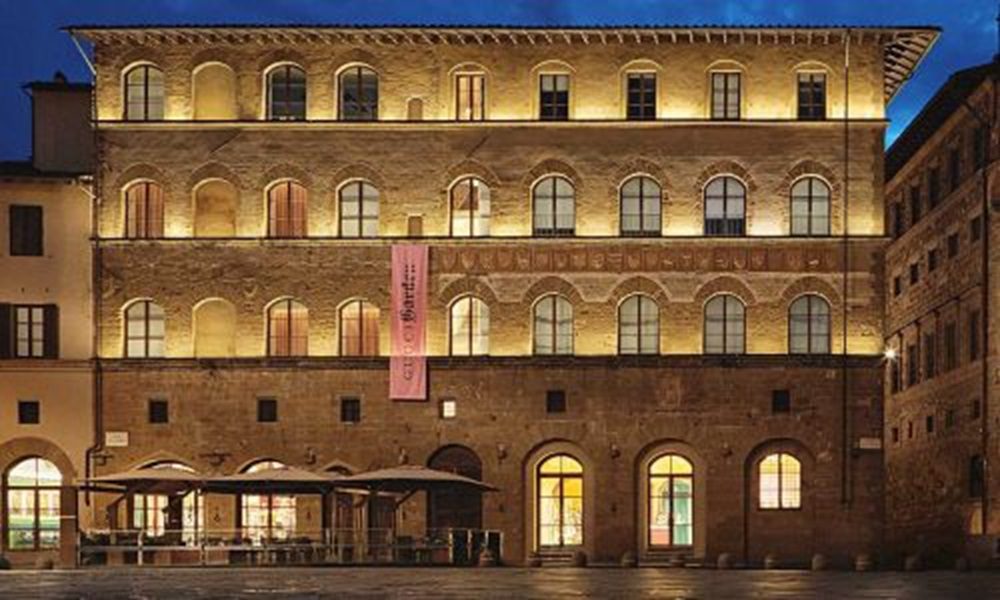
26 Gucci Museum
Designed by Gucci Creative Director Frida Giannini, the Gucci Museum is a living space that encloses the brand’s “Forever Now” philosophy. The permanent display of the Gucci archive, preserved and expanded over the years in its richness and cultural relevance, will be accompanied by a series of contemporary art installations selected with support from the Pinault Foundation. The museum route will also be complemented by stores for iconic Gucci products and gift items, a bookstore, and a café.
Florence: places to visit
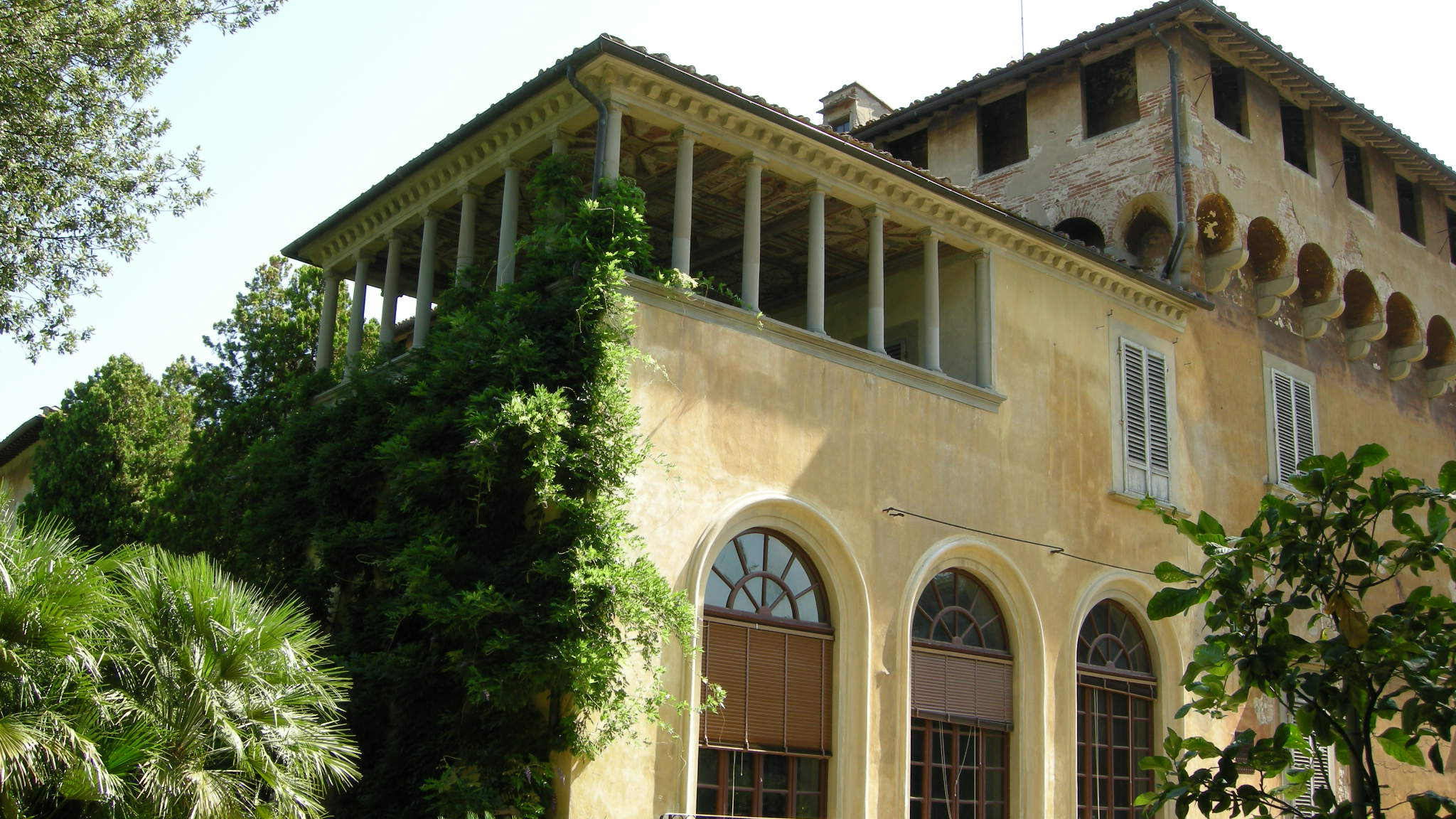
27 Medici Villa of Careggi
The fifteenth-century villa, where Lorenzo the Magnificent died, built according to the design of the architect Michelozzo, is used as the headquarters of the offices of the Careggi Hospital Company, but it is a monument open to visitors who are offered a booklet containing historical notes in Italian and English. It preserves much of the original architectural lines and the seventeenth-century pictorial decorations.
28 Collections of the Ximenian Observatory
At its founding, the observatory, established by the Jesuit father Leonardo Ximenes in 1756, was mainly concerned with astronomy and hydraulics, but soon, with the transfer to the Piarist Fathers (1773), it focused on studies of meteorology and seismology. At the end of the 1700s and in the early 1800s, important mathematical and cartographic studies were conducted, which among other things led to the creation of the Geometric Map of Tuscany. The studies continue actively today, and the laboratory carries out meteorological surveys and is part of the Seismic Network of the National Institute of Geophysics and Volcanology.
29 Plaster Cast Gallery of the State Art Institute
The Plaster Cast Gallery of the Florence Art Institute holds the most interesting collection of plaster models in Italy, especially of models of Tuscan Renaissance art. The largest nucleus comes from the purchase, in 1922, by the then director Mario Salvini, of the collection of Oronzio Lelli.
30 Enzo Pazzagli Art Park
The Enzo Pazzagli Art Park, located in the southern area of Florence, bordered by the Arno and surrounded by a splendid landscape, is a large space dedicated to contemporary art. Thanks to its remarkable exhibition capacity (the total surface exceeds 23,000 square meters), it presents itself as an active center for the enhancement of both local and international artists. In addition to temporary exhibitions, it hosts a permanent “en plein air” collection of sculptures by Maestro Pazzagli and 10 other artists, surrounded by 300 cypress trees.

Other Museums in Florence Not to Be Missed
31 Medici Chapels Museum
The museum route of the Medici Chapels includes the Chapel of the Princes and the New Sacristy by Michelangelo. The former houses the tombs of the members of the Medici dynasty in the crypt, the cenotaphs of the grand dukes in the lavish hall on the upper floor, and in two rooms beside the altar the treasure of San Lorenzo, consisting of reliquaries and other furnishings, masterpieces of Renaissance and Baroque goldsmithing. The New Sacristy was designed by Michelangelo and began in 1521, later finished by Vasari. It contains the tomb of Lorenzo the Magnificent and his brother Giuliano with the statue of the Madonna with Child and the tombs of Lorenzo Duke of Urbino and Giuliano Duke of Nemours with statues of the two dukes and those of Day, Night, Dawn, and Dusk.

32 Instruments Museum of the Military Geographic Institute
The Military Geographic Institute Museum houses a rich collection of instruments for geodesy, astronomy, topography, and physics. The number of artifacts amounts to over 400 units. The core of the collection originated from the assembly of existing instruments before 1861 at the cartographic agencies of the various pre-unification states. Later, with the establishment of the Military Geographic Institute, the collection expanded, often with instruments designed by internal staff and manufactured in the institute’s mechanical workshop. Even today, the Museum is enriched with all the instrumentation from the relevant sectors as they become technologically outdated.

These are the main places of interest to see in Florence if you only have one day, but if you have more time, keep this additional list in mind about “Florence museums” and “Florence monuments”:
- Palazzo Strozzi, one of the most beautiful Renaissance palaces in Italy.
- Church of Santo Spirito, one of the most beautiful basilicas in Florence.
- San Miniato al Monte, a church located at the highest point in the city.
- San Lorenzo and Santa Croce, historic basilicas of Florence, marvelous.
- Brancacci Chapel, Renaissance masterpiece. Unmissable.
- Oltrarno, a characteristic district linked to art and craftsmanship.
- Bargello, a very interesting museum dedicated to sculpture.
- Science History Museum, located next to the Uffizi, a must for science lovers.
Quick info: how to get around, where to stay in Florence, where to eat. Don’t miss visiting Florence at Christmas and at Easter, with “the explosion of the cart”.
33 Firenze Card
To visit a larger number of museums, we recommend purchasing the Firenze Card, which will allow you free entry to the museums in the circuit and, with a minimal additional cost, the use of public transport completely free of charge.

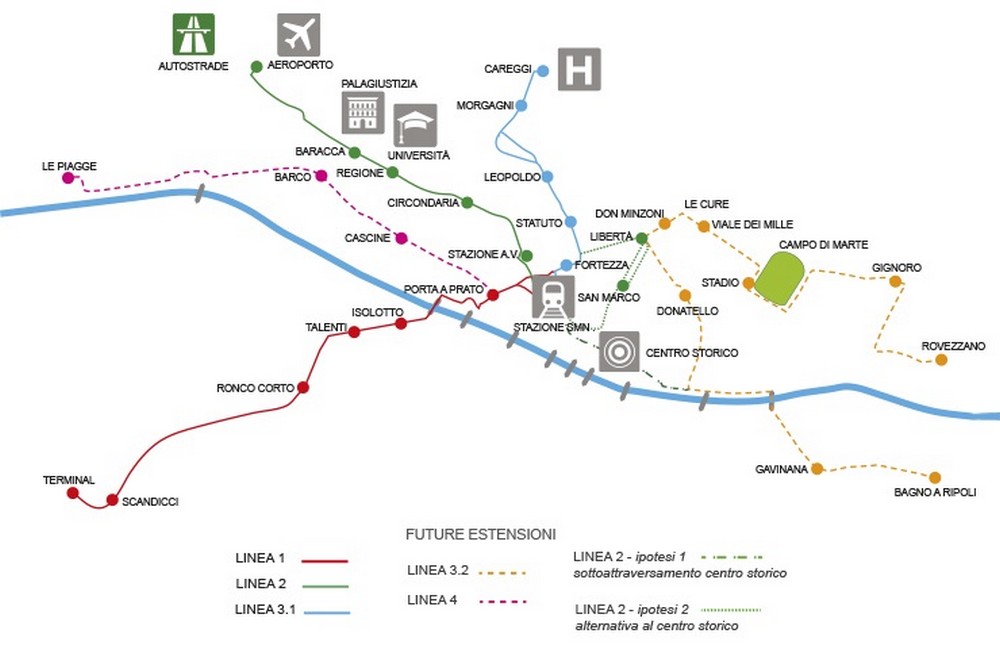
34 How to get around Florence
Florence can be reached by plane, arriving at Florence Amerigo Vespucci Airport which is 4 km from the city, or by train, arriving directly in the center at Florence Santa Maria Novella station. There are also 2 major bus stations: Florence Piazzale Montelungo and Florence Rifredi. Once you reach the center, the best way to get around is definitely on foot. We advise against using a car as parking in Florence is not so easy to find.
35 Where to Eat in Florence
Where to Eat in Florence: for your lunches and dinners we recommend choosing a good restaurant, perhaps in the center, where you can taste a good Florentine steak, a fettunta or a ribollita.

36 Where to sleep in Florence: central areas and budget options
Staying in Florence is a unique experience, but to avoid spending too much it is essential to choose the area well. If you want to save money without giving up quality, read our complete guide on where to sleep in Florence without spending too much: you will find practical advice, recommended areas, and local tips.
Our advice? Look for accommodation in the historic center, so you can move on foot between museums, churches, squares, and markets. The offer of hotels and B&B is very wide: cozy structures, often housed in historic buildings, with excellent quality/price ratio.
🛏️ Tip: also discover our selection of hotels and accommodations in Florence on FullTravel.
💡 Or look for deals on: Booking.com
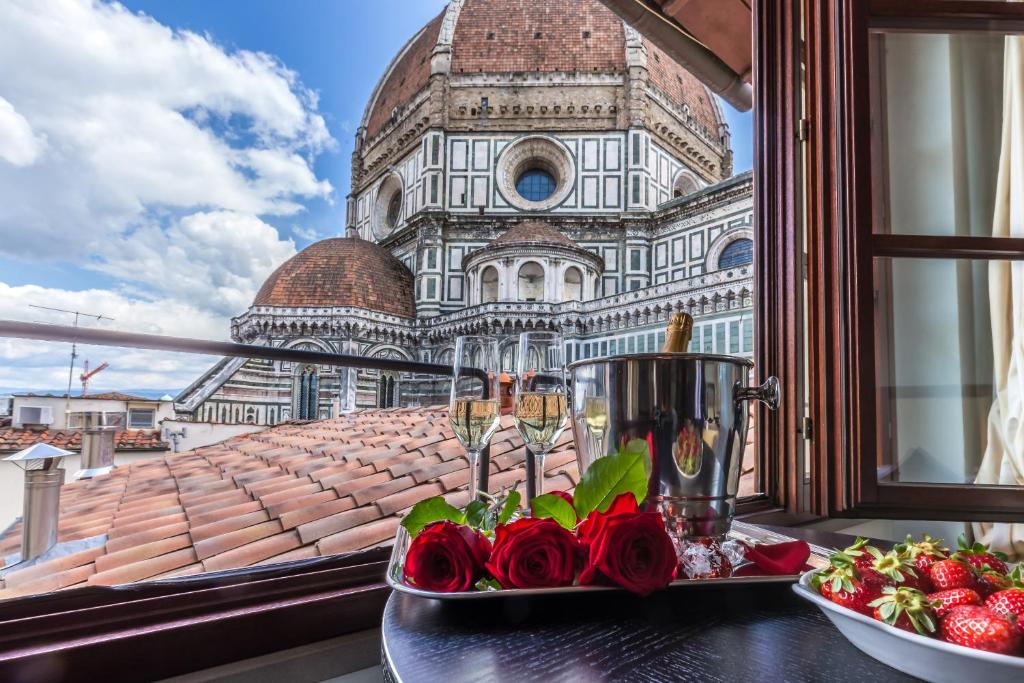
All that’s left is to pack your bags, your camera, and reach a wonderful place that, we assure you, you will never forget.
Frequently Asked Questions about What to See in Florence
❓ What to see in Florence in one day?
Seeing Florence in just one day is a challenge, but you can experience an unforgettable taste. We recommend starting from the Duomo with its iconic Brunelleschi’s Dome, then heading down to Piazza della Signoria, crossing the Ponte Vecchio and visiting the Accademia Gallery to admire David. Even just walking through the streets of the center will be a journey through time.
❓ What are the most famous places of interest in Florence?
Florence is full of treasures, but among the most iconic are the Cathedral of Santa Maria del Fiore, Ponte Vecchio, the Uffizi Gallery, Palazzo Vecchio, and the Accademia Gallery. Adding to these are the Boboli Gardens, Santa Croce, and Piazzale Michelangelo, from where you can enjoy a breathtaking view of the city.
❓ How much time is needed to visit Florence?
Ideally, you should have at least 2 or 3 days to enjoy the city calmly, visit the main museums, and soak in the Florentine atmosphere in neighborhoods like San Lorenzo and Oltrarno. However, even a well-planned single day allows you to see the main attractions.
❓ What is the best time to visit Florence?
Spring (April–June) and autumn (September–October) are the best times: the weather is mild, there are fewer crowds compared to summer, and the light enhances every corner of the city. If possible, avoid the high summer season, especially July and August, because of the intense heat.
❓ Can you visit Florence on foot?
Absolutely yes. Florence’s historic center is compact, flat, and entirely walkable. In just a few steps you can move from one masterpiece to another, and experience the city like a local, among historic shops, hidden corners, and charming squares.



