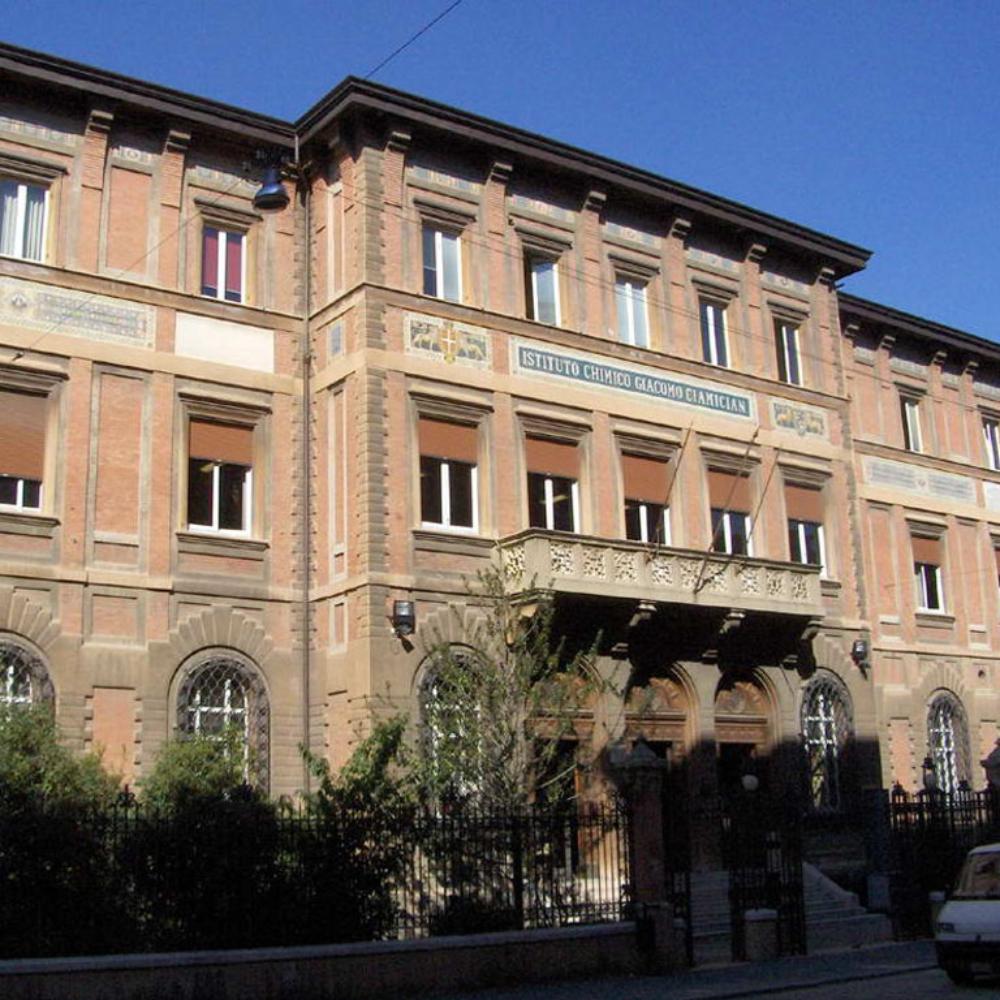


Founded by Gaetano Gandolfi in 1814, it has been located at its current site since 1936 and possesses interesting 19th-century preparations mainly made by Antonio Alessandrini and Sebastiano Richiardi.
Already set up by Ercole Giacomini in the 1930s, it was reorganized starting in 1973 with the addition of new display cases and an educational-scientific exhibition path. In addition to numerous vertebrate skeletons, among which notable is that of the sperm whale, Physeter macrocephalus, preparations related to the respiratory, circulatory, digestive, and urogenital systems deserve mention.
For educational activities, plastic models and replicas are available. It also offers a tactile path for the differently-abled, with preparations accompanied by Braille captions.