


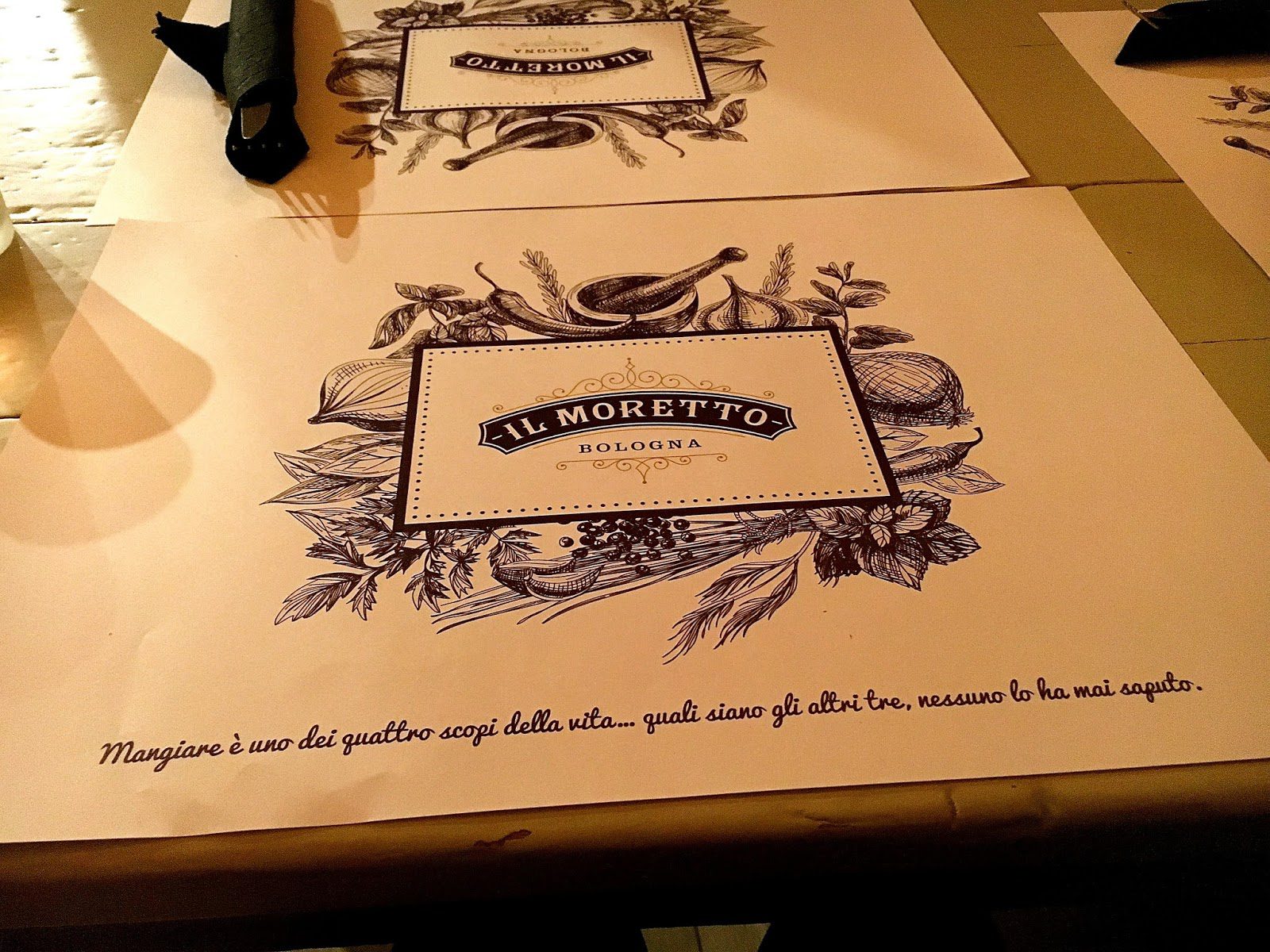
Osteria del Moretto is a former wine bar from the 1920s that has retained nearly everything from that era: marble-topped tables, vintage chairs, the original counter, and colorful terrazzo floors where you can still spot three hatches once used to pour must into the large underground barrels.
The white and wine-red walls are covered with prints, striking black-and-white photographs (including beautiful ones of the Guccini family and a young Garibaldi), posters, and flyers for cultural events that the osteria continues to host.
Moretto has been a springboard for many local artists, and every year its unique interiors are chosen for films and commercials. As you might guess, authenticity is at the heart of this place. The very walls tell stories of centuries-long struggles between sacred and profane: the building stands upon the ruins of the Olivetani monks’ church, desecrated by Napoleon and later set ablaze (the decrepit cloister is still visible today). In the 19th century, thanks to its proximity to one of the city gates, it was a welcoming stop for pilgrims.
Today, Massimo Mutti and a few “patron” business partners run the osteria, transforming it into a hub for music events, poetry readings, cabaret, art, and photography exhibitions.
Massimo, a seasoned night owl, delights a lively and eclectic clientele—including many young people who, in warmer months, are happy to sit on the low wall across the street when seats run out. The wine list is thoughtfully curated, with a strong focus on red wines. The kitchen serves hot and cold dishes at prices to suit all budgets.
Heading back towards piazza Maggiore and into the university district, you’ll find another popular osteria—favored by both locals and students: Da Matusel, on via Bertoloni, housed in the Renaissance Palazzo Bianconcini.
This spot was long known for its signature pasta and beans, but about a year ago, new owners took over. They’ve refreshed the interiors and now serve quick lunches and Sicilian specialties for dinner.
Whether fact or legend, the story has captured many imaginations. On the ground floor, visitors can still see marble plaques bearing the names of the city’s most famous brothels, and a “Pleasure Map of Bologna” painted by Antonio Pinotti in 1978.
The restaurant has a lofted area; upstairs, soaring vaulted ceilings and decorative stuccoes create a charming setting for dining and meeting friends.
[custom-related-posts title=”Osterie a Bologna” order_by=”title” order=”ASC” none_text=”nessun articolo”]