


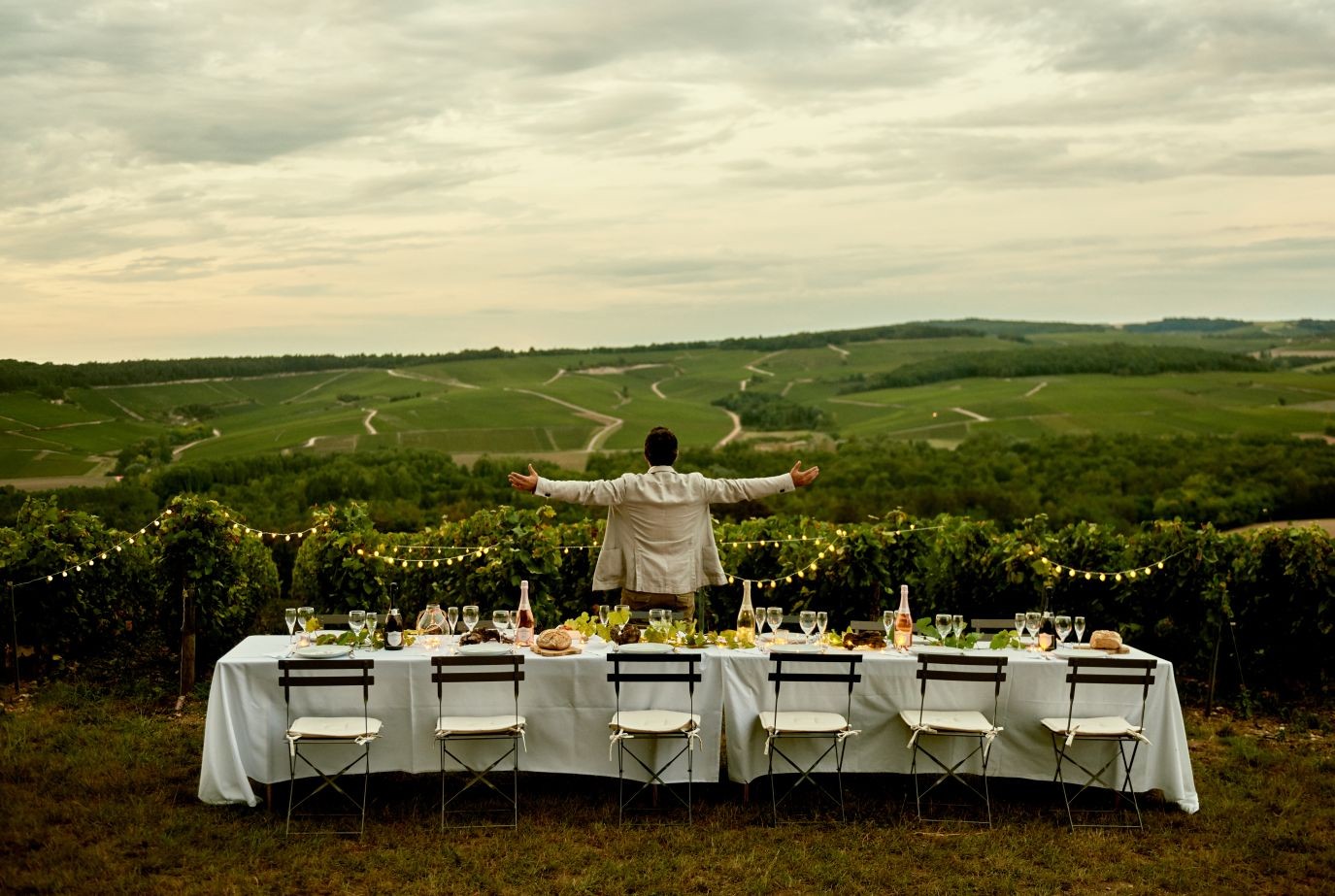

Al di là degli itinerari turistici della Francia più battuti, quando si parla di grandi bollicine non può sfuggire ai veri connaisseurs il percorso che porta nella parte meno nota, ma per certi aspetti, più autentica, della regione della Champagne. Parliamo del cuore della regione dell’Aube, la vera terra di origine dello Champagne, nella quale fu trapiantato il primo ceppo di Chardonnay importato da Cipro, direttamente dalle Crociate del XIII secolo, da Comte de Champagne. Il primo a essere trapiantato nella Côte des Bar, anche se furono i commercianti della Marne a venderlo prima degli altri in Francia.
E per evitare che l’Aube potesse produrre l’autentico Champagne, dopo una guerra impedirono alla regione di origine, per più di sei secoli, di utilizzare la denominazione di “Champagne”.
È da qui che inizia la storia di Comte de Montaigne, una Maison che ha fatto dell’autenticità del terroir dell’Aube il suo tratto distintivo. Stéphane Revol, Ceo dell’azienda e fine conoscitore dell’Aube, ci guida alla scoperta di Troyes, il capoluogo della regione, con una le 5 attrazioni da non perdere.
1 Timbered House
Once the capital of Champagne, today Troyes is the capital of the Aube Department. Nestled on the left bank of the Seine, this charming town is also remembered for its historic center, better known as the “le Cœur de Troyes,” which has the exact shape of a champagne cork (“Bouchon de Champagne»). Between one medieval street and another, you can also see the details of traditional timbered houses (Maison à Colombage), built in the 12th century with wood, hay, and clays. Clays that are still found in the terroir of the Cuvée Comte de Montaigne today. That’s why, strolling in this area, one appreciates the beauty of a territory that makes its uniqueness an essential value.

2 Church of Saint Magdalene and the first Chardonnay vine
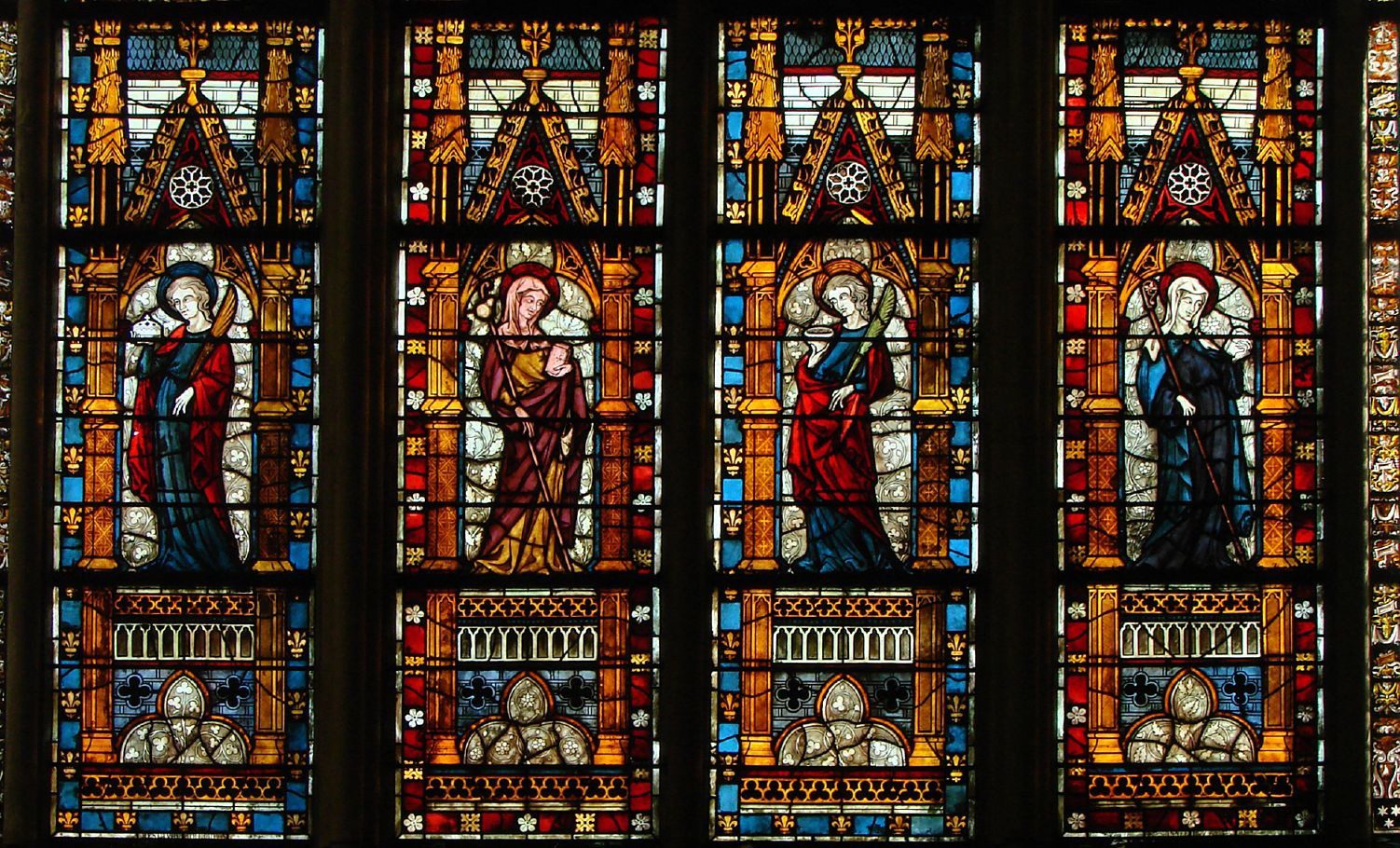
The Church of Saint Magdalene is a church encountered somewhat by chance while walking through the narrow streets of the city center. It is the oldest church in Troyes and features a remarkable exterior, offering a flourishing Gothic architectural style with flying buttresses that form a beautiful weave over the side entrances, rich with anthropomorphic gargoyles that you can almost touch. It is its stained glass windows that captivate tourists from all over the world. In one detail, the image of the Count of Champagne handing over to the cardinal the first Chardonnay grapevine brought from Cyprus directly from the Crusades in the 13th century and then transplanted in the Côte des Bar, the terroir of Maison Comte de Montaigne.

3 Stained Glass Windows of the Cathedral of Saints Peter and Paul
Slender and imposing, with five naves and an impressive rose window, the majestic Cathedral of Saints Peter and Paul takes your breath away. The tower of Saint Paul, dating back to 1545, is still unfinished today. The curiosity? The 1,500 meters of stained glass windows crafted between the 13th and 19th centuries, which earned the city the nickname of “Holy City of Stained Glass.”
4 Basilica of Saint Urbain
The Basilica of Saint Urbain, a masterpiece of Gothic architecture, is one of the symbols of the city of Troyes. The tympanum of the portal stands out for its depiction of the Last Judgment, along with the stained glass windows of the apse and the statue of the “Virgin of Raisin” in the south chapel, a masterpiece of the Troyes School of the 16th century.

5 Medieval Gardens
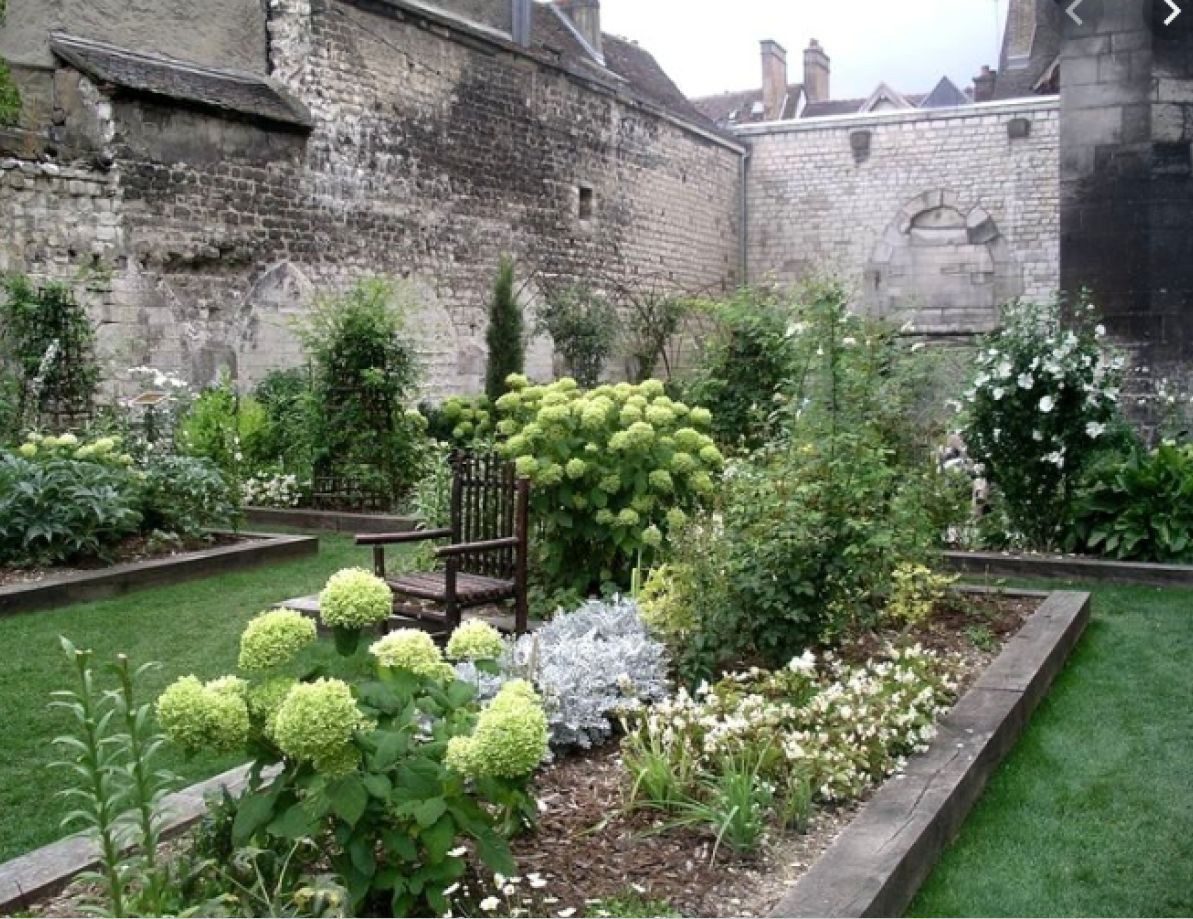
During your visit to Troyes, you absolutely cannot miss the five medieval gardens of the city. First of all, the Mary’s Garden, in the courtyard of the Hôtel de Mauroy, which tells the story of the evolution of the pleasure garden, from the Middle Ages to the cusp of the Renaissance. If you are passionate about medicinal and aromatic plants, you will be fascinated by the Apothecary’s Garden, in the heart of the Hôtel Dieu. Don’t miss the Garden of the Dyers, which offers its visitors a fantastic dive into the world of dye plants and the Garden of the Innocents, which marks the opening to the public of the secret ossuary of the church of Sainte Madeleine. Completing the list, the Medicinal Plant Garden, in the main courtyard of the Hôtel Dieu, offers an interesting journey to discover the “magical plants” for healing diseases, over an area of 1,300 square meters.
Comte de Montaigne
Passion for the land, eco-sustainability, fidelity to values are the true roots of the entrepreneurial philosophy of Comte de Montaigne. A Champagne with heart that is synonymous with genuine values, emotion, warmth, closeness, joie de vivre. The terroir of the Côte des Bar, understood as a microclimate and set of mineral characteristics of the soil, is one of the identifying features of the brand. It is a special habitat, with a temperate, oceanic, semi-continental climate, where sun exposure is limited and the chalky subsoil performs a thermoregulatory and protective function for the vineyard roots. In the production cycle phases of Comte de Montaigne, the vineyard holds greater importance than the cellar phases. From harvest to the cellar, until the champagne is ready for sale, tradition and the heart of all those who work there are preferred. From the Cuvée of the Côte des Bar come five great champagnes: the Brut (70% Pinot Noir and 30% Chardonnay); the Extra Brut (70% Pinot Noir and 30% Chardonnay); the Rosé (100% Pinot Noir); the Blanc de Blancs (100% Chardonnay) and the Cuvée Speciale (100% Pinot Noir).