


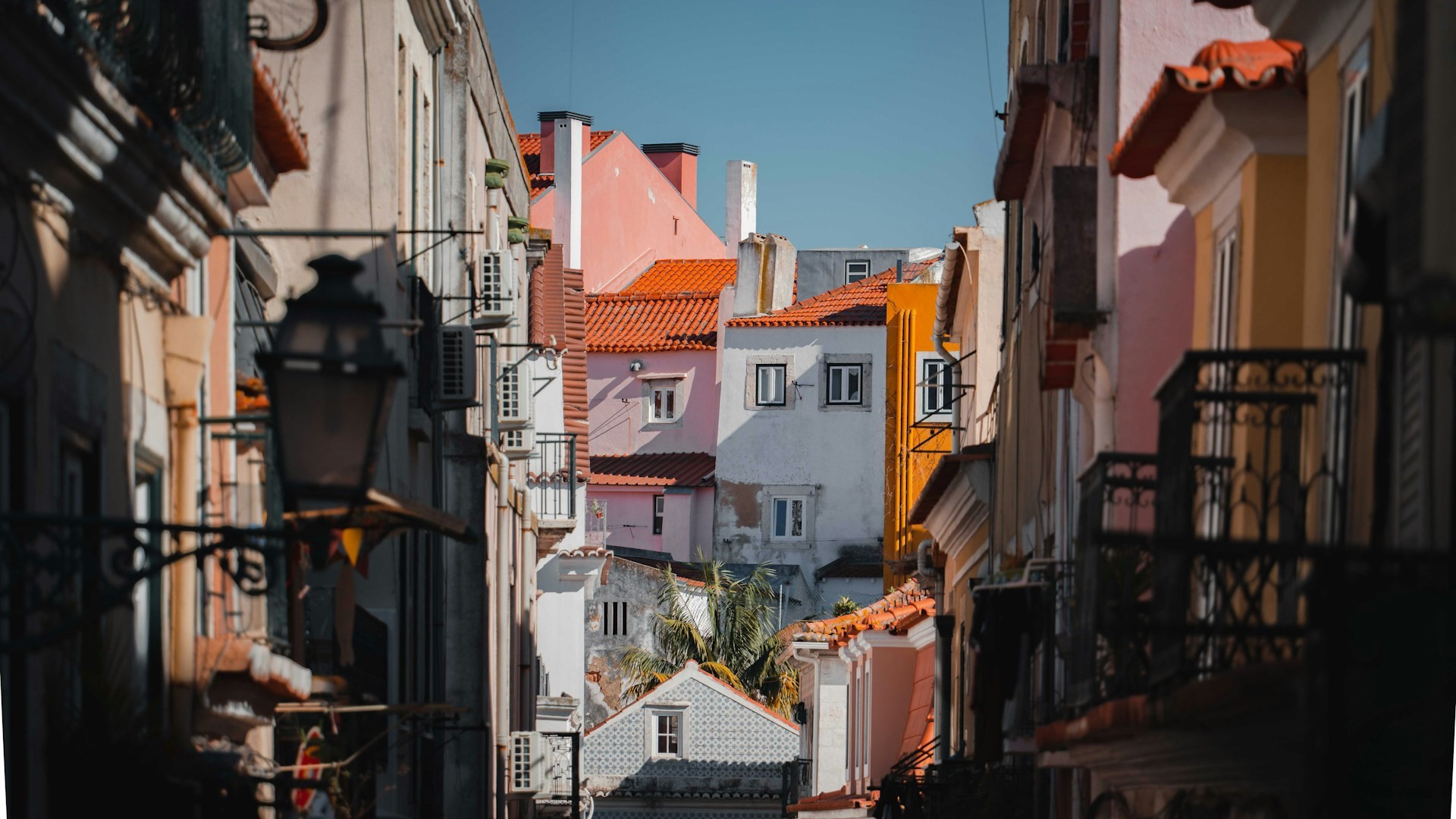

Lisbon, the vibrant capital of Portugal, is a city that knows how to win the hearts of travelers. With its picturesque neighborhoods, rich history, and authentic atmosphere, 3 days in Lisbon are enough to fall madly in love with this gem overlooking the Tagus River. The city of seven hills offers a perfect balance between tradition and modernity, where historic trams climb cobblestone streets while trendy locals animate the evenings. Our 3-day itinerary in Lisbon will guide you through the most charming neighborhoods like Alfama, Belém, and Bairro Alto, allowing you to savor the true essence of the Portuguese capital.
- Day 1: Baixa, Chiado and Alfama: first miradouros and Fado
- Day 2: Belém, riverside and LX Factory
- Day 3: Surrounding excursions and Bairro Alto
- When to visit Lisbon
- Getting Around Lisbon
- Where to Stay in Lisbon
- Practical Tips for 3 Days in Lisbon
- FAQ about 3 days in Lisbon
- What is the best time to visit Lisbon in 3 days?
- How to get around Lisbon during a 3-day itinerary?
- What should not be missed in 3 days in Lisbon?
- Is it worth taking a trip to Sintra in 3 days?
- Where is it best to stay for a weekend?
Lisbon, city of seven hills, will captivate you with its characteristic neighborhoods, rich history, and breathtaking views. Visiting Lisbon in 3 days is a journey that combines history, culture, and contemporary life. The capital of Portugal is a dynamic city, suspended between tradition and modernity: from the charm of Alfama’s alleys to the monuments of Belém, to the lively evenings of Bairro Alto. With this itinerary, you can explore the city at your own pace, riding the famous yellow trams, stopping at the most scenic miradouros, and tasting the famous pastéis de nata. Three days are enough to have a complete and fascinating view of Lisbon, immersing yourself in its colors, music, and its unique atmosphere so loved by Pessoa. Here is the ultimate guide for an unforgettable weekend in the Portuguese capital. If, instead, you want the complete Lisbon guide, we recommend another one of our articles to pair with this.
If you’re in a hurry. 3 days in Lisbon. Our itinerary will lead you through the beating heart of the city, from the alleys of Alfama to the monuments of Belém, up to the lively nightlife of Bairro Alto. You’ll discover the best viewpoints, taste the famous pastéis de nata ebacalhau, listen to fado, and you can also take an excursion to Sintra or Cascais. A complete route to experience the soul of Lisbon in a long weekend, maybe with a mini city tour. Remember to book your flight to Lisbon and the hotel in Lisbon in advance to find the best rates.

Day 1: Baixa, Chiado and Alfama: first miradouros and Fado
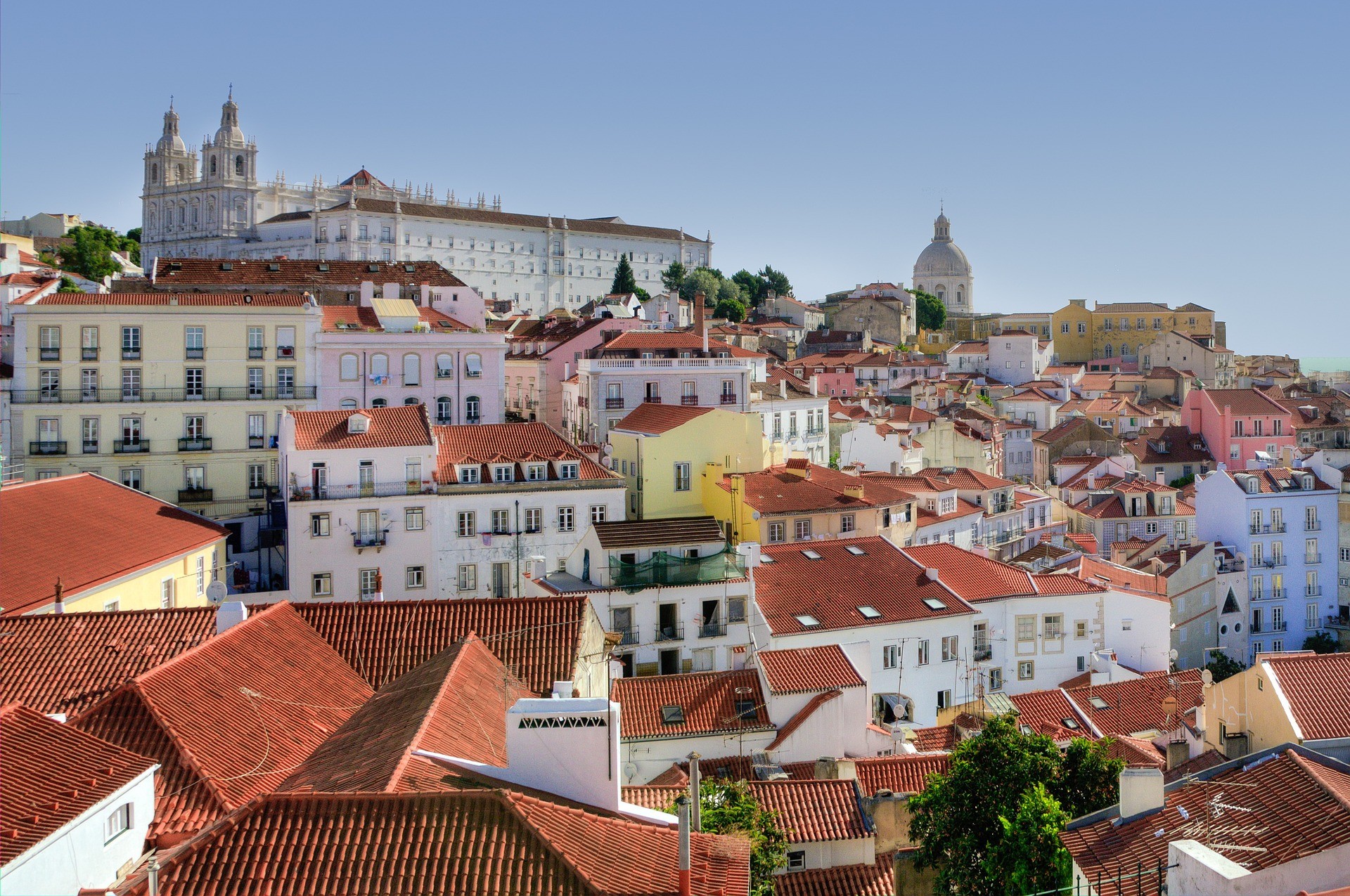
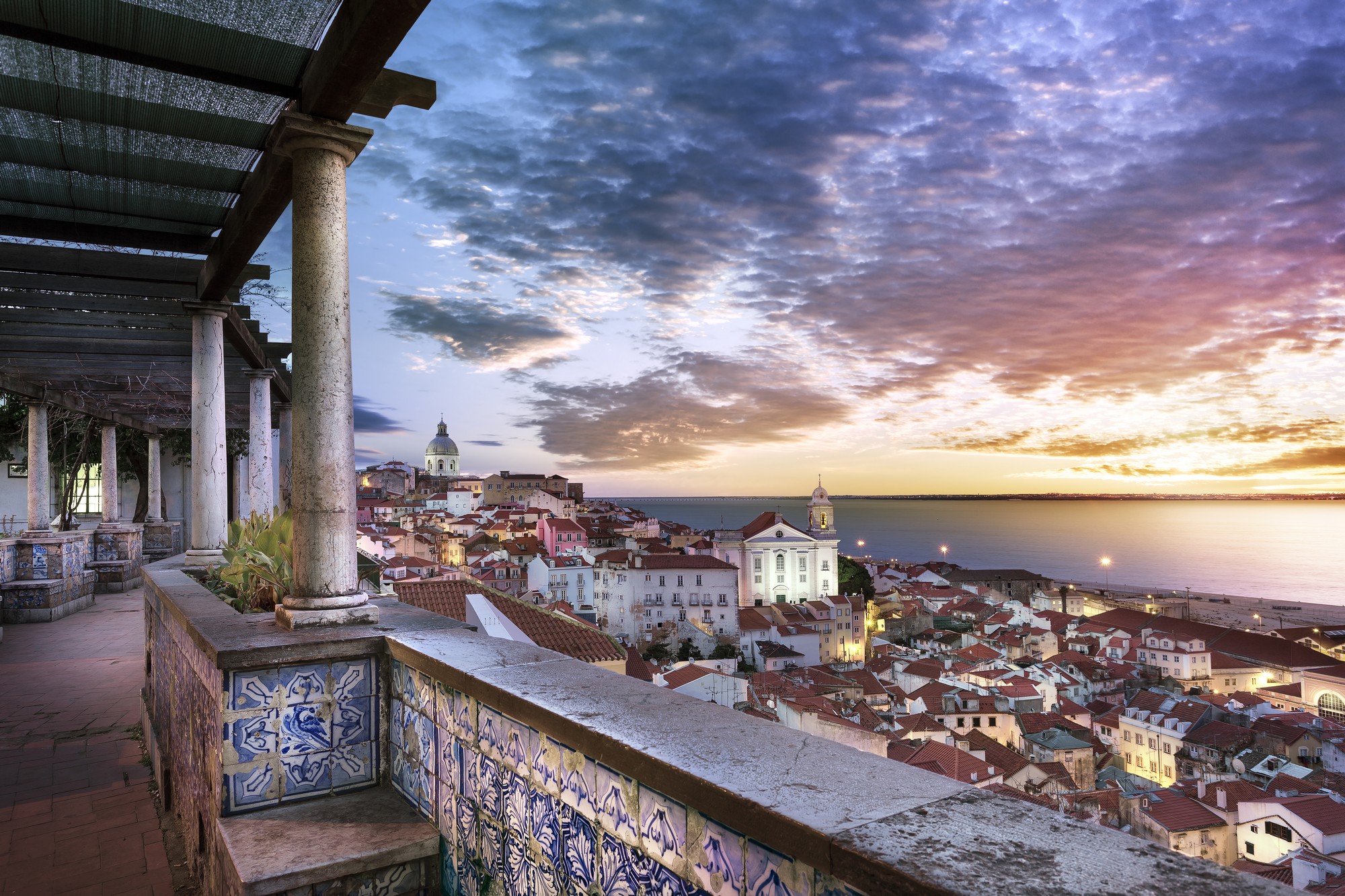
Start from Baixa Pombalina: Praça do Comércio opening onto the Tagus, Arco da Rua Augusta and the orderly grid of streets up to Rossio. Heading up to Chiado, enter the Convento do Carmo (open-air nave) and climb the walkway of the Elevador de Santa Justa for a first view of the city. Coffee break in the Lisbon style: counter, bica e warm Down at Alfama: narrow alleys, hanging laundry, azulejos worn by time. The Sé is the Romanesque soul of the city; from here go up to the terraces of Miradouro de Santa Luzia e Portas do Sol, perfect to orient yourself among roofs and river. If you want an iconic ride, take Tram 28 (better in the morning or late evening to avoid queues). Sunset at Miradouro da Graça or for an even wider view, at Senhora do Monte.
The first of your 3 days in Lisbon, therefore, will be dedicated to exploring the historic center and the picturesque district of Alfama, allowing you to immediately immerse yourself in the authentic atmosphere of the Portuguese capital. Start the day at Rossio Square (Praça Dom Pedro IV), the beating heart of the city with its undulating black and white pavement and ornamental fountains. From here, board the characteristic Elevador da Glória, one of Lisbon’s historic funiculars, which will take you up to Miradouro de São Pedro de Alcântara. This viewpoint offers a breathtaking panoramic view of the city, São Jorge Castle, and the Tagus River, allowing you to orient yourself and appreciate Lisbon’s layout.
Descend back towards the center and visit the Elevador de Santa Justa, a wrought iron neo-Gothic elevator connecting Baixa to Chiado. From its terrace you can enjoy another perspective of the city before heading to the Convento do Carmo. These open-air ruins are all that remains of a Gothic church destroyed by the devastating 1755 earthquake, an event that completely reshaped Lisbon’s face.
Continue along the pedestrian Rua Augusta, the main artery of Baixa, admiring its elegant Pombaline-style buildings, until you reach the imposing Rua Augusta Arch that leads to the majestic Praça do Comércio. This monumental square, overlooking the Tagus and surrounded by ochre-colored buildings with arcades, was the city’s ancient entrance gate for those arriving by sea. Take some time to admire the equestrian statue of King José I in the center of the square and maybe treat yourself to a coffee at one of the venues with a view.
In the afternoon, venture into the maze of alleys that form Alfama, Lisbon’s oldest and most characteristic neighborhood. Here you can take the famous tram 28, which climbs steep narrow streets offering picturesque glimpses, or explore on foot losing yourself among colorful houses, hanging laundry, and azulejos (the typical Portuguese tiles). Visit the majestic Lisbon Cathedral (Sé) and keep climbing up to São Jorge Castle, a Moorish fortress that dominates the city from above. From its walls you can enjoy a spectacular panoramic view, particularly evocative at sunset.
For a complete experience, find a venue where fado singers perform, the melancholic traditional Portuguese music, declared Intangible Cultural Heritage by UNESCO. Return on foot through ups and downs and illuminated glimpses: Lisbon at night whispers more than it speaks.
Day 2: Belém, riverside and LX Factory
The second of your 3 days in Lisbon will take you to Belém, a neighborhood that houses some of the city’s most significant monuments, witnesses to the golden age of Portuguese explorations. Getting to Belém is easy: you can take tram 15 from Praça da Figueira or Praça do Comércio, or the train from Cais do Sodré station.
The first unmissable stop is the Jerónimos Monastery, a masterpiece of Manueline style (late Portuguese Gothic) and a UNESCO World Heritage Site. Built in the 16th century to celebrate Vasco da Gama’s return from India, this monumental complex will leave you breathless with its richly decorated facade and extraordinary cloister. Inside the church rests Vasco da Gama himself, along with the national poet Luís de Camões. To avoid long lines, we recommend arriving early in the morning or purchasing tickets online in advance.
Crossing the garden in front of the monastery, you reach the Monument to the Discoveries (Padrão dos Descobrimentos), an imposing sculpture shaped like a caravel jutting out over the Tagus River. This 52-meter-high monument celebrates the era of great Portuguese maritime explorations and depicts Henry the Navigator followed by 32 other figures who contributed to Portugal’s expansion worldwide. You can climb up to the panoramic terrace to enjoy a spectacular view of the river and the 25 de Abril Bridge, which recalls the Golden Gate of San Francisco.
At this point, you deserve a sweet break: head to the famous Pastéis de Belém, a historic pastry shop that since 1837 has been producing the renowned pastéis de nata following a secret recipe from the monastery’s monks. These delicious puff pastries filled with egg custard are a Lisbon institution, and here you can enjoy them still warm, dusted with cinnamon and powdered sugar.
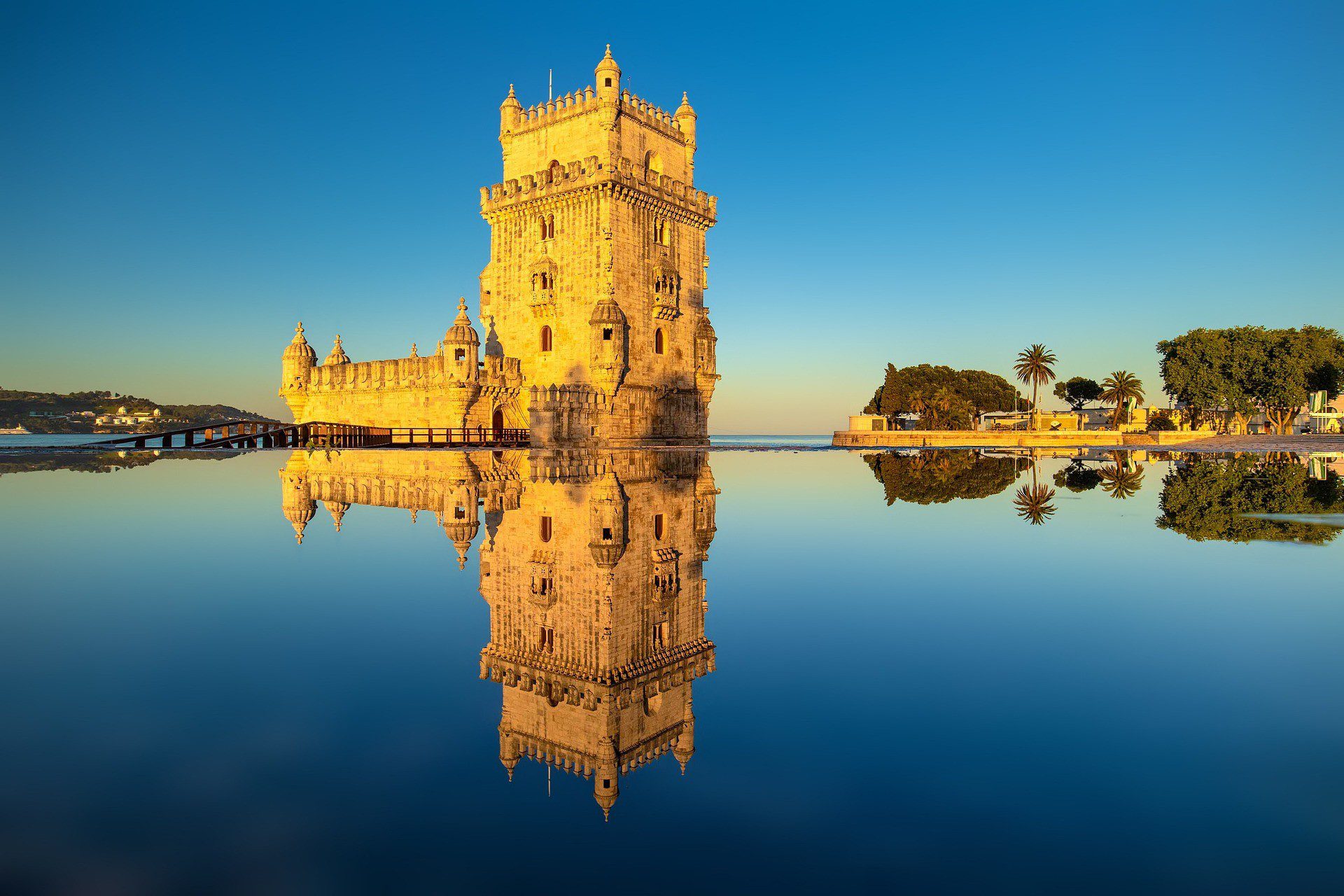
In the afternoon, continue towards the Belém Tower, another Manueline gem and a symbol of the city. Built between 1514 and 1520 as part of the defensive system at the mouth of the Tagus, this fortified tower seems to float on the water during high tide. Explore its five floors, admiring maritime decorations and Moorish loggias, until you reach the upper terrace with panoramic views.
If you still have time, visit the modern Museum of Art, Architecture e Technology (MAAT), a futuristic building clad in white azulejos that reflects on the Tagus, or the National Coach Museum, which houses one of the most important collections of royal carriages in Europe.
Heading back towards downtown, stop by LX Factory, a former industrial area converted into a creative hub with design shops, art galleries, trendy restaurants, and cafes. It’s the ideal place to end the day with an aperitif or dinner in a contemporary and lively atmosphere.
Day 3: Surrounding excursions and Bairro Alto
For the last of your 3 days in Lisbon, you have two options: explore the surroundings with a day trip or deepen your knowledge of the city by visiting less touristy but equally charming neighborhoods.
If you choose to stay in the city, dedicate the morning to the Estrela and Lapa neighborhoods, elegant residential areas with a calm and refined atmosphere. Visit the Estrela Basilica, an imposing white marble church with a dome visible from many city points, and stroll through the nearby Jardim da Estrela, a 19th-century park with ponds, kiosks, and lush vegetation. Continue to the National Museum of Ancient Art, housed in a 17th-century palace, which preserves masterpieces of European painting and Portuguese decorative art objects.
In the afternoon, cross the Tagus by ferry from Cais do Sodré to reach Cacilhas on the southern shore. From here you can climb up to Cristo Rei, the imposing statue inspired by Rio de Janeiro’s Christ the Redeemer, offering a spectacular view over Lisbon and the 25 de Abril Bridge. Near the Cacilhas pier, you’ll also find excellent seafood restaurants to dine at before returning to the city.
Alternatively, you can opt for a trip to Sintra, an enchanted place just 40 minutes by train from Lisbon. This fairytale location, a UNESCO World Heritage Site, is famous for its eclectic palaces immersed in lush vegetation. The Palácio da Pena is a must-see, an extraordinary example of Romantic architecture with its colorful towers and fanciful details, and Quinta da Regaleira, a neo-Gothic estate with mysterious gardens, caves, and the famous initiatic well. If you have time, also visit the Moorish Castle, a medieval fortress that dominates the Sintra Mountains.
Another option is Cascais, an elegant seaside town 30 minutes by train from Lisbon. Here you can stroll along the seafront, visit the historic center with its colorful houses, and relax on one of the urban beaches. Don’t miss Boca do Inferno, a rock formation where the waves of the Atlantic crash creating an impressive natural spectacle.
For wine lovers, an excursion in the Setúbal region allows you to visit historic wineries and taste the famous local muscat wine. Alternatively, the medieval town of Óbidos, with its intact walls and whitewashed houses edged in blue and yellow, offers a dive into the most authentic Portugal.
Also read: Where to eat in Lisbon, typical restaurants and venues.
Whatever your choice, conclude your 3 days in Lisbon with dinner in the lively Bairro Alto district. This labyrinth of narrow streets transforms at nightfall into a hub of nightlife, with countless bars, restaurants, and live music venues. Order an assortment of petiscos (Portuguese tapas) to share and toast with a glass of ginjinha, Lisbon’s typical cherry liqueur, at the end of an unforgettable journey.
Tip. Hop on a historic elevator (Glória or Bica) and look out over the rooftops again. Enter Embaixada for creative shopping inside a Moorish palace. If you are traveling with children or love contemporary architecture, head to Parque das Nações: pedestrian riverfront, cable car, Oceanário, one of the most beautiful in Europe. Alternatively, dedicate the day to Sintra (train from Rossio): Palácio da Pena with fairy tale colors, Quinta da Regaleira and the initiatic wells, historic center among azulejos and pastry shops. Return to Lisbon for the last evening between Chiado and Bairro Alto: traditional taverns or cocktail bars with a view.

When to visit Lisbon
The ideal period to visit Lisbon coincides with the intermediate seasons when the climate is mild and tourist flows are lower. Spring (March-May) and autumn (September-October) offer pleasant temperatures that make exploring the city particularly enjoyable. During these months, you can stroll the cobbled streets and climb the steep hills without suffering the oppressive heat of summer.
Lisbon’s summer, from June to August, brings waves of tourists and temperatures that can easily exceed 30°C. If you decide to visit Lisbon during this period, consider that the main points of interest will be crowded and you may have to endure long lines. The advantage is that you can combine visiting the city with some days at the beautiful beaches nearby.
Winter in Lisbon is generally mild compared to other European capitals, with temperatures rarely falling below 10°C. Although rain can be frequent, this season offers the opportunity to explore museums and indoor attractions without the crowds typical of the warmer months. Furthermore, accommodation prices are decidedly more affordable.
Regardless of the chosen period, keep in mind that Lisbon is a city of events and festivals. Saint Anthony in June transforms the city into a large party, while Christmas and New Year are celebrated with particular enthusiasm. Checking the event calendar before planning your 3 days in Lisbon could further enrich your experience.
Getting Around Lisbon
Lisbon is a sprawling and hilly city, so planning how to get around is essential to optimize your 3-day visit. The public transportation system is efficient and represents the ideal solution for exploring the city without getting overly tired on its famous seven hills.
The historic trams are Lisbon’s emblem and an attraction in themselves. The most famous is tram 28, which winds through historic neighborhoods offering an unmissable panoramic route. This yellow tram passes through Alfama, Baixa, Chiado, and Bairro Alto, allowing you to admire some of the city’s most characteristic places. Keep in mind it is often crowded, so consider taking it early in the morning or late at night.
Lisbon’s metro is modern, clean, and effectively covers much of the city with four lines. It is particularly useful for quickly reaching areas farther from the center. Single tickets cost around €1.50, but the most cost-effective option is to purchase the rechargeable “Via Viagem” card, which can be used on all public transport.
To overcome the most challenging elevation changes, Lisbon has historic funiculars such as Elevador da Glória and Elevador da Bica, as well as the famous Elevador de Santa Justa, a neo-Gothic elevator connecting Baixa to Chiado offering a spectacular view of the city. If you plan to use public transport frequently during your 3 days in Lisbon, consider purchasing the Lisboa Card. This tourist card includes unlimited access to public transport and free or discounted entry to many attractions. It is available in 24, 48, or 72-hour versions, with prices starting from about €20.

Where to Stay in Lisbon
Choosing accommodation is crucial to optimize your 3 days in Lisbon. The city offers lodgings for every budget and style, from luxury boutique hotels to budget hostels, as well as rental apartments that let you live like a true Lisboeta.
The city’s vibrant heart is represented by the neighborhoods of Baixa e Rossio, flat and central areas from which it is easy to reach the main attractions. Here you will find international chain hotels and independent properties, often housed in skilfully restored historic buildings. The advantage of staying in this area is the proximity to restaurants, shops, and public transport. For those seeking a more authentic and characteristic atmosphere, Alfama is the ideal choice. This ancient neighborhood, with its winding streets and traditional houses, offers a true immersion into Lisbon’s most genuine side. Accommodations here tend to be boutique hotels or rental apartments, often with splendid views over the Tagus. Keep in mind that the area is hilly and not always easily accessible by public transport.
Bairro Alto and Chiado are perfect for those who want to be at the center of Lisbon’s nightlife. These trendy neighborhoods host numerous bars, restaurants, and live music venues. During the day, you can appreciate the elegant architecture and designer boutiques, while at night the area comes alive with a lively and cosmopolitan atmosphere. For a quieter stay, consider the neighborhoods of Estrela or Lapa, elegant residential areas just minutes from the center. Here you will find charming hotels and spacious apartments, ideal for families or those who prefer to return to a peaceful oasis after a day of exploration.
Choosing where to sleep in Lisbon affects the pace of your trip. Baixa/Chiado is central and convenient for getting around, Bairro Alto is lively at night, Alfama is picturesque but with hills and narrow alleys, Príncipe Real offers boutique hotels and trendy spots, while Parque das Nações is modern and perfect for families.
Compare offers and availability on FullTravel Booking to choose among central boutique hotels, apartments with azulejos, and rooms with Tagus views. We also recommend our article on where to stay in Lisbon on a budget. If you haven’t done so yet, also book your flight to Lisbon for the best dates.
Practical Tips for 3 Days in Lisbon
To optimize your 3 days in Lisbon, here are some practical tips that will make your experience even more enjoyable and smooth. The LLisboa Card is an investment worth serious consideration. This tourist card, available in 24, 48, or 72-hour versions (ideal for a 3-day stay), includes unlimited access to public transport and free or discounted entry to over 35 attractions, including the Monastery of Jerónimos, the Belém Tower, and São Jorge Castle. Beyond the monetary savings, it allows you to skip the lines at many tourist sites.
Lisbon is known as the city of seven hills, so be prepared to walk a lot and on steep terrain. Bring comfortable shoes with non-slip soles, as the typical limestone pavements (calçada portuguesa) can become slippery, especially when it rains. Also consider alternating walking routes with strategic use of trams, funiculars, and the metro to save energy.
Lisbon’s climate is generally mild but can surprise you. Even in summer, evenings can be cool due to the Atlantic breeze, so always carry a light layer. In winter, although temperatures rarely fall below zero, humidity can make it feel colder. A compact umbrella is always useful, regardless of the season.
Regarding safety, Lisbon is considered one of the safest European capitals, but as in any large city, be cautious of pickpockets, especially on crowded public transport and in tourist areas. Use a crossbody bag with a zipper and keep documents and valuables in an inner pocket or a money belt.
Portuguese cuisine deserves thorough exploration. In addition to the famous pastéis de nata, try specialties like carne de porco à alentejana (pork with clams), arroz de marisco (seafood risotto), and caldo verde (kale and potato soup). For an authentic experience, seek out tascas, small family-run eateries where you can eat well at a low cost.
Finally, remember that the Portuguese appreciate courtesy. A simple “bom dia” (good morning) or “obrigado/a” (thank you) in their language will always be met with a smile. And don’t worry if you don’t speak Portuguese: most people, especially in the tourist sector, speak good English.

FAQ about 3 days in Lisbon
What is the best time to visit Lisbon in 3 days?
May-June and September-October: mild weather, long days, and a more manageable crowd compared to the high summer season.
How to get around Lisbon during a 3-day itinerary?
On foot in central neighborhoods, integrating tram, metro, and elevadores. The Lisboa Card is worth it if you plan many entries and transfers.
What should not be missed in 3 days in Lisbon?
Alfama with its viewpoints, Belém with the Tower and Jerónimos, the MAAT, Chiado and Bairro Alto, a ride on Tram 28, and at least one sunset over the Tagus.
Is it worth taking a trip to Sintra in 3 days?
Yes, if you organize your time well: half or a full day between Palácio da Pena and Quinta da Regaleira. Alternatively, stay in the city and visit the Oceanário.
Where is it best to stay for a weekend?
Baixa/Chiado to be in the center, Príncipe Real for an elegant atmosphere, Alfama for traditional charm (but with hills), Parque das Nações for families.