


Lisbon is a city that conquers slowly and deeply, made of breathtaking climbs and views that repay the effort. Nestled on seven hills, between the Atlantic Ocean and the Tagus River, the Portuguese capital is a mosaic of colorful neighborhoods, rattling trams, the aroma of grilled sardines, and the melancholic notes of fado. Here, time seems to slow down: every glimpse invites you to pause, every square tells ancient stories, every miradouro offers a unique viewpoint over the city.
- The 12 Most Famous Attractions in Lisbon
- 1. Alfama
- 2. Bairro Alto
- 3. Baixa
- 4. Belém
- 5. Parque das Nações
- 6. Tram 28
- 7. Arco da Rua Augusta
- 8. Fernando Pessoa’s Places
- 9. Attractions for Children
- 10. Typical Venues and Nightlife
- 11. How to Arrive and Get Around
- 12. Where to Sleep
- What to Visit in Lisbon: Guide to the Most Iconic Attractions
- 1 Alfama: Lisbon’s Ancient and Poetic Heart
- 2 Bairro Alto: Fado, Nightlife, and Authentic Views
- 3 Baixa: The Neoclassical and Commercial Heart of Lisbon
- 4 Belém: Between History of Discoveries and Manueline Architecture
- 5 Parque das Nações: Modern and Futuristic Lisbon
- 6 Tram 28: The Most Iconic Experience to Discover Lisbon
- 7 Arco da Rua Augusta: A View Not to Miss
- Lisbon Points of Interest
- 8 Fernando Pessoa’s Places: Following the Steps of Lisbon’s Iconic Poet
- What to See in Lisbon with Family
- 9 Lisbon Attractions for Children: Fun for the Whole Family
- 10 Typical Venues and Nightlife: Lisbon After Dark
- 11 Lisbon, an Alternative Tour: Exploring the City on Historic Trams
- 12 How to Arrive in Lisbon: Transport and Useful Tips
- 13 Where to Sleep in Lisbon: The Best Neighborhoods
- 14 Lisbon Climate and Temperatures: When to Visit the Portuguese Capital
- Frequently Asked Questions About What to See in Lisbon
Whether you have just a weekend or several days to dedicate to this marvel, Lisbon will surprise you: from the majesty of Belém to the intimate atmospheres of Alfama, from the modernity of Parque das Nações to the nocturnal energy of Bairro Alto. Getting around is easy thanks to the legendary trams and the Lisboa Card, which offers easy access to museums and public transport.
In this guide, we take you to discover what to see in Lisbon: 14 places of interest among the most iconic, authentic, and evocative of the city. For each, you will find curiosities, tips, and useful links to experience Lisbon simply, excitingly, and thoroughly.
The 12 Most Famous Attractions in Lisbon
Lisbon is an open-air museum: every neighborhood has its soul, every hill a breathtaking panorama. From medieval castles to elevators, from UNESCO heritage monasteries to the alleys of fado, these 12 attractions represent the essence of the Portuguese capital. They are the ideal starting point to immerse yourself in its authentic charm and explore the historic districts of Lisbon.
1. Alfama
Lisbon’s oldest neighborhood, labyrinthine and evocative, with panoramic views and authentic atmospheres.
2. Bairro Alto
The city’s nightlife heart: small bars, taverns, and fado houses among steep alleys and decorated buildings.
3. Baixa
The commercial and historic center of the city, with large avenues, lively squares, and refined boutiques.
4. Belém
Historic and symbolic area of Lisbon, home to the Belém Tower, Jerónimos Monastery, and the Monument to the Discoveries.
5. Parque das Nações
Modern neighborhood born with Expo ’98, featuring futuristic architecture, museums, and family spaces.
6. Tram 28
The most iconic way to travel through historic neighborhoods along ancient tracks and impossible slopes.
7. Arco da Rua Augusta
Imposing triumphal arch connecting Baixa to the Tagus, from where you can enjoy one of the best views of the city.
8. Fernando Pessoa’s Places
A poetic itinerary tracing the great Portuguese author’s footsteps, between bookstores, cafés, and statues.
9. Attractions for Children
From the Oceanário to the Science Museum: Lisbon is also ideal for families traveling with little ones.
10. Typical Venues and Nightlife
Bairro Alto, Cais do Sodré, and traditional taverns to experience nightlife full of music, fado, and gastronomy.
11. How to Arrive and Get Around
From the airport to the city center, from the metro to historic trams: all the useful tips for getting around Lisbon.
12. Where to Sleep
Recommended areas, budget solutions, and local tips for stress-free accommodation in Lisbon.
What to Visit in Lisbon: Guide to the Most Iconic Attractions
From historic neighborhoods rich in poetry to monuments symbolizing the Age of Discoveries, Lisbon is a city to explore without rushing. In this section, you will find the must-see places, organized by experience and area, to help you build your ideal itinerary. Each point is enriched with curiosities and suggestions to live the Portuguese capital in an authentic and engaging way.
1 Alfama: Lisbon’s Ancient and Poetic Heart
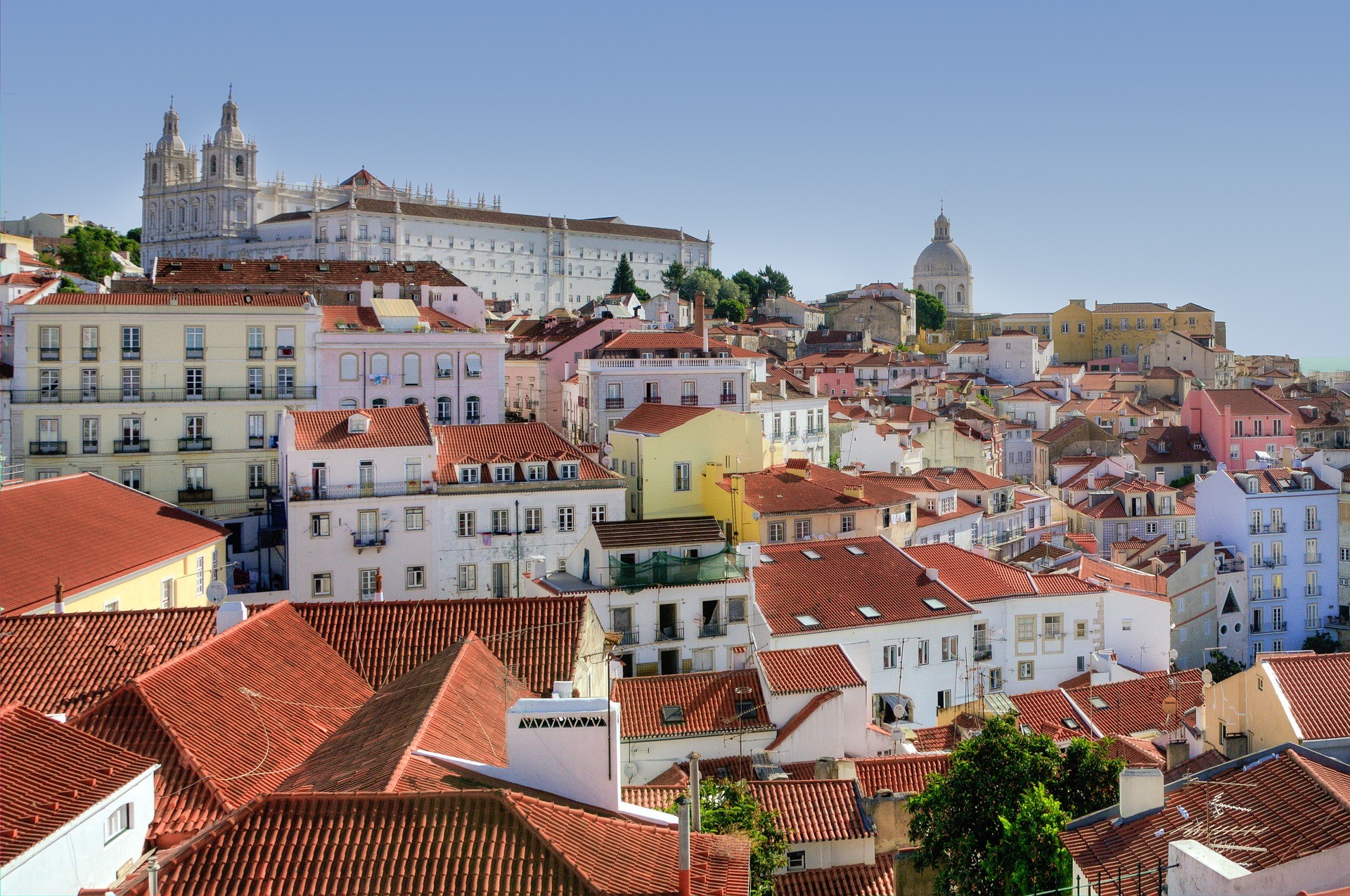
Alfama is Lisbon’s oldest neighborhood, a real labyrinth of alleys, staircases, and panoramic views. Having survived the earthquakes that struck the city, this area preserves an authentic atmosphere, made of clothes hanging from windows, fado singing echoing in the evenings, and historic shops.
Dominated by the Castelo de São Jorge, Alfama offers spectacular views over the city’s red roofs and the Tagus River, especially from the miradouros of Santa Luzia and Portas do Sol. Don’t miss the Feira da Ladra, Lisbon’s most famous flea market, held every Tuesday and Saturday.
2 Bairro Alto: Fado, Nightlife, and Authentic Views
Bairro Alto is the neighborhood of Lisbon’s nightlife but also one of the most iconic places to experience the city’s deep soul. By day it is quiet, with steep alleys and walls covered in azulejos; at night it comes alive with bars, traditional taverns, and fado houses where music blends with emotion.
To reach it effortlessly, board one of the elevadores, those historic funiculars like Glória or Bica. Once at the top, be amazed by the panorama from the Miradouro de São Pedro de Alcântara and the liveliness of its streets: Bairro Alto is always buzzing.

3 Baixa: The Neoclassical and Commercial Heart of Lisbon
Baixa is the bustling center of Lisbon, rebuilt in neoclassical style after the 1755 earthquake. Here, you breathe the order and elegance of the capital, with wide squares, tree-lined avenues, and buildings with symmetrical facades. Walking along Rua Augusta, among historic cafés and shops, is an experience to have at least once.
This area houses iconic places like Praça do Comércio, overlooking the Tagus, and the Elevador de Santa Justa, a vertical elevator in neo-Gothic style connecting Baixa to Chiado. Don’t miss climbing the Arco da Rua Augusta to admire one of the city’s most beautiful panoramas.

4 Belém: Between History of Discoveries and Manueline Architecture
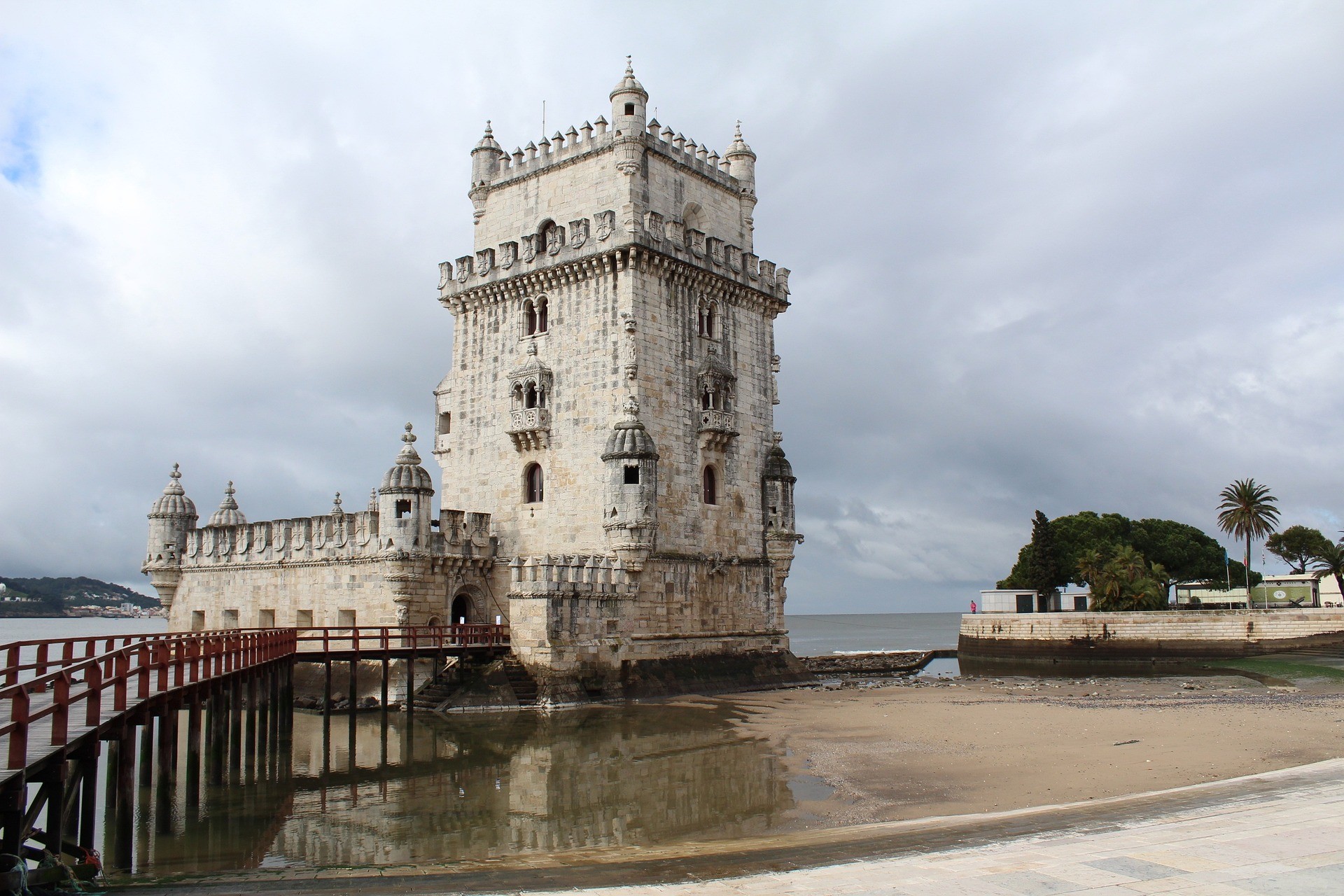
The Belém district is one of Lisbon’s most iconic places. Vasco da Gama set sail to the East from here, and you can feel the glorious maritime legacy of Portugal. The symbol of the district is the Belém Tower, a UNESCO World Heritage site and masterpiece of Manueline style, directly overlooking the Tagus River.
Next to it stands the Jerónimos Monastery, a sumptuous monastery built to celebrate the great Portuguese discoveries. Right in front, the Monument to the Discoveries honors explorers and navigators. After visiting, take a break at the historic Pastéis de Belém pastry shop to taste the famous custard tarts: an unmissable tradition.
5 Parque das Nações: Modern and Futuristic Lisbon
If you want to discover Lisbon’s most modern face, Parque das Nações is the perfect destination. Born for Expo 1998, this district overlooking the Tagus is a mix of contemporary architecture, green spaces, and attractions for the whole family. Here you find the imposing Oceanário de Lisboa, one of Europe’s largest aquariums, the Vasco da Gama Bridge, and a panoramic cable car over the river.
The riverwalk is ideal for relaxing walks or cycling rides, while the Expo pavilions host exhibitions, events, and cultural spaces. It is a perfect area for families with children or for those seeking a Lisbon off the traditional beaten path.

6 Tram 28: The Most Iconic Experience to Discover Lisbon
The Tram 28 is much more than a means of transport: it is a true journey through time. On board these historic yellow trams, with wooden interiors and a typical rattling sound, you can cross Lisbon’s most authentic neighborhoods – from Graça to Alfama, from Baixa to Estrela – getting on and off along impossible slopes, descents, and tight curves. It is the perfect option for those wanting a first taste of the city without missing a thing. The tram 28 route in Lisbon is long and often crowded, but worth every minute. We recommend getting on at the terminus to find a seat and fully enjoy this unforgettable Lisbon experience.
Tram 28 stops include some of the city’s most iconic places, like the Sé de Lisboa and the Miradouro de Santa Luzia. The fare for tram 28 is included in the Viva Viagem day ticket, but watch out for pickpockets, especially in crowded areas.

7 Arco da Rua Augusta: A View Not to Miss
The Arco da Rua Augusta is one of Lisbon’s most imposing structures, rising 11 meters above Praça do Comércio. This stone triumphal arch was built to celebrate King John VI’s return to Portugal after the 1755 earthquake. Today, you can climb to its top to enjoy spectacular views over the city, the Tagus River, and the famous Baixa, Lisbon’s commercial heart.
Besides being a historic icon, the Arch is a great starting point for exploring the city: from here, you access the lively Rua Augusta, one of the capital’s busiest pedestrian streets.

Lisbon Points of Interest
8 Fernando Pessoa’s Places: Following the Steps of Lisbon’s Iconic Poet
Lisbon is the city of Fernando Pessoa, one of Portugal’s greatest poets of all time. Walking through the capital, it is not hard to find places that marked Pessoa’s life and work. From historic cafés in Chiado, where the poet wrote, to inspirational spots like the Livraria Bertrand, the oldest bookstore in the world still operating.
A fascinating literary tour will also take you to the Café A Brasileira, one of Lisbon’s most famous cafés, where Pessoa loved to retreat. Here, a statue of the poet outside the café welcomes you as a sign of his deep bond with the city.

What to See in Lisbon with Family
9 Lisbon Attractions for Children: Fun for the Whole Family
Lisbon knows how to entertain the little ones! If you are traveling with children, you’ll be spoilt for choice among fun and educational attractions. A must-see is definitely the Oceanário de Lisboa, one of Europe’s largest aquariums, where children can closely observe marine life, from tropical fish to sharks.
Another experience young ones will adore is Parque das Nações, a neighborhood featuring playgrounds, interactive museums, and a huge Ferris wheel. For a touch of magic, don’t miss a ride on the famous Tram 28, winding through Lisbon’s historic quarters. Also, the Lisbon Zoo is perfect for a day immersed in nature and adventure.
10 Typical Venues and Nightlife: Lisbon After Dark
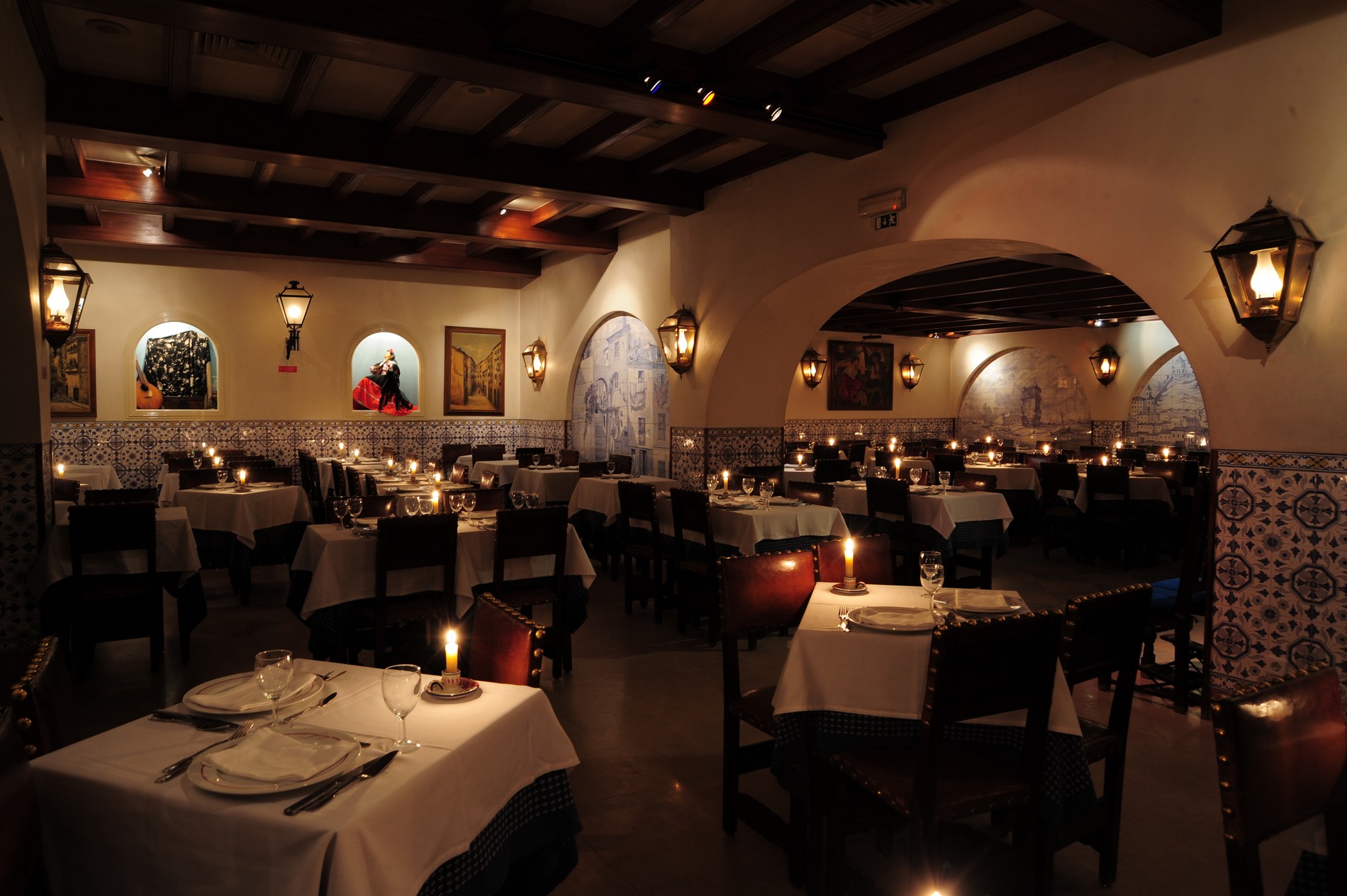
Lisbon never stops and its nightlife is vibrant and fascinating. The heart of the night scene is in the Bairro Alto district, with traditional taverns, restaurants, and live music venues, including the famous fado, the Portuguese traditional music telling tales of love and nostalgia. The night also comes alive in Cais do Sodré, famous for its more cosmopolitan atmosphere, featuring bars, clubs, and pubs for all tastes.
Don’t miss the sunset from the Miradouro de Santa Catarina, where you can enjoy a drink with a view, then head to one of the many venues with live music Lisbon has to offer. If you’re a wine lover, the city is also famous for its adegas, traditional wine cellars where you can taste excellent Portuguese wines in good company. Unlike Italy, Portuguese cuisine doesn’t feature distinct first or second courses. Instead, “entradas” similar to appetizers, rich soups, and single-plate dishes, often featuring delicious cod, are typical.
11 Lisbon, an Alternative Tour: Exploring the City on Historic Trams
Visiting the Portuguese capital, Lisbon, aboard its picturesque and rattling electrics, the unmistakable urban trams, is a fun and definitely not-to-miss experience. The cars, many still small and old but very colorful, climb everywhere; they go through very narrow streets, effortlessly cross urban elevations, and offer the authentic taste of discovery. From March to October, you can enjoy a true tourist tour on historic trams from the early 20th century. It was indeed then, exactly on August 31, 1901, that the first vehicles of this type began circulating through city streets.
The Electric Tour runs, for example, the Linha das Colinas, a complete route through historic areas, admiring the old neighborhoods of Alfama, Graça, Mouraria, Chiado, Lapa, Estrela, up to Baixa, Lisbon’s beating heart, in about 90 minutes.
Also interesting are the Linha Tejo or the Expresso Oriente, which follow the Tagus River. All these trams depart daily from Praça do Comércio and have a multilingual guide on board. Throughout the year, regular line trams (definitely more crowded), like the famous 28, operate: they run from Largo da Estrela to Graça via a labyrinthine path through Bairro Alto, Baixa, and Alfama. Alternatively, read our article on what to do and see in 3 days in Lisbon.

12 How to Arrive in Lisbon: Transport and Useful Tips
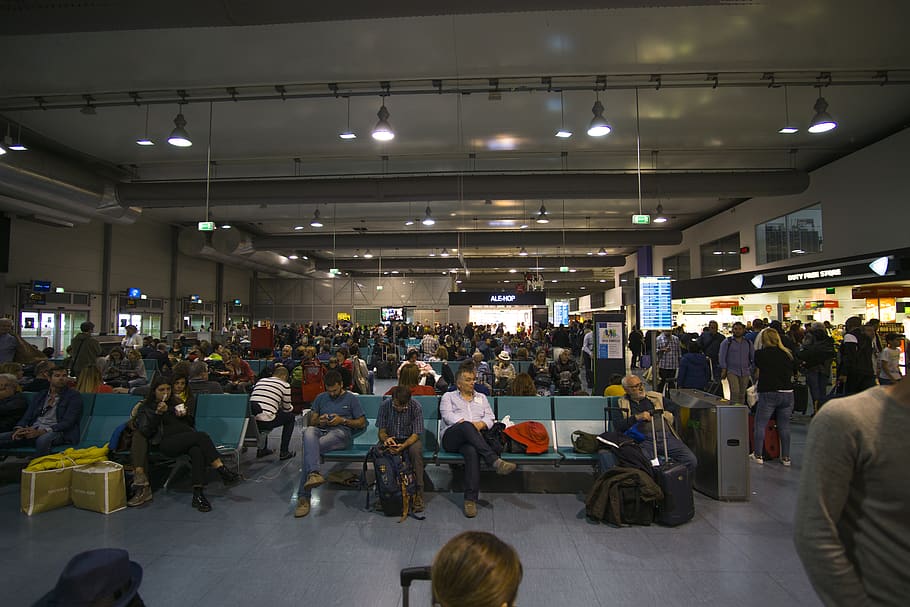
Lisbon is well connected with the rest of the world thanks to Lisbon Portela Airport, located just 6 km from the city center. The most comfortable and economical way to reach the city center is the Aerobus, which departs every 20 minutes and arrives at Praça do Comércio, in the heart of the city. Alternatively, you can take a taxi, but costs are higher. If you arrive by train, the central station Santa Apolónia is well connected to the metro and other regional train lines.
To get around Lisbon once you arrive, we recommend buying the Lisboa Card, which offers unlimited access to public transport (metro, tram, bus) and discounts for museums and attractions. The Lisbon metro is practical and economical, while the historic trams, like the famous Tram 28, are an unmissable tourist attraction. If you have little time, taxis are a good choice, but public transport remains very convenient and fast for traveling between tourist areas.
Useful info for Tram 28:
- Tram 28 hours: service starts at 5:40 AM and ends around 11:30 PM.
- Tram 28 ticket: you can use the Viva Viagem card or buy a ticket on board.
- Tram 28 map pdf: available at tourist offices or online.
- Where to take Tram 28 in Lisbon: terminals are Martim Moniz and Campo Ourique.
13 Where to Sleep in Lisbon: The Best Neighborhoods
Lisbon offers a wide range of sleeping options suited to all needs and budgets. If you want to experience the city’s authenticity, the Alfama district is perfect to stay among picturesque alleys and fado. For those seeking a livelier and nightlife experience, Bairro Alto is ideal, with many venues and restaurants within walking distance. If you prefer a quieter and panoramic area, Parque das Nações offers a modern and relaxing environment, great for families and those seeking calm.
For luxury stays, areas around Avenida da Liberdade are rich in high-end hotels, while budget travelers will find many hostels in central areas like Baixa and Chiado. Remember to book in advance, especially during the high season (spring and autumn) and holidays when accommodation demand is very high.
You can also check out our article on where to sleep in Lisbon on a budget or browse hotels on Booking.com for the best accommodation deals in Lisbon.
14 Lisbon Climate and Temperatures: When to Visit the Portuguese Capital
Lisbon has a typically Mediterranean climate, featuring mild, rainy winters and hot, sunny summers. Summer temperatures are generally high, reaching up to 30°C, while in winter they rarely drop below 10°C. The city enjoys fresh air thanks to the breeze from the Atlantic Ocean.
If you plan to visit Lisbon, spring and autumn are the best periods, with mild temperatures and sunny days. During summer, the city can get very hot, so light clothing is recommended; during winter, temperatures are cool but never too harsh. Check forecasts for Lisbon’s temperatures in the coming days to best plan your visit.
Frequently Asked Questions About What to See in Lisbon
What are the main tourist attractions in Lisbon?
The main tourist attractions in Lisbon include Lisbon Cathedral and Belém Tower, both UNESCO World Heritage sites, the traditional Alfama district, and Plaza de España. Also don’t miss the Jerónimos Monastery and the National Museum of Ancient Art for a dive into Portuguese art.
How much time do you need to visit Lisbon?
If you have only one day, focus on major attractions like Lisbon Cathedral, Belém Tower, and Parque das Nações. With 2-3 days, you’ll also have time to explore historic neighborhoods such as Alfama and Bairro Alto and take a ride on the famous Tram 28.
What is the best way to explore Lisbon?
The best way to explore Lisbon is on foot to fully enjoy its historic neighborhoods like Alfama and Bairro Alto. However, you can also take a ride on the charming historic trams, such as Tram 28, which takes you through the city’s most characteristic areas.
What to do in Lisbon besides the tourist attractions?
Beyond the tourist attractions, Lisbon offers many authentic experiences like listening to fado in a traditional restaurant, exploring the Mercado da Ribeira for local products, or strolling through Parque das Nações, a modern area with beautiful green spaces and the Oceanário.
When is the best time to visit Lisbon?
The best time to visit Lisbon is during spring (April-June) and autumn (September-October), when the weather is mild and crowds are smaller. Summer can be hot, so if you prefer cooler weather, it is better to avoid July and August.