


Ireland has so much to offer to travel-hungry adventurers, and the best way to experience it all is through a road trip. From sleeping on secluded beaches to climbing hidden fortresses and learning to surf, this ultimate guide to a road trip in Ireland has you covered.
- The best time to travel to Ireland
- How to Get Around Ireland
- Two-Week Road Trip Itinerary in Ireland
- Day 1: from Dublin to Skibbereen
- Day 2: Ring of Kerry, Skellig Ring, and Valentia Island
- Day 3: from Ring of Kerry to Killarney
- Day 4: Killarney to the Dingle Peninsula
- Day 5: from the Dingle Peninsula to the Cliffs of Moher
- Day 6: from Cliffs of Moher to Galway
- Day 7: Galway, Aran Islands, and Rossaveel
- Day 8: from Rossaveel to Westport
- Day 9: Croagh Patrick, Achill Island to Sligo
- Day 10: Sligo and Donegal
- Day 11: Donegal and Northern Ireland
- Day 12: Portrush, Belfast, and Carlingford
- Day 13: Carlingford and Athlone
- Day 14: optional attraction and end of the tour
If you only have two weeks in Ireland, this is the perfect trip for you. It will take you to almost all the country’s main attractions like the Cliffs of Moher and Newgrange, as well as some of the most unique and off-the-beaten-path attractions that many Irish locals don’t even know about. This 14-day road trip itinerary in Ireland starts in the southern county of Cork, follows the coast and the Wild Atlantic Way up to Northern Ireland and ends in Athlone. You can start your self-drive tour of Ireland from anywhere, as the country is small enough not to have to drive far to reach the starting point. Most people will start in Dublin, home to the country’s largest airport. But you can also begin in Galway or even Cork. For the purposes of this itinerary, we assume you are starting your trip in Dublin.
Since this itinerary aims to get you to as many attractions as possible to make the most of your trip around Ireland, it’s essential to start each day as early as possible.
The best time to travel to Ireland
The weather in Ireland remains fairly consistent throughout the year, with March to September seeing a bit of change to warmer weather. For the most part, though, the country has a damp and cool environment, so be sure to pack waterproof clothing and warm sweaters.
March and August are peak tourism periods, especially around St. Patrick’s Day, so it might be best to skip these months to avoid crowded attractions and limited accommodation. The best time to go depends on how you plan to travel around the country. If you plan to rent a campervan in Ireland, most campsites are only open from April to September. Some campsites are open year-round, although it would be easier to plan your campervan tour when all parks are open. If you intend to rent a car, any time of year should be good as long as you don’t mind a few degrees cooler in the winter months.
How to Get Around Ireland
There are two options for touring Ireland by car. The first is a campervan rental. While there are many manual campervan rental options near Dublin, such as West Coast Campervans and Retro Camper Hire, options for those with manual difficulties are scarce. If you need an affordable automatic campervan, RetroVentures motorcycle and camper rental outside Limerick is the best. A train runs directly to Limerick from Dublin and takes just under three hours.
You can also choose to visit Ireland by car, staying at Airbnb and hotels along the way. The best website for renting a car is Booking FullTravel and you can pick up rentals from Dublin, Galway, or Cork, depending on where you want to start your tour. Alternatively, you can choose to take a campervan tour in Ireland.
Two-Week Road Trip Itinerary in Ireland
This road trip is a journey like no other. Not only will it take you driving through the narrow winding hills of the Irish countryside, but you’ll also explore abandoned villages, go horseback riding on a secluded beach, and climb a steep mountain.
Your journey begins as you leave Dublin behind and take a three-hour trip to Blarney Castle and the Wild Atlantic Way in County Cork. The Wild Atlantic Way is a beautiful coastal region that stretches from County Cork to County Donegal and is known for its stunning cliff views, magnificent bays, and postcard-perfect towns.
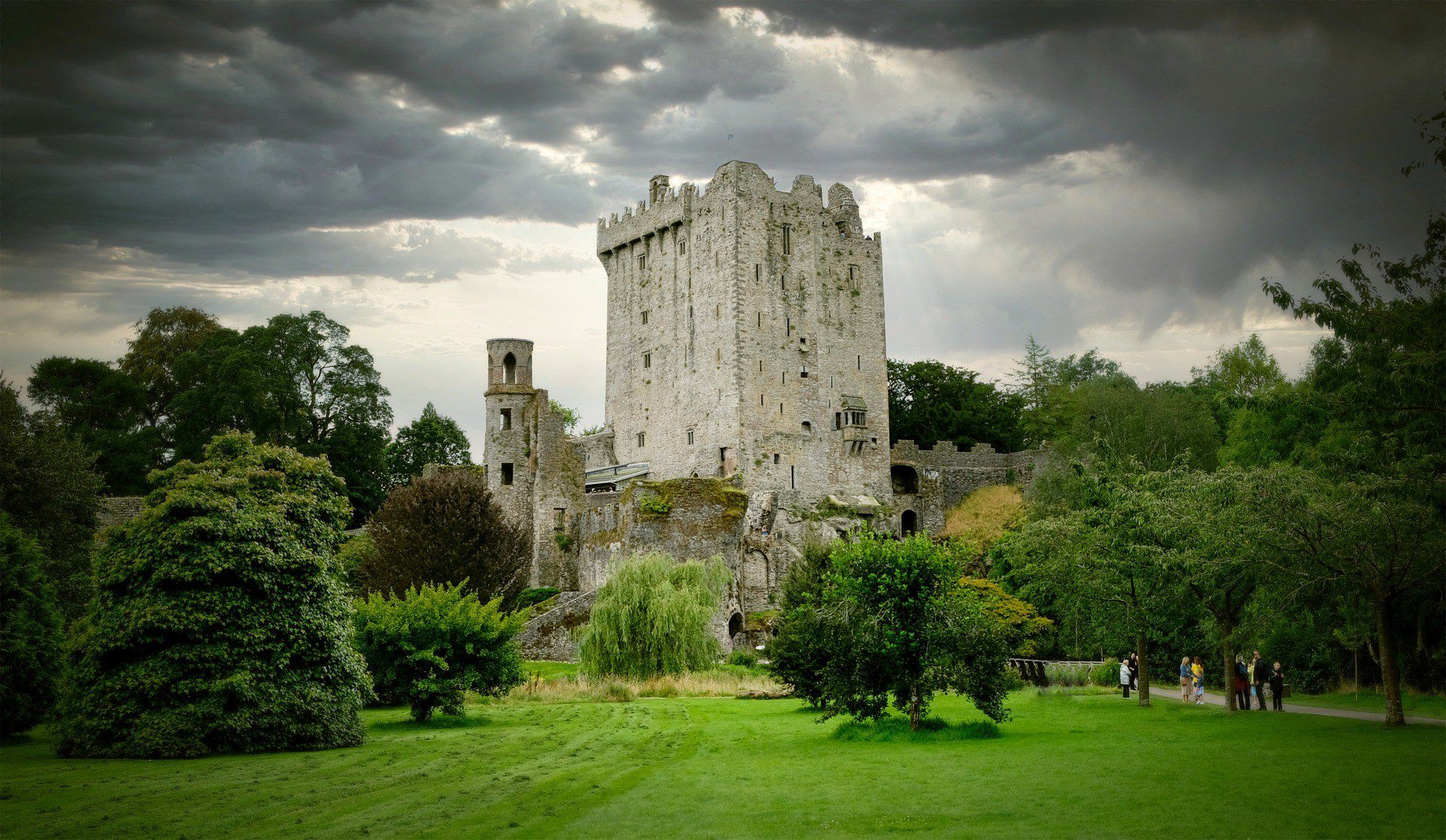
Once you reach Blarney Castle, be sure to wear your ChapStick and lean down to kiss the famous Blarney Stone. According to legend, all who kiss the enchanted limestone block will receive the gift of gab. After sharing a kiss with the stone and visiting the grounds, you can head along the Wild Atlantic Way to the small Celtic seaside village of Kinsale, County Cork.
Kinsale is a lively fishing town with two imposing forts, James Fort and Charles Fort, perched opposite each other overlooking the waterway that leads into the bay. The town is steeped in a rich history of battles and invasions.
Charles Fort is a well-preserved fortress dating back to the 1600s. This British fort is one of Ireland’s largest historic military installations and offers breathtaking views of the sea and bay. It is in surprisingly excellent condition considering its history of siege and fire. Visitors can wander the grounds and rooms of the fortress at their leisure with a self-guided tour.
James Fort is less preserved than Charles Fort and has become overgrown with nature over the years. However, if you have time, I still recommend a visit to the ruins. It is free to visit but a bit of a hike to reach. If you park near the outskirts of Kinsale, it will take about 45 minutes to walk to the fort. The upside is that many tourists don’t bother reaching the fort, so you’ll most likely have the grounds all to yourself to explore!
As you make your way along the coast towards Skibbereen, you’ll find another hidden treasure that has a resemblance to Stonehenge. Drombeg Circle, or The Druid’s Altar as it is also known, is a fascinating freestanding structure dating from 1100-800 BC. These ancient two-meter-tall stones are hidden behind country lanes and fields and seem to erupt from nowhere. The site also preserves remains of an ancient primitive kitchen and a sacred well. It’s a fun little stop on the journey as there are informative plaques to read and it gives you a chance to stretch your legs. Plus, the visit is free.
Leap Historic Waterfall, near Skibbereen, is another charming niche pit stop that gives you the chance to see some really unique things. Not only is there a decent-sized waterfall to see, but there is also a metal walkway above the waterfall where you can stand and see the river below. The owners have done a lovely job decorating the riverbank with fairy houses and ornaments, creating a tiny fairy village. The waterfall is hidden at the back; you have to walk through a small oddities building to get to it.
If you’ve ever dreamed of kayaking at night in bioluminescent waters, then you’re in luck. This enchanting experience is one of Ireland’s best-kept secrets. Atlantic Sea Kayaking is the only company that runs tours on this lake near Skibbereen.
The lake, Lough Hyne, hosts a rare bioluminescent plankton that dazzles and glows at night when you interact with the water. It’s a fascinating phenomenon that is extremely rare in this type of climate. However, it is usually only visible during Ireland’s warmer months from May to September. Even if the waters aren’t sparkling when you do the tour, it’s worth it because the area is one of the best places in Ireland to see the stars. So sit back, paddle, and enjoy the twinkling skies and dazzling waters.
Best places to stay in Skibbereen:
- Camping: The Hideaway Camping & Caravan Park
- Hotel: Ilenroy House B&B
Start day two by driving an hour and a half north to the Ring of Kerry, a very popular scenic route filled with breathtaking cliff views and picturesque Irish towns. Head towards County Kerry to the lively town of Kenmare. Once there, you can take a pleasant walk along the main street and stop at boutiques where you can find some truly unique souvenirs and traditional Irish wool clothing. Kenmare is a great place to grab a bite and fill up on gas before continuing on the Ring of Kerry.
Next stop is Derrynane Beach, voted one of Ireland’s most beautiful beaches. There are a few different sections on this beach, with only some areas supervised. If you explore the southern end of the beach, you’ll find the ruins of an ancient church on Abbey Island. The island is only accessible during low tide, so be careful not to stay too long and get stranded.
After a few hours of swimming and exploring, continue south on the Ring of Kerry for about 45 minutes through the Skellig Ring to Valentia Island. Most travelers are unaware of the hidden attractions on this island. First visit the tetrapod footprints, where you can see footprints of one of the earliest animals to walk on land nearly 370 million years ago. The footprints are free to view and are one of only four Devonian tracks worldwide.
After a pit stop, drive a quick five minutes to O’Shea’s Faux Pub and Saint Brendan’s Well. O’Shea’s Faux Pub is a niche piece of Irish culture. Guinness built this fake pub years ago solely for commercial advertising, and the footage is still used in Guinness commercials today. Since then, the building has been abandoned, but many visit to snap a photo of themselves enjoying a pint of the black stuff outside this forgotten piece of pop culture.
Saint Brendan’s Well is a 10-minute walk along a trail from O’Shea’s. Legend says St. Brendan, also known as the Navigator, sailed from Dingle Bay to Valentia Island in the 5th century. Upon landing, he came across two dying pagan men along the cliff. He then anointed the two men where the well is now and brought Christianity to the island.
Saint Brendan is known as the saint of all sailors and adventurers. Some believe he sailed to North America and discovered it before Christopher Columbus. Regardless of your religious beliefs, if you’re a travel adventurer, then say a little prayer at this well to protect you during your journeys. Begin Saint Brendan’s prayer: “Help me to travel beyond the familiar and into the unknown.”
Best places to stay near Valentia Island:
- Camping: Kerry Cliffs
- Hotel: Seagull Cottage Bed and Breakfast
Start Day 3 with a tour from Portmagee to Skellig Michael, where Star Wars: The Force Awakens was filmed. Skellig Michael is a small, rugged island with a remarkable monastery perched at the top of its steep summit. It is one of two UNESCO World Heritage sites in Ireland, and visitors can take a 2.5-hour boat tour of the island between April and September. If you visit between May and November, you can book a half-day landing tour on the island, but keep in mind that tour times and duration may change due to weather.
After the morning boat tour of the island, get back in your car and finish the Skellig Ring. Return to the Ring of Kerry to Cahergall Ring Fort. This beautifully restored stone ring fort dates back to the Iron Age and is an absolute must-see (and climb) for your trip to Ireland. At the center of the fort are the ruins of a stone roundhouse to explore. If you’re feeling brave, climb the small stairs up to the top of the fortress walls and you’ll get phenomenal views of the Irish coast. This Irish national monument is located four kilometers from the Ring of Kerry, behind the town of Cahersiveen, and is completely free to visit.
About a five-minute walk from Cahergall Fort are the ruins of Leacanabuaile Stone Fort. This fort is structured more like a labyrinth with the remains of several small buildings and huts. The fortress was built between the 9th and 10th centuries as a form of protection for a wealthy farm owner.
After reaching the forts, continue along the winding roads of the Ring of Kerry to Kate Kearney’s Cottage. This adorable 150-year-old cottage marks the entrance to the Gap of Dunloe, a lush mountain pass with great waterfalls, hiking trails, and sheep pastures made famous when Queen Victoria visited in the 1800s. Enjoy a cup of soup in the famous restaurant or browse their craft shop for souvenirs. The owners also offer traditional horse-drawn carriage rides through the gap if walking or driving isn’t your style.
End the day in Killarney, about a 20-minute drive.
Best places to stay in Killarney:
- Camping: Fossa Caravan and Camping Park
- Hotel: The International Hotel Killarney
Killarney has many attractions just minutes apart. Begin day 4 with a visit to Ross Castle, located on the lower lake of Killarney. The castle was built by O’Donoghue Mór in the 15th century and was the last stronghold against Cromwell in the Munster region. It was eventually overcome in 1652 by British General Ludlow. Visitors can tour the castle and castle park, as well as take a boat ride on the lake.
Muckross House is a luxurious 19th-century mansion down the road from Ross Castle boasting extensive grounds filled with ruins and breathtaking gardens. Among the grounds is Muckross Abbey, a must-see on your trip to Ireland. The Abbey was built in the 14th century and features incredibly well-preserved architecture, dramatic arches, and colonnaded corridors to explore. Have lunch at the Muckross Garden Restaurant or picnic in one of the many outdoor fields.
After lunch, hop in the car for another short drive to Torc Waterfall. There’s limited parking near the waterfall entrance, so grab any spot you can. Once parked, this stunning 20-meter waterfall is just a 10-minute walk along a well-marked trail.
After visiting the waterfall, lace up your hiking boots and head to Derrycunihy Church, where you can park and take a 45-minute hike to the Derrycunihy Waterfalls. The falls and trail are much less crowded than Torc Waterfall and its hiking trails and feature ruins of old houses to explore along the way.
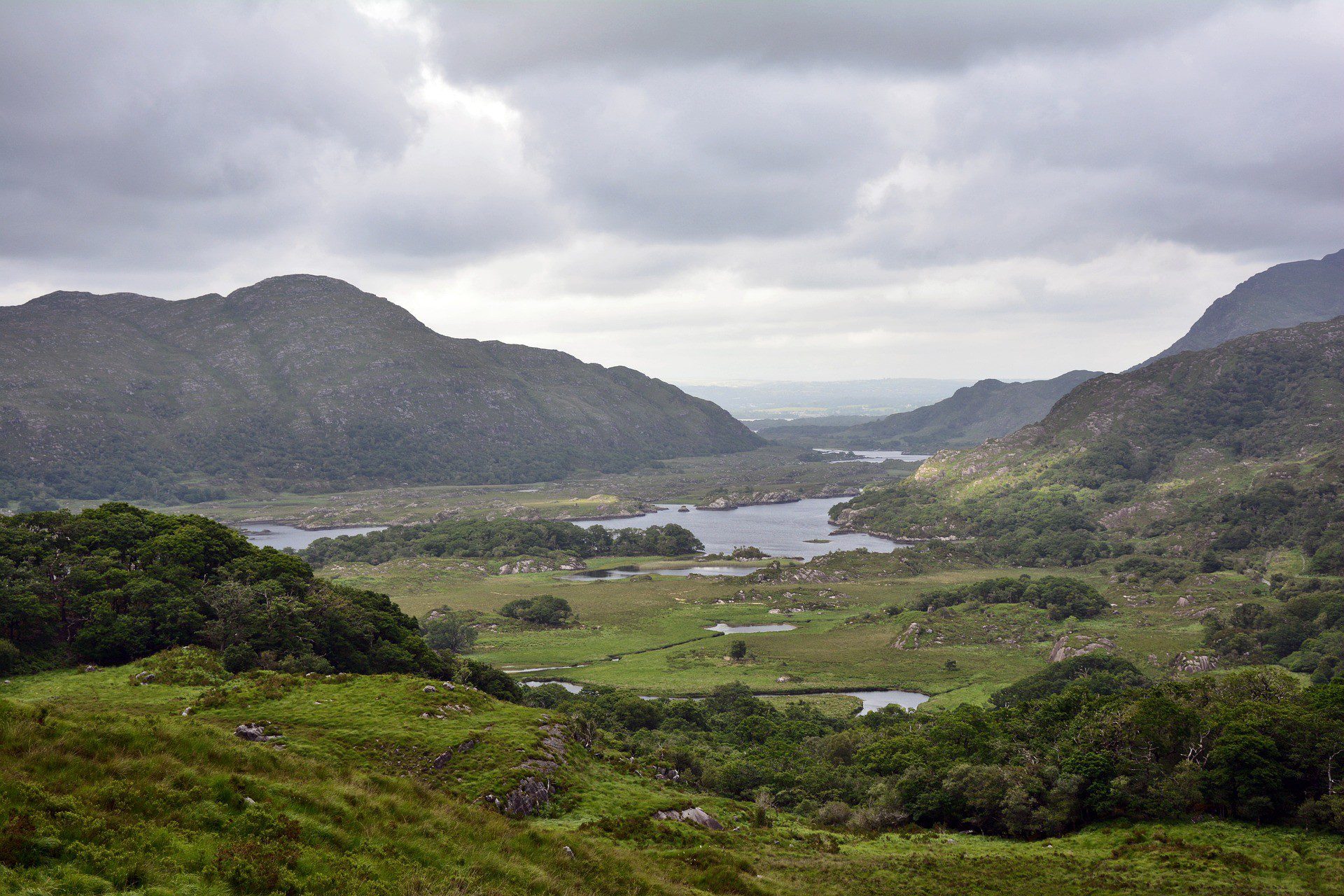
Once back at the church, you’re probably ready for a snack. If you drive a few minutes down the road to the Ladies’ View Gift Store Café Bar & Roof Terrace, you can enjoy an excellent meal and a pint with exceptional panoramic views of the Ring of Kerry and the Killarney Lakes.
Now that you have completed the Ring of Kerry, it’s time to head to Dingle, just under three hours from Ladies’ View.
Best places to stay in Dingle:
- Camping: Aragail House Camping
- Hotel: Base accommodation Dingle
See also: luxury residences in Ireland
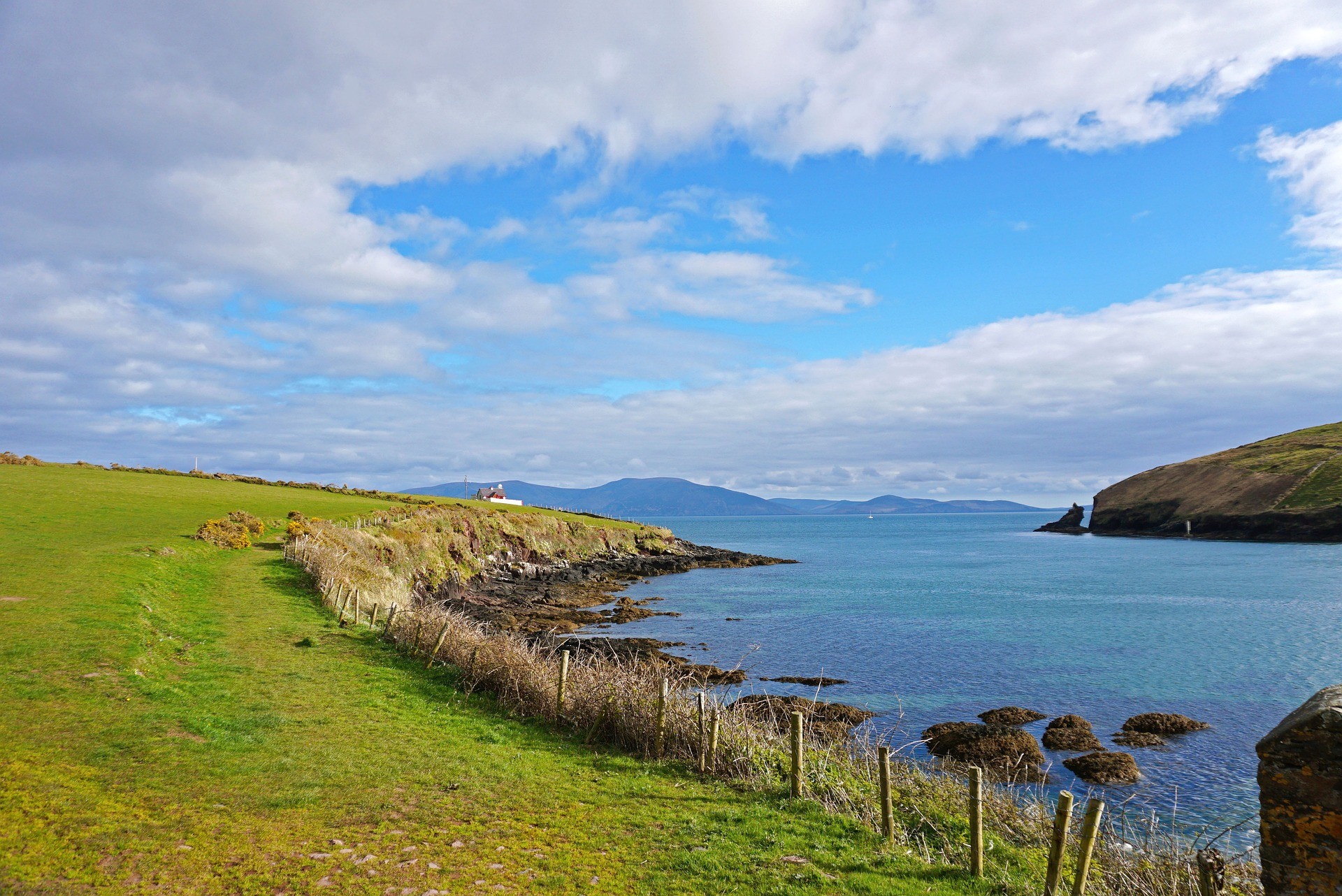
The next itinerary in Ireland is a driving tour of the Dingle Peninsula. Begin your day heading to the Gallarus Oratory, a small stone building dating between the 6th and 9th centuries. The original purpose of the building is unknown. However, researchers found a large Celtic cemetery nearby and now believe it was some sort of church or funerary building. Local legend says that if you can crawl through the small window of the oratory, your soul will be purified.
After attempting a good soul purification, it’s time to take a short drive to the Dunquin Pier. The pier offers breathtaking views of the Blasket Island and the rugged coastal cliffs. This is truly one of the most magical and majestic places showcasing the best of Ireland. Visitors can take a walk along the winding pier or stroll along the lush cliff paths to find the perfect spot for photos.
Next, head north along the peninsula to St. Brigid’s Well and the Cliffs of Moher. Your first stop will be at St. Brigid’s Well, which is a short but interesting pit stop. Brigid was such a popular goddess within Celtic religion that when Christians arrived in Ireland, they were unable to dislodge her from the island. Instead, they made her a patron saint and the adoptive mother of Jesus. St. Brigid’s cross can be seen all throughout Ireland and there are other wells named after her. However, this particular well is the oldest in Ireland. The water flowing in the stone cave well is said to have healing powers, and many visitors come from all over the world to leave mementos and pray inside. Today tourists can visit the well and underground fountain and stroll in the ancient cemetery behind the well.
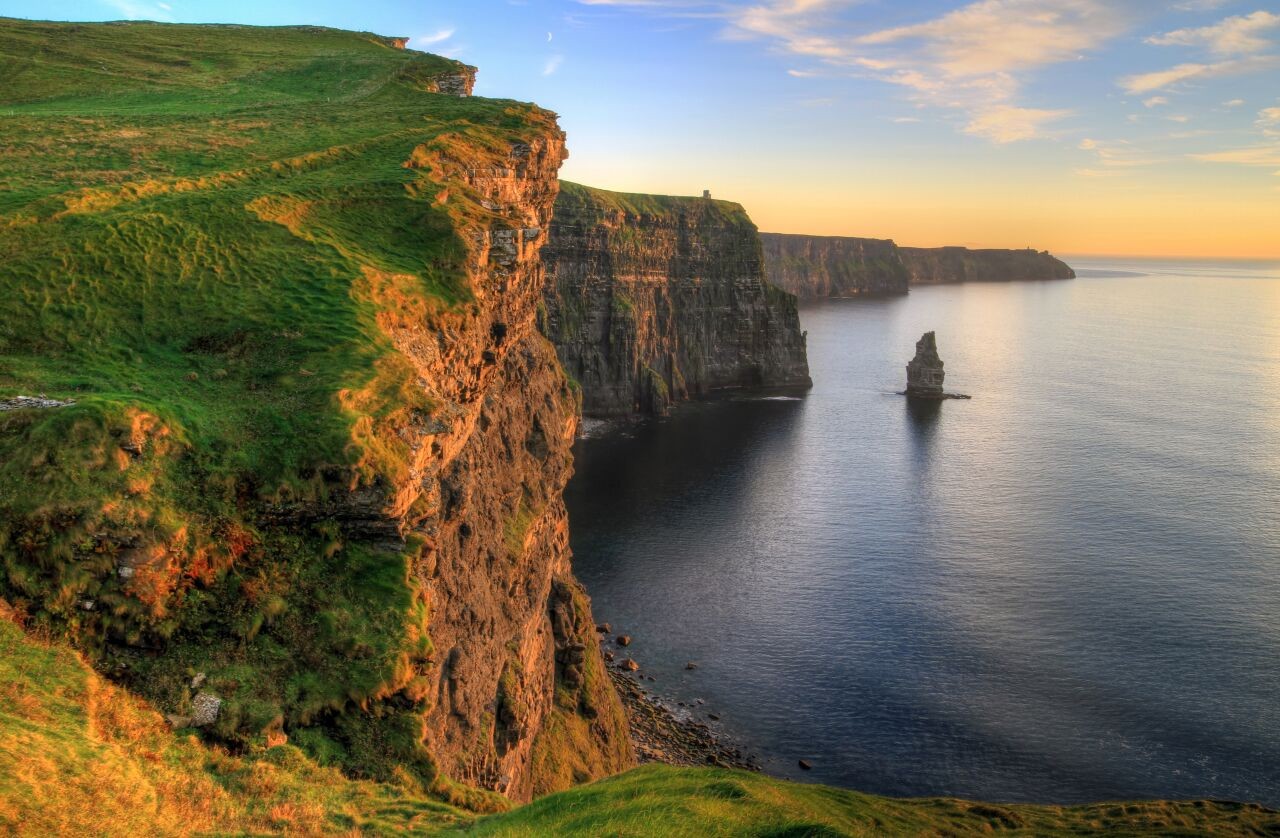
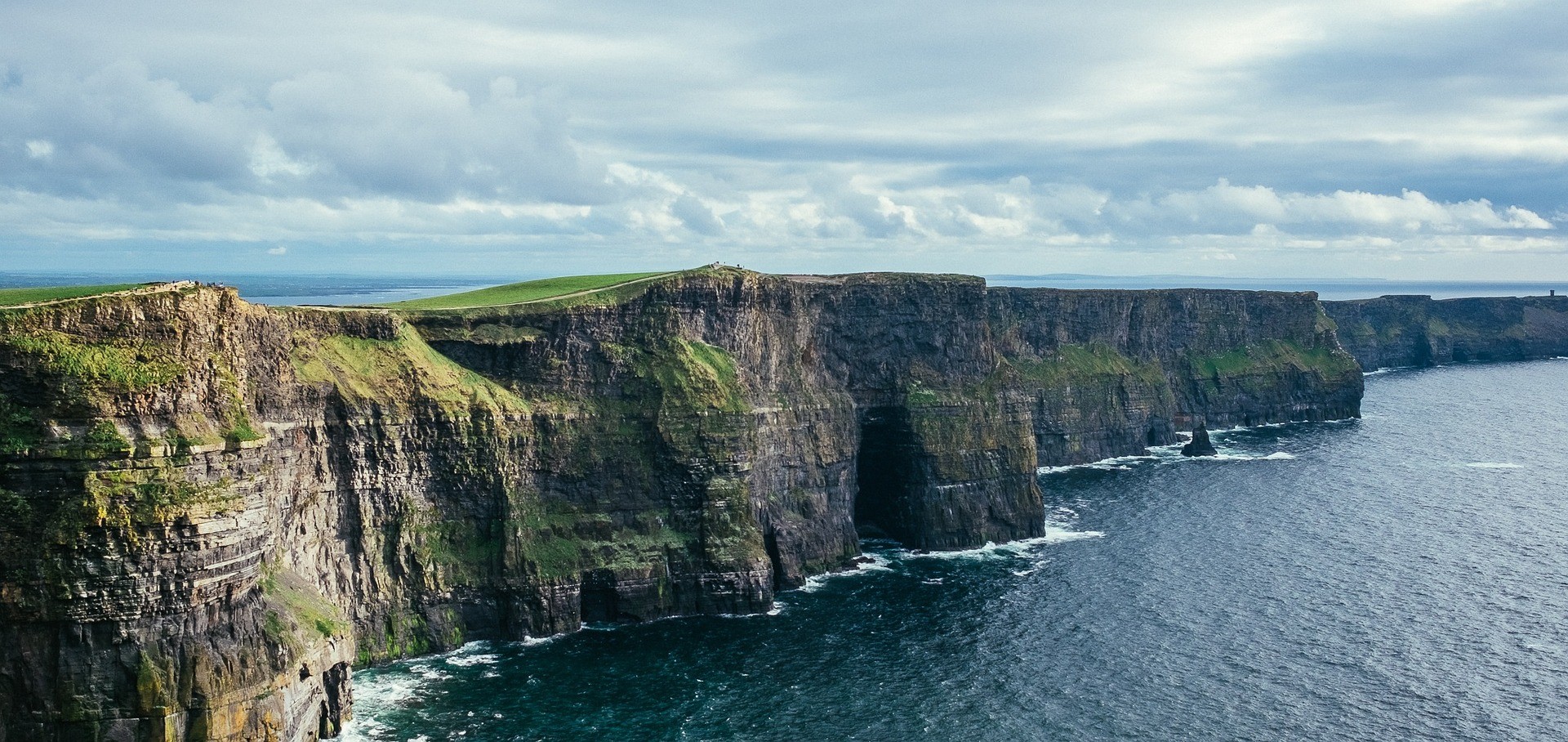
If you have been planning a trip to Ireland for a while, you’ve probably already heard of the Cliffs of Moher. These cliffs are one of Ireland’s most popular tourist attractions, known for their stunning sea views and interactive visitor center. These dramatic cliffs have also been featured in many famous films, such as Harry Potter and the Half-Blood Prince and The Princess Bride.
Best places to stay near the Cliffs of Moher:
- Camping: Nagles Camping & Caravan Park
- Hotel: The Pipers Rest
Day six starts with a tour of the Doolin Cave, located just 10 minutes from the Cliffs of Moher. The caves house the longest free-standing stalactite in Europe and is a must-see when visiting Ireland. The guided tour lasts about 45 minutes and afterwards visitors can have lunch at the on-site café.
Next up is Thoor Ballylee Yeats Tower, about an hour’s drive from the caves. On the way to Thoor Ballylee, you can stop at the Kilmacduagh Abbey, home to Ireland’s tallest round tower, along with the massive ruins of an 800-year-old abbey. After a short walk at Kilmacduagh Abbey, drive 15 minutes to Thoor Ballylee. The tower is famously known as the summer residence of Nobel Prize-winning Irish poet WB Yeats. Yeats bought the property in 1916 and it became the inspiration for many of his most famous writings, including The Tower and “A Prayer for my Daughter.” Today, visitors can enjoy a free cup of tea offered by volunteers in the tearoom and tour the stunning gardens and house that inspired the power of the writing behind the Irish literary movement. While exploring, keep an eye out for the ghost of an Anglo-Norman soldier that Yeats said haunted the house.
After warming up with a cup of tea, it’s time to head one hour north to Galway, to the Brigit’s Celtic Garden and Café. This garden consists of 11 acres of magical meadows, gardens, and woodlands designed to reflect the four Celtic seasonal festivals. As you wander the paths, you’ll learn about Celtic traditions, beliefs, and festivals dating back thousands of years.
After a day exploring caves, gardens, and towers, it’s time to head to Galway for the night. If you’re looking for a unique pub to visit, go to Áras na nGael, an all-Gaelic speaking pub welcoming tourists and newcomers to come and learn the traditional Irish language.
Best places to stay in Galway:
- Camping: Salthill Caravan Park
- Hotel: The Residence Hotel

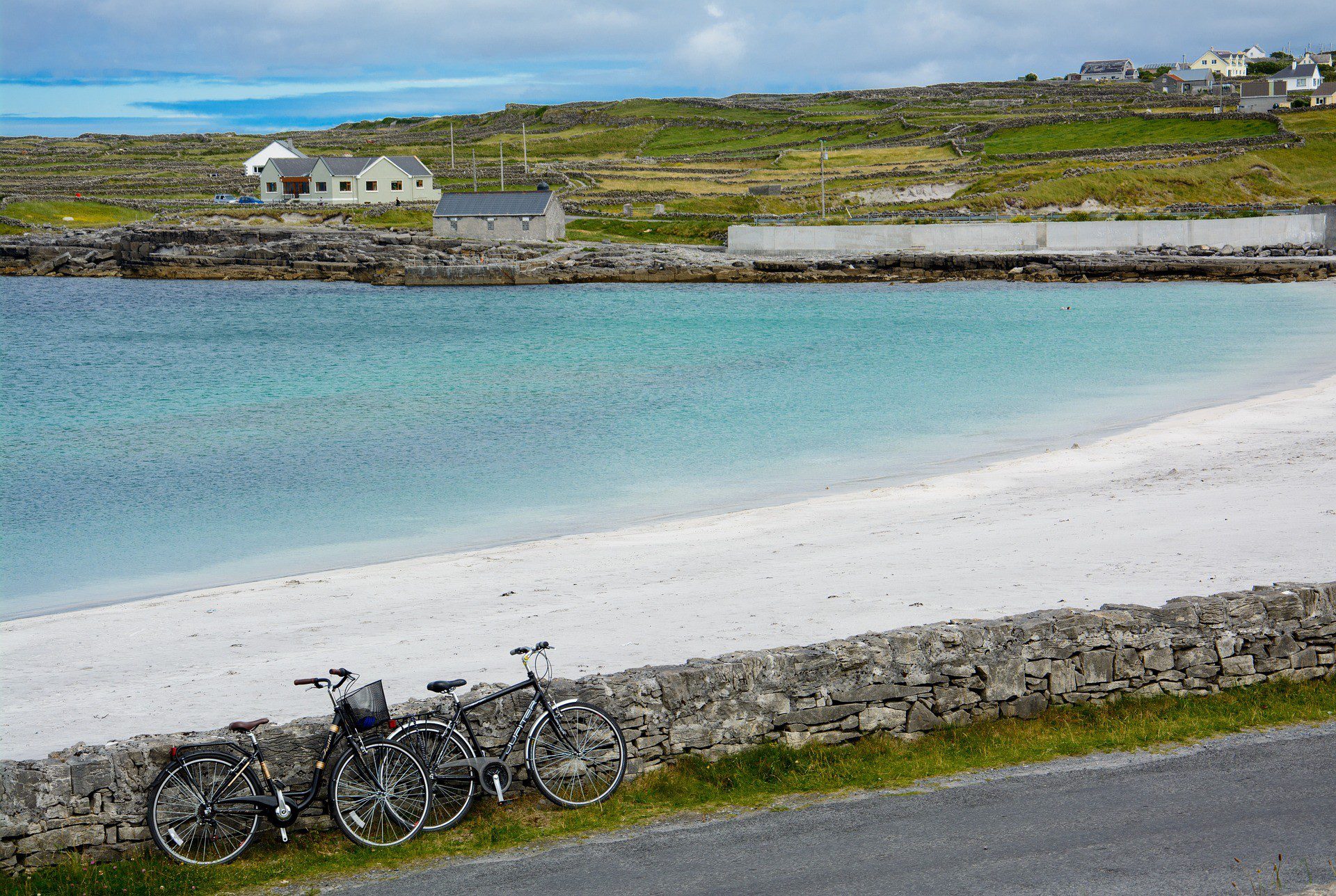
On day seven, it’s time to test your sea legs and take the ferry to the Aran Islands. The ferry departs from Rossaveel, about 45 minutes west of Galway city center. It is highly recommended to book ferry tickets in advance, especially during peak season. It operates a couple of times per day, and the schedule depends on the month you plan to visit. Check here for ferry time tables for your vacation month.
The best island to visit is Inishmore as it is much larger and has more sights to see. The trip takes about an hour and drops you off in the small village of Kilronan. From Kilronan, reach Teampall Bheanáin, the ruins of an 11th-century church said to be the smallest in Ireland. You will need to park and take a short walk to reach the ruins, but you should take your time to discover the surrounding grounds. Below the church lie the remnants of a monastery, a round tower, and a 6th-century Celtic cross.
After exploring the grounds, get back in your car and take a short drive to Dún Dúchathair. Also known as The Black Fort, Dún Dúchathair is a less crowded attraction on the island. Visitors can wander the bastions, walls, and ancient stone dwellings of this cliffside fortress. If you feel like a swim after visiting the fort, head to Poll na bPéist. Also known as Wormhole, Poll na bPéist is a natural saltwater pool carved into the edge of a rocky cliff and is also one of the Red Bull Cliff Diving competition sites.
After a dip in the rocky pool, take a short coastal drive to the more popular fortress of Dún Aonghasa. Unlike Dún Dúchathair, this prehistoric fort has a visitor center and is the perfect place to enjoy a picnic with views of the Atlantic. If you don’t feel like preparing lunch, Teach Nan Phaidi restaurant is less than 10 minutes from the fort and serves classic Irish dishes.
After lunch, it’s time to conclude your island tour with a visit to the famous Na Seacht dTeampaill (Seven Churches). There’s much debate as to why the site has this name as there are only two churches on the grounds. Regardless, visitors can visit ruins of both churches and surrounding monastic dwellings. There are also seven graves marked with Celtic crosses said to be the final resting places of seven saints.
The last ferry to Rossaveel departs around 6 pm, so be sure not to miss it! Alternatively, you could spend the night on Inishmore in an Airbnb or bed and breakfast. However, keep in mind that it’s an hour ferry ride back to the mainland in the morning, which can toughen up the next day’s travel itinerary.
Best places to stay near Rossaveel:
- Camping: Spiddal Caravan and Camping Park
- Hotel: Arran View B&B
The next part of this Ireland road trip itinerary will take you north along the Wild Atlantic Way through the stunning Connemara region. There is only one attraction to visit this day because it’s so incredible you won’t want to rush. Drive for an hour through twisting, lush green hills and arrive at Kylemore Abbey and the Victorian Wall Gardens.
Kylemore Abbey is a stunning 1,000-acre estate full of history. Visitors can explore the grounds and learn of the rich past of the property through a tour of the Victorian villa. However, there is much more to visit beyond the mere house. Guests can stroll through a six-acre walled garden, wander the wooded trails of the estate, explore the neo-Gothic church, enjoy a warm cup of tea from the tearoom, and grab a bite to eat at the café. While the house is currently home to Benedictine nuns, visitors are welcome to explore the entire park and can even purchase a souvenir at the gift shop after their visit.
After a day at Kylemore Abbey, it’s time to pack up and head to the beautiful town of Westport. The town is fantastic for boutique shopping and traditional Irish pub culture.
Best places to stay in Westport:
- Camping: The Caravan & Camping Park at Westport House
- Hotel: Drummin House B&B

On day 9, it’s time to continue your journey around Ireland by lacing up your hiking boots and heading to Croagh Patrick, also known as Reek. This pilgrimage trail is relatively difficult, although many elderly manage to reach the summit; keep in mind this is not a leisure hike. At the mountain summit, visitors will find breathtaking panoramic views of Clew Bay and the surrounding area.
Croagh Patrick has been a place of worship for thousands of years and at its peak is a small church. According to legend, St. Patrick climbed the Reek in 441 AD and fasted for 40 days and 40 nights. Since then, many tourists have come from all over the world to travel the barefoot path as penance during the pilgrimage.
The hike lasts three to four hours round trip, which is why you should start your hike as early as possible so you have the chance to rest and enjoy the view once you reach the top.
Once back down, it’s time to drive just over an hour to Achill Island. First, head to Slievemore Deserted Village. One mile of abandoned stone house ruins is all that remains of this once-thriving booley village. Booleying was a lifestyle in Ireland where families moved from town to town depending on the season so the farmer’s livestock could graze in grassy fields year-round. Slievemore was abandoned during the Irish famine due to rising rents and the economic downturn associated with the famine. Today, visitors can explore the stone ruins on the hill and admire the island views.
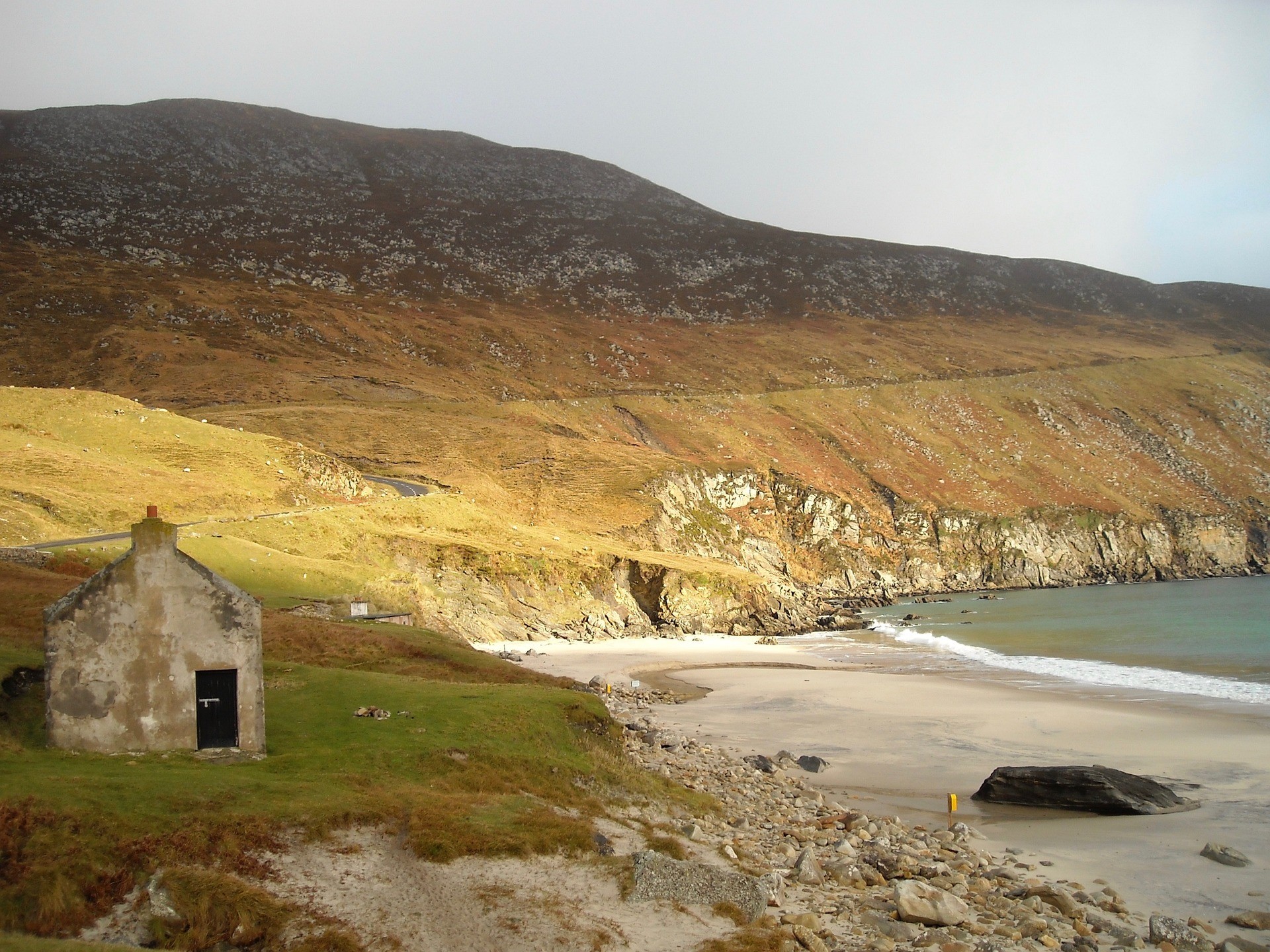
The next stop is Keem Beach, a small sandy inlet with turquoise waters that look like they belong to a tropical place. The road that leads to Keem is steep and winding and offers picturesque views of the sea and Clare Island. Watch out for sheep on the road, though! If you’re thirsty for a pint, stop at Gielty’s Bar and Restaurant and enjoy a beer at the westernmost pub in Europe.
After a visit to the beach and refreshment from Gielty’s, it’s time to end the day and head to Sligo for just over two hours. If you’re traveling by campervan in Ireland, the best place to stay is Dunmoran Strand, outside Sligo. You can park your van with a view of the secluded beach and watch the sunset over the North Atlantic. It’s free to stay overnight in the parking lot and there are toilets on site.
Best places to stay near Sligo:
- Camping: Dunmoran Strand
- Hotel: Tranquility B&B
See also: sleeping in a cottage in Ireland
Day 10 is one of the few days that include tours you need to book in advance, but it’s worth it. Island View Riding Stables is 20 minutes north of Sligo and offers group horseback rides along a private beach. The people of Island View are fantastic and can accommodate everyone regardless of experience level. If you are an experienced rider, they will happily accompany you on a more spirited beach ride. If you’ve never ridden in your life, that’s fine too! The guides will show you all the ropes of riding and lead you on a more leisurely haul along the beach. A one-hour beach ride costs €35 per person, but they also offer longer tours along nearby beaches, islands, and marshes.
Today is all about learning and enjoying the beach. That’s why your next adventure is learning to surf at the Murfs Surf School at Tullan Strand. The beach is less than a 20-minute drive from Island View Riding Stable in the Irish surfing capital, Bundoran. The town is a great place to stop and refuel with a hearty lunch before heading to the surf school. If you worry the water is too cold for you, don’t worry. A five-millimeter-thick winter wetsuit is included in the rental of the surfboard and lessons to keep you warm. You can choose to book a private one-hour lesson for €75 or join an adult group lesson for €35.
After a day spent riding surfboards and horses, it’s time to head an hour and a half north to your final destination of the day, Dunfanaghy, County Donegal. Dunfanaghy is a picturesque fishing town full of lively pubs and restaurants. If you are in a campervan, the best place to stay is the Killahoey Beach parking lot, where there are on-site toilets and it’s free to camp.
Best places to stay in Dunfanaghy:
- Camping: Killahoey Beach Car Park
- Hotel: The Mill
See also: sleep in a castle in Ireland
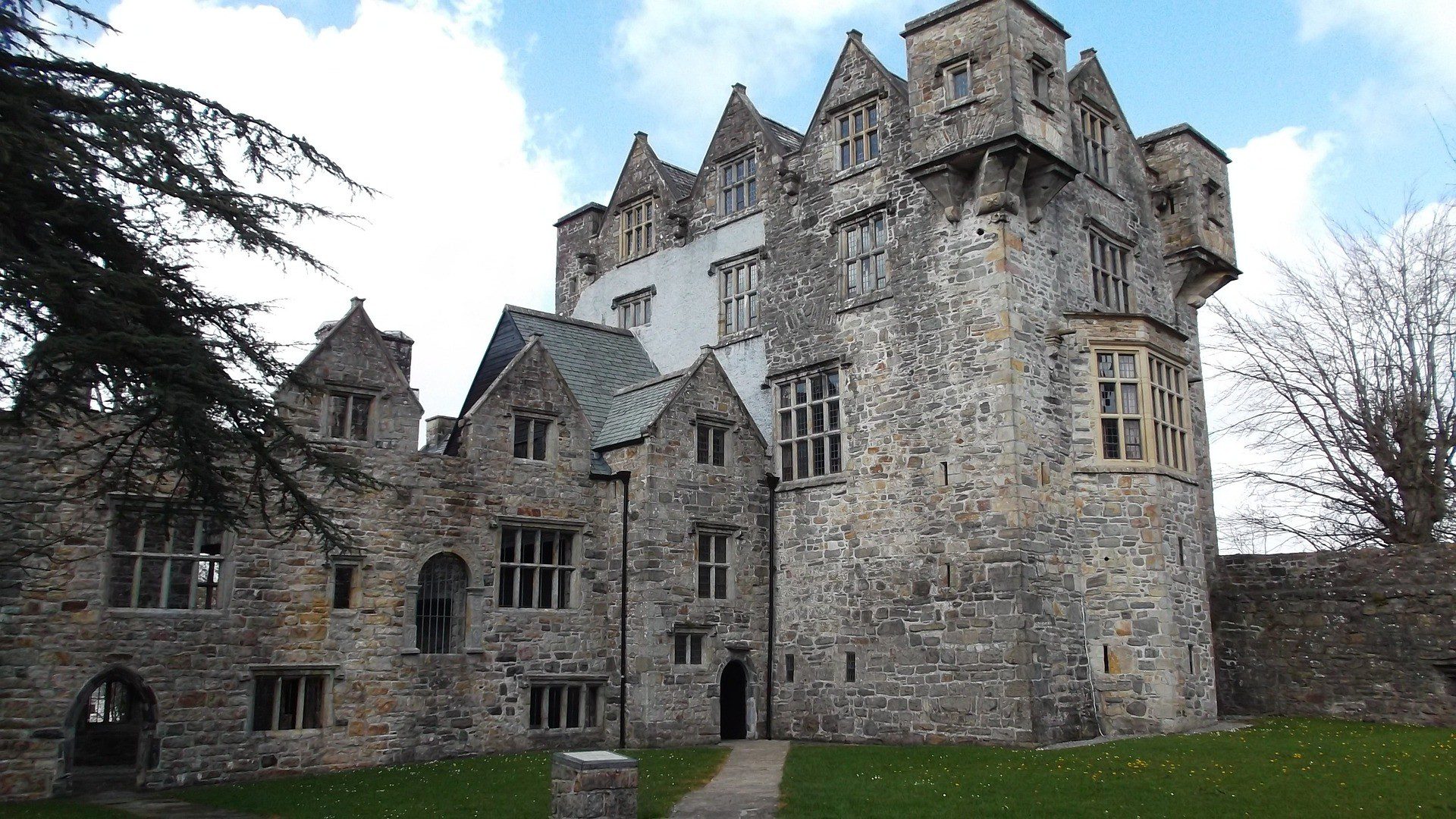
Day eleven ends along the Wild Atlantic Way in County Donegal and takes you into Northern Ireland. There are no borders when crossing from Ireland to Northern Ireland, so you will not have to show your passport to anyone. But keep in mind that driving in Northern Ireland is not the same as driving in Ireland. The speed limits are posted in miles per hour, not kilometers per hour as in Ireland. They also use the British pound instead of the euro as currency. The day is packed with attractions so it’s best to start no later than 8:30 AM.
Start the day by heading to Grianán of Aileach, one of the best ringforts in Ireland. The fort was built around the 8th century but the site is believed to have been important since 1700 BC. Over the years, sundials, bones, and even an ancient board game were uncovered on the site. According to Irish folklore, you shouldn’t reveal any secrets while in the fort because if you do, it will no longer be a secret and soon everyone will know. Visitors today can tour the well-preserved ruins of the fortress that stands atop a massive hill. It has one of the best panoramic views of County Donegal.
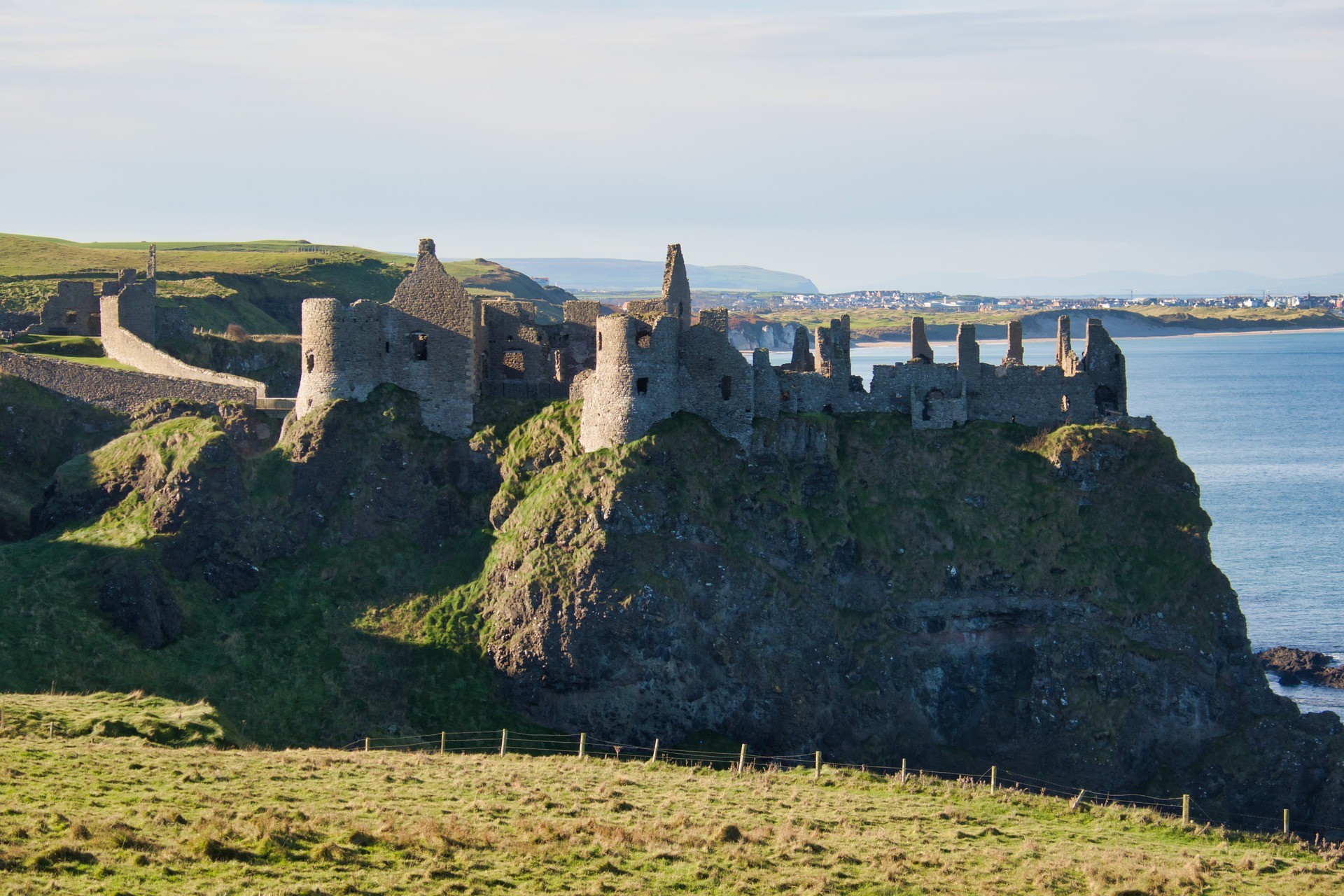
After exploring the ringfort, it’s time to head to Dunluce Castle in Northern Ireland. Game of Thrones fans may recognize the castle as House Greyjoy, rulers of the Iron Islands. Once home to Clan McDonnell, this medieval castle stands on steep rocky cliffs and is only accessible by bridge. This would have been a strategic setting for the McDonnells’ house to protect themselves from Viking raids. Visitors can tour the castle and the surrounding village park.
Your next stop is probably the most famous attraction in Northern Ireland, the Giant’s Causeway. The Causeway is a beach covered by raised hexagonal basalt columns that formed naturally over six million years ago. However, Irish folklore tells a different story of how the stone beach was created. It’s said that Irish giant Finn McCool was challenged to battle by Scottish giant Benandonner. Finn used nearby rocks to create a bridge to Scotland to fight Benandonner, leaving the hexagonal rock formations we see today. On a clear day, you can see Scotland on the horizon.
If you’re looking for a late afternoon lunch, stop at Fullerton Arms in Ballintoy. The pub hosts an entire room dedicated to Game of Thrones. When a storm struck one of the Dark Hedges trees (also used in the GoT filming), Tourism NI carved six heavy and intricate wood doors from the fallen tree and dedicated each door to an episode of the sixth season of the series. Fullerton Arms hosts door six and even built a custom replica throne where fans can take photos.
Next, continue along the coast to the Carrick-A-Rede rope bridge. This attraction is not for the faint-hearted. The 66-foot-long rope bridge connects the mainland to the small island of Carrickarede and sits about 100 feet above the rocky waters. Before heading to the Carrick-A-Rede rope bridge, you should always verify if it is open as strong winds and bad weather can temporarily close the attraction for safety reasons.
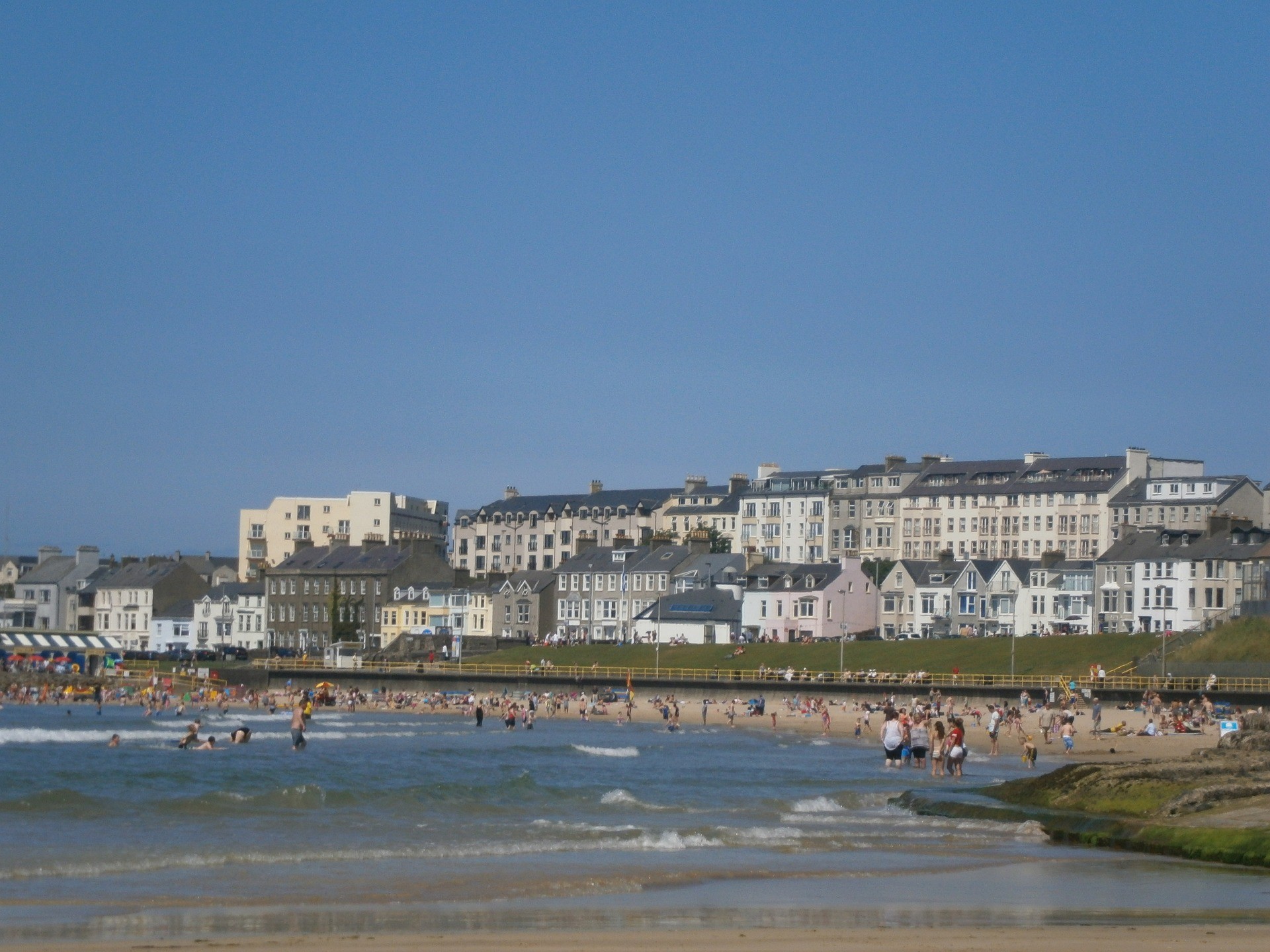
You can spend the night in Portrush, a lively seaside resort with an abundance of nightlife, attractions, and restaurants.
Best places to stay in Portrush:
- Camping: Sandhill Drive campervan parking
- Hotel: The Harbour Studio B&B
Start the day with a hearty Irish breakfast in Portrush and drive 30 minutes to The Dark Hedges. The Dark Hedges is a famous road lined with majestic-looking beech trees that snake and twist down the avenue. The Stuart family planted the trees in the 18th century to impress visitors on their way to their home. It has since become an icon of Northern Ireland, made even more famous by Game of Thrones, which used it as the road to King’s Landing.
After snapping a few photos at the Dark Hedges, it’s time to head to Northern Ireland’s capital, Belfast. It’s about an hour’s drive from Belfast city center. Before parking to explore the city, take a drive by Peace Wall on Cupar Way. There are many of these peace walls in Belfast but this is one of the most accessible to visit on a self-drive tour. These walls were initially built to separate Catholic republican, nationalist neighborhoods, and Protestant loyalist, unionist neighborhoods during the sectarian riots of 1969. The purpose of the walls was to protect citizens from the violence of the Troubles. After the Good Friday Agreement was signed, local artists decorated the walls with vibrant murals depicting the conflict.
Once you finish the Peace Wall tour, head downtown to Belfast City Hall. There is plenty of paid parking in the area. Take a walk through the lively streets and enjoy street artists, shopping in boutiques, and grabbing a bite to eat. Since the Titanic was built in Belfast, it only makes sense to check out the Titanic Belfast Museum. Visitors can take a self-guided tour of nine interactive exhibits and learn how it was built, the people aboard, and what remains in the ocean.
After Belfast, it’s time to head back across the Irish border to the town of Carlingford for the night. It’s just over an hour’s drive from the center of Belfast.
Best places to stay near Carlingford:
- Camping: Gyle’s Quay Caravan & Camping Park
- Hotel: Shalom B&B
Day 13 starts with a leprechaun hunt hike on the Slieve Foye Loop. To understand why this is also a thing, you need to know a bit about Carlingford’s history. In the 1980s, a businessman in town was walking on the hillside and found a tiny hat and pants with gold coins near a patch of burnt grass. Since then, the town has held an annual national leprechaun hunt during which people search the mountain for the tiny magical creatures. In 2010, the European Union officially recognized Carlingford as home to Ireland’s last leprechauns. Tourists come from all over the world to hike the Slieve Foye Loop hoping to see these magical creatures. The hike lasts about 2.5 hours round trip and starts behind the downtown shops. Head towards the Ln River and then turn right onto Mountain Park and follow the red and blue signs.
The next stop on your Ireland road trip is Newgrange and Brú na Bóinne, located 45 minutes south of Carlingford. Brú na Bóinne, also known as the Boyne Valley Tombs, houses ancient Celtic tombs that predate the pyramids of Giza and Stonehenge. The most famous of the tombs is Newgrange, dating back to 3200 BC. Here, visitors can discover some of Europe’s finest neolithic artwork. There is plenty of history and other tombs to explore as well. Head to Brú na Bóinne Visitor Centre Newgrange and Knowth where you can take a guided tour of the grounds and learn all about the High King of Ireland who lived in the area, the rituals that took place, and why the winter solstice is so important here.
You should be done with Newgrange by mid-afternoon and will have a 25-minute drive to Tara Hill. Tara Hill is where every High King of Ireland sat from 600 BC to 400 AD. St. Patrick himself visited in the 5th century. The hill was sacred to the ancient Irish as they believed it was a home of the gods and a portal to the other world. Today, not much remains of the great palace, but there are other places to see such as the Lia Fáil, also known as the Stone of Destiny. You can take a guided tour from the visitor center of the grounds or choose to do a self-guided tour.
Spend the night in the town of Athlone, located just under 90 minutes from Tara Hill. Athlone is home to Sean’s Pub, which Guinness World Records has officially recognized as Ireland’s oldest pub. The pub claims to have been founded in 900 AD and has a fascinating history. Be sure to stop by for a pint and check out the documented history and building.
Best places to stay near Carlingford:
- Camping: Lough Ree East Caravan & Camping Park
- Hotel: Prince of Wales Hotel

Depending on when you need to return the rental car, you can choose to continue your trip in Ireland and visit Birr Castle, located 40 minutes south of Athlone. The castle is fully intact and houses a museum of its history and the history of the family who lived here. It also features vast grounds full of rare trees and breathtaking gardens. The main attraction is the Leviathan of Parsonstown, a gigantic telescope built by the third Earl of Rosse, William Parsons, in 1840. The imposing telescope is 50 feet high and 70 feet long.
And so your two weeks in Ireland come to an end! It’s just under two hours from Dublin Airport and one hour from Galway Airport from Birr.
If you are heading to Dublin and find yourself with a few extra days, be sure to check out the best things to do in the city or consider 7 days in Southern Ireland.