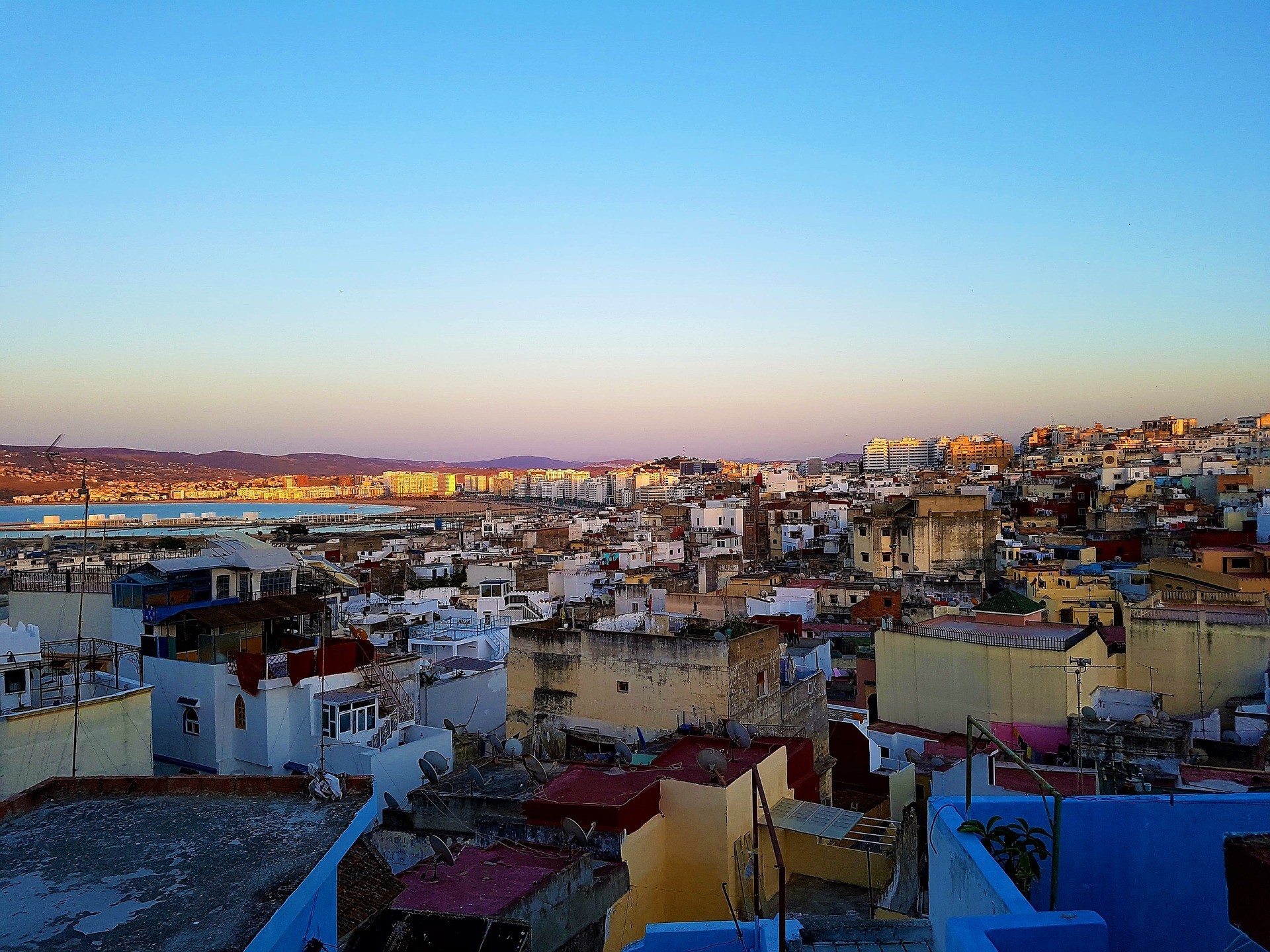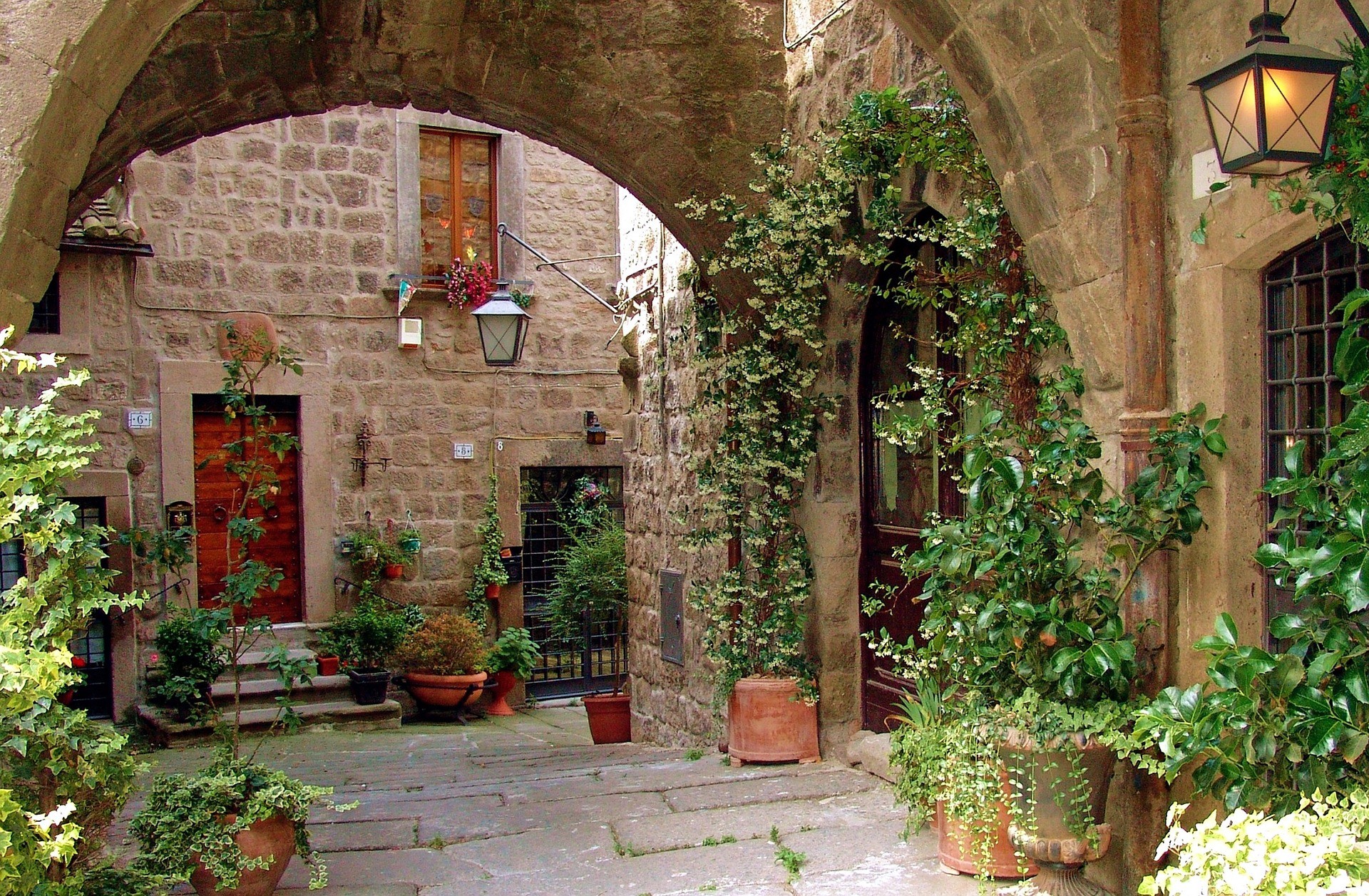


Arriving in Mantua for the first time feels like making a delightful discovery. Visiting Mantua by chance is like opening a treasure chest without knowing what you’ll find – and being met with a trove of wonders. So, what should you see in Mantua?
- Top Sights in Mantua
- Discovering Mantua
- Visiting Mantua
- Mantua: What to See
- 1 Ducal Palace (Palazzo Ducale Mantova)
- 2 Mantua Cathedral (Duomo di Mantova)
- Mantua for Tourists
- 3 Palazzo Te
- 4 Palazzo della Ragione
- Points of Interest in Mantua
- 5 Palazzo del Podestà
- What to Visit in Mantua
- 6 Teatro Scientifico del Bibiena
- 7 Piazza Sordello
- Visiting Mantua
- 8 Piazza delle Erbe
- 9 Church of Sant’Andrea
- 10 Church of San Sebastiano
- Mantua’s Museums
- 11 Palazzo d’Arco
- 12 National Archaeological Museum
Top Sights in Mantua
Mantua, “the beauty among the waters”, is described by many as a “city on a human scale” thanks to its compact size (with just under 50,000 residents) and impressive selection of cultural events hosted throughout the year. Mantua’s golden age is tied to the Gonzaga family, who helped the city gain fame well beyond the Po Valley. Its moment of literary glory came through its native son, poet Virgil, who immortalised Mantua in his works.
Discovering Mantua
Virgil referenced his beloved Mantua many times in the Georgics, describing how “the Mincio wanders slowly, weaving tender banks.” Each September, the city hosts the internationally-renowned Festivaletteratura, drawing literature lovers from all over the world. Mantua’s unique position makes it a truly spectacular and distinctive Italian destination.
Visiting Mantua
Mantua sits on two natural islands formed by sediment from the Mincio river, which encircles the city on three sides. In these areas, the river widens into three basins known as Lago Superiore, Lago di Mezzo, and Lago Inferiore. A fourth basin, Lago del Paiolo, was filled in at the end of the 18th century.
The city’s origins date back to 2000 BC, in wetlands originally created by the Mincio. By the sixth century BC, Mantua had developed into an Etruscan city. Its name possibly comes from the Etruscan deity Mantus (honoured by founder Ocno), while Romans believed it was named for Manto, daughter of mythical Tiresias. At the end of the 13th century, Alberto Pitentino engineered the Mincio’s flow, creating the four lakes that protected Mantua for centuries. The city reached its peak under the Gonzaga dynasty, whose legacy remains a highlight of Mantua today.
Mantua: What to See
There’s plenty to discover in Mantua. If you’re wondering what to see in Mantua in one day, you’ll find the city’s treasures are conveniently close together. Mantua truly is a hidden gem. Let’s explore the must-see locations, what to do, what to eat, and where to stay.
1 Ducal Palace (Palazzo Ducale Mantova)
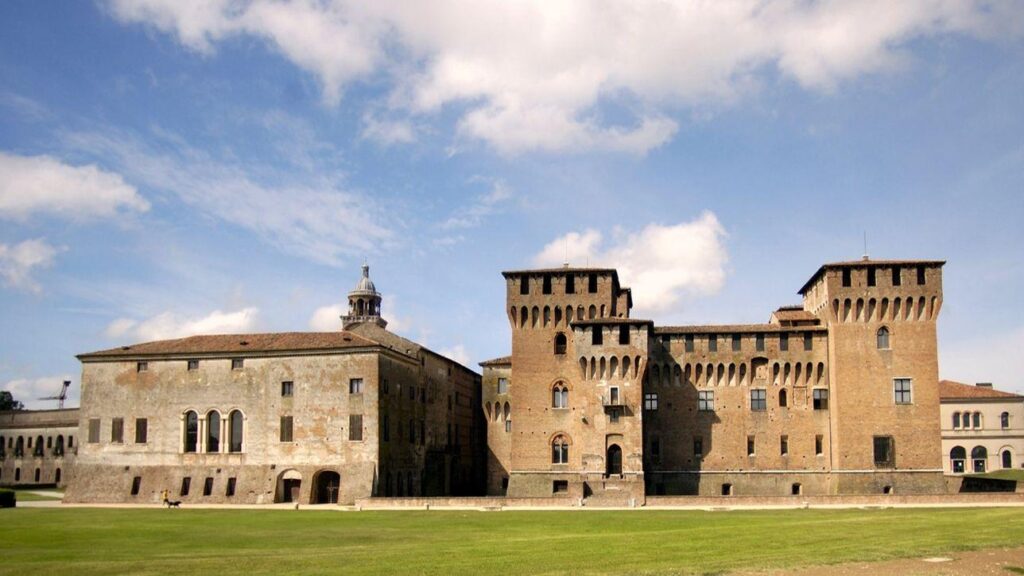
The Ducal Palace overlooks the picturesque Piazza Sordello. This Renaissance complex showcases sculptures and artworks from different eras—including a bust of Francesco Gonzaga, often attributed to Mantegna. Inside the Ducal Palace, you’ll find masterpieces by Tintoretto, Giulio Romano, Vincenzo Foppa, Rubens, and Morone. Highlights include:
- Sala delle Sinopie,
- Sala del Pisanello,
- Appartamento degli Arazzi,
- Appartamento Ducale,
- Appartamento dei Nani,
- Appartamento delle Metamorfosi,
- Salone del Manto,
- Appartamento Estivale,
- Galleria del Mesi.
One of the palace’s two towers houses the famed Camera degli Sposi, celebrated for the Mantegna frescoes that adorn it.
2 Mantua Cathedral (Duomo di Mantova)
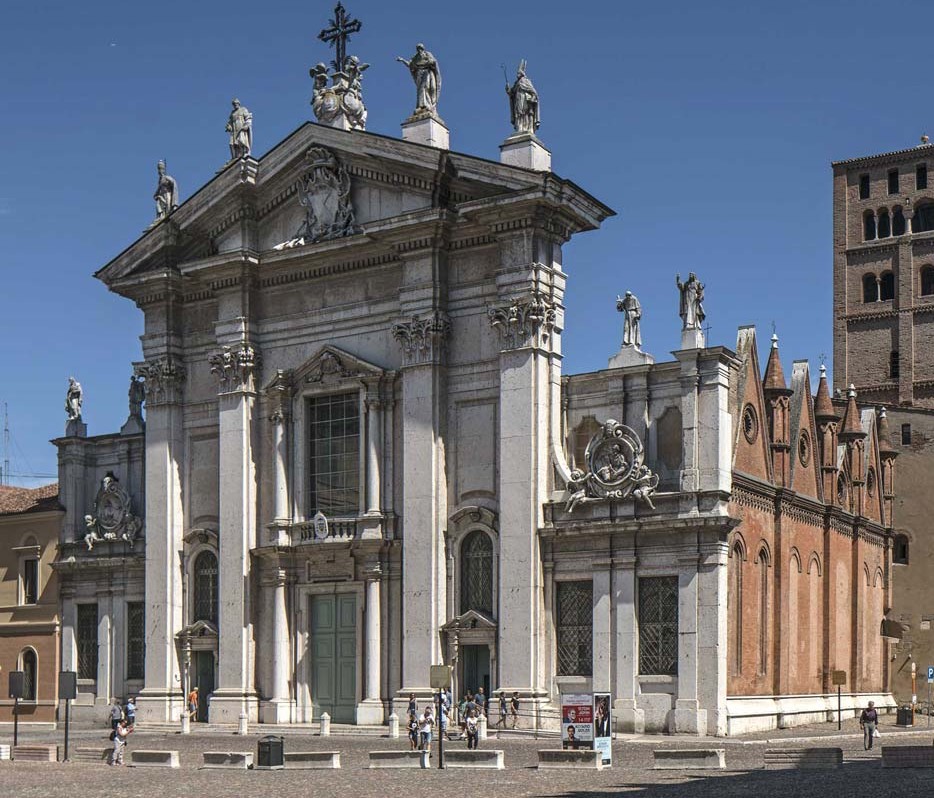
Located in Piazza Sordello, the Cathedral of Mantua dates from the medieval period, though its facade by Nicolò Baschiera features Roman Baroque style. The bell tower is the only remaining Romanesque element after the cathedral’s 16th-century renovation. Inside, five naves with Corinthian columns lead to a sacristy decorated with frescoes from Mantegna’s school.
Mantua for Tourists
3 Palazzo Te
Palazzo Te is recognised as one of the masterpieces of 16th-century architecture. Its name comes from “teieto“, meaning “place of huts”. Today, the palace is renowned for its lavish fresco cycles and ornately decorated rooms.

4 Palazzo della Ragione
The Palazzo della Ragione is a 13th-century building, later updated with a 15th-century portico. Right next to it stands the Torre dell’Orologio, built in the second half of the 15th century, featuring an astrological clock by Bartolomeo Manfredi.

Points of Interest in Mantua
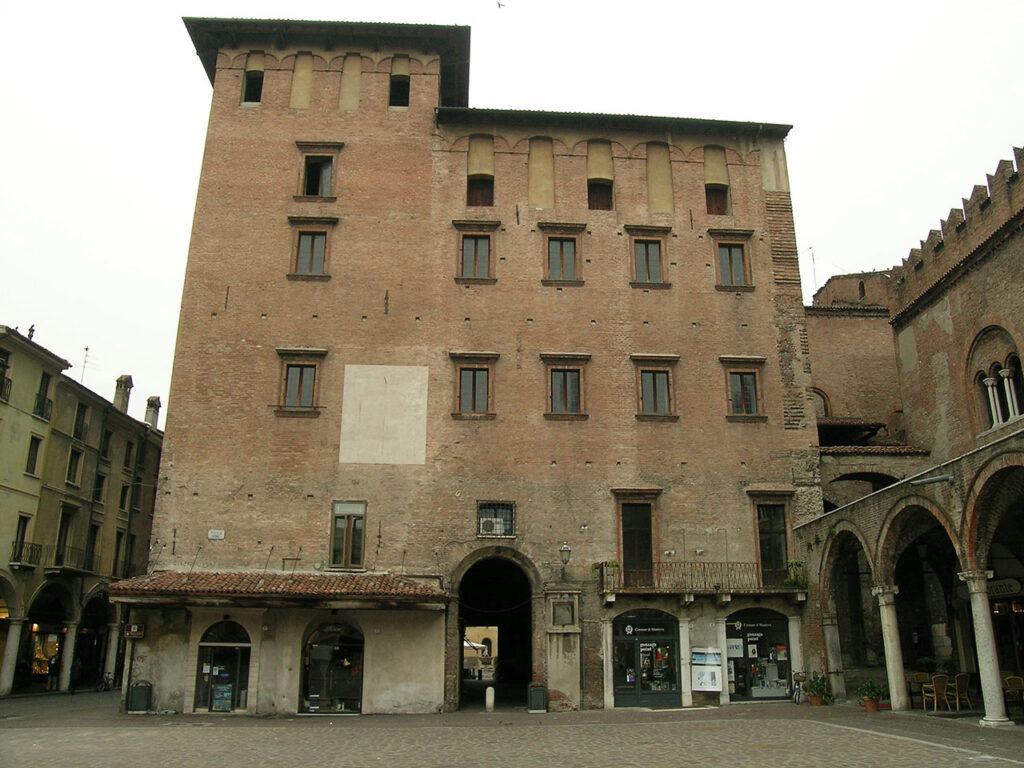
5 Palazzo del Podestà
The Palazzo del Podestà once served as Mantua’s town hall. Built in the 13th century and renovated in the 15th, it features a corner tower facing Piazza Broletto and an ancient 12th-century statue of Virgil.
What to Visit in Mantua
6 Teatro Scientifico del Bibiena
Teatro Scientifico, also known as Teatro Scientifico del Bibiena, is a remarkable example of baroque theatre architecture. Built between 1771 and 1775 to the design of Antonio Galli Bibiena, it remains in use today.

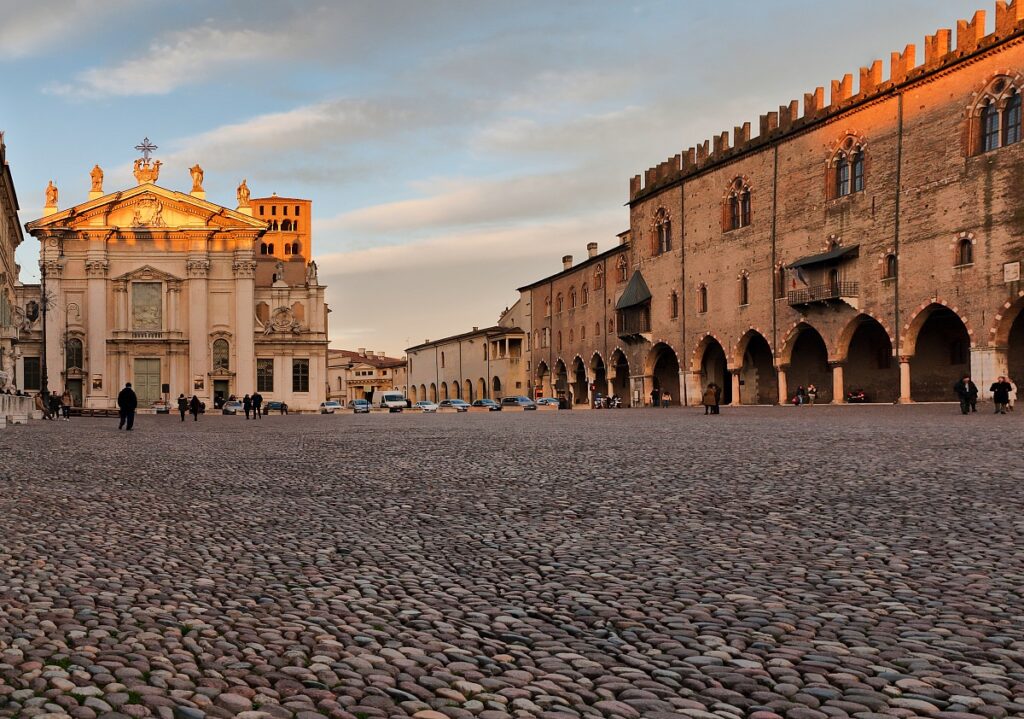
7 Piazza Sordello
Piazza Sordello is undoubtedly Mantua’s most famous square. Here you’ll find both the Palazzo Ducale and part of the Duomo, as well as Palazzo Guerrieri and Palazzo Castiglioni.
Visiting Mantua
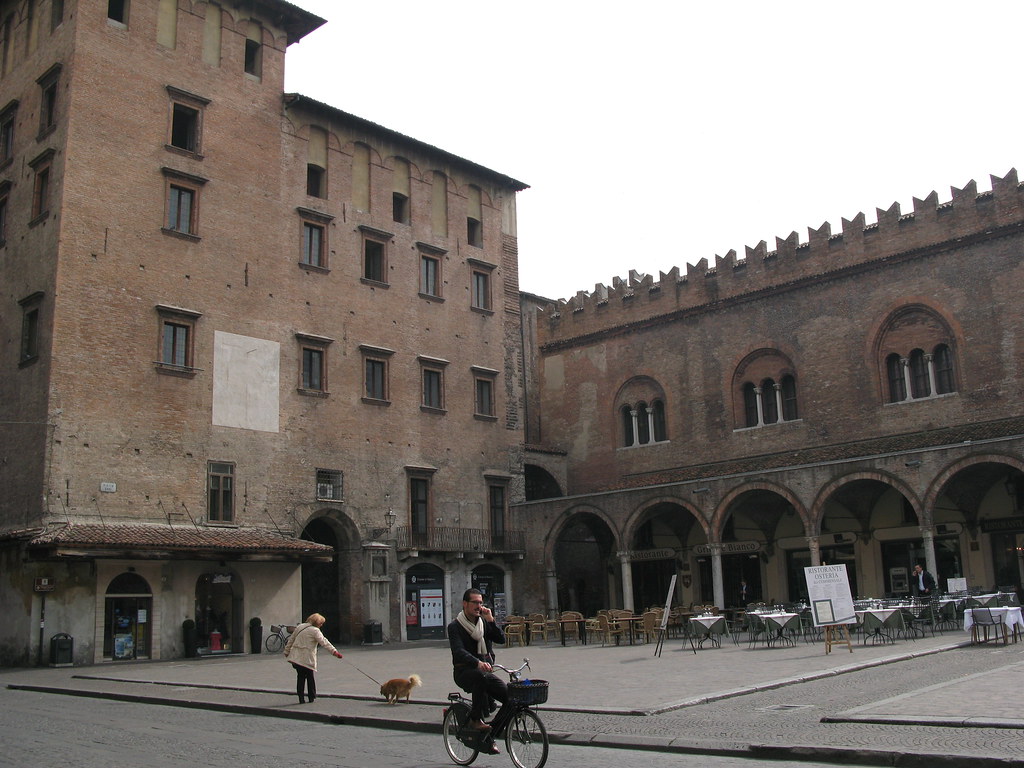
8 Piazza delle Erbe
Piazza delle Erbe is another of Mantua’s iconic public spaces. Dating back to the late Middle Ages, this square is bordered by the Church of Sant’Andrea, the Merchant’s House (Casa del Mercante Boniforte da Concorezzo), the Palazzo del Podestà, the Palazzo della Ragione, the Rotonda di San Lorenzo, and the Torre dell’Orologio.
9 Church of Sant’Andrea
Church of Sant’Andrea, also known as the Basilica di Sant’Andrea, is a symbol of Renaissance religious architecture. Construction began in 1472 and was only completed over two centuries later, between 1697 and 1699. Designed by Leon Battista Alberti, the church also features later additions—the dome was built in the 18th century, while the bell tower belonged to a former Benedictine monastery. Inside are the tomb of Andrea Mantegna and frescoes by Correggio and Mantegna’s school. The left chapel contains the Mausoleo Strozzi from the early 16th century.

10 Church of San Sebastiano
The Church of San Sebastiano, also known as the Tempio di San Sebastiano (not to be confused with Palazzo San Sebastiano), was designed by Leon Battista Alberti in 1460. The facade was extensively restored in 1925. Inside you’ll find the remains of three out of eleven Martiri di Belfiore.
Mantua’s Museums
11 Palazzo d’Arco
The Palazzo d’Arco Museum is housed in the historic residence of the Counts d’Arco, left as it was in 1973 by Countess Giovanna d’Arco marchesa Guidi di Bagno, the last heir of the Trentino-origin noble family. She designated her home as a museum so visitors could admire its extraordinary cultural collection. Palazzo d’Arco is a significant neoclassical building (1782-1792) and retains original furnishings: furniture, chandeliers, ceramics, arms, and musical instruments. The palace boasts a renowned picture gallery, with works by Niccolò da Verona, Luini, Magnasco, Pourbus, Van Dyck, and a grand cycle by Giuseppe Bazzani. It also holds an antique library and an intriguing series of copper kitchen molds. Don’t miss the Zodiac Hall, frescoed by Giovanni Maria Falconetto, the exedra, and the pleasant garden.

12 National Archaeological Museum
Other local attractions include the National Archaeological Museum. From the mid-1500s to the late 1800s, it housed the Teatro di Corte dei Gonzaga and later the imperial Austrian court. Today it’s home to the Galleria Arte e Arti della Camera di Commercio.