


Visiting Seville is like stepping into a world suspended between past and passion: palaces adorned with arabesque stuccoes, the scent of orange blossoms in the air, squares echoing with music and laughter. Whether you have a weekend or several days, this Andalusian city will enchant you. In this article, we will guide you through what to see in Seville with 10 unmissable experiences: from the most famous attractions to authentic neighborhoods, from traditional events like the Feria de Abril to tips on where to sleep and eat. Each section is enriched with in-depth links to help you plan your trip easily and effectively. Ready to go? In Seville, fun is guaranteed. A vibrant city, full of venues and events at any time of year, especially when you count on budget-friendly travel options.
- Discover Seville in Video
- The 12 Most Famous Attractions in Seville
- Seville Cathedral
- Giralda
- Royal Alcázar
- Plaza de España
- Barrio Santa Cruz
- Triana
- Setas de Sevilla
- Museum of Fine Arts
- Torre del Oro
- Plaza de Toros
- Feria de Abril
- Hospital de la Caridad
- What to See in Seville: The 10 Unmissable Experiences
- 1 Seville Cathedral and Giralda: The Power of Gothic and Moorish Elegance
- 2 Royal Alcázar of Seville: A Journey Through Courtyards, Gardens, and Moorish Art
- 3 Plaza de España: The Most Scenic Square in Seville
- 4 Barrio Santa Cruz: Alleys, Orange Blossoms, and Fairy-tale Atmospheres
- 5 El Arenal: Seville Between Maritime History and Bullfighting Passion
- Must-See Art and Culture Spots in Seville
- Things to See in Seville
- 6 Triana District: The Gypsy and Genuine Heart of Seville
- What to Do in Seville
- 7 Feria de Abril: Seville’s Most Anticipated and Spectacular Festival
- 8 How to Get to Seville and Getting Around the City
- 9 What to Eat in Seville: Tapas, Tradition, and Bold Flavors
- Where to Stay in Seville
- 10 Where to Stay in Seville: Recommended Areas and Typical Accommodations
- Frequently Asked Questions About Seville: What to Know Before You Go
- Seville Off the Beaten Path
Discover Seville in Video
A journey through colors, emotions, and unique glimpses: watch the official video of the city of Seville and let yourself be inspired by its timeless beauty.
The best way to experience Seville is to walk its central streets: a stroll through the Barrio de Santa Cruz is a must, while to “mix” with the locals and eat in less touristy spots, the tip is to head to the Triana neighborhood. To savor Seville in 3 days and its Andalusian charm, a good Seville guide is recommended to suggest which monuments to visit in a weekend in Seville, starting with the Cathedral, checking out the monument built in memory of Christopher Columbus, admiring the Giralda Tower, and not forgetting the Royal Alcazar of Seville. For romantics, a peaceful walk along the Guadalquivir River is recommended. Although unusual for an inland city, Seville was once one of the most important ports in the world, a hub controlling all maritime traffic between Spain and the New World’s colonies.
The 12 Most Famous Attractions in Seville
Seville Cathedral
Area: Historic Center
Type: Monumental Church
Giralda
Area: Historic Center
Type: Bell Tower
Royal Alcázar
Area: Center
Type: Palace and Gardens
Plaza de España
Area: María Luisa Park
Type: Iconic Square
Barrio Santa Cruz
Area: Center
Type: Historic Neighborhood
Triana
Area: Across the Guadalquivir
Type: Authentic Neighborhood
Setas de Sevilla
Area: Plaza de la Encarnación
Type: Modern Architecture
Museum of Fine Arts
Area: Center
Type: Art Gallery
Torre del Oro
Area: Riverside
Type: Historic Tower
Plaza de Toros
Area: El Arenal
Type: Historic Arena
Feria de Abril
Area: Fairgrounds
Type: Traditional Event
Hospital de la Caridad
Area: El Arenal
Type: Art and Spirituality
What to See in Seville: The 10 Unmissable Experiences
From iconic monuments to the most authentic neighborhoods, here is what to visit in Seville to fully experience the capital of Andalusia. Each stop is designed to reveal the most fascinating and genuine side of the city.
1 Seville Cathedral and Giralda: The Power of Gothic and Moorish Elegance
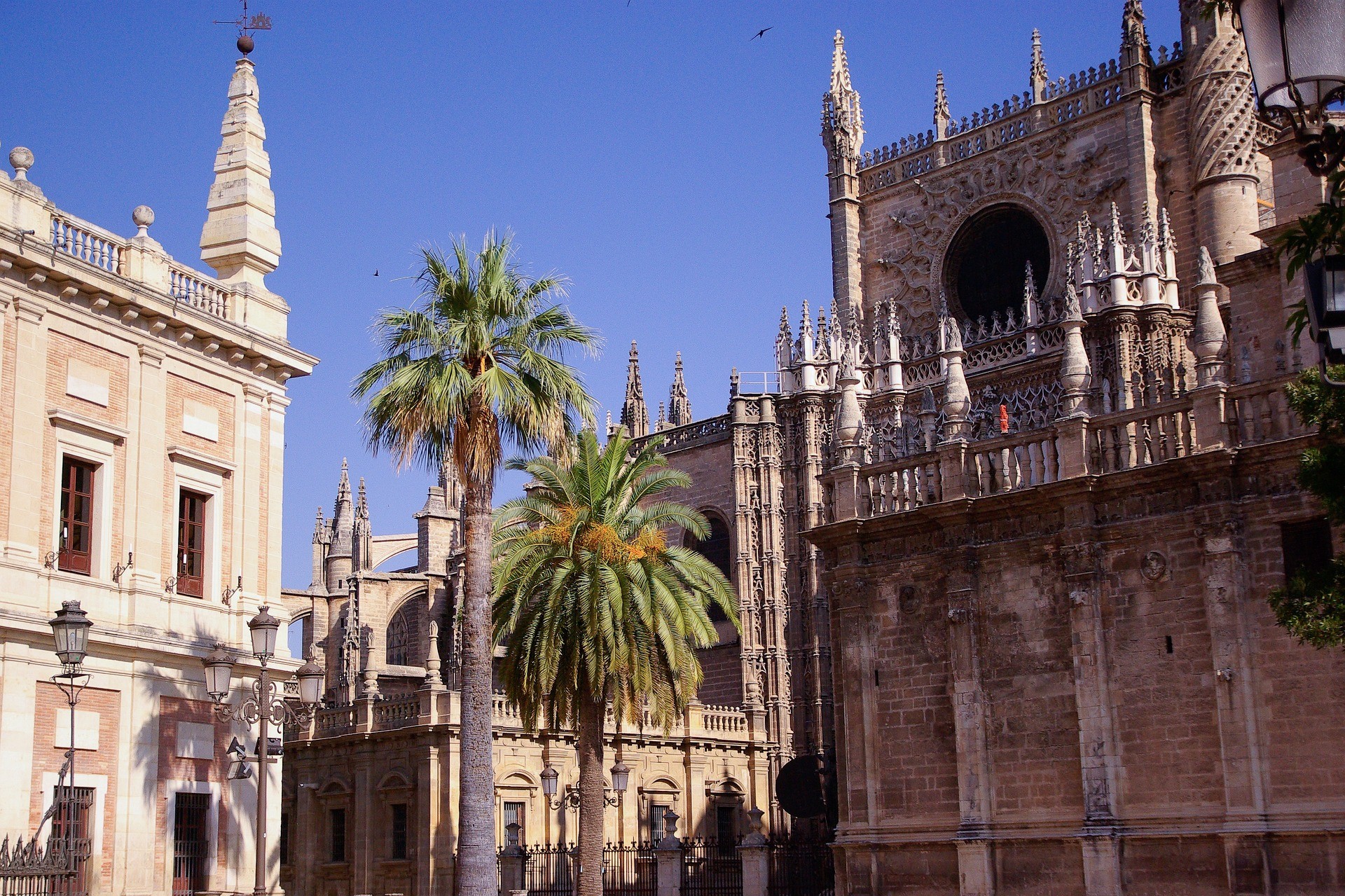
The Seville Cathedral, a UNESCO World Heritage Site, is the largest Gothic church in the world and holds one of the city’s beating hearts. It stands on the site of an ancient mosque, preserving its floor plan and some of its decorations. Inside, majestic and richly decorated, it houses over 50 chapels, the monument to Christopher Columbus, and a main altar carved among the most impressive in Europe.
Next to it towers the Giralda, the former Islamic minaret converted into a bell tower, today the iconic symbol of Seville. Climbing to the top of the Giralda is an experience not to be missed: with a gentle ramp and no stairs, it offers breathtaking views over Andalusian rooftops.
🎟️ Tip: Tickets for the Cathedral and Giralda can sell out quickly during peak periods. Discover how to buy tickets for Seville Cathedral and Giralda without waiting.
Opening Hours:
Mon–Sat: 11:00 – 18:00 | Sun: 14:30 – 19:00
2 Royal Alcázar of Seville: A Journey Through Courtyards, Gardens, and Moorish Art
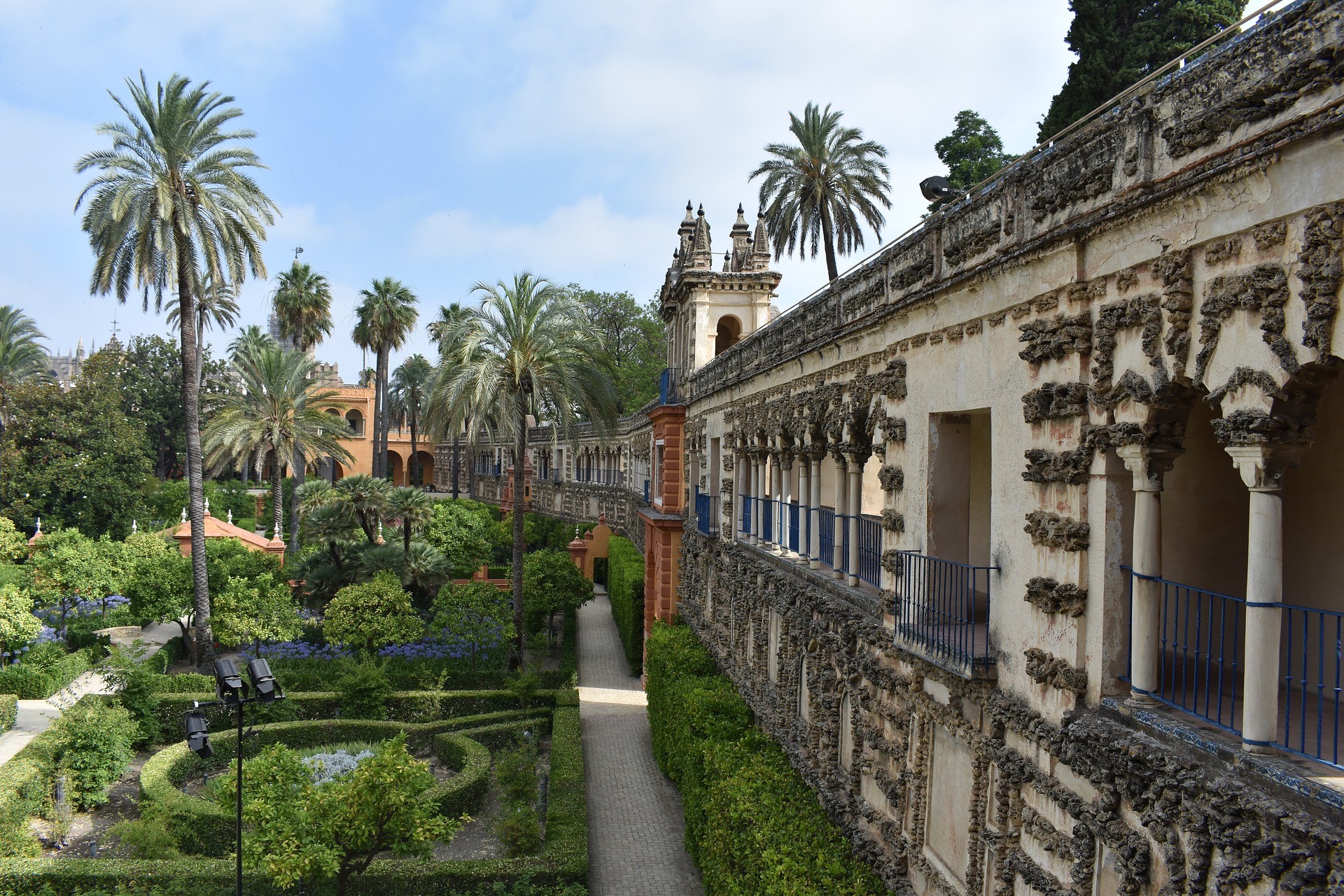
The Royal Alcázar is one of Seville’s most iconic places and represents a perfect fusion of Islamic, Gothic, Renaissance, and Baroque art. This still-used royal palace – the oldest in Europe – is a true masterpiece of Mudejar architecture, originally a Muslim fortress transformed by Christian kings into a noble residence.
Passing through the Puerta del León, you enter a world of a thousand and one nights: courtyards decorated with arabesque arches, ceramics, carved ceilings, refined stuccoes. Don’t miss the Patio de las Doncellas, the Ambassadors’ Hall, and the lush gardens where you can stroll among orange trees, fountains, and shaded paths.
🎟️ Tip: The Alcázar is one of Seville’s most visited attractions. Find out how to buy tickets for the Royal Alcázar of Seville and save precious time on your trip.
Opening Hours:
Oct–Mar: Tue–Sat 9:30–18:00 | Sun 9:30–14:30
Apr–Sep: Tue–Sat 9:30–20:00 | Sun 9:30–18:00
If you want to skip the line to visit the Alcazar, here’s our advice.
3 Plaza de España: The Most Scenic Square in Seville
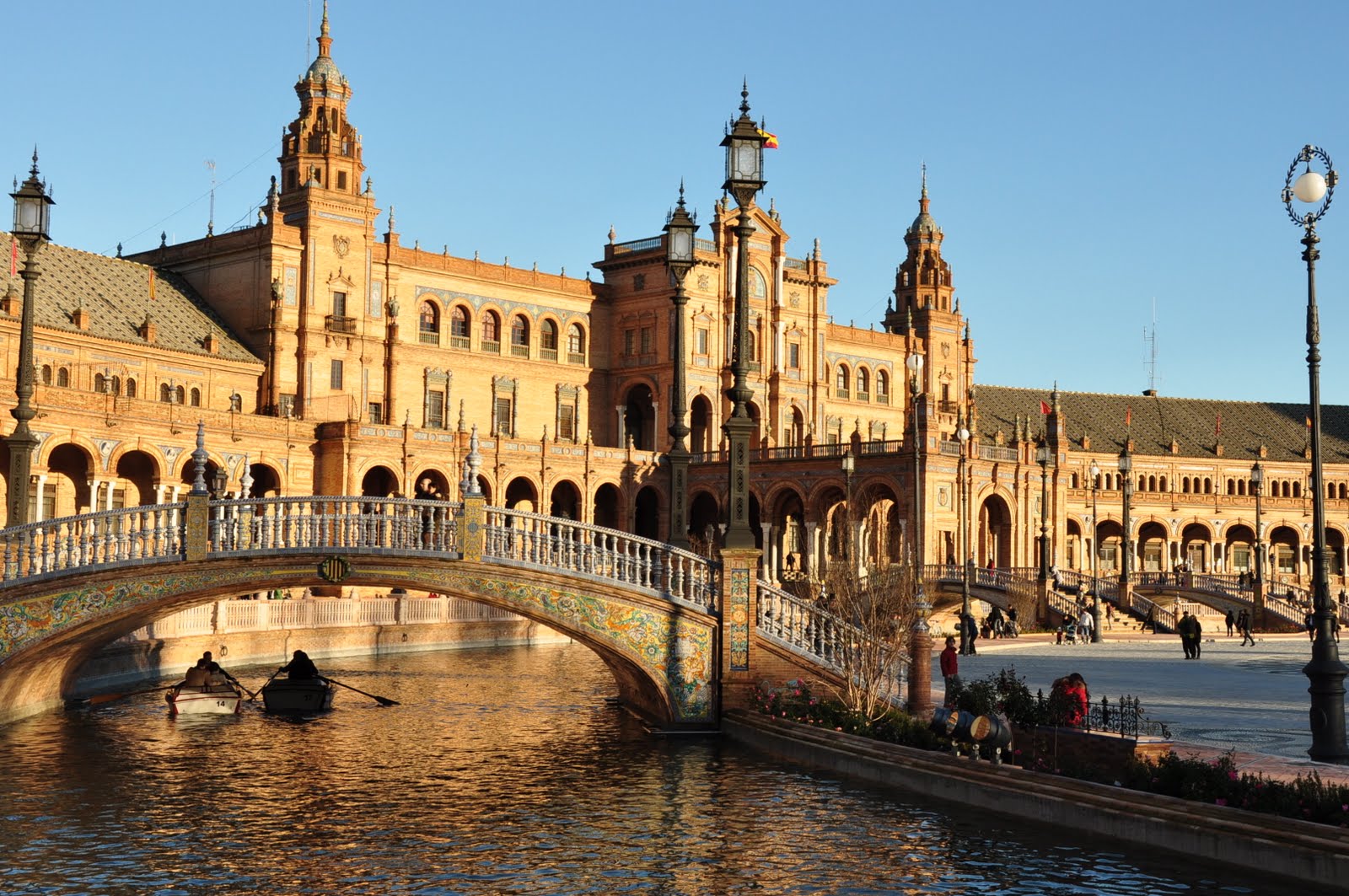
The Plaza de España is one of those breathtaking places: built in 1929 for the Ibero-American Exposition, it is a true architectural masterpiece and one of the most photographed spots in Spain. Located within the María Luisa Park, it symbolizes Spain’s embrace of its former colonies.
With its large semicircle of Neo-Renaissance buildings, the bridges decorated with ceramics, the mosaics of the Spanish provinces, and the 500-meter-long navigable canal, this square offers unique visual delights. You can explore it on foot, by boat, or simply sit and enjoy the atmosphere among the fountains and dreamy views.
🎥 Fun Fact: some scenes from Star Wars and The Dictator starring Sacha Baron Cohen were filmed here.
📌 Tip: Visit the square at sunset or early morning to experience its magic in a quieter atmosphere.

4 Barrio Santa Cruz: Alleys, Orange Blossoms, and Fairy-tale Atmospheres
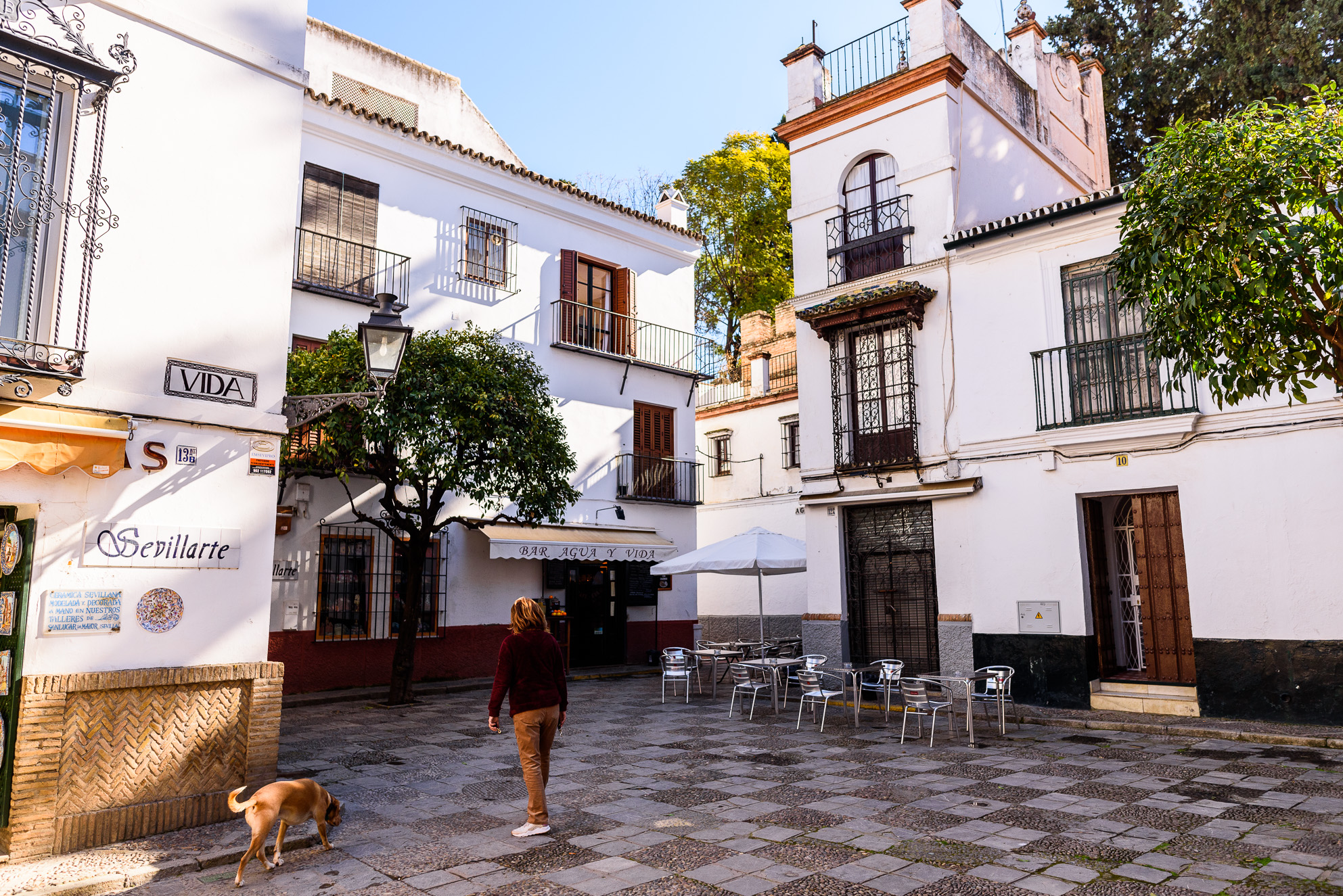
The Barrio Santa Cruz is the vibrant heart of Seville, a maze of cobblestone alleys, hidden squares, and the scent of orange blossoms enchanting at every step. The city’s former Jewish quarter, it preserves an authentic, romantic, and deeply Andalusian atmosphere.
Walking through the Barrio means discovering quiet corners and white houses with flowered balconies, amid historic views and local legends. Stop by the Plaza de Doña Elvira, explore the elegant Hospital de los Venerables, and be amazed by the beauty of the church of Santa María la Blanca.
📌 Tip: Visit the neighborhood at sunset or early morning to enjoy its purest essence away from crowds.
5 El Arenal: Seville Between Maritime History and Bullfighting Passion
Located along the banks of the Guadalquivir, the El Arenal neighborhood tells the maritime and commercial past of Seville. During the colonial era, it was one of the world’s most important ports and the starting point for expeditions to the New World.
Here stands the famous Torre del Oro, built in the 13th century as a defensive tower, now home to a naval museum with splendid panoramic views. Nearby, you can visit the Plaza de Toros de la Real Maestranza, one of Spain’s most famous bullrings, where you can experience bullfighting traditions and tour the attached museum.
If you love Baroque art, don’t miss the Hospital de la Caridad, a jewel decorated with works by Murillo and Valdés Leal, symbolizing Seville’s spirit of charity. El Arenal is also perfect for a sunset walk along the riverbank, amidst historic bridges and evocative views.
Must-See Art and Culture Spots in Seville
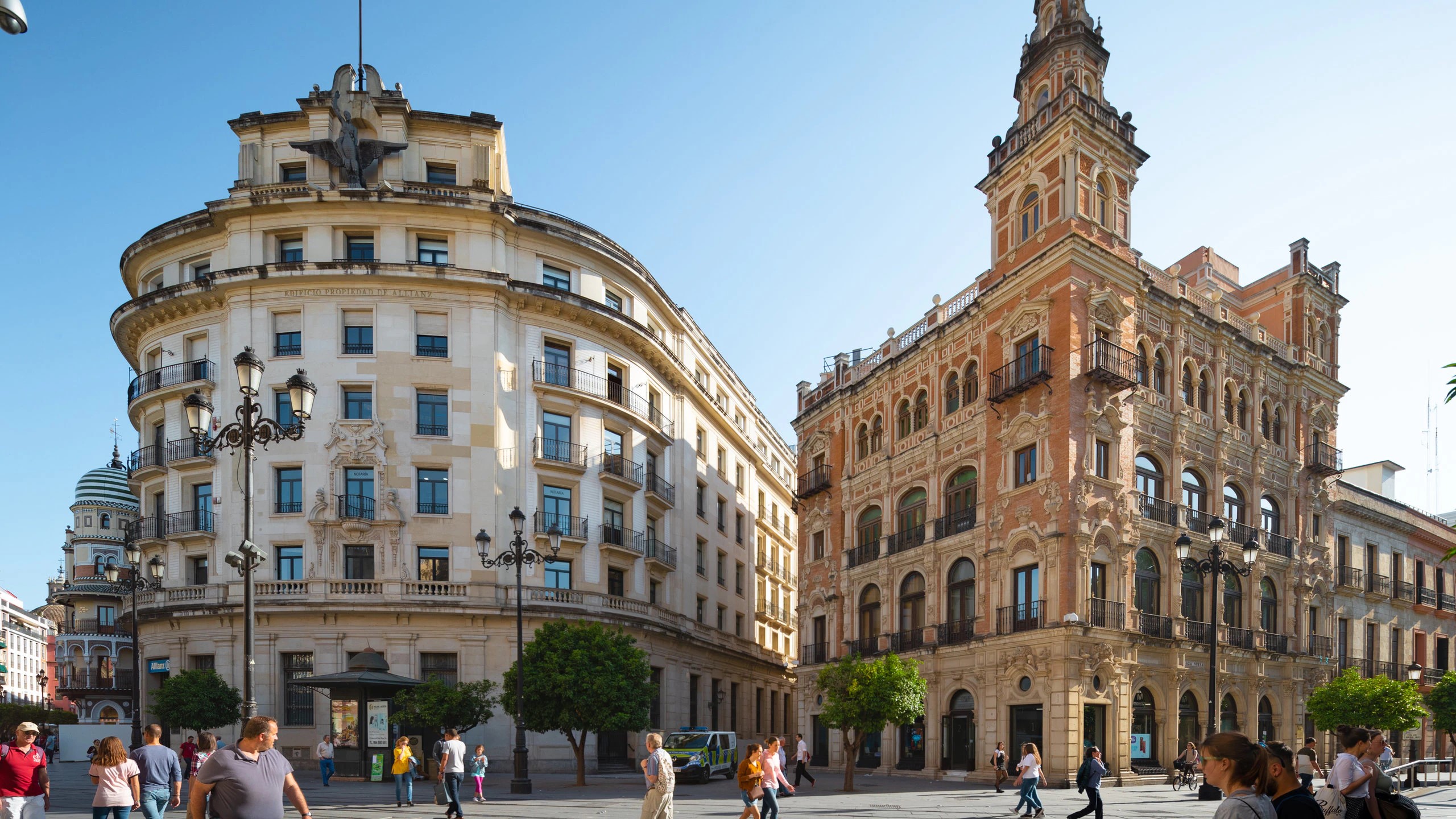
Besides the more famous attractions, Seville offers intense and refined cultural experiences, sure to move those who love art, history, and the city’s deepest soul. Here are three places to add to your itinerary.
- Plaza de Toros de la Real Maestranza: one of the oldest and most iconic bullrings in Spain, symbol of Seville’s bullfighting tradition. You can visit the arena and the museum dedicated to bullfighting.
- Hospital de la Caridad: masterpiece of Andalusian Baroque housing important works by Murillo, Valdés Leal, and Pedro Roldán. A place that combines art and spirituality in the heart of El Arenal.
- Museum of Fine Arts: the most important art gallery in Seville and all of Andalusia. It exhibits works by Velázquez, Zurbarán, Murillo, Goya, and many other Spanish masters in a truly evocative setting.

Things to See in Seville
6 Triana District: The Gypsy and Genuine Heart of Seville
Crossing the Triana Bridge brings you to one of the most authentic and emblematic neighborhoods of the city. The Triana district, historically home to sailors, ceramicists, and gypsies, is a true explosion of color, tradition, and daily Sevillian life.
Here you can stroll along the Calle Betis riverside, vibrant with local bars and restaurants, perhaps catching an impromptu flamenco show in one of the neighborhood’s peñas. The artisanal pottery workshops tell a tradition still alive, especially that of the azulejos tiles.
📌 Tip: To fully experience the most authentic Seville, stay in Triana into the evening: between tapas and music, you’ll feel like living the city as a local.

What to Do in Seville
7 Feria de Abril: Seville’s Most Anticipated and Spectacular Festival
If there is an event that represents the Andalusian soul, it is undoubtedly the Feria de Abril in Seville. A week of colors, music, dance, traditional costumes, and contagious joy that completely transforms the city.
The Feria opens with the alumbrao ceremony, the lighting of the big entrance gate, and continues in the following days among casetas (decorated tents), festively adorned horses, flamenco, and pescaíto frito (fried fish). It takes place in the large Fairgrounds, easily reachable from the center.
📅 Tip: If you visit Seville in spring (usually about two weeks after Easter), try to spend at least an afternoon at the Feria: it’s a full immersion in the most authentic Sevillian culture.

8 How to Get to Seville and Getting Around the City
Getting to Seville is easy thanks to San Pablo Airport, located about 10 km from the center. Connected to major Italian and European cities, it is served by direct and low-cost flights. From the airport, you can reach the center by the EA bus (Especial Aeropuerto), with strategic stops like Santa Justa and Plaza de Armas.
The Santa Justa train station is an important hub for the Spanish high-speed train (AVE), ideal if you come from Madrid or Barcelona.
Once in the city, the best way to explore Seville is on foot, especially in the historic center, where main attractions are close together. Alternatively, you can use:
- the metro (a simple and modern single line);
- urban buses (TUSSAM network, efficient and comprehensive);
- the convenient hop-on hop-off tours if you want to see a lot in little time.
🚶 Tip: Download an offline map before departure and bring comfortable shoes: Seville is a city to walk around.
9 What to Eat in Seville: Tapas, Tradition, and Bold Flavors
Sevillian cuisine is a feast for the senses: bold flavors, dishes to share, and informal atmospheres in typical tapas bars. The famous tapas originated here, small bites to enjoy while chatting, perhaps with a glass of tinto de verano or fresh beer.
Not to miss are salmorejo (tomato cream with ham and egg), carrillada de cerdo (braised pork cheek), pescaíto frito (fried fish), and montaditos, mini sandwiches with fillings. Also try the jamón ibérico and local cheeses.
🥘 Want to know where and what to really eat in Seville? Read our complete guide on what to eat in Seville: 16 typical dishes to try to discover the most authentic flavors and the right restaurants.

Where to Stay in Seville
10 Where to Stay in Seville: Recommended Areas and Typical Accommodations
Seville offers a wide and varied accommodation range, perfect for every type of traveler. For exploring the city comfortably on foot, the historic center is ideal: you will have all main attractions within reach and a magical atmosphere among alleys, squares, and traditional restaurants.
For those seeking something quieter and more authentic, the Triana neighborhood is perfect: more local, less touristy, and full of charm. Also excellent are El Arenal and Santa Cruz, ideal for couples and curious travelers.
Seville also offers many budget options: designer hostels, cozy B&Bs, and typical Sevillian houses renovated with internal patios. In high season, it’s best to book in advance to find the best options.
🛏️ Useful Guide: check our selection of hotels and accommodations in Seville on FullTravel or our guide on where to stay in Seville without spending too much.
💡 Or search for deals on: Booking.com
Frequently Asked Questions About Seville: What to Know Before You Go
❓ What are the must-see attractions in Seville?
Seville is rich in wonders: the main attractions include the Cathedral with the Giralda, the Royal Alcázar, Plaza de España, the Triana neighborhood, and Barrio Santa Cruz. Each place tells a piece of Andalusian history.
❓ How many days do you need to visit Seville?
Ideally, spend at least 3 days in Seville to enjoy the main attractions calmly, explore authentic neighborhoods, and savor the local atmosphere. Even a well-organized weekend can be very satisfying.
❓ What is the best time to visit Seville?
The best months are spring and autumn: perfect weather, traditional festivals (like the Feria de Abril), and fewer crowds compared to summer. Winter is mild, great for off-season travelers.
❓ What should you definitely eat in Seville?
You cannot leave Seville without trying tapas, salmorejo, pescaíto frito, carrillada, and montaditos. The local cuisine is a triumph of flavor, conviviality, and tradition.
❓ Which neighborhoods are best for staying in Seville?
The historic center is perfect for seeing everything on foot. Triana offers a more authentic experience, while Santa Cruz and El Arenal combine charm, history, and convenience. All are great areas depending on your travel style.
Seville Off the Beaten Path
Beyond the most iconic places, Seville is a city to discover slowly, even in its lesser-known corners. From local markets to hidden courtyards, from traditional bars in popular neighborhoods to spontaneous flamenco events, there is always something surprising. If you have time, take a aimless walk at sunset along the Guadalquivir or among the Triana streets: here Seville reveals its most authentic soul.