Matera, in Basilicata, is a city full of discoveries. Unique in its kind, it features some ancient dwellings in the Sassi and others along the ravine. Where is Matera located. Matera and Potenza (regional capital) represent the two provinces of Basilicata. It is the smallest by population. It is located about 70 kilometers from Bari and 100 kilometers from Potenza. The province of Matera also includes the Ionian coast of Basilicata and the eastern area of the region.
- Matera Sassi
- History of the Sassi di Matera
- Matera 2019
- What to see in Matera: places of interest
- 1 Sassi di Matera
- What to visit in Matera
- 2 Matera Cathedral
- 3 Casa Grotta di Vico Solitario
- 4 Lanfranchi Palace
- 5 MUSMA Contemporary Sculpture Museum Matera
- Must-see places in Matera
- 6 Ridola Archaeological Museum
- 7 Cripta Peccato Originale
- 8 Matera Diocesan Museum
- 9 San Pietro Caveoso Church
- 10 San Pietro Barisano Church
- 11 Purgatory Church
- 12 Casa Cava
- Visiting Matera
- 13 The Palombaro and the Hypogea of Piazza Vittorio Veneto
- 14 Rock Churches in Matera
- 15 How to get to Matera
- What to do in Matera
- 16 Where to eat in Matera and typical cuisine
- Matera restaurants
- 17 Where to stay in Matera
Matera tourism. Matera has grown significantly in recent years in terms of tourist visits. This, not only after the proclamation of Matera as the Capital of Culture. Tourist flows had already experienced a boost immediately after the nomination of Matera as a UNESCO World Heritage site, thanks to the presence of the Sassi. Now let’s see what to see in Matera.
Matera Sassi
To best appreciate Matera, one of the safest cities in Italy, it is essential to listen to the scents coming from the small gardens of the houses in the historic center, true treasures to discover along the itinerary leading you to the Cathedral or through the narrow streets of Sasso Caveoso or Barisano (the first develops in the direction of Bari and the second towards the nearby Montescaglioso).
History of the Sassi di Matera
Matera has two faces, both linked by the centuries-old history that built it, since the Benedictine monks chose it as a place to establish a lively community. Matera living nativity scene. At Christmas, Matera presents itself as a living nativity scene. In recent years, among the Sassi di Matera, a suggestive and special event has taken place: the living nativity. And it is in Matera that the rock churches are found, today a highly appreciated tourist destination and once places of worship. Dwellings made with tuff whose quarries are an important testimony. Next, Matera Capital of Culture.
Matera 2019
The City of the Sassi, as many have nicknamed it, shows all its uniqueness and originality. There is no city like Matera European Capital of Culture 2019. Here is what to see and what to do in Matera Capital of Culture and City of the Sassi.
What to see in Matera: places of interest
1 Sassi di Matera
The Sassi di Matera are protected by UNESCO and, for this reason, recognized as a World Heritage Site. They are located in the heart of the city and represent the various evolutions of human settlements. The Sassi di Matera are divided into Sasso Caveoso and Sasso Barisano. Sasso Caveoso is the oldest, while the more recent Sasso Barisano are so called because they face towards the city of Bari. Today the Sassi Matera, after the depopulation of the 1950s and the restoration of recent years preserving their characteristic tuff structure, have come back to life so much that here you find small artisan shops, B&Bs, holiday homes, taverns, trattorias, and entertainment venues.

What to visit in Matera
2 Matera Cathedral
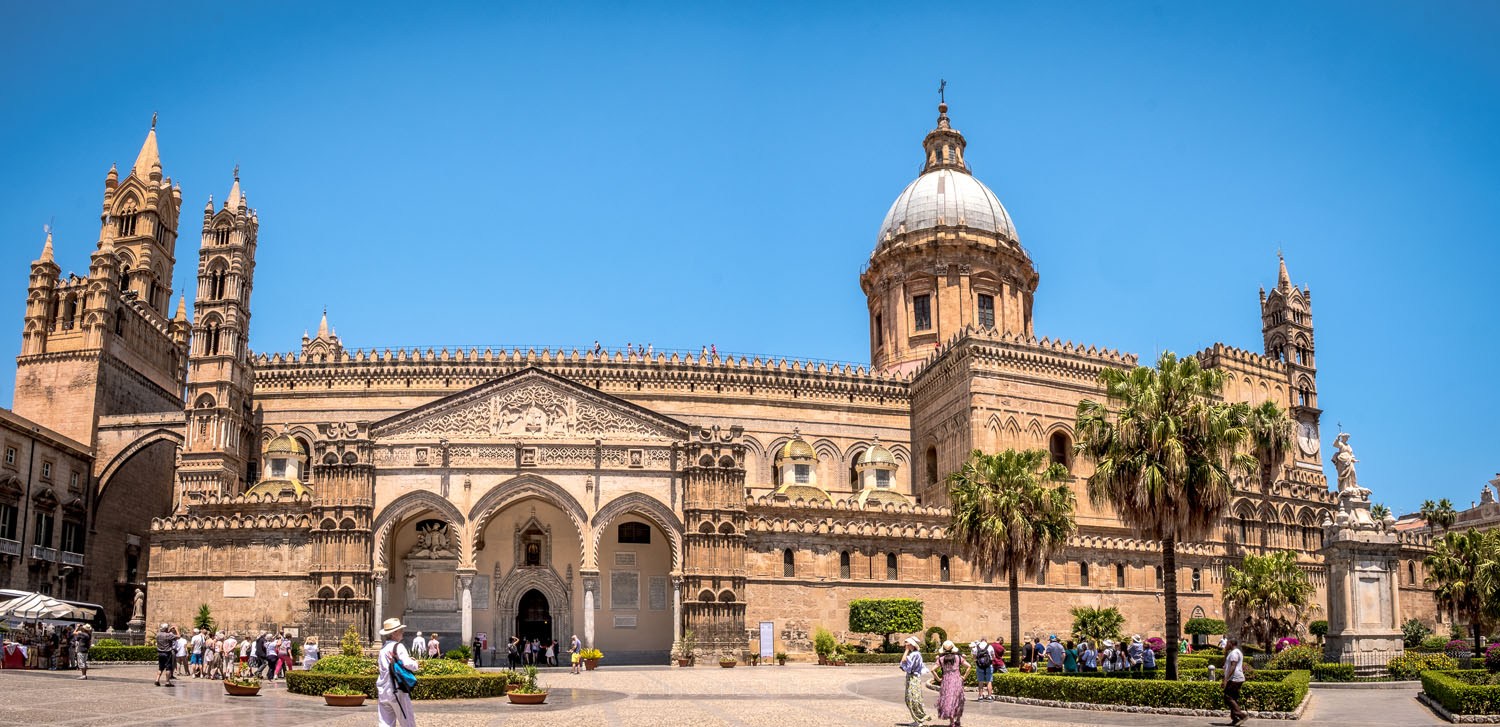
The Matera Cathedral is one of the city’s symbols. Located in a high area compared to the Sassi, it can be seen in almost all panoramic photos of the City of the Sassi. In Apulian Romanesque style, the Matera Cathedral has a Latin cross plan, three naves, and ten columns with capitals dating back to the medieval period. The Cathedral was built in 40 years (1230-1270) at the behest of Bishop Andrea. On the exterior stands the beautiful rose window with Saint Michael the Archangel. The Main Door features sculptures depicting the images of the Madonna, patron saint of the city (Madonna della Bruna) to whom the place of worship is dedicated, as well as Saint Peter and Saint Paul. The Matera Cathedral also has four other doors. Two facing the square and two facing Via Riscatto. Inside the Cathedral, housed in a glass case, is the statue of the Madonna della Bruna.

3 Casa Grotta di Vico Solitario
Casa Grotta di Vico Solitario is an excellent starting point to understand how people lived in the Sassi before the abandonment of the 1950s. Located at Vico Solitario 11 in Matera, the house features: a hearth with a kitchen area, a small table in the center of the house with the only large plate from which everyone ate, the bed made of two iron stands on which wooden boards rested, and the bedding consisting of a mattress filled with corn leaves; opposite the bed, the stable with a manger that housed the mule.

4 Lanfranchi Palace
Palazzo Lanfranchi is a structure with an attached church (on the left) dating back to the 17th century. For some years it was the site of a school where Giovanni Pascoli taught between 1882 and 1884 (the square in front is named after the poet Giovanni Pascoli for this reason). Inside Palazzo Lanfranchi is the National Museum of Medieval and Modern Art of Basilicata. The palace is named after Bishop Vincenzo Lanfranchi, who commissioned its construction as a seminary. Ticket: 2 euros full, 1 euro reduced. Inside Palazzo Lanfranchi is the famous work by Carlo Levi “Lucania ’61”, a canvas on which the Turin artist depicted the faces of the Lucanian people, including the peasant mayor Rocco Scotellaro.

5 MUSMA Contemporary Sculpture Museum Matera
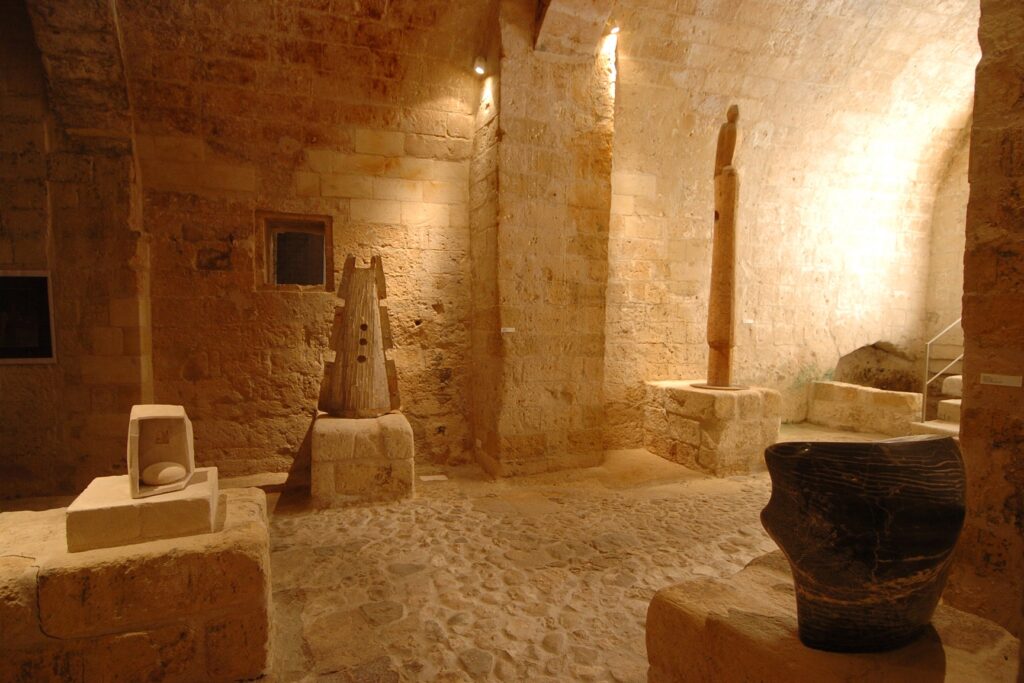
The MUSMA of Matera is the most important Italian museum entirely dedicated to sculpture. Housed in the suggestive setting of Palazzo Pomarici (16th century), it is the only “cave” museum in the world, where a perfect symbiosis between sculptures and some of the most characteristic places carved into the Sassi di Matera is experienced. The museum spaces cover not only the built areas of the Palace but also vast hypogeal caves where the extensive collection of artworks is regenerated by the power of the rock environments. Visitors can experience an ideal integration, full of emotional impact, between the ancient human-made “excavated” spaces and contemporary sculpture. MUSMA is located in Via San Giacomo. Email: [email protected]
Must-see places in Matera
6 Ridola Archaeological Museum
The Ridola Archaeological Museum of Matera is set up in the former Convent of Santa Chiara. Built in the late 1600s, it was first used as a hospital and later converted into a convent for the spiritual retreat of the Poor Clares. In 1872, Domenico Ridola, a great enthusiast of archaeology, collected the artifacts brought to light from his excavations. From the beginning of the 20th century, the finds were donated to the Italian State. The museum is open every day except Monday, from 9:00 AM to 7:00 PM.

7 Cripta Peccato Originale
The Cripta del Peccato Originale is located a few kilometers from Matera. It was accidentally discovered in the 1960s when it was used by shepherds to shelter sheep flocks and offers visitors an incredible fresco created 500 years before Giotto, by the artist known as “The painter of the flowers of Matera”. It is considered the Sistine Chapel of the Rock Civilization. For visits, call 0835.330583 – 320.3345323 or email: [email protected].

8 Matera Diocesan Museum
The Matera Diocesan Museum, inaugurated on April 16, 2011 by Archbishop Salvatore Ligorio, is set up in ancient renovated premises of the Diocese of Matera, in the former Seminary built in 1906 by Archbishop Raffaele Rossi (Archbishop from 1899 to 1906). There are 3 large rooms on the ground floor exhibiting various works of sacred art with a substantial number of sacred silverware from the Cathedral’s treasury and from the Church of Santa Chiara, dating from the 11th to the 19th century. Among the oldest objects stands out the enkolpion or pectoral cross of Byzantine manufacture from the mid-11th century, possibly the work of the Tiraz of Palermo, one of the most prestigious medieval workshops known not only for goldsmithing but also for fabric and carpet production.

9 San Pietro Caveoso Church
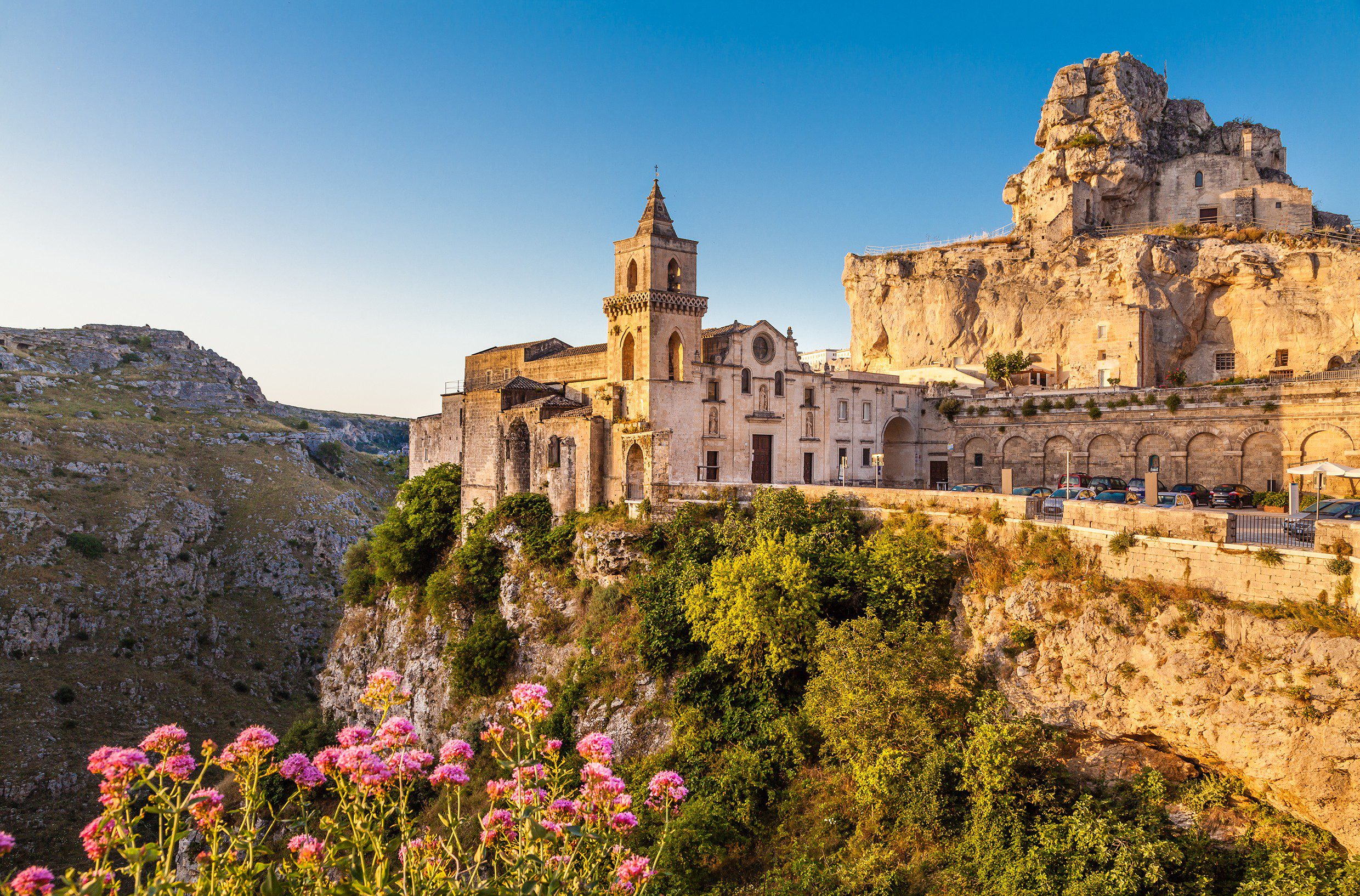
The San Pietro Caveoso Church opens onto the square of the same name. It was built during the 17th century on the site of another place of worship. The church has three naves with side chapels. It is located on a very suggestive natural ravine, facing the city. Entrance is free.
10 San Pietro Barisano Church
The San Pietro Barisano Church is located in the heart of the Sasso Barisano. It dates back to the 12th century. Besides a series of valuable works housed inside, the church also features an intriguing detail: in the underground areas there are rooms that used to be used for the “draining” of corpses. The latter, placed in special niches dressed in sacred vestments, were removed only after decomposition.

11 Purgatory Church
The Purgatory Church of Matera, right in the city center, has a “macabre” baroque façade, all dedicated to the theme of death. Even the front door is carved with figures echoing death (skulls, skeletons, bones, etc.). The main altar of the church holds the relics of Saint John of Matera, Saint Prospero, and Saint Callistus.

12 Casa Cava
Casa Cava in Matera is one of the best examples of redevelopment ever applied to a public place in the Sassi. The ancient quarry, long abandoned and used as a landfill, was accidentally discovered and then made accessible after careful and respectful work carried out by the Municipality of Matera. Its rock-carved environments make it a unique and unforgettable place. Today it is mainly used as an auditorium and for conference activities. Ticket: 3 euros full; 1.50 euros reduced. Hours: April to September, every day from 10 am to 1 pm and from 3 pm to 6 pm. From October to March, open only mornings from 10 am to 1 pm.

Visiting Matera
13 The Palombaro and the Hypogea of Piazza Vittorio Veneto
The underground of Piazza Vittorio Veneto was only recently discovered and opened to the public for guided tours as it can be considered the “belly of the city” accessed from the most central place in the city where the remains of a rock church are still preserved. The Palombaro and the Hypogea are the places where, since the 19th century, the community collected water through a system that guaranteed natural survival. Free ticket up to 18 years old. Full: 3 euros. Hours: 10 am to 1 pm and 3 pm to 6:30 pm. Open every day.

14 Rock Churches in Matera
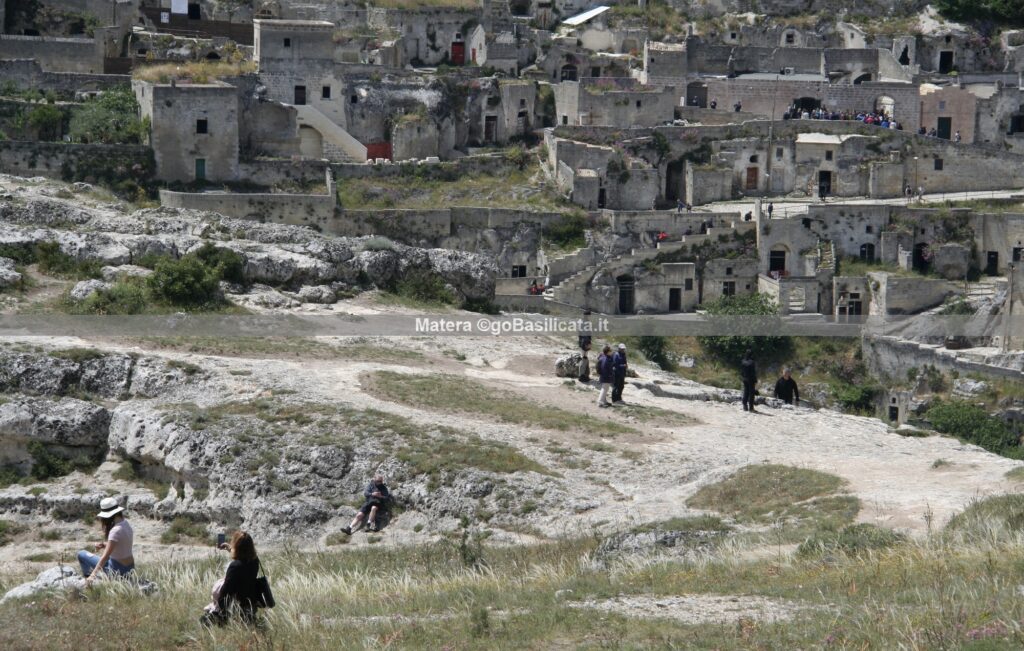
Matera and surroundings. Around Matera lies a vast area of great archaeological interest, dotted with very ancient “rock churches“. The rock churches of Matera have been grouped in the “Park of the Rock Churches“. These churches are located in the area of the belvedere of Murgi Timmari, opposite the city, from which there is a spectacular view of the ravine and the Sassi. One of the most interesting rock churches is the Church of the Dove.
15 How to get to Matera
In Matera, Basilicata, you can arrive by plane with a stopover at Bari Palese Airport, only 50 kilometers away. Matera is connected to Bari by the Ferrovie Appulo Lucane FAL. It is also possible to reach Matera by bus from Marino, Liscio, and Marozzi. By car. From the Tyrrhenian coast: Get on the Salerno – Reggio Calabria motorway. Follow the signs for Potenza. Then continue to Metaponto along SS 407 “Basentana” until the Matera exit near Ferrandina Scalo. From the Adriatic coast: Take the Bologna-Taranto motorway up to the Bari Nord exit. Continue towards the industrial area, then Altamura-Matera, i.e. SS 96 and then SS 99, soon to be upgraded. From Calabria and Sicily: Reggio Calabria-Salerno motorway. Exit at Sibari and take SS 106 Ionica to Taranto. Take the Matera exit near Metaponto. From Salento: The easiest way is to pass Taranto and take SS 106 Ionica up to the Matera exit near Metaponto.
What to do in Matera
16 Where to eat in Matera and typical cuisine
The typical dishes of Matera cuisine draw inspiration from products such as vegetables, garden vegetables, legumes. It was the peasants who, thanks to their harvest, created dishes capable of feeding the large families living in the Sassi. The typical cuisine of Matera draws from the agro-food characteristics of the Murgia, a vast territory that links the nearby Puglia to Matera and its province. Well known is the Bread of Matera and traditional dishes like cialedda and crapiata.

Matera restaurants
In recent years the Sassi di Matera have seen the opening of several venues including restaurants and taverns. Many of these restaurants offer good quality food with a good quality-price ratio. Most restaurants in Matera offer typical Materan and Lucanian cuisine but there are also places where international cuisine can be enjoyed. In the city of Matera and its surroundings, there are also numerous quality restaurants and farmhouses. Among them “Il Casino del Diavolo” (tel. 0835 261986), at the gates of the City of the Sassi, or “Il Terrazzino” (oven-baked pasta and crispy peppers in caves with a 17th-century cellar) with a panoramic terrace overlooking the Sassi di Matera.
17 Where to stay in Matera
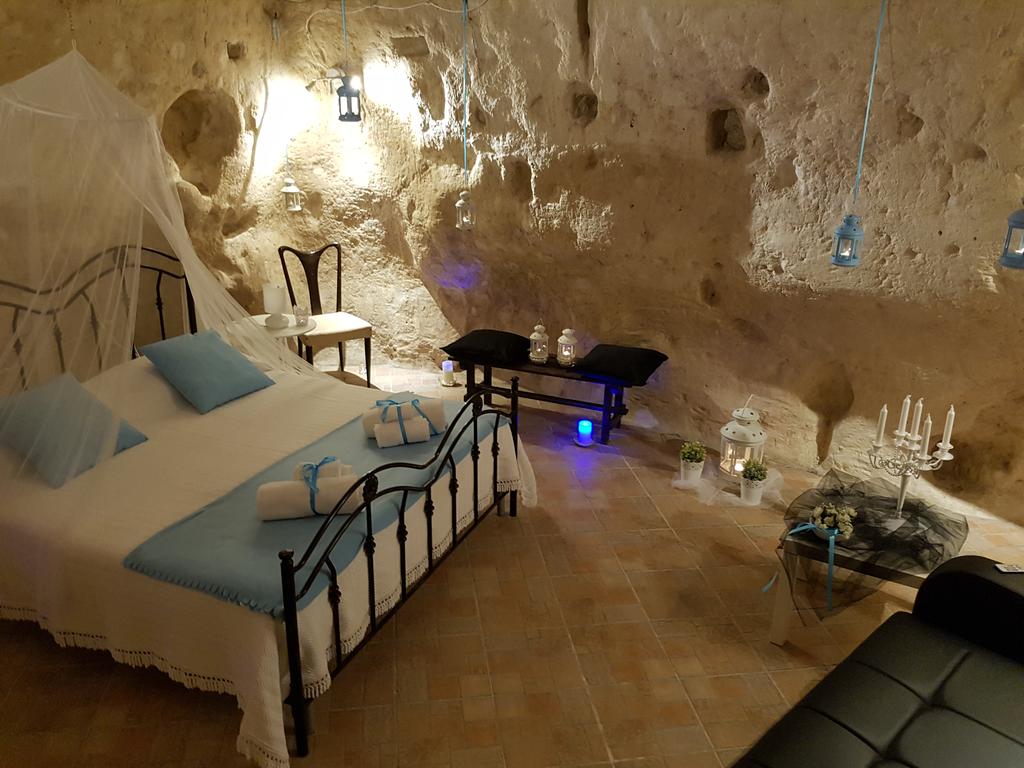
Staying in the heart of the Sassi in Matera is a very simple operation. There are several hotels in Matera, some luxurious, others less so but all evocative, in the heart of the Sassi di Matera. There is also a rich offer of non-hotel accommodation such as B&Bs and holiday homes. Other accommodations in the city are also nice from a comfort and price perspective. Given the high flow of tourists, it is advisable to book in advance to avoid full occupancy.