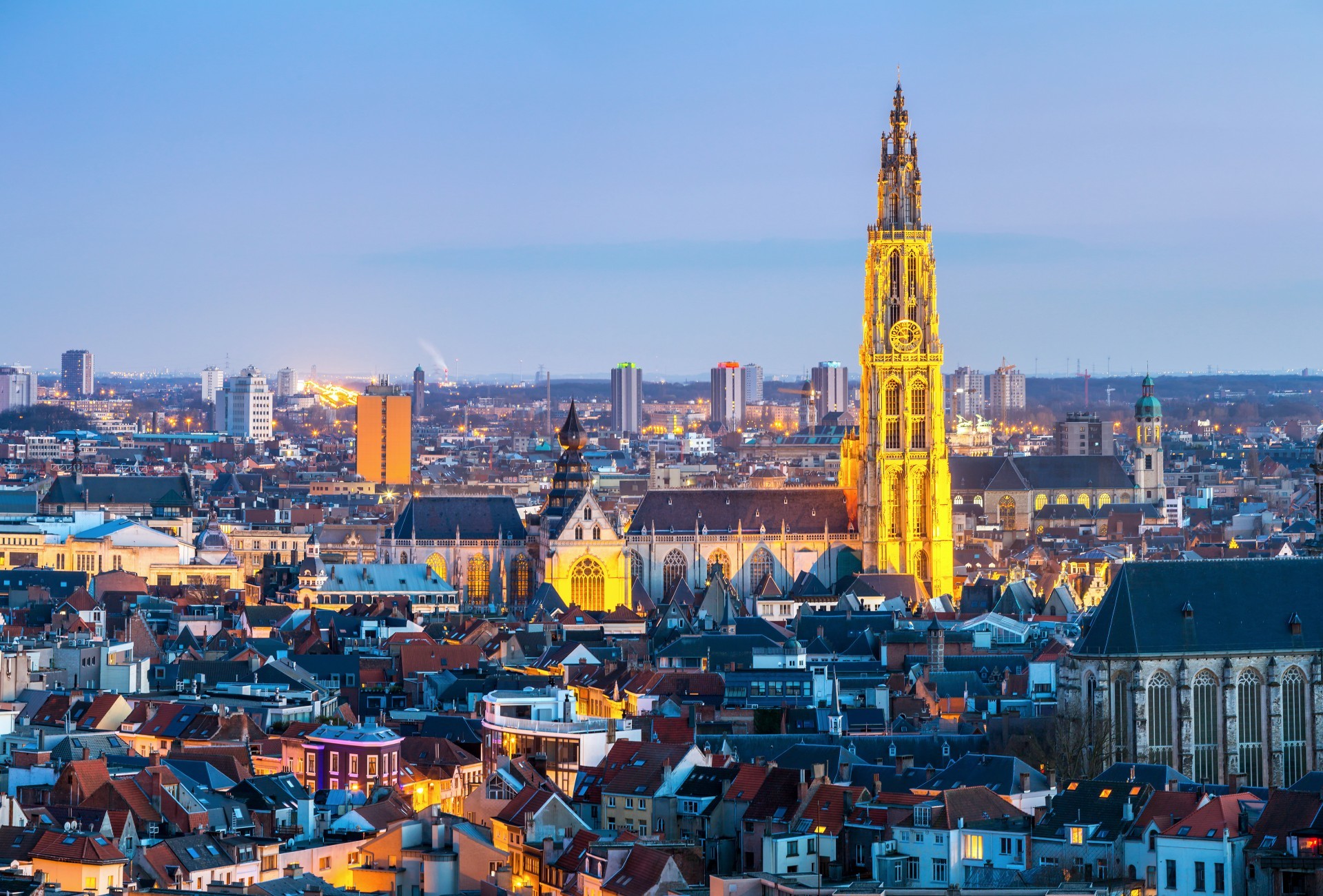


Quando si arriva per la prima volta a Mantova, si ha subito la sensazione di aver fatto un piccola scoperta. Capitare per caso a Mantova, è come aprire uno scrigno senza sapere che cosa contiene, per poi trovare un tesoro. Ma cosa vedere a Mantova?
- Mantua da vedere
- Mantua Turistica
- Visitare Mantua
- Mantua cosa vedere
- 1 Ducal Palace Mantua
- 2 Mantua Cathedral
- Mantua Tourism
- 3 Palazzo Te Mantova
- 4 Palace of Reason
- Mantua places of interest
- 5 Palazzo Podestà
- What to visit in Mantua
- 6 Bibiena Scientific Theatre
- 7 Piazza Sordello Mantova
- Visiting Mantua
- 8 Piazza delle Erbe Mantova
- 9 Church of Sant’Andrea
- 10 Church of San Sebastiano
- Mantua Museums
- 11 Palazzo d’Arco
- 12 National Archaeological Museum
Mantua da vedere
Mantua, la bella tra le acque, è da molti definita a “misura d’uomo” sia per i suoi abitanti non proprio numerosi (poco meno di 50.000) e sia per la ricca offerta di iniziative che si susseguono durante l’anno, ha conosciuto i fasti grazie ai Gonzaga, che la seppero sapientemente far conoscere fuori dalla pianura che accoglie il fiume Po e che ha avuto il suo momento di gloria, sebbene soltanto in forma “letteraria” grazie al suo cantore, Virgilio, nella cui provincia ebbe i suoi natali.
Mantua Turistica
Il poeta citò più volte l’amata Mantua nelle Georgiche, sottolineando come “il Mincio scorre con lenti meandri e riveste di tenere conne le rive”. A Mantua, ogni anno all’inizio di settembre e per circa una settimana, si tiene il Festival della Letteratura che richiama tantissimi appassionati da ogni parte del mondo. La particolare posizione di Mantua la rende città spettacolare, unica.
Visitare Mantua
Mantua sorge su due isolette create da detriti depositati nel tempo dal fiume Mincio, il quale tuttora circonda la città da tre lati. Per via del grande letto del fiume in prossimità della città, il Mincio prende il nome di Lago Superiore, di Mezzo e Inferiore. Un quarto lato di acque che bagnava Mantua, detto Lago del Paiolo, fu interrato alla fine del XVIII secolo.
La nascita della città risale al 2000 A.C. in mezzo agli stagni che qui formava il Mincio. Intorno al sesto secolo A.C. si sviluppò la città etrusca. Mantua deriva dalla divinità infernale etrusca Mantus a cui il fondatore Ocno l’avrebbe dedicata mentre i Romani pensavano fosse Manto, figlia dell’ omerico Tiresia. Fu sul finire del 1200 che Alberto Pitentino sistemò il corso del Mincio dando vita ai quattro laghi che fino alla fine del settecento hanno reso Mantua un’isola impenetrabile. Durante il dominio dei Gonzaga la città vide il suo massimo splendore. Le testimonianze di quei fasti rappresentano tuttora un fiore all’occhiello della città.
Mantua cosa vedere
Le cose da vedere a Mantua sono davvero tante. Se siete tra quelli che si chiedono cosa vedere a Mantova in un giorno, sappiate che la visita a Mantua potrebbe essere davvero contenuta. La città è un vero scrigno. Vediamo, allora, quali sono a Mantua i luoghi di interesse, cosa fare a Mantua, cosa mangiare e dove dormire.
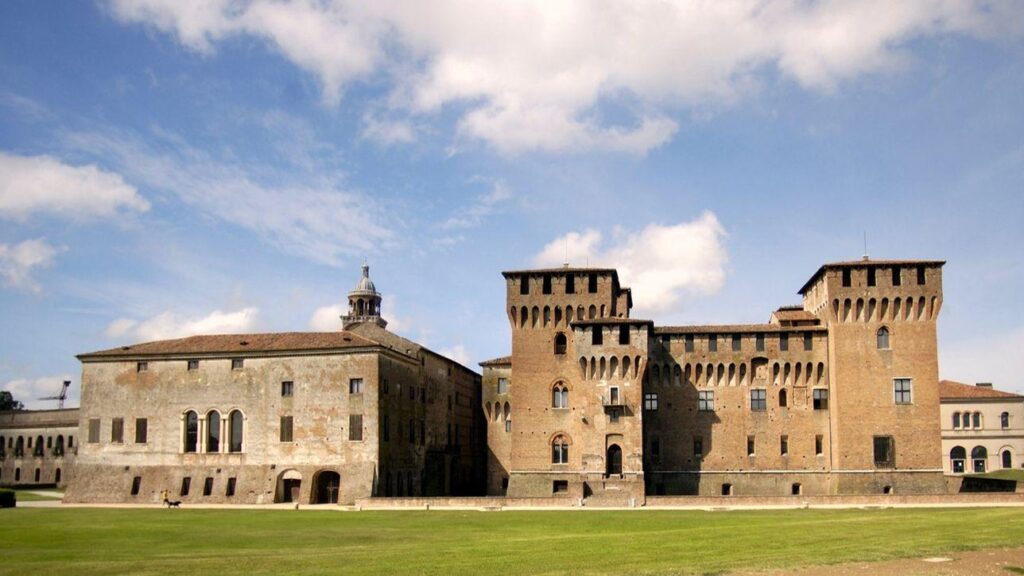
1 Ducal Palace Mantua
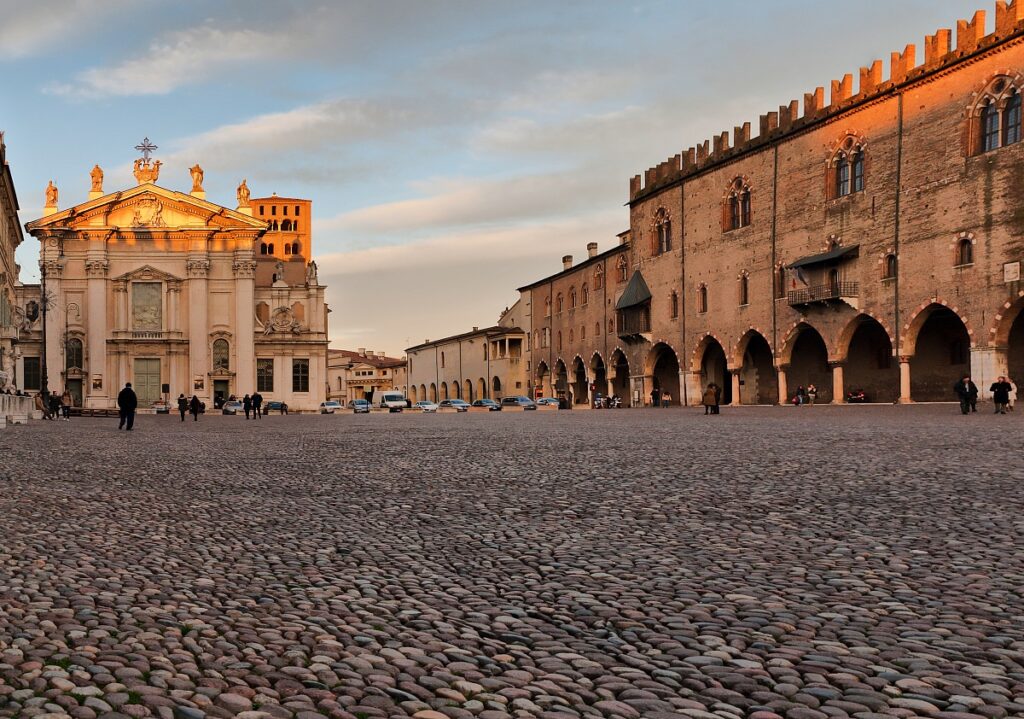
The Ducal Palace of Mantua overlooks one of the most beautiful squares in the city: Piazza Sordello. It is a Renaissance complex that inside features sculptures and works from various eras. Among these is the bust of Francesco Gonzaga, which many attribute to Mantegna. Inside the Ducal Palace there are works by Tintoretto, Giulio Romano, Vincenzo Foppa, Rubens, Morone. Several rooms not to be missed. Among these:
- the Sala delle Sinopie,
- the Sala del Pisanello,
- the Tapestry Apartment,
- the Ducal Apartment,
- the Dwarfs’ Apartment,
- the Metamorphoses Apartment,
- the Manto Hall,
- the Summer Apartment,
- the Months Gallery.
Inside one of the two towers of the Palace is the Camera degli Sposi, also famous because of the frescoes by Mantegna that cover it.
2 Mantua Cathedral
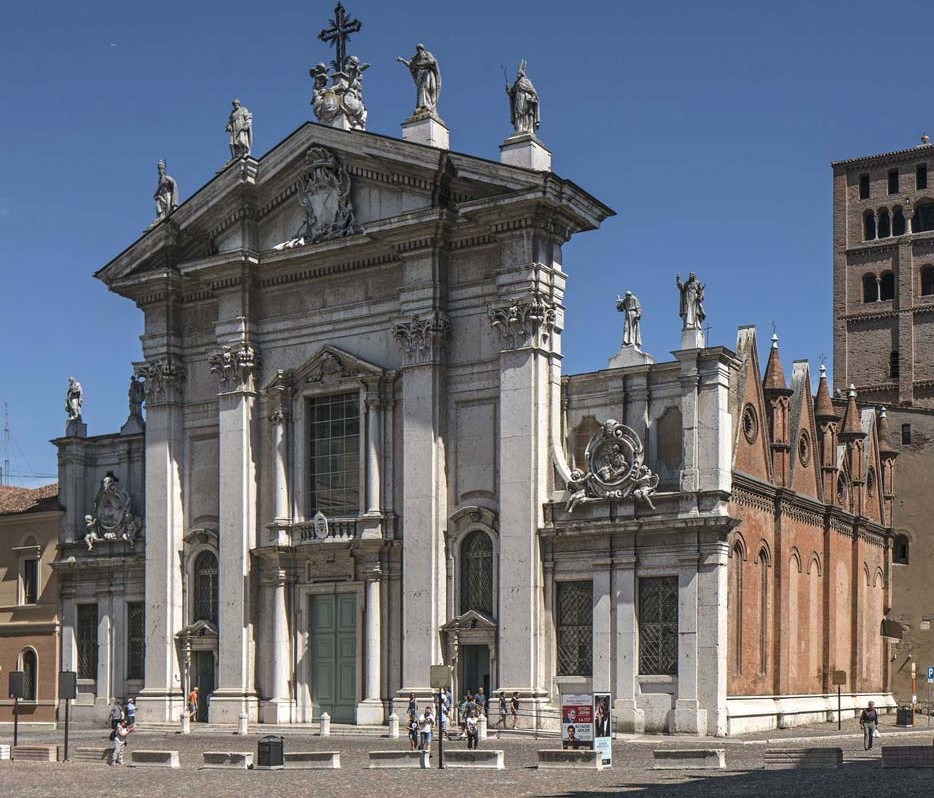
Located in Piazza Sordello, the Mantua Cathedral is of medieval origin although the façade, by Nicolò Baschiera, is in the Roman Baroque style. The bell tower is the only Romanesque style building that survived the renovation of the Cathedral in the sixteenth century. The interior of the Cathedral has five naves, adorned and supported by Corinthian-style columns. The sacristy is enriched with frescoes from the school of Mantegna.
Mantua Tourism
3 Palazzo Te Mantova
Il Palazzo Te is considered one of the greatest examples of sixteenth-century architecture. The name of the palace comes from “teieto” meaning “place of huts.” Palazzo Te features interesting frescoes and several Rooms, all well frescoed.

4 Palace of Reason
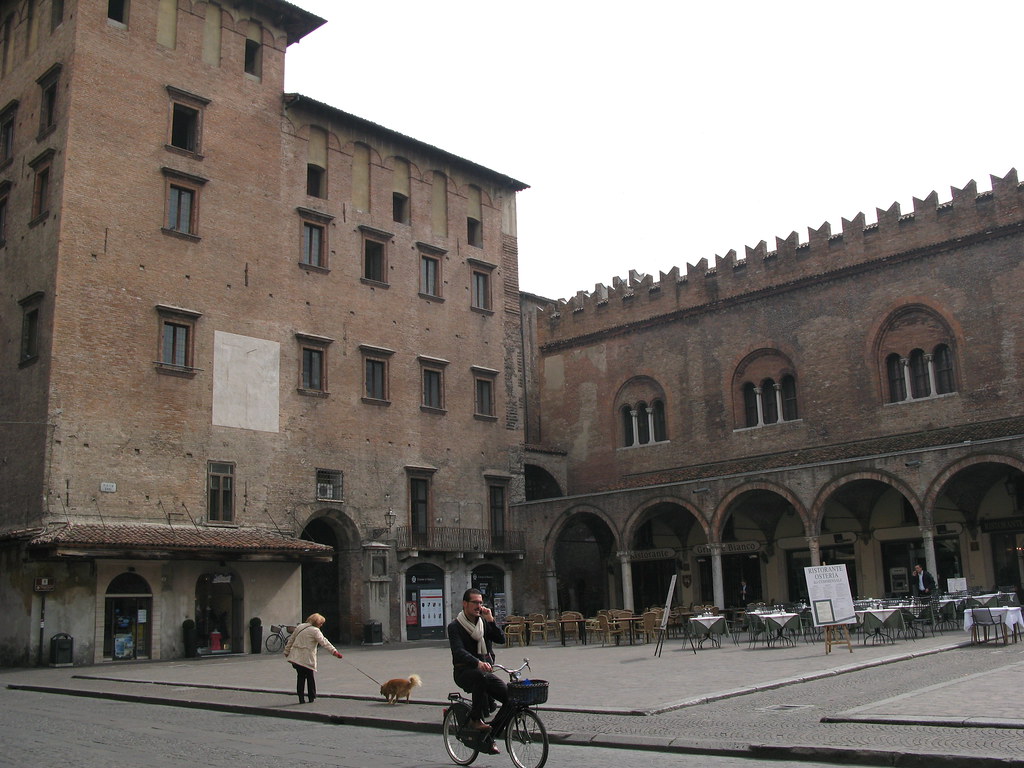
The Palace of Reason in Mantua is a 13th-century building with a 15th-century portico. Next to the Palace of Reason, there is the prominently visible Clock Tower, from the second half of the 15th century, with the astrological clock by Bartolomeo Manfredi.

Mantua places of interest
5 Palazzo Podestà
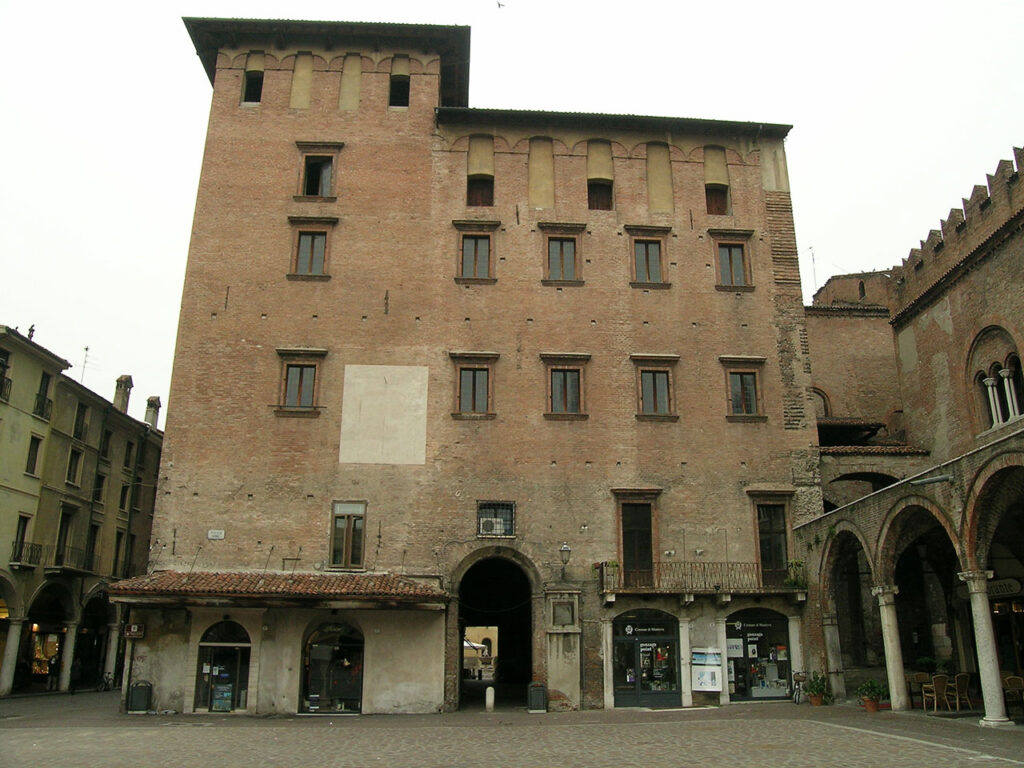
The Palazzo del Podestà of Mantua housed the town hall. Built in the 13th century, it was renovated in the 15th century. It features a corner tower overlooking the Piazza Broletto. The Palazzo del Podestà also has a statue of Virgil, from the 12th century.
What to visit in Mantua
6 Bibiena Scientific Theatre
The Scientific Theatre of Mantua, called Bibiena Scientific Theatre after its designer, is considered one of the examples of Baroque theatrical architecture. It was built between 1771 and 1775 by Antonio Galli Bibiena and is currently operational.

7 Piazza Sordello Mantova
Piazza Sordello is undoubtedly the best known square of Mantua. On Piazza Sordello, in fact, overlook both the Ducal Palace and part of the Cathedral, as well as Palazzo Guerrieri and Palazzo Castiglioni.
Visiting Mantua
8 Piazza delle Erbe Mantova
Piazza delle Erbe di Mantova is another very well-known area of the city. Its origin dates back to the late Middle Ages. Overlooking the square are the Church of Sant’Andrea, the House of the Merchant Boniforte da Concorezzo, the Palace of the Podestà, the Palazzo della Ragione, the Rotunda of San Lorenzo, and the Clock Tower.
9 Church of Sant’Andrea
The Church of Sant’Andrea in Mantua, also known as the Basilica of Sant’Andrea, is an example of Renaissance religious architecture. Its construction began in 1472 but was only completed more than two centuries later, between 1697 and 1699. Designed by Leon Battista Alberti, the Church of Sant’Andrea has seen several additions. Starting with the dome that was added in the eighteenth century, while the bell tower belonged to a Benedictine monastery. Inside is the tomb of Andrea Mantegna and frescoes by Correggio and the school of Mantegna. To the left, in a chapel, is the Strozzi Mausoleum from the first half of the 16th century.

10 Church of San Sebastiano
The Church of San Sebastiano, also called the Temple of San Sebastiano (not to be confused with the Palazzo San Sebastiano), was designed by Leon Battista Alberti in 1460. Its façade underwent a major restoration in 1925. Inside are the remains of three of the eleven Martyrs of Belfiore.
Mantua Museums
11 Palazzo d’Arco
Il Museum of Palazzo d’Arco in Mantua is located in the historic Mantuan residence of the counts of Arco, preserved exactly as it was left in 1973 by Countess Giovanna d’Arco Marchesa Guidi di Bagno, the last heir of the noble family of Trentino origin, who wanted to turn her home into a museum, thus allowing visitors to admire a cultural heritage of extraordinary richness. The Palazzo d’Arco is a significant example of neoclassical architecture (1782-1792). The original furnishings of Palazzo d’Arco include furniture, chandeliers, ceramics, weapons, and musical instruments. The Palazzo d’Arco has a prestigious art gallery, with paintings by Niccolò da Verona, Luini, Magnasco, Pourbus, Van Dyck and a grand cycle by Giuseppe Bazzani. The Palazzo d’Arco has a rich library of ancient volumes. The kitchen of the Palazzo d’Arco contains an interesting series of copper molds. Finally, the Zodiac Hall, entirely frescoed by Giovanni Maria Falconetto. Not to be missed are the exedra and the charming garden.

12 National Archaeological Museum
Other places of interest in Mantua are the national archaeological museum which, from the mid-1500s to the late 1800s, housed the seat of the Gonzaga Court Theatre and then of the Habsburg Empire and the Art and Arts Gallery of the Chamber of Commerce.