

When you arrive in Mantua for the first time, you immediately get the feeling of having made a small discovery. Ending up in Mantua by chance is like opening a treasure chest without knowing what it contains, only to find a treasure. But what to see in Mantua?
- Things to see in Mantua
- Tourist Mantua
- Visiting Mantua
- What to see in Mantua
- 1 Palazzo Ducale Mantua
- 2 Mantua Cathedral
- Mantua Tourism
- 3 Palazzo Te Mantua
- 4 Palazzo della Ragione
- Places of interest in Mantova
- 5 Palazzo Podestà
- What to see in Mantua
- 6 Scientific Theatre of Bibiena
- 7 Sordello Square Mantua
- Visiting Mantua
- 8 Piazza delle Erbe Mantova
- 9 Church of Sant’Andrea
- 10 Church of San Sebastiano
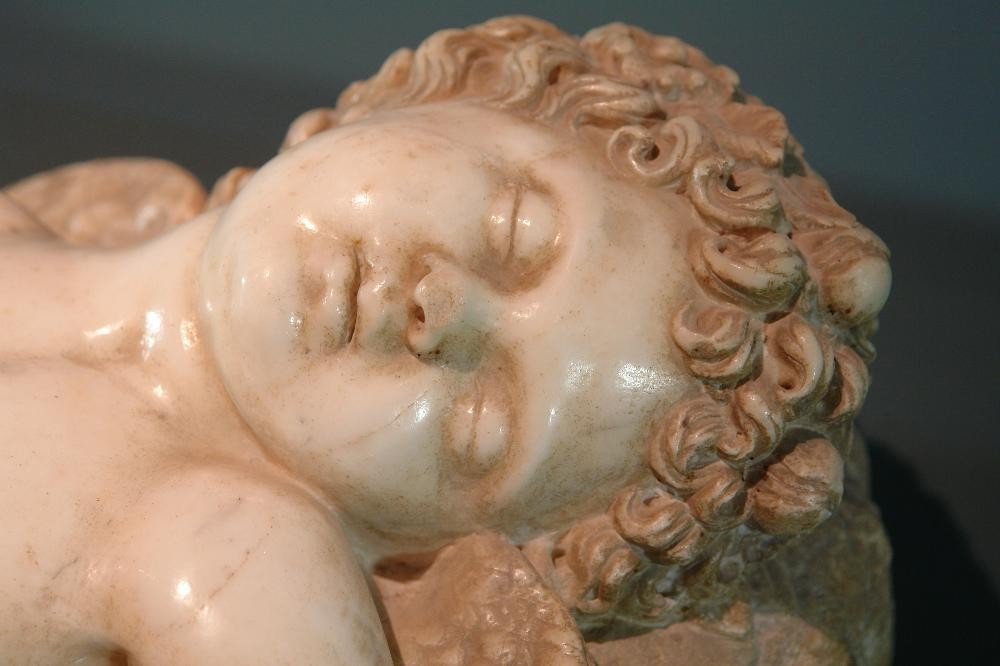
- Mantua Museums
- 11 Palazzo d’Arco
- 12 National Archaeological Museum
Things to see in Mantua
Mantua, the beauty among the waters, is often described as “human-sized,” both because of its not very large population (just under 50,000) and because of the rich program of events that take place throughout the year. It experienced its heyday thanks to the Gonzaga, who expertly made it known beyond the plain that hosts the Po River and who had its moment of glory, although only in a “literary” form, thanks to its bard, Virgil, who was born in its province.
Tourist Mantua
The poet mentioned beloved Mantua several times in the Georgics, emphasizing how “the Mincio flows with slow meanders and clothes the banks with tender willows.” At Mantua, every year at the beginning of September and for about a week, the Literature Festival takes place, drawing many enthusiasts from all over the world. The particular location of Mantua makes it a spectacular, unique city.
Visiting Mantua
Mantua rises on two small islands created by debris deposited over time by the Mincio River, which still surrounds the city on three sides. Because of the large riverbed near the city, the Mincio takes the names of Upper Lake, Middle, and Lower. A fourth water side that bathed Mantua, called Paiolo Lake, was filled in at the end of the 18th century.
The city’s origins date back to 2000 B.C. amid the ponds formed by the Mincio. Around the sixth century B.C., the Etruscan city developed. Mantua derives from the Etruscan underworld deity Mantus, to whom the founder Ocno is said to have dedicated it, while the Romans believed it was Manto, daughter of the Homeric Tiresias. At the end of the 1200s, Alberto Pitentino regulated the course of the Mincio, creating the four lakes which until the late 1700s made Mantua an impenetrable island. During the rule of the Gonzaga, the city reached its peak splendor. The evidence of those glories still represents a crown jewel of the city.
What to see in Mantua
There are really many things to see in Mantua. If you are among those who wonder what to see in Mantua in one day, know that a visit to Mantua can be quite contained. The city is a true treasure chest. So, let’s see what the places of interest in Mantua are, what to do in Mantua, what to eat, and where to stay.
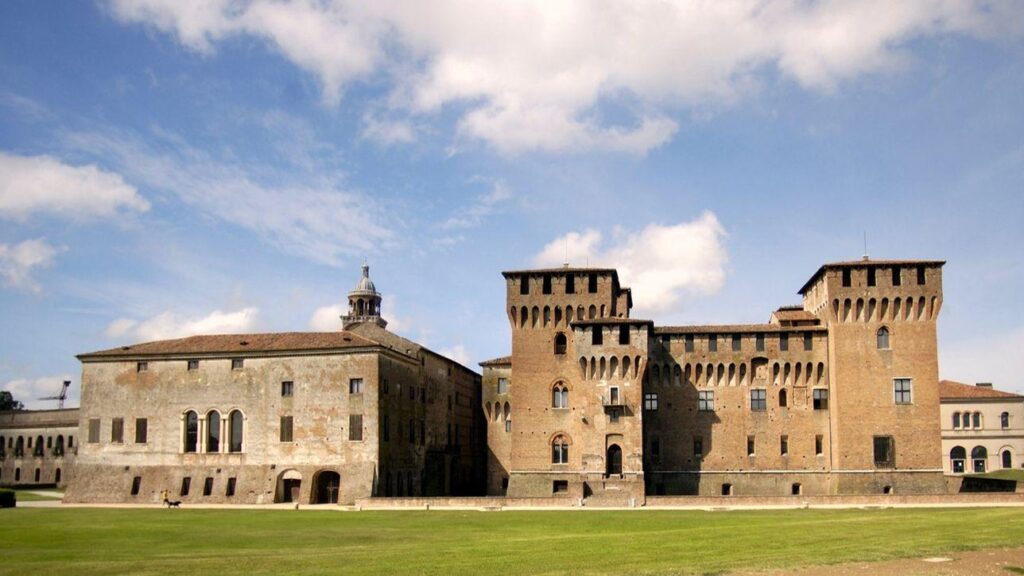
1 Palazzo Ducale Mantua
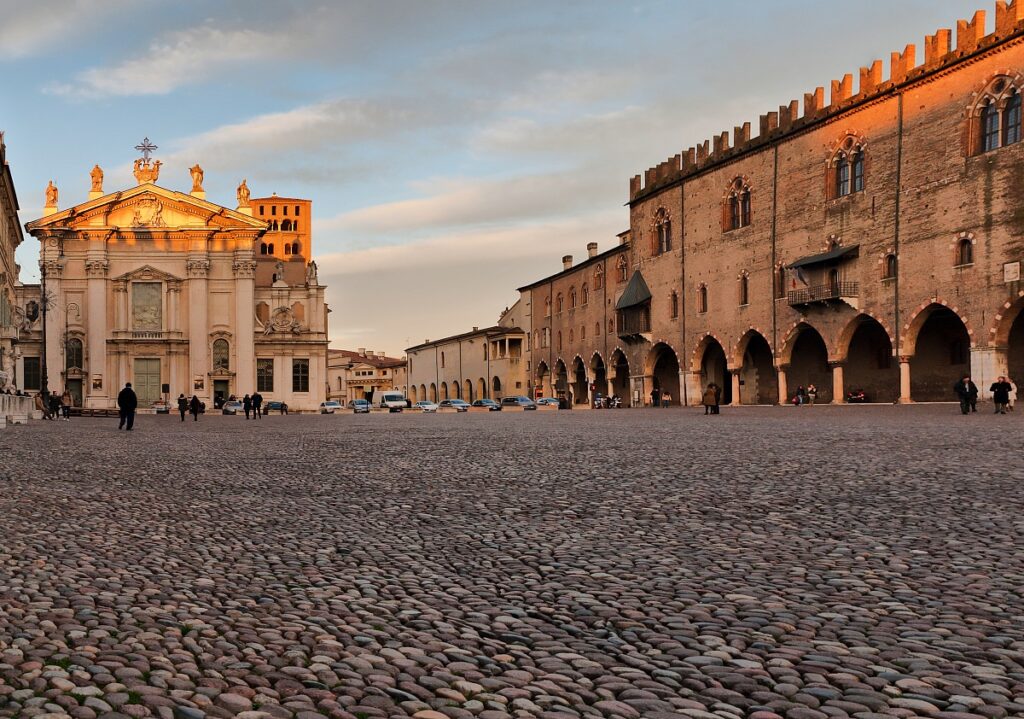
The Palazzo Ducale of Mantua overlooks one of the most beautiful squares in the city: Piazza Sordello. It is a Renaissance complex that inside features sculptures and works from various periods. Among these is the bust of Francesco Gonzaga, which many attribute to Mantegna. Inside the Palazzo Ducale there are works by Tintoretto, Giulio Romano, Vincenzo Foppa, Rubens, Morone. Several rooms are not to be missed. Among these:
- the Sala delle Sinopie,
- the Sala del Pisanello,
- the Tapestry Apartment,
- the Ducal Apartment,
- the Dwarf Apartment,
- the Metamorphoses Apartment,
- the Salone del Manto,
- the Summer Apartment,
- the Gallery of the Months.
Inside one of the two towers of the Palace is the Camera degli Sposi, also famous for the Mantegna frescoes that cover it.
2 Mantua Cathedral
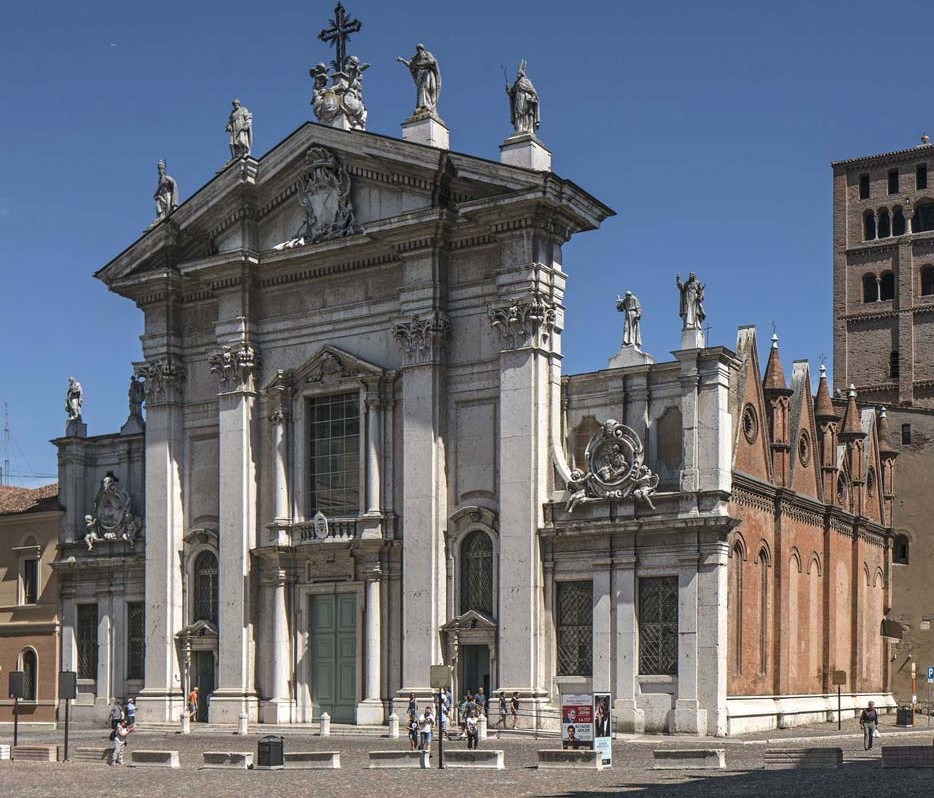
Located in Piazza Sordello, the Mantua Cathedral is of medieval origin although the facade, by Nicolò Baschiera, is in the Roman Baroque style. The bell tower is the only Romanesque style construction that survived the reconstruction of the Cathedral in the sixteenth century. The interior of the Cathedral has five naves, adorned and supported by Corinthian style columns. The sacristy is enriched with frescoes from Mantegna’s school.
Mantua Tourism
3 Palazzo Te Mantua
The Palazzo Te is considered one of the greatest examples of sixteenth-century architecture. The name of the palace comes from “teieto” meaning “place of huts.” Palazzo Te features interesting frescoes and several Rooms, all well decorated.

4 Palazzo della Ragione
The Palazzo della Ragione in Mantova is a 13th-century building with a 15th-century portico. Next to the Palazzo della Ragione, prominently visible, is the Torre dell’Orologio, from the second half of the 15th century, with the astrological clock by Bartolomeo Manfredi.

Places of interest in Mantova
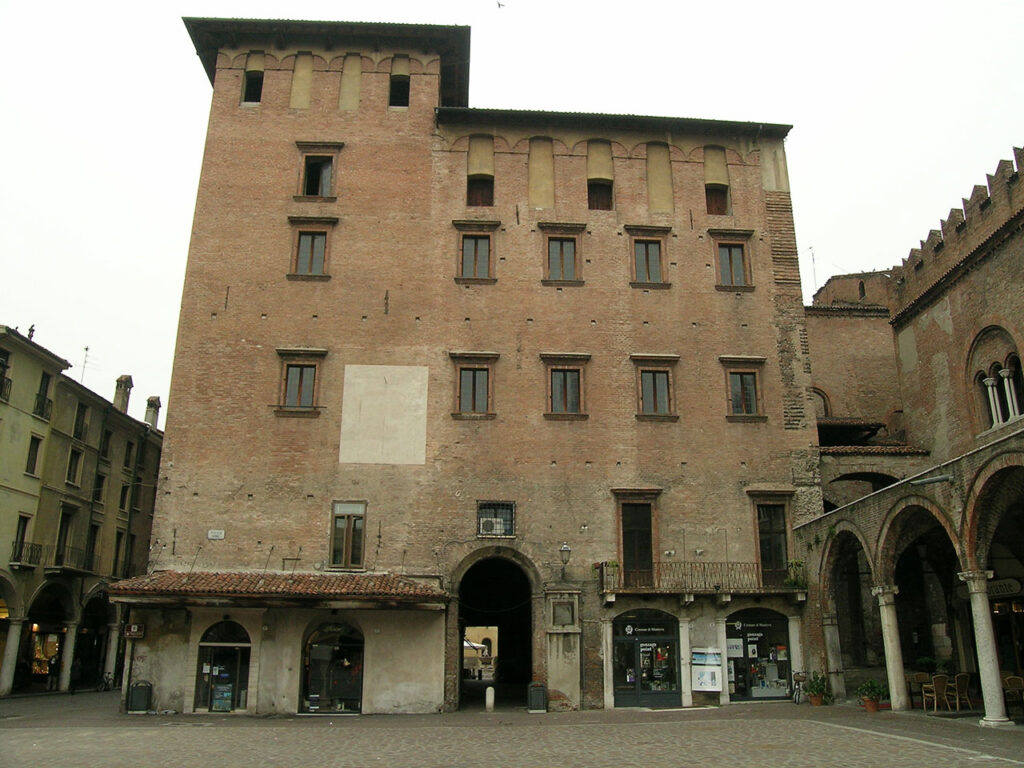
5 Palazzo Podestà
The Palazzo del Podestà of Mantua housed the town hall. Built in the 13th century, it was renovated in the 15th century. It features a corner tower overlooking the Piazza Broletto. The Palazzo del Podestà also has a statue of Virgil, from the 12th century.
What to see in Mantua
6 Scientific Theatre of Bibiena
The Scientific Theatre of Mantua, called Scientific Theatre of Bibiena after its designer, is considered one of the examples of Baroque theatrical architecture. It was built between 1771 and 1775 by Antonio Galli Bibiena and is currently operational.

7 Sordello Square Mantua
Sordello Square is undoubtedly the most famous square in Mantua. On Sordello Square, in fact, you can see both the Ducal Palace and part of the Cathedral, as well as the Guerrieri Palace and the Castiglioni Palace.
Visiting Mantua
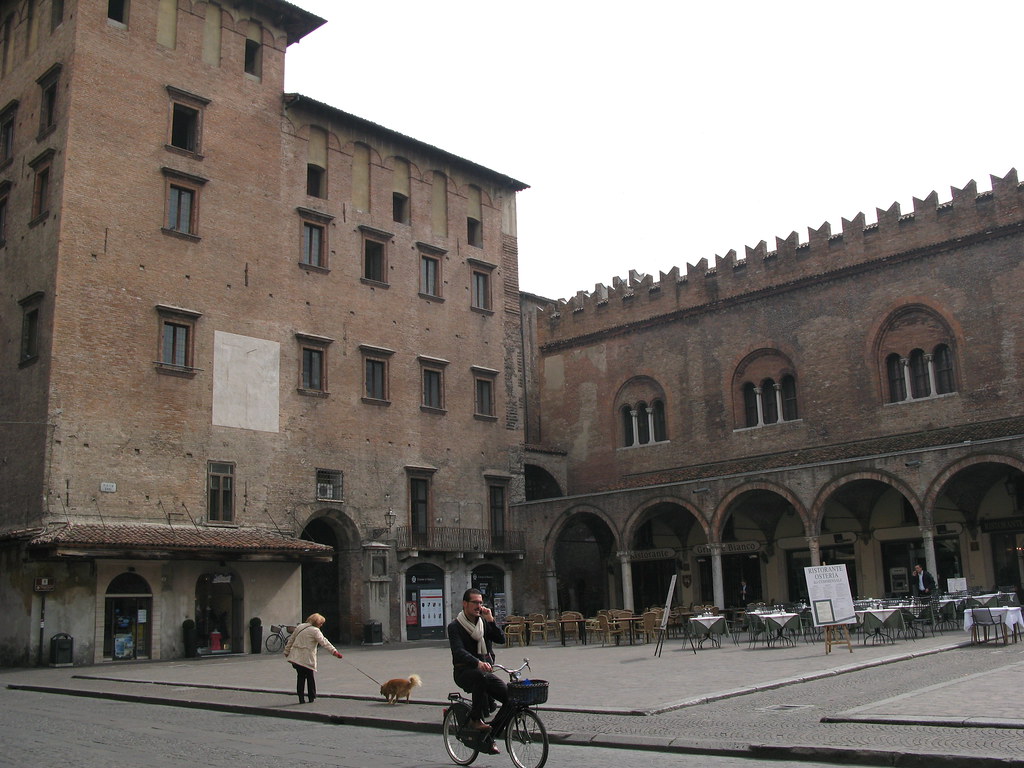
8 Piazza delle Erbe Mantova
Piazza delle Erbe di Mantova is another well-known area of the city. Its origin dates back to the late Middle Ages. The square is overlooked by the Church of Sant’Andrea, the House of the Merchant Boniforte da Concorezzo, the Palazzo del Podestà, the Palazzo della Ragione, the Rotonda di San Lorenzo, and the Clock Tower.
9 Church of Sant’Andrea
The Church of Sant’Andrea in Mantua, also known as the Basilica of Sant’Andrea, is an example of Renaissance religious architecture. Its construction began in 1472 but was only completed over two centuries later, between 1697 and 1699. Designed by Leon Battista Alberti, the Church of Sant’Andrea has seen several additions. Starting with the dome that was added in the eighteenth century, while the bell tower belonged to a Benedictine monastery. Inside is the tomb of Andrea Mantegna and frescoes by Correggio and the school of Mantegna. On the left, in a chapel, is the Strozzi Mausoleum from the first half of the 16th century.

10 Church of San Sebastiano
The Church of San Sebastiano, also called the Temple of San Sebastiano (not to be confused with the Palazzo San Sebastiano), was designed by Leon Battista Alberti in 1460. It underwent major restoration on its façade in 1925. Inside are the remains of three of the eleven Martyrs of Belfiore.
Mantua Museums
11 Palazzo d’Arco
Il Museum of Palazzo d’Arco in Mantua is located in the historic Mantuan residence of the counts of Arco, preserved exactly as it was left in 1973 by Countess Giovanna d’Arco Marchesa Guidi di Bagno, the last heir of the noble family of Trentino origin, who wanted to dedicate her home to a museum, thus allowing visitors to admire a cultural heritage of extraordinary richness. The Palazzo d’Arco is a significant example of neoclassical architecture (1782-1792). The original furnishings of the Palazzo d’Arco include furniture, chandeliers, ceramics, weapons, musical instruments. The Palazzo d’Arco houses a prestigious art gallery, with paintings by Niccolò da Verona, Luini, Magnasco, Pourbus, Van Dyck, and a grand cycle by Giuseppe Bazzani. The Palazzo d’Arco has a rich library of ancient volumes. The kitchen of the Palazzo d’Arco contains a curious collection of copper molds. Finally, the Hall of the Zodiac, entirely frescoed by Giovanni Maria Falconetto. Not to be missed are the exedra and the charming garden.

12 National Archaeological Museum
Other places of interest in Mantua are the National Archaeological Museum, which from the mid-1500s to the late 1800s housed the Gonzaga Court Theatre and then the Habsburg Empire, and the Art and Arts Gallery of the Chamber of Commerce.