

Spain is a fascinating and diverse travel destination, offering a wide range of unique experiences for visitors. From beautiful beaches, delicious cuisine, imposing cathedrals, to a rich cultural heritage, this Mediterranean country has a lot to offer. However, before embarking on a trip to Spain, it is important to have some practical information and tips to make the most of your stay.
- 1. Finding the best restaurants
- 2. Applying the bravas rule
- 3. Getting free water
- 4. Understanding Spain’s linguistic diversity
- 5. Exploring geographical diversity
- 6. Exploring off-the-beaten-path destinations
- 7. Dress according to the season
- 8. Prepare for late meal times
- 9. Beware of pickpockets
- 10. Use Public Transportation
- 11. Participate in Spain’s Festivals
- 12. Learn How to Get a Waiter’s Attention
- 13. Understand the Siesta
- 14. Try the Tinto de Verano
- 15. Explore UNESCO World Heritage Sites
- 16. Book entry tickets in advance
- 17. Take advantage of free hours
- 18. The best time to visit Spain is not Summer
- 19. Enjoy the passing time
- 20. The real paella is found in Valencia
- In short
This article explores 20 valuable tips for travelers, ranging from restaurant selection to navigating the public transport system, and understanding Spain’s linguistic and cultural diversity. Get ready to discover the secrets and nuances of this captivating destination.
One of the first steps to fully enjoy Spanish cuisine is learning to recognize quality restaurants. The best places are rarely found in the most touristy areas, such as central squares. These can be great spots to soak up the atmosphere and people-watch, but to find tapas that are affordable and of good quality, it’s better to follow the locals. Some signs to look out for include: a menu entirely in Spanish, no advertising signs outside, and being away from main tourist attractions. These are usually indicators of an authentic and delicious culinary experience.

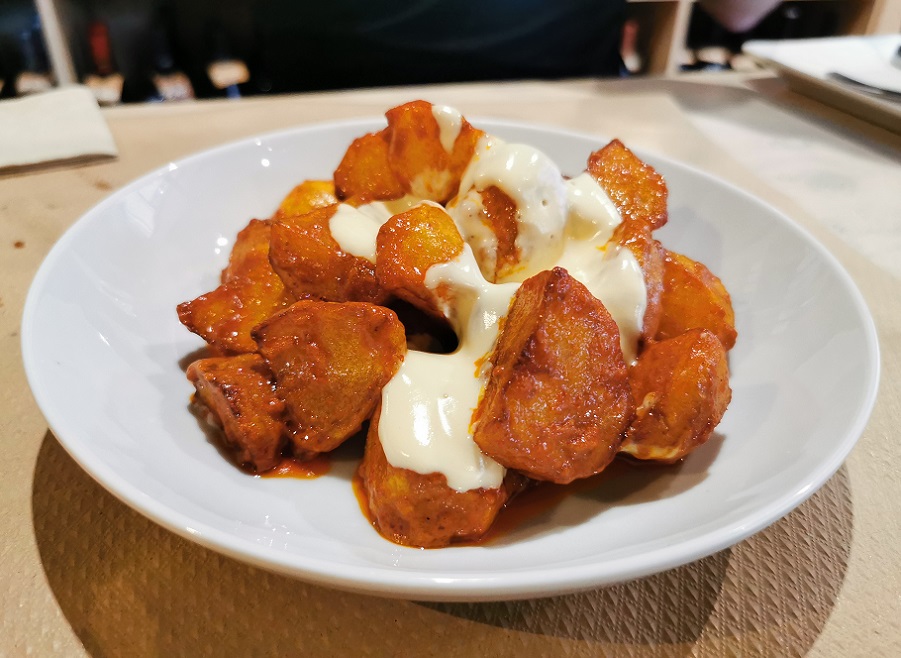
The patatas bravas are one of the most popular tapas in Spain: crispy fried potatoes topped with a slightly spicy tomato-based sauce. According to the “bravas rule,” the best way to test the quality of a restaurant is to order the patatas bravas. If they are good, it means the rest of the menu will also be up to standard.
Contrary to what you might think, water in Spanish restaurants can be free! To get a glass of water without extra cost, simply ask for “un vaso de agua” instead of a bottle or a pitcher, which would incur a charge.
Although Spanish is the most widely spoken language, other languages such as Catalan, Basque, Valencian, Galician, and Aranese are also spoken in Spain. When learning some basic phrases before travel, like “excuse me,” “how much does it cost?” and “where is the bathroom?”, it is important to check which language is predominant in the region you intend to visit.
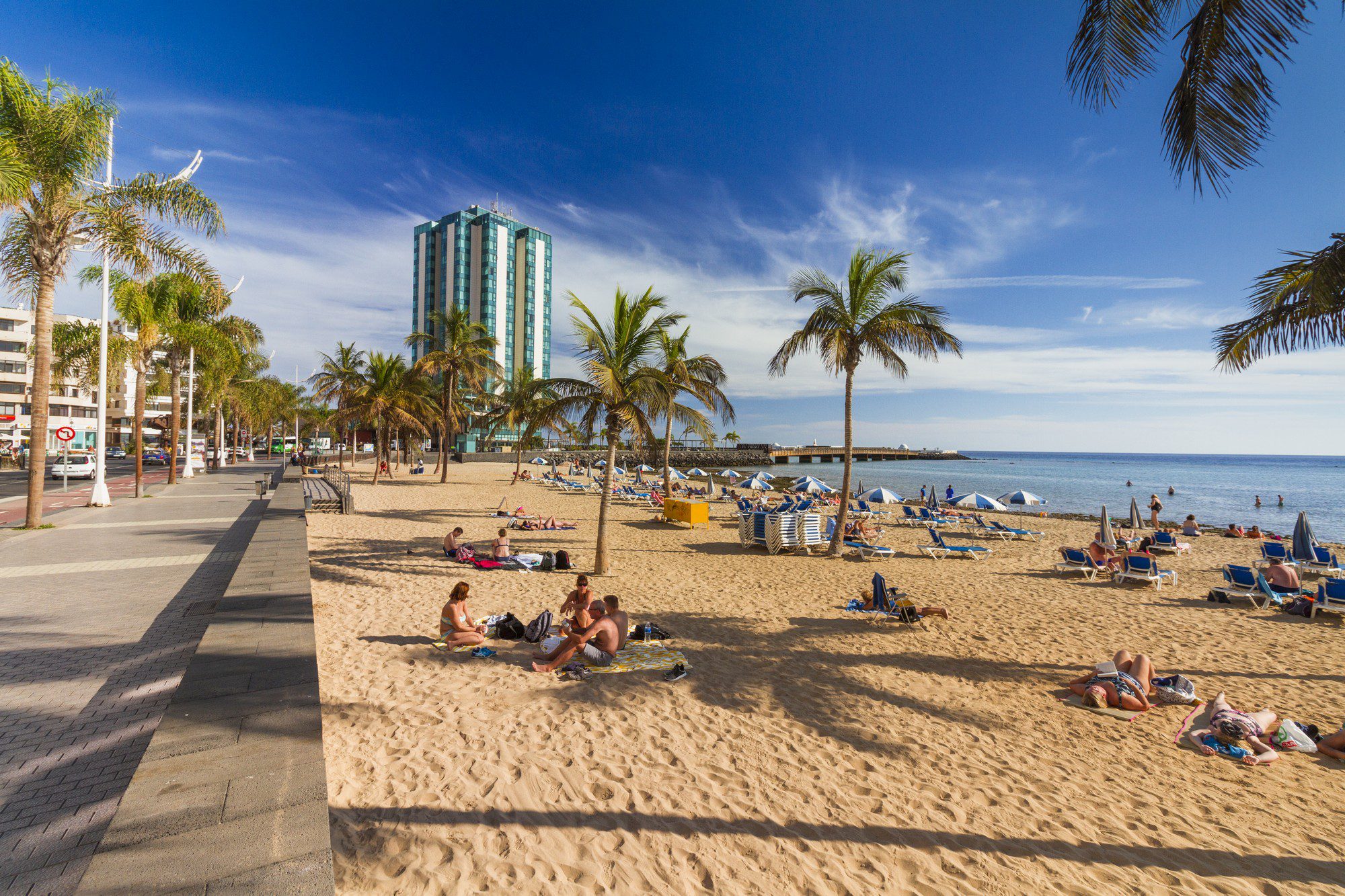
Spain boasts incredible geographical diversity, with very different climates and ecosystems. This means that various regions can offer very different travel experiences. For example, Bilbao has a very different atmosphere from Cadiz, which in turn stands apart from Barcelona and the Canary Islands. This variety allows visitors to find the perfect destination based on their interests and preferences, whether it’s a relaxing beach holiday, a weekend of art and culture, or a cozy and mild atmosphere.
Although Spain’s major cities are popular for a reason, there is much more to discover beyond the main tourist destinations. Spain’s small towns are among the country’s most charming places. Why not venture to an unknown destination? For example, while visiting Madrid, you can explore Salamanca, Chinchón o Toledo; during a stay in Seville in Andalusia you can stop by the picturesque Sierra de Aracena; and for those going to Barcelona, there are other lovely towns like Girona, Tarragona, Sitges o Cadaqués to discover.
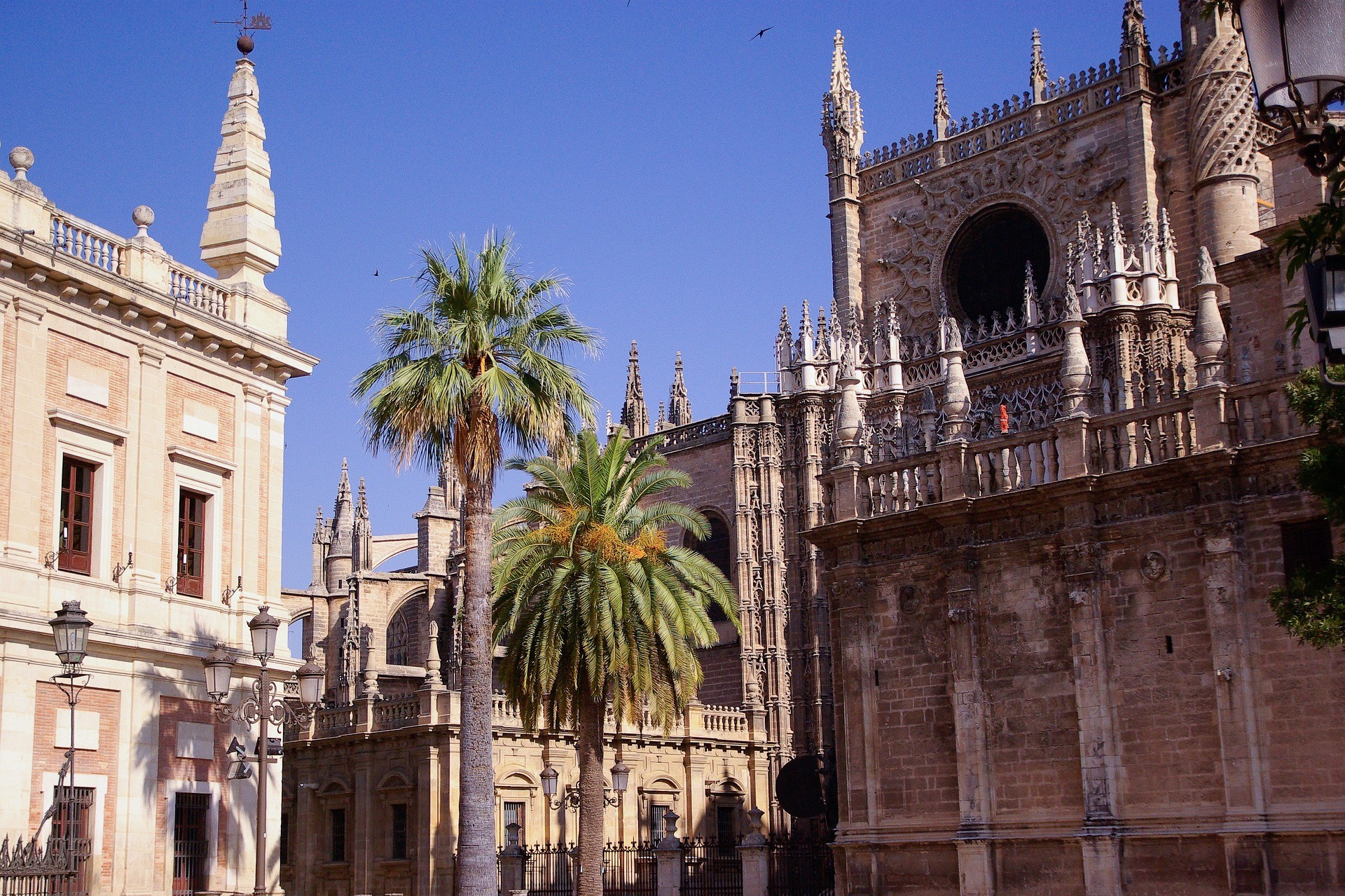
One aspect to keep in mind when choosing what to wear in Spain is that locals tend to dress according to the season rather than the current weather conditions. For example, even if October temperatures in Madrid can exceed 26°C, it’s common to see residents switch from t-shirts to jackets. One of the quickest ways to be identified as a tourist is to wear summer clothes after September. That said, it’s important to wear what makes you feel comfortable.
Meal times in Spain are very different from what you’re used to in other countries. Dinner, for example, is often not served before 10:00 PM. This usually follows a light breakfast at 8:00 AM and a hearty lunch around 2:00 PM. Additionally, many restaurants close between 4:00 PM and 8:00 PM, so if you’re not accustomed to this pace, it can be helpful to have some snacks to stave off hunger until dinner.

Crime rates in Spain are incredibly low, especially compared to the United States. Visitors, however, still need to be cautious of pickpockets, especially in Madrid and Barcelona, though experiencing violent crime in Spain is rare. In fact, in the capital, I was pickpocketed and had my camera stolen while it was in my bag as I was distracted watching a street performance.
Don’t waste money on taxis or rental cars! Public transportation systems in Spain are fantastic, especially in large cities like Madrid, Barcelona, Seville e Bilbao. The major centers have extensive, reliable, affordable, and easy-to-use metro networks. Even in smaller towns, there are almost always buses or trains to reach any destination.
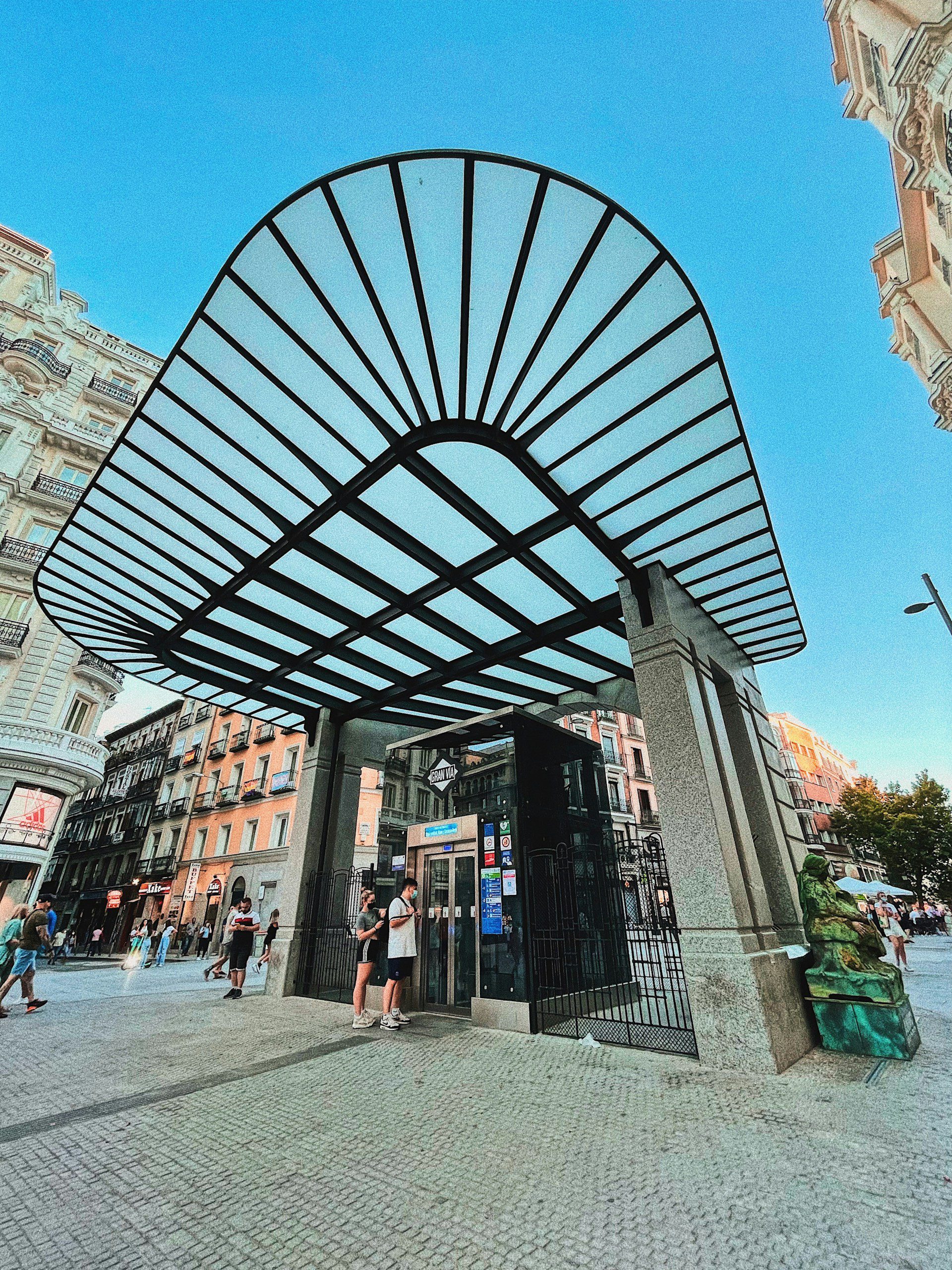
Spain hosts as many as 874 festivals each year, nearly 2.5 per day! Besides the famous Pamplona Sanfermines, with its running of the bulls, there are hundreds of other festivals worth experiencing at least once in a lifetime. Some notable events include La Tomatina, a huge tomato fight, and Las Fallas, where large papier-mâché statues are erected throughout the city and then set ablaze. And then there are the Holy Week rituals, as folkloric as they are moving.

Meals in Spain are meant to be enjoyed slowly in the company of friends or family, and it’s not uncommon for dinners to last over two hours. For this reason, when you want to order or ask for the bill, you need to attract the waiter’s attention. Unlike in other countries, waiters usually do not bring the bill until it is expressly requested, so just waiting for them to come by spontaneously is not enough.
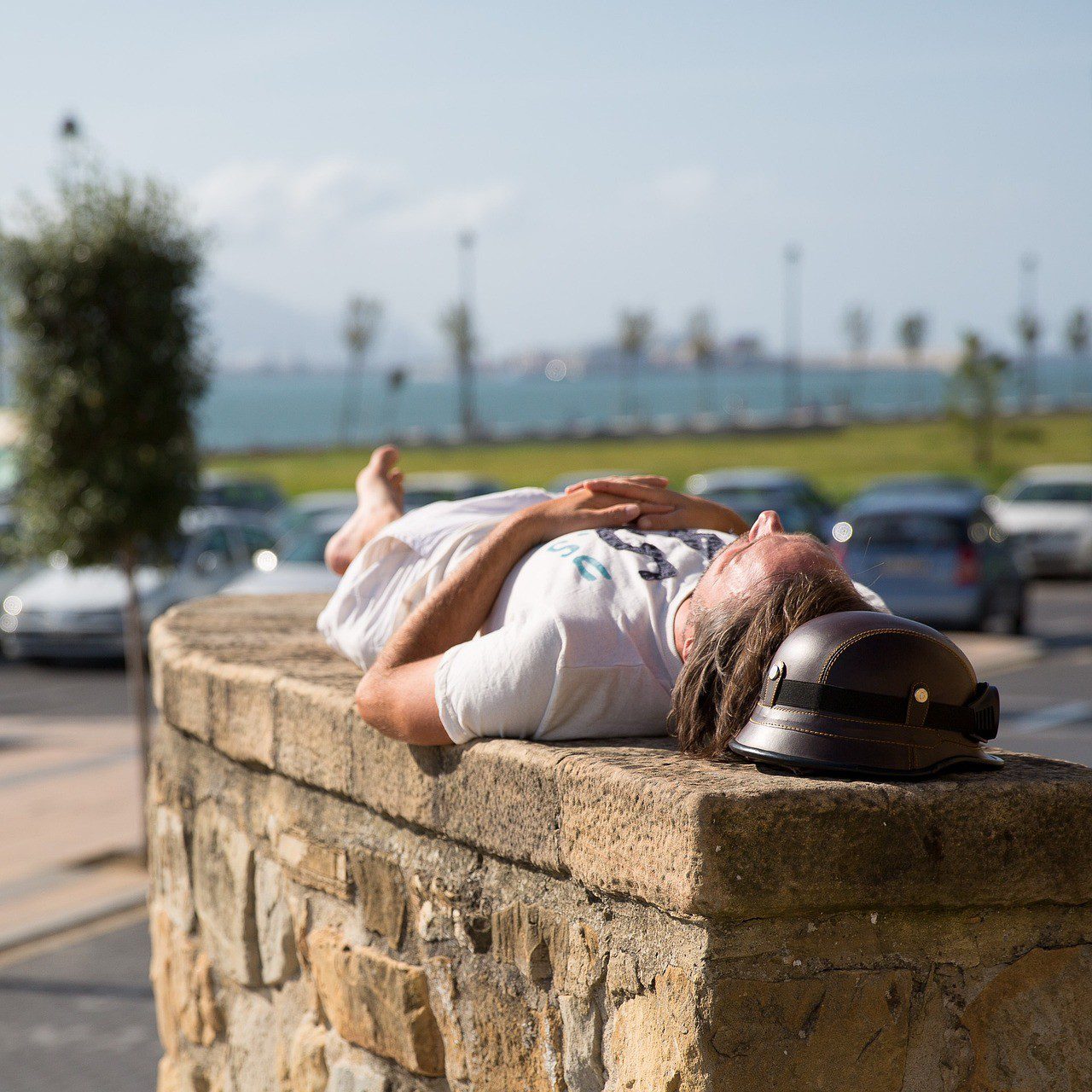
The idea of a national nap is only partially true. Although most people don’t actually take a nap, shops tend to close between 2:00 PM and 5:00 PM, especially in smaller centers, coinciding with lunchtime. This also means that shops remain open later than in other countries, usually from 9:00 AM to 2:00 PM and then from 5:00 PM to 8:00 PM.
Although Spain is famous for its sangria, there is an underrated cocktail worth trying: the Tinto de Verano. Literally “summer red wine,” Tinto de Verano is a simple mix of red wine and lemon soda, refreshing and usually very affordable, costing less than 2 euros.

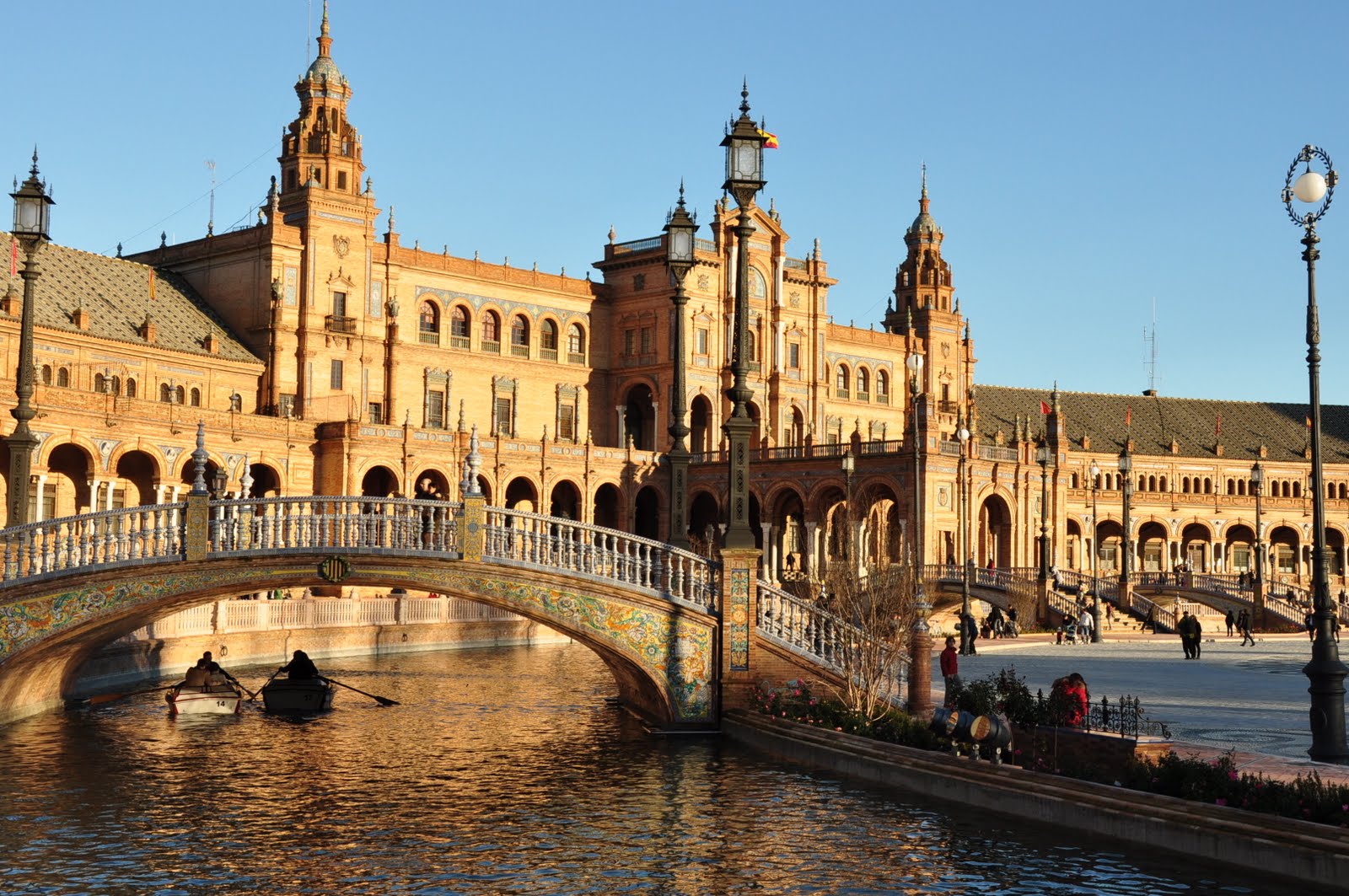
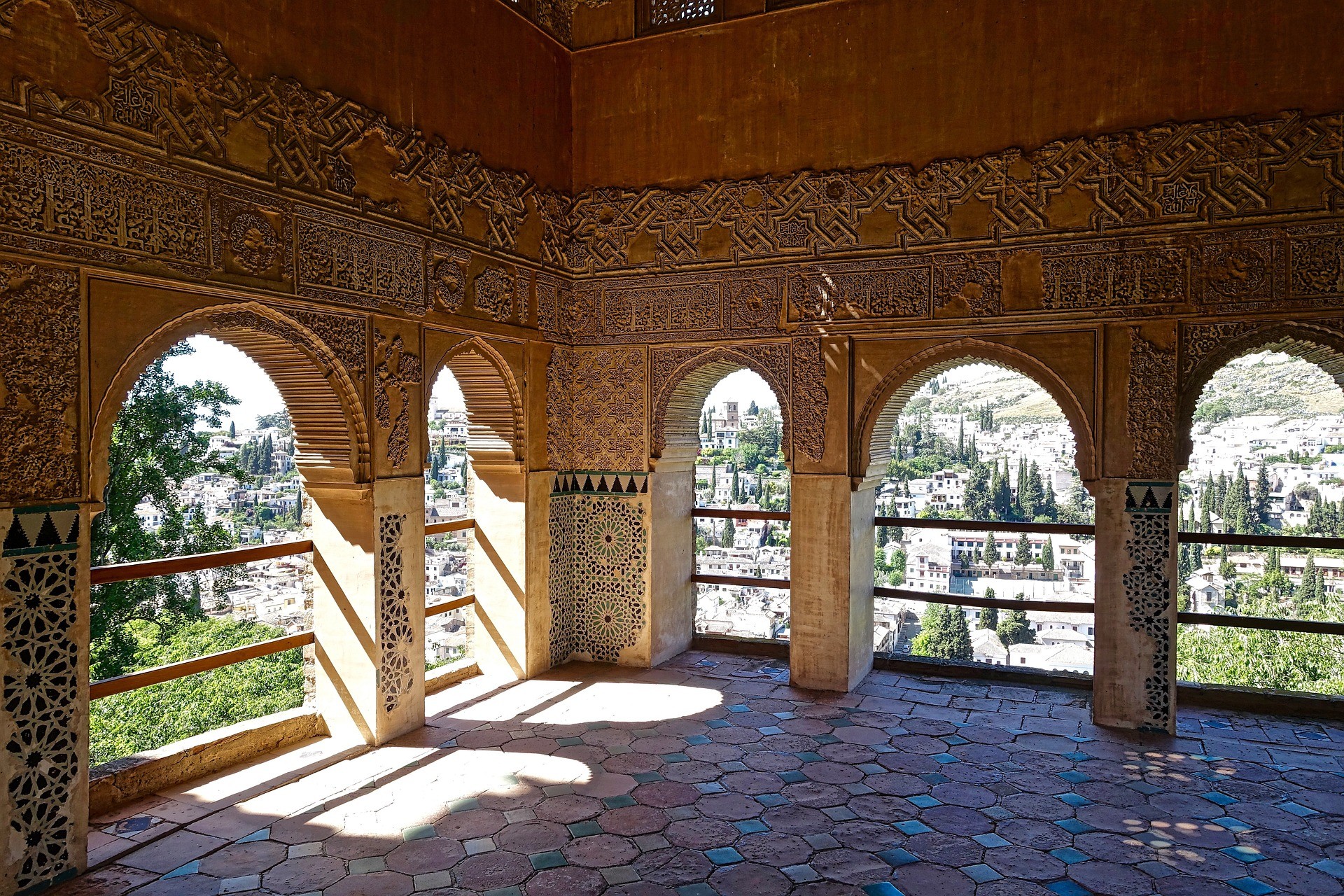
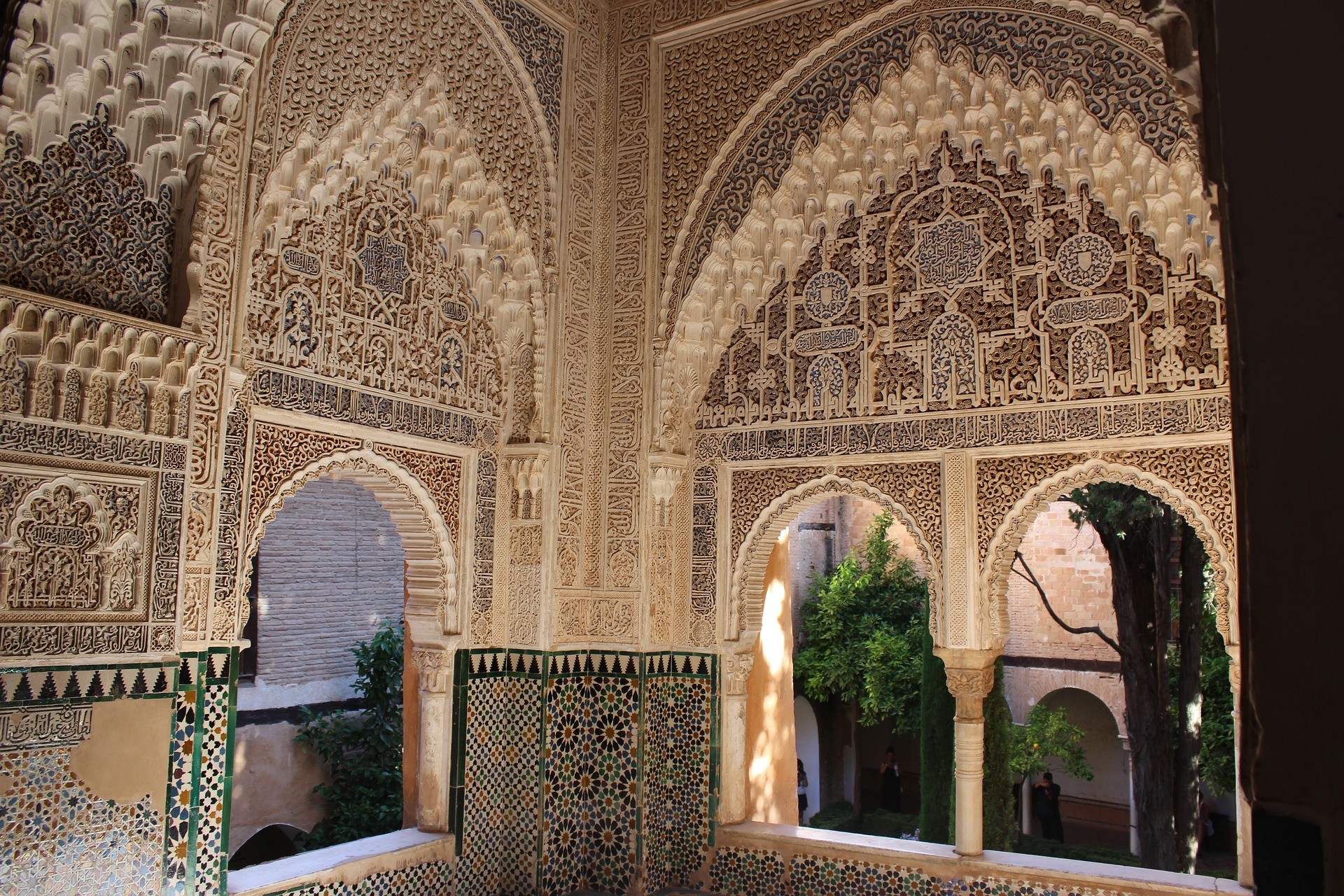
Wherever you go in Spain, you are never far from a UNESCO World Heritage site. These places have been designated by the UN as “of outstanding universal value to humanity” and include jewels such as the Alhambra of Granada, the Segovia Aqueduct and the Sagrada Familia. Spain is even fourth in the world by number of UNESCO World Heritage sites, alongside France, after Italy, China, and Germany. Every site of this kind definitely deserves a place on your itinerary when traveling in Spain.
While most things in Spain are better done calmly and without rush, one exception concerns the purchase of tickets for major tourist attractions. It is advisable to buy tickets for the most famous sites at least one month before the trip, especially in summer, when they can sell out quickly. When purchasing a ticket, a specific entry time is often assigned, so it is important to arrive early to avoid being denied entry.

Before buying tickets, check if the attraction offers free time slots. Many museums and places of interest, such as the Prado in Madrid or the Royal Palace, have certain days or times during the week when entry is free, although often with restrictions, such as access only for EU citizens. Both the Museo del Prado and the Royal Palace are absolutely worth a visit. Pay attention to the details to make the most of these opportunities.

Although summer is the busiest tourist season, it is not the ideal time to visit Spain, especially in the south, where temperatures can easily exceed 37°C. Besides the scorching heat, many activities and businesses tend to close temporarily as locals flee to the coast. For a better experience, with fewer crowds and more pleasant weather conditions, it is preferable to visit Spain during the shoulder seasons, from September to November and from March to May.
It is tempting to fill the agenda with a myriad of things to do during a short trip to Spain, but this approach is not realistic. Even if you managed to see everything you planned, you would still be exhausted from rushing from one place to another all day. In Spain, the culture favors enjoying the time. One of the best tips for “living like a local” is therefore to take your time, allowing yourself long lunch breaks and leisurely walks through historic neighborhoods, rather than chasing a tight schedule of museums and attractions.
Great paellas can be found throughout Spain, but any local will tell you that the “real paella” is found in Valencia. There are countless variations of this classic dish, including vegetarian and seafood versions, but the Valencian paella is considered the authentic original recipe, made with rabbit, chicken, and a few strands of saffron.

In short
This guide has explored 20 valuable tips and essential information for those about to visit Spain. From strategies to find the best restaurants to tips on festivals and the cultural diversity of the country, these suggestions will provide travelers with the necessary tools to have an unforgettable travel experience in beautiful Spain. Whether it is a seaside vacation, a cultural tour, or an exploration of small villages, this guide will help you prepare best for your next trip to this fascinating country.