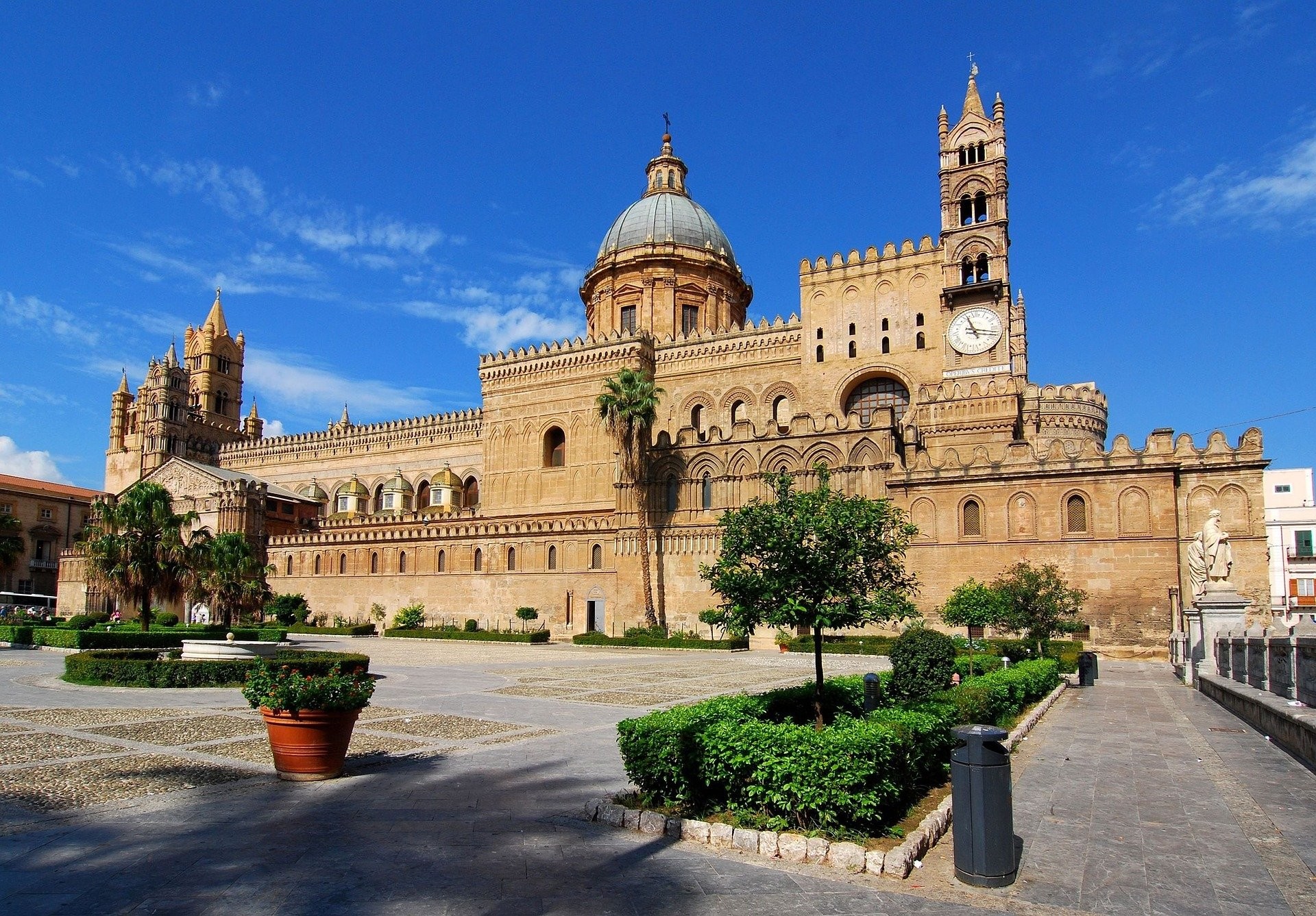


Wine tourism in Catalonia invites travelers to explore twelve renowned appellations, discovering a fascinating variety of landscapes: from coastal vineyards brushed by the sea breeze to sweeping inland plains and dramatic mountain slopes. Over 300 wineries welcome visitors year-round, offering vineyard walks, heritage tours, and memorable food and wine experiences.
With more than 65,000 hectares of vineyards, 12 appellations, and an annual production of over 380 million bottles, Catalonia stands out as one of the world’s most prestigious wine destinations—a true treasure trove for wine lovers. To showcase its rich offering, the Catalonia Tourism Board has curated a road trip itinerary from Barcelona southward to the Ebro Delta Natural Park, passing through the main Catalan DO wine areas. It’s a journey that blends wine culture with history, architecture, and art at every stop.
The Enoturisme Catalunya label guides travelers through these experiences, promoting and strengthening exceptional wine tourism activities that celebrate Catalonia’s viticultural heritage.
Itinerary: From Barcelona to the South Along Catalonia’s Wine Route
First Stop
Leaving Barcelona, you’ll reach the Penedès, Catalonia’s largest wine-producing region and home to three key towns: Vilafranca del Penedès (the DO’s capital), Sant Sadurní d’Anoia (Cava capital), and Subirats (the capital of the vine). Here, you’ll find the DO Penedès, most DO Cava cellars, and leading DO Catalunya producers.
Penedès is a haven for wine enthusiasts, offering horseback rides, cycling or Segway tours among the vines, wine tasting classes, vineyard lunches, and thrilling helicopter or hot-air balloon flights showcasing both plain and mountain vineyards. There’s more than wine: families will love the Espai Xocolata at Simón Coll in Sant Sadurní d’Anoia (en route from Barcelona to Vilafranca in Penedès)—an immersive chocolate factory tour founded in 1840, revealing the history and culture of chocolate making, and, naturally, delicious tastings.
Second Stop
Beyond Penedès, you’ll enter the heart of Priorat, home of DOQ Priorat—a wine that embodies the spirituality of the Carthusian monks who, in the 12th century, built the Escaladei Monastery, Catalonia’s first Carthusian monastery. Priorat is the only appellation in Catalonia with the highest classification, and its legendary wines enjoy worldwide acclaim. Don’t miss the trio of Cistercian monasteries—Santes Creus, Vallbona de les Monges, and Poblet—with their royal tombs, splendid examples of Gothic architecture, all along a tourist route blending landscape and heritage. In Priorat, combine winery tours with a guided visit to the Bellmunt del Priorat Mining Museum, featuring a modern exhibition and a tour of the old mining colony. Mina Eugènia was Spain’s largest lead mine.

Third Stop
Heading towards Terres de l’Ebre, the third stop is Terra Alta, in Catalonia’s far southwest and characterized by the complex DO Terra Alta wines. The Terra Alta Wine Route links the main wine villages and about 20 cellars open for tours and tastings. Nature lovers can hike the Sant Jaume route, part of the UNESCO spiritual path to Santiago de Compostela. Culture seekers shouldn’t miss the Cèsar Martinell cellar in Pinell de Brai—a masterpiece of modernism—and Horta de Sant Joan, a quaint village that inspired Pablo Picasso. Walking its ancient streets, visitors follow in Picasso’s footsteps and sense the layers of history, from Romans and Moors to the Templars. It’s a place steeped in myth and legend.
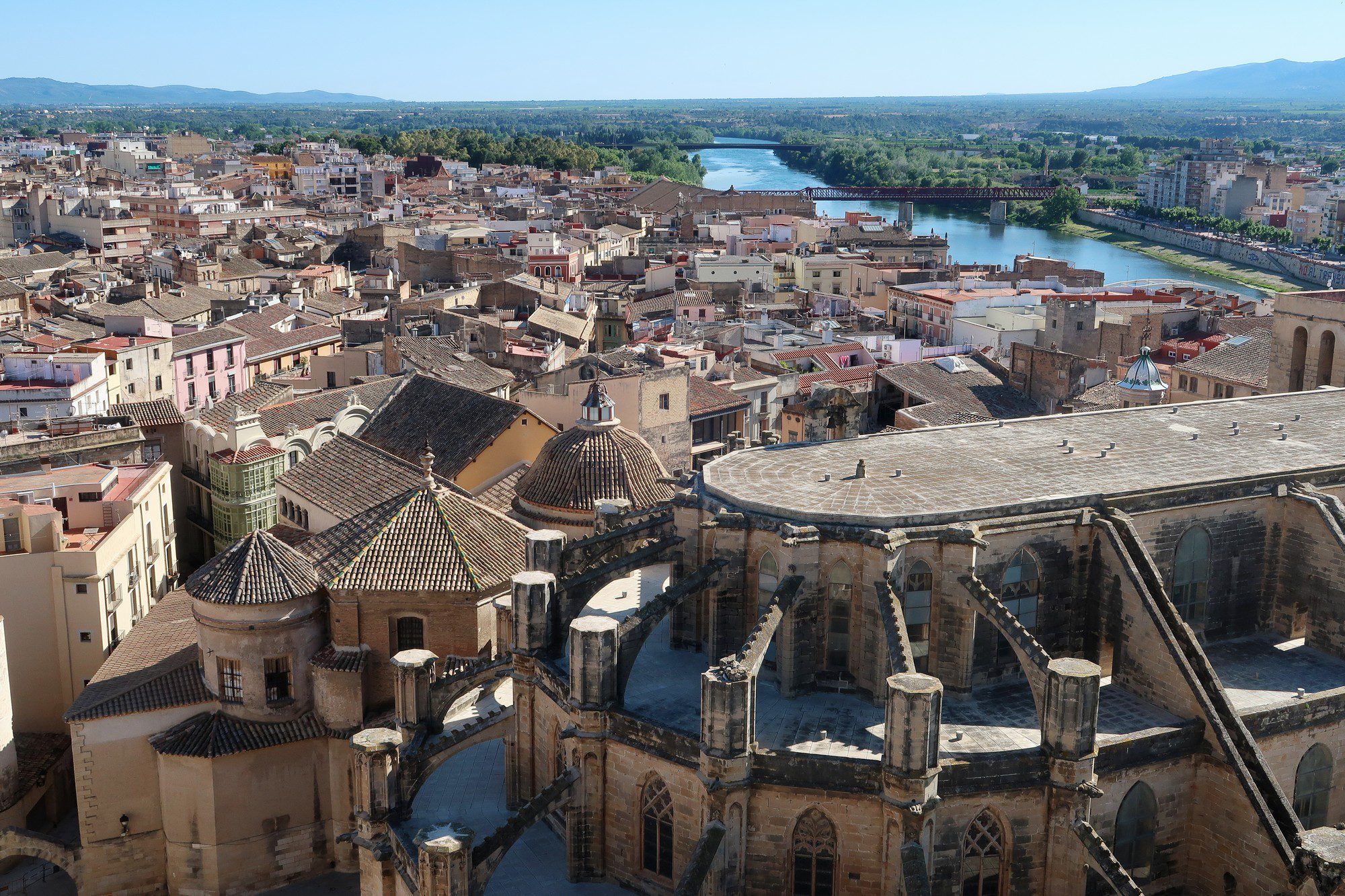
The journey culminates in Tortosa, the capital of Terres de l’Ebre and a paradise for culture aficionados, named Catalan Culture Capital 2021. Highlights include the Suda Castle, Santa Maria Cathedral, and elegant Modernist buildings. The Ebro Delta—Catalonia’s largest river and the second largest on the Iberian Peninsula—is vital for Catalan history and a haven for history buffs, anthropologists, and lovers of untouched nature. Covering 320 km2, with 80 km2 in the Ebro Delta Natural Park, it’s Catalonia’s most significant wetland and one of the Mediterranean’s premier aquatic habitats. Explore its landscapes on foot or by bike along marked routes with viewing towers ideal for birdwatching in this unique natural show.
Catalonia’s Wines
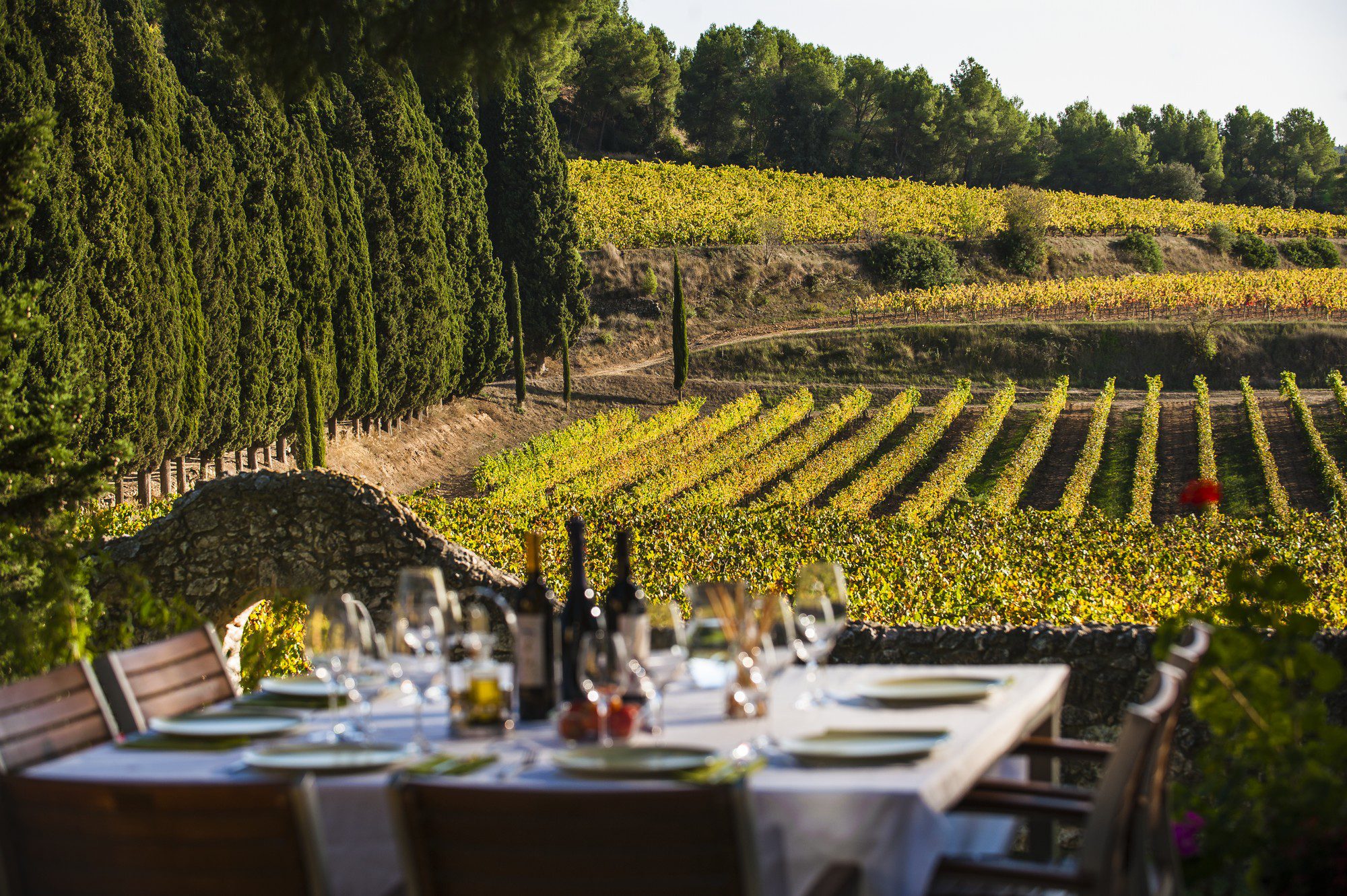
Catalonia certifies its wine quality via twelve official appellations: DO Alella, DO Conca de Barberà, DO Costers del Segre, DO Empordà, DO Montsant, DO Penedès, DO Pla de Bages, DOQ Priorat, DO Tarragona, and DO Terra Alta, plus DO Cava and DO Catalunya.
Wine Routes in Catalonia
The region boasts well-defined wine tourism trails: the Priorat Wine Route, Lleida-Costers del Segre Wine Route, DO Empordà Wine Route, the Penedès Wine Route, and Enoturisme DO Alella. You’ll find internationally known estates, traditional and family-run organic wineries, Modernist “wine cathedrals,” rustic huts among the vines, centuries-old farmhouses, and innovative architecture—all showcasing Catalan wine secrets, often near sites of major interest such as the Poblet monastery, Sant Pere de Rodes, Escaladei, or Empúries.
Wine Museums in Catalonia
Discover Catalonia’s winemaking history in museums and interpretation centers dedicated to Wine and Cava, including notable sites like the Castell del Vi (Falset), CIC Fassina-Centre d’Interpretació del Cava (Sant Sadurní d’Anoia), and Vinseum (Vilafranca del Penedès).
180 Food & Wine Events in Catalonia
Wine tourism in Catalonia often coincides with over 180 food and wine events throughout the year. These can be combined with a range of active experiences—on foot, by e-bike, Segway, mountain bike, off-road vehicle, horseback, or even by helicopter or sailing boat. And the day can end with a relaxing vinotherapy session.
Key Wine Tourism Figures in Catalonia
- 2,500 years of vines and wine, since Iberian, Greek, and Roman times.
- Sea and mountain landscapes: Mediterranean vineyards along the coast, in valleys, and on hills.
- Over 300 wineries open for visits, revealing the secrets behind their wines and Cava.
- Historic farmhouses, Modernist estates, and some of Europe’s “great wine cathedrals.”
- PRESTIGIOUS WINES. Globally renowned wines and sparkling wines.
- Wine pairing with Mediterranean cuisine—from traditional to innovative.
- Wine tourism and countless experiences in and near one of Europe’s most captivating cities.
- SPECIALIST ACCOMMODATION & SERVICES. Gourmet hotels and high-quality stays for every type of guest.
- LIFESTYLE. Sun, beaches, landscapes, gastronomy, and culture—a region for every taste and interest.
- 12 DO. 11 wine appellations + 1 DO for cava. 600 wineries, 300 open to the public.