

L’enoturisme en Catalunya permet al visitant viatjar a través de dotze denominacions d’origen i descobrir un paisatge del vi divers i fascinant, des dels vinyes acariciades per la brisa marina fins a les que s’estenen per les grans planes de l’interior o s’enfilen per les vessants de les muntanyes. Durant tot l’any es poden visitar més de 300 cellers, passejar entre vinyes, admirar un ric patrimoni i maridar vi i gastronomia, entre altres propostes.
Amb una superfície de més de 65.000 hectàrees de vinya, 12 denominacions d’origen i una producció anual de més de 380 milions de botelles, Catalunya és una de les destinacions enoturístiques més prestigioses del món i un tresor per als amants del vi. Per permetre als turistes descobrir aquesta riquesa, l’Entitat de Turisme de Catalunya ha ideat una ruta “on the road” que travessa el sud de la regió, de Barcelona fins al Parc Natural del Delta de l’Ebre, passant per les DO catalanes més importants. Una ruta que no és només per a apassionats del vi perquè cada parada ofereix una variada proposta d’història, arquitectura i art.
Per acompanyar els turistes per aquestes meravelles hi ha la marca Enoturisme Catalunya, creada per desenvolupar, promoure i consolidar propostes específiques d’experiències i activitats enoturístiques d’alt valor afegit, que contribueixin al coneixement i gaudi del patrimoni i la cultura vitivinícola catalana.
Itinerary: on the wine road from Barcelona towards the south
First stop
Leaving Barcelona behind, you encounter the Penedès, the region with the largest wine production in Catalonia, which hosts three important cities: Vilafranca del Penedès, the capital of the region from which the DO takes its name; Sant Sadurní d’Anoia, the Cava capital and Subirats, the vine capital. This region hosts the DO Penedès, the vast majority of the wineries of the DO Cava and the main producers of the DO Catalunya.
For enthusiasts, Penedès is a mine of wine-related activities: horse riding, bike rides or Segway tours through the vineyards, wine tasting courses, lunches among rows of vines, thrilling helicopter and hot air balloon rides offering spectacular views of large stretches of vineyards in the inland plain or mountain vineyards. But not only wine: an activity for the whole family is the visit to the Espai Xocolata of Simón Coll in Sant Sadurní d’Anoia (on the route between Barcelona and Vilafranca in Penedès), an experiential tour in a factory that has been producing chocolate since 1840. The origins, culture, history, and preparation process of chocolate. Tastings are also provided, of course.
Second stop
With the Penedès behind, you enter the heart of the Priorat region, land of the DOQ Priorat, a wine that exudes the spirituality of the Carthusian monks who, in the 12th century, founded the Escaladei monastery, the first Carthusian monastery in Catalonia. The Priorat is the only denomination in Catalonia that has achieved the highest certification, with wines that have become true legends and are among the most appreciated worldwide. Passing through this area, a visit to the three Cistercian monasteries, Santes Creus, Vallbona de les Monges, and Poblet – containing the tombs of the kings of the Crown of Aragon – which constitute three jewels of Gothic architecture, is a must. Around the monasteries, a tourist route has been created that unites architecture and landscape. In the Priorat area, you can combine discovering the wineries with a guided visit to the Bellmunt de Priorat Mines Museum, which hosts a modern exhibition and also includes a visit to the old mining colony. The Mina Eugènia was the largest lead mine in the country.

Third stop
Towards the Terres de l’Ebre, the third stop is the Terra Alta region, located in the far southwest of Catalonia, characterized by the rich and complex DO Terra Alta. The Terra Alta Wine Road is a trail through the main wine villages, with about 20 wineries offering visits and tastings, but it is also a zone for all tourist tastes: nature lovers will appreciate the Sant Jaume path, which is an invitation to a pilgrimage to Santiago de Compostela. Those who love culture can visit the Cèsar Martinell winery in Pinell de Brai, pure modernism, and cannot miss a visit to Horta de Sant Joan, a small town located in the province of Tarragona, known for having hosted Pablo Picasso. Walking through the streets of this village, it is possible to retrace the steps of the great painter and immerse yourself in a place marked by Romans, Muslims, and Templars. A blend of art and history that gives Horta de Sant Joan an aura of mystery between myth and legend.
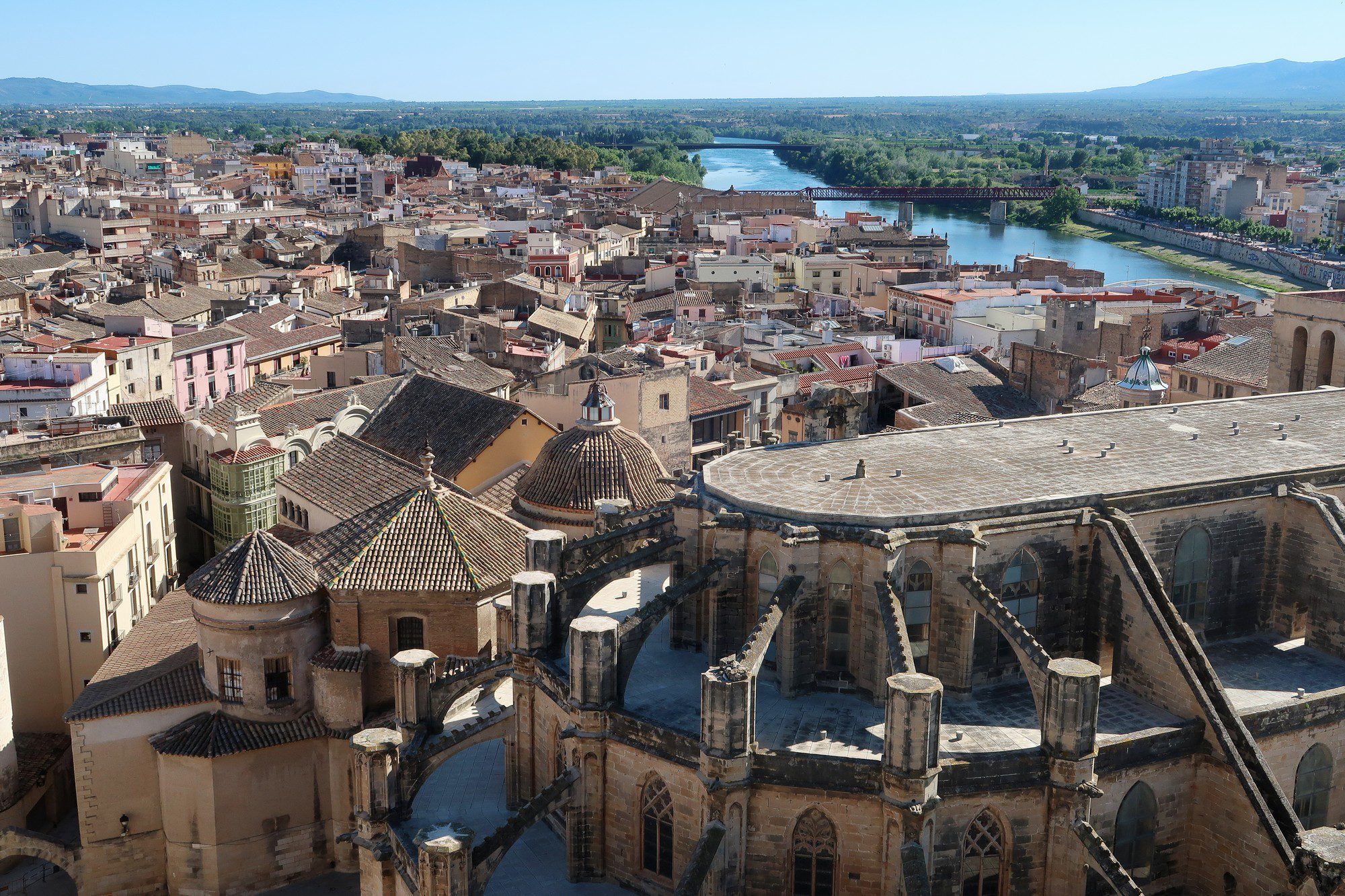
Arriving in the Terres de l’Ebre for the final stop of the trip, you find Tortosa, a paradise for culture lovers. Its immense heritage led it to be the Catalan Capital of Culture 2021. The capital of the Terres de l’Ebre boasts the Suda castle, the Santa Maria cathedral, and elegant modernist buildings. The Delta de l’Ebre, being the largest river in Catalonia and the second largest in the Iberian Peninsula, is a place of primary importance for Catalan history and is perfect for history enthusiasts, anthropologists, and all nature lovers. With its 320 km of surface, 80 of which are in the Delta de l’Ebre Natural Park, it represents the wettest area of the Catalan territory and constitutes one of the most important aquatic habitats of the Mediterranean. In the Natural Park, to fully enjoy the variety of landscapes and breathe pure air, it is recommended to walk along one of the proposed itineraries in search of migratory birds. Along the route, which can also be done by bike, there are several strategically placed towers to best enjoy the unforgettable spectacle of the surrounding nature.
The wines of Catalonia
Catalonia certifies the quality of its wines through twelve denominations of origin: DO Alella, DO Conca de Barberà, DO Costers del Segre, DO Empordà, DO Montsant, DO Penedès, DO Pla de Bages, DOQ Priorat, DO Tarragona, and DO Terra Alta, as well as DO Cava and DO Catalunya.
The Wine Routes in Catalonia
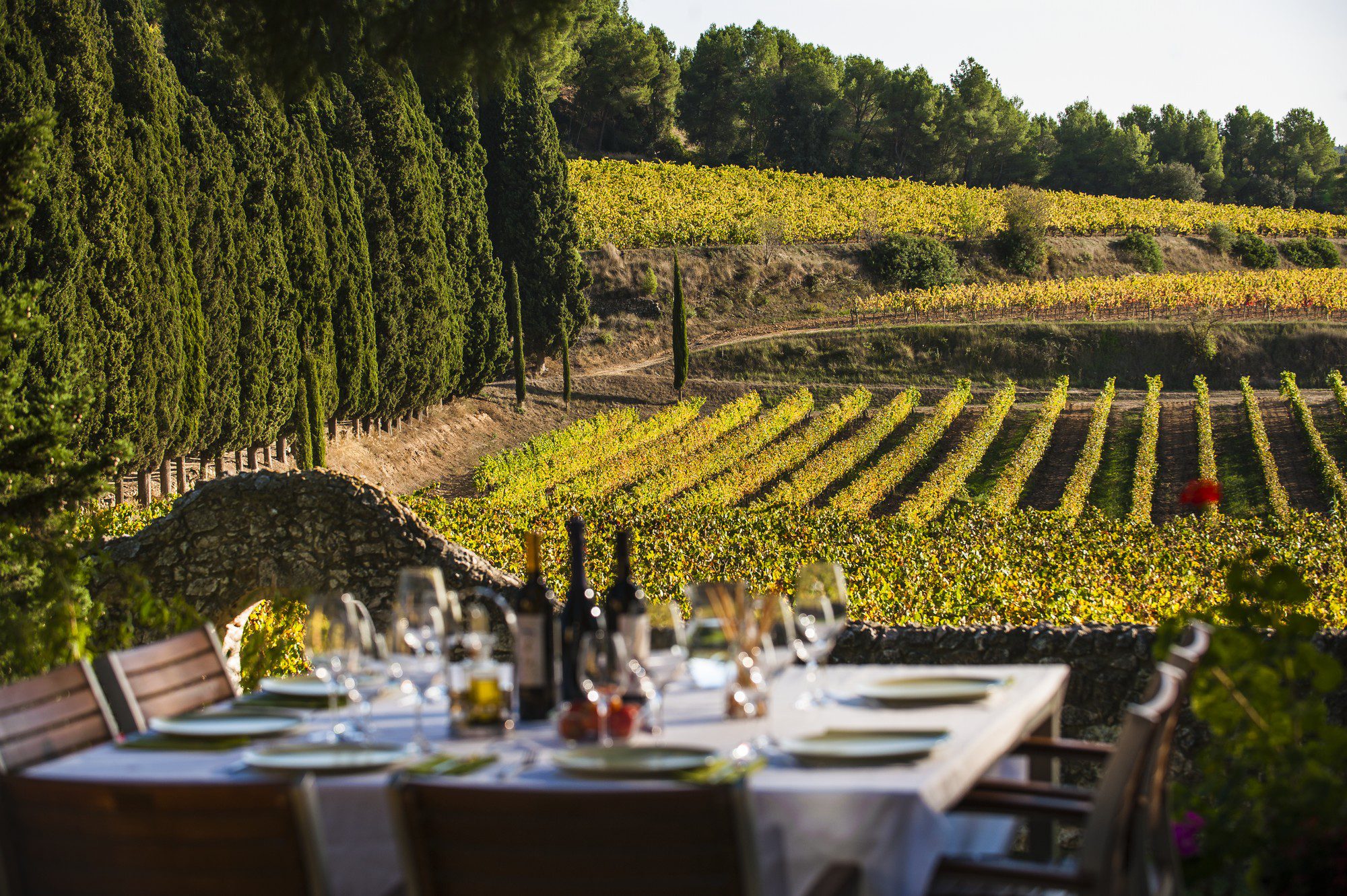
In Catalonia there are perfectly structured wine tourism routes such as the Priorat Wine Route, the Lleida-Costers del Segre Wine Route, the DO Empordà Wine Route, the Penedès Wine Route and DO Alella Wine Tourism. Large internationally renowned wineries, traditional and family-run wineries with organic and biodynamic production, modernist buildings known as “wine cathedrals”; modest huts in the middle of a vineyard, century-old farmhouses, the most avant-garde architecture…a varied collection that shows visitors the secrets of Catalan wines, often near elements of enormous interest such as the Poblet monastery, Sant Pere de Rodes, Escaladei, Empúries.
Wine Museums in Catalonia
The winemaking history of Catalonia can also be discovered by visiting the various museums and interpretation centers of Wine and Cava, among which stand out: the Castell del Vi (Falset), the CIC Fassina-Centre d’Interpretació del Cava (Sant Sadurní d’Anoia) and Vinseum (Vilafranca del Penedès).
180 gastronomic events in Catalonia
The wine tourism visit in Catalonia can also coincide with some of the over 180 gastronomic events that take place throughout the year and can be combined with all kinds of activities that allow you to explore the vineyards in an active and original way: on foot, by electric bicycle, by segway, mountain bike, off-road vehicle, horseback, or even by helicopter or sailboat. And the day can end with a vinotherapy session.
Les chiffres du tourisme viticole en Catalogne
- 2 500 ans de vignobles et de vin, remontant aux Ibères, Grecs et Romains.
- Mer et montagne, avec des vignobles méditerranéens, le long de la côte, dans les vallées et sur les collines.
- Plus de 300 caves qui invitent à découvrir le secret de leurs vins et du cava.
- Fermes historiques, caves modernistes et “grandes cathédrales” du vin.
- VINS PRESTIGIEUX. Vins et mousseux de renommée mondiale.
- Accord des vins avec la cuisine méditerranéenne, traditionnelle, mais aussi innovante.
- Œnotourisme et multiples expériences dans et autour d’une des villes les plus fascinantes d’Europe.
- HÉBERGEMENT ET SERVICES SPÉCIALISÉS. Hôtels gastronomiques et établissements offrant des logements de haute qualité, avec des services adaptés à tous les touristes.
- STYLE DE VIE. Soleil, plage, paysages, cuisine et culture. Une région pour tous les goûts et tous les centres d’intérêt.
- 12 DO. 11 vins DO + 1 DO cava. 600 caves, dont 300 ouvertes au public.