



TheAlbania is one of the last great discoveries in Mediterranean tourism, and anyone visiting for the first time quickly realizes that reducing it to just the sea would be a mistake. The country boasts an inland rich with history, featuring perfectly preserved Ottoman towns recognized by UNESCO, and an Ionian coast that in recent years has drawn travelers from across Europe. One week is the ideal amount of time to combine these two dimensions into a single itinerary, alternating days of cultural exploration inland with relaxation on the southern beaches.
The key to organizing the trip well is the logical sequence of stops, which allows you to descend gradually from the capital to the sea via historical centers, without unnecessary backtracking.
Tirana and Departing from the Inland
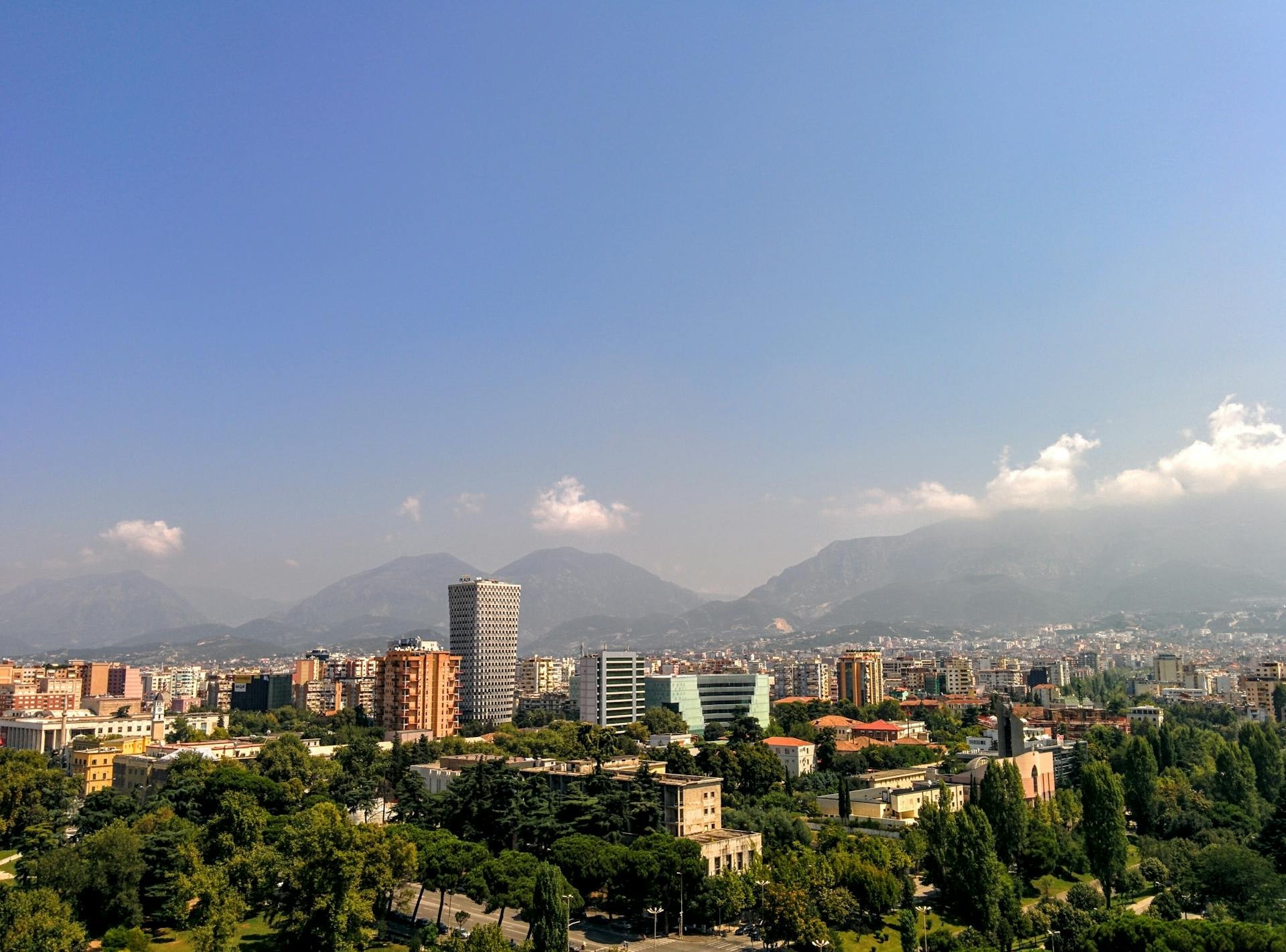
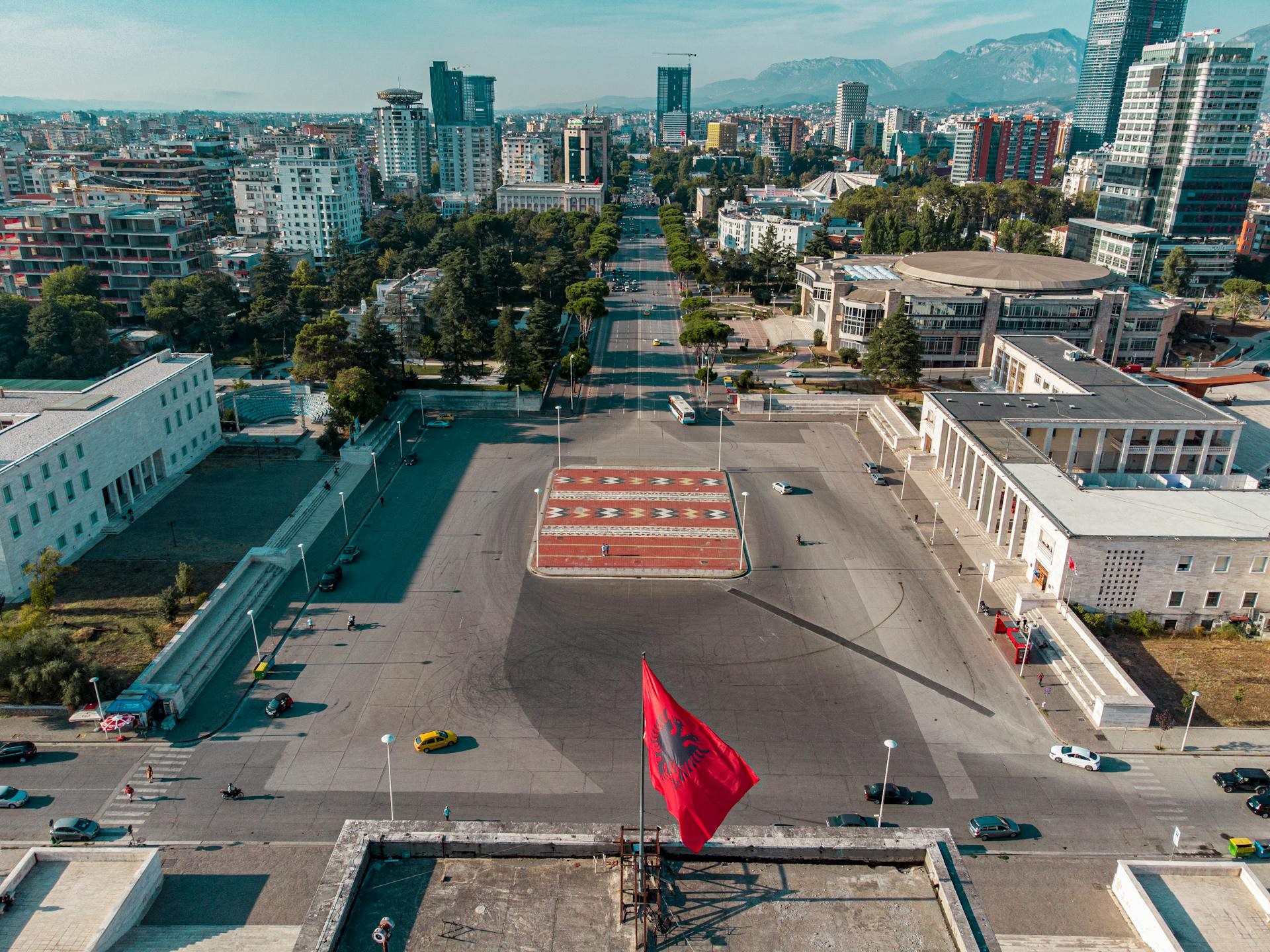
The most common entry point is Tirana, the capital, a rapidly transforming city that deserves at least a full day. Its heart is Skanderbeg Square, the vast esplanade dedicated to the national hero, around which the governmental buildings and museums are laid out. The center features a mix of communist-era buildings, modern interventions, and façades repainted in vivid colors—a contrast that tells the story of the country’s recent journey. Those looking to understand Albania’s most challenging history can visit sites linked to the regime, such as the Bunk’Art bunker-museum, while panoramic city views are accessible by the cable car up Mount Dajti. It is also the perfect place to get a feel for Albanian culture before heading to the historic centers inland, where the trip truly comes alive.
From Tirana, the itinerary heads south toward the two cities that form the cultural heart of Albania. Distances aren’t long in kilometers, but mountain roads extend travel times, so these need to be factored into daily planning.
Berat, the city of a thousand windows
The first historic stop is Berat, known as the “city of a thousand windows” and since 2008 listed as a UNESCO World Heritage Site for its remarkably well-preserved Ottoman architecture. The name comes from the façades of houses stacked atop one another on the hillsides, their many windows overlooking the Osum River, which divides the center into the two historic quarters of Mangalem e Gorica.
Overlooking the city is the Berat Castle, reachable on foot via a walk of about a kilometer or by car: from the top, the view of the river and the many windows makes the climb worthwhile. Within the still-inhabited fortress are Byzantine churches and the Onufri Museum, dedicated to the icon painter who gives the collection its name. It’s worth losing yourself in Gorica’s alleyways at sunset, when the stone glows with warm tones and the city reveals its vibrant nature, far from being just an open-air museum.
Gjirokastër, the stone city
The second historic city is Gjirokastër, also a UNESCO World Heritage Site since 2005, nicknamed the “stone city” for the slate roofs that cover the houses. Its historic center is a rare example of an Ottoman town featuring distinctive tower houses, the kule, built between the 17th and 19th centuries using techniques that combine defensive function with architectural value. The castle dominates the town and houses the National Museum of Arms, while the bazaar in the center, rebuilt in the 19th century after a fire, still features workshops, restaurants, and local products. In the narrow streets you’ll find visitable house-museums like Casa Zekate, which showcase traditional interior layouts, with the lower floor used in the cold season and the upper one in the warm months. It’s also a great opportunity to taste the local cuisine, from dishes based on lamb and vegetables to desserts like trilece, which is popular throughout the country. The city enjoys a strategic location: close to the Greek border, just a short distance from Saranda, making it the natural gateway to the coast.
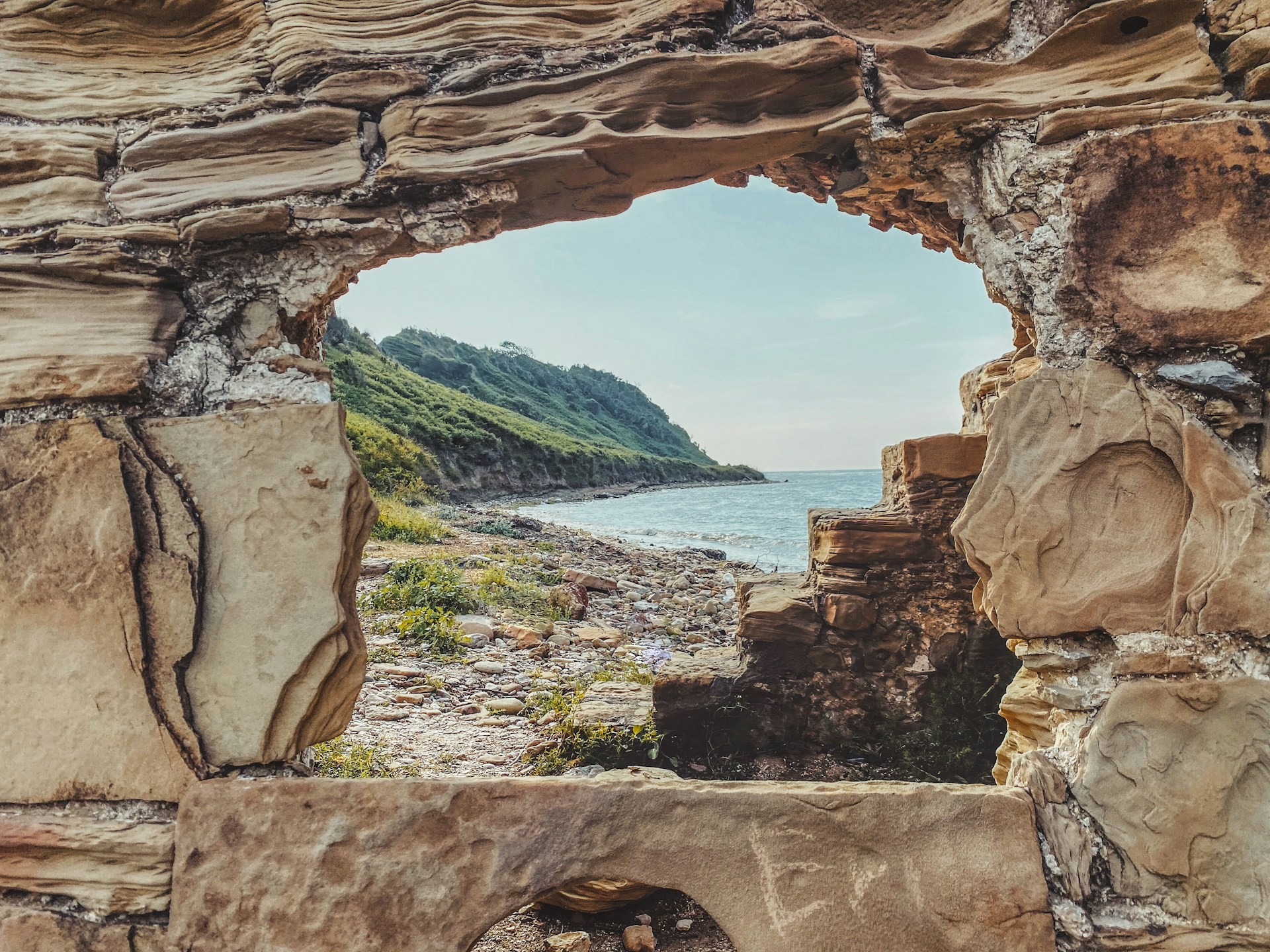
From Gjirokastër, the descent towards the Ionian Sea brings the historical section of the itinerary to a close in the most enjoyable way. The southern Riviera, stretching from Saranda and Ksamil up through coves toward Himara and Dhërmi, offers crystal-clear waters and beaches that have made Albania’s seaside famous in recent years. The smaller bays in the southern stretch tend to fill up during peak season, but the diversity of the coastline always allows you to find a spot that suits your pace.

How to get around between stops
An itinerary that covers the capital, historic inland towns, and the southern coast relies on being able to travel independently. Public connections between Albanian cities exist but are slow and not very flexible, often relying on furgon, minivans that depart when full and without set schedules. For a week-long trip with multiple stops, having your own vehicle is what really makes the program doable, letting you manage your time and reach even the lesser-served coastal towns.
This is why many choose to arrive in Albania by sea with their own car, departing from Adriatic ports and docking at Durrës, the country’s main port and closest to Tirana, or at Vlorë, which is more convenient for those heading straight to the south. To optimize costs for a road trip, it’s a good idea to check out specialized sites for the latest ferry deals for the Italy-Albania crossing so you can quickly find the fares that best fit your budget.
At the table, from inland flavors to Ionian seafood
Albanian cuisine accompanies the journey, shifting in character as you move from inland hills toward the sea. In the interior, meals maintain their pastoral and Ottoman roots, with dairy products and lamb taking center stage—a tradition deeply rooted in the country’s agricultural history. The dish that best summarizes this cuisine is byrek, thin pastry filled with cheese, spinach, or meat, sold in bakeries as street food and also served at home meals.
Among the most traditional main courses is tavë kosi, a baked lamb casserole topped with yogurt and eggs, originally from the Elbasan area along the route that connects Tirana to the interior. In the capital, be sure to try the fërgesë, a preparation made with peppers, tomato, and fresh cheese that in its city version is known as Fërgesë Tirane.
Reaching the Ionian Riviera changes the flavor profile, as freshly caught fish and seafood become the stars of the menus. In the Butrint lagoon, just south of Saranda, there are farms for mussels renowned throughout the country, served in restaurants alongside sea bream, sea bass, and calamari. The meal is almost always concluded with a glass of raki, the grape brandy that marks toasts and convivial moments in Albania—both in inland homes and in little taverns overlooking the sea.

A country that rewards discovery
What makes Albania a different destination from others in the Mediterranean is precisely the chance to journey through such distant worlds in just a few days. In the span of a week, you can stroll the cobbled alleys of Berat and Gjirokastër, where time seems to have stood still, and relax on Ionian beaches that rival even the most celebrated coastlines. Few places offer such striking contrasts at such short distances, rewarding those who choose to look beyond first impressions. The blend of historical heritage, nature, and sea—still far from the tourist saturation found elsewhere—gives travelers the feeling they’ve discovered something that many have yet to know.