


When you think of the “Pollino” and its “National Park“, what comes to mind is a land of stunning landscapes and unspoilt nature. That is absolutely true, but it’s only part of the story. History, local culture, and centuries-old traditions complete the picture of this extraordinary, still largely undiscovered oasis. Here’s what to see in Pollino National Park, and how to explore its trails and excursions.
What to See in Pollino National Park
The Pollino National Park stretches along the border between Basilicata (once known as Lucania) and Calabria. The Park covers a massive mountain range stretching from the Tyrrhenian Sea to the Ionian coast, with around 200,000 hectares of protected land. On the Lucanian side – our focus here – the mountains rise from about one thousand up to two thousand meters above sea level.
The Loricato Pine
This is the realm of the iconic “Pino Loricato“, symbol of the park. The name means “white skin,” inspired by the silvery trunk that appears after it sheds its bark. This rare pine only grows in Italy in this small area, especially between Monte Alpi and Serra la Spina. It thrives where harsh weather challenges all vegetation, living even a thousand years; that’s why its branches stretch out like natural fortifications against the wind.
Excursions in Pollino National Park
Hiking in the Pollino area has become a must for nature lovers. Numerous footpaths and even horseback trails are available. Given the size of the park, it’s a good idea to start from one of the small villages dotted across the region.
Rotonda
Rotonda (580 m, pop. 4011) is a highlight on the Lucanian side. Once under Lombard and Norman rule, this village boasts a historic center rich with beautifully carved stone doorways. An old resident recalls the days when the rhythmic tapping of local stonecutters filled these narrow streets—a craft now slowly fading, with urban changes and migration taking their toll. Every year on June 13, Rotonda celebrates the Festival of St. Anthony with the “Sagra dell’Abete“. A large beech tree is hewn and carried into town by oxen, then raised in the main square. In Rotonda and other Pollino villages, you’ll find several local guides happy to show you the area.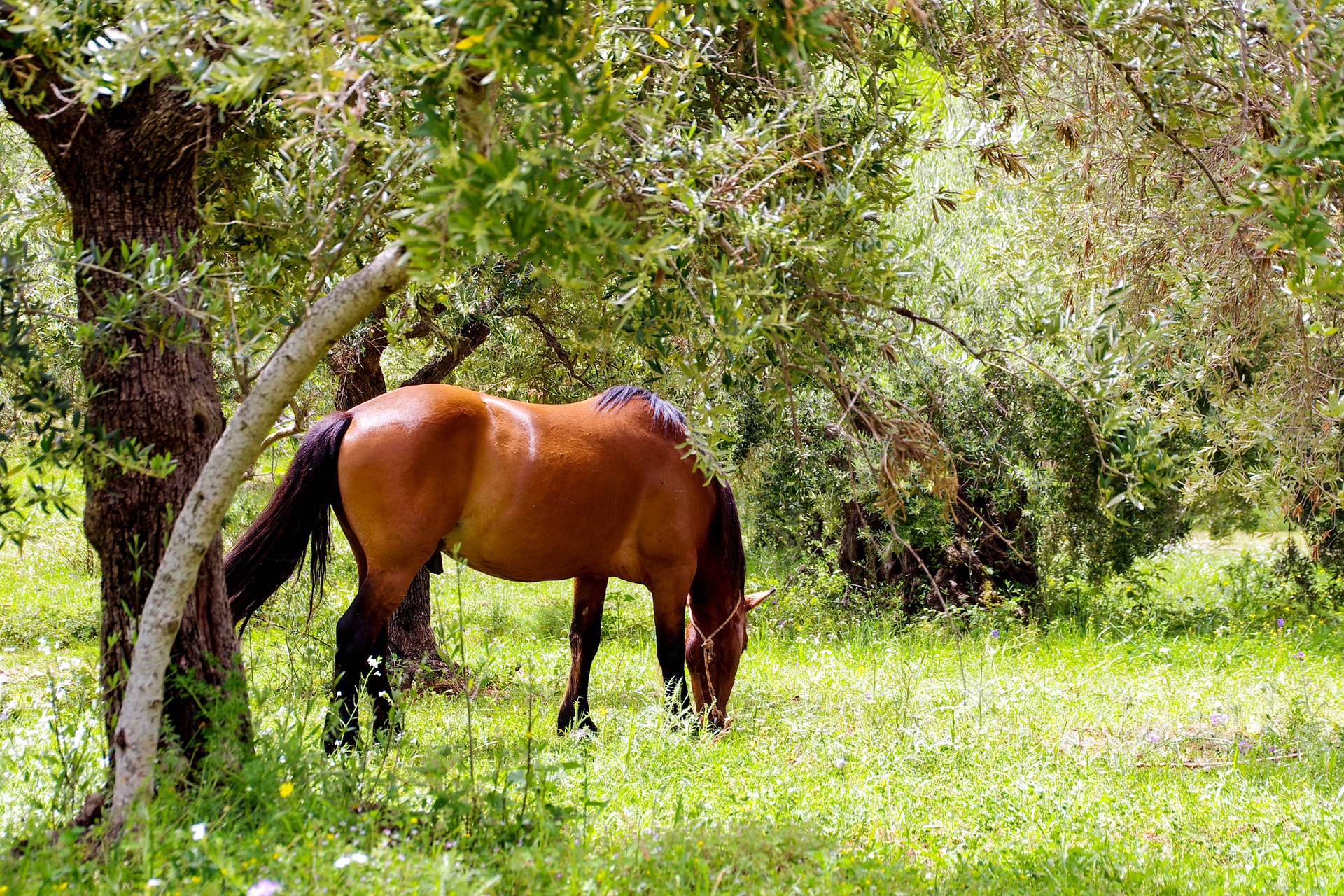
The Madonna del Pollino
Continuing along Provincial Road 28, you’ll reach the Convent of Santa Maria. Here, devotion to the Madonna is deeply rooted, peaking with the festival of the Madonna del monte Pollino near San Severino Lucano. On the first weekend of July, pilgrims make their way to the sanctuary atop Monte (elevation 1,646 m). The path is paved at first, then becomes rugged and unpaved.
Mountain Huts in Pollino National Park
Returning to our hiking route, from Colle dell’Impiso to the Gran Porta del Pollino, after the Santa Maria Convent follow the road to the “Rifugio Fasanelli“. Take a short break here, then head on to “Rifugio Colle Ruggio” at 1,520 meters above sea level. Climb higher to encounter the “Rifugio De Gasperi” (1,550 m) in the “Piano Ruggio” area, famous for wildflowers in late spring—and for cross-country skiing in winter. Continue a few kilometers to Viggianello (500 m, pop. 4041), then up to Colle d’Impiso (1,570 m), from where you hike by foot to the Grande Porta del Pollino. Follow the trail along the Frido stream through “Piano di Vaquarro“, and, after several paths and tracks, you’ll reach the “Spezzavummolo” spring near the “Passo del Gaudolino“—between Monte Pollino and “Serra del Prete“.
The Grande Porta del Pollino
Cross the stream and head left towards the “Piani di Pollino“, a plain dotted with green meadows. Surrounding you are Serra di Crispo, Serra delle Ciavole, Serra Dolcedorme, and Monte Pollino. Climb a little further to 1,950 meters to reach the “Grande Porta del Pollino” and be greeted by a spectacular pino loricato.This is the heart of Pollino, its kingdom. The view is breathtaking: wildflowers, grazing cows, imperial ravens. Free-ranging wild boar, otters, martens, and hares inhabit the park. Wolves, threatened elsewhere, still roam these protected mountains. Look around and you’ll see loricate pines clinging to the bare rock—some with gleaming bark, others, younger, with distinctly plated trunks.Between Serra delle Ciavole and Serra Crispo, it’s worth climbing further for jaw-dropping panoramas. On a clear day, you’ll glimpse the distant sea and feel as though you’re standing on the roof of the world.