


Quando si parla del “Pollino” e del suo “Parco Nazionale“, l’immaginario si arricchisce di paesaggi naturalistici. Un’associazione assolutamente corretta anche se, incompleta. Storia, cultura, tradizioni, completano il quadro di quest’oasi, tanto bella, quanto inesplorata. Vediamo cosa vedere nel Parco del Pollino, gli itinerari e i percorsi per le escursioni.
Pollino Park what to see
The Pollino National Park extends to the borders between Basilicata, the ancient Lucania, and Calabria. It includes a mountain range that stretches from the Tyrhenian Sea to the Ionian, covering about two hundred thousand hectares. On the Lucanian side, the destination of our journey, the mountains have an altitude ranging between one thousand and two thousand meters.
The Bosnian Pine
This is the realm of the “Bosnian Pine“, symbol of the Park. The literal translation of its scientific name is “White Skin” from the color the dry trunk takes on when it loses its bark. The Bosnian pine is a floral specimen that, in Italy, is present only in this area. In particular, it is rooted between Monte Alpi and Serra la Spina. It grows where vegetation is hindered by climatic conditions and lives a long life, even up to a thousand years. For this reason, it has strange shapes with branch-like bastions to withstand gusts of wind.

Pollino Park: hikes
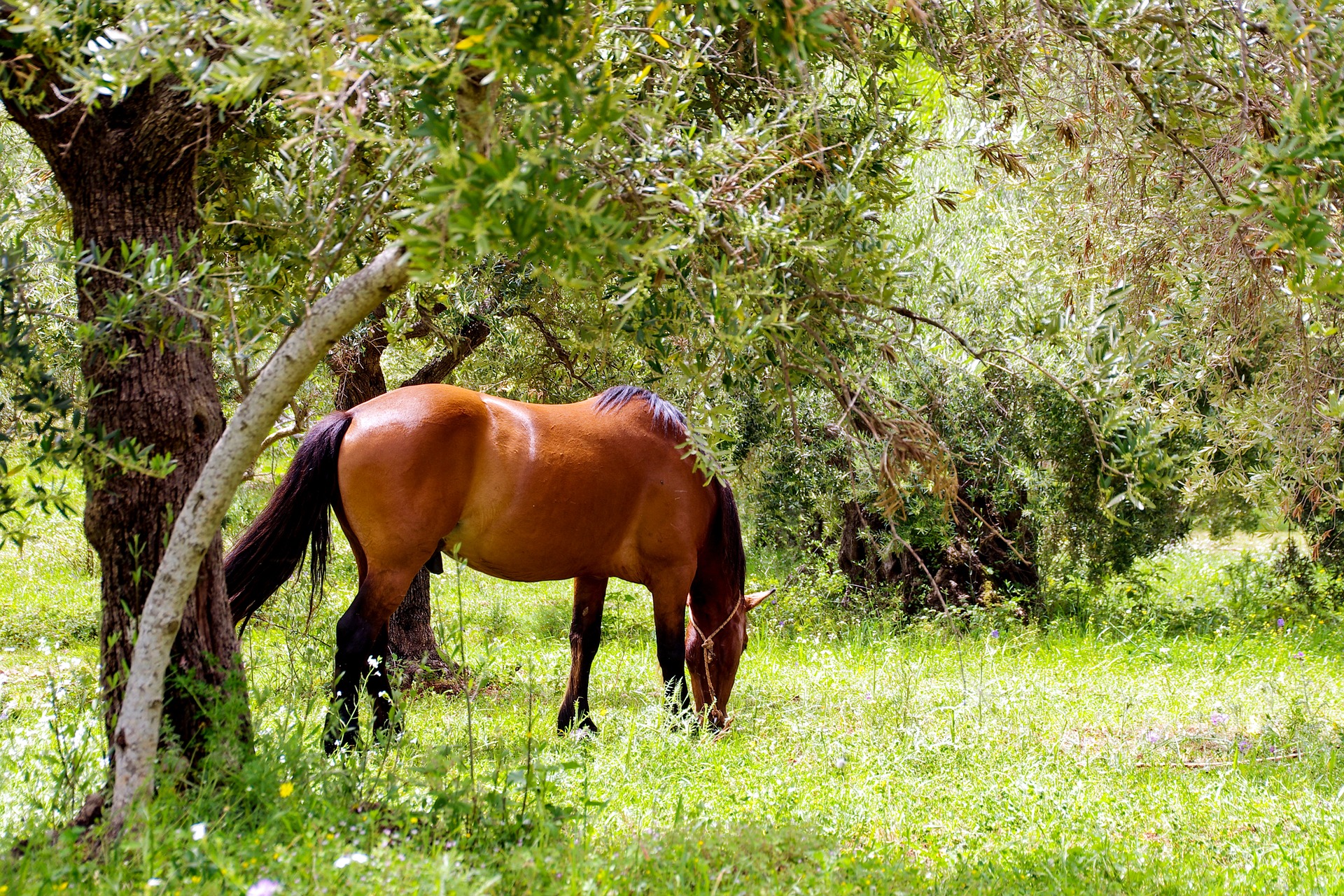
Hiking in the Pollino is now a popular destination for nature tourists. Not only that. Hiking and horseback riding are possible. Given the vastness of the park, it is advisable to start from one of the small centers in the district.
Rotonda
Rotonda (mt. 580 – pop. 4011) is one of the most interesting on the Lucanian side. In this town, once dominated by the Lombards and Normans, the historic center is rich in stone-carved portals. An elder recounts that once, in these alleys, the rhythmic tapping of local stonemasons was heard daily. They were renowned. Today these craftsmen are disappearing. Emigration in the first half of the century and changed urban needs have partly contributed.
In Rotonda, every year on June 13th, on the occasion of the feast of Saint Anthony, the “Fir Festival” takes place. A large beech tree is cut down and transported with other small trunks by oxen. It is then raised in the town square. In this place, as in other centers of the Pollino, you can find more than one “tour guide.”
The Madonna of the Pollino
Let’s start. Following the provincial road no. 28, we arrive at the Convent dedicated to Saint Mary. In these areas, Marian devotion is very strong. In particular, tradition and faith blend for the feast of the Madonna of Monte Pollino, not far from these places, reachable from San Severino Lucano. On the first weekend of July, the pilgrimage towards the Mountain where the sanctuary of the Madonna (mt. 1646) is located takes place. The path used by pilgrims is initially paved, then increasingly difficult and unpaved.
Pollino Park: the refuges
Returning to the goal of our hike, which, from the Impiso hill reaches the Great Gate of Pollino, just after the Convent of Saint Mary, we continue towards “Fasanelli Refuge” along the municipal road. A short stop to then set off again towards the “Colle Ruggio Refuge“, located at 1520 meters above sea level.
We continue to climb and, 1500 meters away, find the “De Gasperi Refuge” (mt. 1550). We are in the “Piano Ruggio“, known for its rich and colorful blooms in late spring. In winter, cross-country skiing is possible.
We continue a few more kilometers towards Viggianello (mt. 500 – pop. 4041) to reach Colle d’Impiso (1570 mt.). At this point, we continue on foot to reach the Great Gate of Pollino. We follow a dirt road and then walk along the Frido stream, in a place called “Piano di Vaquarro“. After a long stretch, among paths and drovers’ roads, we arrive near the “Spezzavummolo” spring. We are near the “Gaudolino Pass“, between the “Monte Pollino” and the “Serra del Prete“.
Great Gate of Pollino
We cross the stream, to the left, to climb towards the “Piani di Pollino“, where there are wide meadows. All around a charming landscape: the Serra di Crispo, the Serra delle Ciavole, the Serra Dolcedorme and Monte Pollino. After another climb, we reach 1950 meters altitude, at the “Great Gate of Pollino“. A Bristlecone pine appears before our eyes.
We are in the heart of Pollino, in its realm. Before us are meadows in bloom, cows grazing, imperial crows, in a charming setting. The park hosts various animal species. Wild boars, otters, martens, hares. It is told that the Apennine wolf still lives here, highly protected as it is endangered. Looking around, we notice that the pines are now numerous, all clinging to the bare rock. Some show the whiteness of the trunk, others younger, the characteristic bark with large plates.
We are between the Serra delle Ciavole and the Serra Crispo. We decide to climb further. From their peaks, it is possible to admire an immensely beautiful landscape. It is an ideal day. We glimpse the sea in the distance. You have the impression of being on the roof of the world, from which we are forced to descend.
The next day they inform us of other hikes. All require a few hours of walking. You can choose to ride a horse but it is advisable to be guided by an expert guide. It is difficult to define Pollino Park. The largest in Italy by area, it is a collection of mountains, plains, cliffs, glacial cirques, gorges, caves, woods, beech forests, springs, refuge of wildlife, habitat for particular floral species, villages, sanctuaries, convents, castles, traditions, ethnic minorities, costumes and history. Pollino is this and much more.

