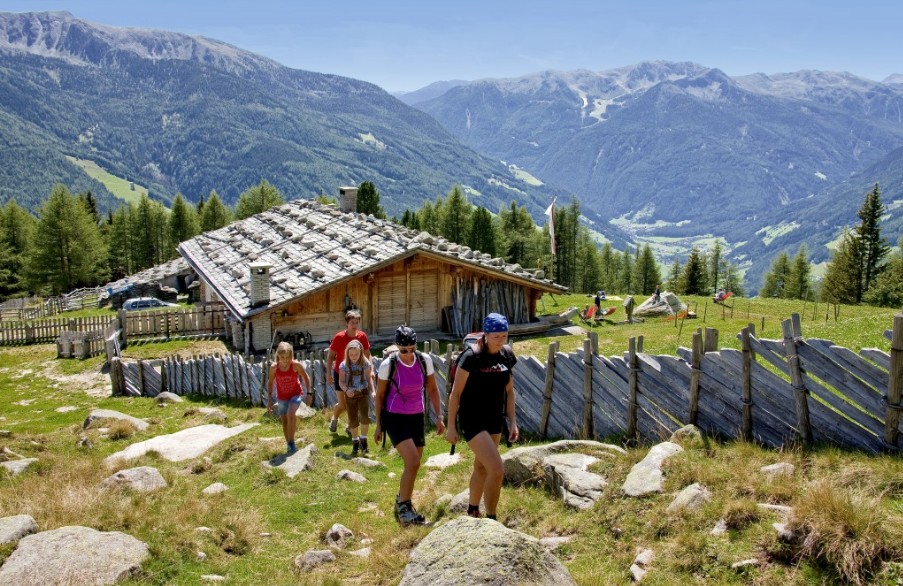


In South Tyrol, also known as Alto Adige, lies the Ahr Valley: 200 square kilometers, from Luttach to Prettau, with as many as 80 peaks exceeding 3000 meters. The Ahr Valley is the skiing Eden with 70 kilometers of slopes, the Speikboden and Klausberg resorts. All around there are endless activities for winter and summer: skating, curling, and snowshoeing when ice reigns; freeride, mountaineering, and high-altitude hiking when the snow gives way to the incredible alpine greenery.
- What to see in Valle Aurina
- The Path of the Sun
- Kneipp-Wanderwege im Ahrntal, im Herzen der Dolomiten
- Die Wege des Weißen Bachs
- Der Weg des Heiligen Leonard
- Der Gesundheitsweg in Prettau
- The Aurina Valley by bike
- Active holidays in the Aurina Valley
- The mines of the Ahrntal Valley
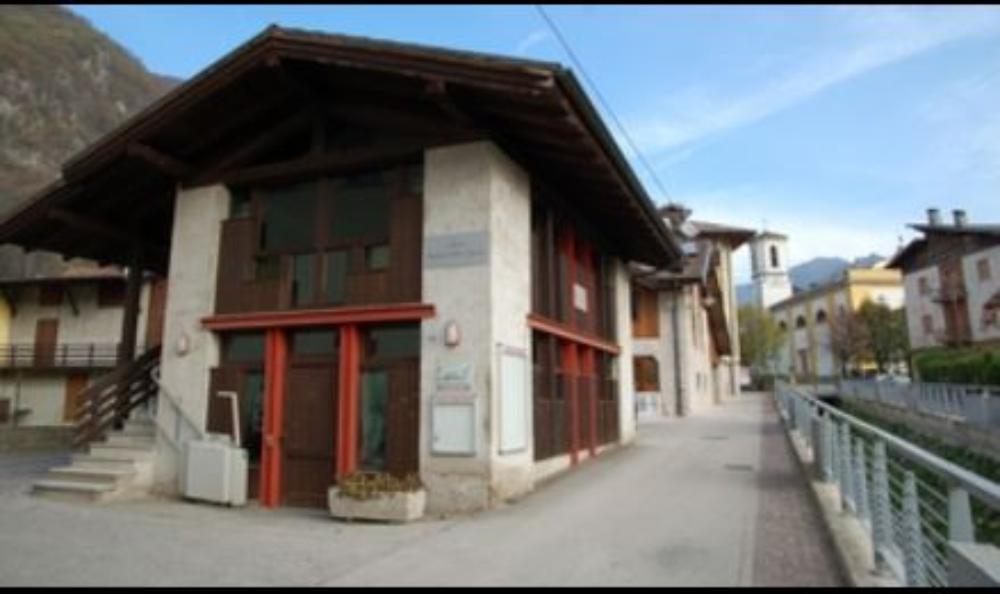
- The Museums of the Aurina Valley
This is the kingdom of mountain biking, ideal both for two-wheel enthusiasts (who can pedal on trails leading to 1500 meters altitude and beyond), and for families who want to enjoy breathtaking views and have fun riding on easy flat trails.
What to see in Valle Aurina
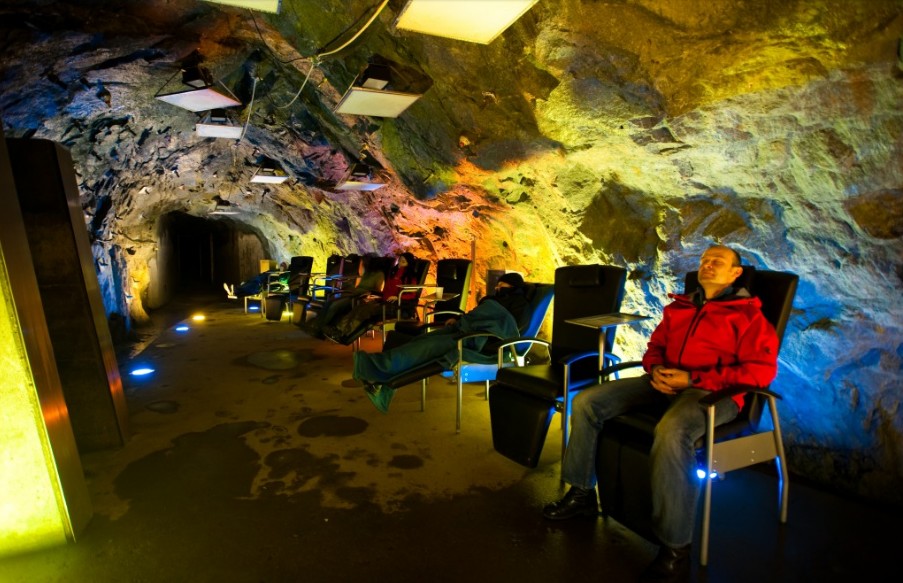
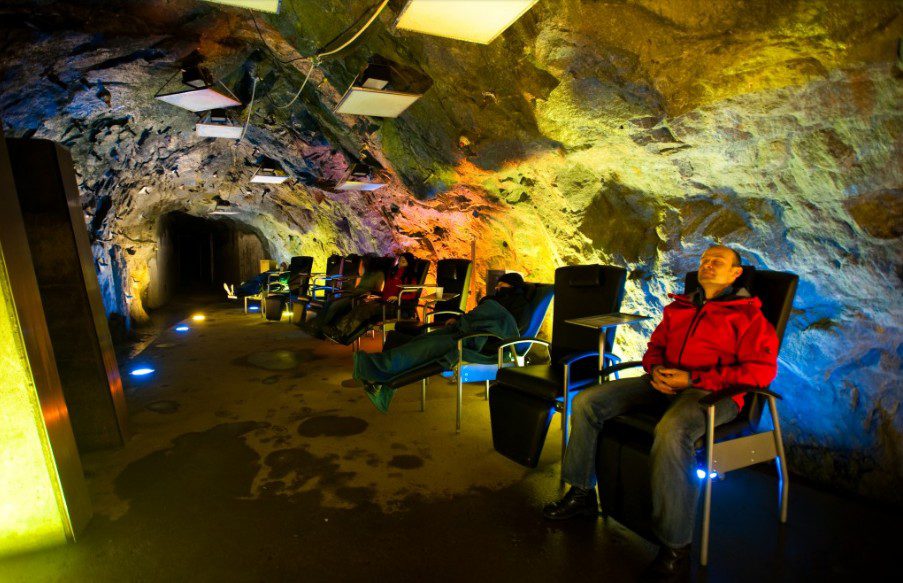
The valley is accessed through a magnificent entrance: Campo Tures, which has earned the Orange Flag from the Touring Club as a welcoming and excellent village. Because here hospitality matches the splendid work of nature, which has given its best in these climbs to the sky: for the truly good air, as demonstrated by the Climatic Center of Predoi, for the panoramas to open your eyes wide to, starting with the Natural Park of the Rieserferner, for the bright paths, like the Sun Trail between Lutago and San Pietro, for the ever-moving waters, like the Rio Nero waterfall, and for the calm and welcoming waters, like Chiusetta Lake at Klausberg in Cadipietra. BUT it doesn’t end here: in Predoi there is an old disused copper mine, which has become a modern climatic center. Opened in 2003, the climatic gallery of Predoi is the first Italian center for speleotherapy as it preserves pure air, a true elixir for the health of lungs and bronchi, an effective remedy for those suffering from respiratory disorders, such as allergies and asthma. The environment, comfortable and relaxing, allows you to read, listen to music or sleep, while the “underground breath” provides its beneficial effects.
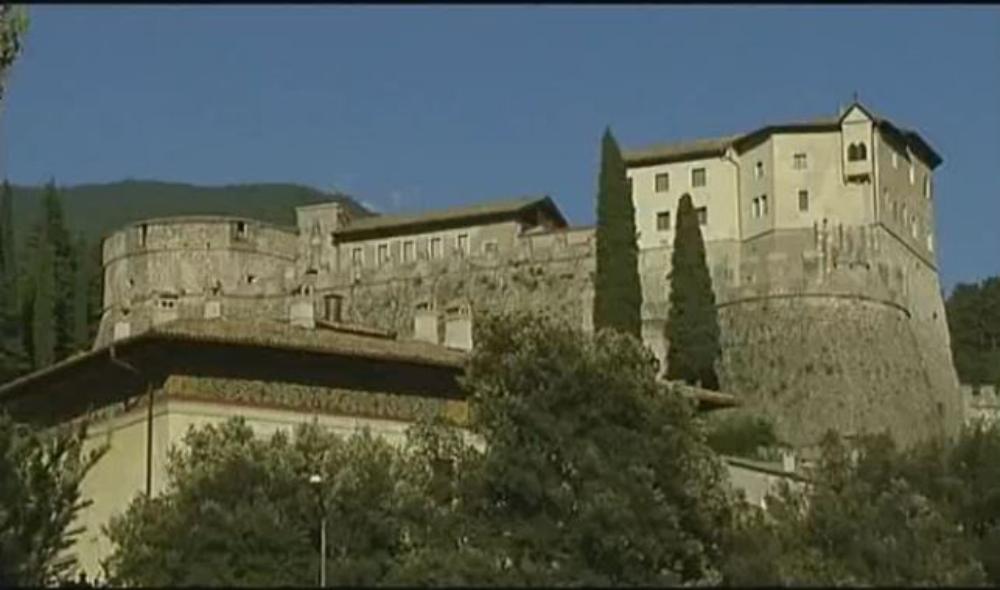
This small secret valley where you can be embraced by the mountains also carefully preserves ancient traditions: the patient bobbin lace weaving, the laborious wood carving, the protection of mountain huts and refuges, the return of livestock to the alpine pastures, rituals that continue unchanged and are revived in modern South Tyrolean taste also in the kitchen, which features genuine cheeses recognized as Slow Food presidia and strong wines like the Alps, ideal for a vacation of the senses. But also of the mind: little churches and castles, including one of the best preserved in the region, Schloss Taufers, exciting museums like the Copper Mines Museum in Predoi, a piece of mountain heart that you can enter by a little train, it’s easy to get lost in the history of a valley that is not just about skiing.
The Path of the Sun
The route of the Path of the Sun lasts about 7 hours but it is not necessary to complete it all at once. Because besides the main trail, there is a whole network of thematic trails also of short duration, designed not to miss any of the valley’s miracles. The route of the Path of the Sun follows the footsteps of smugglers of the past, offering the rainbow of waterfalls or tasting the flavor of the farmhouses.
Kneipp-Wanderwege im Ahrntal, im Herzen der Dolomiten
Die Kneipp-Wanderwege, benannt nach dem Deutschen, der als erster ihre außergewöhnlichen Eigenschaften erprobte. Es sind Spaziergänge im Wasser, die die Beine leicht fühlen lassen, ein wahrer Gesundheitsweg bei Kreislaufbeschwerden.
Für diese Hydrotherapie-Strecken benötigt man barfuß Füße, Flusskiesel, auf denen man gehen kann, eiskaltes Wasser, um die Blutzirkulation zu aktivieren, und dann das Ahrntal, das davon reichlich vorhanden ist. Hier, am nördlichsten Punkt Italiens in Südtirol, genau im Zentrum der Dolomiten, ist Wasser ein perfektes und reichliches Element, so dass der Name des Tals scheinbar von „Awerina“ stammt, einem vorromanischen Begriff, der fließendes Wasser bezeichnete. Und so tut es in der Ferienregion Kronplatz, die von Sand in Taufers bis Prettau reicht, gut, barfuß zu laufen. Man kann Kilometer um Kilometer mit erfrischenden und kostenlosen Pausen zurücklegen.
Die Wege des Weißen Bachs
Um sich sofort leicht zu fühlen, kann man den Spaziergang testen, der am Weißen Bach beginnt, einem kleinen Bergdorf, in dem man die Zeit wiederfindet, sich um sich selbst zu kümmern. Von hier starten die Gesundheitswege, ein Wundermittel gegen moderne Herz-Kreislauf-Erkrankungen, die ihre Hauptursache in Bewegungsmangel und zu viel Stress finden. Auf diesem Weg haben die drei Säulen der Kneipp-Therapie jeweils ihren Platz. Es gibt einen Teil, der der Phytotherapie gewidmet ist, es ist der Kräutergarten, ein sonnig gelegener Weg mitten in der Blütezeit wilder Bergpflanzen. Dann der Weg der körperlichen Aktivität, der nach Kneipp (und nicht nur) dazu dient, den Körper zu stärken, wenn er mit angenehmen Ruhephasen abwechselt. Schließlich der eigentliche Kneipp-Pfad: ein Becken, eine Kneipp-Treppe im Wald und Wasserfälle, die als natürliches Aerosol dienen. Alles umgeben von der grünen Natur, die saubere und reine Luft atmet.
Der Weg des Heiligen Leonard
Es gibt dann einen besonderen Weg, der um St. Jakob führt und, vorbei an Wäldern und Wiesen, in etwas mehr als eineinhalb Stunden zum Ausgangspunkt zurückkehrt. Dem Heiligen Leonard gewidmet, folgt er dem alten Mühlenweg, noch lebendige und funktionierende Zeugnisse davon, wie sehr Wasser im Ahrntal zuhause ist. Auf diesem Weg, den jeder bewältigen kann, geschützt von der Ruhe der Dolomiten, findet man eine der bekanntesten Kneipp-Anlagen mit einer einladenden Wassermulde, die eigens dafür angepasst wurde, um erhitzte Füße und Beine ruhen zu lassen. Und auch die Arme eintauchen zu können, für ein völlig leichtes Gefühl.
Der Gesundheitsweg in Prettau
Wir befinden uns im Naturschutzpark Rieserferner-Ahrn, 1400 Meter über dem Meeresspiegel, im ersten „Gesundheitsdorf Südtirols“, wo Luft, Wasser und Grün laut Experten dazu beitragen, die natürlichen Abwehrkräfte zu stärken. Und es sind 5 Kilometer Natur, die den Gesundheitsweg in Prettau ausmachen, eine einfache Wanderung, die vom berühmten Klimazentrum bis zum Haus des Naturparks in Kasern führt. Dazwischen der Röt-Wasserfall, eine rauschende und gesunde Pause, die dank der negativen Ionen des im Wind verteilten Wassers das Immunsystem stimuliert und hilft, Asthma und Allergien zu besiegen. Und dann der Kneipp-Teich, ein Ort der Energie, an dem man das verlorene Wohlbefinden wiederfindet. Ein Wohlbefinden, das von einem einfachen und urzeitlichen Element kommt: dem Wasser, hier noch sauber und wunderbar, wie früher.
The Aurina Valley by bike
With an area of 200 square kilometers from Lutago to Predoi, framed by eighty peaks reaching three thousand meters, the Aurina Valley, a tourist region of Plan de Corones, can be defined, without fear of exaggeration, as a paradise for cyclists of all kinds and types.
Among the many possible routes, those who enjoy riding calmly on easy or medium-level trails cannot miss the chance to let their wheels run on the scenic trip Ahrtour “Brunico-Casere”, starting from Brunico or Casere, which crosses the open countryside and beautiful woods, following the Aurino river and gradually turning into a journey to discover the villages of Campo Tures, San Maurizio, and Predoi, among chapels and castles. The more experienced, with a good number of kilometers under their belt, will find a challenge in the “Ameisberg” circuit, from Predoi to Casere, capable of capturing the eyes, heart, and palate with its panoramic view up to the Italian Peak and with various possibilities for stops in traditional huts of the Aurina Valley. And, using the Klausberg and Speikboden cable cars – thanks to which, upon request, bicycles can be transported up to 2000 meters – it is even possible to pedal up in high mountains and then descend into the valley. Especially appreciated is the tour leading to Michlreis, with a charming view of the surrounding mountain peaks justifying the effort and sweat. Another attraction of the steep routes is the possibility to reach by mountain bike, along forest or mountain roads, a large number of huts specializing in traditional cuisine, which are often equipped for e-bike charging.
For those, overwhelmed by such a wide choice, who prefer to rely on experts of handlebars and saddles, the Ahrntal Aktiv group organizes bike tours every summer for all levels, mixing them with other alpine experiences, such as climbing.
But these are just some of the infinite possibilities to discover the Aurina Valley by bicycle. The dense and widespread network of bike paths, covering a total of 300 km and crossing villages and towns – also passing through 13 sensory stations scattered along the route like small and continuous surprises – leads to Lienz in East Tyrol and serves as a gateway to the Aurina Valley, the Antholz Valley, and the Casies Valley. It is not necessary to arrive prepared because the Aurina Valley itself welcomes visitors with the MobilCard, a combined ticket for the use of trains, buses, and bicycles available at no less than 30 different rental points, which often also offer the opportunity to return the bicycle at a partner business upon arrival or to hop on an e-bike – in Casere, Cadipietra, San Giovanni, Lutago, Campo Tures, and Brunico – for carefree and sweat-free rides in a world of landscapes made of natural parks, lakes, and waterfalls.
Active holidays in the Aurina Valley
For those with an adventurous spirit, the top is the huge adventure park Kron-Action, the largest in South Tyrol, with many tree climbing routes for adults and children alike, from one and a half meters up to the very high altitude for the bravest, experiencing the thrill of walking on trees safely. Or, more classic yet still heart-pounding, four hours of rafting on the Rienza River in the Lower Puster Valley. To raise the heart rate even more, you can launch yourself from one hanging platform to another suspended on a pulley, with your feet dangling into the void towards San Vigilio: it’s no coincidence it’s called Adrenaline X-treme Adventures and is the largest zip line in Europe. And still at full speed, there is the Alpine Coaster Klausberg Flitzer, that is the longest and most spectacular alpine roller coaster in Italy, a breathtaking rail bob.
For those who instead have a more Heidi-like spirit and would always stay in the meadows observing nature in motion, here is another series of appealing proposals. Like the sunrise hike in San Martin to watch wild animals when dawn colors the valleys pink, an experience you can also enjoy in Terento with expert hunters who know the places where chamois and marmots live. Or fill your eyes with unparalleled panoramas, walking from hut to hut in Speikboden, an area named after Speik, a small but hardy mountain flower that covers the meadows with its deep violet.
The Val Casies is another amazing excursion, made of immense green spaces, with gentle hills at the foot of imposing rocky mountains, while for nordic walking enthusiasts, starting from Valdaora there are high-altitude or more leisurely hikes: here, at the foot of Plan de Corones, the choice is overwhelming. Indeed, it is the largest park in Europe dedicated to this sport, with over 275 km of trails, among Falzes, Bruneck, Valdaora and Rasun.
Or, to experience history and effort firsthand, a visit to the last of the six museums set up by Reinhold Messner and dedicated to the mountains, the MMM Corones. In a structure that offers a spectacular view of the great Dolomite and Alpine walls, like a terrace overlooking the power of nature, the museum traces the history of mountaineering. And from here, a hike to Corones, with eyes toward the rocky spires that seem to touch the sky. To finish with an energizing activity: called “Nature under your feet,” it is a Kneipp path in the Antholz Valley to recharge your body’s batteries between water and dry.
The mines of the Ahrntal Valley
Entering a mine and breathing the healthiest air found in nature. It sounds like a contradiction, but in Ahrntal Valley everything is possible. Because here, at the northernmost tip of South Tyrol/Alto Adige, there is the Predoi Climate Center, the only Italian paradise for speleotherapy. That is a form of respiratory support practiced at 1100 meters in the heart of the mountain, in natural caves and abandoned mines, a therapy that, taking advantage of the beneficial microclimate, helps in case of respiratory weaknesses, from asthma to sinusitis, from allergies to pulmonary emphysema. A cure suitable for children and adults, with just one warning: dress warmly, because the temperature is quite low, constant at 9 degrees. And then nothing else: just breathe.
“I breathe” is the motto of the Center, where sitting in a cave on a comfortable deck chair and covered by a warm bag, you listen to music, read, and wait for the clean air, free of pollen and allergens, to do its work, an hour and a half a day with a nurse for every need. And for the little ones, a group of expert entertainers offers games and activities.
So what was once a copper mine that provided work in this historically very poor region, even when closed, continues to offer resources. Even tourist ones, because speleotherapy in Predoi can be an opportunity to step into the past. A history of hardship and drama spanning 500 years that of the Predoi Copper Museum, dripping with water dust among the blue reflections of the mineral, in one of the best-known excursions of the Ahrntal Valley, loved by children and adults for the sense of adventure and the leap into a time that no longer exists. At the entrance to the St. Ignaz gallery there is still a miners’ house, called the “surveyor’s”, showing what life was like for those who so rarely saw daylight. Then, with helmet and yellow raincoat, you board the little train which once transported arms and pickaxes towards long workdays, and traveling along the tracks, head straight to the heart of the mountain, with a stretch in the dark just like in the old days, then enter the tunnels on foot and seek a bit of the remaining copper.
The Museums of the Aurina Valley
The Aurina Valley houses interesting traditional museums that contain curious and valuable objects. Ideal to visit at any time of the year, although they are certainly an alternative to what to do in the Aurina Valley when it rains or when skiing is not possible or when it is not possible to go on trails.