


La cuisine néerlandaise est un voyage fascinant à travers des saveurs authentiques et des traditions séculaires. Souvent sous-estimée par rapport à d’autres cuisines européennes plus célèbres, la gastronomie des Pays-Bas offre en réalité une variété surprenante de plats savoureux et riches en histoire. Des soupes copieuses aux fromages renommés dans le monde entier, en passant par des desserts irrésistibles et de la street food originale, il y a vraiment un embarras du choix pour ceux qui souhaitent explorer les saveurs typiques de ce pays.
- Typische Nederlandse keuken. 30 traditionele gerechten
- Stamppot: de ultieme Nederlandse comfortfood
- 1. Stamppot
- 2. Ossenworst
- Waar stamppot eten in Amsterdam
- Soups and Stews: The Warmth of Dutch Tradition
- 3. Erwtensoep or Snert
- 4. Groentesoep
- 5. Hachee
- 6. Draadjesvlees
- 7. Suddervlees
- Where to Eat Soups and Stews in Amsterdam
- Dutch cheeses: a worldwide recognized excellence
- 8. Gouda
- 9. Edam
- 10. Maasdam
- 11. Leerdammer
- Where to eat Dutch cheese
- Sweets and desserts: the delights of Dutch pastry
- 12. Stroopwafel
- 13. Appeltaart
- 14. Poffertjes
- 15. Speculaas
- 16. kruidnoten
- 17. Bossche bol
- 18. Oliebollen
- Where to eat Dutch sweets
- Dutch Street Food: Authentic Flavors to Enjoy on the Go
- 19. Haring
- 20. Kibbeling
- 21. Patat
- 22. Bitterballen
- 23. Kaassouflé
- 24. Kroketten
- Where to Eat Street Food in the Netherlands
- Typical drinks: from beer to genever
- 25. Witbier
- 26. Genever
- 27. Advocaat
- 28. Dutch milk
- 30. Coffee
- Where to drink in the Netherlands
- Regionale keuken: de specialiteiten van de verschillende Nederlandse provincies
Dans cet article, nous vous guiderons à la découverte de 30 spécialités incontournables de la cuisine néerlandaise, en vous révélant les secrets de plats traditionnels transmis de génération en génération ainsi que de préparations plus modernes qui conquièrent les palais des locaux et des touristes. Nous vous raconterons l’histoire et les curiosités derrière chaque plat, en vous donnant des conseils sur où les déguster lors de votre voyage aux Pays-Bas.
Que vous soyez passionnés de gastronomie ou simples curieux, ce guide vous aidera à vous orienter parmi les saveurs authentiques de la cuisine néerlandaise, vous permettant de vivre une expérience gastronomique unique et inoubliable. Préparez-vous à un tour du goût à travers des fromages crémeux, des soupes fumantes, des desserts irrésistibles et bien plus encore. La cuisine néerlandaise vous surprendra par sa variété et sa générosité !
Typische Nederlandse keuken. 30 traditionele gerechten
De typische Nederlandse keuken is in wezen eenvoudig en gebaseerd op natuurlijke producten, verrijkt met enkele etnische invloeden, erfgoed uit het koloniale verleden en een multicultureel heden. Groenten, peulvruchten, fruit uit Limburg; kazen, rundvlees; vis, zoals schol, koningin van de Noordzee of haring, vormen de basis van de voeding van het Nederlandse volk, dat gewend is een uitgebreide ontbijt te nuttigen (melk, koffie, volkorenbrood, boter, jam, enz.); een lichte lunch met vleeswaren en kazen, brood en fruit; een pauze voor thee of koffie, en een goed uitgebalanceerd diner met een warme soep (soep), vlees of vis, en verschillende groentegerechten.
Een typisch gerecht, verspreid over het hele land, is erwtensoep (erwtensoep), gevolgd door aspergesoep; gemengde groentesoep en tomatensoep.
Biefstuk (biefstuk) wordt meestal rood gegeten met pittige saus. Ook zijn gerechten met rijst en wit vlees zeer gebruikelijk, geurig en op smaak gebracht met Oosterse kruiden. Zeer rijk is het hoofdstuk kazen, gemaakt van melk van de voortreffelijke inheemse koeien, van Edammerkaas met gele, compacte pasta en ronde gaten tot Goudsekaas, met platte of cilindrische vorm.
Vis is zo wijdverspreid dat je vaak mobiele kraampjes tegenkomt die schol, haring, octopus, oesters en zeevruchten verkopen die altijd vers zijn. De desserts zijn ook van uitstekende kwaliteit, te beginnen met chocolade (bijv. de pastilles van Haarlem), koekjes en verschillende soorten kerstbrood. Tot de dranken behoren tenslotte thee, lange koffie, lichte bier, jenever, een soort gin met citroen of bes, die als aperitief puur of met water gedronken wordt. En de advokaat, eierbrandewijn.
Stamppot: de ultieme Nederlandse comfortfood
Als het gaat om typische Nederlandse gerechten, verdient stamppot zonder twijfel een ereplaats. Beschouwd als het ware nationale gerecht van Nederland, is stamppot het symbool van lokale comfortfood, een eenvoudig maar voedzaam gerecht dat hart en maag verwarmt op koude winterdagen. De naam “stamppot” betekent letterlijk “gestampte pot” en beschrijft perfect de bereiding van dit gerecht. Het is namelijk een mix van gestampte aardappelen en groenten, traditioneel geserveerd met een gerookte worst genaamd rookworst.
1. Stamppot
Het basisrecept van stamppot gebruikt gekookte en gestampte aardappelen waaraan gekookte groenten zoals boerenkool, wortels, uien of spinazie worden toegevoegd. Alles wordt vervolgens krachtig gemengd totdat een egale maar niet te gladde consistentie ontstaat. De gerookte worst wordt heel bovenop de stamppot geserveerd of in plakjes gesneden en door het mengsel gemengd.

Wat stamppot zo bijzonder maakt, is de veelzijdigheid ervan. Er zijn namelijk veel varianten van dit gerecht, elk met een eigen naam en kenmerken. De populairste zijn:
- Boerenkoolstamppot: gemaakt met boerenkool, wellicht de meest traditionele en geliefde versie onder Nederlanders.
- Hutspot: een variant op basis van wortels en uien, vaak geserveerd met gestoofd rundvlees.
- Zuurkoolstamppot: gemaakt met zuurkool, perfect voor liefhebbers van sterkere smaken.
- Andijviestamppot: gebruikt andijvie, wat het gerecht een lichte bittere toets geeft.
Stamppot is een gerecht dat alle eenvoud en puurheid van de Nederlandse keuken in zich draagt. De oorsprong gaat terug tot de 16e eeuw, toen aardappelen werden geïntroduceerd in Nederland en snel een basisvoedsel werden. Sindsdien is stamppot geëvolueerd tot de ultieme comfortfood, gewaardeerd door jong en oud. Ondanks de schijnbare eenvoud vereist een goede stamppot enige vaardigheid. De aardappelen moeten perfect gestampt zijn, niet te glad en niet te korrelig, en de groenten moeten een zekere textuur behouden zonder te veranderen in een ongedifferentieerd pureetje. De gerookte worst moet precies goed gegaard zijn om zijn volledige smaak vrij te geven.
2. Ossenworst
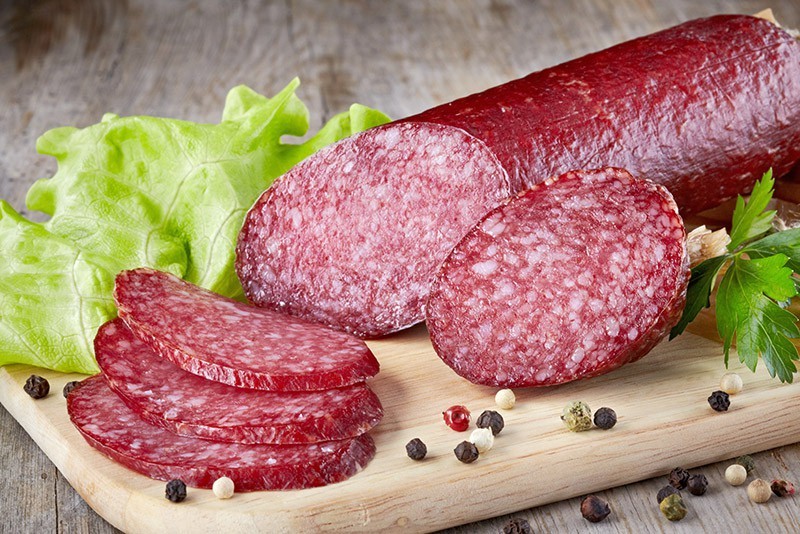
Dit is een gerookte rauwe worst, oorspronkelijk gemaakt van ossenvlees (nu vaker van varkensvlees). De ossenworst is een traditionele Nederlandse worst, typisch voor de Amsterdamse keuken en andere regio’s in Nederland. Het is een rauwe, gekruide worst, voornamelijk bereid met rundvlees (vaak van de neus of schouder) en soms ook met rundvet. Het vlees wordt fijn gemalen en gemengd met diverse specerijen, waaronder zwarte peper, nootmuskaat, ui en andere kruiden, afhankelijk van het recept.
De ossenworst heeft een zachte textuur en een rijke smaak, die licht gerookt of gekruid kan zijn, afhankelijk van de lokale tradities. Hij wordt meestal rauw geserveerd, in dunne plakjes, en gegeten met brood of als onderdeel van een groter gerecht. Deze worst wordt vooral gewaardeerd tijdens maaltijden of als snack in combinatie met kaas en andere typische gerechten. De ossenworst is geen stoofpot, zoals duidelijk is. Daarom hebben we hem toch in deze sectie opgenomen, omdat hij dichter bij de andere gerechten staat.
Waar stamppot eten in Amsterdam
Als je tijdens je reis in Nederland een authentieke stamppot wilt proeven, raden we aan om te zoeken in traditionele Nederlandse restaurants, zogeheten “eetcafés”. Hier kun je verschillende varianten van dit gerecht proberen, vaak geserveerd in royale porties die hart en maag zullen verwarmen.
In Amsterdam is restaurant Moeders (wat “moeders” betekent in het Nederlands) beroemd om zijn huisgemaakte stamppot, bereid volgens traditionele recepten die van generatie op generatie zijn doorgegeven. Een andere uitstekende optie is Haesje Claes, een historisch restaurant in het hart van de stad met een ruime selectie typische Nederlandse gerechten, inclusief natuurlijk stamppot.
Stamppot is veel meer dan een eenvoudig gerecht: het is een symbool van de Nederlandse eetcultuur, een comfortfood dat de warmte en gastvrijheid van dit land in zich draagt. Het proeven ervan betekent je onderdompelen in de culinaire traditie van Nederland, met authentieke en pure smaken die je het gevoel geven thuis te zijn.

Soups and Stews: The Warmth of Dutch Tradition
Dutch cuisine is rich in hearty soups and stews, perfect for warming up during the long, cold winters of Northern Europe. These dishes, passed down from generation to generation, are true treasures of local gastronomy, offering comfort and nourishment with simple but expertly combined ingredients.
3. Erwtensoep or Snert
Among the most loved and representative soups of Dutch cuisine is erwtensoep, also known as snert. It is an incredibly thick split pea soup, so much so that it can almost be considered a stew. Its consistency is so dense that it is jokingly said a spoon should stand up if dipped in the soup!
Erwtensoep is made with dried peas, carrots, celery, onion, and pork, usually ribs or trotters. Slow and prolonged cooking allows the ingredients to perfectly blend, creating a rich and enveloping flavor. Traditionally it is served with slices of rye bread and smoked bacon, becoming a complete and hearty meal.

4. Groentesoep
Another typical soup is groentesoep, a vegetable soup that can vary in ingredients depending on the season and personal preferences. It usually includes carrots, celery, onion, potatoes, and various types of leafy greens. It is often enriched with meatballs or vermicelli, becoming a nutritious and flavorful one-dish meal.

5. Hachee
Regarding stews, the most famous is undoubtedly hachee. This stewed meat dish has very ancient origins and represents the essence of Dutch home cooking. Made with cubed beef, onions, and a spice blend including cloves and bay leaves, hachee is slowly cooked until it achieves a tender consistency and intense flavor. It is usually served with boiled potatoes or puree and seasonal vegetables.

6. Draadjesvlees
Another highly appreciated stew is draadjesvlees, literally “thread meat.” The name comes from the meat’s texture which, after long cooking, easily falls apart into strands. Made with beef, onions, vinegar, and a series of spices, draadjesvlees has a very distinctive sweet and sour taste that makes it unique in its kind.

7. Suddervlees
One cannot talk about Dutch stews without mentioning suddervlees, a typical meat stew from the southern region of the country. Made with beef, onions, vinegar, and a variety of spices, it is slowly cooked until it reaches a very tender texture and a rich, complex flavor.
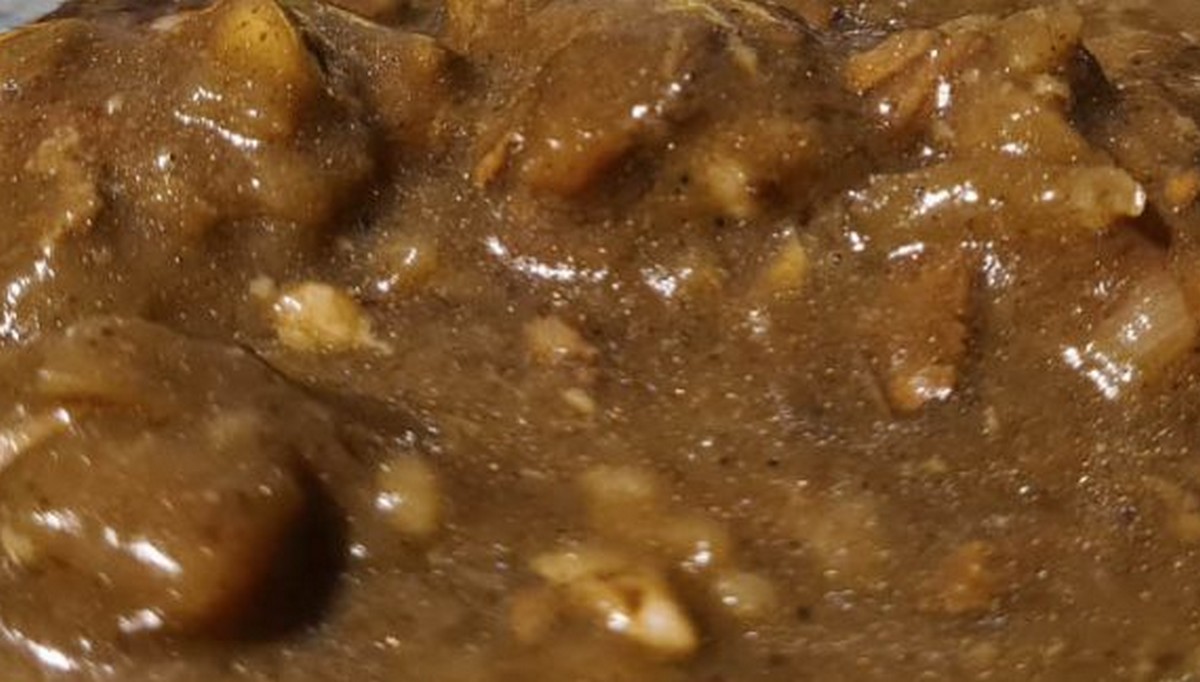
These dishes represent the heart of traditional Dutch cuisine and are particularly appreciated during the winter months. Many typical restaurants offer them on their menus, especially from October to March when temperatures drop and the desire for warm, comforting foods increases.
Where to Eat Soups and Stews in Amsterdam
If you find yourself in Amsterdam and want to taste some of these specialties, we recommend visiting the restaurant Moeders, already mentioned for its stamppot. Here you can enjoy excellent erwtensoep and other traditional dishes in a cozy and family atmosphere. Another option is Café de Prins, a typical “brown café” in the Jordaan district, where you can try delicious homemade groentesoep along with other typical Dutch dishes.
Dutch soups and stews are much more than simple dishes: they are true symbols of the country’s culinary culture, capable of telling stories of tradition, conviviality, and family warmth. Tasting them means fully immersing yourself in the essence of Dutch gastronomy, discovering authentic and comforting flavors that will make you feel at home even when far away from home.

Dutch cheeses: a worldwide recognized excellence
When you think of Dutch cuisine, cheese is definitely one of the first foods that comes to mind. Not by chance, the Netherlands is famous worldwide for the excellence of its cheeses, the result of a centuries-old dairy tradition and great attention to the quality of raw materials.
8. Gouda
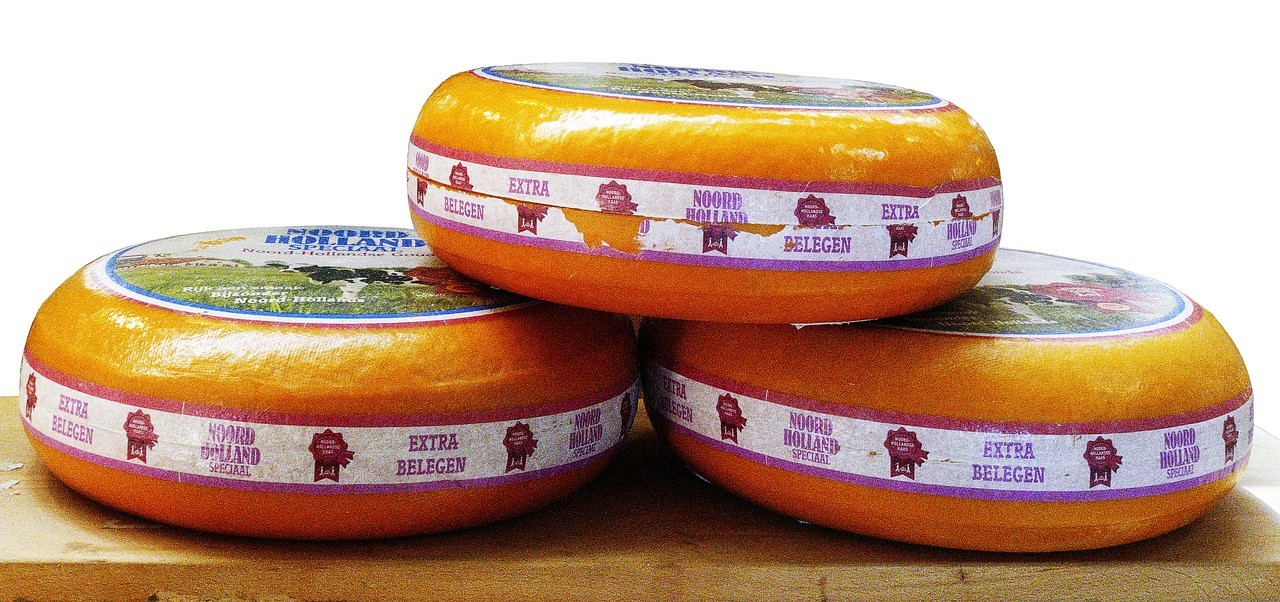
The undisputed king of Dutch cheeses is undoubtedly Gouda, named after the city where it was originally produced and marketed. Contrary to what one might think, the real Dutch Gouda is very different from the imitations found abroad. It is a semi-hard cheese with a rich and complex flavor, which varies depending on the aging.
The young Gouda has a sweet and delicate taste, while the aged one develops more intense and spicy notes, with a crumbly texture and the presence of salt crystals that give a pleasant crunchiness. A true delight for the palate!
9. Edam
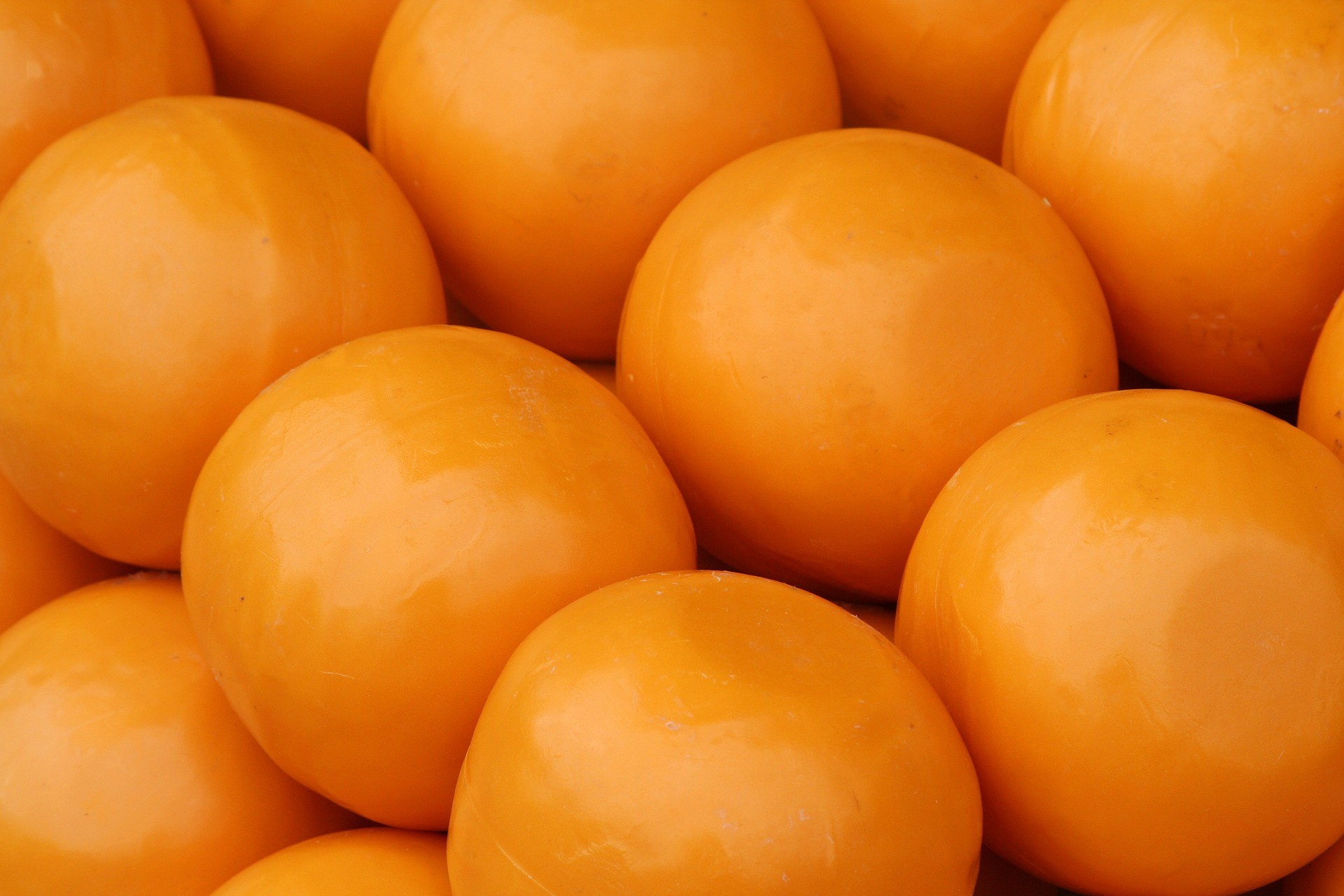
Gouda is not the only cheese to be proud of. Edam, recognizable by its characteristic spherical shape covered in red wax, is another must of Dutch dairy production. It has a milder flavor than Gouda and is perfect to enjoy in slices or as an ingredient in numerous recipes.
10. Maasdam
One cannot fail to mention Maasdam, also known as the “Dutch Swiss cheese” due to the large holes reminiscent of Emmental. It has a sweet and nutty taste that is highly appreciated.

11. Leerdammer
For lovers of more intense flavors, Leerdammer is an excellent choice. This semi-hard cheese has an intense and slightly spicy aroma that makes it perfect to enjoy on its own or paired with a good glass of red wine.

Finally, a special mention goes to the Dutch goat cheese, increasingly appreciated for its unique taste and better digestibility compared to cow’s milk cheeses. There are various varieties, from fresh and delicate ones to aged cheeses with a stronger flavor.
Where to eat Dutch cheese
The best way to savor the goodness of Dutch cheeses is to visit one of the many specialized shops present in the main cities. Here you can find a wide selection of local cheeses, often accompanied by free tastings that allow you to discover new flavors. Don’t miss the experience of a guided tasting, where you can learn to recognize different aging stages and pair cheeses with wines and jams.
If you are in Amsterdam, Reypenaer Proeflokaal is a must-visit for cheese lovers. Here you can participate in professional tastings and purchase some of the best Dutch dairy specialties. An experience not to miss to discover all the richness and variety of cheeses from the Netherlands!
Sweets and desserts: the delights of Dutch pastry
Dutch cuisine is not only famous for its savory dishes but also boasts a rich tradition of sweets and desserts that deserve to be discovered. From cakes to pancakes, through cookies and pastries, Dutch pastry offers a variety of flavors and textures capable of satisfying every type of palate.
12. Stroopwafel
One of the most iconic and beloved sweets in the Netherlands is undoubtedly the stroopwafel. It consists of two thin crispy waffles joined by a layer of caramel syrup. Tradition holds that the stroopwafel is placed on top of a cup of hot coffee or tea for a few minutes so that the heat slightly softens the inner caramel, creating a delicious contrast between the crunchy exterior and the soft interior.

13. Appeltaart
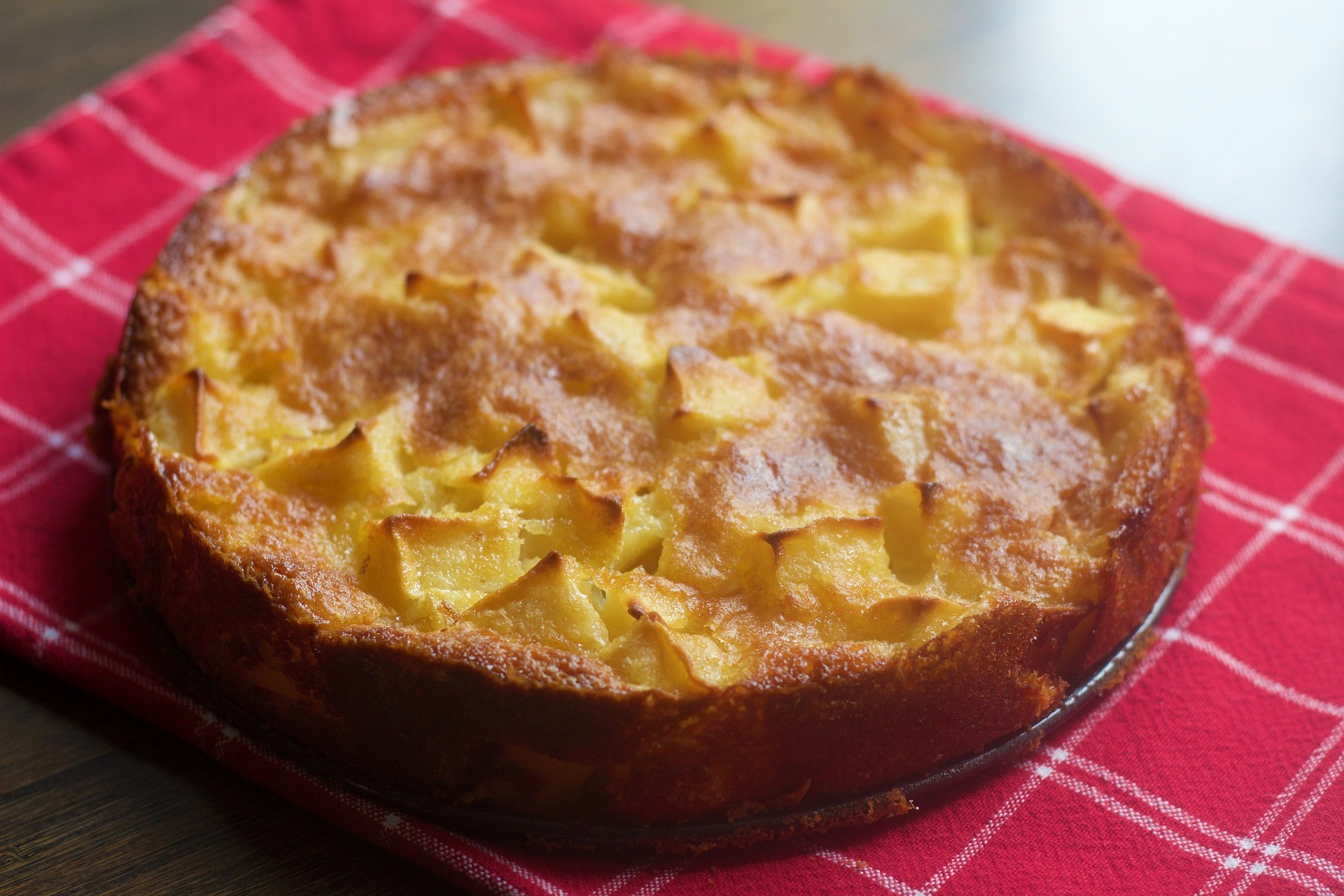
Another typical sweet is the appeltaart, the Dutch version of apple pie. Unlike the American apple pie, the Dutch appeltaart has a texture more similar to a tart, with a shortcrust pastry shell filled with sliced apples flavored with cinnamon and raisins. It is usually served warm, accompanied by a generous portion of whipped cream.
14. Poffertjes
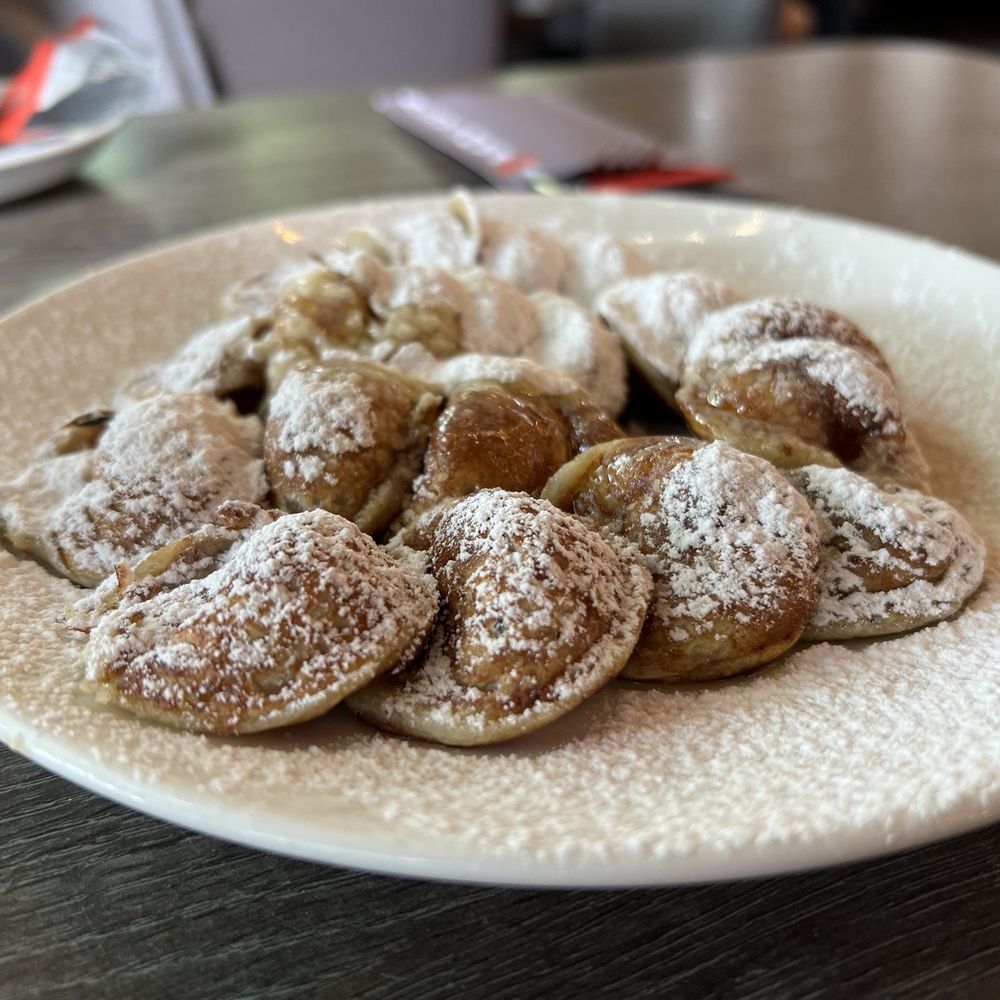
Poffertjes are another must of Dutch pastry. These are small spongy pancakes, made from a batter based on buckwheat flour and yeast. They are cooked in special plates with semi-spherical cavities and served hot, sprinkled with melted butter and powdered sugar. Poffertjes are a classic of Dutch street food, especially appreciated during festivals and Christmas markets.
15. Speculaas
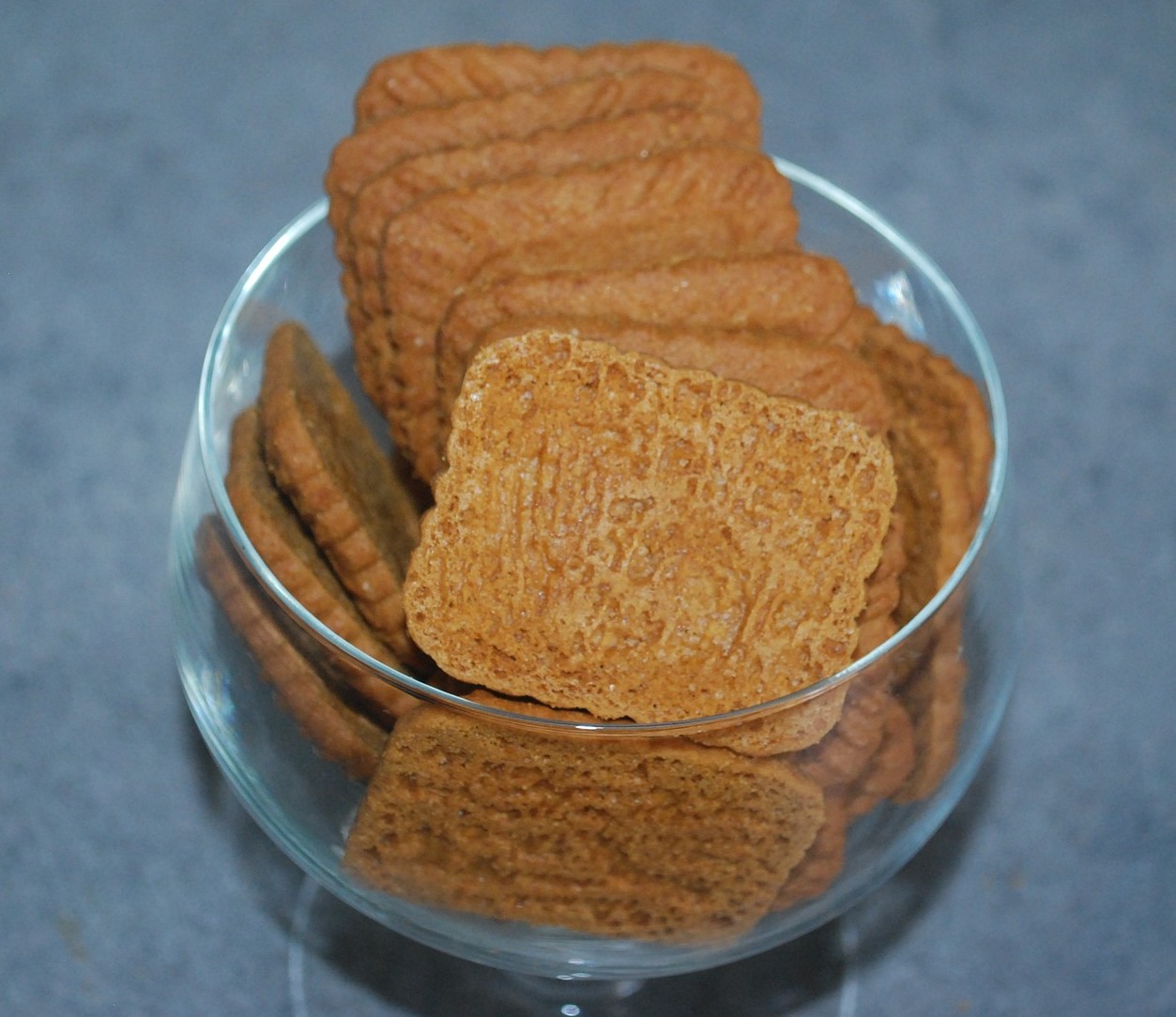
For cookie lovers, speculaas are a real treat. These spiced cookies, traditionally associated with the feast of Saint Nicholas (Sinterklaas), are flavored with a blend of spices that includes cinnamon, nutmeg, cloves, ginger, and cardamom. Their flat shape and embossed patterns also make them aesthetically very appealing.
16. kruidnoten
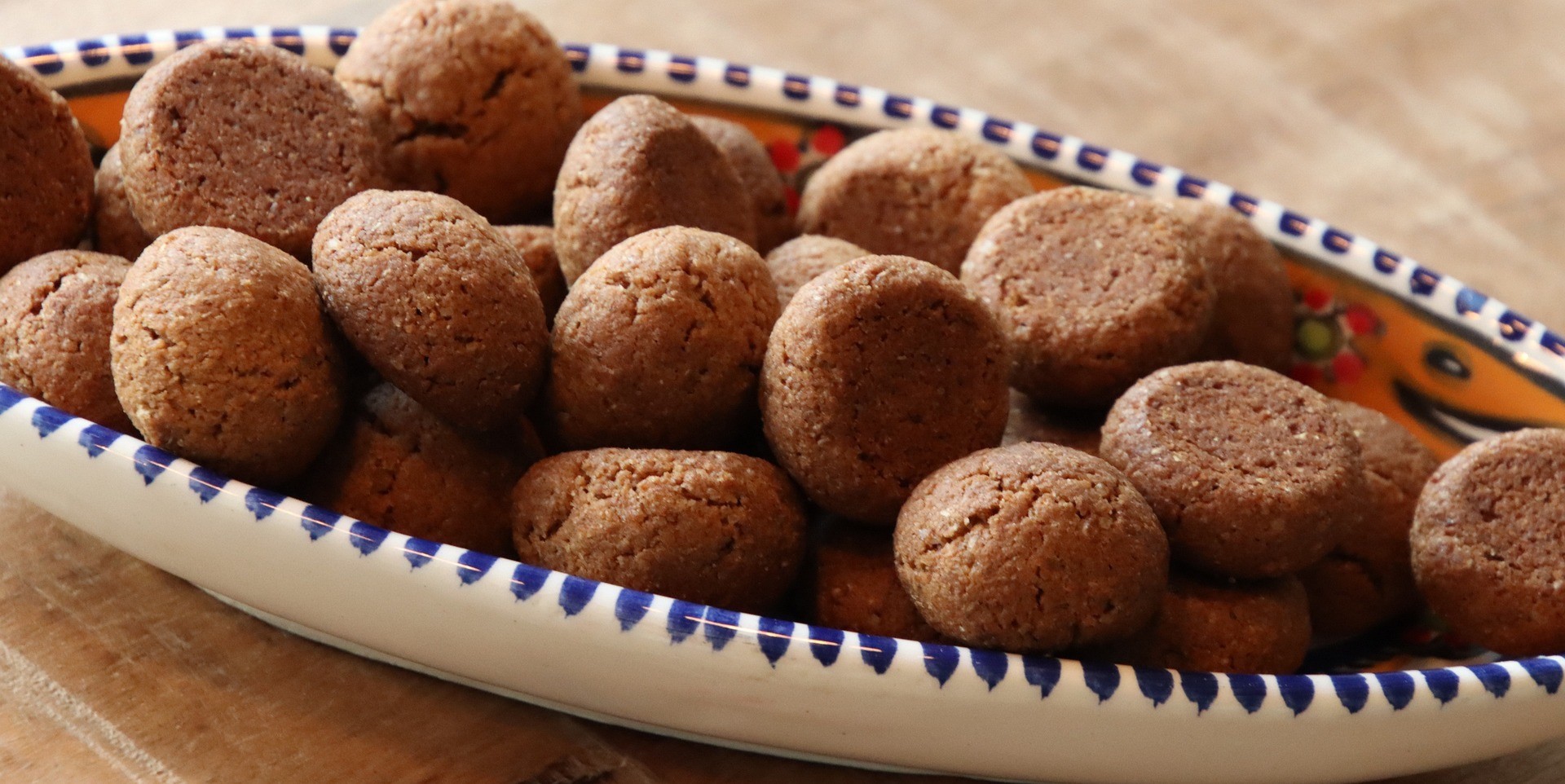
You can’t talk about Dutch sweets without mentioning kruidnoten, small round and crunchy cookies flavored with the same spices as speculaas. They are traditionally associated with Sinterklaas celebrations, but today they can be found in shops for much of the year.
17. Bossche bol
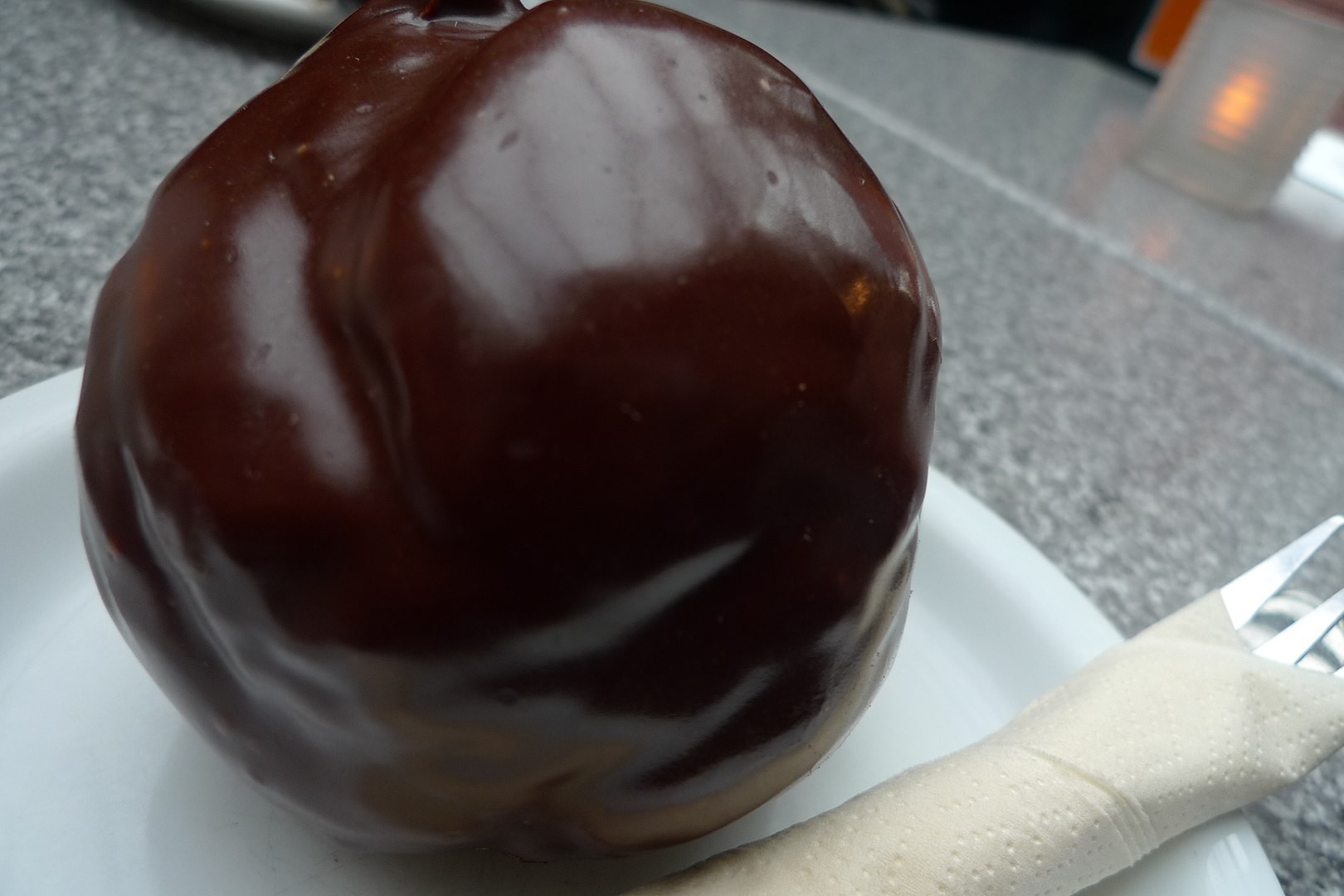
A dessert that is gaining more and more popularity is the bossche bol, originating from the city of Den Bosch. It is a large choux pastry ball filled with whipped cream and covered in dark chocolate. A true celebration of indulgence!
18. Oliebollen
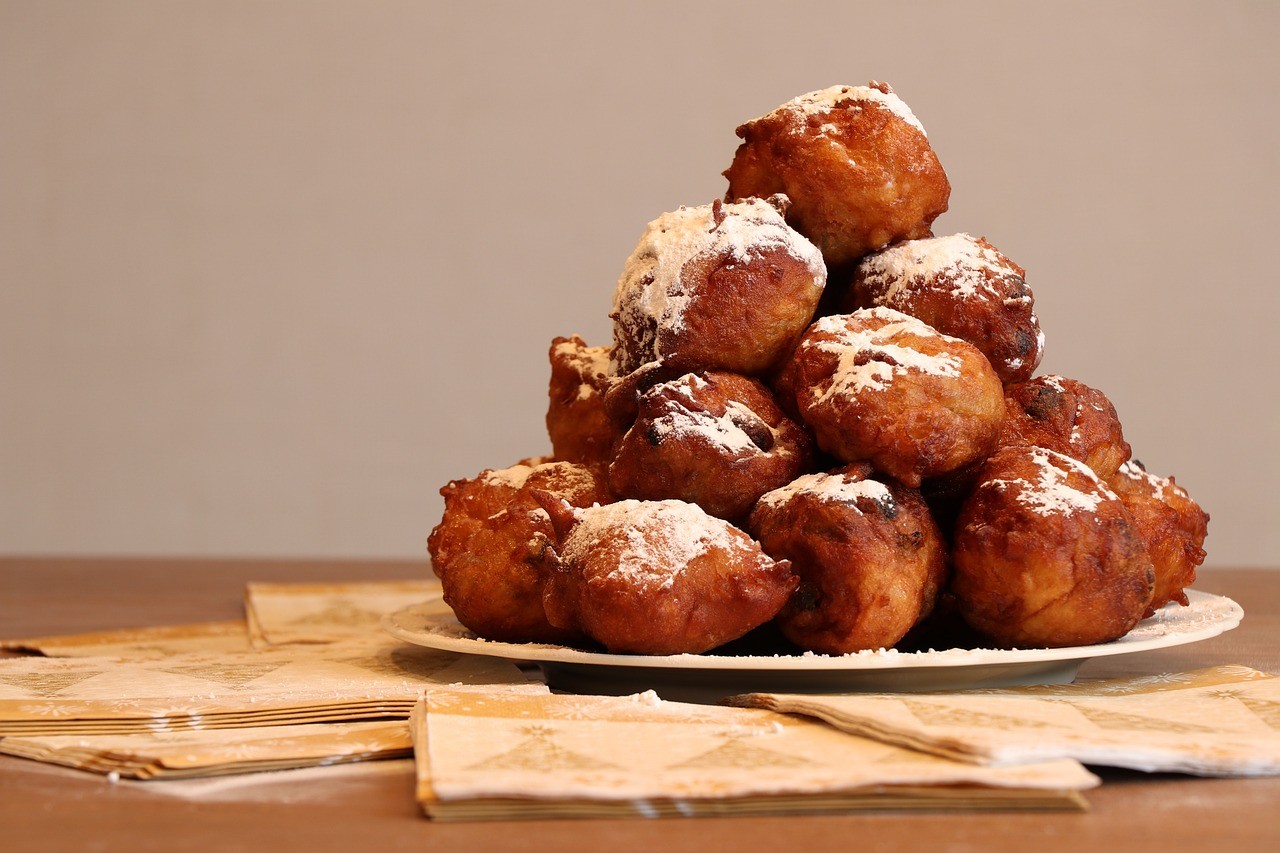
Finally, we cannot forget oliebollen, the Dutch pancakes traditionally consumed during the end-of-year holidays. These fried sweets, similar to large balls, can be plain or filled with raisins and apple pieces. They are usually dusted with powdered sugar and are irresistible when still hot and fragrant.
Dutch pastry, with its variety of flavors and textures, offers a delicious journey through the culture and traditions of the country. Whether you love spiced sweets, fruit cakes, or pancakes, you will surely find something that will satisfy your palate. Don’t hesitate to be tempted by these delights during your trip to the Netherlands: they are an integral part of the Dutch culinary experience!
Where to eat Dutch sweets
Stroopwafels can be found everywhere in the Netherlands, from supermarkets to street stalls, but the best are the fresh ones made on the spot. If you find yourself in Amsterdam, don’t miss the chance to taste those at the Albert Cuyp (Albert Cuypmarkt) market, where you can watch their preparation live. To enjoy the best appeltaart in Amsterdam, stop by Winkel 43, a café in the Jordaan neighborhood famous for its homemade apple pie. The queues outside the locale are a testimony to the goodness of this sweet. To taste some of these sweets in a single location, we recommend visiting the Foodhallen in Amsterdam, an indoor market where you can find several stands dedicated to traditional Dutch sweets.

Dutch Street Food: Authentic Flavors to Enjoy on the Go
The street food culture in the Netherlands is lively and vibrant, offering a variety of snacks and quick dishes that fully reflect the local culinary tradition. From street stalls to market kiosks, including the famous “FEBO” (hot food vending machines), there are many options to enjoy an authentic taste of Dutch cuisine on the go.
19. Haring
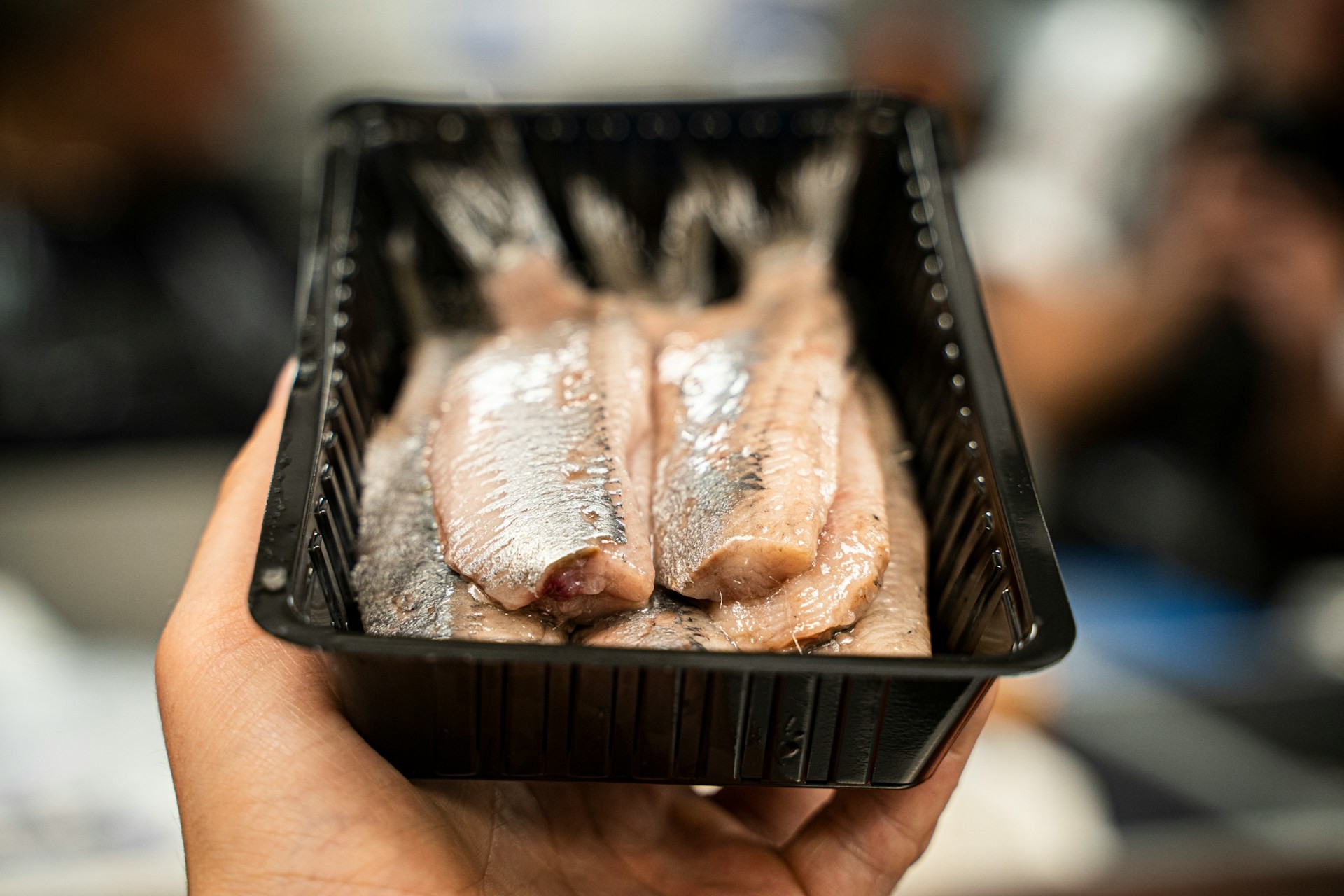
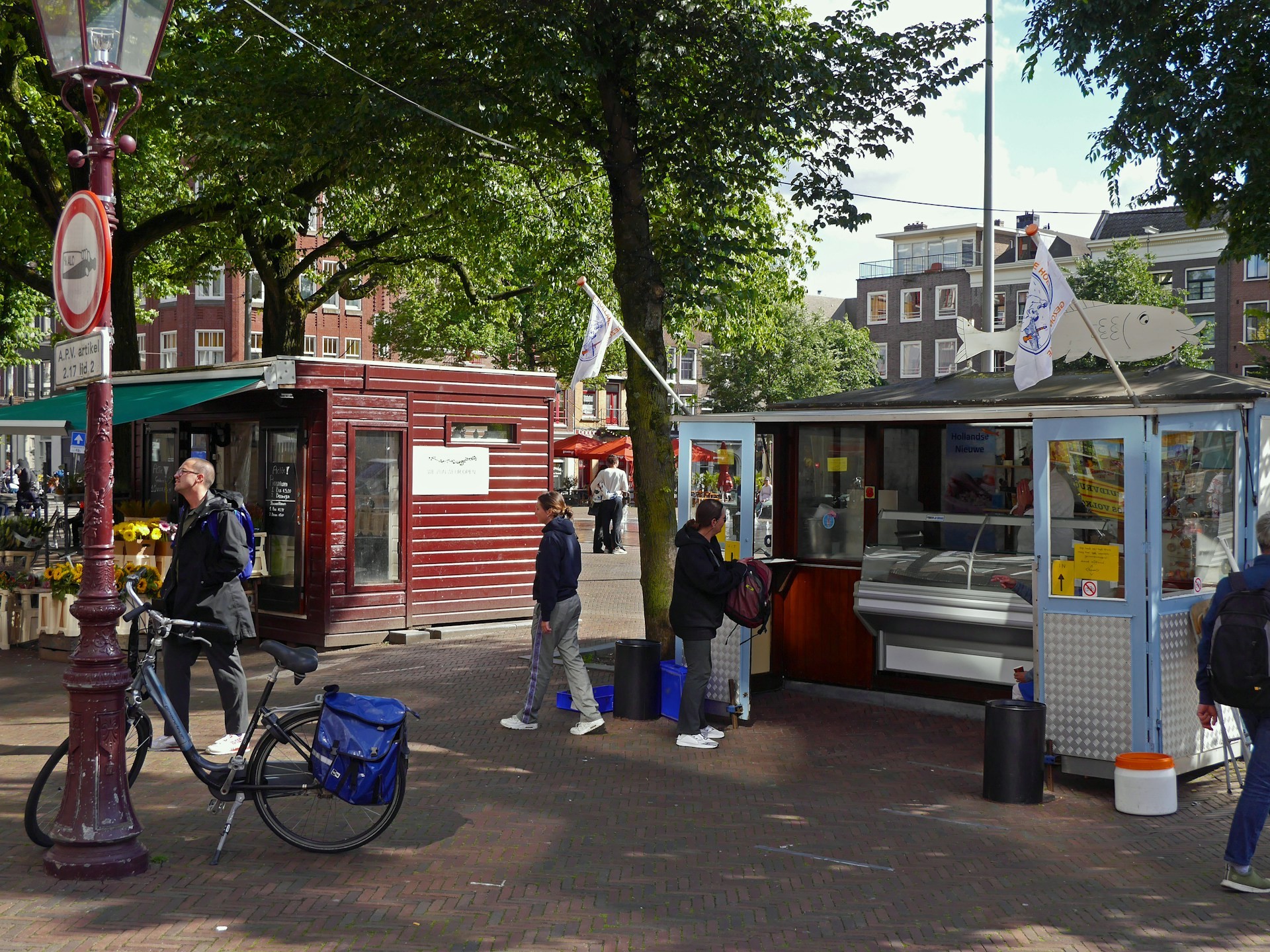
One of the most iconic and beloved street foods is undoubtedly haring, raw herring. This fish, caught in the North Sea, is lightly salted and served raw, often accompanied by chopped onions and pickles. The traditional way to eat it is to grab the herring by the tail and slide it into your mouth while tilting your head back. For the less adventurous, it is also possible to find it cut into pieces and served on a soft bun (broodje haring).
The best time to taste haring is during the “Hollandse Nieuwe“, the season that starts in June when the new herrings arrive on the market.
20. Kibbeling
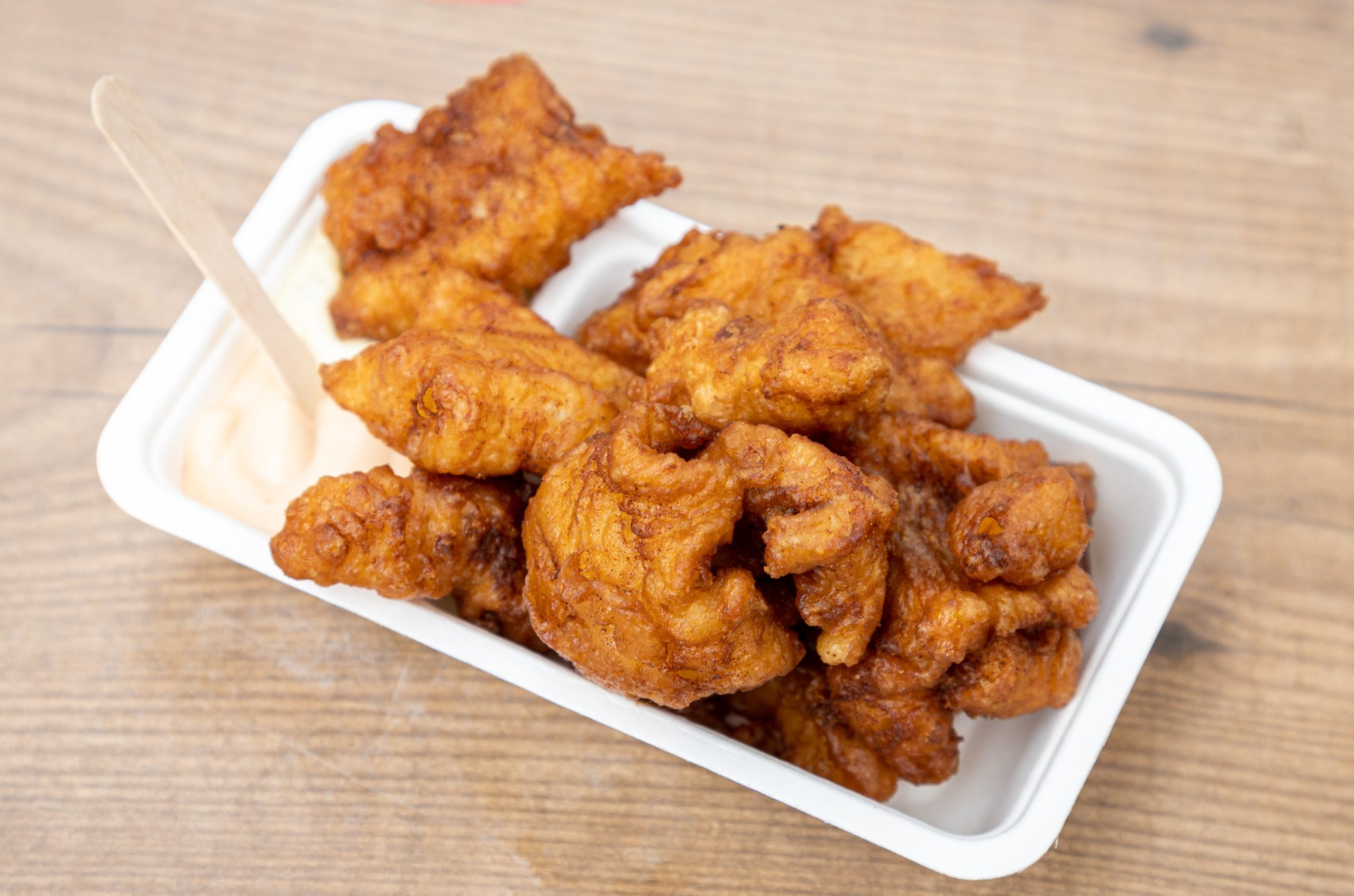
Another classic Dutch street food is kibbeling, fried fish bites (usually cod) served with tartar sauce. Crispy on the outside and soft on the inside, kibbeling is perfect to eat while walking and is especially popular as a snack during cold winter days.
21. Patat
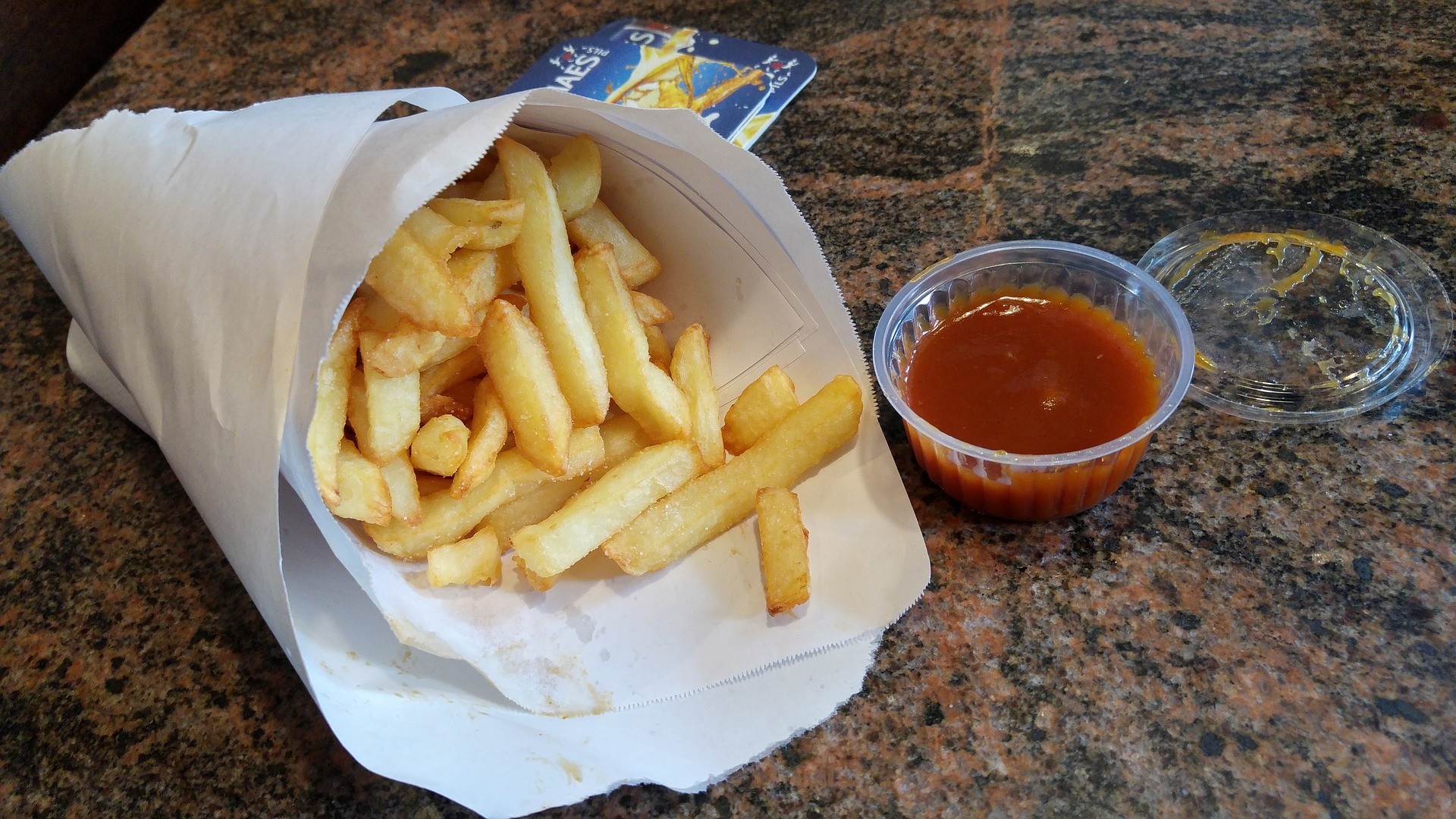
You can’t talk about Dutch street food without mentioning fries, or “patat” as they are called locally. Dutch fries are generally thicker than those found in other countries and are served in a paper cone with a variety of sauces. The most popular is “frietsaus“, similar to mayonnaise but lighter, followed by satay sauce (peanut-based) and curry sauce. For a truly unique experience, try the “patatje oorlog” (literally “fries war”), a combination of fries topped with mayonnaise, satay sauce, and chopped raw onions. The name comes from the “chaotic” look of the dish, but the taste is surprisingly delicious!
22. Bitterballen
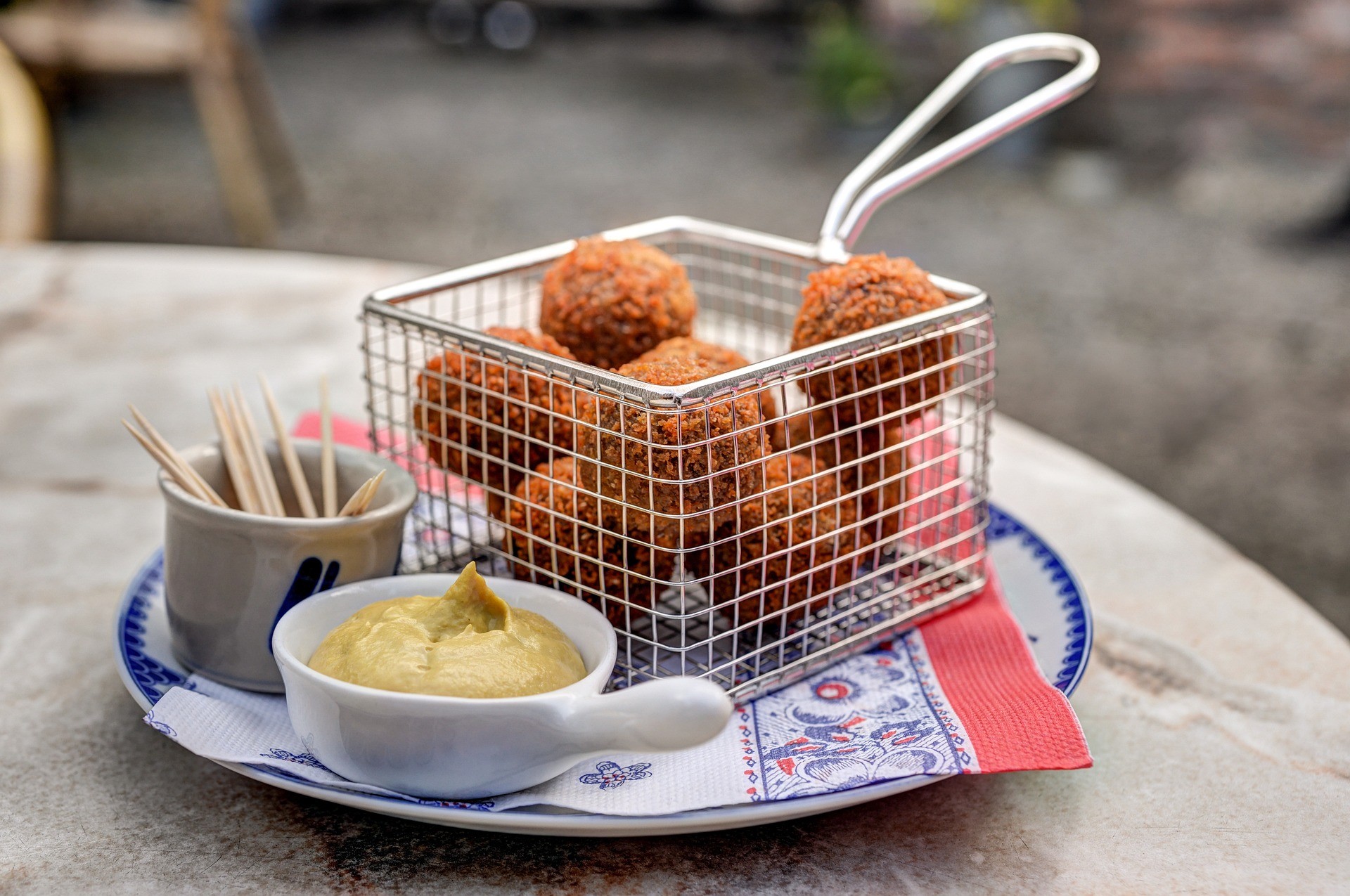
Another very popular snack is bitterballen, small fried croquettes filled with a meat ragout. Crispy on the outside and creamy on the inside, they are usually served hot with mustard for dipping. They are the perfect accompaniment to a Dutch beer and can be found in almost every bar and pub in the country.
23. Kaassouflé
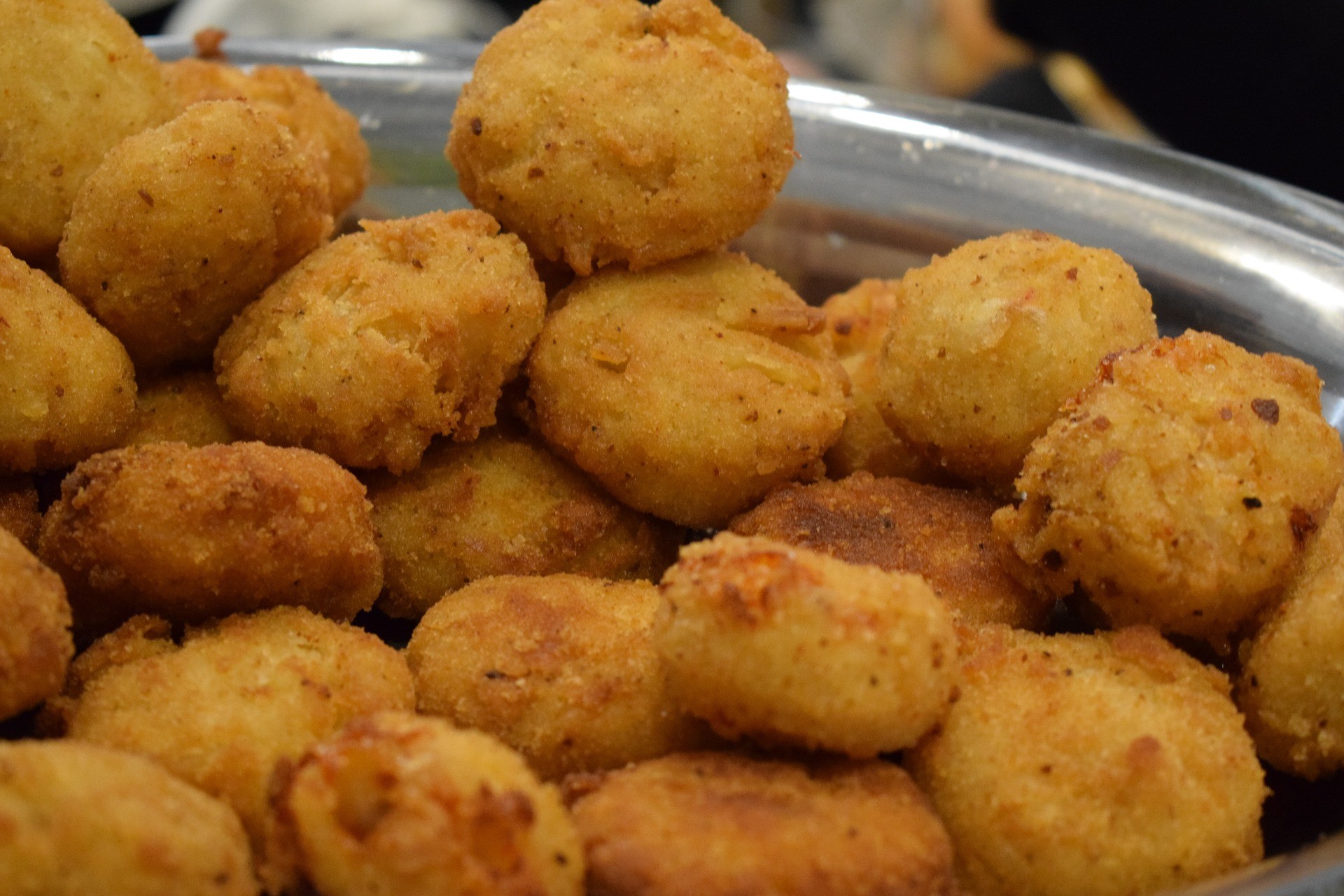
For those who love stronger flavors, kaassouflé is an excellent choice. It is a breaded and fried cheese roll, crispy on the outside and gooey on the inside. It is a very popular snack among both locals and tourists and is easily found at street food stalls.

24. Kroketten
Another specialty not to be missed is kroketten, similar to bitterballen but elongated in shape. It can be eaten alone or in a sandwich (broodje kroket) and is particularly popular as a quick snack during lunch breaks.
Where to Eat Street Food in the Netherlands
To experience authentic Dutch street food, we recommend visiting one of the many open-air markets in major cities. In Amsterdam, the Albert Cuyp market is a true paradise for street food lovers, with numerous stalls offering a variety of traditional snacks. In Amsterdam, one of the best places to try this street food is the Stubbe’s Haring kiosk, a true institution since 1916. Another interesting option is FEBO, an automated fast food chain typical of the Netherlands. Here you can buy hot snacks like kroketten and bitterballen directly from wall vending machines—a unique experience. During Christmas markets and fairs it is common to see stalls preparing fresh poffertjes on the spot. Finally, we cannot forget the stroopwafel, which we already mentioned in the sweets section. This flat cookie filled with caramel is perfect to enjoy as a snack while walking the streets of Dutch cities.
Dutch street food is a fun and tasty way to immerse yourself in the local culinary culture. Whether you are looking for a quick meal or just curious to try something new, don’t hesitate to try these specialties during your trip to the Netherlands. Every bite will be a discovery of authentic flavors and unique culinary traditions!
Typical drinks: from beer to genever
The drinking culture in the Netherlands is rich and varied, with a long tradition ranging from craft beers to unique spirits. Exploring typical Dutch drinks is an excellent way to immerse yourself further in the country’s food culture and discover unique and surprising flavors. Beer undoubtedly holds a place of honor among Dutch beverages. The Netherlands boasts a long brewing tradition, with world-famous brands such as Heineken and Grolsch. However, in recent years there has been a real boom in craft breweries enriching the offerings with innovative, high-quality products.
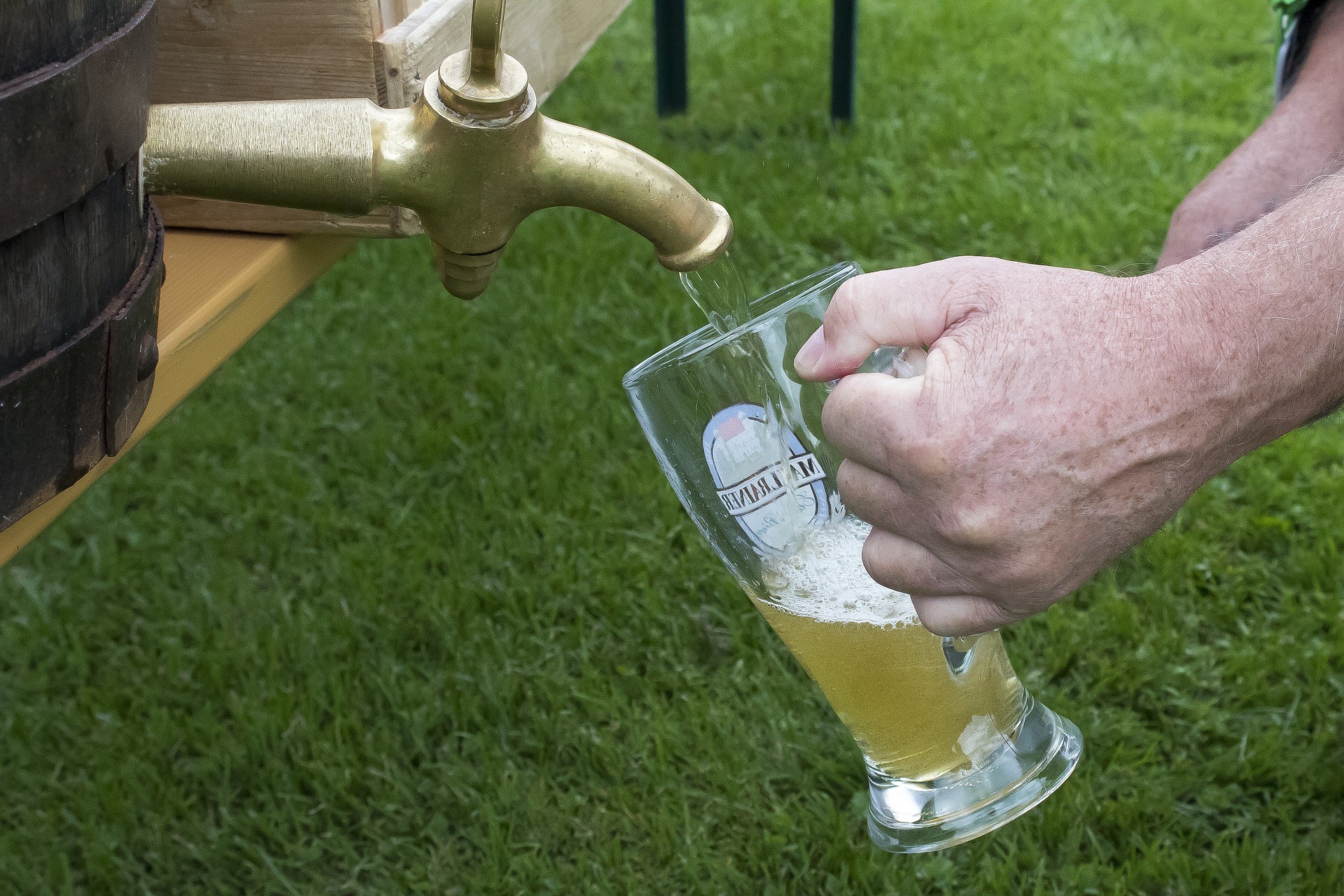
25. Witbier
Among typically Dutch beers, witbier deserves special mention, an unfiltered wheat beer, light and refreshing, often flavored with orange peel and coriander. Another specialty is bok, a dark and strong beer traditionally brewed in autumn.
26. Genever
Moving on to spirits, genever (or jenever) is undoubtedly the most representative of Dutch tradition. Considered the ancestor of gin, genever is a grain-based spirit flavored with juniper berries and other herbs. There are two main varieties: jonge genever (young), with a more neutral taste suitable for cocktails, and oude genever (aged), more complex and usually drunk neat.
The traditional way to drink genever is the “kopstootje” (literally “little headbutt”): a shot of genever accompanied by a beer. The traditional glass, called a “tulip glass” for its shape, is filled to the brim, forcing the drinker to lean over the table for the first sip without spilling a drop.

27. Advocaat
Another typical alcoholic drink is advocaat, a creamy liqueur made from eggs, sugar, and brandy. It has a thick consistency, similar to a cream, and is often consumed as a dessert or used in the preparation of sweets.

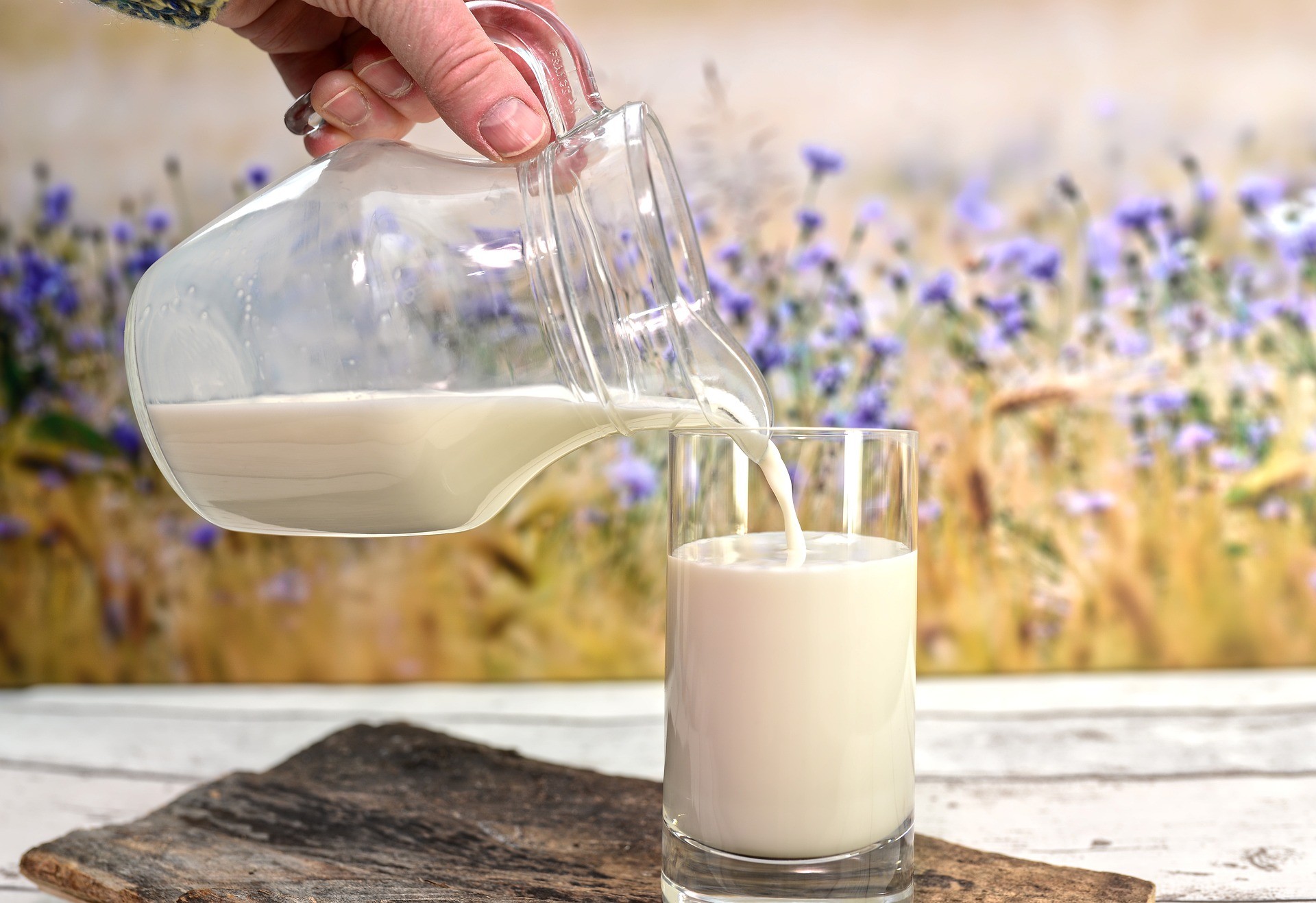
28. Dutch milk
Regarding non-alcoholic drinks, the famous Dutch milk cannot be left out. The Netherlands is renowned for the quality of its dairy products, and milk is no exception. Many Dutch people drink it regularly, appreciating its rich and creamy flavor.
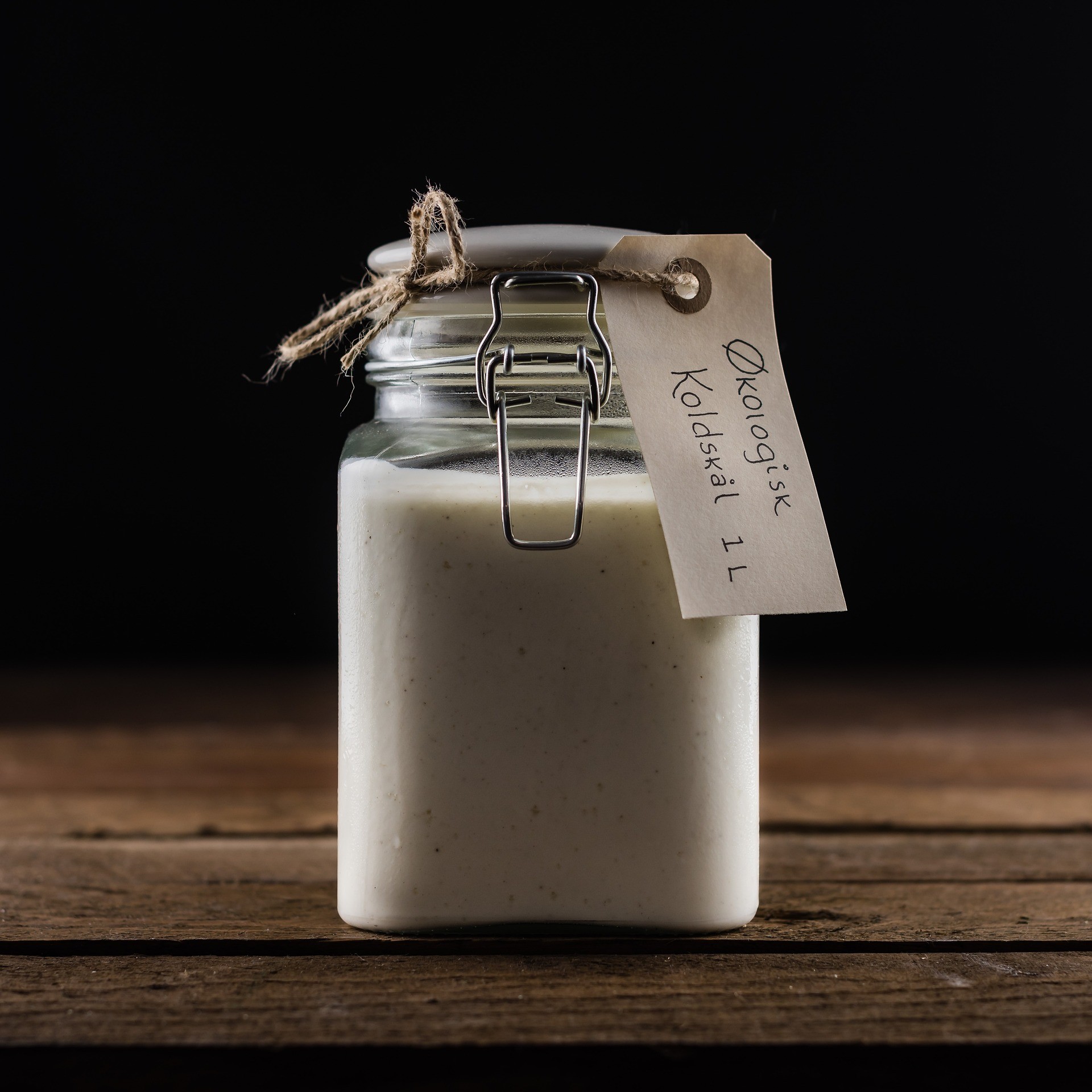
29. Karnemelk
A typical non-alcoholic drink is karnemelk, a slightly sour buttermilk obtained as a by-product of butter production. Although its particular taste might not appeal to everyone at first sip, it is highly appreciated by the Dutch for its refreshing and digestive properties.
30. Coffee
Finally, we cannot forget coffee, which plays an important role in Dutch culture. The Netherlands has a long tradition of importing and roasting coffee, and the Dutch are among the largest coffee consumers in the world.

Where to drink in the Netherlands
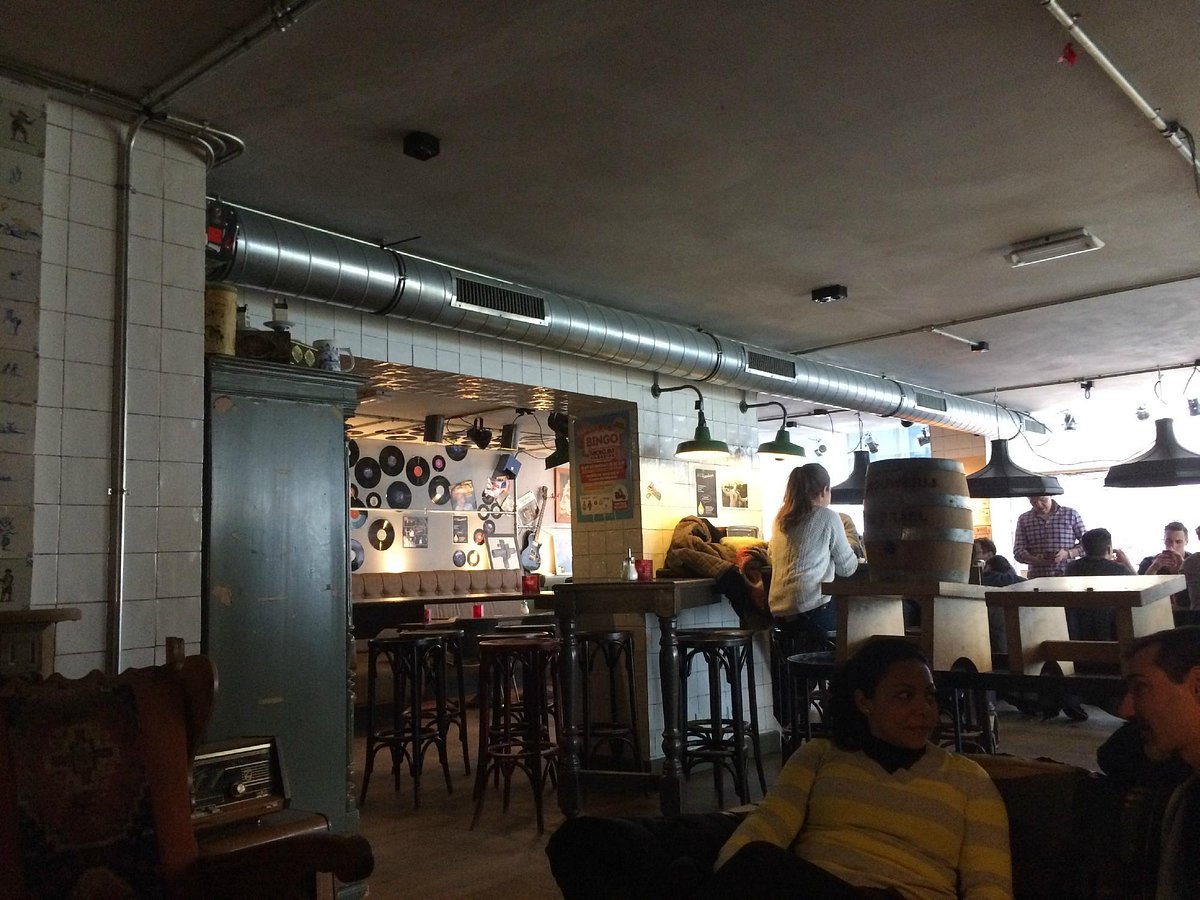
If you find yourself in Amsterdam, don’t miss the chance to visit some of the city’s craft breweries. Brouwerij ‘t IJ, located in an old windmill, offers guided tours and tastings of its onsite-produced beers. Another interesting stop is Brouwerij de Prael, a social brewery in the heart of the Red Light District that produces high-quality craft beers.
For an authentic genever tasting experience, we recommend visiting Wynand Fockink, a distillery and tavern in central Amsterdam that has been producing genever and liqueurs since 1679. Here you can sample various types of genever and learn the technique of the “kopstootje“. For a unique coffee experience, visit the Koffie Academie in Amsterdam, where you can taste high-quality coffee prepared using different extraction methods. In Dutch cities, you will find numerous cozy cafés where you can enjoy an excellent cup of coffee, often accompanied by a cookie or a slice of cake.
Exploring typical Dutch drinks is a fascinating journey through the country’s history and culture. Whether you’re a beer enthusiast, curious to taste genever, or simply looking for a good cup of coffee, the Netherlands has a lot to offer. Don’t hesitate to experiment and be surprised by the variety and quality of local beverages during your trip!
Regionale keuken: de specialiteiten van de verschillende Nederlandse provincies
Ondanks de relatief kleine omvang van Nederland, heeft elke regio van het land zijn eigen culinaire specialiteiten, voortgekomen uit lokale tradities, historische invloeden en streekproducten. Het verkennen van de regionale Nederlandse keuken is een fascinerende manier om de gastronomische diversiteit van het land te ontdekken en te waarderen hoe zelfs kleine geografische afstanden kunnen leiden tot significante verschillen in smaken en bereidingen. Laten we onze reis beginnen in de provincie Noord-Holland, waar Amsterdam ligt. Hier, naast de typische gerechten van de hoofdstad die we al hebben genoemd, is het de moeite waard om de ossenworst te proeven. Een ander typisch gerecht is zuurkoolstamppot, een variant van stamppot bereid met zuurkool.
Als we naar de provincie Zuid-Holland gaan, kunnen we niet om de beroemde kaas Gouda heen, geproduceerd in de gelijknamige stad. Hier is ook de leidse kaas populair, een harde kaas geparfumeerd met komijnzaden. Een typisch gerecht uit deze regio is hutspot, een stoofpot van vlees met wortelen en uien. De provincie Utrecht is beroemd om haar zoetigheden, met name de Domtorentje, een chocolaatje in de vorm van een toren geïnspireerd op de Domtoren van Utrecht. Een ander typisch zoet is de Utrechtse Sprits, een krokant boterkoekje. In de provincie Zeeland, gelegen aan de zuidwestkust, is de keuken sterk beïnvloed door de zee.