

Dutch cuisine is a fascinating journey through authentic flavors and centuries-old traditions. Often underrated compared to other more famous European cuisines, Dutch gastronomy actually offers a surprising variety of tasty dishes rich in history. From hearty soups to world-renowned cheeses, to irresistible sweets and original street food, there is truly an embarrassment of choices for those who want to explore the typical flavors of this country.
- Typical Dutch cuisine. 30 traditional dishes
- Stamppot: the quintessential Dutch comfort food
- 1. Stamppot
- 2. Ossenworst
- Where to eat Stamppot in Amsterdam
- Soups and stews: the warmth of Dutch tradition
- 3. Erwtensoep or snert
- 4. Groentesoep
- 5. Hachee
- 6. Draadjesvlees
- 7. Suddervlees
- Where to Eat Soups and Stews in Amsterdam
- Dutch cheeses: an excellence recognized worldwide
- 8. Gouda
- 9. Edam
- 10. Maasdam
- 11. Leerdammer
- Where to eat Dutch cheese
- Sweets and desserts: the delights of Dutch pastry
- 12. Stroopwafel
- 13. Appeltaart
- 14. Poffertjes
- 15. Speculaas
- 16. kruidnoten
- 17. Bossche bol
- 18. Oliebollen
- Where to eat Dutch sweets
- Dutch street food: authentic flavors to enjoy on the go
- 19. Herring
- 20. Kibbeling
- 21. Patat
- 22. Bitterballen
- 23. Kaassouflé
- 24. Kroketten
- Where to eat street food in the Netherlands
- Typical drinks: from beer to genever
- 25. Witbier
- 26. Genever
- 27. Advocaat
- 28. Dutch milk
- 30. Coffee
- Where to drink in Holland
- Regional cuisine: specialties of the various Dutch provinces
In this article, we will guide you through 30 must-try specialties of Dutch cuisine, revealing the secrets of traditional dishes passed down from generation to generation and more modern preparations that are winning over the palates of locals and tourists alike. We will tell you the history and curiosities behind each dish, giving you tips on where to taste them during your trip to the Netherlands.
Whether you are a gourmet enthusiast or simply curious, this guide will help you navigate the authentic flavors of Dutch cuisine, allowing you to experience a unique and unforgettable gastronomic experience. Get ready for a taste tour through creamy cheeses, steaming soups, irresistible sweets, and much more. Dutch cuisine will surprise you with its variety and genuineness!
Typical Dutch cuisine. 30 traditional dishes
Typical Dutch cuisine is fundamentally simple and based on natural products, enriched with some ethnic influences, a legacy of its colonial past and a multicultural present. Vegetables, legumes, fruits from Limburg; cheeses, beef; fish such as plaice, queen of the North Sea, or herring, form the basis of the Dutch people’s diet, who usually enjoy a hearty breakfast (milk, coffee, wholemeal bread, butter, jam, etc.); a light lunch with cold cuts and cheeses, bread and fruit; a tea or coffee break, and a well-balanced dinner, with a warm soup (soep), meat or fish, and various vegetable side dishes.
A typical dish, common throughout the country, is pea soup, closely followed by asparagus soup; mixed vegetable soup and tomato soup are also popular.
Beefsteak (biefstuk) is generally enjoyed rare with a spicy sauce. Rice dishes accompanied by white meats, fragrant and flavored with Far Eastern spices, are also very common. The chapter on cheeses is very rich, produced with the milk of virtuous native cows, from the Edammerkaas with yellow, compact paste and round holes to the Goudsekaas, which has a flat or cylindrical shape.
Fish is so widespread that it is common to come across mobile stalls selling plaice, herring, octopus, oysters, and always very fresh seafood. The quality of sweets is also excellent, starting with chocolates (e.g., the Haarlem pastilles), cookies, and various types of fruit bread. Among beverages, there is tea, long coffee, light beer, jenever, a kind of gin flavored with lemon or currant, drunk as an aperitif, pure or diluted with water. And advokaat, an egg-based brandy.
Stamppot: the quintessential Dutch comfort food
When it comes to typical Dutch dishes, stamppot undoubtedly deserves a place of honor. Considered the true national dish of the Netherlands, stamppot is the emblem of local comfort food, a simple yet hearty dish that warms both the heart and stomach on cold winter days. The name “stamppot” literally means “mashed pot” and perfectly describes the preparation of this dish. It is indeed a mix of mashed potatoes and vegetables, traditionally served with a smoked sausage called rookworst.
1. Stamppot
The basic recipe of stamppot involves the use of boiled and mashed potatoes, to which cooked vegetables like cabbage, carrots, onions, or spinach are added. Everything is then vigorously mixed until a homogeneous but not too smooth consistency is reached. The smoked sausage is served whole on top of the stamppot or sliced and mixed into the mixture.

What makes stamppot so special is its versatility. There are indeed numerous variations of this dish, each with its own name and characteristics. Among the most popular are:
- Boerenkoolstamppot: made with curly kale, it is perhaps the most traditional and beloved version among the Dutch.
- Hutspot: a variant based on carrots and onions, often served with stewed beef.
- Zuurkoolstamppot: made with sauerkraut, perfect for those who love stronger flavors.
- Andijviestamppot: uses endive, giving the dish a slight bitter touch.
The stamppot is a dish that embodies all the simplicity and authenticity of Dutch cuisine. Its origins date back to the 16th century, when potatoes were introduced to the Netherlands and quickly became a staple of the local diet. Since then, stamppot has evolved into the ultimate comfort food, enjoyed by both young and old. Despite its apparent simplicity, preparing a good stamppot requires some skill. The potatoes must be mashed to perfection, neither too smooth nor too lumpy, and the vegetables must retain some texture without turning into an indistinct puree. The smoked sausage must be cooked just right to release all its flavor.
2. Ossenworst
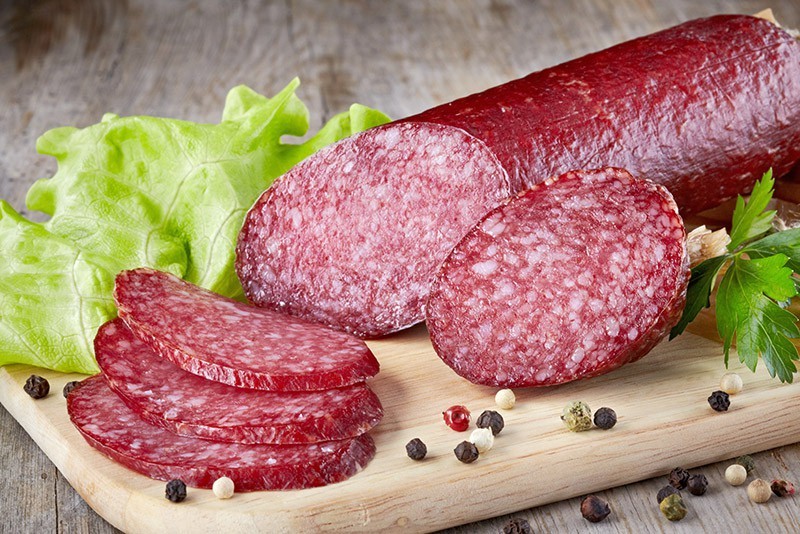
It is a raw smoked sausage originally made with ox meat (now more commonly pork). The ossenworst is a traditional Dutch salami, typical of Amsterdam cuisine and other regions of the Netherlands. It is a raw and spiced sausage, mainly prepared with beef (often from the muzzle or shoulder) and sometimes with beef fat as well. The meat is finely ground and mixed with a variety of spices, including black pepper, nutmeg, onion, and other herbs, depending on the recipe.
The ossenworst is characterized by a soft texture and a rich flavor, which can be slightly smoked or spiced depending on local traditions. It is usually served raw, thinly sliced, and accompanied by bread or as part of a larger dish. This salami is particularly appreciated during meals or as a snack combined with cheeses and other typical dishes. The ossenworst, it is not a stew, as you can well imagine. However, we thought to include it in this section because it is closer to the other dishes.
Where to eat Stamppot in Amsterdam
If you want to try an authentic stamppot during your trip to the Netherlands, we recommend looking for it in traditional Dutch restaurants called “eetcafés“. Here you can enjoy different variations of this dish, often served in generous portions that will warm your heart and stomach.
In Amsterdam, the Moeders restaurant (which means “mothers” in Dutch) is famous for its homemade stamppot, prepared according to traditional recipes passed down from generation to generation. Another great option is Haesje Claes, a historic restaurant in the heart of the city that offers a wide selection of typical Dutch dishes, including of course stamppot.
The stamppot is much more than just a dish: it is a symbol of Dutch culinary culture, a comfort food that embodies the warmth and hospitality typical of this country. Tasting it means immersing yourself in the gastronomic tradition of the Netherlands, discovering authentic and genuine flavors that will make you feel at home.

Soups and stews: the warmth of Dutch tradition
Dutch cuisine is rich in hearty soups and stews, perfect for warming up during the long cold winters of Northern Europe. These dishes, passed down from generation to generation, are true treasures of local gastronomy, capable of offering comfort and nourishment with simple but expertly combined ingredients.
3. Erwtensoep or snert
Among the most beloved and representative soups of Dutch cuisine is erwtensoep, also known as snert. It is a thick dried pea soup, so dense it can almost be considered a stew. Its consistency is so hearty that it is jokingly said that a spoon should stand upright if immersed in the soup!
The erwtensoep is prepared with dried peas, carrots, celery, onion, and pork, usually ribs or trotters. The slow and prolonged cooking allows the ingredients to blend perfectly, creating a rich and enveloping flavor. Traditionally, it is served with slices of rye bread and smoked bacon, becoming a complete and hearty meal.

4. Groentesoep
Another typical soup is the groentesoep, a vegetable soup that can vary in ingredients depending on the season and personal preferences. It usually includes carrots, celery, onion, potatoes, and various types of leafy greens. It is often enriched with meatballs or vermicelli, becoming a nutritious and flavorful one-dish meal.

5. Hachee
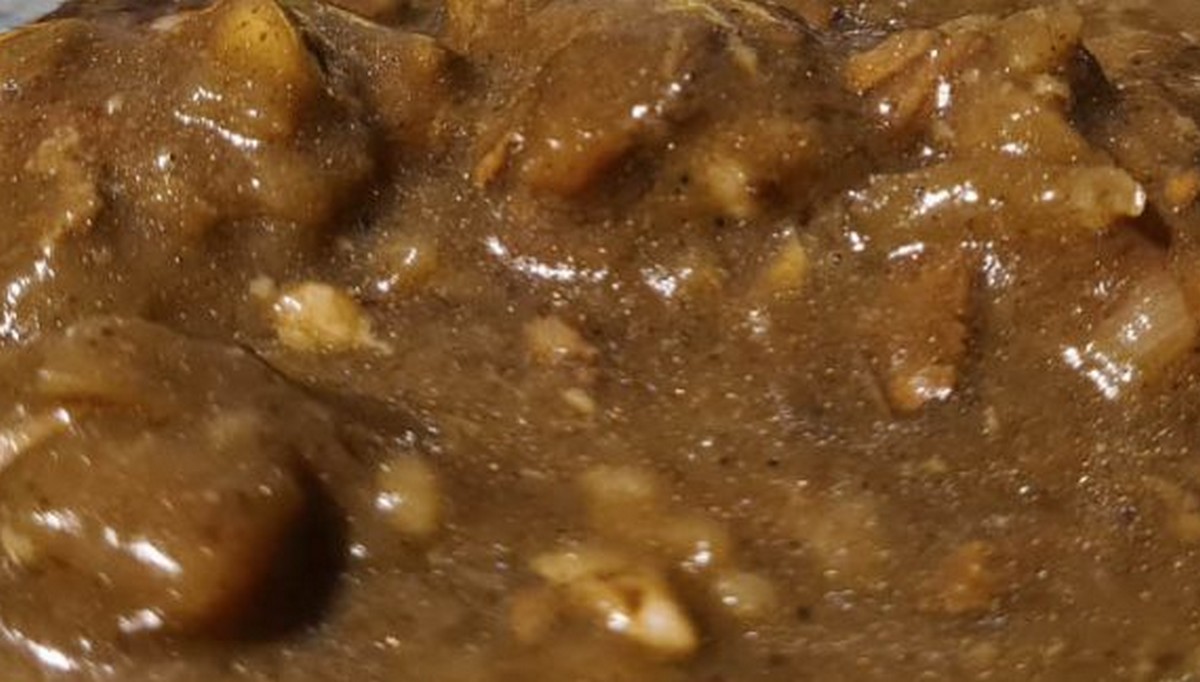
When it comes to stews, the most famous is undoubtedly the hachee. This stewed meat dish has very ancient origins and represents the essence of Dutch home cooking. Prepared with diced beef, onions, and a blend of spices including cloves and bay leaves, the hachee is cooked slowly until it achieves a tender consistency and intense flavor. It is usually served with boiled potatoes or mashed potatoes and seasonal vegetables.

6. Draadjesvlees
Another highly appreciated stew is the draadjesvlees, literally “threaded meat.” The name comes from the texture of the meat which, after long cooking, falls apart easily forming strands. Prepared with beef, onions, vinegar, and a series of spices, draadjesvlees has a very particular sweet and sour flavor that makes it unique.

7. Suddervlees
One cannot speak about Dutch stews without mentioning the suddervlees, a meat stew typical of the southern region of the country. Prepared with beef, onions, vinegar, and a variety of spices, it is cooked slowly until it reaches a very tender consistency and a rich, complex flavor.
These dishes represent the heart of traditional Dutch cuisine and are particularly appreciated during the winter months. Many typical restaurants offer them on their menus, especially from October to March when temperatures drop and the desire for warm and comforting foods increases.
Where to Eat Soups and Stews in Amsterdam
If you find yourself in Amsterdam and want to try some of these specialties, we recommend visiting the restaurant Moeders, already mentioned for its stamppot. Here you can enjoy an excellent erwtensoep and other traditional dishes in a cozy and family atmosphere. Another option is the Café de Prins, a typical “bruin café” (brown café) in the Jordaan, where you can taste a delicious homemade groentesoep along with other typical Dutch dishes.
Dutch soups and stews are much more than just dishes: they are true symbols of the country’s culinary culture, capable of telling stories of tradition, conviviality, and family warmth. Tasting them means fully immersing yourself in the essence of Dutch gastronomy, discovering authentic and comforting flavors that will make you feel at home even when far away.

Dutch cheeses: an excellence recognized worldwide
When thinking about Dutch cuisine, cheese is definitely one of the first foods that comes to mind. It’s no coincidence that the Netherlands is famous worldwide for the excellence of its cheeses, the result of centuries-old dairy traditions and great attention to the quality of raw materials.
8. Gouda
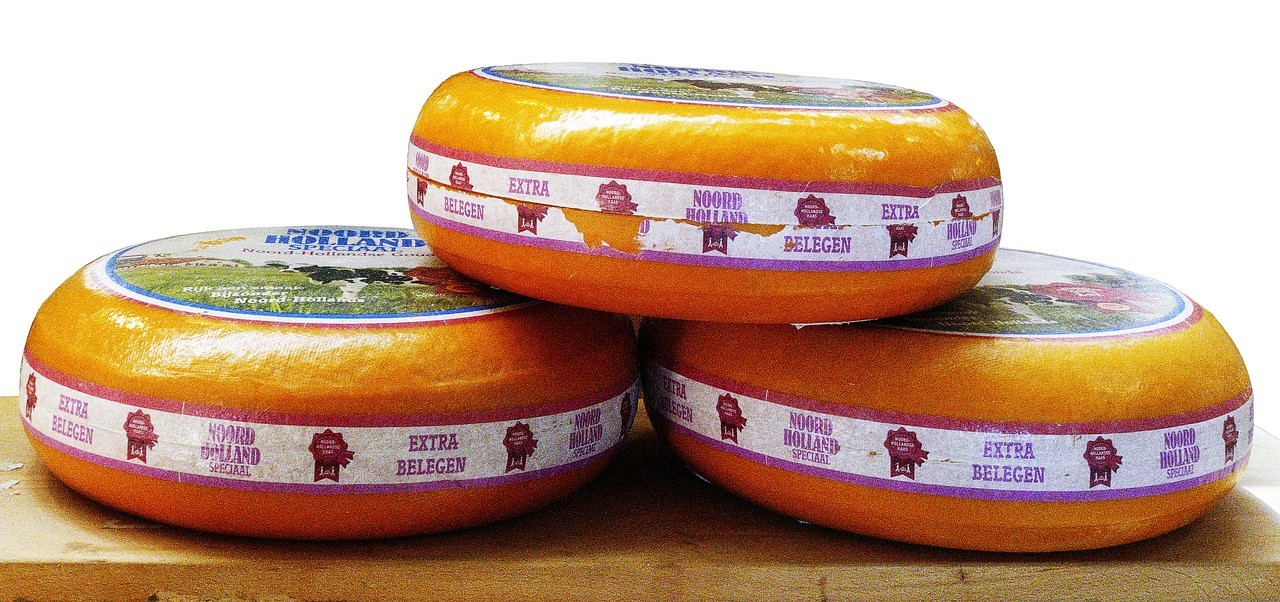
The undisputed king of Dutch cheeses is undoubtedly Gouda, named after the city where it was originally produced and marketed. Contrary to what one might think, the real Dutch Gouda is very different from the imitations found abroad. It is a semi-hard cheese with a rich and complex flavor that varies depending on aging.
The young Gouda has a sweet and delicate taste, while the aged variety develops more intense and spicy notes, with a crumblier texture and the presence of salt crystals that give a pleasant crunch. A true delight for the palate!
9. Edam
Gouda is not the only cheese to be proud of. Edam, recognizable by its characteristic spherical shape coated in red wax, is another must of Dutch dairy production. It has a milder taste compared to Gouda and is perfect to enjoy in slices or as an ingredient in numerous recipes.
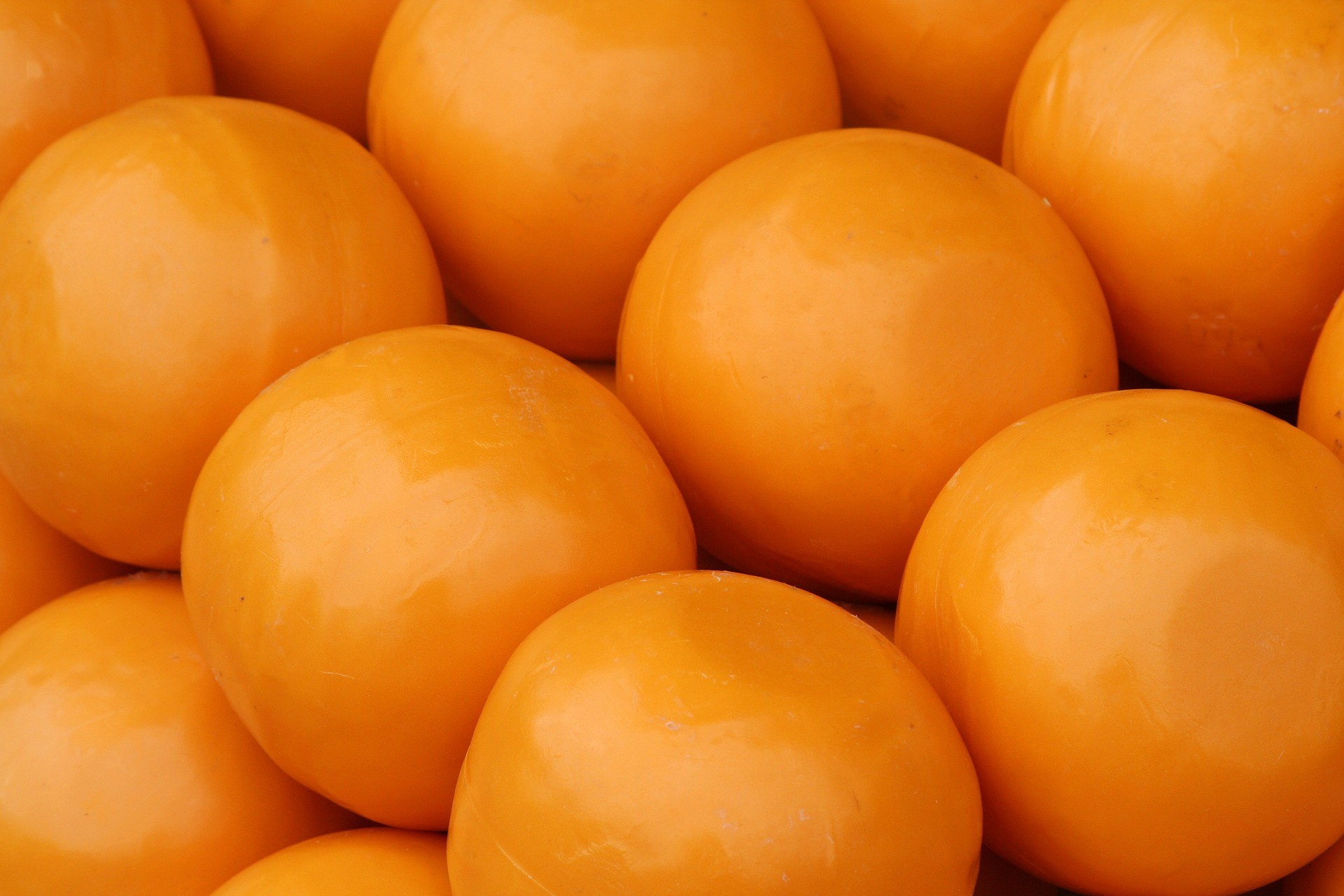
10. Maasdam
One cannot fail to mention Maasdam, also known as the “Dutch Swiss cheese” due to the presence of large holes reminiscent of Emmental. It has a sweet and nutty flavor that is much appreciated.

11. Leerdammer
For those who love stronger flavors, the Leerdammer is an excellent choice. This semi-hard cheese has an intense and slightly spicy aroma that makes it perfect to enjoy on its own or paired with a good glass of red wine.

Finally, a special mention goes to the Dutch goat cheese which is increasingly appreciated for its unique taste and better digestibility compared to cow’s milk cheeses. There are several varieties, from the fresher and more delicate ones to the aged with a stronger flavor.
Where to eat Dutch cheese
The best way to savor all the goodness of Dutch cheeses is to visit one of the many specialty stores in major cities. Here you can find a wide selection of local cheeses, often accompanied by free tastings that allow you to discover new flavors. Don’t miss the experience of a guided tasting, where you can learn to recognize different aging processes and pair cheeses with wines and jams.
If you find yourself in Amsterdam, Reypenaer Proeflokaal is a must-visit for cheese lovers. Here you can participate in professional tastings and purchase some of the best Dutch cheese specialties. An experience not to be missed to discover the richness and variety of cheeses from the Netherlands!
Sweets and desserts: the delights of Dutch pastry
Dutch cuisine is not only famous for its savory dishes but also boasts a rich tradition of sweets and desserts that deserve to be discovered. From cakes to pancakes, as well as cookies and pastries, Dutch pastry offers a variety of flavors and textures able to satisfy every kind of palate.
12. Stroopwafel
One of the most iconic and beloved sweets in the Netherlands is undoubtedly the stroopwafel. It consists of two thin, crispy wafers joined by a layer of caramel syrup. Tradition has it that the stroopwafel is placed over a cup of hot coffee or tea for a few minutes, so that the heat slightly softens the caramel inside, creating a delicious contrast between the crispy exterior and the soft interior.

13. Appeltaart
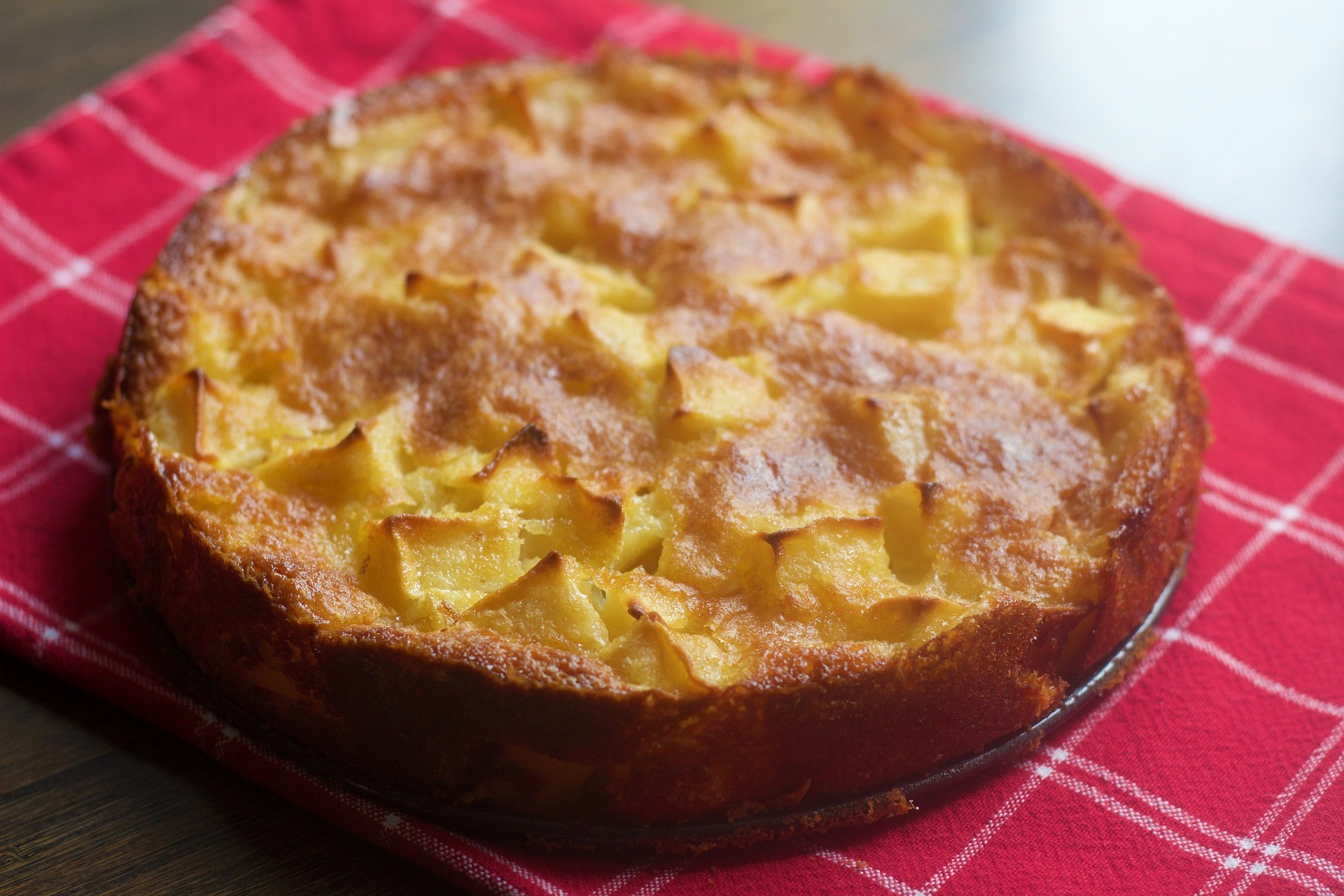
Another typical dessert is the appeltaart, the Dutch version of apple pie. Unlike the American apple pie, the Dutch appeltaart has a texture more similar to a tart, with a shortcrust pastry crust filled with sliced apples flavored with cinnamon and raisins. It is usually served warm, accompanied by a generous portion of whipped cream.
14. Poffertjes
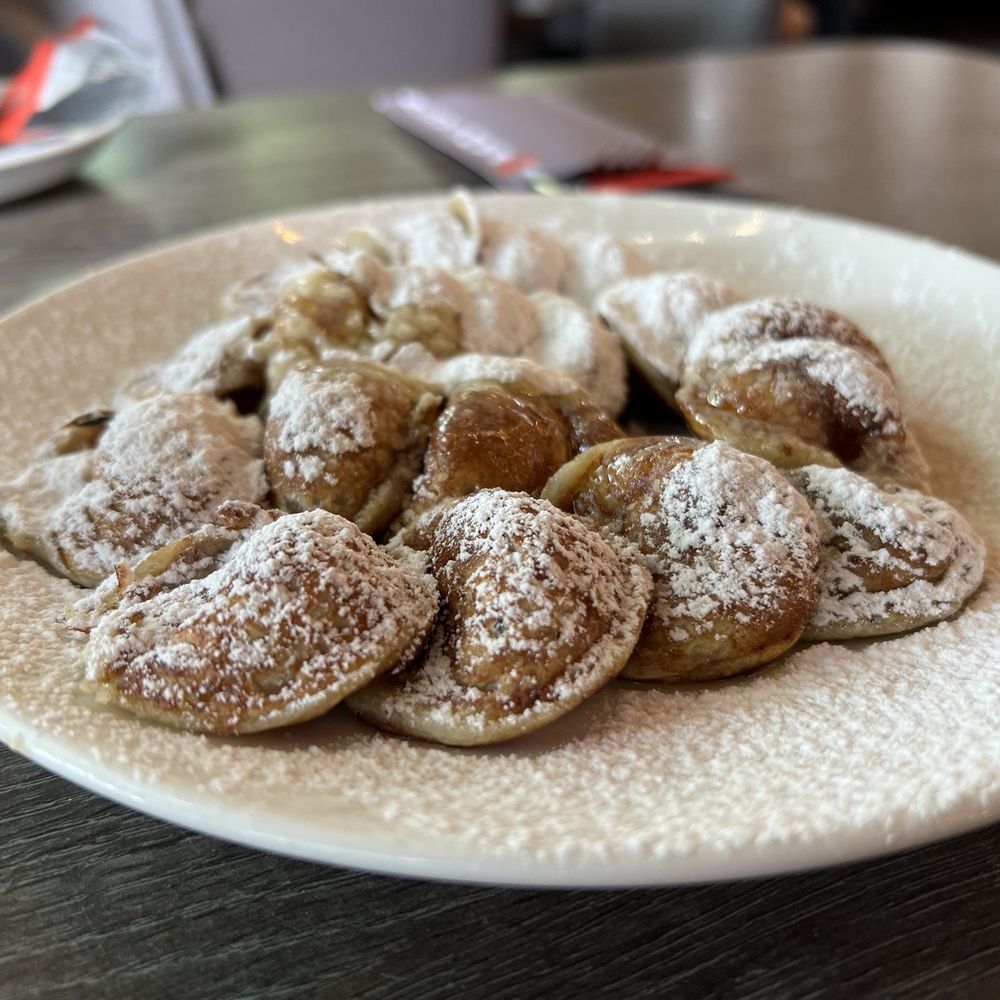
I poffertjes are another must of Dutch pastry. They are small fluffy pancakes made with a batter based on buckwheat flour and yeast. They are cooked in special pans with semi-spherical cavities and served hot, sprinkled with melted butter and powdered sugar. The poffertjes are a classic of Dutch street food, especially appreciated during the holidays and Christmas markets.
15. Speculaas
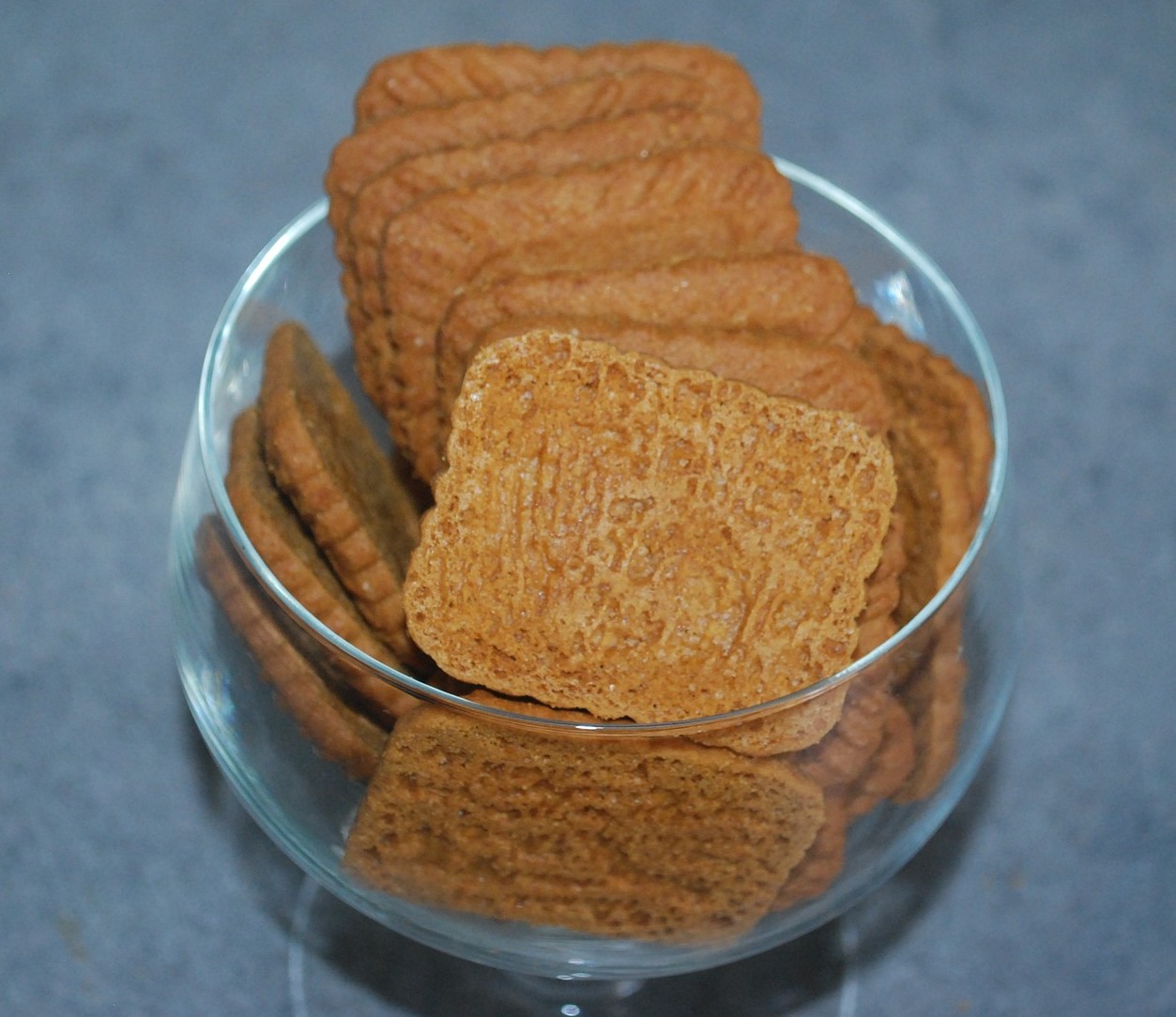
For cookie lovers, speculaas are a true delight. These spiced cookies, traditionally associated with the feast of Saint Nicholas (Sinterklaas), are flavored with a blend of spices including cinnamon, nutmeg, cloves, ginger, and cardamom. Their flat shape and embossed decorative patterns also make them very visually appealing.
16. kruidnoten
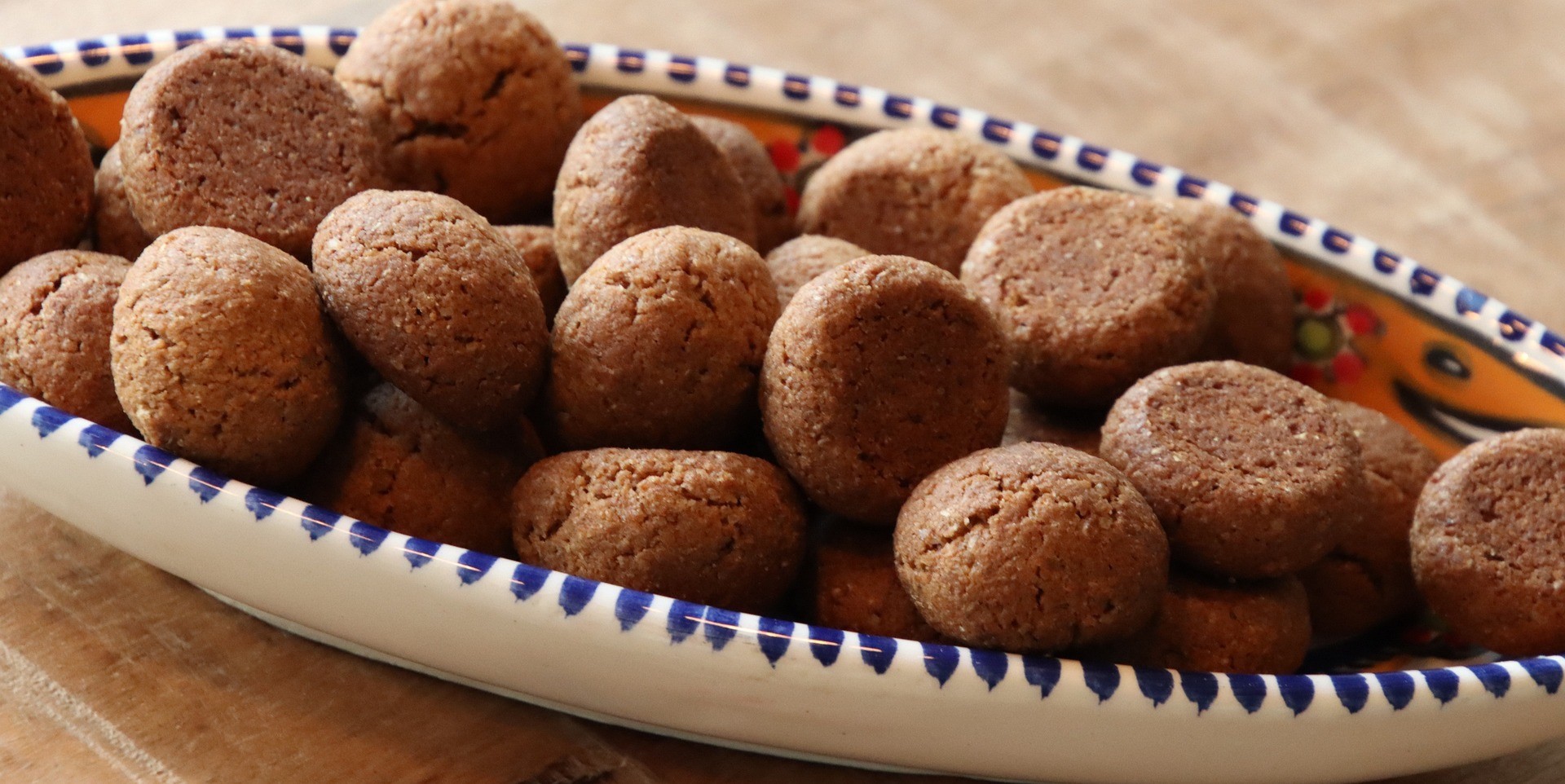
One cannot talk about Dutch sweets without mentioning kruidnoten, small round crunchy cookies flavored with the same spices as speculaas. They are traditionally associated with the Sinterklaas celebrations, but can now be found in stores for most of the year.
17. Bossche bol
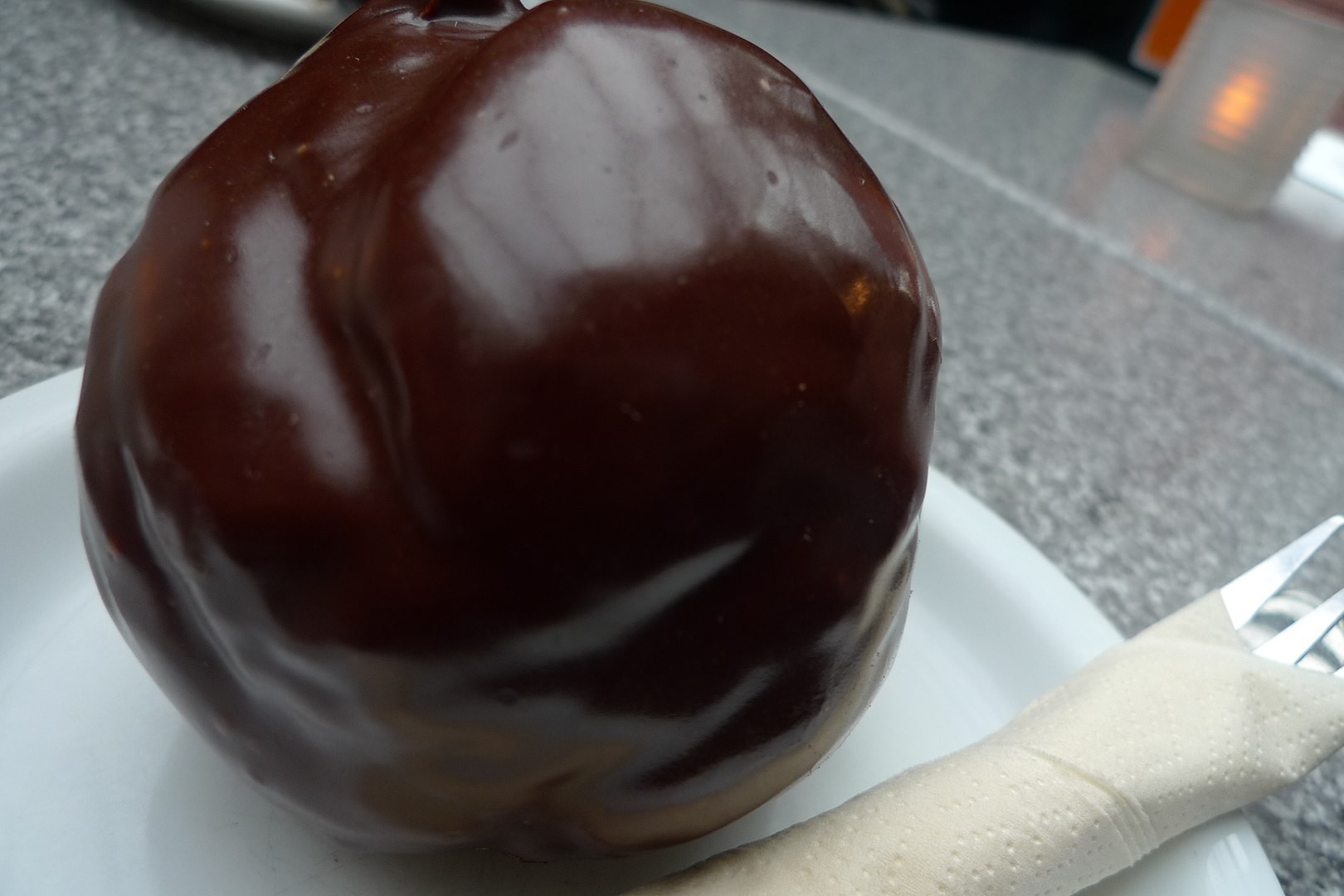
A dessert that is gaining more and more popularity is the bossche bol, originating from the city of Den Bosch. It is a large choux pastry ball filled with whipped cream and covered with dark chocolate. A true feast of indulgence!
18. Oliebollen
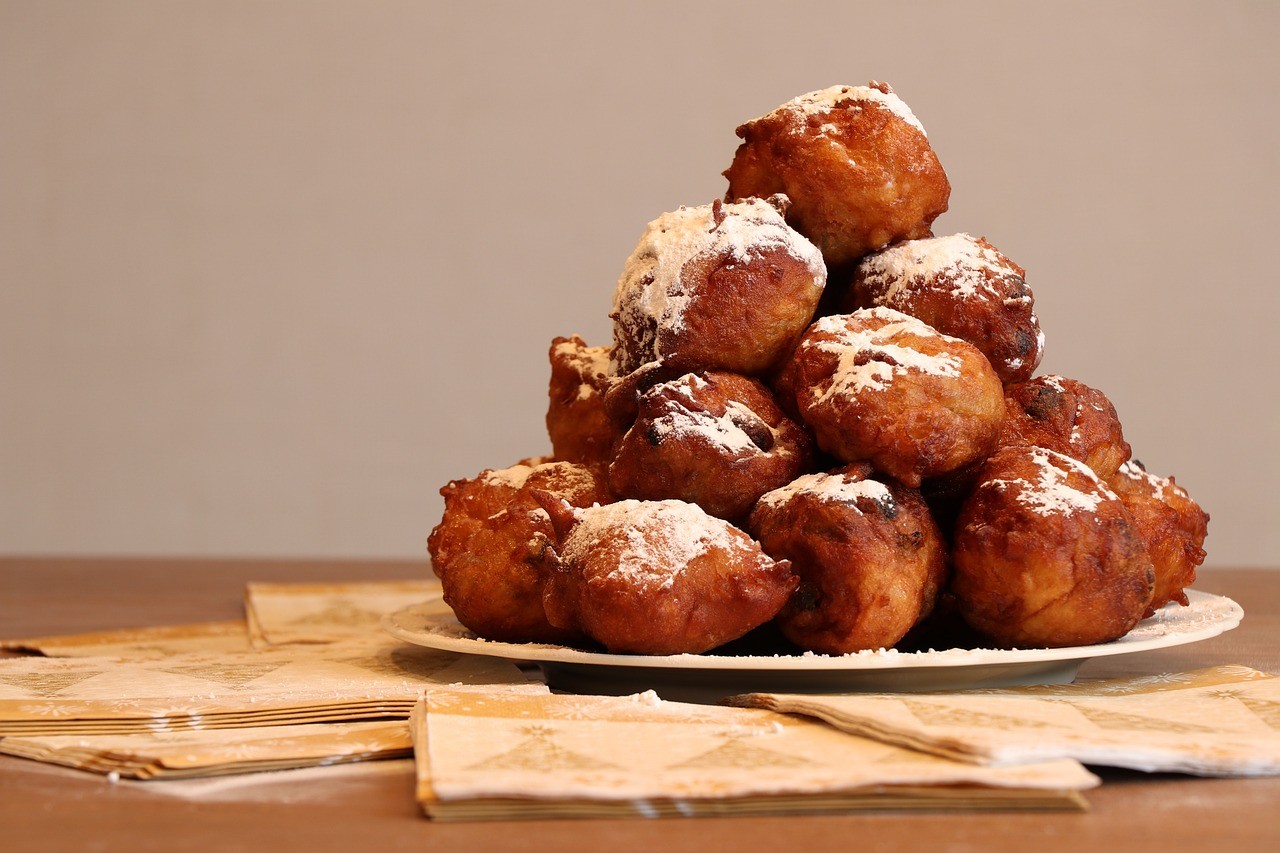
Finally, we cannot forget the oliebollen, Dutch fritters traditionally consumed during the year-end holidays. These fried treats, resembling large balls, can be plain or filled with raisins and pieces of apple. They are usually dusted with powdered sugar and are irresistible when still warm and fragrant.
Dutch pastry, with its variety of flavors and textures, offers a delicious journey through the country’s culture and traditions. Whether you love spiced sweets, fruit pies, or fritters, you will surely find something to satisfy your palate. Don’t hesitate to let yourself be tempted by these delights during your trip to the Netherlands: they are an integral part of the Dutch culinary experience!
Where to eat Dutch sweets
The stroopwafel can be found everywhere in the Netherlands, from supermarkets to street stalls, but the best ones are those freshly made on the spot. If you find yourself in Amsterdam, don’t miss the chance to try those at the Albert Cuyp (albert cuypmarkt), where you can see them being prepared live. To taste the best appeltaart in Amsterdam, make a stop at Winkel 43, a café in the Jordaan district famous for its homemade apple pie. The queues outside the place testify to the goodness of this dessert. To sample some of these sweets in one location, we recommend visiting the Foodhallen in Amsterdam, an indoor market where you can find various stands dedicated to traditional Dutch sweets.

Dutch street food: authentic flavors to enjoy on the go
The culture of street food in the Netherlands is alive and vibrant, offering a variety of snacks and fast dishes that fully reflect the local culinary tradition. From street stalls to kiosks in markets, including the famous “FEBO” (hot food vending machines), the options to enjoy an authentic taste of Dutch cuisine on the go are truly numerous.
19. Herring
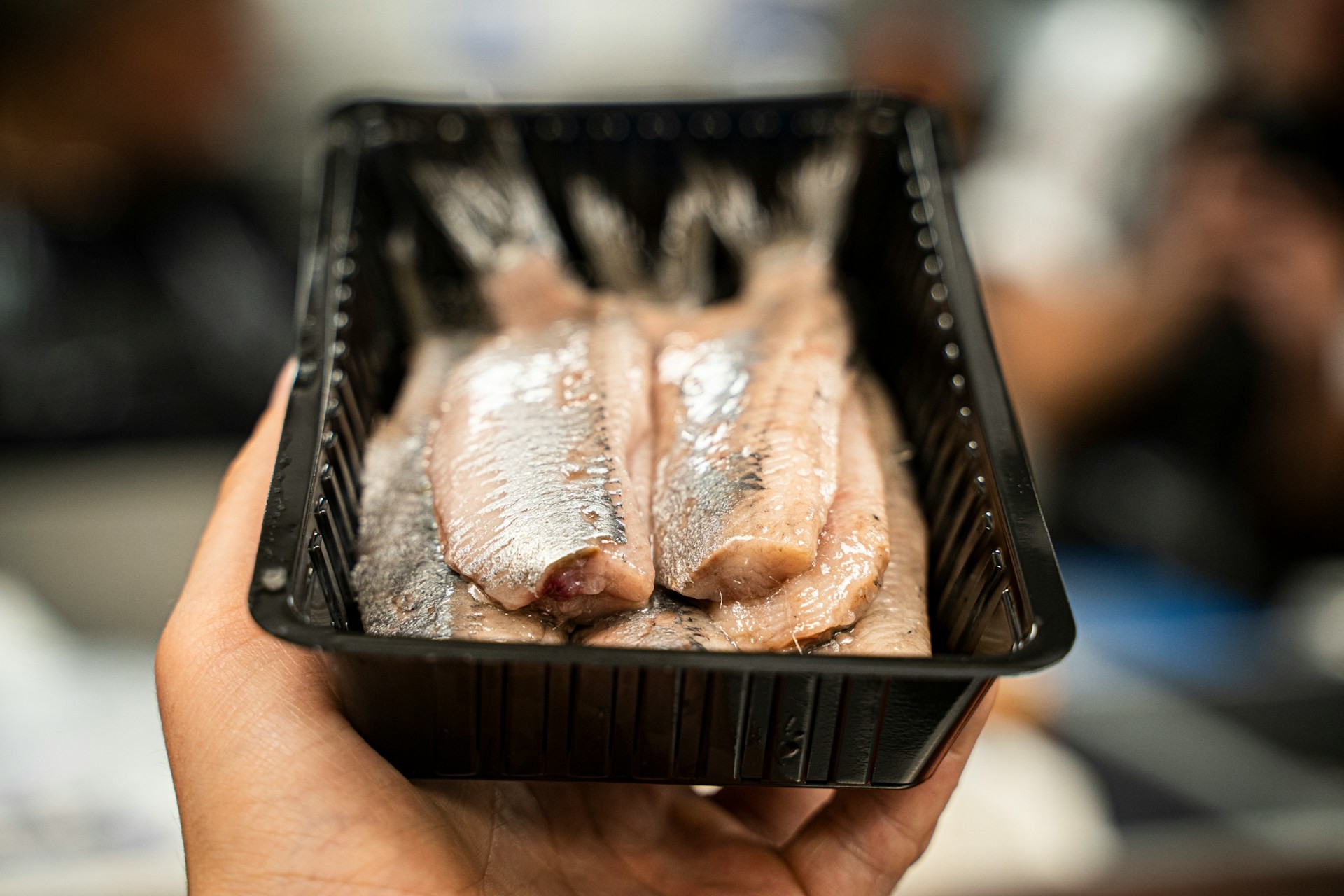
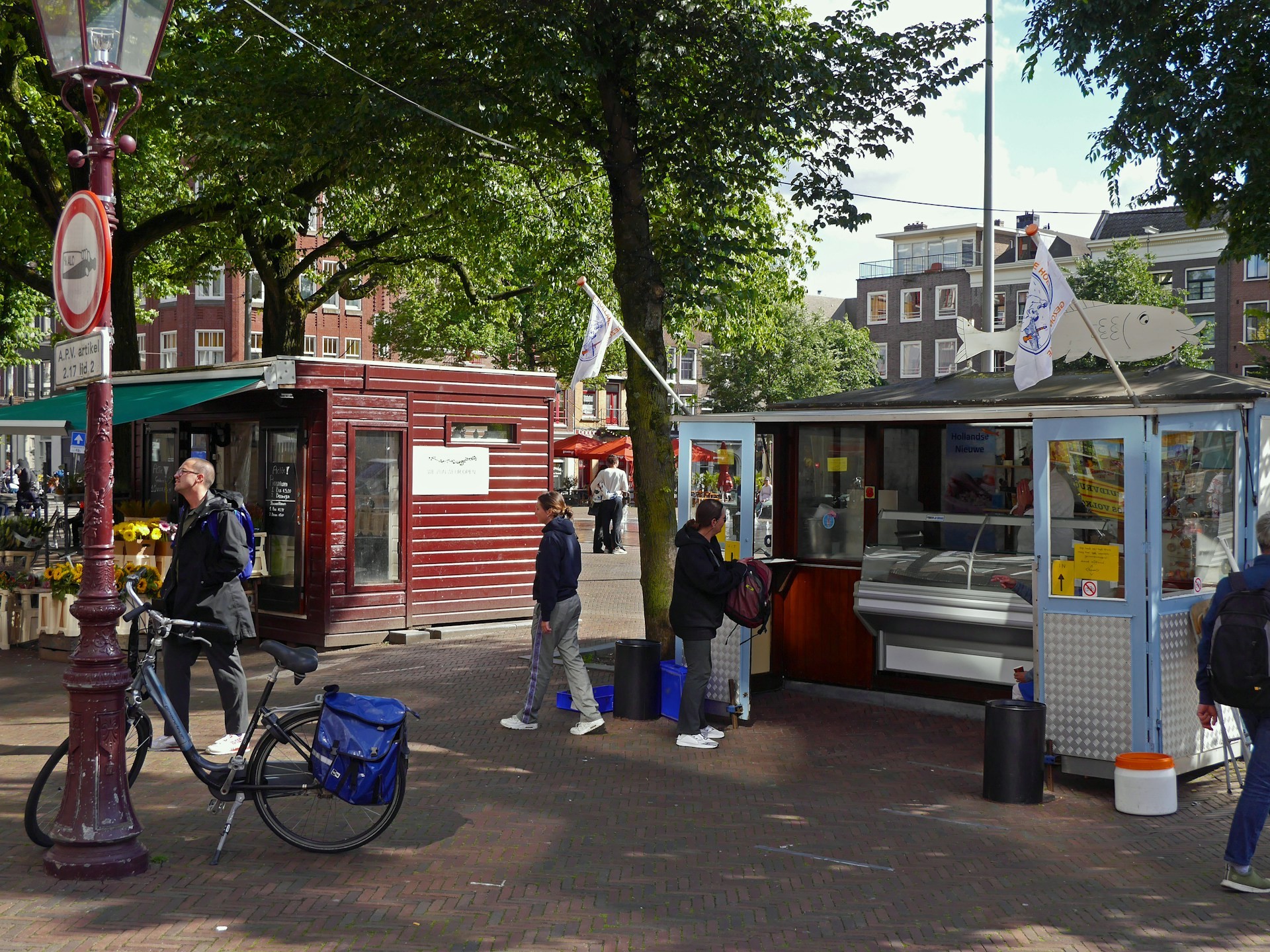
One of the most iconic and beloved street foods is undoubtedly the haring, raw herring. This fish, caught in the North Sea, is lightly salted and served raw, often accompanied by chopped onions and pickles. The traditional way to eat it is to grab the herring by the tail and slide it into your mouth, tilting your head back. For the less adventurous, it can also be found cut into pieces and served on a soft bun (broodje haring).
The best time to taste haring is during the “Hollandse Nieuwe“, the season that starts in June when the new herrings come to market.
20. Kibbeling
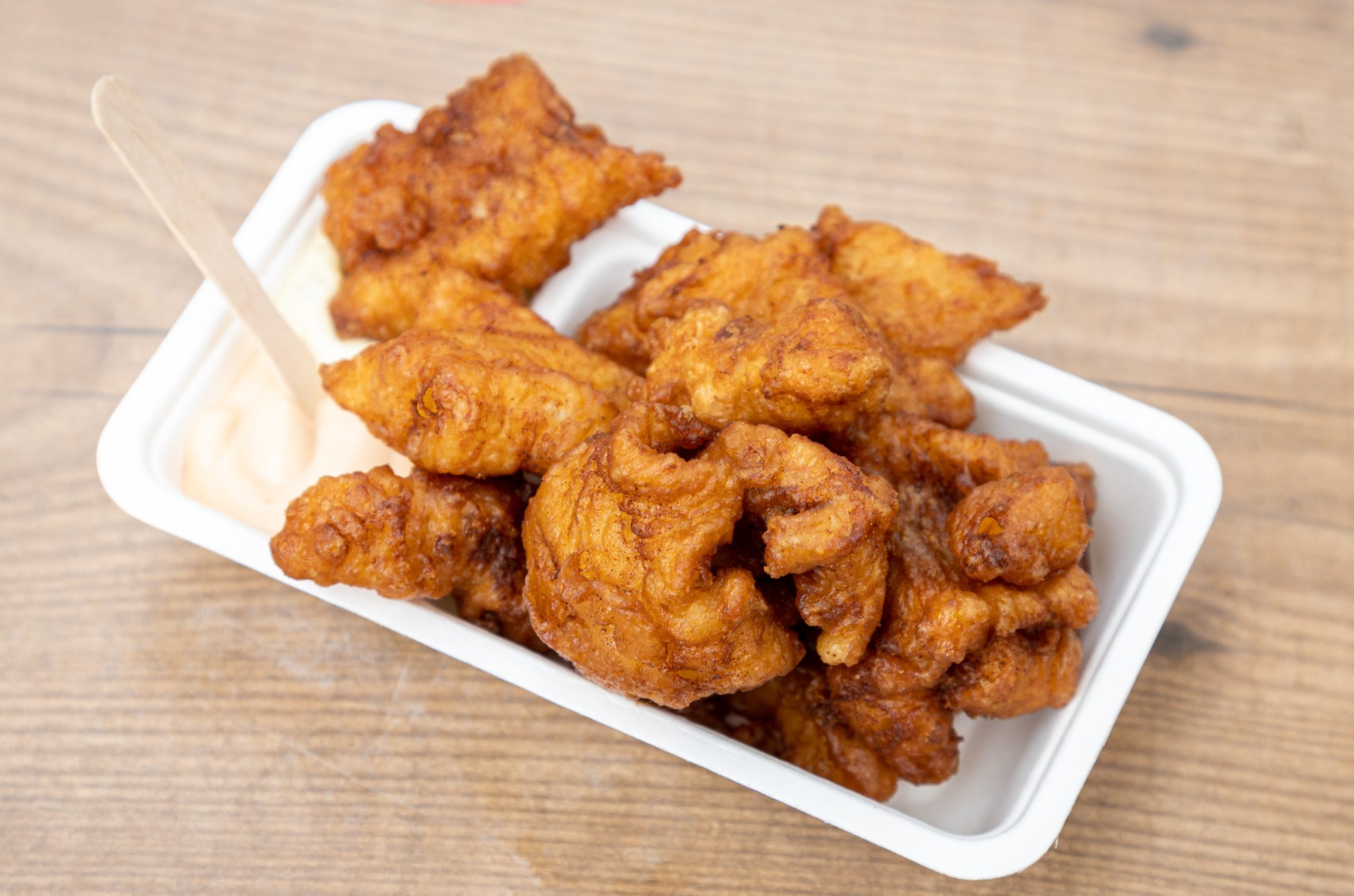
Another classic of Dutch street food is kibbeling, fried fish bites (usually cod) served with tartar sauce. Crispy on the outside and soft inside, kibbeling are perfect to eat while walking and are especially popular as a snack during cold winter days.
21. Patat
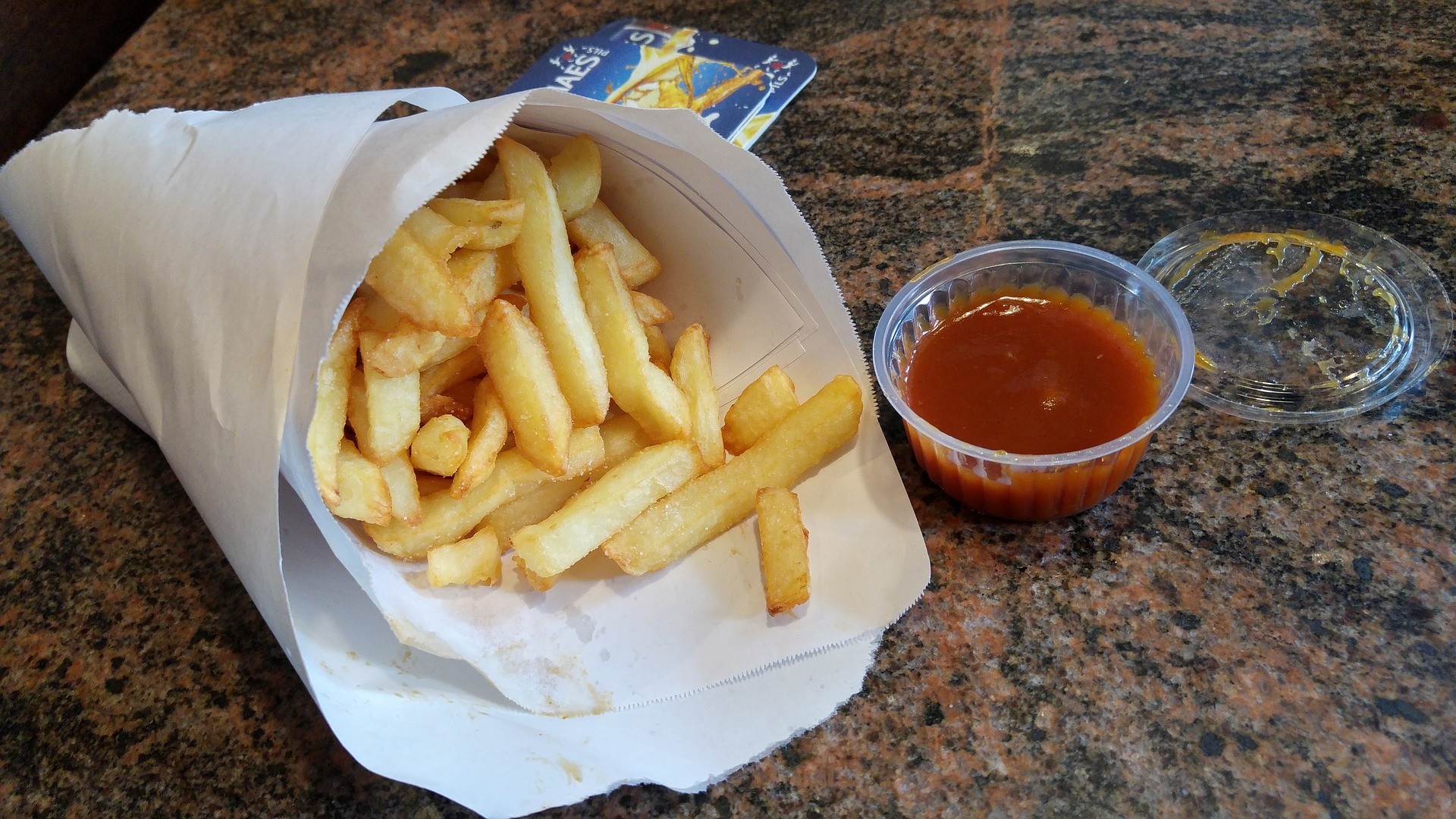
You can’t talk about Dutch street food without mentioning French fries, or “patat” as they are called locally. Dutch fries are generally thicker than those found in other countries and are served in a paper cone with a variety of sauces. The most popular is “frietsaus“, similar to mayonnaise but lighter, followed by satay sauce (peanut-based) and curry saucey. For a truly unique experience, try the “patatje oorlog” (literally “war fries”), a combination of french fries covered with mayonnaise, satay sauce, and chopped raw onion. The name comes from the “chaotic” appearance of the dish, but the flavor is surprisingly delicious!
22. Bitterballen
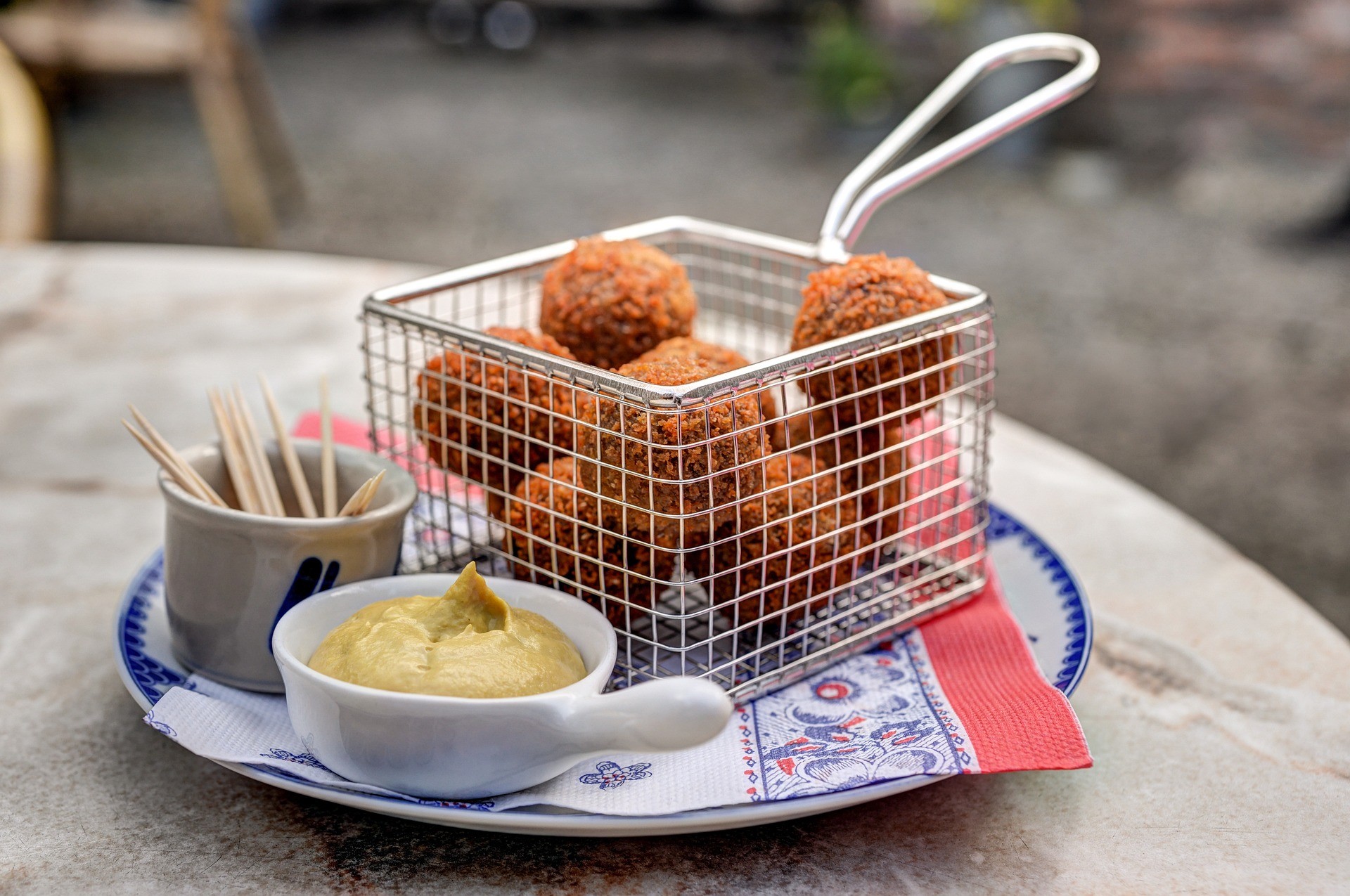
Another very popular snack is bitterballen, small fried croquettes filled with a meat ragout. Crispy on the outside and creamy on the inside, they are usually served hot with mustard for dipping. They are the perfect accompaniment to a Dutch beer and can be found in almost every bar and pub in the country.
23. Kaassouflé
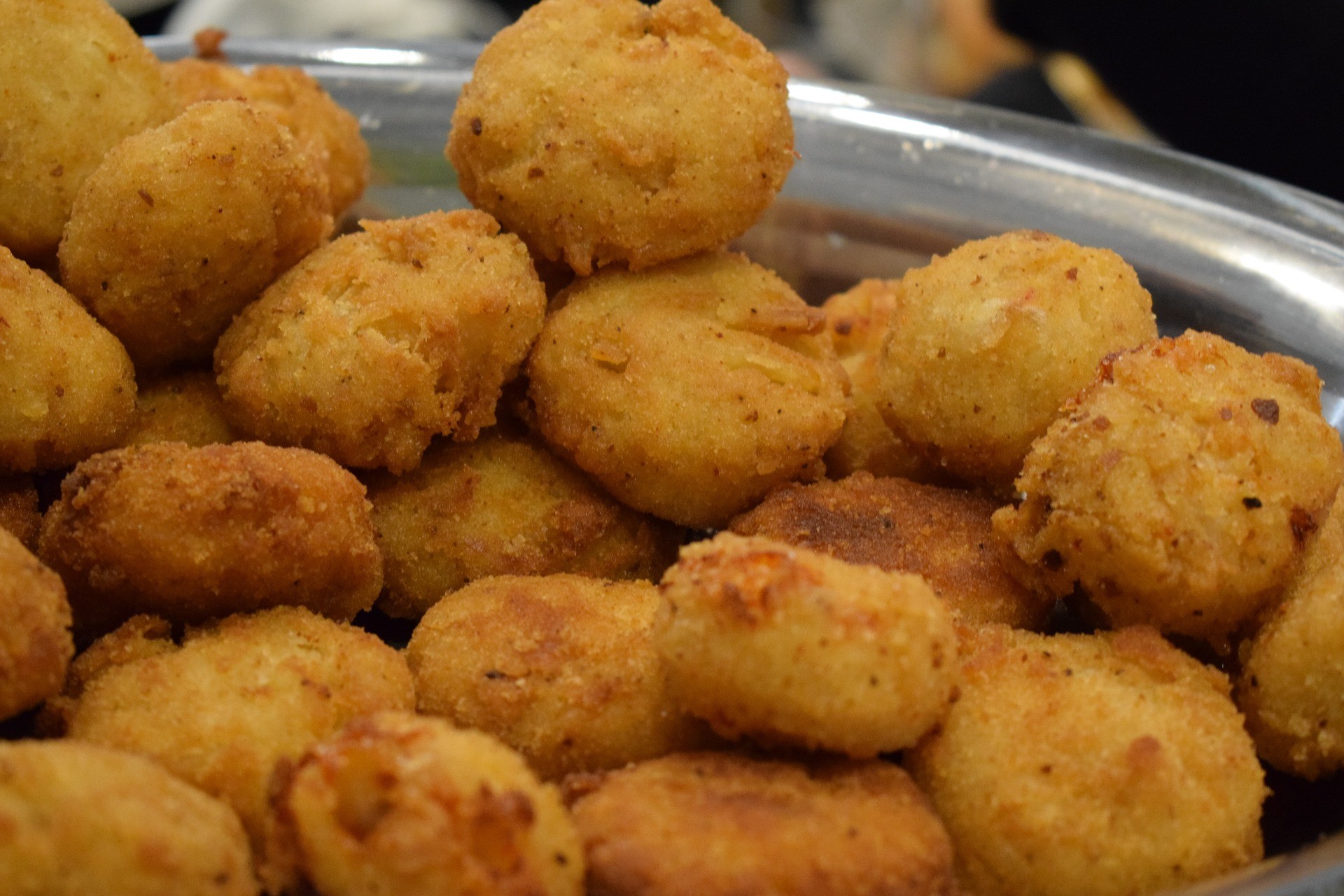
For those who love stronger flavors, the kaassouflé is an excellent choice. It is a breaded and fried cheese roll, crispy on the outside and gooey on the inside. It is a very popular snack among both locals and tourists and is easily found at street food stalls.

24. Kroketten
Another specialty not to miss is the kroketten, similar to bitterballen but elongated in shape. It can be eaten alone or in a sandwich (broodje kroket) and is especially popular as a quick snack during lunch breaks.
Where to eat street food in the Netherlands
To experience authentic Dutch street food, we recommend visiting one of the many open-air markets present in the main cities. In Amsterdam, the Albert Cuyp market is a true paradise for street food lovers, with numerous stalls offering a variety of traditional snacks. In Amsterdam, one of the best places to try this street food is the kioskStubbe’s Haring, a true institution since 1916. Another interesting option is FEBO , a typically Dutch automated fast food chain. Here you can buy hot snacks like kroketten e bitterballendirectly from wall-mounted vending machines, a unique experience of its kind. During Christmas markets and fairs, it is common to see stalls preparing fresh poffertjes on the spot. Finally, we cannot forget the stroopwafel, which we already mentioned in the desserts section. This flat caramel-filled cookie is perfect to enjoy as a snack while strolling through the streets of Dutch cities.
The Dutch street food is a fun and tasty way to immerse yourself in the local culinary culture. Whether you’re looking for a quick meal or just curious to try something new, don’t hesitate to try these specialties during your trip to the Netherlands. Every bite will be a discovery of authentic flavors and unique culinary traditions!
Typical drinks: from beer to genever
The beverage culture in the Netherlands is rich and varied, with a long tradition ranging from craft beers to unique spirits. Exploring typical Dutch drinks is an excellent way to further immerse yourself in the country’s gastronomic culture and discover unique and surprising flavors. Beer undoubtedly holds a place of honor among Dutch beverages. The Netherlands boasts a long brewing tradition, with world-famous brands like Heineken e Grolsch. However, in recent years there has been a real boom in craft breweries enriching the offer with innovative and high-quality productions.
25. Witbier
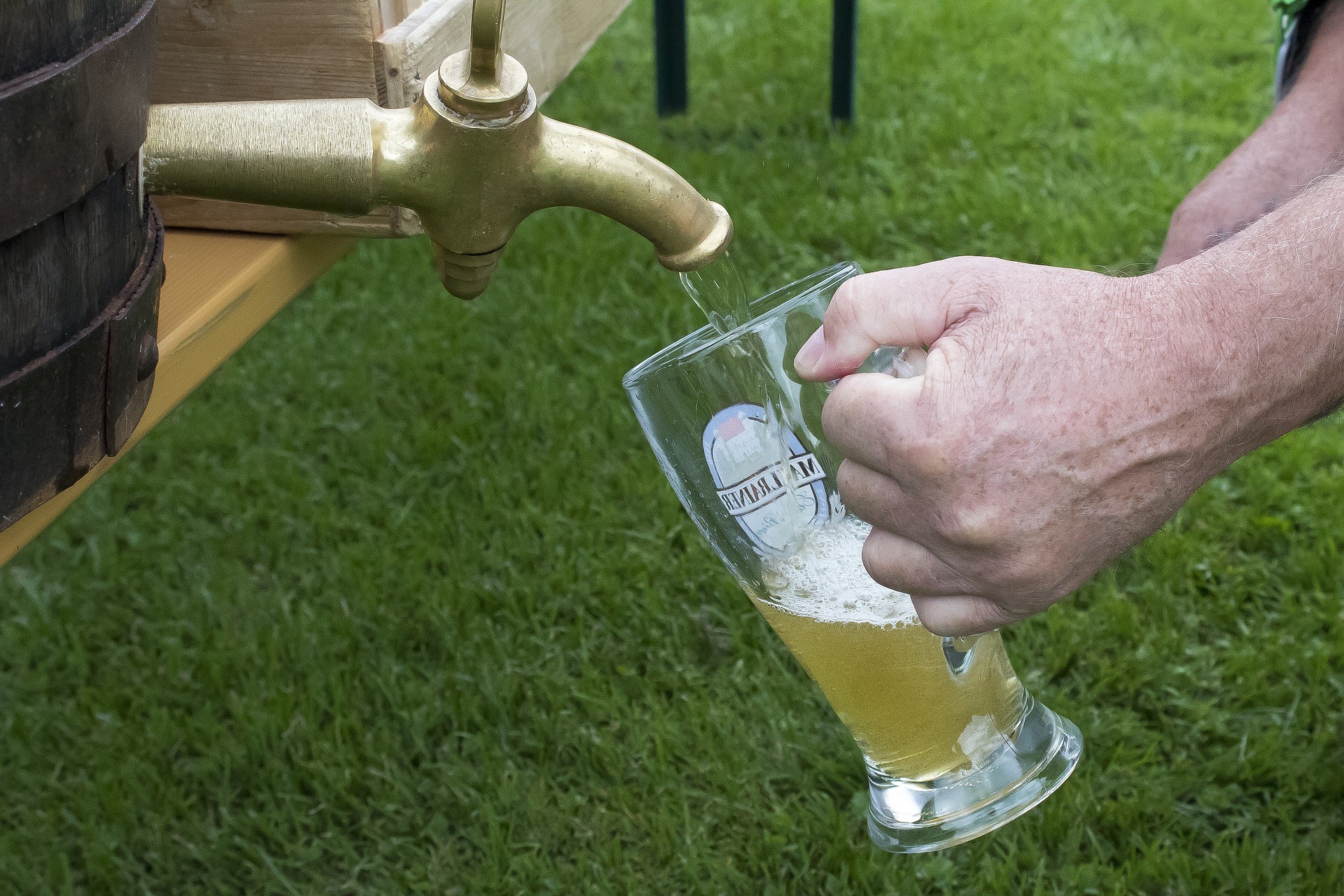
Among typically Dutch beers, the witbier deserves special mention, an unfiltered wheat beer, light and refreshing, often flavored with orange peel and coriander. Another specialty is the bok, a dark and strong beer traditionally produced in autumn.
26. Genever
Moving on to spirits, genever (or jenever) is undoubtedly the most representative of Dutch tradition. Considered the ancestor of gin, genever is a grain-based spirit flavored with juniper berries and other herbs. There are two main varieties: jonge genever (young), with a more neutral taste suitable for cocktails, and oude genever (aged), more complex and usually drunk neat.
The traditional way to drink genever is the “kopstootje” (literally “little headbutt”): a shot of genever accompanied by a beer. The traditional glass, called a “tulip glass” because of its shape, is filled to the brim, forcing the drinker to lean over the table for the first sip without spilling a drop.

27. Advocaat
Another typical alcoholic drink is advocaat, a creamy liqueur made from eggs, sugar, and brandy. It has a thick consistency, similar to a cream, and is often consumed as a dessert or used in the preparation of sweets.

28. Dutch milk
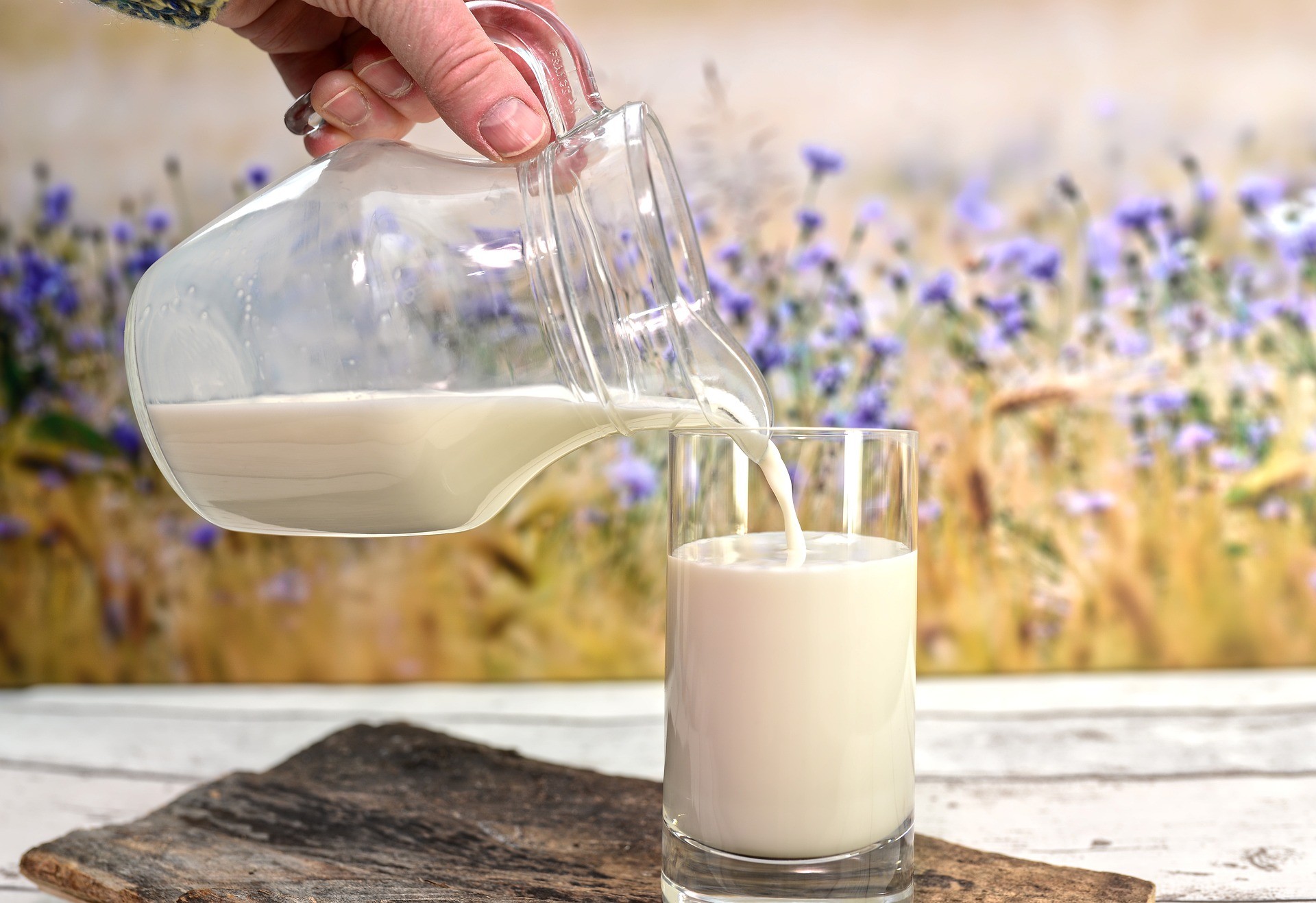
As for non-alcoholic drinks, one cannot fail to mention the famous Dutch milk. The Netherlands is renowned for the quality of its dairy products, and milk is no exception. Many Dutch people drink it regularly, appreciating its rich and creamy flavor.
29. Karnemelk
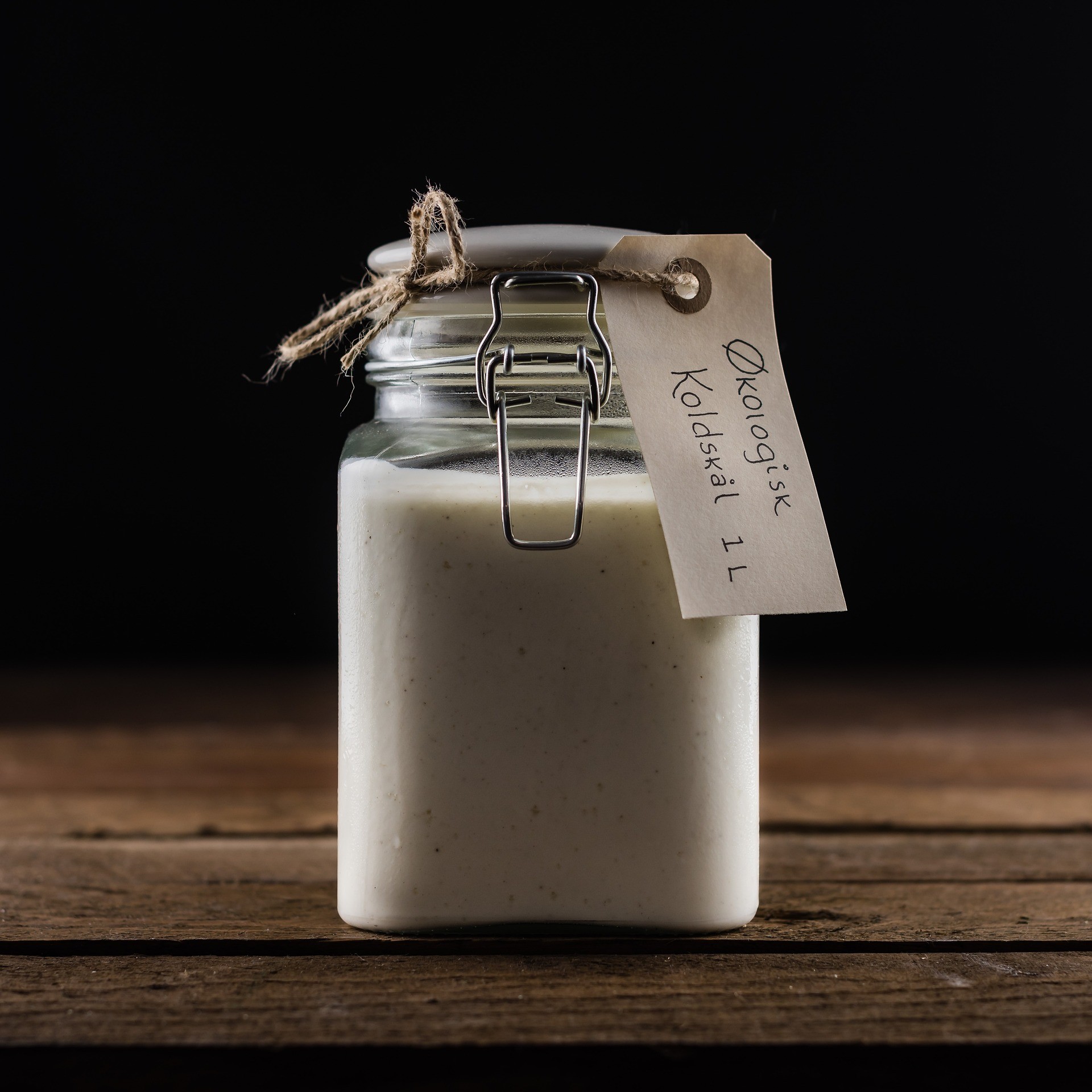
A typical non-alcoholic beverage is karnemelk, a slightly sour buttermilk obtained as a by-product of butter production. Although its particular taste may not please everyone at first sip, it is highly appreciated by the Dutch for its refreshing and digestive properties.
30. Coffee
Finally, we cannot forget coffee, which plays an important role in Dutch culture. The Netherlands has a long tradition of coffee importation and roasting, and the Dutch are among the largest coffee consumers in the world.

Where to drink in Holland
If you are in Amsterdam, don’t miss the chance to visit some of the city’s craft breweries. Brouwerij ‘t IJ, located in an old windmill, offers guided tours and tastings of its locally brewed beers. Another interesting stop is the Brouwerij de Prael, a social brewery in the heart of the red-light district that produces high-quality craft beers.
For an authentic genever tasting experience, we recommend visiting the genever distillery Wynand Fockink, a distillery and tavern in the center of Amsterdam that has been producing genever and liqueurs since 1679. Here you can taste several varieties of genever and learn the technique of the “kopstootje“. For a unique coffee experience, we recommend visiting the Koffie Academie in Amsterdam, where you can taste high-quality coffee prepared with different brewing methods. In Dutch cities you will find numerous cozy cafés where you can enjoy an excellent cup of coffee, often accompanied by a cookie or a piece of cake.
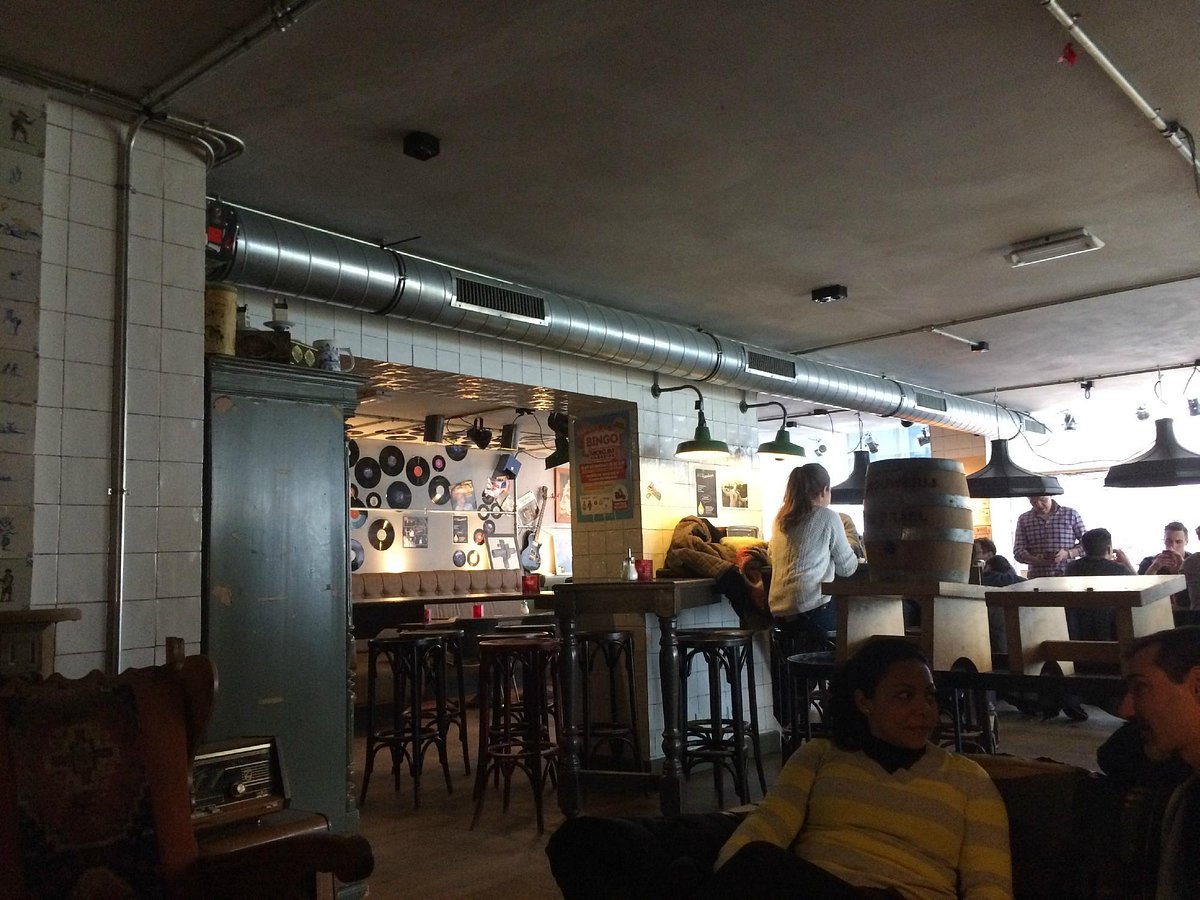
Exploring typical Dutch beverages is a fascinating journey through the country’s history and culture. Whether you are a beer enthusiast, curious to taste genever, or simply looking for a good cup of coffee, the Netherlands has a lot to offer. Don’t hesitate to experiment and be surprised by the variety and quality of local drinks during your trip!
Regional cuisine: specialties of the various Dutch provinces
Despite the relatively small size of the Netherlands, each region of the country boasts its own culinary specialties, the product of local traditions, historical influences, and local ingredients. Exploring Dutch regional cuisine is a fascinating way to discover the gastronomic diversity of the country and appreciate how even small geographical distances can create significant differences in flavors and preparations. Let’s begin our journey in the province of North Holland, where Amsterdam is located. Here, among the typical dishes of the capital that we have already mentioned, it is worth tasting the ossenworst. Another typical dish is zuurkoolstamppot, a version of stamppot prepared with sauerkraut.
Moving to the province of South Holland, we cannot fail to mention the famous Gouda cheese, produced in the city of the same name. Here, Leidse kaas is also popular, a hard cheese flavored with cumin seeds. A traditional dish of the region is hutspot, a meat stew with carrots and onions. The province of Utrecht is famous for its sweets, particularly the Domtorentje, a chocolate shaped like a tower inspired by the bell tower of Utrecht Cathedral. Another typical sweet is the Utrechtse Sprits, a crunchy butter cookie. In the province of Zeeland, located on the southwestern coast, the cuisine is strongly influenced by the sea.