

The aurora borealis, also known as the “northern lights“, is one of the most fascinating and mysterious natural phenomena on our planet. This celestial spectacle, which paints the night sky with vivid colors and dancing shapes, has captured the imagination of travelers and dreamers for centuries. But where can you best admire these magical lights? In this article, we will explore the most extraordinary places to watch the aurora borealis, offering valuable tips for planning an unforgettable adventure under the Arctic sky.
- 1. Tromsø, Norway: the capital of the northern lights
- Why is Tromsø so special?
- When to visit Tromsø for the northern lights
- Activities and experiences in Tromsø
- Tips for northern lights viewing in Tromsø
- 2. Fairbanks, Alaska: the heart of the Northern Lights in America
- Why Fairbanks is a prime location for the Northern Lights
- When to visit Fairbanks for the Northern Lights
- Activities and experiences in Fairbanks
- Tips for observing the aurora in Fairbanks
- The uniqueness of the Fairbanks experience
- 3. Southern Iceland: Land of Ice and Fire under the Aurora
- Why Southern Iceland is Ideal for the Northern Lights
- When to Visit Southern Iceland for the Northern Lights
- Must-See Places for Aurora Viewing in Southern Iceland
- Activities and Experiences in Southern Iceland
- Tips for Northern Lights Viewing in Iceland
- The Uniqueness of the Icelandic Experience
- 4. Jukkasjärvi, Sweden: a unique experience under the Arctic sky
- Why Jukkasjärvi is special for the northern lights
- When to visit Jukkasjärvi for the northern lights
- the ICEHOTEL: a unique experience under the aurora
- Activities and experiences in Jukkasjärvi
- Tips for aurora viewing in Jukkasjärvi
- The uniqueness of the Jukkasjärvi experience
- 5. Abisko, Sweden: the “blue hole” of the northern lights
- The “blue hole” phenomenon of Abisko
- When to visit Abisko for the northern lights
- Aurora Sky Station: a unique observatory
- Activities and experiences in Abisko
- Tips for aurora viewing in Abisko
- The uniqueness of the Abisko experience
- Practical Tips for Observing the Northern Lights
- Understanding the Northern Lights Phenomenon
- Trip Planning
- Essential Gear
- Observation Techniques
- Northern Lights Photography
The aurora borealis is a phenomenon that occurs when charged particles from the sun interact with the Earth’s atmosphere, creating a colorful light show in the night sky. This phenomenon is most visible in polar regions, where the nights are long and the sky is often clear. In recent years, interest in observing the aurora borealis has grown enormously, leading more and more people to undertake journeys to northern latitudes in search of this natural wonder.
In the following paragraphs, we will explore in detail the best destinations to see the aurora borealis, analyzing the factors that make these places so special for observing this phenomenon. From the Norwegian fjords to the vast expanses of Alaska, passing through Iceland and Sweden, each destination offers a unique and unforgettable experience. We will also discover the best times to visit these places, activities not to miss, and expert advice to maximize the chances of spotting.
Whether you are passionate about photography, a nature lover, or simply looking for an extraordinary experience, this journey through the best places to see the aurora borealis will inspire you to plan your next Arctic adventure. Get ready to be amazed by the beauty and magic of one of the most extraordinary shows nature can offer.
1. Tromsø, Norway: the capital of the northern lights
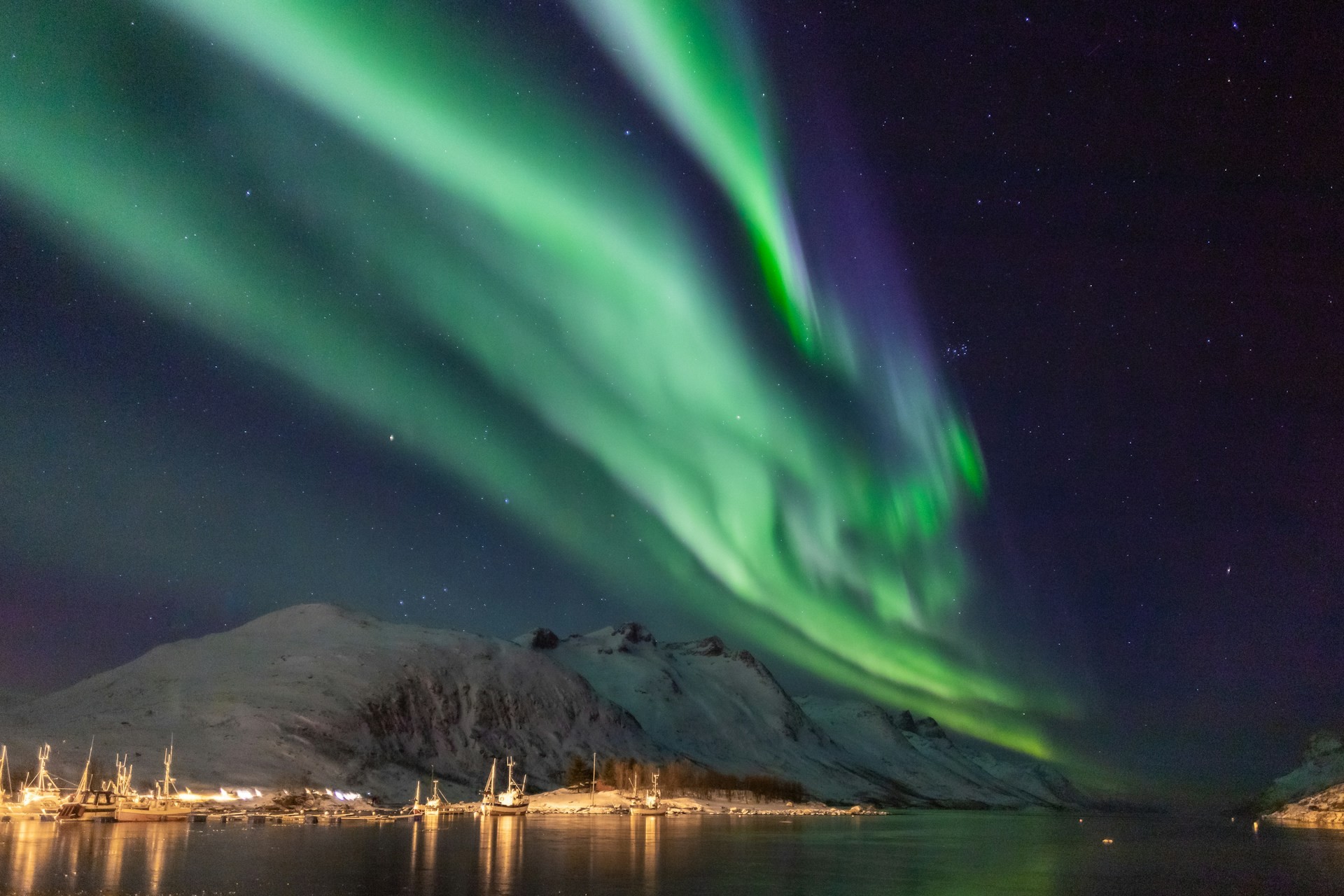
Tromsø, located in the heart of the Norwegian Arctic, is often considered the “capital of the northern lights.” This charming city offers some of the best opportunities in the world to observe the northern lights. Its geographical position, well above the Arctic Circle, makes it an ideal place for northern lights enthusiasts.
Why is Tromsø so special?
The magic of Tromsø lies in its unique combination of favorable factors:
- geographical location: situated at 69° north latitude, Tromsø is located in the heart of the auroral zone, where chances of sighting are very high.
- extended viewing season: the northern lights visibility period in Tromsø lasts from September to April, offering visitors a wide time window to plan their trip.
- tourist infrastructure: the city is well equipped to welcome tourists seeking the aurora, with numerous organized tours and expert guides.
When to visit Tromsø for the northern lights
The best time to visit Tromsø in search of the northern lights is from late September to late March. During these months, the nights are long and dark enough to offer great chances of sightings. Specifically:
- October and November: these months offer a balance between still mild temperatures and good chances of clear skies.
- December and January: in the heart of winter, the nights are longer, increasing the chances of sightings but temperatures are colder.
- February and March: with longer days, you can combine daytime activities with nighttime aurora watching.
Activities and experiences in Tromsø
Besides northern lights viewing, Tromsø offers numerous activities to enrich your stay:
- dog sledding excursions: an exciting experience to explore the Arctic landscapes.
- visit to the Polaria Museum: to deepen your knowledge of the Arctic ecosystem.
- cable car ride on Mount Storsteinen: to enjoy a panoramic view over the city and surrounding fjords.
- boat tours in the fjords: to admire the natural beauty of the region from the sea.
Tips for northern lights viewing in Tromsø
To maximize your chances of seeing the northern lights in Tromsø, follow these tips:
- book a guided tour: local guides know the best spots and can interpret weather forecasts.
- move away from city lights: for optimal viewing, it’s best to go to darker areas outside the city.
- be patient: the aurora can appear at any time during the night, so be prepared for long waits.
- dress appropriately: temperatures can be very cold, so wear thermal and layered clothing.
Tromsø is not only an ideal place to watch the northern lights but also offers a complete Arctic experience, combining spectacular nature, Sami culture, and modern urban attractions. Whether you are a photography enthusiast, adventure lover, or simply seeking a unique experience, Tromsø will give you unforgettable memories under the dancing northern lights sky.
@fulltravel.it Tromsø, un angolo di paradiso artico che sembra uscito da un sogno! ❄️✨ Scopri con me i luoghi più incredibili della Terra, dove l’inverno regala paesaggi surreali e l’aurora boreale illumina il cielo. Un posto che non sembra reale, ma che puoi visitare! 🇳🇴 FullTravel Tromsø InvernoMagico AuroraBoreale PostiIncredibili Viaggi #Travel #traveltiktok #traveling #travelife #travelers #travlers #traveler #traveltips #travellife #travel @@annabrunoj
2. Fairbanks, Alaska: the heart of the Northern Lights in America
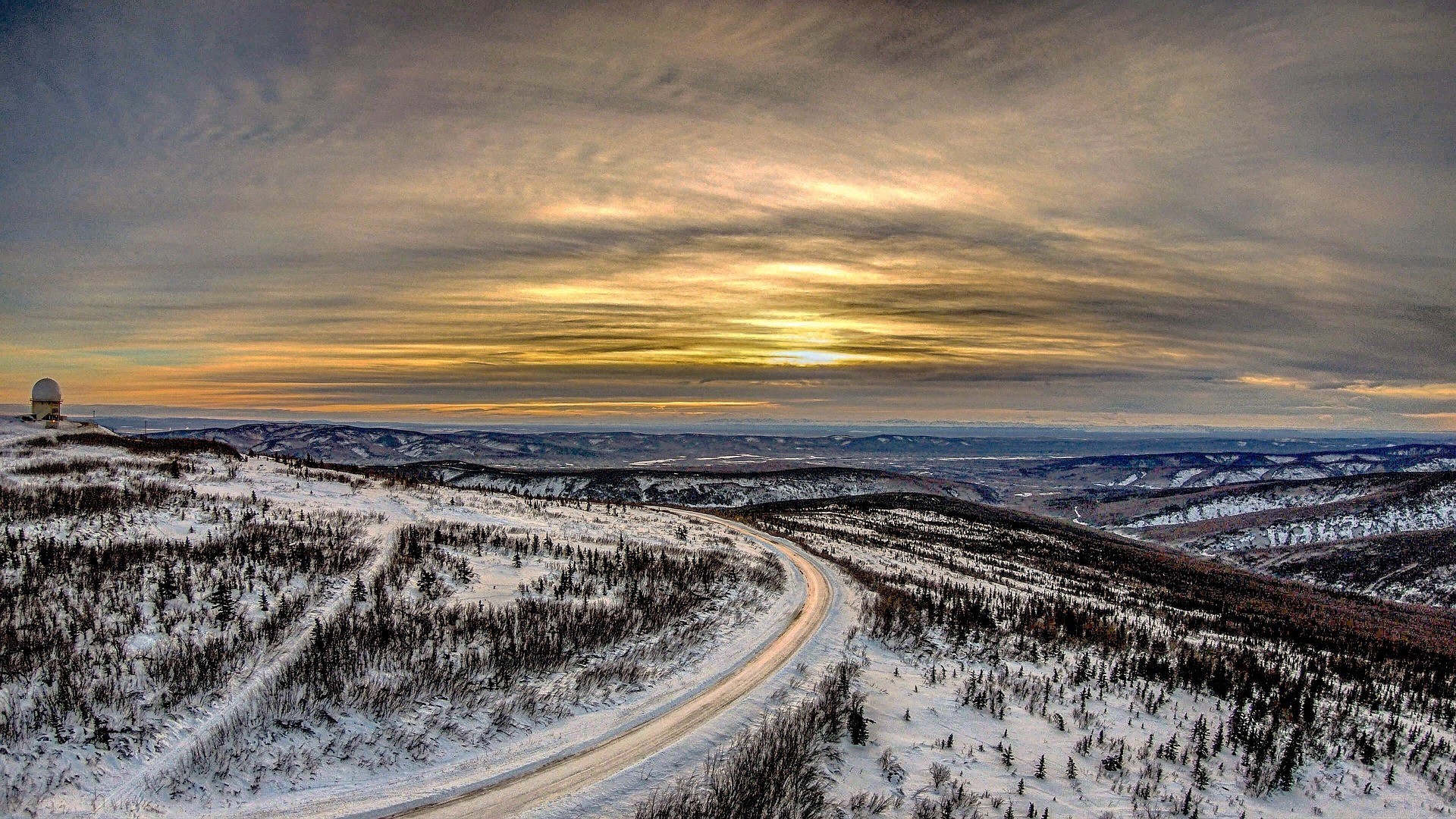
Fairbanks, located in the heart of Alaska, is considered one of the best places in the world to view the Northern Lights. This city, immersed in the wild nature of North America, offers ideal conditions to admire the northern lights show, attracting thousands of visitors each year in search of this magical experience.
Why Fairbanks is a prime location for the Northern Lights
Fairbanks enjoys a number of advantages that make it a top destination for aurora viewing.
- geographical location: situated under the auroral oval, an area where aurora activity is particularly intense.
- dry climate: Fairbanks’ continental climate guarantees many clear nights, ideal for observation.
- low light pollution: the vast surrounding natural areas offer dark skies perfect for admiring the aurora.
- long viewing season: chances to see the aurora extend from late August to mid-April.
When to visit Fairbanks for the Northern Lights
The best period to visit Fairbanks in search of the Northern Lights runs from late August to mid-April. Here are some details about the different times:
- late August – September: nights start to lengthen, offering good chances to spot the aurora with still mild temperatures.
- October – November: hours of darkness increase, improving viewing opportunities.
- December – February: the heart of winter offers the longest nights but also the coldest temperatures.
- March – mid-April: with the arrival of spring, temperatures rise slightly and days grow longer, but the aurora is still visible.
Activities and experiences in Fairbanks
Besides aurora viewing, Fairbanks offers numerous activities to enrich your stay:
- visit the Northern Lights Museum: to deepen your scientific understanding of the phenomenon.
- snowmobile excursions: to explore the surrounding snowy landscapes.
- bathing in the Chena Hot Springs: a relaxing experience under the starry sky.
- visit the Alaska Museum and the Large Animal Research Station: to learn about local wildlife and culture.
Tips for observing the aurora in Fairbanks
To maximize your chances of seeing the Northern Lights in Fairbanks, follow these tips:
- use aurora forecasts: apps and websites provide accurate predictions about aurora activity.
- choose accommodation with a view: many hotels and resorts offer “aurora wake-up calls” so you don’t miss the show.
- join a guided tour: local guides know the best spots and can offer valuable information.
- dress for the cold: winter temperatures can drop far below zero, so dress appropriately.
The uniqueness of the Fairbanks experience
What makes Fairbanks truly special is the combination of wild nature, native culture, and modern tourist facilities. Here you can:
- immerse yourself in Athabascan culture: discover the traditions of Alaska’s native people and their connection to the Northern Lights.
- experience the “midnight sun”: enjoy nearly 24-hour daylight during the summer.
- explore Denali National Park: one of the most spectacular national parks in the United States, just a few hours away.
Fairbanks offers a unique experience for Northern Lights lovers, combining the natural wonders of Alaska with modern comforts and a rich cultural offering. Whether you are a passionate photographer, an adventurer, or simply looking for an unforgettable experience, Fairbanks will gift you magical nights under the dancing aurora sky while immersing you in the wild heart of Alaska.
3. Southern Iceland: Land of Ice and Fire under the Aurora

Southern Iceland has earned a leading reputation among destinations for Northern Lights viewing. This region, characterized by breathtaking landscapes ranging from glaciers to volcanoes, offers a unique setting to admire the northern lights, combining the magic of the aurora with the wild beauty of Icelandic nature.
Why Southern Iceland is Ideal for the Northern Lights
Southern Iceland has several features that make it an excellent destination for Northern Lights observation:
- Geographical location: located just below the Arctic Circle, Iceland enjoys long winter nights ideal for viewing.
- Landscape diversity: glaciers, volcanoes, geysers, and waterfalls provide spectacular backdrops for the aurora.
- Accessibility: Iceland is easily reachable from Europe and North America, with direct flights to Reykjavik.
- Tourist infrastructure: the region is well equipped to host tourists, with numerous accommodation options and organized tours.
When to Visit Southern Iceland for the Northern Lights
The best period to observe the Northern Lights in Iceland runs from September to April. Here are some details about the different periods:
- September – October: nights lengthen, offering good chances of spotting the aurora with still mild temperatures.
- November – February: the heart of winter offers the longest and darkest nights, ideal for viewing but with colder temperatures.
- March – April: with the arrival of spring, days lengthen, but the aurora is still visible, with slightly warmer temperatures.
Must-See Places for Aurora Viewing in Southern Iceland
- Thingvellir National Park: a UNESCO site where you can admire the aurora reflected in Lake Thingvallavatn.
- Jökulsárlón: the famous glacial lagoon offers a unique backdrop with icebergs reflecting the northern lights.
- Vik: the black sand beaches of this coastal town create a striking contrast with the aurora.
- Skógafoss: this impressive waterfall can be illuminated by the aurora, creating an unforgettable spectacle.
Activities and Experiences in Southern Iceland
Besides aurora viewing, Southern Iceland offers numerous activities:
- Glacier hikes: explore ice caves and walk on glaciers with expert guides.
- Bathing in hot springs: relax in the famous Blue Lagoon or other natural hot springs.
- Golden Circle tours: visit geysers, waterfalls, and Iceland’s most famous national parks.
- Whale watching: take boat tours to observe these magnificent marine mammals.
Tips for Northern Lights Viewing in Iceland
To maximize your chances of seeing the Northern Lights in Iceland, follow these tips:
- Rent a car: Iceland is perfect for a road trip, allowing you to easily reach the best viewing spots.
- Use forecast apps: apps like “My Aurora Forecast” can help you predict aurora activity.
- Be flexible: weather conditions in Iceland can change rapidly, so be ready to adjust your plans.
- Join photography tours: expert guides can help you capture spectacular images of the aurora.
The Uniqueness of the Icelandic Experience
What makes Iceland truly special is the combination of unique natural phenomena:
- The meeting of ice and fire: watch the aurora above active volcanoes or millennia-old glaciers.
- The midnight sun: during summer, experience days that last almost 24 hours.
- Viking culture: explore the rich history and legends linked to the Northern Lights.
Southern Iceland offers an unparalleled Northern Lights viewing experience, combining breathtaking landscapes, unique natural phenomena, and a rich culture. Whether you are a photographer, a nature lover, or simply seeking an unforgettable adventure, Iceland will give you magical nights under the dancing aurora sky, immersing you in a land of contrasts and natural wonders.
4. Jukkasjärvi, Sweden: a unique experience under the Arctic sky
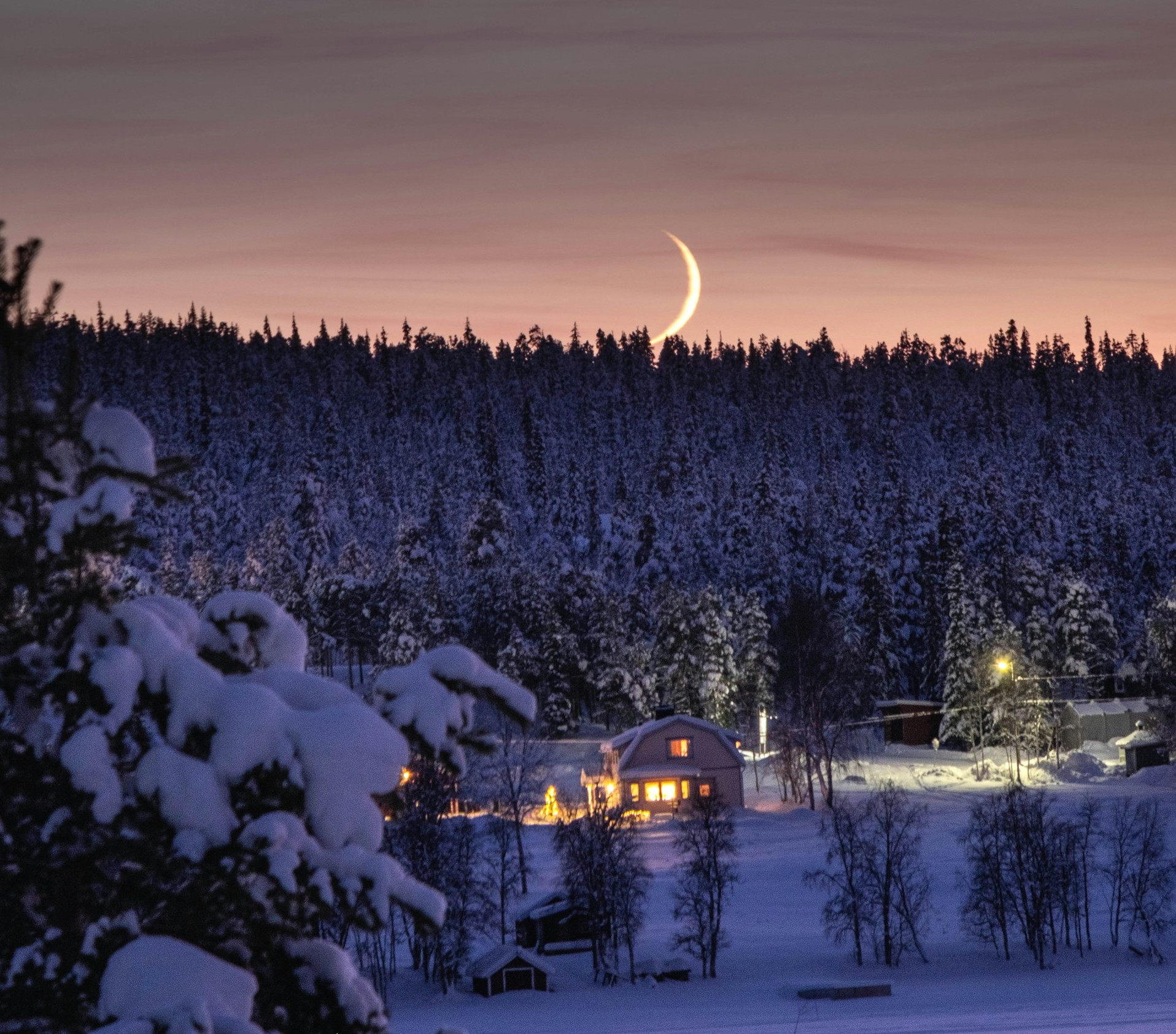
Jukkasjärvi, a small village in the heart of Swedish Lapland, has earned a worldwide reputation as a unique destination for northern lights viewing. This remote place offers not only excellent opportunities to spot the northern lights but also unforgettable experiences combining the magic of the aurora with the uniqueness of Sami culture and extraordinary tourist innovations.
Why Jukkasjärvi is special for the northern lights
Jukkasjärvi features characteristics that make it an exceptional destination for aurora viewing:
- geographic location: located well above the Arctic Circle, it enjoys long winter nights ideal for observation.
- low light pollution: its remote location guarantees extremely dark night skies.
- continental climate: cold and dry winters often offer clear skies, perfect for viewing.
- uniqueness of accommodations: home to the iconic ICEHOTEL, it offers one-of-a-kind lodging experiences worldwide.
When to visit Jukkasjärvi for the northern lights
The best period to observe the northern lights in Jukkasjärvi is from late September to late March:
- September – October: the first auroras are visible with still relatively mild temperatures.
- November – January: the heart of winter offers the longest nights, ideal for observation, but with very cold temperatures.
- February – March: the days start getting longer, but the aurora is still well visible, with slightly warmer temperatures.
@annabrunoj Benvenuti in Svezia, un paese di foreste sconfinate, città pittoresche e paesaggi che sembrano usciti da una favola! 🌲✨ In questa decima puntata di Emotion by Anna Bruno, scoprirai la magia della natura nordica e delle sue meraviglie. Preparati a lasciarti trasportare dalle emozioni. ❄️ #EmotionByAnnaBruno #Svezia #Scandinavia #ViaggioEmozionale #NatureLovers #TravelInspiration #travel #traveling #travelife #traveltok @fulltravel
the ICEHOTEL: a unique experience under the aurora
One of the elements that makes Jukkasjärvi truly unique is the ICEHOTEL:
- entirely ice-built structure: rebuilt every year, the hotel offers rooms carved from ice and snow.
- ephemeral art: each room is a unique artwork created by international artists.
- aurora viewing: many rooms offer the opportunity to watch the aurora right from bed.
- complementary experiences: sauna, ice bar, and gourmet restaurants complete the offer.

Activities and experiences in Jukkasjärvi
Besides aurora viewing and staying at the ICEHOTEL, Jukkasjärvi offers numerous activities:
- snowmobile safaris: explore the snowy landscapes of Lapland.
- dog sledding excursions: a traditional experience to cross Arctic forests.
- encounter with Sami culture: discover the traditions of the indigenous people of Lapland.
- ice fishing: try this traditional activity on frozen lakes.
Tips for aurora viewing in Jukkasjärvi
To maximize your chances of seeing the northern lights in Jukkasjärvi, follow these tips:
- book a guided tour: local guides know the best spots and observation techniques.
- dress appropriately: temperatures can drop well below zero, so proper thermal clothing is essential.
- be patient: the aurora can appear at any time during the night, so prepare for long waits.
- take advantage of daytime activities: winter days are short but offer enough light for many outdoor activities.
The uniqueness of the Jukkasjärvi experience
What makes Jukkasjärvi truly special is the combination of unique elements:
- the contrast between hot and cold: moving from a very hot sauna to watching the aurora in Arctic frost.
- the fusion of tradition and innovation: experience ancient Sami practices alongside cutting-edge tourism concepts.
- total immersion in Arctic nature: live in close contact with an untouched and wild natural environment.
Jukkasjärvi offers an aurora viewing experience that goes far beyond just spotting the northern lights. Here, visitors can fully immerse themselves in the Arctic atmosphere, combining the thrill of the aurora with unique experiences like staying in an ice hotel, exploring Sami culture, and adventuring in the wild nature of Lapland. Whether you seek romance, adventure, or simply an extraordinary experience, Jukkasjärvi will gift you unforgettable memories under the dancing sky of the northern lights.
5. Abisko, Sweden: the “blue hole” of the northern lights
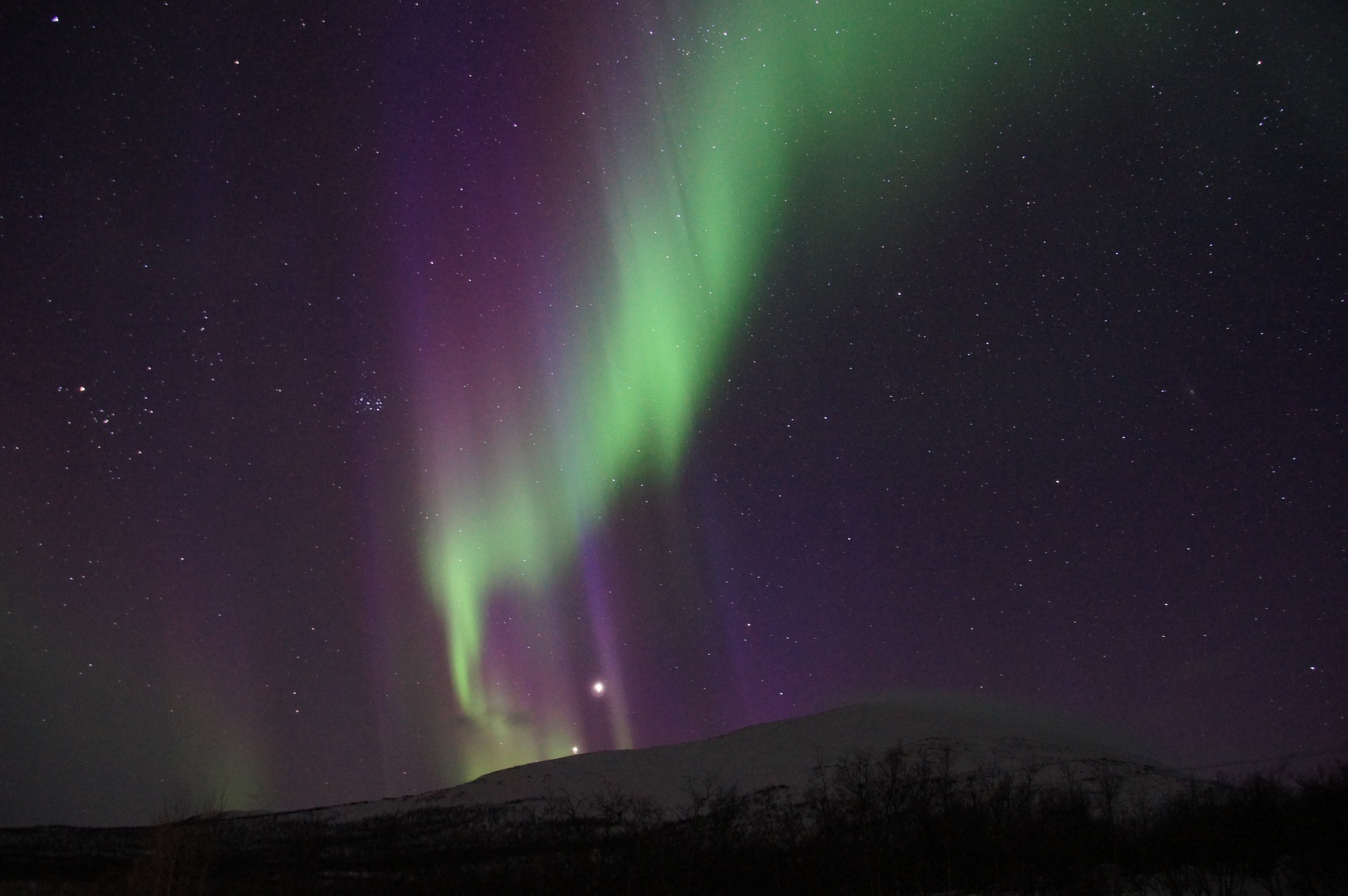
Abisko, a small village in the heart of Swedish Lapland, is considered by many experts one of the best places in the world to observe the northern lights. This remote village, located about 200 km north of the Arctic Circle, owes its fame to a unique weather phenomenon known as the “blue hole of Abisko,” which offers exceptional conditions for viewing the northern lights.
The “blue hole” phenomenon of Abisko
The “blue hole of Abisko” is a microclimatic phenomenon that makes this location particularly suitable for aurora watching:
- clear sky: Abisko benefits from a microclimate that often keeps the sky cloud-free, even when surrounding areas are overcast.
- effect of Lake Torneträsk: the large lake near Abisko helps create this favorable microclimate.
- geographical location: situated in a valley surrounded by mountains, Abisko is protected from winds and precipitation.
When to visit Abisko for the northern lights
The best period to observe the northern lights in Abisko is from September to April:
- September – October: the beginning of the season with sufficiently dark nights and still mild temperatures.
- November – February: the heart of winter offers the longest and darkest nights, ideal for viewing.
- March – April: the end of the season, with still dark nights but slightly rising temperatures.
Aurora Sky Station: a unique observatory
One of Abisko’s highlights is the Aurora Sky Station:
- high elevation: situated on Mount Nuolja, it offers an unobstructed panoramic view.
- dedicated facilities: an observatory equipped with a panoramic terrace and café.
- expert guides: qualified staff to explain the aurora phenomenon and assist in observation.
- cable car access: easily reachable with a short cable car ride.
Activities and experiences in Abisko
Besides aurora watching, Abisko offers many activities:
- hiking in Abisko National Park: explore one of Sweden’s most beautiful parks.
- cross-country skiing: follow well-maintained trails through snowy landscapes.
- aurora photography: join photography workshops dedicated to the northern lights.
- ice climbing: experience the thrill of climbing frozen waterfalls.
Tips for aurora viewing in Abisko
To maximize your chances of seeing the northern lights in Abisko, follow these tips:
- book in advance: Abisko is very popular, so it is advisable to book well ahead, especially for the Aurora Sky Station.
- dress in layers: temperatures can be extremely cold, so proper clothing is essential.
- plan a stay of at least 3-4 nights: this will increase your chances of seeing the aurora in case of variable weather conditions.
- join guided tours: local guides can take you to the best viewing spots and provide valuable information.
The uniqueness of the Abisko experience
What makes Abisko truly special is the combination of unique elements:
- high probability of sightings: thanks to the “blue hole,” Abisko offers some of the best chances to see the aurora.
- untouched nature: Abisko National Park offers breathtaking landscapes and unique biodiversity.
- Sami culture: the opportunity to learn about the culture and traditions of the Sami people.
- tranquility and isolation: Abisko offers a fully immersive experience in Arctic nature, far from urban chaos.
Abisko represents an excellent destination for those wanting to experience the northern lights under the best possible conditions. The combination of the “blue hole” phenomenon, dedicated facilities like the Aurora Sky Station, and the pristine beauty of the Arctic landscape make Abisko a unique place in the world to observe the northern lights. Whether you are a photography enthusiast, a nature lover, or simply seeking an unforgettable experience, Abisko will offer you the chance to live the magic of the aurora borealis in a setting of extraordinary natural beauty.
Practical Tips for Observing the Northern Lights
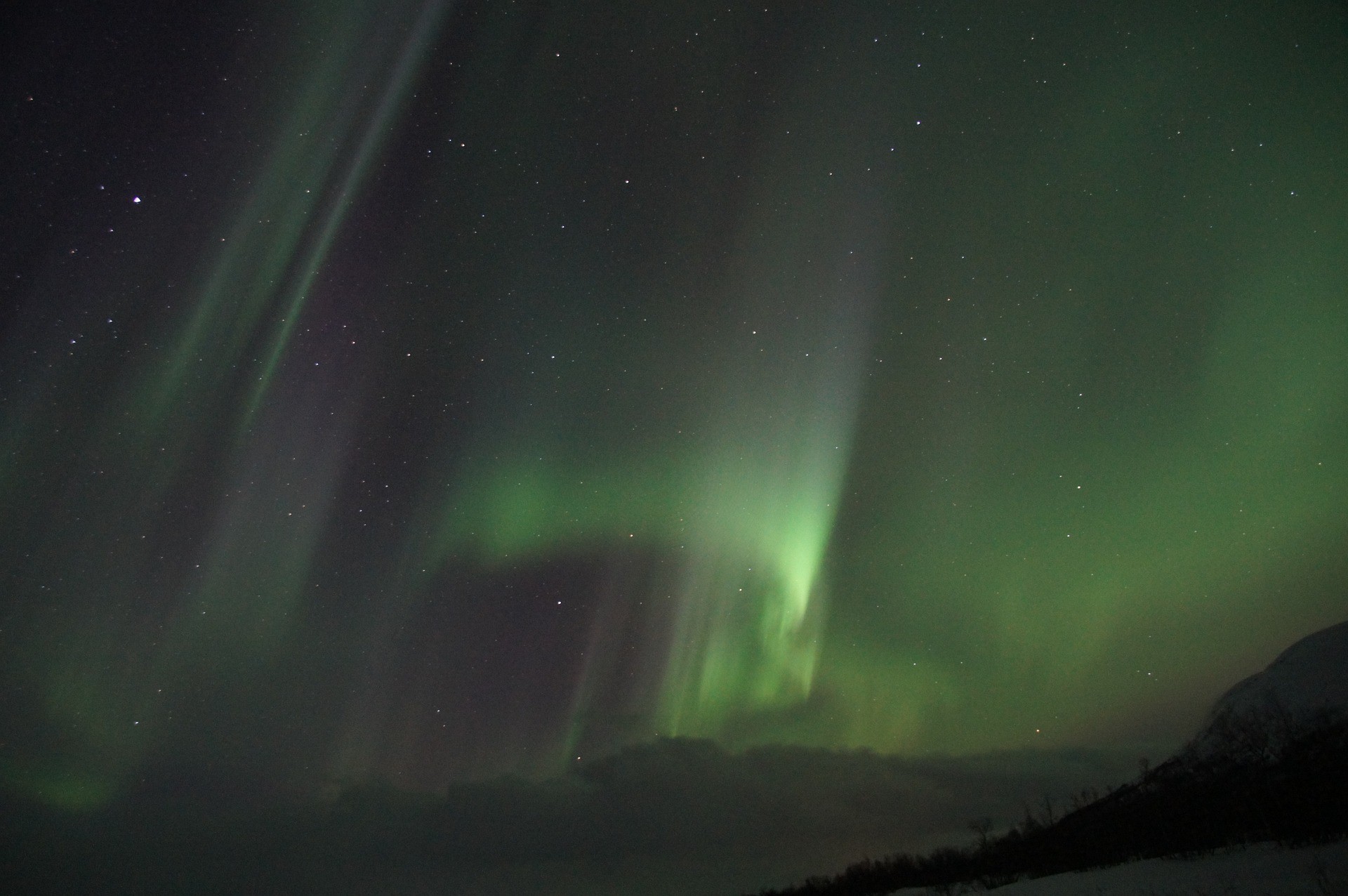
Observing the northern lights is a magical experience that requires some preparation and knowledge. Regardless of the chosen destination, there are some practical tips that can help you maximize your chances of seeing this spectacular natural phenomenon and fully enjoy it.
Understanding the Northern Lights Phenomenon
Before you leave, it is useful to understand some fundamental aspects of the northern lights:
- origin: the aurora is caused by the interaction between charged particles coming from the sun and the Earth’s atmosphere.
- solar cycle: auroral activity is influenced by the 11-year solar cycle, with periods of greater and lesser intensity.
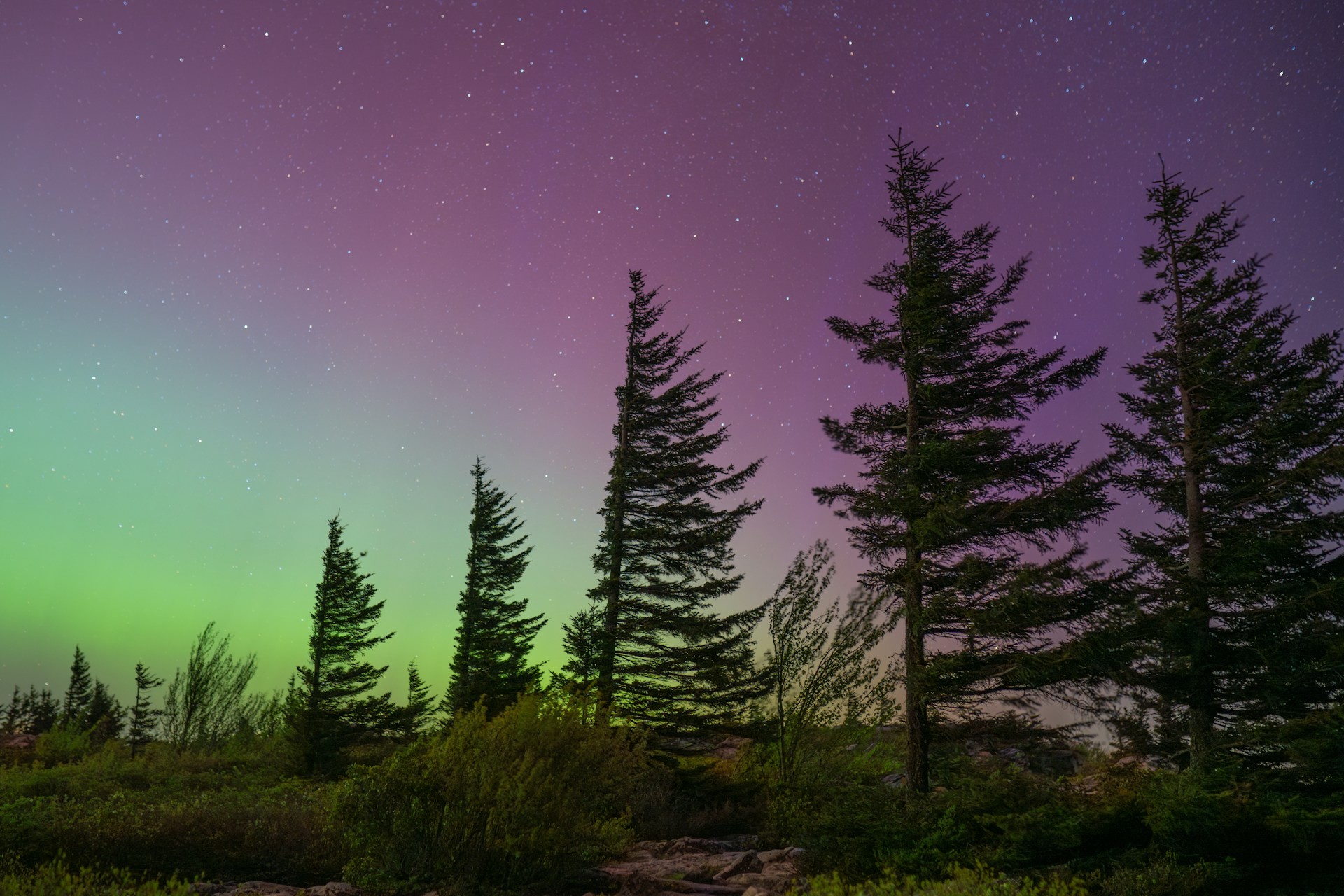
- colors: the most common colors are green and pink, but shades of red, purple, and blue can also appear.
- shapes: the aurora can take various shapes, from arches and bands to vortices and crowns.
Trip Planning
Good planning is essential to increase your chances of seeing the aurora:
- period choice: opt for the winter months when the nights are longer and darker.
- length of stay: plan a stay of at least 3-4 nights to increase the chances of spotting the aurora.
- moon phase: if possible, avoid full moon periods, which can reduce aurora visibility.
- weather forecasts: check weather and solar activity forecasts before and during the trip.
Essential Gear
Bringing the right gear can make the difference between a comfortable and an unpleasant experience:
- thermal clothing: dressing in layers is essential, with particular attention to hands, feet, and head.
- photographic equipment: if you intend to photograph the aurora, bring a DSLR or mirrorless camera with a wide-angle lens and tripod.
- headlamp: useful for moving around in the dark without disturbing the observation.
- thermos: a hot drink can work wonders during long waits in the cold.
Observation Techniques
To optimize your viewing experience:
- dark adaptation: give your eyes at least 20-30 minutes to adjust to the darkness.
- patience: the aurora can appear at any time, so be prepared for long waits.
- orientation: learn to recognize magnetic north, where the aurora is more likely to appear.
- apps and tools: use specific apps for aurora forecasts and star identification.
Northern Lights Photography
If you want to capture the aurora in photos:
- camera settings: use a high ISO sensitivity, a wide aperture, and long exposure times (10-30 seconds).
- focus: set manual focus to infinity.
- composition: include landscape elements to give depth and scale to the image.
- equipment protection: the cold can affect batteries and cause condensation, so take precautions.