


In the province of Pavia, Vigevano is undeniably one of Lombardy’s towns worth visiting. Famous for its Piazza Ducale—which often features in commercials and films—Vigevano is the perfect place for a weekend getaway.
- What to see in Vigevano
- 1 Piazza Ducale
- 2 Vigevano Cathedral
- 3 Cathedral Treasure Museum
- 4 Vigevano Castle and Ducal Palace
- Vigevano points of interest
- 5 Civic Museums of Vigevano
- 6 Bramante Tower
- 7 National Archaeological Museum of Lomellina
- 8 Other attractions in Vigevano
- 9 Where to Eat in Vigevano
- 10 Where to Stay in Vigevano
For many years, the town was a reference point for the footwear craft industry. Vigevano offers various attractions, some of which we highlight in this guide.
What to see in Vigevano
1 Piazza Ducale
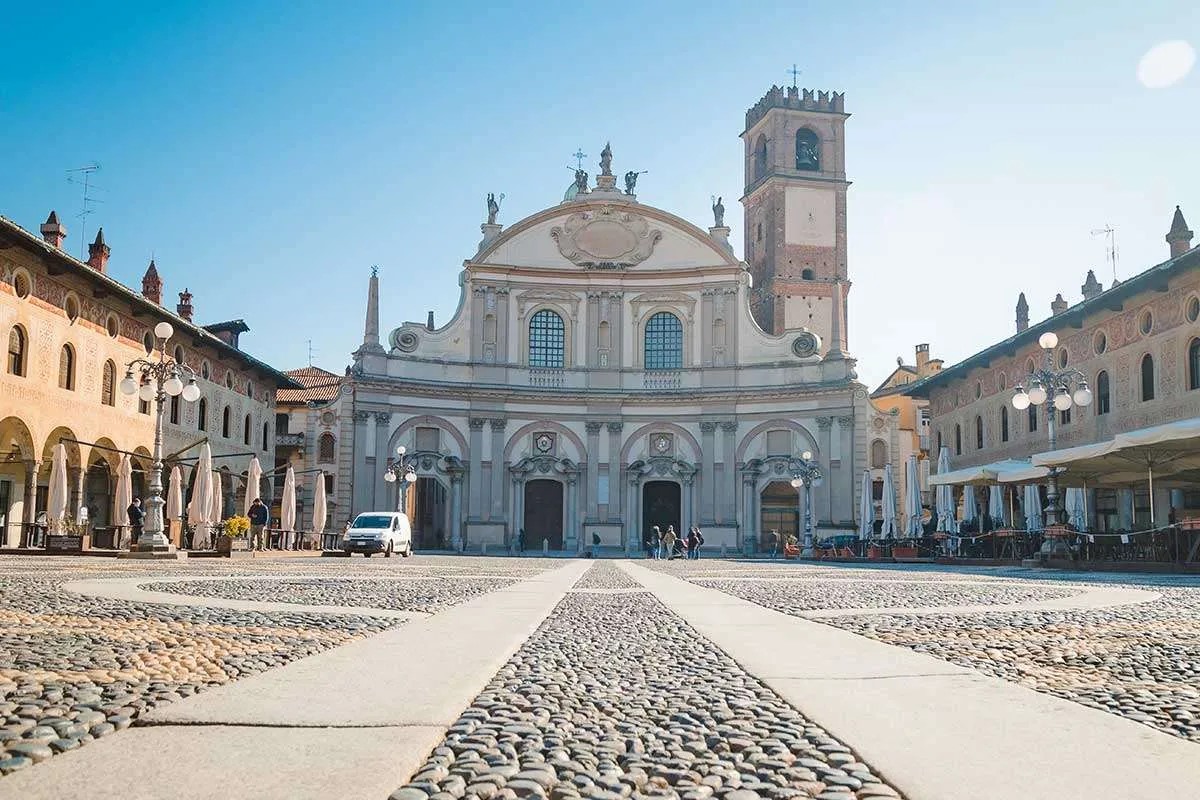
Our guide to Vigevano’s top sights has to start with its masterpiece: Piazza Ducale. Opened in 1492 at the request of the Moro, this Renaissance square was designed in grand style. The harmonious architecture has led many experts to believe there was (unverified) collaboration between Bramante and Leonardo Da Vinci. The square features arcades, columns, capitals, and vaulted ceilings, all beautifully integrated. In 1680, Bishop Caramuel had the area renovated. Over the centuries, Piazza Ducale has hosted tournaments and festivities, once bustling with fabric merchants’ shops. Today, it’s the main gathering spot for tourists and Vigevano’s 60,000 residents, who frequent it at all hours.

2 Vigevano Cathedral
The Cathedral of Vigevano (Cathedral of St. Ambrose) is another must-see attraction. Rebuilt in 1531 on the site of a former Gothic church, it became the symbol of the newly formed episcopal city. Its façade, designed in 1680 by Bishop Caramuel, elegantly reorients the cathedral to better face Piazza Ducale. The cathedral boasts three naves arranged in a Latin cross layout.
3 Cathedral Treasure Museum
Inside Vigevano Cathedral you’ll find the Museum of the Cathedral Treasure. The entrance is located in the Sacristy of the Canons. Here you’ll discover fascinating collections, including illuminated manuscripts, choir books, and Flemish tapestries. Most of the items were donated in 1534 by Francesco II Sforza to the newly established Diocese of Vigevano.

4 Vigevano Castle and Ducal Palace
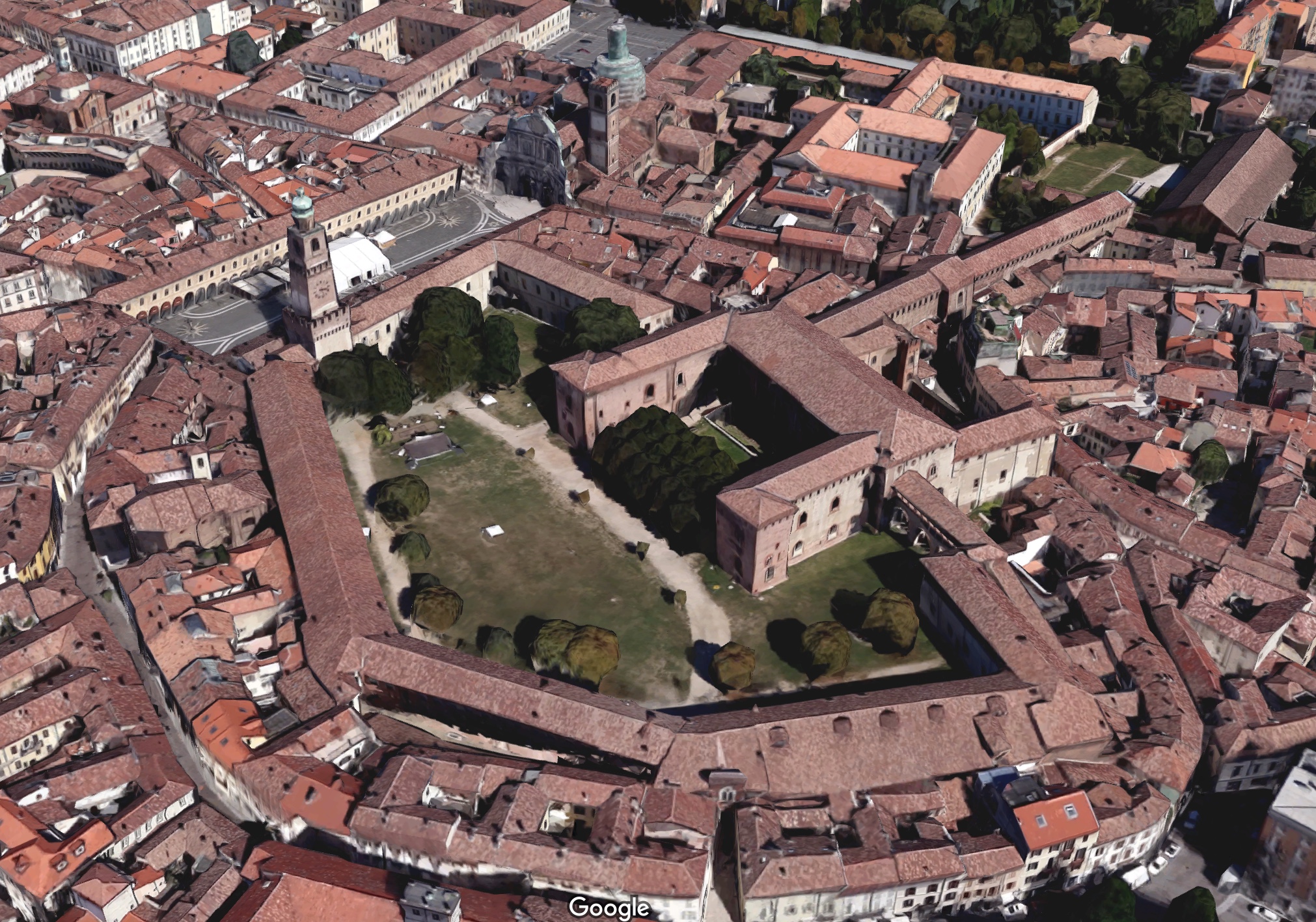
The Vigevano Castle was built between 1345 and the late 15th century. Its main keep stands at the center, surrounded by a collection of buildings that enclose the semi-circular courtyard and the elevated road that connects to the old Rocca. Known also as the Ducal Palace, the keep has undergone many transformations over the centuries and now lacks a drawbridge and moat. The courtyard is flanked by the Stables, three two-story buildings from the 15th century, which now house the “Civic Museums“.
Vigevano points of interest
5 Civic Museums of Vigevano
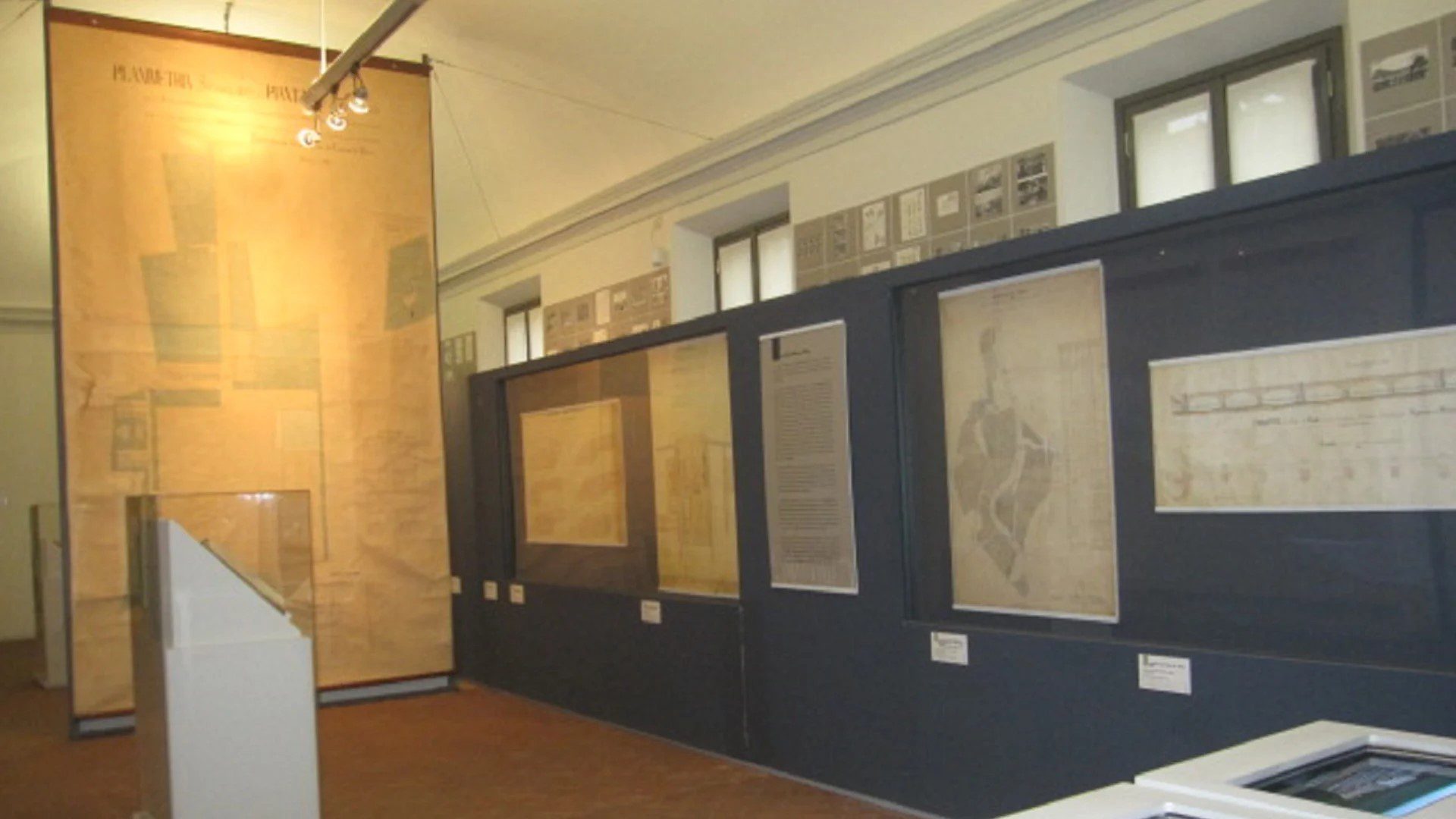
The Vigevano Civic Museums “Luigi Barni” include the Civic Art Gallery dedicated to local painter Casimiro Ottone, the Shoe Museum dedicated to entrepreneur Pietro Bertolini (both located on the upper floor of the Scuderia at Sforza Castle), and the Vigevano Entrepreneurship Museum (housed in the former Merula orphanage, Via Merula 40). The entire museum complex is dedicated to Luigi Barni (October 1, 1877 – May 28, 1952), a visionary and passionate figure who played a crucial role in developing today’s impressive art collections. Civic Museums opening hours: Winter: Tuesday to Friday 14:00–17:00; Saturday and Sunday 10:00–17:30. Summer: Tuesday to Friday 14:00–17:00; Saturday and Sunday 10:00–18:00.
6 Bramante Tower
The Bramante Tower was built in several phases and completed at the end of the 15th century. Visitors can climb up to the first level of battlements. The staircase is steep, but the panoramic view across the main square and the city makes the ascent worthwhile.

7 National Archaeological Museum of Lomellina
The National Archaeological Museum of Lomellina is located in the Castello Sforzesco di Vigevano. It showcases archaeological finds from local excavations. The first room houses grave goods from the late La Tène era and Roman period, the second is dedicated to Late Antiquity and Early Middle Ages, and the third features items from the Vigevano area.
The area of Lomellina is archaeologically rich. Many discoveries resulted from agricultural works, in particular land leveling for rice fields. The earliest sporadic traces of settlement date to the Mesolithic and Neolithic periods. The collection becomes more abundant during the Bronze and Iron Ages, with the emergence of Celtic culture, reaching its peak in the Roman era, then declining during the Late Antique and Early Medieval periods.
8 Other attractions in Vigevano
Vigevano offers several sites of artistic and cultural interest. If you’re visiting for a day, you’ll have time to discover many of the local churches.
- Church of San Pietro Martire, a 14th-century Gothic building;
- Church of San Francesco, dating back to the Sforza era;
- Cagnoni Theater, from the 19th century.
9 Where to Eat in Vigevano
Vigevano’s food scene is deeply rooted in Lombardy’s culinary traditions. The town’s restaurants and trattorias serve up classic Lomellina dishes, prepared with local ingredients. Highlights include Figadej (a pork liver sausage), the Cent Franc biscuit, and the La Viginuna cake. Dolce Riso del Moro is a centuries-old dessert still enjoyed in local venues—its recipe hails from Sforza times.

10 Where to Stay in Vigevano
Accommodation in Vigevano and across the region is easy to find. Options range from budget B&Bs to holiday homes, elegant Art Nouveau villas, and hotels for every budget. Finding a place to sleep in Vigevano requires no compromises—simply choose based on your needs and preferences.



