


Turin, the first historic Italian capital, offers a wide range of attractions and things to visit. In this guide, we will explore what to see in Turin, the activities to do, and the places of interest that will make your stay unforgettable. You will discover the wonders of this elegant and mysterious city, rich in history, culture, and charm. Whether you are interested in visiting Turin for its museums, its historic cafés, or simply to explore the historic center, this guide will help you plan your perfect visit.
- Discover Turin in Video
- Things to Visit in Turin: Some Notes on What to See
- The 12 Most Famous Attractions of Turin
- Mole Antonelliana
- Piazza Castello
- Royal Palace
- Piazza San Carlo
- Palazzo Madama
- Cathedral and Shroud Chapel
- Parco del Valentino
- Medieval Village
- Monte dei Cappuccini
- Egyptian Museum
- Porta Palazzo
- Roman Quarter
- 1 Turin, Mole Antonelliana
- 2 Palazzo Madama
- 3 Turin Cathedral
- 4 Royal Palace of Turin
- 5 Egyptian Museum
- 6 Piazza San Carlo
- 7 Parco del Valentino and Castle
- 8 Basilica di Superga
- 9 Turin Automobile Museum
- 10 Porta Nuova and Porta Susa
- 11 Turin, Shroud Museum
- 12 Sabauda Gallery
- Activities to Do in Turin
- Hidden Turin: What to See Off the Beaten Path
- 13 National Museum of the Italian Risorgimento
- 14 Palazzo Cisterna in Turin
- 15 Medieval Village and Fortress
- Turin Museums
- 16 Palazzo Falletti di Barolo
- 17 Gallery of Modern and Contemporary Art
- 18 Radio and Television Museum of Turin
- 19 Art Gallery of the Albertina Academy of Fine Arts
- 20 National Historical Artillery Museum
- 21 Pietro Micca Civic Museum
- 22 Anthropology and Ethnography Museum
- 23 Puppet Museum
- 24 Civic Museum of Numismatics, Ethnography, and Oriental Arts
- 25 Underground Turin
- 26 Magical Turin, the Must-Do Tour
- Turin in a nutshell: curiosities, what to do, nightlife, hotels, and transport. Everything you need to know to best organize your trip.
- 27 Turin City Card
- 28 Turin Nightlife and Historic Cafés
- 29 Turin Luci d’Artista
- 30 How to Reach Turin
- 31 Where to Sleep in Turin: Central and Convenient Areas to Visit the City
- Frequently Asked Questions about What to See in Turin
Discover Turin in Video
History, elegance, and culture enclosed in a few minutes: see Turin from an exciting and suggestive perspective.
Things to Visit in Turin: Some Notes on What to See
Despite the many things to do in Turin, tourism developed exponentially only from the 1990s onwards. Before that, the city of the Savoy was essentially seen as the “city of Fiat,” with the Lingotto district as the heart of Turin’s industry. Now, let’s discover together the main attractions of Turin and the things to see in this fascinating city. For those wondering what to do in Turin, here is a list of the 10 things to see in Turin that you absolutely cannot miss.
The 12 Most Famous Attractions of Turin
Turin is a city that surprises with its royal elegance and a very rich cultural offering. Here is a selection of the 12 most iconic attractions to start exploring it.
Mole Antonelliana
Area: Center
Type: Iconic / Cinema Museum
Piazza Castello
Area: Center
Type: Historic square
Royal Palace
Area: Center
Type: Historic / Royal
Piazza San Carlo
Area: Center
Type: Monumental square
Palazzo Madama
Area: Piazza Castello
Type: Museum
Cathedral and Shroud Chapel
Area: Center
Type: Religious / Historic
Parco del Valentino
Area: Riverside
Type: Urban park
Medieval Village
Area: Parco del Valentino
Type: Historical reconstruction
Monte dei Cappuccini
Area: Hill
Type: Panoramic / Religious
Egyptian Museum
Area: Center
Type: Archaeological museum
Porta Palazzo
Area: Aurora
Type: Market / Multicultural
Roman Quarter
Area: Center
Type: Historic / lively
1 Turin, Mole Antonelliana
The Mole Antonelliana is the symbol of Turin. It was built in 1863 by Alessandro Antonelli and with its 167 meters dominates the city of Turin. It currently houses the National Museum of Cinema, and Turin and cinema are two words that go hand in hand. The city indeed saw the first film screening by the Lumière brothers and the birth of the first national film industry, before Cinecittà.

2 Palazzo Madama
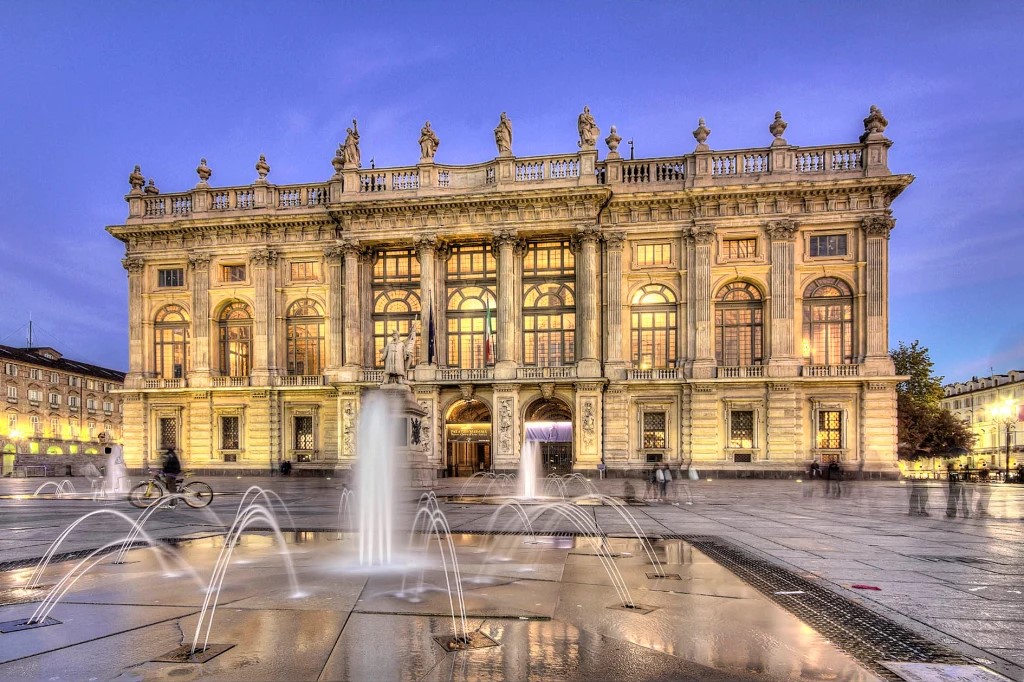
In the center of Piazza Castello stands Palazzo Madama, while on the eastern side is the Teatro Regio, rebuilt after the fire of 1936. The square takes its name from the castle that was later transformed into Palazzo Madama. During the 1800s, Palazzo Madama of Turin was the seat of the Subalpine Senate sessions. The building incorporates the two Roman towers of the ancient “Porta Pretoria“. Doubled in the 15th century by Ludovico d’Acaja by creating the front on the Po River, it was later remodeled in the 17th century by Ascanio Vitozzi and Carlo di Castellamonte. The monumental Baroque facade was built between 1718 and 1721, following a partially realized design by Filippo Juvarra. Characterized by a giant order of pilasters and fluted Corinthian columns topped by a marble balustrade with reliefs, statues, and vases. Inside the palace is notable the monumental Juvarrian honor staircase. The Palazzo is home to the Civic Museum of Ancient Art which houses rich collections of sculptures, paintings, glass, tapestries, etc. It was transformed into a castle in the Middle Ages and later expanded in the 15th century by the Savoy to become the residence of the Madama Reale Cristiana of France during the 17th century. The Baroque facade dates back to 1721. Today Palazzo Madama houses the Civic Museum of Ancient Art, built as a stronghold in the 13th century by the will of Marquis Guglielmo VII of Monferrato.
3 Turin Cathedral
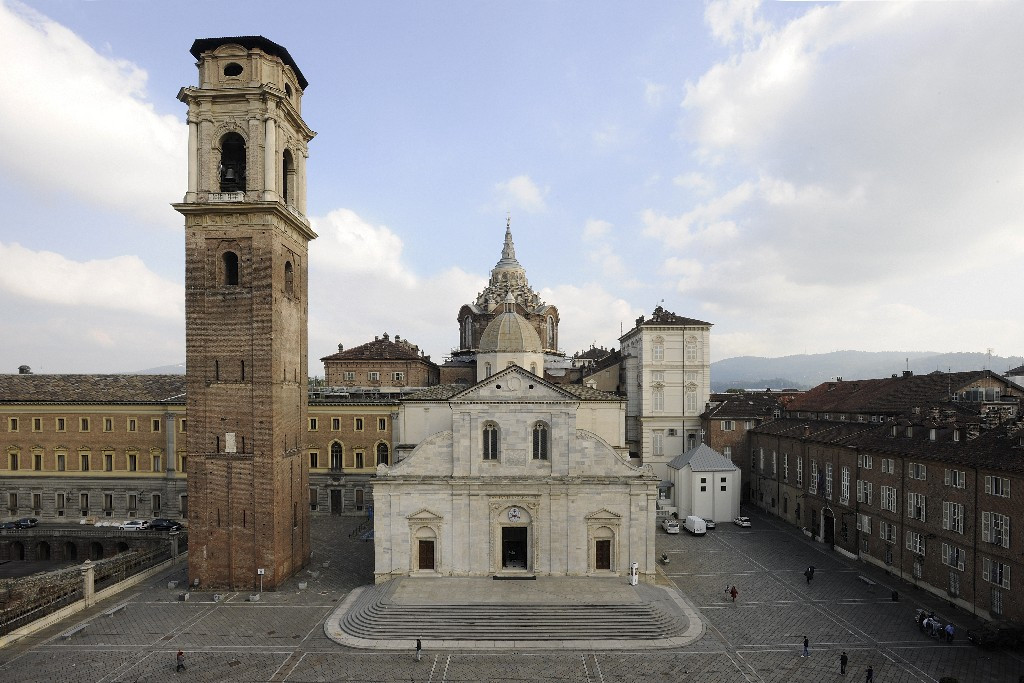
The Turin Cathedral, built at the end of the 15th century, features a Renaissance-style facade and a Romanesque bell tower. Next to the Cathedral are the Royal Palace and the Chapel of the Holy Shroud, unmissable places to visit in Turin.
4 Royal Palace of Turin
Until 1865 the Royal Palace of Turin was the residence of the Savoy. Built between 1646 and 1660, the Royal Palace has lavish rooms with carved ceilings and wooden floors. Famous is the Scissors Staircase. The upper part of the palace was damaged by a fire in April 1997. The back of the Royal Palace includes the Royal Gardens, in French style. Adjacent to the Royal Palace is the Royal Armoury, which has one of the most important collections of weapons and armor in the world.

5 Egyptian Museum
The Egyptian Museum of Turin is considered the most important in the world after Cairo’s. With over 30,000 artifacts, it offers a fascinating journey through the history of ancient Egypt. It is a must-visit for anyone visiting Turin who wants to immerse themselves in the millennia-old history of this civilization.

6 Piazza San Carlo
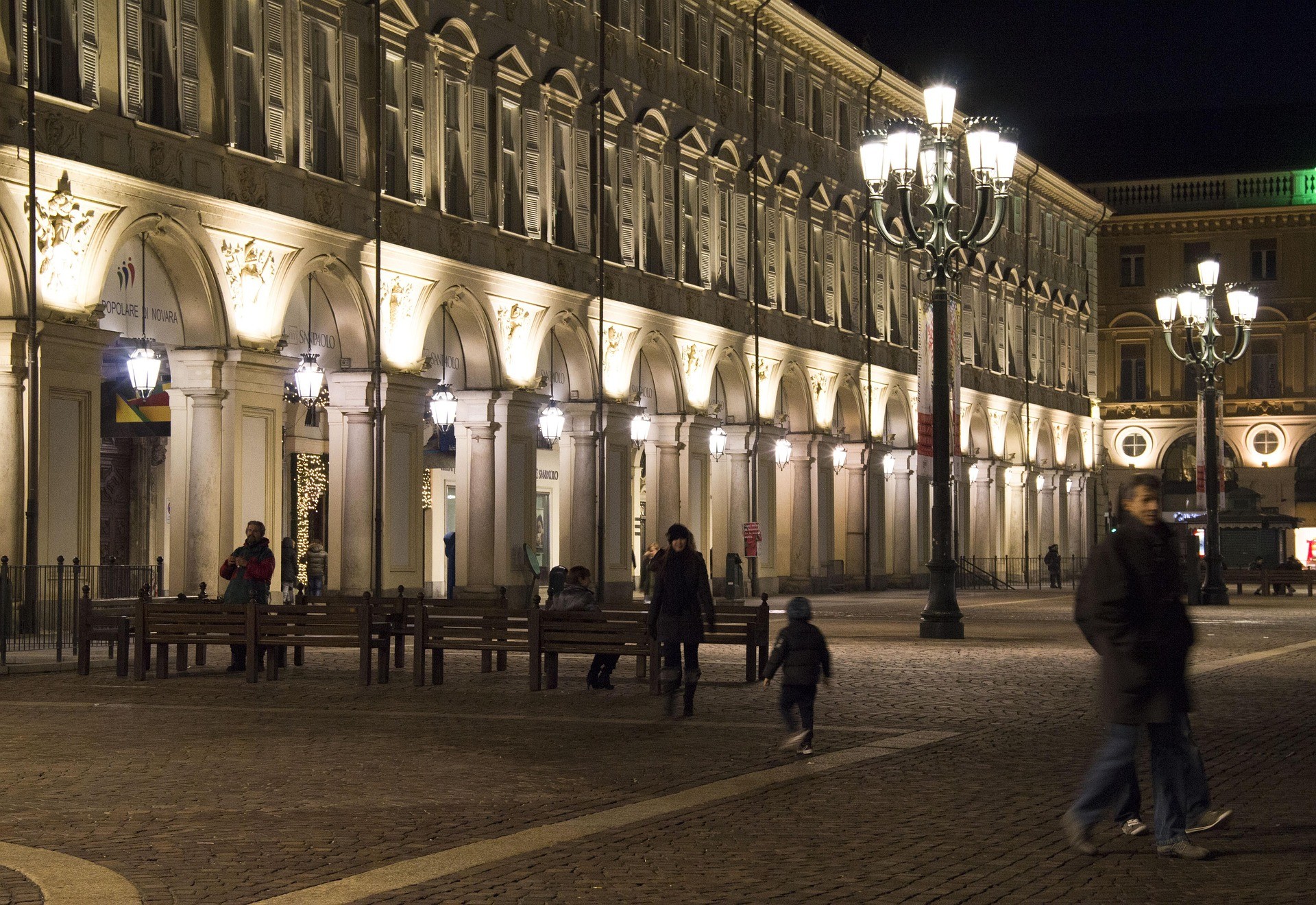
Known as the “living room of Turin,” Piazza San Carlo is one of the most beautiful squares in the city. Surrounded by elegant arcades and historic cafés, it is the perfect place to take a break during your walking tour of the city center.
7 Parco del Valentino and Castle
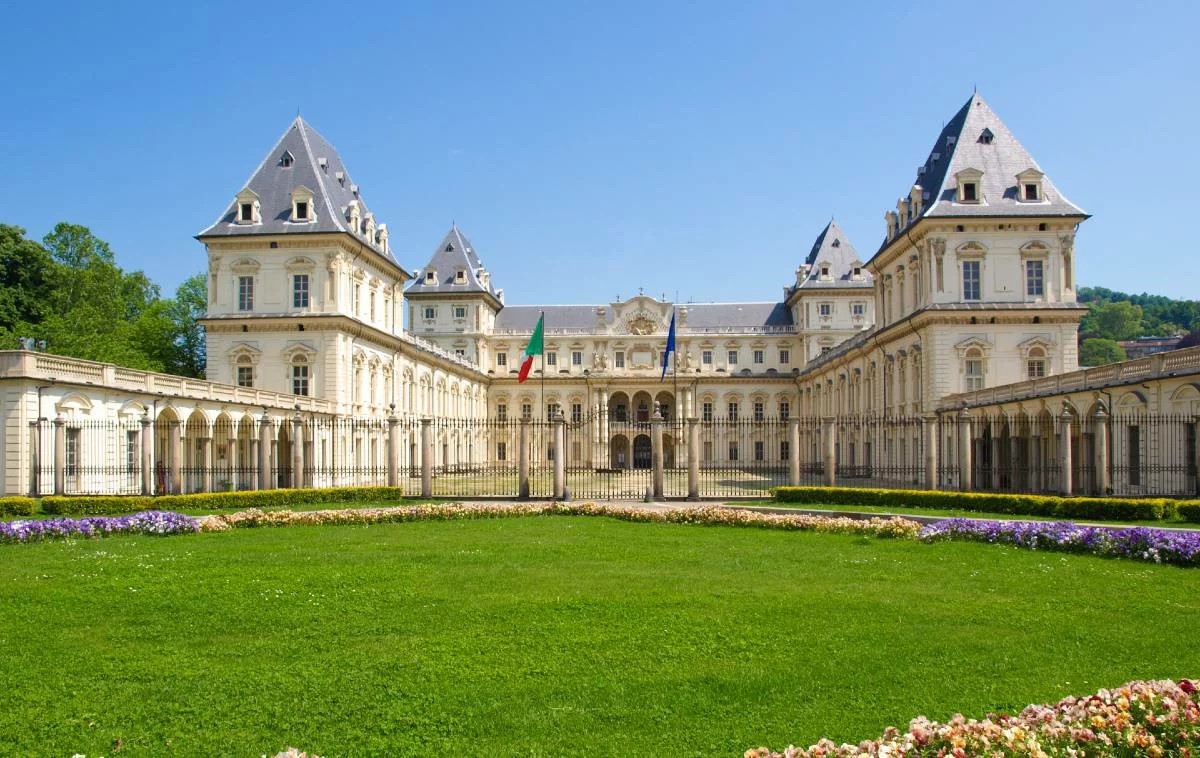
Parco del Valentino is the largest public park in Turin and an ideal place to relax after a day of sightseeing. Inside the park is also the Medieval Village, a faithful reconstruction of a Piedmontese medieval village. In the mid-19th century, on the left bank of the Po River, the Parco del Valentino was established with the attached Botanical Garden. The park also includes the Valentino Castle (1620/1640), built according to French canons. The Castle is open every day from 9:00 am to 7:00 pm except Mondays. The Botanical Garden is open from 9:00 am to 1:00 pm except Sundays.
8 Basilica di Superga
Located on a hill overlooking Turin, the Basilica of Superga offers breathtaking panoramic views of the city and the Alps. Reachable by a picturesque rack railway tram, it is a place of great historical and religious importance. About 10 kilometers from Turin, on a hill, the Basilica di Superga was commissioned by Vittorio Amedeo II. The crypt houses the burial site of the Savoy kings, while the interior of the basilica consists of six chapels. The basilica is classical in style and has a dome with two adjoining bell towers. For football fans, it is also possible to visit the Juventus Stadium and its museum.

9 Turin Automobile Museum
For motor enthusiasts, the Turin Automobile Museum is a must. With a collection of over 200 vehicles from 80 different brands, it tells the story of the automobile and its impact on society. The Turin Automobile Museum is among the most important in Europe and documents the evolution of the automobile from its beginnings to the 1980s with an exhibition of over 150 original cars, along with models, prints, posters, and period drawings. The museum exhibits many unique or very rare pieces and a section dedicated to racing cars. It also features a well-stocked bookshop, rich in automotive books, the Historic Tire Hall, and hosts temporary exhibitions. It is located at Corso Unità d’Italia 40.

10 Porta Nuova and Porta Susa
These two historic railway stations are not only points of arrival and departure but also fascinating examples of railway architecture. Porta Nuova, in particular, is a masterpiece of 19th-century eclectic style.
To best explore all these attractions, consider purchasing the Piemonte Card, which offers free or discounted access to many museums and city attractions.
11 Turin, Shroud Museum
When wondering what to see in Turin, the mind definitely goes to the Shroud Museum, a fascinating place that encloses mystery, history, science, and religion. It is a unique museum in the world, thus a pride for the city of Turin and for Italy itself. It is divided into two sections: a purely scientific one and a historical one. The museum offers visitors an exhibit that, following a path enriched with interactive stations and multimedia systems, presents evocative artifacts, worship objects, and the results of experimental research on the Shroud, aiming to provide the most complete information possible on its various aspects (historical, scientific, devotional, artistic). Wonderful is the historic 16th-century case that housed the Holy Shroud until 1997 when a fire destroyed the decorations of the Chapel of the Holy Shroud, yet the armor resisted the high temperature.

12 Sabauda Gallery
In the Palace of the Academy of Sciences is the important painting collection that includes works of the Dutch and Flemish schools. The collection of the Sabauda Gallery also contains Italian works such as those by Beato Angelico, Veronese, Mantegna, and Tintoretto, among others.

Activities to Do in Turin
Besides visiting monuments and museums, there are many other activities to do in Turin. Here are some ideas:
- Join a walking tour of the historic center to discover the secrets and legends of the city.
- Visit the Museum of Oriental Art for a journey through Asian cultures.
- Explore the Royal Church of San Lorenzo, a masterpiece of Turinese Baroque.
- Take a stroll in the Royal Gardens, an oasis of peace in the heart of the city.
- Don’t miss the opportunity to visit La Venaria Reale, a magnificent Savoy residence just outside the city.
- For football lovers, a look at the Allianz Stadium is a must.
- Discover the city’s military history at the Pietro Micca Museum.
- Admire the masterpieces of the Sabauda Gallery, one of the most important art galleries in Italy.
Hidden Turin: What to See Off the Beaten Path
Beyond its most famous attractions, Turin reserves authentic glimpses and surprising atmospheres.
For those wishing to explore the city beyond the usual tourist routes, there are neighborhoods and corners that tell a more intimate, lively, and creative Turin.
Among the must-see places is the Roman Quarter, the ancient heart of the city now animated by bars, shops, and nightlife.
The San Salvario neighborhood is a lively and ever-changing cultural melting pot, ideal for lovers of urban art and alternative restaurants.
If you seek a suggestive view, climb the Monte dei Cappuccini: less known than the Mole, but with one of the most beautiful panoramas of Turin.
Finally, walking along the Lungo Po Armando Diaz offers a different and romantic perspective of the city. And then there are lesser-known museums of Turin and many other less crowded places.
13 National Museum of the Italian Risorgimento
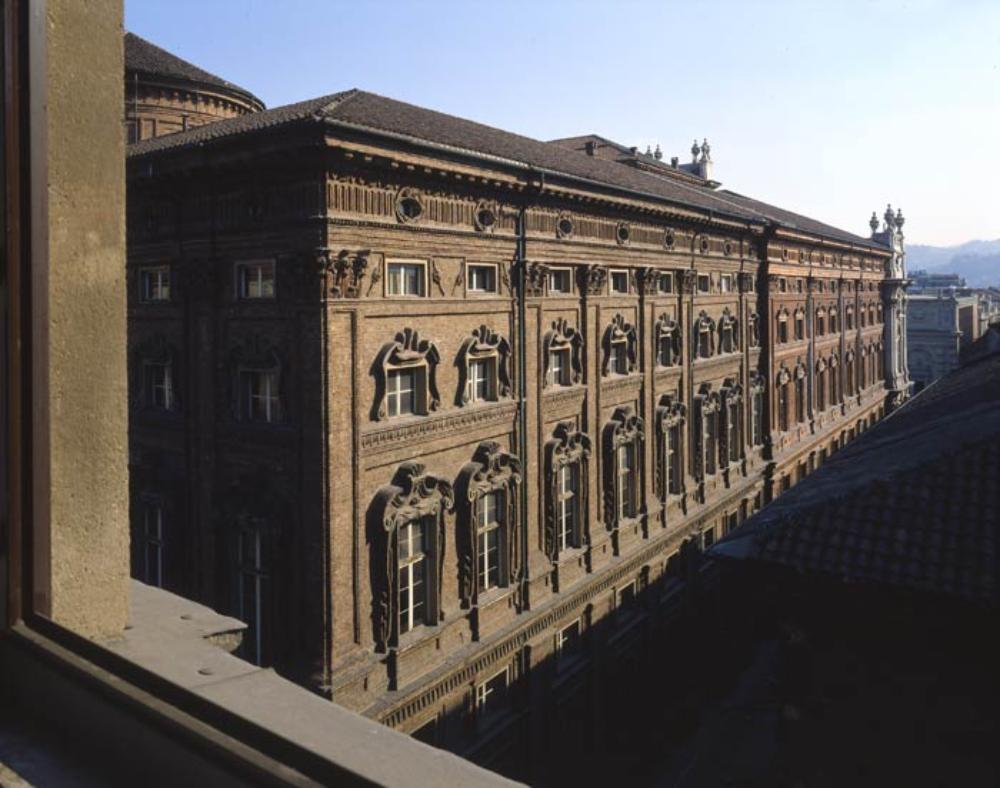
The National Museum of the Italian Risorgimento is located in the Palazzo Carignano. It is a Baroque building commissioned by Emanuele Filiberto di Savoia Carignano in 1679 to Guarini and completed later between 1864 and 1872. In thirty rooms, besides numerous artworks and memorabilia telling Italian history from the early 19th century to 1946, stand out the Hall of the Subalpine Parliament and the First Italian Parliament, along with a series of evocative historical room reconstructions, including the chamber of Carlo Alberto in Oporto and the study of Camillo Benso count of Cavour.
14 Palazzo Cisterna in Turin
15 Medieval Village and Fortress
Conceived by a group of artists and intellectuals (coordinated by Alfredo D’Andrade) and built for the Italian General Exposition of 1884, the Village reproduces form, structure, finishes, and decorations scrupulously taken from 15th-century buildings of Piedmont and the Aosta Valley. The Fortress is open to the public, featuring a visit path where the life and atmosphere of the period are reconstructed in the splendid rooms of the lord’s residence with effects of sound, light, and scents. The Fortress is located at Viale Virgilio 107, Parco del Valentino.
Turin Museums
16 Palazzo Falletti di Barolo
A fundamental example of Turinese patrician residence, the Palazzo Falletti of Turin has arrived to us almost intact. The building was erected at the end of the 17th century by Baroncelli and was restored in the mid-18th century by Alfieri, to whom we owe the decoration and design of some furniture in the style rooms. It was an important cultural salon in the mid-19th century.

17 Gallery of Modern and Contemporary Art
The Modern and Contemporary Art Gallery of Turin is among the largest art collections in the country. Located in Via Magenta, the gallery mainly contains Italian works from De Chirico to Modigliani, including sculptures by Canova. Also present are prominent foreign artists such as Picasso, Renoir, Manzù, and Chagall. The artistic heritage consists of over 15,000 works including paintings, sculptures, installations, and photographs, as well as a rich collection of drawings and prints. The collections date back from the late 18th century to the present day. The museum is open from 9 am to 7 pm every day except Monday.
18 Radio and Television Museum of Turin
The Radio Museum could only have been established in Turin, a city that witnessed the birth of Italian radio, and was realized by RAI in the 1960s. The collected, organized, and cataloged material includes original documents, discographic and phonographic recordings, and highly interesting technical-professional equipment. The museum is located at Via Giuseppe Verdi, 16.
19 Art Gallery of the Albertina Academy of Fine Arts
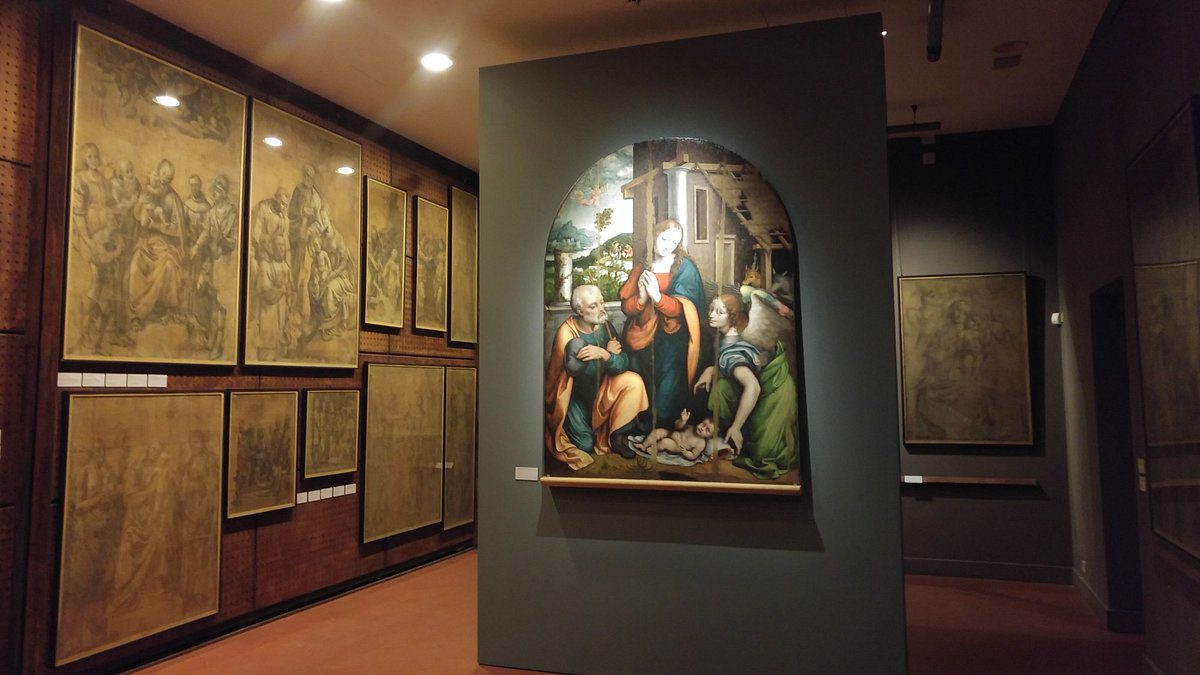
The Art Gallery of the Albertina Academy of Fine Arts has been located in the Academy’s palace since 1837 and was created for educational purposes. It is based on the legacy of the Mossi di Morano collection (1828), which includes works from the 15th to the 18th century (Filippo Lippi, Defendente Ferrari, Martino Spanzotti, Caravaggisti, Flemish, Genoese, Venetian painters), and on the donation by Carlo Alberto (1832) of 60 cartoons by Gaudenzio Ferrari and his school, a unique worldwide collection of a Renaissance workshop’s graphic collection.
20 National Historical Artillery Museum
The National Historical Artillery Museum is the first institution of its kind in Europe and the oldest museum in Turin, founded at the Royal Arsenal by Carlo Emanuele III in 1731 for the use of young artillerymen of the theoretical school established by Ignazio Bertola. The importance of the exhibited collections, which present many specimens from around the world, some unique and of great value, gives the museum a prominent place among similar museums worldwide. The museum is located at Corso Galileo Ferraris.
21 Pietro Micca Civic Museum
Dedicated to the patriot who decisively helped stop the French siege of 1706, the Pietro Micca Civic Museum and the Turin siege of 1706 is located roughly at the center of the enemy attack front. Opened in 1961, it houses models, prints, and memorabilia from the era. Of great interest and spectacle is the underground itinerary of countermine tunnels illuminated by old lanterns. The museum is located at Via Guicciardini, 7/A.

22 Anthropology and Ethnography Museum
The origins of the Anthropology and Ethnography Museum of Turin, although gathering previous collections, date back to 1923. In 1936 it moved to its current location and since 1961 has been owned by the University. Among the exhibition materials are numerous collection of primatological, anthropological, paleontological, and ethnographic studies with exceptionally quality artifacts.
23 Puppet Museum
A world of miniature curiosities, suspended between play and theatre magic: this is the realm of puppets housed in the Gianduja Theatre-Museum. The valuable collection of the Lupi family, accumulated over 200 years of activity, includes over 5,000 pieces including hundreds of puppets, furnishings, and 19th-century costumes.
24 Civic Museum of Numismatics, Ethnography, and Oriental Arts
For the first time reunited in a permanent exhibition, the three sections of numismatics, ethnology and oriental arts of the primitive Civic Museum, the result of about a century of public and private collecting, make up the museum’s heritage displayed in an elegant fin-de-siècle building. The variety of the collections and the preciousness of the artifacts make it particularly interesting.
25 Underground Turin
A definitely different tour, but one that will guarantee you discover the real mystery and true history of the Piedmont city. Underground Turin is wonderful, unique, mysterious. Catacombs, underground cellars, the basements of Baroque palaces, etc. Highly recommended.
26 Magical Turin, the Must-Do Tour
Turin is famous for legends related to the cult of white and black magic. It is said that certain places in the city are full of energy. There is a tour, the “Magical Turin Tour,” held on Thursday and Saturday evenings, during which visitors are taken to discover these unique sites and hear the legends tied to those places. Curious?

Turin in a nutshell: curiosities, what to do, nightlife, hotels, and transport. Everything you need to know to best organize your trip.
27 Turin City Card
To make your stay in Turin more economical, we recommend purchasing the Turin City Card, which will allow you free or discounted entry to museums, exhibitions, tours, etc. The costs are very convenient. Prices start from €35 for 2 days.
28 Turin Nightlife and Historic Cafés
Turin at night is quite calm. Young people like to go to the Murazzi, on the Po riverbank, for a cocktail and some live music. You will have fun without falling into pure chaos, which certainly is not a characteristic of this city. But Turin is especially the city of historic cafés. In the city center, there are many cafés of ancient tradition, excellent meeting points.

29 Turin Luci d’Artista
The “Luci d’artista” of Turin is the highlight of winter and Christmas in Turin. It is a prestigious exhibition of luminous installations and artworks that every year lights up the streets and squares of the center, transforming the city into a capital of illuminations. Today Luci d’artista is also held in the city of Salerno, inspired precisely by those in Turin.

30 How to Reach Turin
If you arrive by train, we recommend Turin Porta Nuova, the third largest station in Italy, very central and architecturally beautiful. For air travel, the arrival point is Turin Caselle Airport. It is about 16 km from Turin and is well served by bus services, shuttles, etc.
31 Where to Sleep in Turin: Central and Convenient Areas to Visit the City
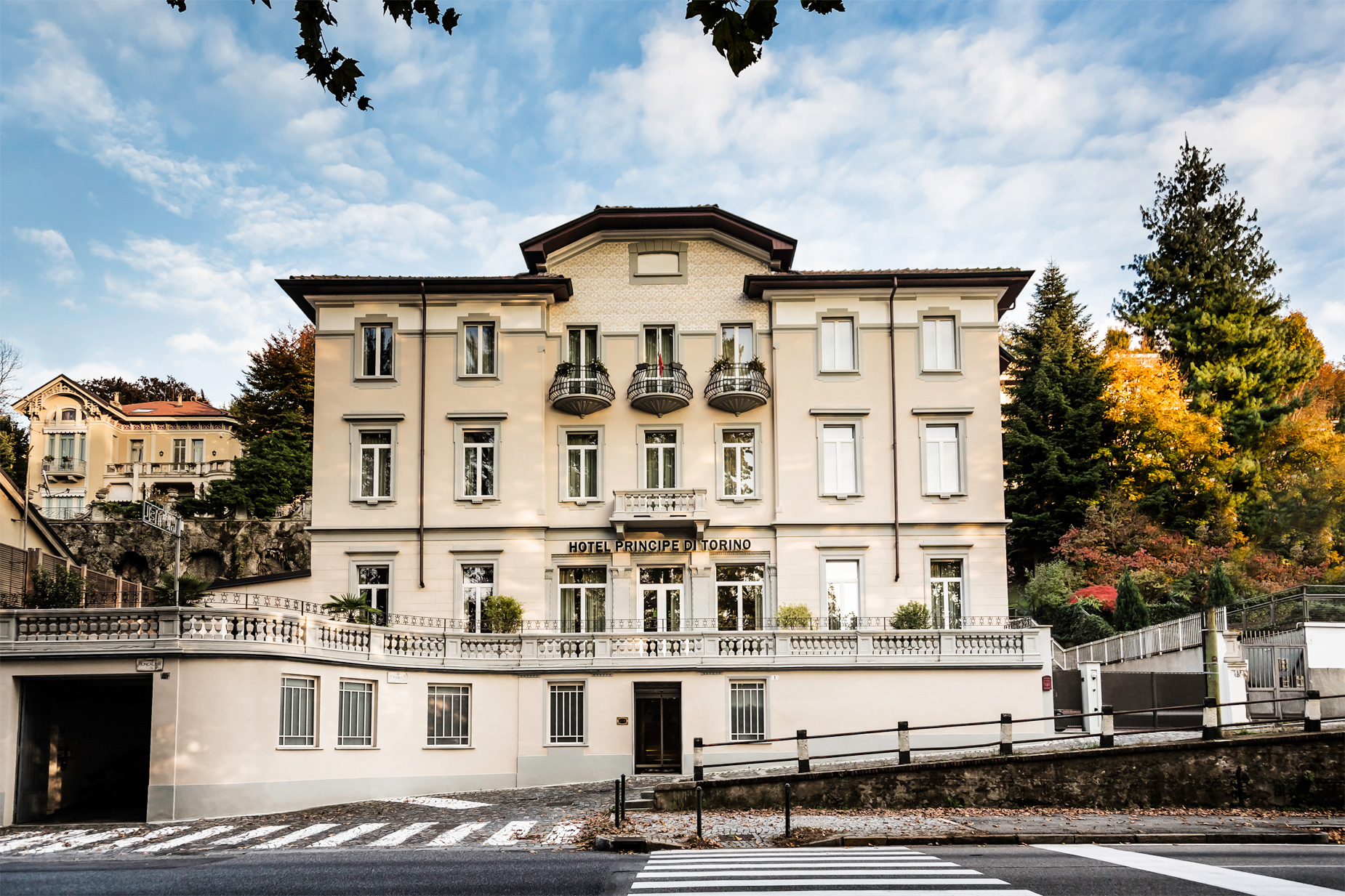
Turin is an elegant city and easy to explore on foot, so choosing a central area is the best solution. The areas of Porta Nuova, Piazza Castello, Piazza San Carlo, and Piazza Solferino offer excellent accommodations, very close to the main monuments, museums, and historic cafés.
These areas are well served by public transport, but often you can easily move around on foot. Also, compared to other Italian cities, Turin has a good quality/price ratio, even in central areas.
🛏️ Tip: check out our selection of hotels and accommodations in Turin to find the most suitable option or read our article on how to spend less on lodging in Turin.
💡 Or search for deals on: Booking.com
Frequently Asked Questions about What to See in Turin
❓ What to see in Turin in one day?
In just one day in Turin, you can savor its elegant and cultural soul. Start at the Mole Antonelliana with the Cinema Museum, continue to Piazza Castello, visit the Royal Palace or Palazzo Madama, and stop at one of the historic cafés like Caffè San Carlo. A walk in Parco del Valentino or a view from Monte dei Cappuccini will perfectly conclude the day.
❓ What are the most famous places of interest in Turin?
Among the most well-known are the Mole Antonelliana, the Egyptian Museum, Piazza San Carlo, Royal Palace, Parco del Valentino, and Basilica di Superga. Turin also surprises with its Baroque palaces, elegant arcades, and squares rich in history and charm.
❓ Is Turin a city suitable for visiting on foot?
Yes, Turin’s historic center is large but flat, perfect for exploring on foot. Many of the main attractions are close to each other, and it is pleasant to walk through historic streets, squares, and arcades just to savor the Savoyard atmosphere.
❓ How much time is needed to visit Turin?
For a complete visit to Turin, ideally dedicate at least two days: one for the historic center, museums, and squares, and one for the surroundings or more particular experiences like Superga or the Medieval Village. Those who love art or history can easily stay three days without getting bored.
❓ What is the best time to visit Turin?
Spring and autumn are the ideal periods: the climate is pleasant and the city comes alive with cultural events and exhibitions. Winter also has its charm, with Christmas lights and the atmospheres of historic cafés, while summer is quieter, perfect for those seeking fewer crowds.