

Its geographic position leaves no doubt: small Portugal is the westernmost country in mainland Europe. A narrow strip of land—no more than 200 kilometers at its widest—stretches along the Atlantic Ocean, lining its entire western border.
The coastline runs almost 800 kilometers, marked by rugged cliffs that shift into long, golden beaches dotted with colorful fishing boats and charming seaside villages.
Portugal’s only land borders lie to the east, with Spanish regions such as Galicia, Castile and León, Extremadura, and Andalusia. Covering just over 91,000 square kilometers, Portugal boasts a varied and fascinating landscape, stretching from the rolling Meseta highlands to the Atlantic shores.
Portugal and the sea
Portugal has always been defined by the sea, turning its coastal location into a historic advantage. It once ruled an empire that reached every continent—today, only the Azores and Madeira remain as autonomous regions.
Over half of Portugal’s interior is flat plains, with rolling hills covering about 25% and mountains less than 20%. The highest peak, Malhao de Estrela (1,993 m), towers in the Serra da Estrela in the central-north.
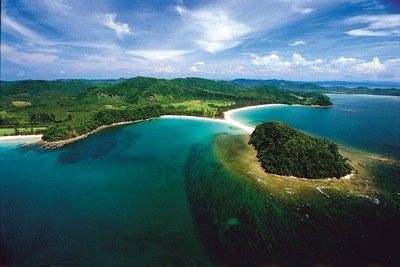
Portugal beaches. Albufeira, once called the “fortress of the sea,” retains the charm of an old fishing village and is now one of Portugal’s top destinations, known for its beautiful beaches and vibrant nightlife. It’s located in the Algarve, the country’s most popular tourist region and its southernmost point.
Portugal’s cities
Lisbon, Portugal’s capital
The most visited regions include Lisbon, the capital, sprawled along the Tagus River, just before it meets the Atlantic. Here, you’ll find remarkable architecture and attractions—from the Vasco da Gama Bridge to the 25 April Bridge, the Jerónimos Monastery, the Castelo de Sao Jorge, the Monument to the Discoveries, the Belém Tower, and Cristo Rei. Wander historic neighborhoods and listen for the echo of fado and the rattle of yellow trams—the iconic eléctricos—climbing the city’s hills. Add in the aroma of codfish cooked in endless ways, and Lisbon truly embodies the spirit of Portuguese life.
The Algarve: the south
The Algarve in the south is Portugal’s main tourist destination—a masterpiece of nature with red cliffs plunging into the chilly ocean, golden sands, enchanting coves, and protected oases like Parque Natural da Ria Formosa. Its seaside towns—Faro, Vilamoura, and Albufeira—blend style with tradition. Other destinations stand out too, like Coimbra, home to one of Europe’s oldest and most prestigious universities.
Porto, the north
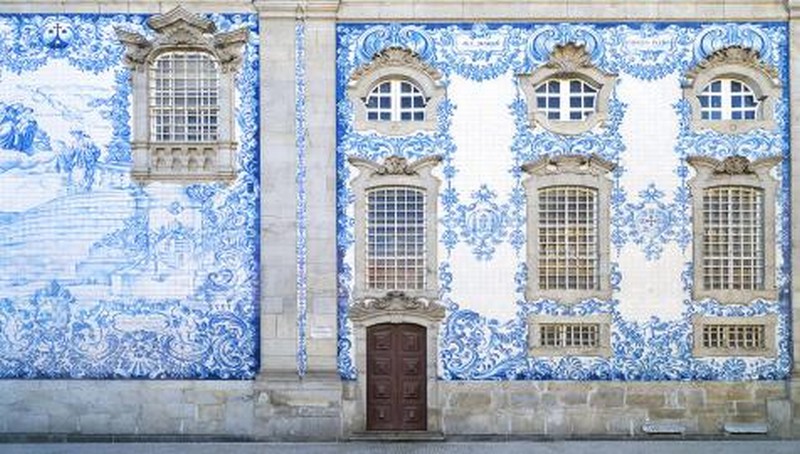
And then there’s Porto (Oporto), the capital of the Norte region, located along both the Atlantic and the Douro River. Porto is packed with medieval and Renaissance landmarks, including the UNESCO-listed Ribeira district, and has long been a hub for shipping the city’s world-famous wines.
What to eat in Portugal
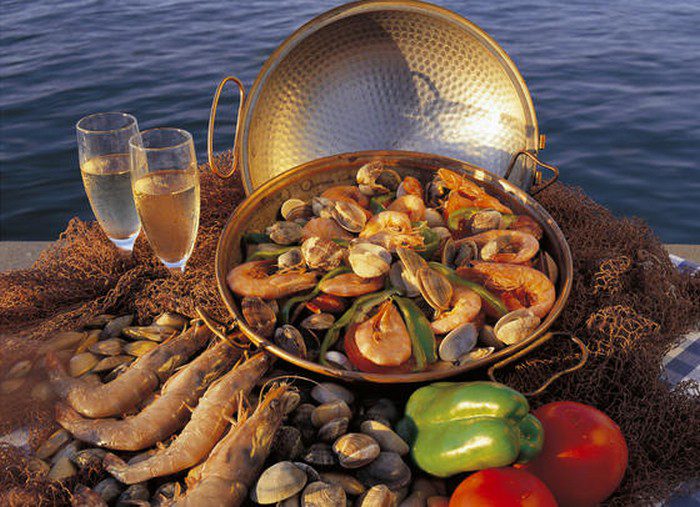
Unlike Italy, Portugal doesn’t divide meals into “first” and “second” courses. Instead, you’ll find entradas (similar to appetizers), hearty soups, and main courses—many featuring delicious cod. Traditional Portuguese cuisine, sometimes overlooked, is rich in authentic flavors and unique recipes. It’s said there’s a cod dish for every day of the year, reflecting the starring role of fish—and cod in particular—in the country’s food culture.
Portugal at a glance
- Country: Portugal
- Area: 92,391 km²
- Capital: Lisbon
- Population: 11 million
- Language: Portuguese
- Religion: Mostly Catholic
- Government: Republic
- Main cities: Lisbon, Porto, Faro, Beja, Portalegre, Coimbra, Aveiro, Amadora, Funchal
Practical info for Portugal
- Currency: Euro
- Country code: +351
- Car code: P
- Driving side: Right
- Entry documents: ID card or passport
- Vaccinations: None required
- Electricity: 230/440 volts, 50 hertz
- Units of measure: Metric
- Time zone: -1 hour from Italy
- Public holidays (fixed dates): Jan 1: New Year; Apr 25: Freedom Day; Mar 17; Mar-Apr: Easter Monday; Mar-Apr: Easter; May 1: Labor Day; Jun 10: Portugal Day; Aug 15: Assumption; Oct 5: Republic Day; Nov 1: All Saints; Dec 1: Restoration of Independence; Dec 8: Immaculate Conception; Dec 25: Christmas
- Climate: The climate in Portugal varies greatly by region, influenced by latitude, altitude, and the proximity of the sea, which ensures mild winters. Porto, North, and Central Portugal (especially near the Spanish border) have cooler winters, though warmer than much of Europe, and hot, dry summers. The coast is tempered by the ocean’s breeze.
- Average temperatures: About 10°C in winter, 29°C in summer
- Transport: National airlines include TAP-Air Portugal, Portugalia, Sata, Ata, and Hi Fly. Many airlines offer direct flights to Portugal: Alitalia, Air Europa, EasyJet, Iberia, Myair.com, Ryanair, etc. Rail: Caminhos de Ferro Portugueses (CP); international connections include Artesia-Trains from Paris, plus Trenitalia and Deutsche Bahn.
- Airports: Lisbon, Porto, Faro, Madeira-Funchal, Azores-Ponta Delgada