

La posizione geografica non lascia ombra di dubbi: il piccolo Portugal è il più occidentale degli stati dell’Europa continentale. Una fetta di terra lunga e stretta (in larghezza, non supera i 200 chilometri), bagnata dall’Oceano Atlantico lungo tutto il suo versante ovest.
Un litorale di circa 800 chilometri, con tratti alti, rocciosi e tormentati, che si alternano a spiagge lunghe, ampie e sabbiose, punteggiate dai barconi colorati dei pescatori e da borghi marinari di carattere.
I confini di terra del Portugal, tutti a est, vedono invece una stretta sequela di regioni spagnole: Galizia, Castiglia y Leon, Estremadura, Andalusia. La superficie del Portugal supera di poco i 91mila chilometri quadrati, declinati da un territorio vario, affascinante, mai scontato, che dalle ondulazioni della Meseta spagnola arriva alle sponde dell’Atlantico.
Portugal, sea
A land born of the sea, which over the centuries has been able to make its position a formidable strength, becoming one of the greatest colonial powers on the planet, with possessions on every continent. An empire on which the sun never set, dissolved a few decades ago, leaving only the Azores islands and Madeira, as autonomous regions.
More than half of the interior territory of Portugal consists of plains; the hilly belt extends for a good 25% and preludes to a mountainous area that does not exceed 20%, dominated by the giant Malhao de Estrela, a mountain of 1993 meters, on the central-northern side of the country, in the Serra de Estrela.
Portugal beaches. Albufeira, formerly called “fortress of the sea,” is a town that retains the charm of old fishing villages and is one of Portugal’s favorite destinations due to its beautiful beaches and the lively nightlife that offers fun and lively evenings every night. We are in the Algarve region, the main tourist area of Portugal as well as the southernmost part of the country.

Portugal cities
Lisbon, capital of Portugal
The most touristy regions are certainly that of Lisbon, the capital, nestled on the banks of the Tagus, a tributary of the Atlantic, which shapes a spectacular estuary in its belly.
The architectures, prestigious monuments (from the Vasco de Gama Bridge to the 25 April Bridge; from the Monastery of Jerónimos to the Castle of Sao Jorge; from the Monument to the Discoveries to the Belém Tower to the Christ the King); the old neighborhoods and the clatter of the characteristic trams, the eletricos, up and down the little hills that make up its structure; the notes of fado; the smell of cod cooked in a thousand traditional ways, make it the homeland of the sweet Lusitanian life.

The Algarve: the south
The Algarve, in the south, the main tourist area of Portugal. A work of art of nature, with red cliffs plunging into the cold waters of the ocean; golden beaches, coves with a lunar charm; protected oases like the Parque Natural da Ria Formosa and seaside resorts with a chic and fashionable vibe: Faro, Vilamoura and Albufeira. But other destinations are no less remarkable, such as Coimbra, home to one of the oldest and most prestigious universities in Europe.

Porto, im Norden
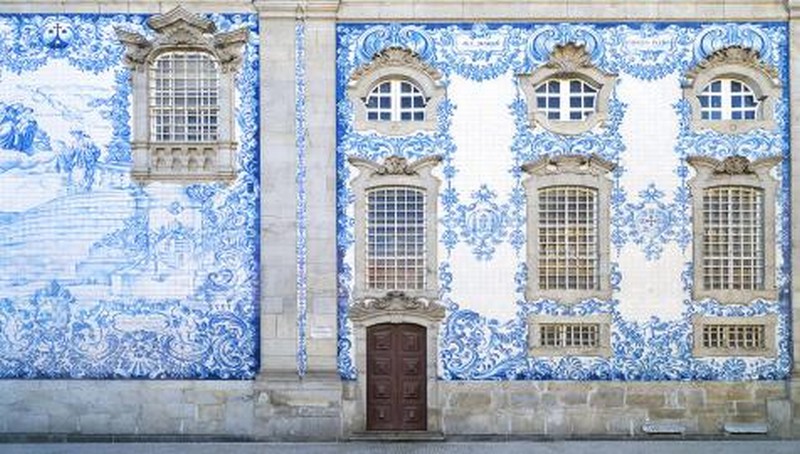
E Porto (Oporto in unseren Schulbüchern), die Hauptstadt der Region Norte, die nicht nur vom Atlantik, sondern auch vom Douro durchflossen wird, reich an mittelalterlichen und renaissancezeitlichen Denkmälern und Überresten, mit dem alten Viertel Ribeira, das zum UNESCO-Weltkulturerbe erklärt wurde, und mit einem der größten Häfen des Landes, das über Jahrhunderte der Abfahrtsort der berühmten Weine war.
What to eat in Portugal
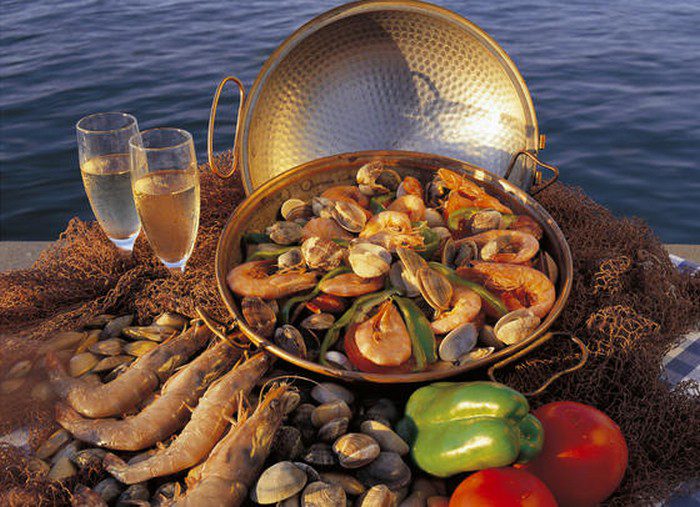
Unlike Italy, in Portugal there are no first or second courses, but there are “le entradas,” very similar to our appetizers, soups, really very flavorful, and single dishes, including the many recipes that center the delicious Cod. The typical Portuguese cuisine, perhaps somewhat underrated, offers dishes and flavors unique in their kind. It is said that there is even a recipe for cod for every day of the year. Fish, especially cod, takes center stage as the main courses of this beautiful territory.
Portugal Profile
- Country: Portugal
- Area: 92,391 km²
- Capital: Lisbon
- Population: 11 million inhabitants
- Language: Portuguese
- Religion: majority are Catholic
- Form of Government: republic
- Main cities: Lisbon, Porto, Faro, Beja, Portalegre, Coimbra, Aveiro, Amadora, Funchal
Useful Information about Portugal
- Currency: Euro
- International dialing code: +351
- International vehicle registration: P
- Driving side: right
- Entry documents: ID Card or Passport
- Vaccination required: No
- Electric current: 230/440 volts 50 hertz
- Unit of measurement: metric system
- Time zones: – 1 hour from Italian time
- Fixed-date public holidays: January 1: New Year’s Day; April 25: Freedom Day; March 17; March-April: Easter Monday; March-April: Easter; May 1: Labour Day; June 10: Portugal Day; August 15: Assumption; October 5: Republic Day; November 1: All Saints’ Day; December 1: Restoration of Independence; December 8: Immaculate Conception; December 25: Christmas
- Climate: In Portugal, the climate varies significantly from one region to another, influenced by altitude, latitude and proximity to the sea, which ensures mild winters. In the Porto and Northern Portugal areas and in Central Portugal, especially in areas closer to Spain, winters are colder, despite temperatures being moderate compared to the rest of Europe. Summers are hot and dry, particularly in the inland regions, while along the coast the heat is moderated by the presence of the sea.
- Average temperatures: around 10° in winter and around 29° in summer
- Transportation: national airlines TAP-Air Portugal, Portugalia, Sata, Ata and Hi Fly; all airlines have direct flights to Portugal: Alitalia, Air Europa, EasyJet, Iberia, Myair.com, Ryanair and many others. Portuguese Railways (Caminhos de Ferro Portugueses); from all destinations: from Paris Artesia-Trains, also with Trenitalia, Deutsche Bahn.
- Airports: Lisbon, Porto, Faro, Madeira-Funchal, Azores-Ponta Delgada