


In 1968, the villa was donated to the Italian State by Galliano Boldrini. Since 2006, it has been part of the Special Superintendency for the Polo Museale Fiorentino. Since the late 1980s, the villa has housed an archaeological storage facility managed by the Soprintendenza Archeologica della Toscana. These artefacts originally came from the rooms of Palazzo della Crocetta, where they were removed after the 1966 flood prompted a museum renovation.
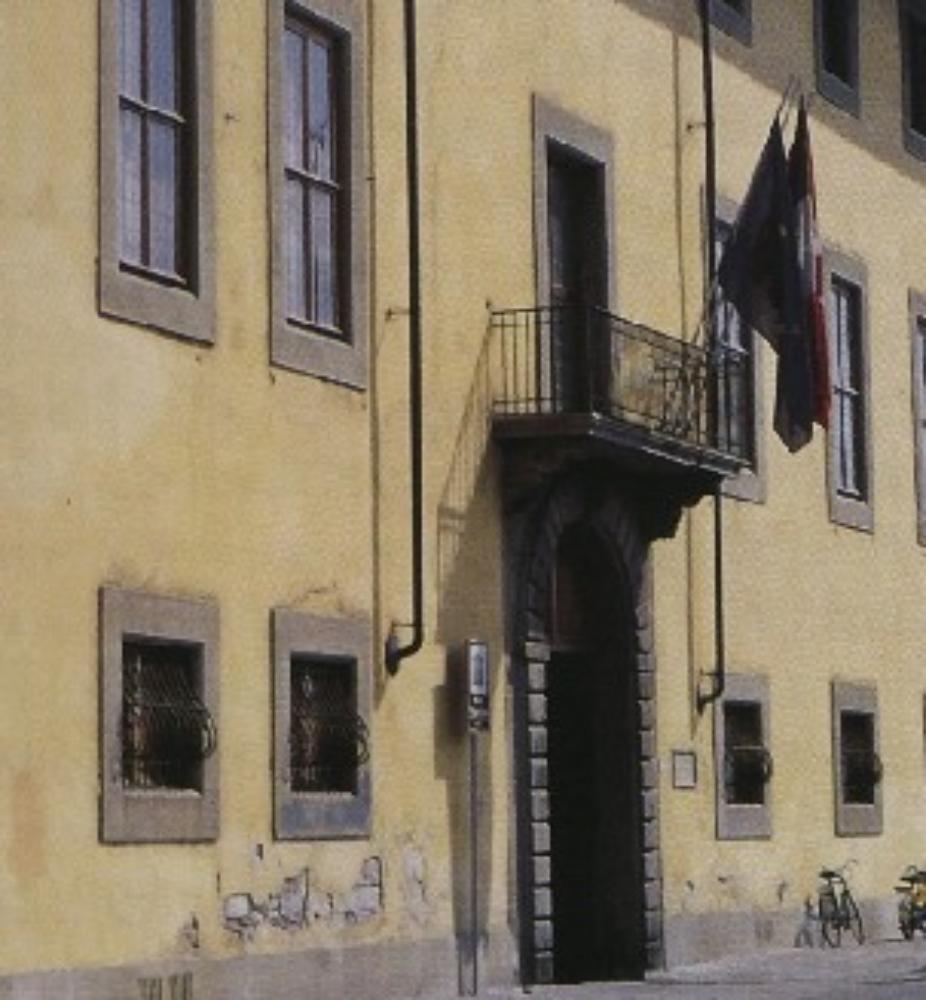
The structure underwent a major restoration campaign, directed by the Soprintendenza ai Beni Ambientali e Architettonici di Firenze, beginning in 2000 with the grand hall and inner courtyard. Thanks to ongoing support from the Ente Cassa di Risparmio di Firenze, the restoration of the historic Baroque complex was completed in 2010, including the façade and much of the interior.
Several of the most important marbles from the Museo Archeologico collection are now housed in the hall, including a unique porphyry statue of Emperor Hadrian, and the beautiful Peplophoros from Palazzo Cepparello, a splendid Roman copy of a 5th-century BC Greek original.
Along the courtyard walls, numerous Etruscan nenfro sarcophagi from Tuscania—originally from the noble Statlane family tomb, dating from the late 4th to 2nd century BC—are displayed. There’s also a remarkable female sarcophagus from Tarquinia, decorated in bas-relief with symbolic scenes referring to ancient rites and beliefs.
Some ground floor rooms have been restored to showcase ancient marbles that were once part of the “Ricetto delle Iscrizioni” at the Uffizi, designed by Foggini for Cosimo III as a grand entrance to the Gallery. This area was dismantled by 1920 after various redesigns.
Upstairs, visitors can follow the long history of the Florentine plain through a permanent display of finds from the region. Highlights include objects from the “Tomba della Mula” (late 7th century BC) and Archaic funerary sculptures by Fiesole workshops, especially the remarkable “Cippo di Settimello” (mid-6th century BC). The exhibition also features artefacts from the Etruscan city of Gonfienti, discovered over a decade ago near Calenzano.
The display aims not to create a traditional museum, but to provide visibility to works preserved in the villa, which for years has served as a storage site for the stone artefacts of the National Archaeological Museum of Florence.
OPENING HOURS
April to September:
1st and 3rd Friday and every Saturday of each month from 2:00 pm to 6:00 pm
2nd and 4th Sunday of each month from 9:00 am to 2:00 pm
October to March:
2nd and 4th Sunday of each month from 9:00 am to 2:00 pm
Villa Corsini a Castello
Via della Petraia, 38 50141 Florence



, an architect, sculptor, and director of the grand-ducal workshops.)