




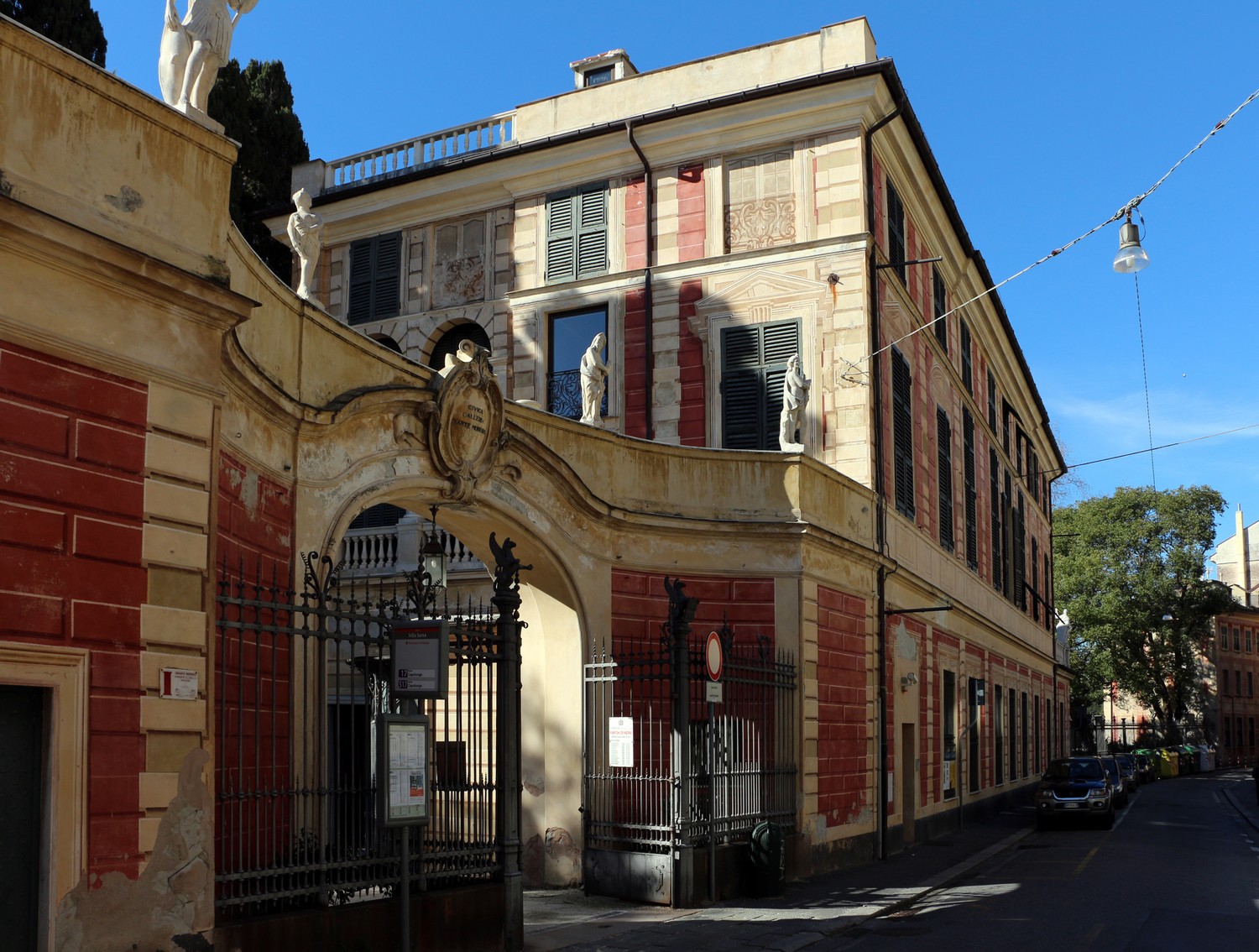
The Botanical Museum is located inside the building constructed with the contribution of Thomas Hanbury in 1862 in Genoa; the Botanical Garden extends over about one hectare around the building itself.
In the Museum’s collections, arranged starting from 1802, there are still many original herbarium specimens from illustrious Italian and foreign botanists, surviving war events. Currently, the collections include about 90,000 vascular plant samples and 2,500 non-vascular cryptogams (lichens, algae, etc.).
There is a carpotheca/spermotheca with fruits and seeds from different parts of the world, a xylotheque, manuscripts, historic teaching plates, and botanical reproductions.
The Botanical Garden, founded by Domenico Viviani in 1803, was expanded to reach the current area of one hectare in 1865 under the direction of Giuseppe De Notaris. It reached its maximum fame between the 19th and 20th centuries, when in 1892, thanks to a donation from Thomas Hanbury, director Ottone Penzig inaugurated the new headquarters of the Botanical Institute, concurrently with the first International Botanical Congress in Italy.
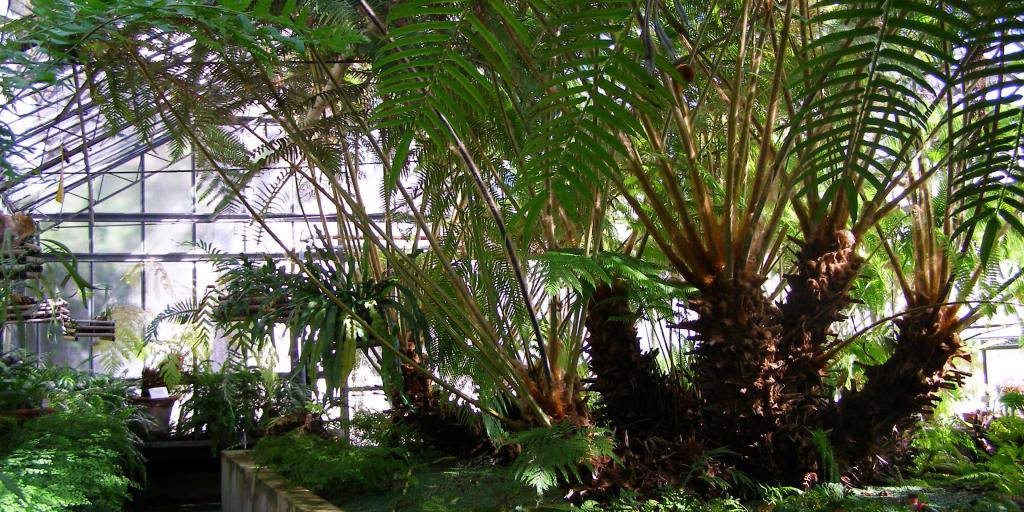
From the early years of the Garden date some specimens of cypresses, a Gleditsia, and a sequoia, as well as magnificent specimens of large ferns such as Cibotium regale and Angiopteris evecta. After the destruction of World War II, Rodolfo Pichi Sermolli, between 1958 and 1972, completed the reconstruction with a small greenhouse for succulents and a new large greenhouse.
Currently, the Garden, divided into six outdoor levels, also has six greenhouses (1000 sqm) from different periods, with rare ferns, tall tropical plants and aquatic plants, collections of bromeliads and epiphytic orchids, succulents, and Cycadeae. The specimens amount to around 4000 units, representing about 2000 taxa.



.)