

The hilly area of Molise mostly shows a clayey character and is often interrupted by badlands, carved precisely by water erosion in the clay-rich soil. The region is dotted with heights, such as the Meta Mountains, the mountains of the Sannio Apennines, the Matese Mountains, and the Frentani Mountains. Usually, the hilly areas, not being very extensive, lie at the foot of the mountain massifs.
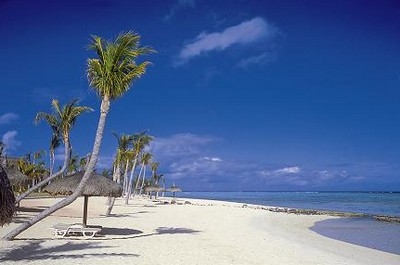
Molise features landscapes that speak of a still well-preserved, sometimes pristine nature whose tourist vocation is well expressed in the approximately 38 kilometers of coastline facing the Adriatic Sea and in the inland areas devoted to the rural environment, to the tratturi in a modern key and agritourism. Divided into the provinces of Campobasso and Isernia, Molise is certainly known for towns including Termoli – a renowned seaside resort from which you can also embark for the Tremiti Islands – and for Agnone, known worldwide as the home of the Marinelli Pontifical Foundry, considered the oldest bell manufacturing company.
Also worth mentioning are Venafro, Larino, and then Staffoli, a small town where a bit of the American Western imagery is recreated, with the saloon, themed lodgings, space for rodeos, and country-style parties. A holiday in Molise will undoubtedly offer the goodness of the local cuisine, since it is very varied and reflects the territory: of peasant origin inland, and with a maritime vocation on the sandy coasts.