


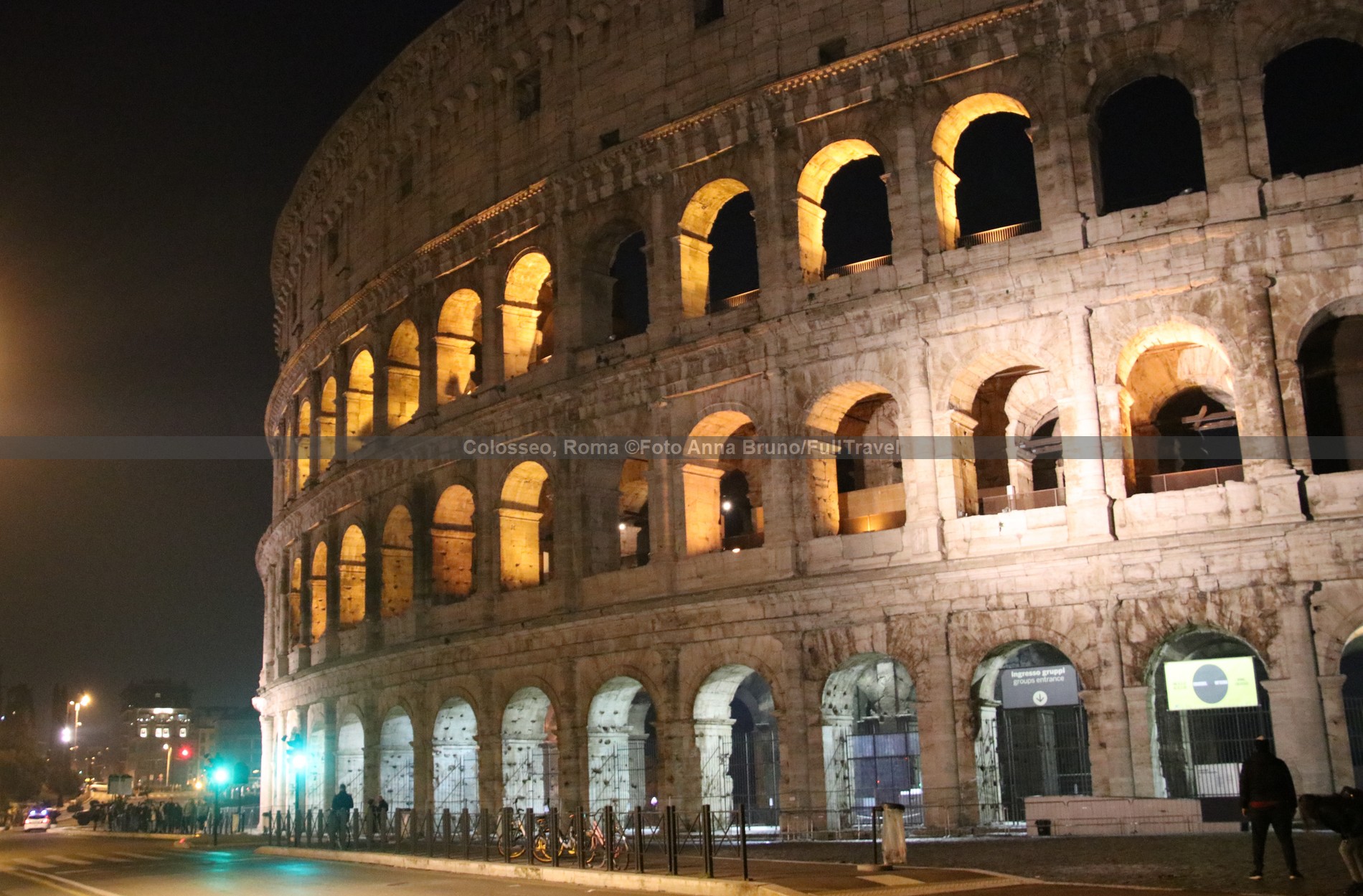

The Colosseum, one of Rome’s most iconic attractions, is a place every traveler wishes to visit. However, due to its popularity, it can be difficult to get tickets and save time by avoiding long lines. In this article, we will provide you with essential information on how to purchase tickets for the Colosseum in Rome easily and quickly, including some options to skip the queue.
- Why visit the Colosseum in Rome?
- Is the Colosseum always crowded?
- How to buy tickets for the Colosseum
- 1. Buy online
- 2. Queuing (not recommended)
- 3. Book a guided tour (recommended)
- 4. Night visit to the Colosseum
- 5. Purchasing a tourist pass
- What is the best time to visit the Colosseum?
- How to get to the Colosseum?
- How much do tickets for the Colosseum cost?
- How do tickets for the Colosseum work?
- Colosseum Opening Hours
- Hotels Near the Colosseum
- Safety Rules at the Colosseum
- Trivia
- When was the Colosseum built?
- How old is the Colosseum?
- Who built the Colosseum?
- Why was the Colosseum built?
- Where is the Colosseum located?
- Conclusions
For those in a hurry – How to buy tickets for the Colosseum: unless you enjoy spending your holidays waiting in long lines, we strongly recommend that you book skip-the-line tickets for the Colosseum in advance here or book a guided tour of the Colosseum. Between these two, a guided tour is the best option since you can learn about the history of ancient Rome and its most famous emperors from an expert guide.
Why visit the Colosseum in Rome?
The Colosseum, also known as the Flavian Amphitheatre, is an ancient Roman structure dating back to the 1st century AD. It is one of the most important historical sites in the world and a symbol of the Roman Empire. This amphitheater, which could accommodate up to 50,000 spectators, was used for gladiator fights, public games, and other forms of entertainment.
Its grandeur and fascinating history make it a must-see stop for every visitor to Rome. You can walk among the ancient ruins and immerse yourself in the atmosphere of past times. Additionally, you will have the opportunity to admire Roman architecture up close and learn more about life in ancient Rome.
Is the Colosseum always crowded?
Yes, the Colosseum is one of Rome’s main tourist attractions and draws a large number of visitors every day. Consequently, the queues for purchasing tickets can be very long, especially during the summer months and peak season periods. Therefore, it is advisable to plan your visit in advance and purchase tickets ahead of time to avoid long waits.
There are several options for purchasing tickets to the Colosseum in Rome. Let’s look at the most common ones together.
1. Buy online
The easiest way to purchase tickets for the Colosseum is through the official Colosseum website or the Ministry of Cultural Heritage and Activities website. This will allow you to buy tickets directly, avoiding intermediaries. You can select the date and time of your visit and pay online securely.
There are two types of tickets available:
- Basic tickets: These tickets give you access to the Colosseum, the Roman Forum, and the Palatine Hill. You can choose between a standard visit or a guided tour.
- Full experience tickets: These tickets include access to the Colosseum’s underground areas, the third ring, and the multimedia exhibition. It’s an ideal option for those who want to explore the entire Colosseum complex.
It is important to note that tickets purchased on the official site may be subject to a booking fee. Therefore, be sure to read all related information carefully before proceeding with your purchase.
Fortunately, there is a simple and pleasant alternative that costs about the same price. Booking through this link is much simpler thanks to a layout that clearly shows all the information you need to know about your visit. When you book in advance, make sure to print the ticket and bring it with you.
2. Queuing (not recommended)
Certainly the riskiest and slowest option you have to get tickets for the Colosseum is to simply get them when you arrive. This is because the lines for tickets to visit the Colosseum are almost as famous as the attraction itself. Waiting times in line can be extremely long, especially in high season, often up to an hour.
If you must buy tickets in person on the day of your visit, there’s a trick that might save you some time: instead of queuing at the Colosseum, head to the Palatine Hill instead, with its much shorter line, and get your tickets for the Colosseum there. Since it’s a single ticket for the Roman Forum, Palatine Hill, and Colosseum, you can start with Palatine Hill and then head towards the Colosseum.
3. Book a guided tour (recommended)
If you want to be sure to make the most of this experience, it’s worth considering the arrangement of a guided tour. This way, you will learn the history and nuances of the site while visiting the Colosseum, making sure you don’t miss anything during your stay there.
One of the positives of choosing to visit the Colosseum with a guided tour is the different options available. After all, this is one of Europe’s most iconic attractions, so it’s important that you organize a tour that properly fits the experience you’re looking to have.
For some, this simply means visiting the Colosseum with the standard group walking tour and that’s it. Others may prefer a private guided tour more personalized where they can ask questions and focus on the aspects of the Colosseum that really interest them.
If you prefer a more in-depth and informative experience, you can opt for a guided tour of the Colosseum. There are many tour agencies that offer guided tours with expert guides who will provide you with detailed information about the history and architecture of the Colosseum.
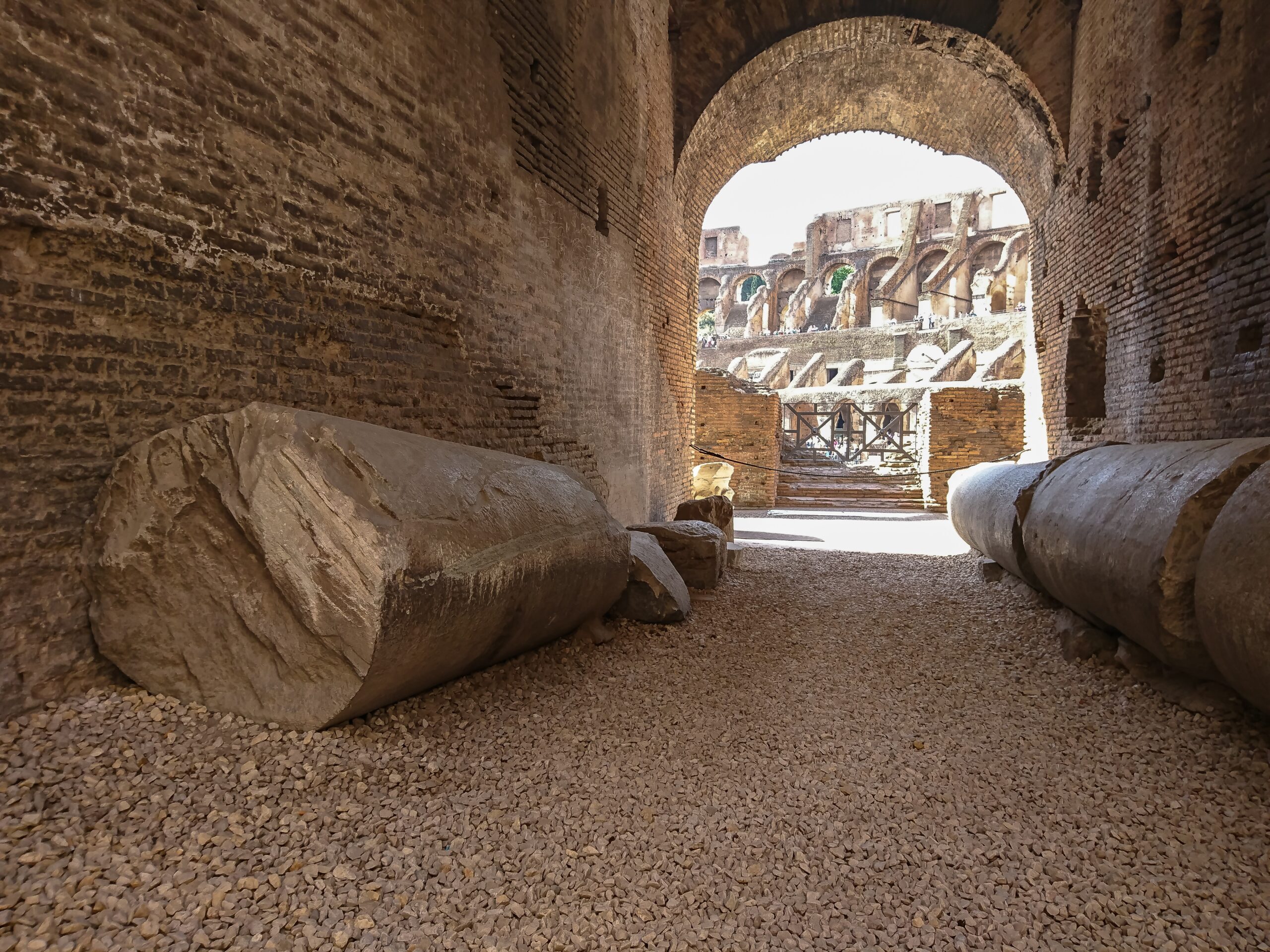
Guided tours may also include access to parts of the Colosseum not open to the public, such as the underground and the third ring. This is an ideal option for those who want a more complete and in-depth visit to the Colosseum.
But there are many other tours to choose from. If you want to see as much of the Colosseum as possible, it’s best to take a look at the more thorough Colosseum tour with underground sections included, which provides exclusive access to areas like the subway, the Arena, and the upper levels.
Naturally, then there are the Rome in a day tours that take you through the city with the Colosseum just one of many stops. This is a good option if you have little time and want to see as much as possible while you can.
4. Night visit to the Colosseum
Another option to avoid queues and enjoy the Colosseum more quietly is to visit it after closing hours. Some night tours by specialized agencies offer special visits to the Colosseum after closing hours, allowing you to explore the ancient amphitheater without the crowds of tourists.
Not only will you be able to see the Colosseum in a new light with this night tour, but it will be quieter and cooler, which is a big advantage when visiting Rome in the summer. The Colosseum night tour is our favorite, and we highly recommend doing it.
This option can offer a unique and evocative experience, as you will have the chance to admire the Colosseum at night, when it is lit up and the atmosphere is even more magical. However, keep in mind that this option may not be available year-round and may require advanced booking.
To summarize, here are all the different tours available for the Colosseum:
- Standard guided tour of the Colosseum
- Private guided tour of the Colosseum
- Colosseum tour with underground access
- Colosseum night tour
- One-day tour of Rome incl. Colosseum
5. Purchasing a tourist pass
If you plan to visit other attractions in Rome as well, it might be cost-effective to buy a tourist pass that includes access to the Colosseum. There are several passes available, such as the Rome Pass or the Rome City Pass, which offer access to numerous attractions and unlimited public transport for a determined period of time.
Purchasing a tourist pass can be advantageous if you plan to visit multiple tourist sites during your stay in Rome. However, be sure to carefully calculate whether the cost of the pass is convenient compared to buying individual tickets for the attractions you want to visit. Roma Pass provides free entry to your choice of the Capitoline Museums, Castel Sant’Angelo, Colosseum, Palatine Hill, and Roman Forum. Attractions with discounts include the National Roman Museum, Capitoline Museums, and Trajan’s Market.
Like many popular tourist destinations, Rome also offers a selection of city passes that give visitors an easy and convenient option to visit the city. With these passes you get free or discounted entry to many different tourist attractions, which can lead to significant savings for tourists eager to do a lot of sightseeing.
It is also possible to purchase the Roma Pass bundled with the Omnia Card. This way you get all the benefits of the Roma Pass plus the Omnia Card, focused on the attractions of Vatican City. The Omnia Card provides free entry to St. Peter’s Basilica and the Vatican Museums, including fast entry to the Sistine Chapel.
What is the best time to visit the Colosseum?
To get the most out of your visit, it is helpful to think about what time of day and week you will go. Proper planning of your visit can lead to a much more pleasant experience, with fewer people and more pleasant weather.
Unless you choose to do a night tour of the Colosseum, the best time of day is early morning or late in the day, although you might feel a bit rushed if you go near closing time. It is also wise to avoid weekends from Friday afternoon onwards, as people arrive for the weekend away.
How to get to the Colosseum?
Once in Rome, it will be quite easy to reach the Colosseum. The exact route will naturally depend on where you start from, but generally you have the metro, trams, and buses that can bring you there.
Coming from the historic center of the city, near the Pantheon, it is a 20-minute walk along Via dei Fori Imperiali or by bus from the Corso stop. If you travel from Roma Termini, the main railway station, it is only two stops along metro line B (blue). You can also take metro line A to Termini and continue from there. The metro stop at the Colosseum is called “Colosseo”.
How much do tickets for the Colosseum cost?
The cost of tickets for the Colosseum depends on several factors, mainly related to duration and age. Regardless of the ticket type, all Colosseum tickets bought on the official website include a 2 € online booking fee.
Adults can choose between a 24-hour full ticket for 16 € or a 48-hour full ticket for 18 €. Youth under 18 enter free, while EU citizens between 18 and 25 can get a reduced ticket that costs only €2 for online booking.
The city of Rome offers free entry on the first Sunday of every month to numerous attractions, including the Colosseum. In past years, they changed it to apply only between October and March, so be sure to check before your visit if you intend to take advantage of the free day.
How do tickets for the Colosseum work?
Tickets for the Colosseum also include entry to the nearby Roman Forum and Palatine Hill. These tickets include a specific time slot for your visit to the Colosseum due to its visitor capacity. Make sure to arrive at the Colosseum before your assigned time, as they check the time on your ticket at the entrance.
For tickets purchased online, there are two options to obtain the tickets when you reach the payment stage of the process. The best and safest solution is to print the tickets showing the barcode at home, so you can go straight through security checks.
The other option is to bring your booking code with you on the day and pick up the physical tickets on site. Although collecting these tickets from the dedicated entrance stand is much faster than the normal entrance queue to purchase tickets on site, it is still slower than simply printing the ticket at home.
Colosseum Opening Hours
Under normal circumstances, the Colosseum is open almost all year round, with the following hours:
- From the last Sunday of October to February 15: from 08:30 to 16:30
- From February 16 to March 15: from 08:30 to 17:00
- From March 16 to the last Saturday of March: from 08:30 to 17:30
- From the last Sunday of March to August 31: from 08:30 to 19:15
- From September 1 to 30: from 08:30 to 19:00
- From October 1 to the last Saturday of October: from 08:30 to 18:30
The last entry is always one hour before the respective closing time, so don’t make the same mistake many do by arriving 15 minutes before closing.
The Colosseum is closed on New Year’s Day (January 1) and Christmas Day (December 25). Often there are also reduced hours during Easter, such as early closing on Good Friday, and during Italy’s National Holiday (June 2) when it opens at 1:30 PM.
Hotels Near the Colosseum
Staying near the Colosseum is often the first choice for those visiting the city. Although it is not absolutely necessary, it means you are close to many of the main attractions and have privileged access to Rome’s public transport network. Here are some options if you want a hotel near the Colosseum in Rome.
For a special stay in Rome with breakfast and a view of the Colosseum, travelers will definitely want to check out the Palazzo Manfredi Hotel. The rooms and suites of this five-star hotel are spacious and elegantly decorated, and the hotel has a bar, restaurant, and luxury concierge service.
A great choice if you need to balance location, cost, and comfort is the guesthouse Black Rooms Colosseo.Not only are you just a five-minute walk from the Colosseum, but the rooms and studios here are stylish and modern, some with views of the Colosseum.
For a budget option, be sure to check out The Roman Empire Guesthouse, also a five-minute walk from the Colosseum. Offering private rooms at an affordable price, the guesthouse provides simple but clean rooms equipped with all the essentials you might need.
Safety Rules at the Colosseum
With a major tourist attraction like the Colosseum, it’s understandable that significant security procedures are in place. All visitors to the Colosseum must go through this security process here, so knowing what to expect can save you stress and hassle.
Even if you participate in a guided tour of the Colosseum or have bought tickets in advance, you will need to queue for security checks before entering the site. This line can last from 30 to 60 minutes, depending on the time and season, which is another reason to arrive early with your Colosseum tickets already prepared.
Some measures in the security process concern what you can and cannot bring with you into the Colosseum. While some things like weapons, drugs, and alcohol are quite obvious, others might catch you off guard. All small bags, camera bags, and purses brought will be inspected. Although food and beverages are not allowed, water bottles are fine.
The most important thing to know is that large luggage and bags are not allowed.So, if you plan to go directly to the Colosseum upon arrival, it’s best to store your luggage somewhere first. Options for this include your accommodation, a dedicated luggage storage or the Rome Termini Station Luggage Storage.
Trivia
Although you will certainly need a guide or a guidebook to fully inform you about the site and its rich history, we can help you with some common trivia about the Colosseum.
When was the Colosseum built?
Construction of the Colosseum began in 72 AD and was completed in 80 AD.
How old is the Colosseum?
With the Colosseum finished in 80 AD, it means it has an incredible age of 1,941 years.
Who built the Colosseum?
The Roman Emperor Vespasian was responsible for starting the construction of the Colosseum. However, he died one year before its completion, and the amphitheater was finished by his son and successor, Emperor Titus.
Why was the Colosseum built?
The Colosseum was built using the spoils from the First Jewish-Roman War as an entertainment venue for gladiator fights and animal hunts.
Where is the Colosseum located?
The Colosseum is located near the geographic center of Rome, in the Celio district of the city. It is situated at the eastern end of the Roman Forum, beneath the Palatine Hill area.
Conclusions
With all this information, you should now be fully prepared to visit the Colosseum. I hope you now understand why the tickets you receive for the Colosseum could have a significant impact on your experience and enjoyment of this impressive place.
Buying tickets for the Colosseum in Rome may seem complicated, but by following the right strategies and planning properly, you can avoid long lines and make the most of your visit. Remember to buy tickets in advance, use reliable sites, and consider the option of a guided tour for a more in-depth experience.
Don’t miss the opportunity to visit one of the most important historical sites in the world and immerse yourself in the history of ancient Rome. Plan your visit to the Colosseum and get ready to have an unforgettable experience!