


The nickname “Eternal City” is well deserved by Rome, thanks to its unique blend of modern metropolis and timeless monuments that have witnessed centuries of history, urban change and everyday life.
Day One: What to See in Rome
A trip to Rome should start with the iconic dome of St. Peter’s Basilica. It’s the first building visitors look for among the rooftops, before stepping into the vast nave and gleaming marble, right in the heart of the Vatican.
Not far away stands Castel Sant’Angelo, a circular fortress reflected in the Tiber River. The walk towards Rome’s city center is flat and perfect for strolling: Piazza Navona, with its Fountain of the Four Rivers, is the ideal spot for a gelato on a bench or a hot tea in one of the historic cafes.
There’s no time to lose on this trip to Rome: get your walking shoes on—the heart of the city is at your feet. Along the way you’ll encounter the majestic Pantheon, the ancient round temple dedicated to all the gods. Continue through the cobblestone alleys and suddenly the Vittoriano monument soars into view in Piazza Venezia. This massive marble monument lets you climb step by step for a breathtaking panoramic view of Rome. Piazza Venezia then opens out in several directions.
Head straight for Via del Corso with its famous shopping streets—Via Frattina and Via Condotti—ending up in Piazza di Spagna and Trinità de’ Monti, must-see stops on any Rome itinerary.
Facing the Vittoriano, on its right as you turn your back to it, you’ll encounter the grandeur of ancient Rome in the Roman Forum.
Day Two: What to See in Rome
The Trajan’s Markets welcome visitors first, then guide you through Caesar’s Forum, Augustus’ Forum, the Forum of Peace and Nerva’s Forum.
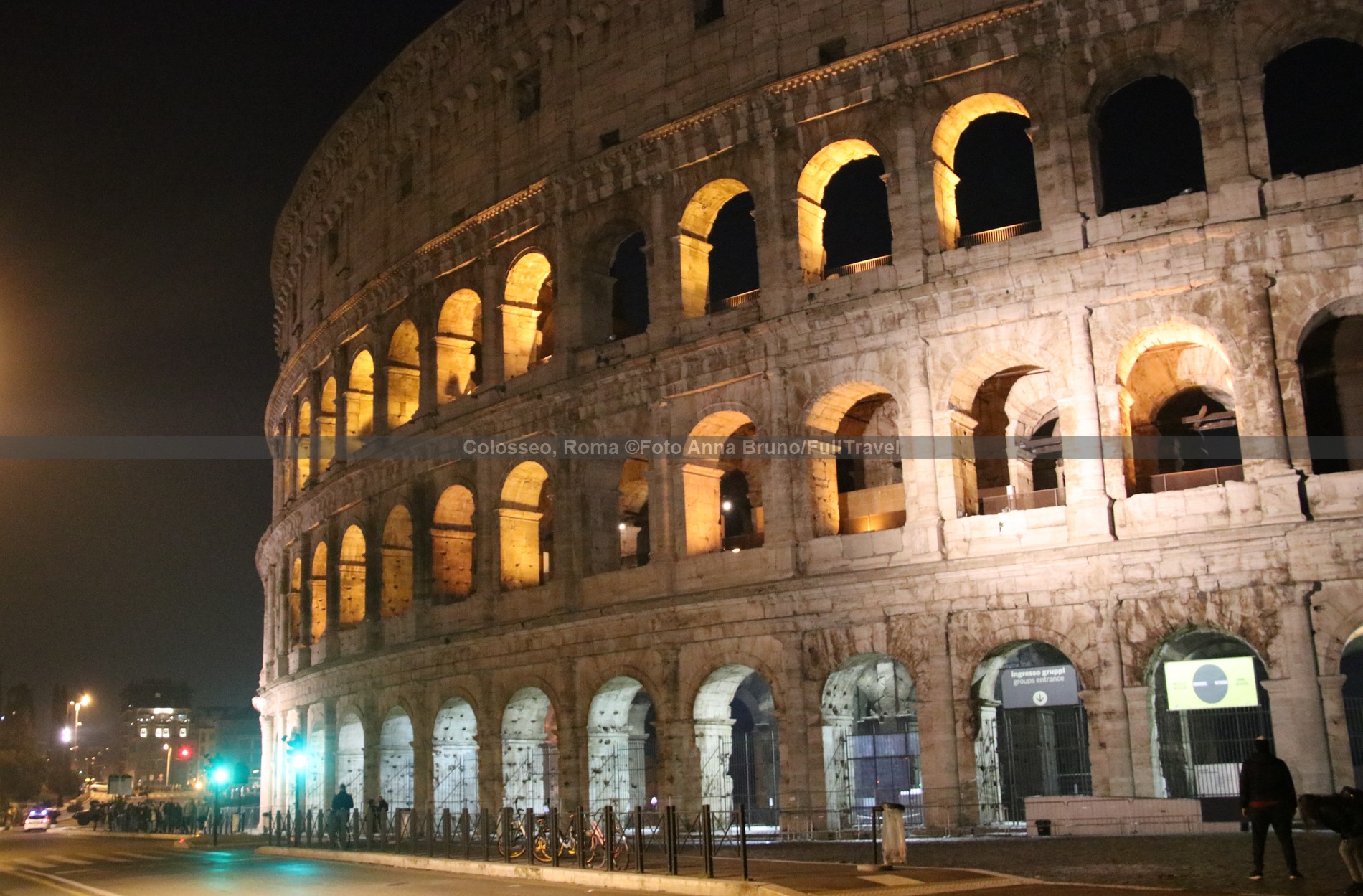
Following Via dei Fori, head towards the city’s most famous landmark—the Colosseum (Flavian Amphitheater). Reaching the Quirinale Hill is simple, passing both ancient and more recent architecture, until you find a refreshing break in front of the world-famous Trevi Fountain, dedicated to the sea.
An iconic film moment was born here: Anita Ekberg’s unforgettable dip inviting Marcello Mastroianni into the fountain in Fellini’s La Dolce Vita.
Day Three: What to See in Rome
Rome isn’t just a city of monuments and past glories—it’s also about lively public squares bustling with chatter and meetings, easily explored on foot, by bus, metro, or, even better, by bike.
After lots of walking, nothing is as refreshing as a break on the heights of the Pincio: from here, you overlook all of Rome, a step away from the leafy Villa Borghese and spacious Piazza del Popolo.
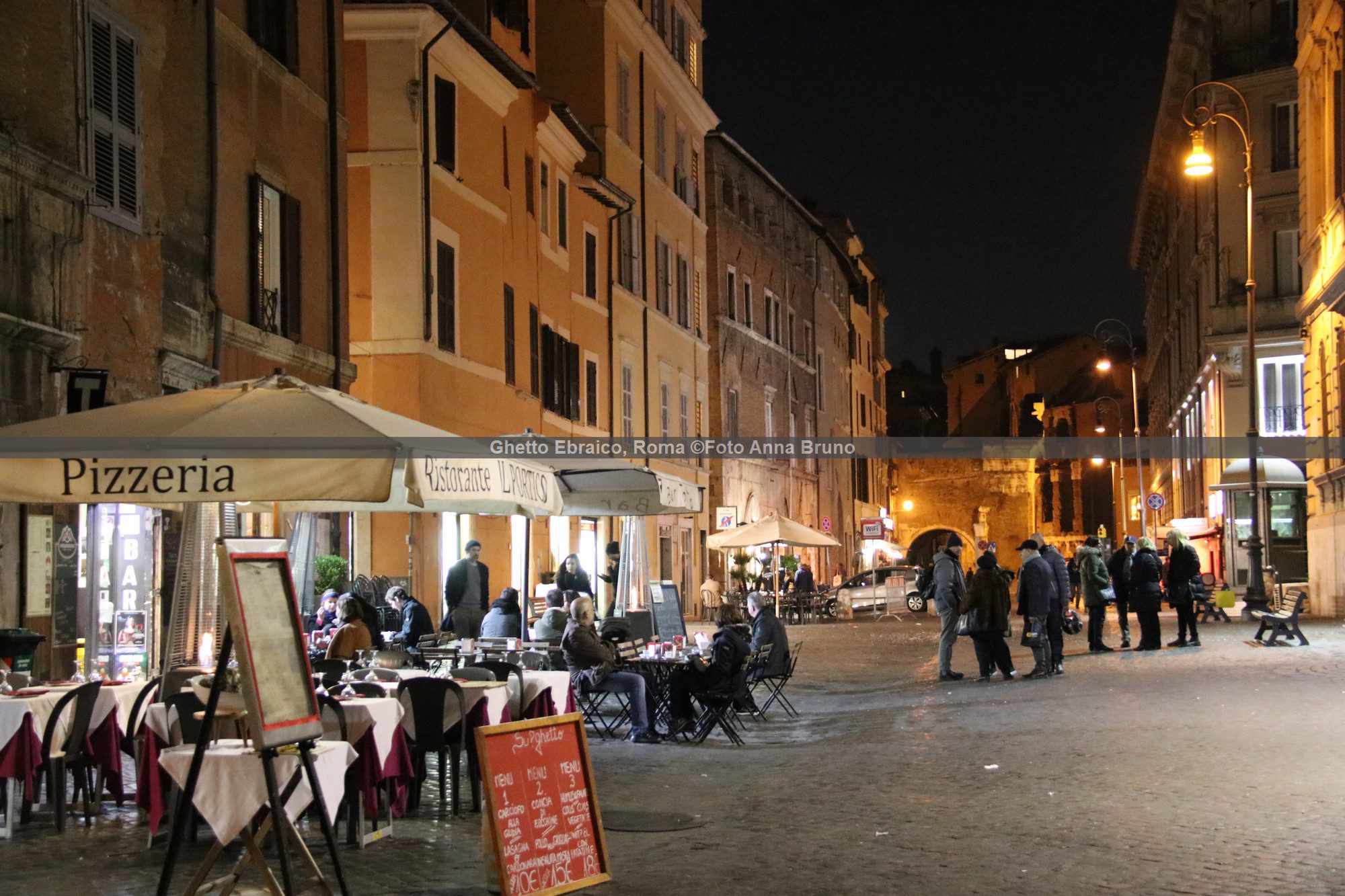
In the evening, Trastevere becomes the heart of Rome’s nightlife, where you’ll find bars and local trattorias tucked along atmospheric alleys that reveal the true spirit of the city.
By the time you realize it’s time to return to your hotel or one of Rome’s countless B&Bs, you’re already longing to wander its streets again—proof that it’s never too soon to plan your next Rome vacation!