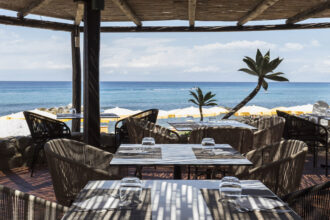


Calabria is a region that never fails to surprise, offering a wide variety of landscapes. Within just a few kilometers, you can go from white beaches and crystal-clear waters to mountains covered in forests, perched villages, and cities rich in historical heritage. Its position between the Tyrrhenian and Ionian seas allows you to choose a different setting every day, alternating between relaxing days by the coast and nature hikes. Whether you’re seeking adventure or prefer all-inclusive resorts in Calabria, these are particularly convenient for a worry-free holiday where every detail of your day doesn’t need to be planned in advance.
Organizing a trip to this region means discovering a destination deeply rooted in its traditions. The Calabrian cuisine, the warm hospitality of its people, local festivals, and sweeping Mediterranean views all combine to create an immersive experience. From the Coast of the Gods to the Riviera of the Cedars, passing through the Sila plateau and Aspromonte mountains, options abound for couples, families, and groups of friends alike.
Choosing the coastline that’s right for your holiday
The Tyrrhenian coast is probably the best-known area of Calabria. Destinations like Tropea, Capo Vaticano, Pizzo, and Scilla attract visitors with their picturesque beaches, clear waters, and historic centers overlooking the sea. The Ionian coast, on the other hand, offers a calmer atmosphere, wide beaches, and a long list of family-friendly spots such as Soverato, Roccella Ionica, Isola di Capo Rizzuto, and Marina di Sibari.
The best area to stay in depends on the type of holiday you’re after. The Tyrrhenian side is ideal if you want to explore several destinations and enjoy lively evenings out, while the Ionian coast is appreciated for its relaxed pace and wide sandy beaches. Both coastlines offer the chance to combine beautiful seasides with visits to archaeological sites, charming villages, and natural areas.
Tropea and the Coast of the Gods
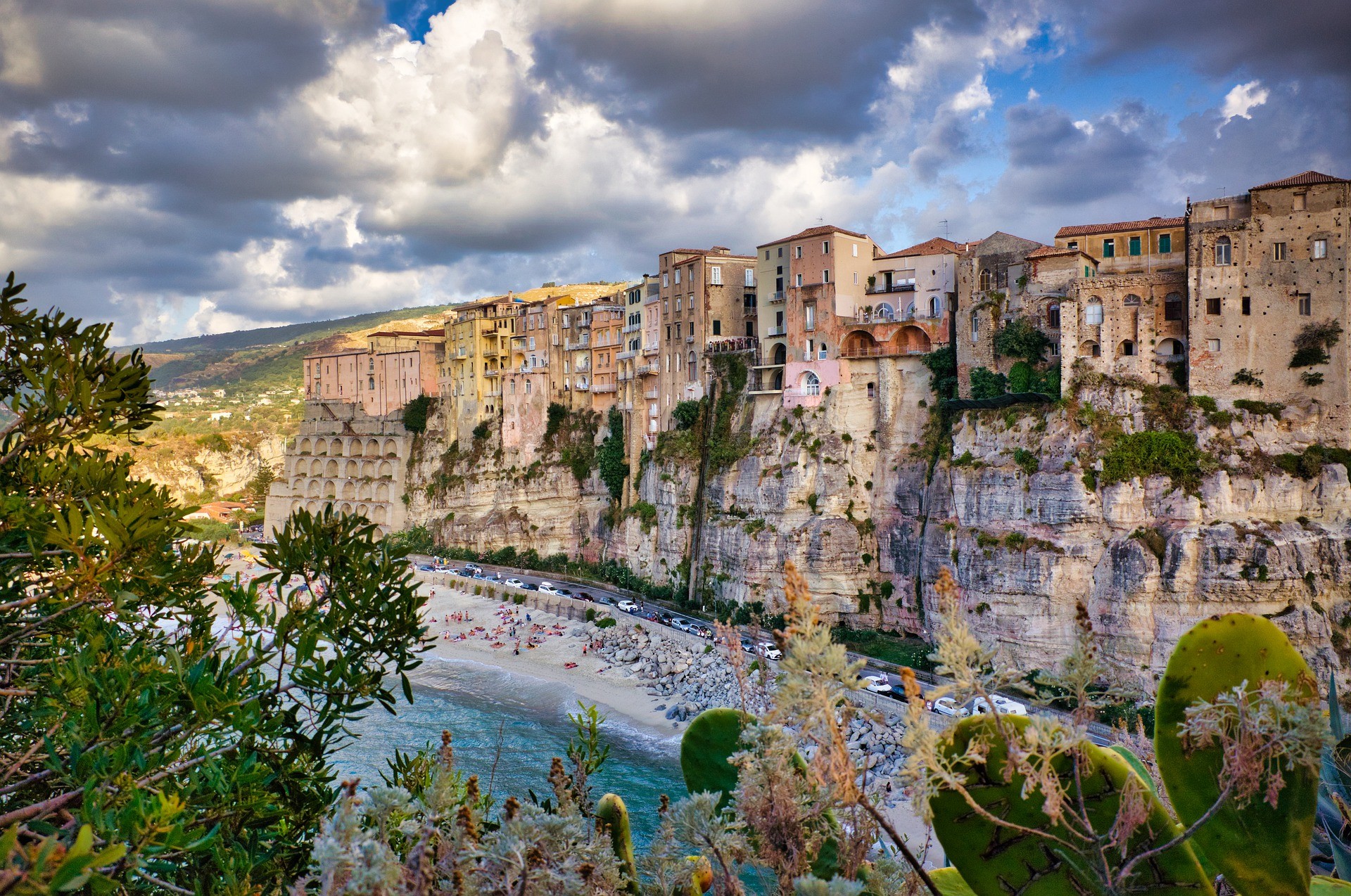
Tropea is one of the most iconic images of Calabria. Its historic center rises atop a cliff overlooking the sea, offering spectacular views of the coastline and, on clear days, the Aeolian Islands. As you stroll among its narrow lanes, noble palaces, and quaint shops, you’ll reach several scenic viewpoints from which to admire the Sanctuary of Santa Maria dell’Isola, built on a rocky outcrop.
The beaches situated at the foot of the town feature pale sand and turquoise waters. Head further south and you’ll find Capo Vaticano, famous for its bays, granite cliffs, and stretches of coastline accessible by boat. Boat tours allow you to discover caves, secluded coves, and rich underwater landscapes.
The Coast of the Gods also includes Pizzo, known for its Aragonese castle and the traditional tartufo gelato, and Zambrone, popular for its quieter beaches. This area is the perfect choice for a holiday that combines swimming, evening strolls, and the pleasures of local cuisine.
Scilla, Reggio Calabria, and the Strait area
Scilla is a seaside village steeped in ancient legend, perched on the Strait of Messina. Its most charming area is Chianalea, where houses seem to rise directly from the water. Narrow cobbled streets, fishing boats moored just outside the homes, and seafood restaurants create a romantic atmosphere, especially at sunset.
Above the village stands Ruffo Castle, from where you can enjoy sweeping views over Marina Grande Beach and the Sicilian coastline. The Strait swordfish is a highlight of the local cuisine and is prepared with simple ingredients that enhance classic Mediterranean flavors.
Reggio Calabria is worth a day trip at least. The National Archaeological Museum houses the famous Riace Bronzes, while the elegant waterfront promenade is lined with palm trees, historic buildings, and stunning views of Mount Etna. In the city center, you’ll also find the cathedral, the Aragonese castle, and several gelaterias where you can sample local specialties like granita with brioche.
Villages, archaeology, and local traditions
Calabria’s heritage extends well beyond its seaside destinations. Gerace, in the Reggio Calabria area, is one of southern Italy’s best-preserved medieval villages. Its historic center is dominated by a grand cathedral and features cobbled streets, ancient churches, and quiet piazzas. Not far away lies Locri Epizefiri, an important archaeological site linked to the ancient Greek civilization.
On the Ionian side, Stilo is renowned for the Cattolica, a small Byzantine church built on the slopes of Mount Consolino. Further north, Rossano is home to the Codex Purpureus, a precious illustrated manuscript preserved in the Diocesan Museum. Remnants of Magna Graecia can also be found in Sibari, Capo Colonna, and Monasterace.
The Arbëresh centers are also worth discovering; these towns were founded centuries ago by Albanian communities settling in Calabria. Villages like Civita and Lungro still preserve their language, traditional costumes, religious rites, and cultural traditions that are truly unique. Visiting these places allows travelers to discover a less touristy side of the region and to delve into its fascinating and complex history.
Sila, Pollino and Aspromonte
Calabria also offers plenty of opportunities for mountain lovers. The Sila National Park is known for its vast forests, lakes, and high plateaus over a thousand meters above sea level. Camigliatello Silano and Lorica are two ideal bases for trekking, cycling, or simply enjoying a cool day during the summer months.
The Pollino National Park stretches between Calabria and Basilicata and is famous for its loricate pines, spectacularly shaped trees that grow atop the highest peaks. Trails wind through wild landscapes, gorges, valleys, and woods. The area is also ideal for rafting on the Lao River and for excursions in the Raganello Gorges, which should be explored with respect for environmental conditions and in accordance with local authorities’ guidelines.
To the south lies the Aspromonte National Park, where mountains, rivers, and waterfalls create an environment very different from the coast. The ghost village of Pentedattilo, built at the base of a mountain that resembles a hand, is one of the most enchanting destinations. A day spent inland offers the chance to experience Calabrian nature and to appreciate the striking contrast between the peaks and the nearby Mediterranean.

Flavors and the best times to visit
Food is at the heart of any travel experience here. Spilinga’s ‘nduja, Tropea’s red onions, bergamot, chili peppers, cured meats, and cheeses all tell the story of the land and its communities. Seafood dishes are a staple along the coasts, while inland you’ll find fresh pasta, legumes, meats, and vegetables preserved in oil.
June and September are ideal months to enjoy the sea with pleasant temperatures and fewer crowds. July and August offer a greater array of events, festivals, and services, but it’s best to book early in popular spots. Spring and fall are perfect for exploring villages, archaeological sites, and nature parks.
A well-organized itinerary should allow for at least a week, choosing a base on either the Tyrrhenian or the Ionian coast and setting aside several days for excursions. With more time, you can explore the region from north to south, combining sea and mountains, culture and cuisine. The diversity of the landscapes lets you create a dynamic holiday, without giving up those moments of true Mediterranean relaxation.