


Origins of Halloween
The Halloween celebration has Celtic roots, dating back to ancient times when the Celts inhabited much of Western Europe—regions now known as France, the United Kingdom, and the Iberian Peninsula. The stories of legendary Druids and the famous adventures of Asterix and Obelix are part of our shared cultural heritage. The ancient Celts, particularly in Ireland and Wales, celebrated the end of the harvest during this season. It was the time to gather supplies for winter and begin livestock butchering—this is where the story of Halloween begins.
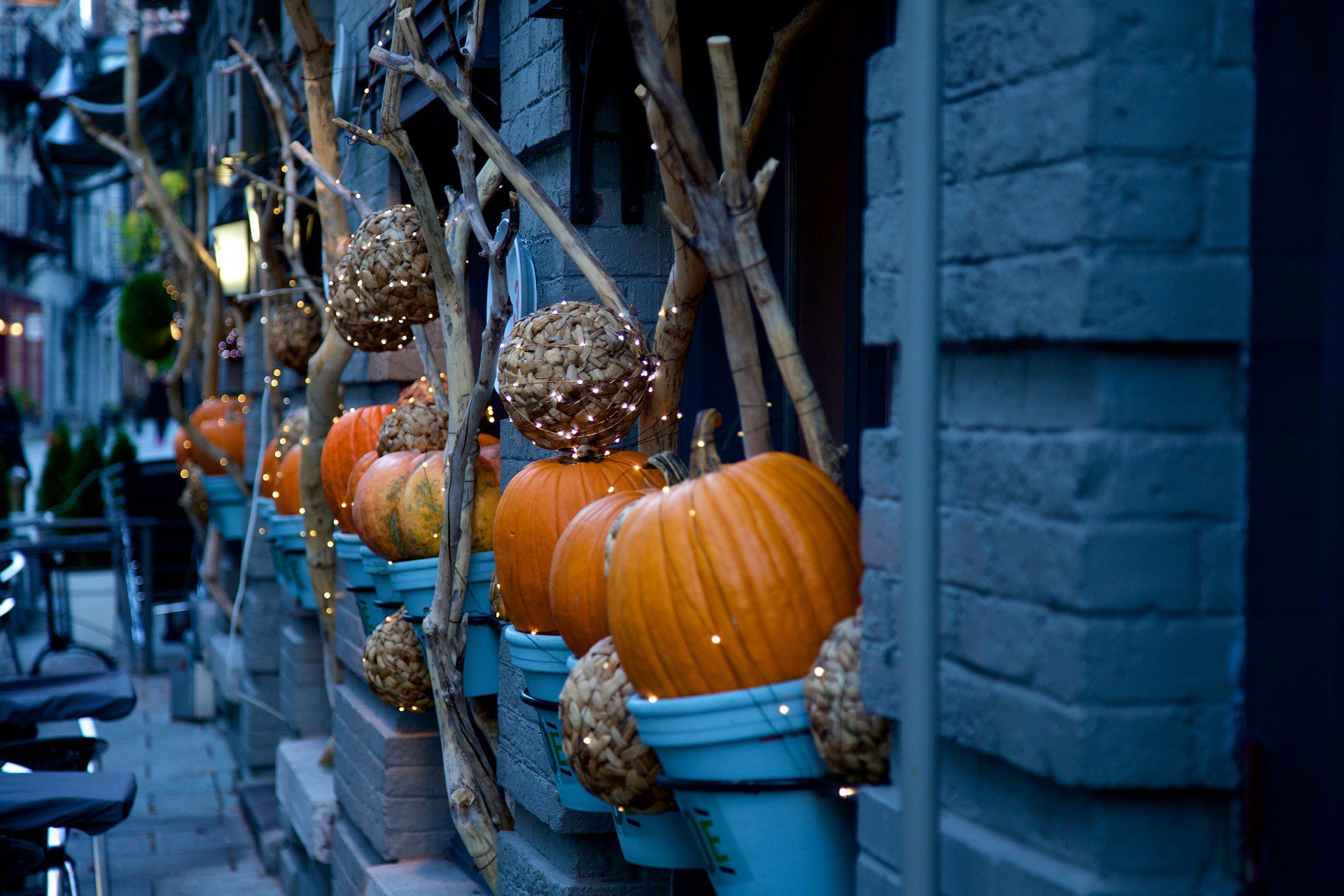
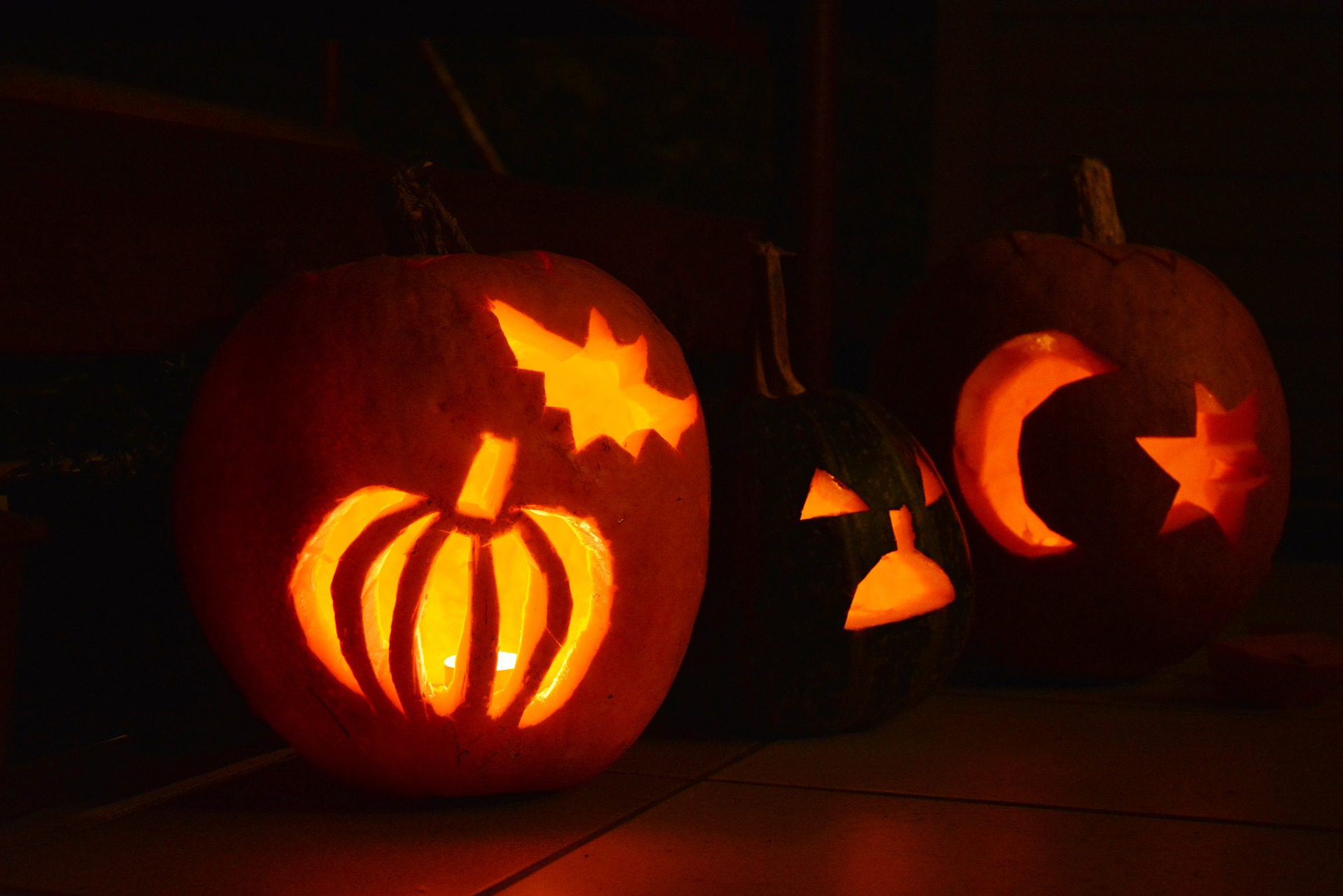
Halloween: the carved pumpkin tradition
Part of the Halloween folklore is the belief that on October 31st, the boundary between the world of the living and the dead dissolves. During this night, it was believed that spirits could roam freely, causing mischief and spreading fear, disease, and bad luck.
One of the most iconic Halloween customs is placing a carved pumpkin outside the front door, often with a candle lit inside, to create a comic or frightening face. This custom dates back to Celtic times, when the head was considered the seat of the spirit and wisdom, and thus protected against misfortune and malevolent spirits. While turnips were initially used for this purpose, pumpkins became popular in America due to their abundance.
The rich traditions tied to the night of Halloween were brought to the United States in the 19th century by Irish immigrants escaping famine, forever weaving this festival into the cultural fabric of North America.
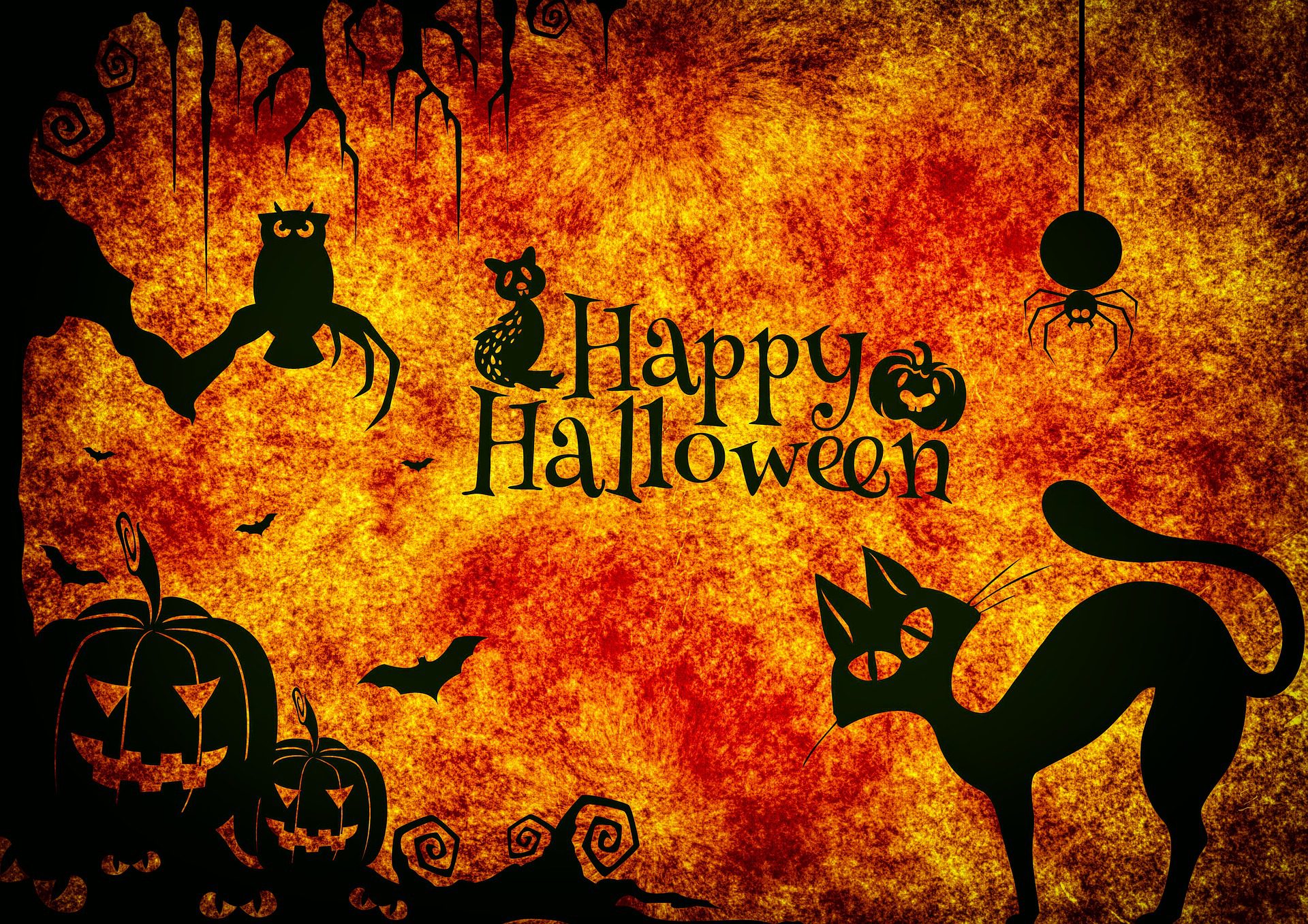
Halloween and its characters
Because Halloween centers on the theme of the dead and their presence among the living, it is surrounded by an air of mystery and features eerie, supernatural figures: monstrous creatures, threatening demons, vampires hunting under the cover of night, and witches concocting mysterious potions. The tradition conjures a magical world where the supernatural reigns supreme.
Halloween rituals
Halloween: trick or treat
Perhaps the best-known ritual is “Trick or treat“: on Halloween night, children dress up as their favorite spooky characters and go door to door, knocking and announcing “Trick or treat“. Homeowners are expected to reward them with sweets—candy, chocolates, and cookies—or risk playful pranks. Especially in recent years, this tradition often involves the whole family, as children rarely roam the neighborhood without adult supervision.
Halloween games
A classic party game is “Apple bobbing“: fill a basin with water, float apples in it, and try to grab them with your teeth (hands are tied behind your back). A variation has you kneeling on a chair, holding a fork in your mouth and trying to spear the apples, again without using your hands.
Another game involves hanging molasses- or syrup-coated pastries from a string and eating them with no hands, which inevitably leads to sticky faces and laughter.
A traditional Irish pastime, Puicìnì, is a fortune-telling game: a blindfolded participant selects from several dishes placed in front of them. Each choice predicts a different future—earth means a friend may pass away within a year; water signals an imminent move abroad; a ring suggests marriage; rosary beads predict a religious vocation; coins foretell prosperity, while beans promise poverty.
During the festivities, actors in costumes often gather on street corners or outside shops to entertain and startle passersby, playing up the spooky atmosphere even in residential neighborhoods.