


Some villages need no invented stories to feel enchanted. All it takes is stepping through a medieval gate, following a cobbled street or watching colourful façades reflected in the water to feel as though you have entered a fairy tale. In autumn, when the light softens and the countryside changes colour, these places take on a special charm. Europe’s fairy-tale villages are ideal destinations for a romantic weekend, a cultural escape or a slow journey through small historic towns. Here are a few places where the atmosphere matters as much as the sights.
- Colmar and the villages of Alsace: where houses look like illustrations
- Český Krumlov, the Bohemian town embraced by a river
- Rothenburg ob der Tauber: Germany’s town of walls and red rooftops
- Hallstatt, the Austrian village between lake and mountains
- Dinant, the Belgian town between the Meuse and the cliffs
- Sintra, where fairy tales take the shape of palaces and gardens
- Bruges, a Flemish fairy tale of canals and historic houses
- How to choose the right fairy-tale destination for an autumn weekend
- The best moments come when you slow down
Not all of them are hidden gems, and some attract visitors throughout the year. Their magic, however, does not depend on a lack of tourists or the promise of deserted squares. It lies instead in taking the time to discover a place: stopping at a local shop, stepping into a small church or choosing a walk that is more than just a series of photo opportunities.
Colmar and the villages of Alsace: where houses look like illustrations
In Alsace, in eastern France, the landscape seems naturally suited to fairy tales. Half-timbered houses, painted façades, wrought-iron signs and little canals give the historic centres an instantly recognisable character. Colmar, though a town rather than a small village, is one of the most charming gateways to this world. In the Petite Venise district, houses are reflected in the water, while courtyards, medieval buildings and shops appear along the streets of the old town. To plan your visit, read our guide to things to see in Colmar.
But there is more to Alsace than Colmar. Riquewihr, Eguisheim and Kaysersberg make it possible to create an itinerary through compact villages and wine-growing landscapes. In October, after the grape harvest, the vineyards can turn shades of yellow and copper, adding a natural backdrop to the village architecture. Autumn also brings a culinary dimension to the trip: wineries, local specialities and small inns are stops worth enjoying at an unhurried pace.
The ideal weekend: two or three days based in Colmar, with visits to one or two nearby villages rather than trying to fit too many stops into a single day. A car offers flexibility, but it is also worth checking local transport connections.

Český Krumlov, the Bohemian town embraced by a river
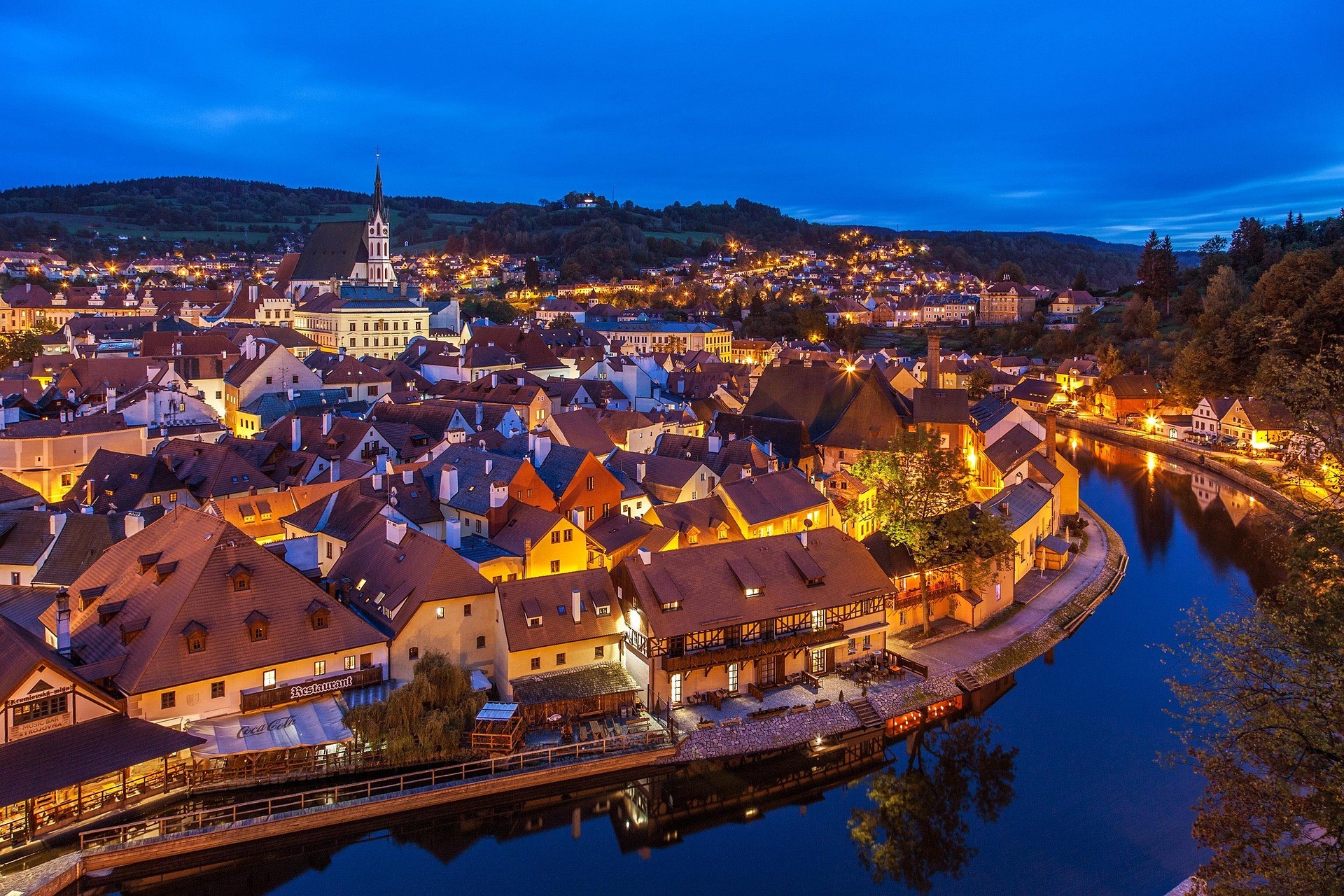
In the south of the Czech Republic, Český Krumlov has one of Central Europe’s most striking medieval settings. The Vltava River loops around the historic centre, while the castle complex overlooks the rooftops, towers and narrow streets from above. Explore the town by following the river, crossing bridges and climbing to viewpoints that reveal the whole town.
In autumn, the trees along the water and in the gardens take on warm hues that contrast with the houses’ rendered walls and rooftops. As the weather turns cooler, part of the pleasure is stopping at a café or traditional inn and letting the town reveal its character beyond its best-known views. Český Krumlov attracts plenty of visitors, especially in the middle of the day: staying overnight lets you experience it in the evening and morning, when the streets move at a different pace.
The ideal weekend: one or two nights in town, or a stop on a wider itinerary through Bohemia. You can travel from Prague by bus or car; if the capital is part of your trip, see our guide to things to see in Prague.
Rothenburg ob der Tauber: Germany’s town of walls and red rooftops
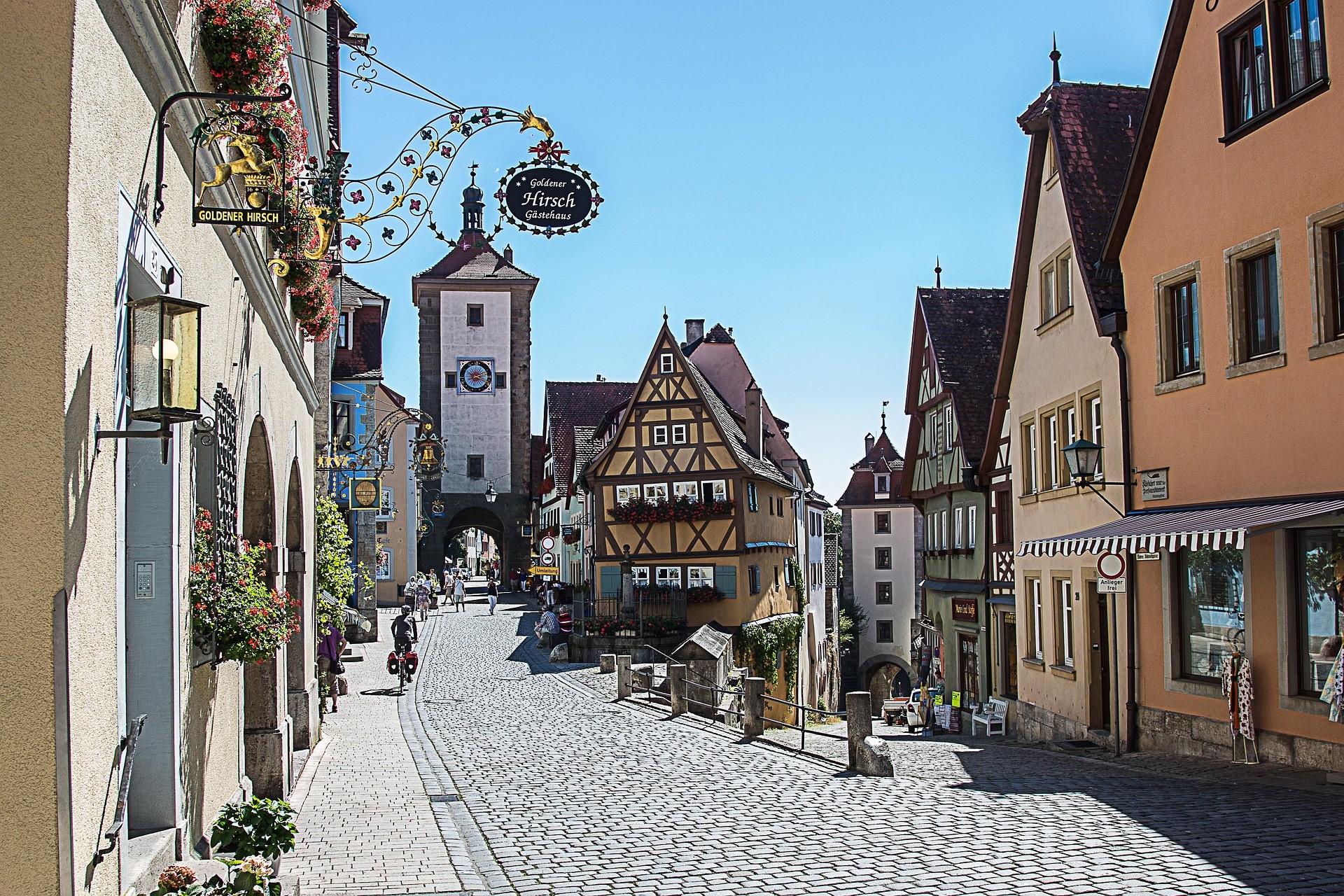
Some towns seem to preserve the Middle Ages in the very layout of their streets. Rothenburg ob der Tauber, on Germany’s Romantic Road, is one of them. Its walls, towers, half-timbered houses and old-town squares create a picturesque setting that invites you to wander without a fixed destination. One of its best-known views is the Plönlein, where the street forks with two towers in the background, but part of the pleasure lies in venturing beyond the most photographed spots.
In autumn, the changing leaves and lower light bring out the beauty of the façades and fortifications. Walking along the sections of the walls open to the public offers different perspectives on the town, while shops and bakeries add a sense of everyday life to the visit. Rothenburg is certainly no secret: to truly appreciate it, make time for the side streets and stay into the evening.
The ideal weekend: at least one night, perhaps as part of an itinerary along the Romantic Road. If travelling by train, check the connections and how long it takes to reach the town.
Hallstatt, the Austrian village between lake and mountains
Nestled on the shores of Hallstätter See, Hallstatt is famous for the remarkable way its houses, lake and mountains fit together, with the mountains seeming to embrace the village. The pitched roofs, church, waterfront homes and Alpine landscape create a scene of immediate beauty. In autumn, the trees on the slopes may turn yellow and orange, while low clouds and mist change the lake’s appearance throughout the day.
Hallstatt is one of Austria’s most photographed villages and can be crowded even in the off-season. So I wouldn’t describe it as an invariably peaceful retreat, but as a place to visit thoughtfully and with respect for its residents. A walk along the lake, time exploring the centre and perhaps a wider itinerary through the Salzkammergut let you appreciate the area without reducing the trip to a single photograph.
The ideal weekend: one or two days, staying overnight in the Salzkammergut area. Before setting off, check which services are available and how to access the mountain attractions.

Dinant, the Belgian town between the Meuse and the cliffs
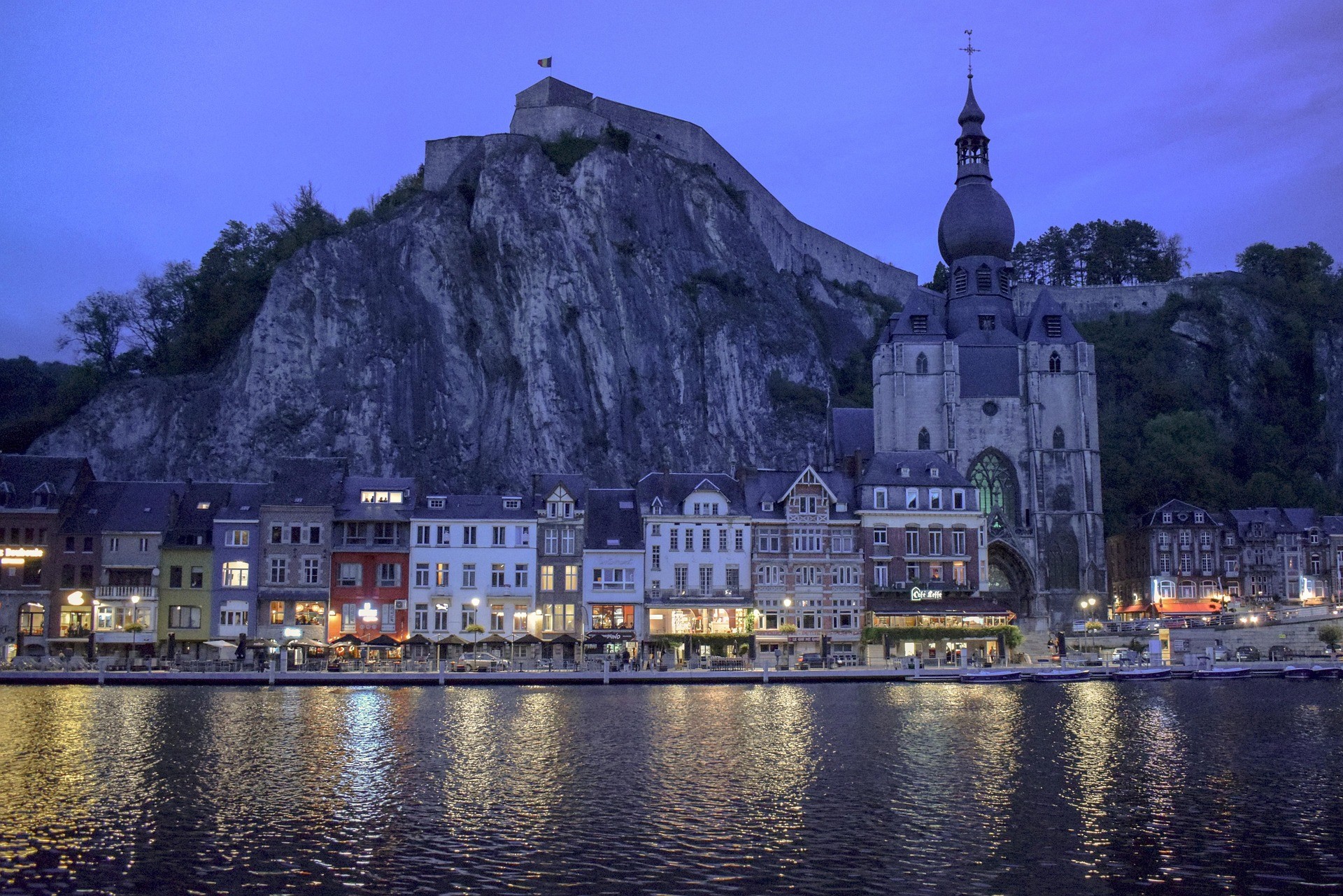
In Wallonia, Dinant stands out for its setting. Its houses line the Meuse at the foot of an imposing cliff topped by the citadel. The bulb-shaped bell tower of the Collegiate Church of Notre-Dame completes a distinctive scene, especially evocative on days when clouds are reflected in the water. It is not a tiny medieval village, but a compact town that is just the right size for a short break.
In autumn, the hills along the valley change colour and invite you to explore the surrounding area too. The riverside landscape takes centre stage: the best way to get to know Dinant is to combine a visit to the centre with viewpoints and walks along the riverbank. It is also an appealing destination for anyone keen to discover a side of Belgium beyond its best-known cities.
The ideal weekend: one night in Dinant, or a longer stay in the Meuse region combining nature, small towns and cultural visits.
Sintra, where fairy tales take the shape of palaces and gardens
In Portugal, a short distance from Lisbon, Sintra has a different character from the medieval towns of Central Europe. Here, the fairy-tale feeling comes from romantic palaces, gardens, towers, leafy paths and the frequent mist. The Palácio da Pena, Quinta da Regaleira and other monumental sites reveal a place where architecture and landscape are constantly intertwined.
Sintra is not a small village in the strict sense, but its atmosphere and the experience it offers make this historic town a perfect fit for our itinerary. In autumn, temperatures can be pleasant for walking, although rain and damp weather call for a flexible plan. For help choosing what to see and planning how to get around, you’ll find more advice in FullTravel’s guide to what to see in Sintra.
The ideal weekend: two days in Sintra and its surroundings, or a stay in Lisbon with at least one full day devoted to the town. Some attractions require advance booking or timed-entry tickets.

Bruges, a Flemish fairy tale of canals and historic houses
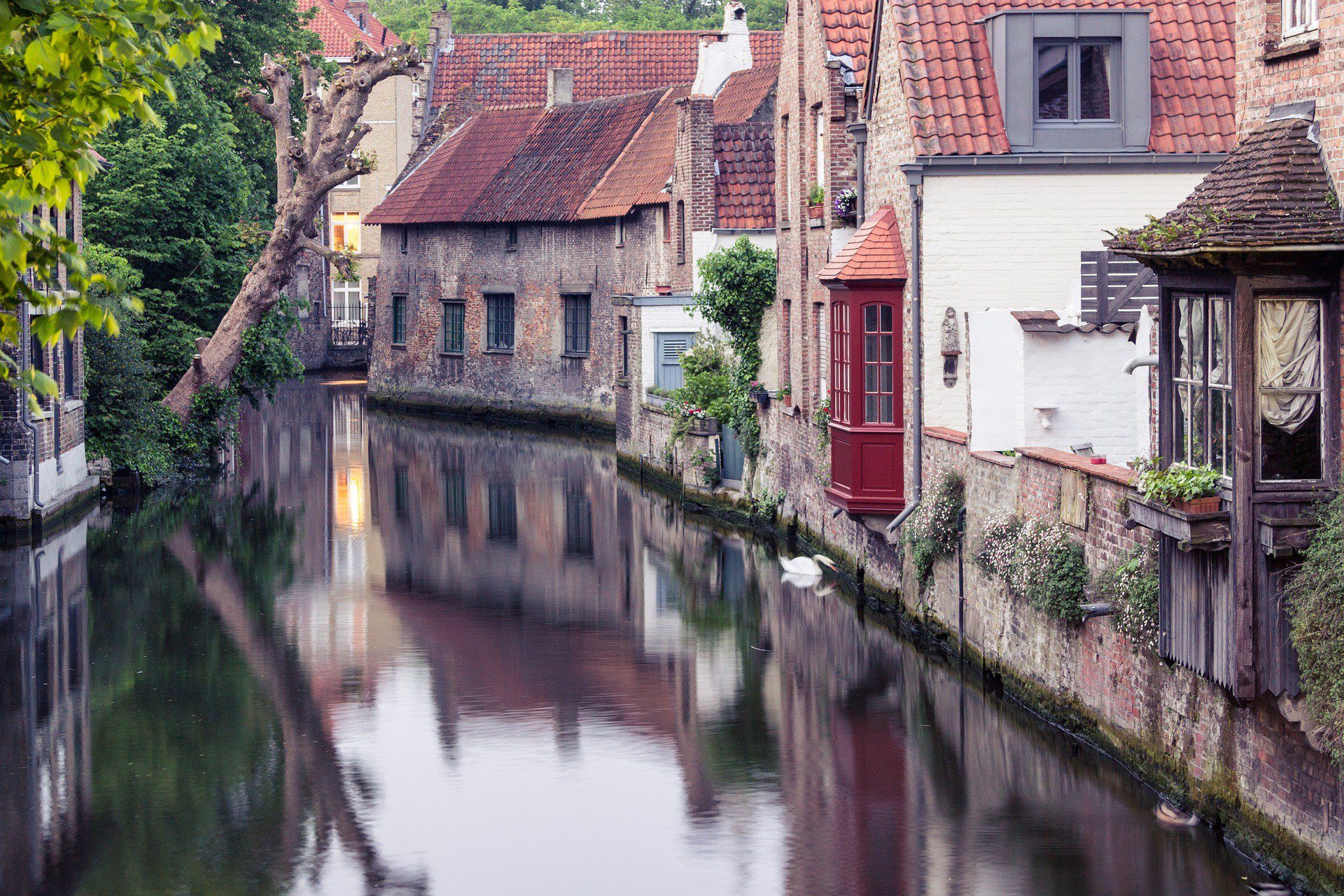
Bruges, in Belgian Flanders, is another historic city that could have come straight from an illustrated book. Canals, bridges, brick houses, medieval façades and grand squares form a harmonious whole. Autumn brings the reflection of leaves in the water, the inviting atmosphere of cafés and light that shows off the historic buildings. It is a pleasure to explore on foot, mixing famous sights with side streets, markets and small museums.
There is more to Bruges than its most photographed views. A weekend also gives you time to discover its craft traditions, food culture and relationship with the canals. For a quieter experience, a walk early in the morning or after sunset can be more rewarding than a visit confined to the middle of the day.
The ideal weekend: two days, staying overnight in the centre or using a convenient base elsewhere in Flanders, after checking train connections.
How to choose the right fairy-tale destination for an autumn weekend
The ideal destination depends on the kind of trip you want. If you love half-timbered houses, food and wine, Alsace may be the place for you; if you are drawn to castles, rivers and medieval architecture, Český Krumlov and Rothenburg are especially appealing. Hallstatt offers an unmistakable Alpine setting, Dinant puts its riverside location centre stage, Sintra enchants with gardens and romantic palaces, while Bruges invites you to spend time among canals and Flemish culture.
When planning a weekend, it is worth considering three things: connections from the airport or your departure city, how many attractions are actually open to visitors in autumn, and the available daylight hours. The most photographed place is not always the easiest to reach, and a well-known destination is not necessarily less memorable than a little-known one.
The best moments come when you slow down
Perhaps the magic of Europe’s villages and towns lies not only in their castles, towers and colourful houses. It also lies in what happens between sights: a lit window as darkness falls, footsteps on cobblestones, a shop still open, the aroma of a local dish or a bridge reflected in the water. Autumn invites you to notice these details. It cannot promise empty streets or perfect days, but it offers a different way to see a place. And often, a single weekend is enough to discover that fairy tales—at least those made of real streets, landscapes and towns—do not belong only in books.