


Belgium is a great destination if you want to experience charming historic cities, drink beer, and eat chocolate. While there are many places throughout the country where you can enjoy these experiences, few are as popular as the city of Bruges. Travelers often stop in Bruges as a day trip from Brussels, but this delightful Flemish city has more than enough to keep you entertained on its own.
Although you can certainly spend more time in the city if you want, the best places to visit in Bruges can be condensed into a day of sightseeing. To make sure you fit it all in and don’t miss the city’s highlights, it’s best to arrive prepared, which is why we created this comprehensive Bruges itinerary. Here’s everything you need to know to make the most of 1 day in Bruges.
The Perfect 1-Day Bruges Itinerary
Part of what makes Bruges such a popular tourist destination is that visitors can truly experience the best of Bruges in just one day. While you can definitely spend more time in the city, vacation days are precious and travelers often have less time at destinations than they’d like. That’s why this itinerary shows you exactly what to do in Bruges in 1 day so you don’t miss what makes this Belgian city so special.
However, before we get to our Bruges itinerary, we just wanted to remind you to purchase travel insurance. You never know what might happen and, trust us, you don’t want to be stuck with thousands of dollars in medical bills. As a wise man once said, “If you can’t afford travel insurance, you can’t afford to travel.” So don’t leave home without it.
Heymondo, FullTravel’s partner, offers travel insurance with a 10% discount for all our FullTravel readers. Just click on this link and complete your purchase with the discount already applied.
Now that we’ve covered this important topic, let’s move on to our Bruges travel itinerary. Keep reading to find out how to fit in all the best things to do in Bruges.
Note: if you want to learn more about Bruges’ fascinating history, consider booking a guided walking tour. On this tour, a private guide will show you all the city’s historical highlights as well as some of Bruges’ quieter neighborhoods.
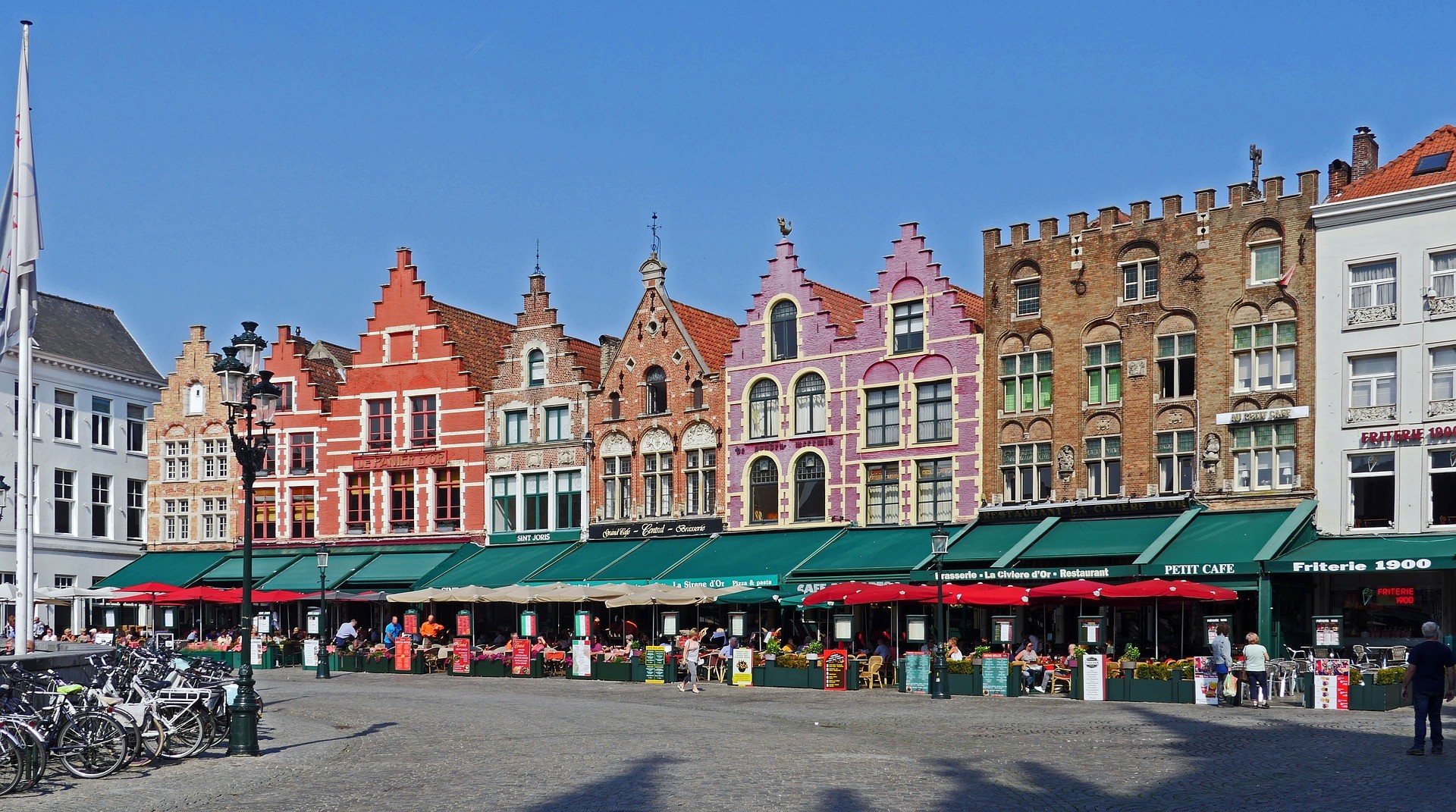
Markt
There’s no better place to start your stay in Bruges than the magnificent Markt, an old-style market square located right in the heart of Bruges’ historic center and surrounded by some of the city’s most captivating landmarks. The buildings date from different eras and feature various designs, from colorful gabled houses to the ornate neo-Gothic provincial court.
Other great squares around Bruges worth visiting include De Burg and Jan Van Eyck Square, but for immediate impact, Markt is hard to beat. This is also where Bruges’ main Christmas market takes place, with its wooden stalls and ice skating rink.
Belfry of Bruges
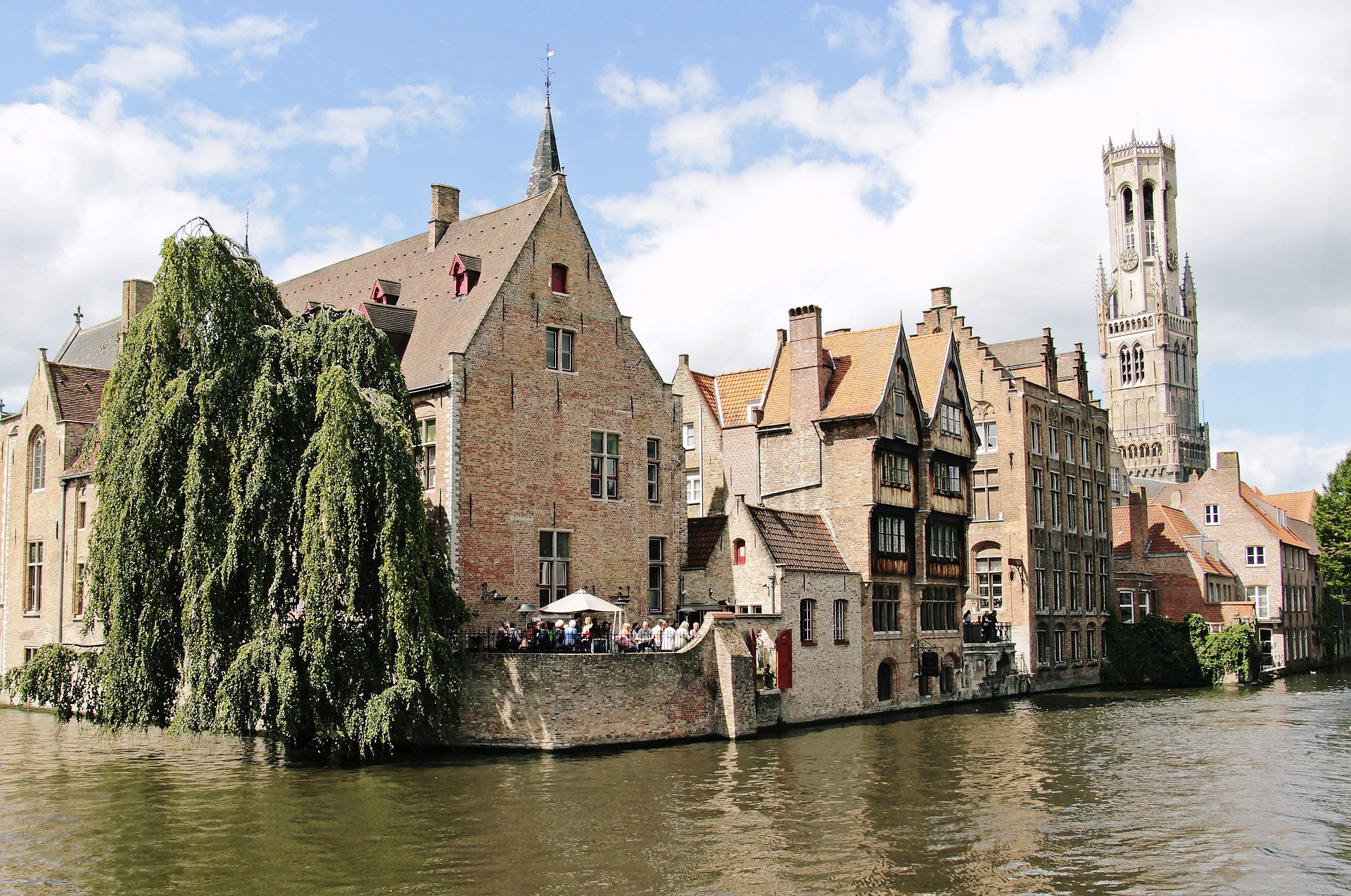
There’s another attraction on the Markt that visitors will want to spend a little more time on: the imposing city belfry. The Bruges Belfry rises 83 meters (272 feet) above the square, making it hard to miss. It’s also a rather distinctive building since the tower emerges from the roof of a smaller building: the covered market Halle.
Inside the tower is a melodious carillon of 47 bells that play regularly throughout the city. Visitors can climb to the top of this tower for its panoramic views, but the journey requires conquering 336 steps. Luckily, halfway up the stairs is the Old Treasury, where you can catch your breath while viewing the city’s historic documents.
Basilica of the Holy Blood
Taking Breidelstraat out of the Markt, you’ll quickly reach De Burg Square, home to the exclusive Basilica of the Holy Blood. Admiring the church from the square, you might think it’s important because of its ornate and gilded facade or its unconventional shape.
However, the reason this basilica is a must-see attraction has to do with the legend of its sacred relic, which, as the name suggests, contains the blood of Christ. The sacred relic, held in a vial, is one of many brought here after the Crusades and is taken out twice daily for veneration by the faithful. Even if you miss these special services, it’s worth taking a peek inside this elaborate 12th-century church.

Canal Tour
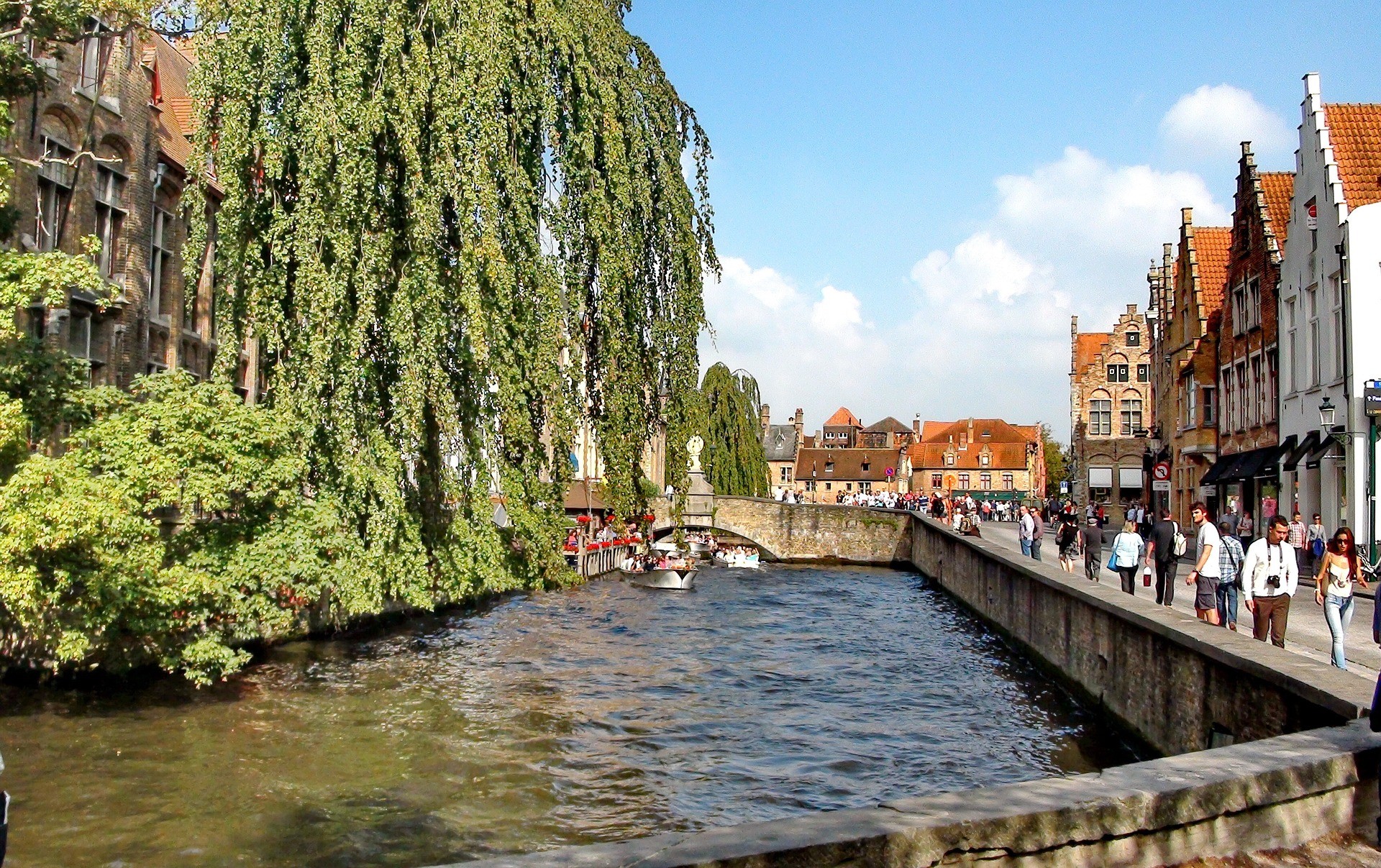
Bruges is a city famous for its picturesque canals, so you’ll definitely want to allow plenty of time to explore them. There are several ways to organize your visit, from the ever-popular canal boat cruises to cycling along them or simply walking. Regardless of your approach, Rozenhoedkaai is an ideal starting point. With the belfry tower in the distance, this spot offers a classic view of the charming canal scenery. Another classic spot to visit is the Langerei, with its series of lovely bridges.
Church of Our Lady Bruges
While there are many churches in Bruges, another important one not to miss is the Church of Our Lady. This monumental Gothic Catholic church was built between the 13th and 15th centuries and boasts the tallest tower in all of Belgium, standing 115 meters (379 feet) tall. But it’s actually inside the church where you’ll find its most impressive elements, from splendid golden tombs of dukes and duchesses to the famous Madonna and Child sculpture by Michelangelo.
After visiting the Church of Our Lady, be sure to walk behind the building to visit Boniface Bridge, perhaps the most romantic spot in the city. This charming brick bridge sits over one of Bruges’ most scenic canal stretches and is every photographer’s dream.

Saint John’s Hospital
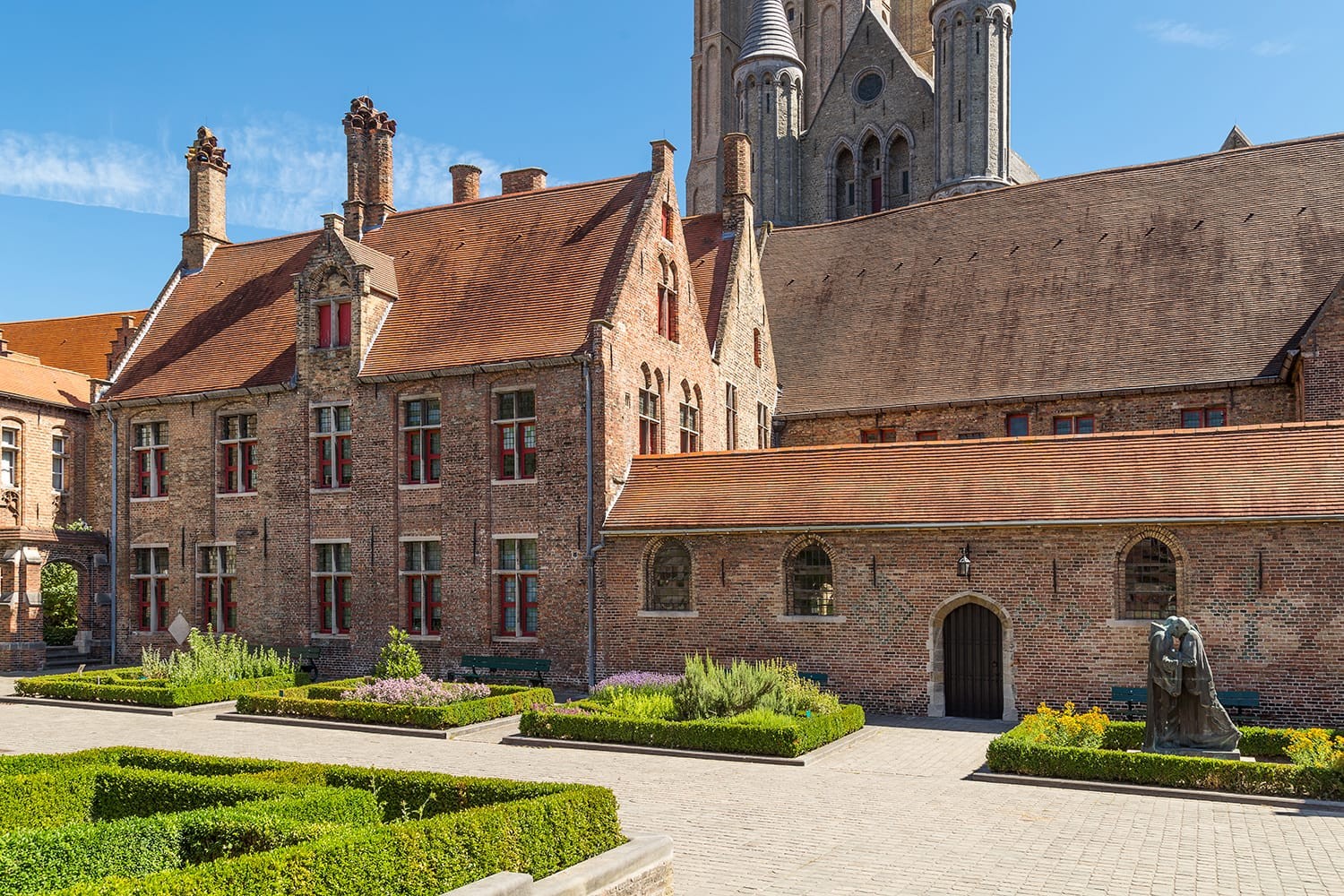
There are also many museums around Bruges where visitors can learn more about the city, but one of the most unusual is Saint John’s Hospital. Located just across the street from the Church of Our Lady, this museum and art gallery is housed inside an 11th-century hospital, one of the oldest in Europe. If the idea of seeing what a medieval hospital looked like doesn’t immediately appeal, then its artworks and exhibits on medieval medical instruments and medicines are sure to.
Beguinage
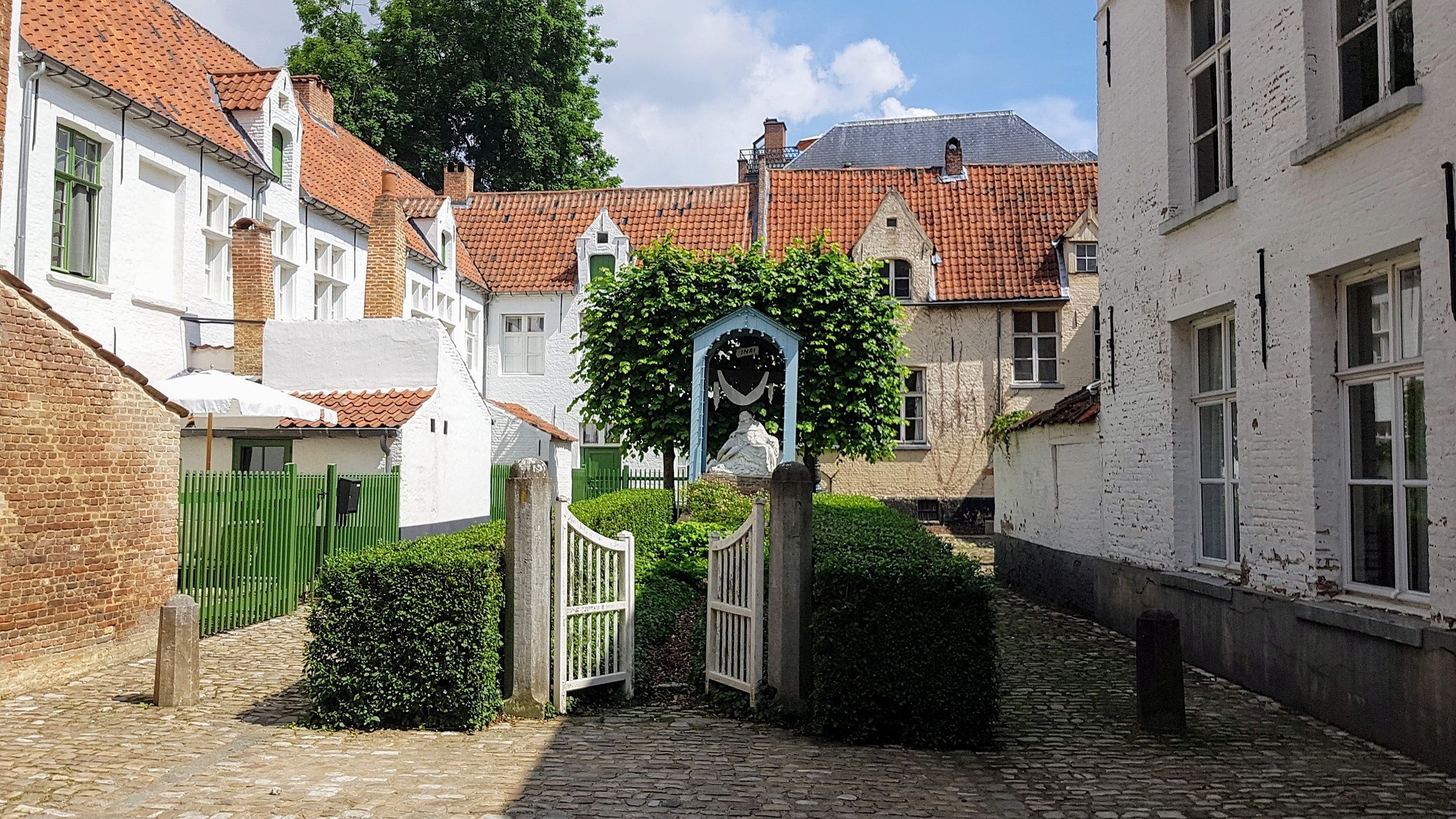
Venturing further from the city center, our next stop is the beautiful white houses of the Bruges Beguinage. This beguinage, a community for unmarried laywomen who chose to lead a religious life, dates back to 1245 and is unlike anywhere else in the city. Centered on a small tree-filled park, it is lined by traditional white houses now inhabited by nuns of the Order of Saint Benedict. The park is a must-see in spring when daffodils and other flowers bloom creating a sea of colors.
Minnewater
A pleasant spot to end your time discovering Bruges is with a waterside stroll at the enchanting Minnewater. Taking the southern exit from the Beguinage, you’ll arrive at one end of this sweet lake and its peaceful surroundings. Walk along the waterfront up to the solitary Poertoren tower. On the other side of the bridge is Minnewater Park, a beautiful and tranquil place dotted with picturesque buildings nestled in greenery.

Have More Than 24 Hours in Bruges?
By now, you should feel confident about how to spend your first 24 hours in Bruges. But what should you do if you have more time? There are certainly other places to visit around the city, including churches, museums, and the bike path along the scenic Damme Canal. Another option, however, is to visit some other Belgian cities on a day trip. Keep reading for some tips.
1. Ghent
To see another memorable Flemish city like Bruges, make Ghent the target of your day trip. This university city is a bit larger than Bruges and features sublime Gothic architecture that makes it a genuine pleasure to visit.
Start with Saint Bavo Cathedral, an imposing cathedral that houses the famous altarpiece Adoration of the Mystic Lamb. Around the cathedral, there is a large pedestrian area featuring several important city landmarks, from the elegant Ghent Belfry to the modern City Pavilion and the impressive city hall.
Continuing through the historic center, you soon reach the charming and scenic quay of the Leie River, lined with all sorts of wonderful buildings. Follow the river north over winding cobbled streets to reach the dramatic Gravensteen Castle, which boasts, among other things, fantastic city views.

2. Brussels
Rather than taking a day trip to Bruges from Brussels, why not do the opposite and head to the capital for the day? Due to the many international organizations calling Brussels home, the city has an unfair reputation for being boring, but those who visit quickly learn how charming and fun it can be.
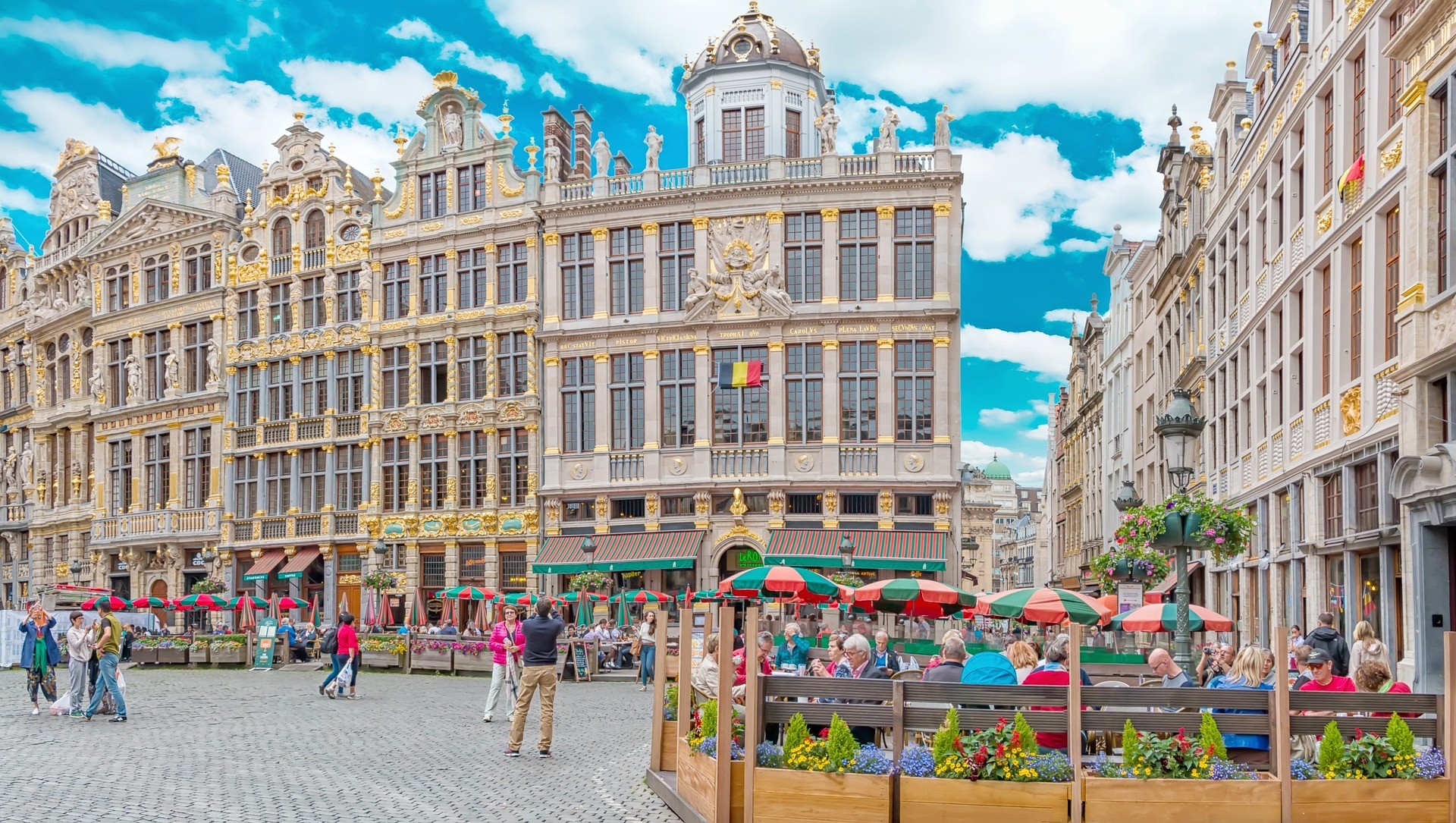
There’s no better place to start a visit to Brussels than the extravagant Grand Place. While it’s famous for the flower carpet that livens the square every two years, it’s also lined by magnificent architecture best seen in the Gothic city hall.
From there, it’s a short walk to the iconic but disappointing Manneken Pis statue. A better use of your time is exploring different parts of the city center. The Lower Town has the splendid Mont des Arts gardens or Petit Sablon Square and luxury boutiques inside the Les Galeries Saint Hubert arcade. For culture, visit the Brussels Comic Strip Centre which blends Belgium’s love of comics with stunning Art Deco architecture.
3. Antwerp
Antwerp is another major Flemish city definitely worth a day trip, especially for the links it has with art and history. Even just arriving in Antwerp is special thanks to the eclectic architecture of Antwerp’s railway station, one of the grandest train stations you might encounter.
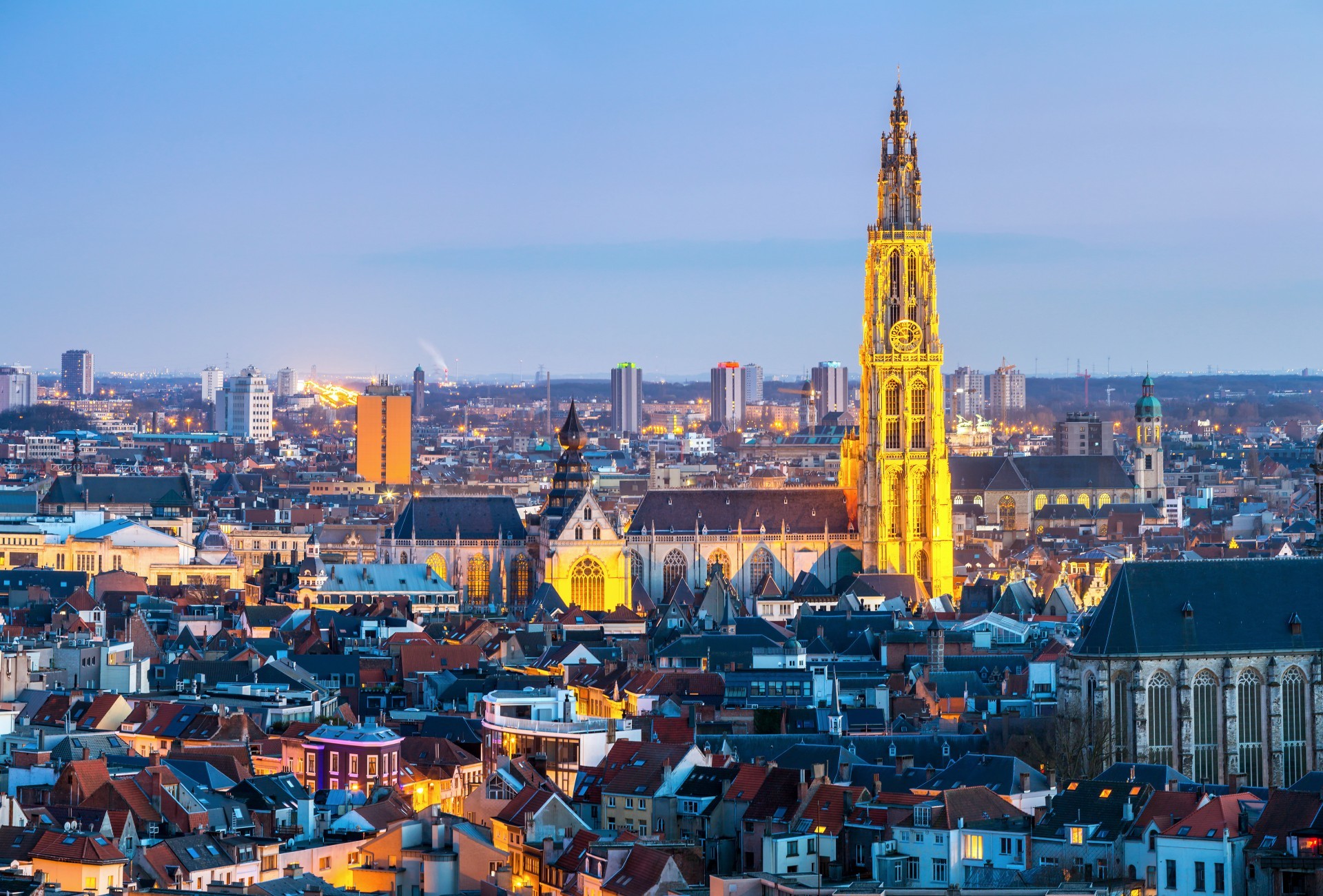
As cliché as it sounds, start your visit at the city’s main square, where you’ll find the illustrious City Hall and the atmospheric Brabo Fountain. From there, it’s a short walk to the Cathedral of Our Lady which features artworks by famous local artist Peter Paul Rubens. Later, you can also visit the historic Rubens House where the artist lived and see many more of his works.
Other cultural landmarks around Antwerp include the UNESCO-listed Plantin-Moretus Museum, which traces the history of the printing press, and the modern Museum aan de Stroom which houses over 470,000 pieces related to Antwerp’s history. A fun activity while visiting the city is trying to find the various hidden passages and alleys, such as Vlaeykensgang Alley or Felix Passage.
This sums up everything you need to know about visiting Bruges in 1 day, also giving you ideas on what to do if you have more time there. Hopefully, you now understand why it’s such a worthy inclusion on your Belgium itinerary.
Best Time to Visit Bruges
One of the most important parts of travel planning is determining the best time to visit Bruges. As with most places, the number of tourists and weather conditions will have a big impact on your decision.
The busiest time to visit Bruges, or even anywhere in Belgium, is always summer. From June to September, you can expect huge crowds of tourists around the city, leading to higher accommodation prices and longer lines to board the city’s famous canal boat tours. Therefore, it’s best to avoid summer if possible.
Travelers are better off planning their trip for spring or the Christmas season. Visit Bruges around April or May and not only are there fewer tourists, but the city is full of beautiful colors as flowers bloom everywhere. And while Bruges can be cold before Christmas, the city is completely transformed by its Christmas markets and surprisingly free of visitors.
Getting Around Bruges
Those intending to visit Bruges will be pleased to know that it’s a fairly easy city to get around since it’s both relatively compact and very flat. It also helps that most visitors won’t explore far beyond the heart of its historic center.
This means Bruges is a destination travelers can comfortably explore on foot without the need for cars or public transport. Indeed, if you have a car, it’s probably best to leave it in one of the many parking lots outside Bruges’ city center.
If walking around Bruges doesn’t appeal to you, there are several alternatives including cycling. The bike is a daily part of life in Belgium and a great way to experience the city. There are several bike rentals offering bicycles by the hour or day, typically €5 per hour or €10-20 per day.
Public transport is the other main option for getting around Bruges, with some selected routes crossing the historic center. Bus tickets start at €3 for a 60-minute ticket with unlimited transfers; they are purchased at ticket machines, at the station, or with the De Lijn app.
Where to Stay in Bruges
The right accommodation can elevate a good trip into a fantastic one, so deciding where to stay in Bruges is quite an important decision. Fortunately, Bruges is full of lodging options and has a simple layout, which should make it easy to find a suitable place to stay. Most accommodations in Bruges are found in the city’s historic center.
The key thing to keep in mind is you really need to book in advance if you’re traveling in high season. Below are our recommendations for the best places to stay in Bruges across different budget ranges.
Treat yourself to a stay at Hotel Dukes’ Palace Brugge, a luxury hotel housed within a splendid 15th-century residence. The five-star hotel offers spacious and elegantly furnished rooms, as well as a spa, garden terrace, bar, and restaurant.
For a good balance of comfort, style, and value, Hotel Monsieur Ernest is a fantastic place to base yourself. This three-star boutique hotel is housed in a converted former brewery and features rooms with stylish decor and an excellent free breakfast.
Belgium isn’t the cheapest destination, but a budget-friendly option for travelers is Hostel Lybeer Bruges. This conveniently located hostel offers dormitories and private rooms, a shared kitchen, and regular activities like beer tastings and karaoke nights.
For more accommodation options in Bruges, check Booking.com. They continually offer the best rates and their personalized service is perfect.



