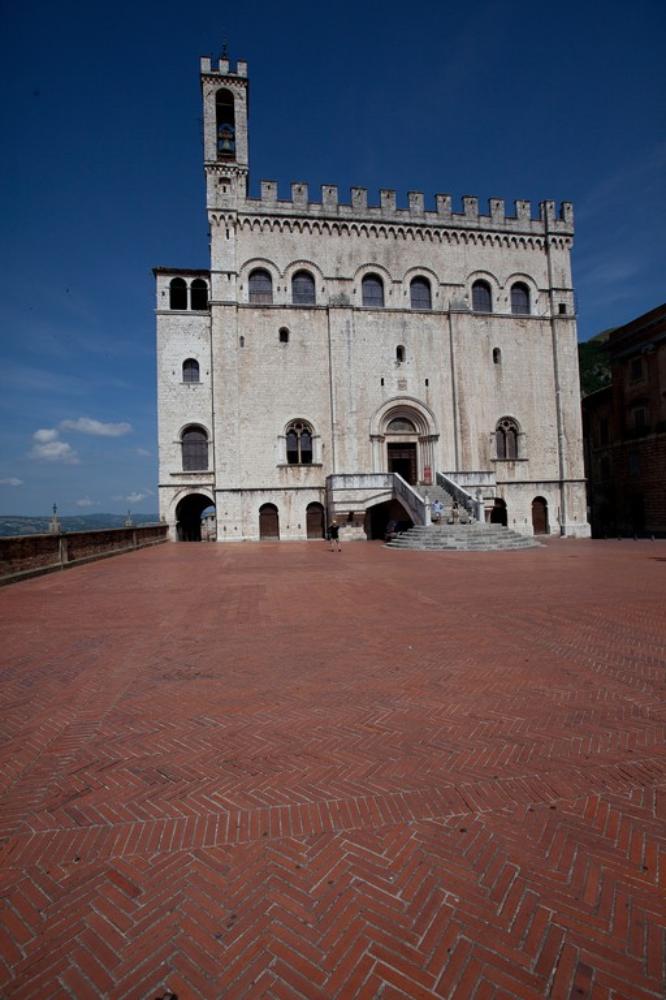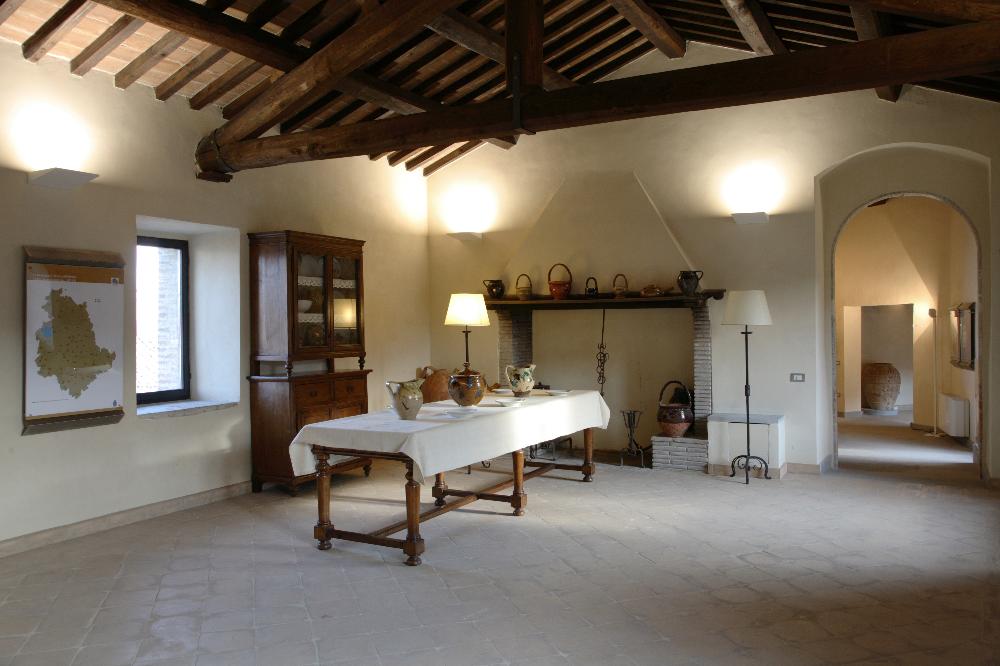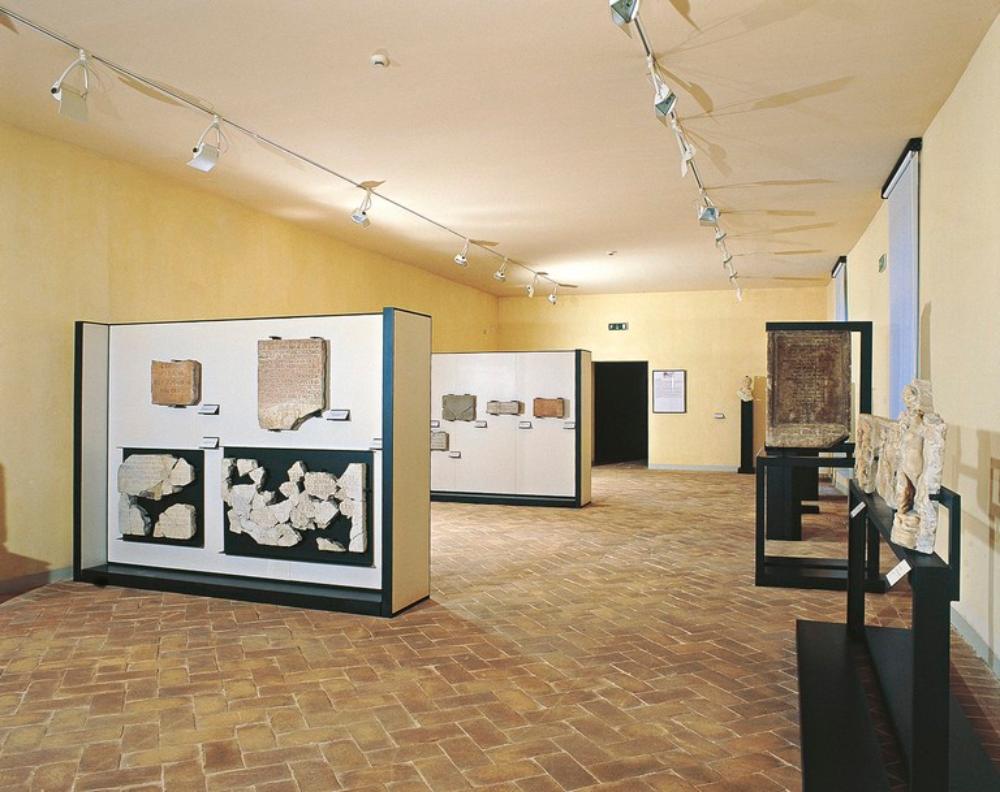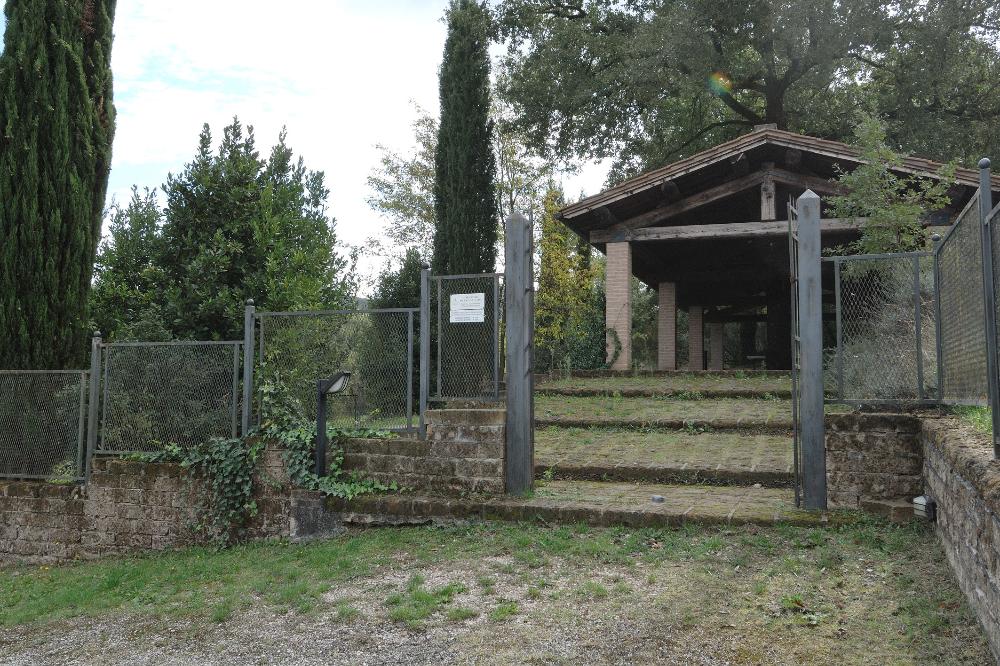


It extends in the area of Grotta Traiana, in the small village of Villa San Faustino in the municipality of Massa Martana, a short distance from the ancient route of the Via Flaminia and the Ponte Fonnaia.
It is the only known catacomb in Umbria and a precious testimony to the spread of Christianity that reached this territory as early as the 4th century AD precisely through the Flaminia. The permanent arrangement of the entrance and the long gallery makes the visit to the underground burial site easy, based on the system of “loculi,” which reflects the sense of community that animated the early Christians.
First reported in 1691 by erudite locals under the name Grotte di Traiano, the catacomb was rediscovered in 1900 and early in the 1940s underwent two excavation campaigns that cleared most of the galleries from earth, later used as an air-raid shelter during the years of the Conflict. Restoration works aimed at making the hypogeum accessible to the public followed between 1996 and 1997, during which a new frequented area emerged, related to a small funerary basilica intended for more strictly cultual functions.
The catacomb develops through a straight corridor about 22 m long, which penetrates inside the hill to a depth of about 7 m from the ground level; from this corridor, four galleries branch off, two on each side, one with a semicircular layout, about 1.50 m wide with a flattened vault roof. Along the walls, there are overlapping rows of loculi of various sizes, often closed by tiles, accompanied by simple terracotta lamps as grave goods, while on the floor some formae have been dug, also closed with tiles, bearing circular marks incised before firing. The absence of inscriptions, usually placed on the closing slabs of the tombs showing the name of the deceased, suggests that the catacomb belonged to a non-literate class. The lamps and other recovered materials indicate usage of the area between the 4th and 5th centuries AD.
The practice of burying the dead in underground spaces dates back already to the Etruscans, but with Christianity, much more complex and extensive underground burial places were created to accommodate the entire community in a single necropolis. The ancient term to designate these places is coemeterium, which derives from Greek and means “dormitory.” The term catacomb, which originally defined only the important complex of San Sebastiano on the Via Appia, was later extended to all Christian cemeteries.
Information about Catacomb of Villa San Faustino
Vocabolo Schiaccia, 84
06056 Massa Martana (Perugia)
075 889371,347 8487128
[email protected]
Source: MIBACT