In the Wicklow Mountains (which do not exceed 915 meters), on the northern slope of the region, unique places are concentrated, such as the monastery of Glendalough and the wonderful Powerscourt gardens, offering the opportunity for pleasant walking excursions. To the south, the most frequented and picturesque routes develop along the valleys of the Slaney, Barrow, and Nore rivers.
The coasts are interspersed with solitary rocky promontories and peaceful villages, a relaxing alternative to lively and densely populated cities like Waterford, Wexford, and Kilkenny, one of the most beautiful historic cities in Ireland. Kilkenny was a stronghold throughout the Middle Ages for the Anglo-Norman Butler family, who provided it with stunning buildings, many of which have been perfectly restored. Every year in August, Kilkenny hosts the most important artistic festival in the Republic of Ireland.
Between ruins of cloisters and castles, the incredible green of its vegetation, cliffs, and gentle landscapes unfolds the itinerary of South Ireland.
South Ireland Itinerary
Departure for County Wicklow, known as the “garden of Ireland,” and visit to the monastic site of Glendalough, founded by St. Kevin, located in the heart of the so-called “valley of the two lakes.” Continue to Kilkenny to visit the castle, then proceed to Waterford or surrounding areas.

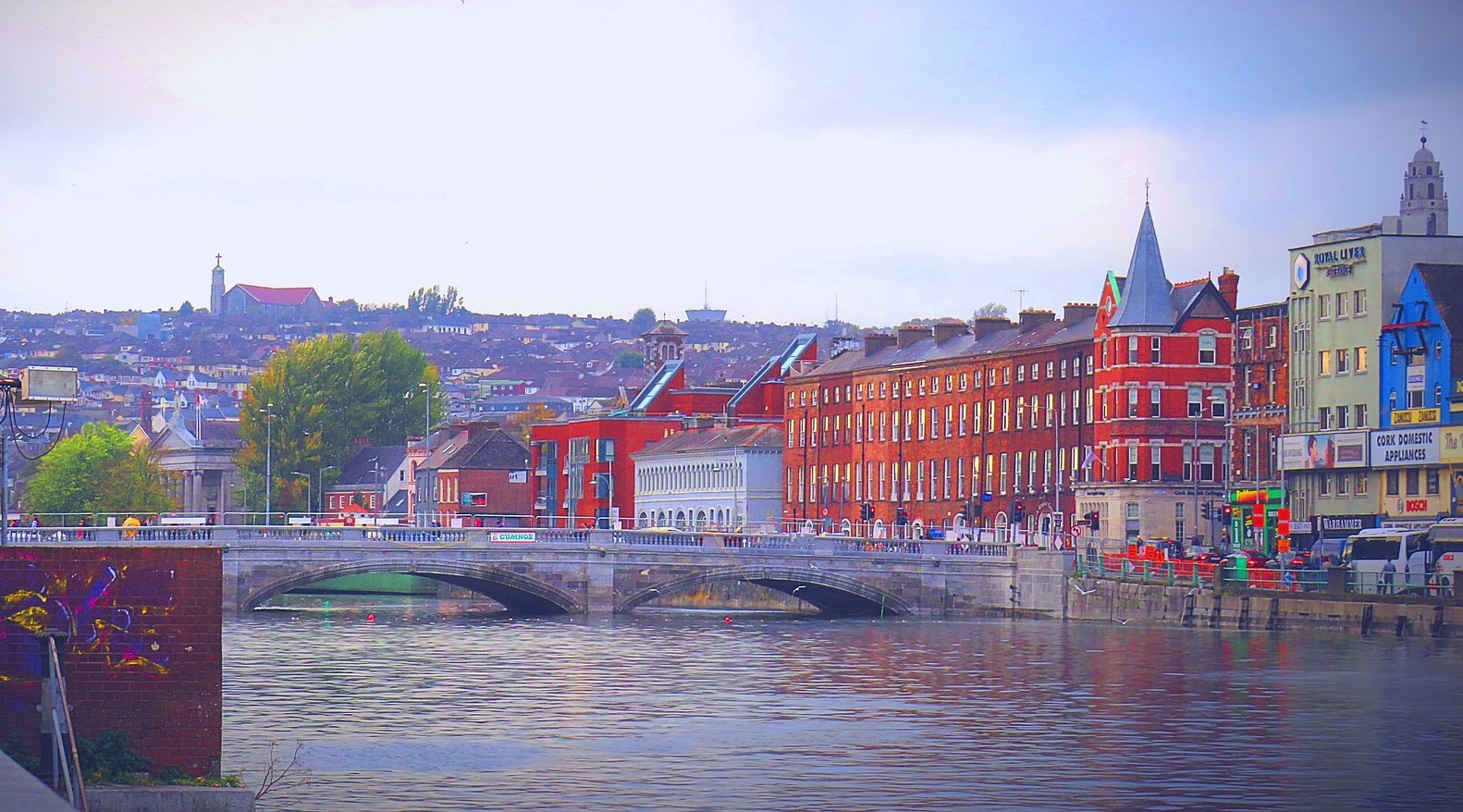
Departure for Hook Head to visit the eponymous lighthouse. At 800 years old, it is one of the oldest lighthouses in the world, and visitors can climb the 115 steps to enjoy the magic of the sea meeting the green Irish land. Continue to Midleton for a visit with tasting at the Jameson Experience and then to Cork, the second largest city in the Republic of Ireland, which still retains all its medieval charm thanks to its narrow and winding streets.
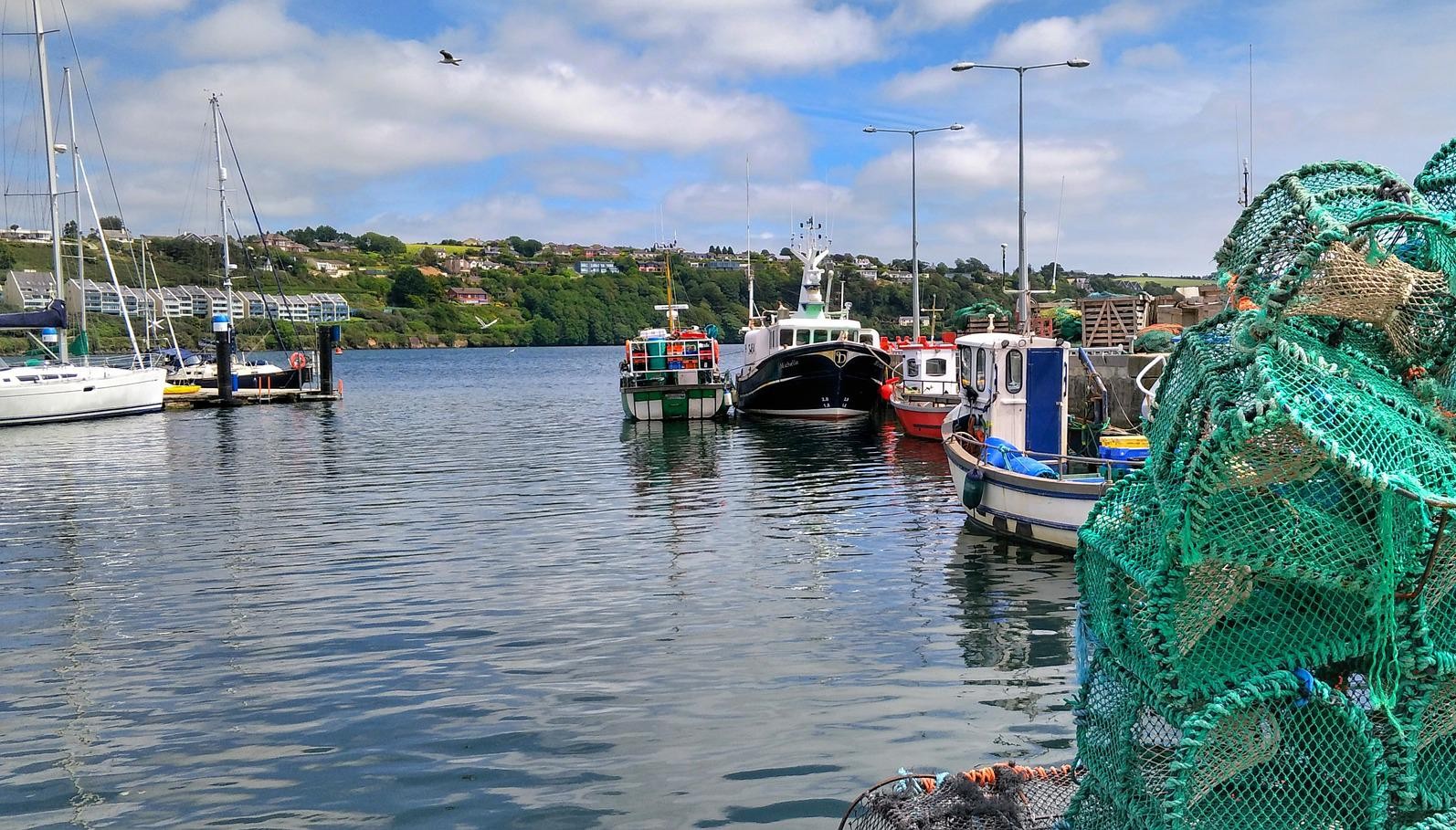
Departure for Kinsale, a picturesque town considered the “gastronomic capital” of Ireland, also thanks to its Gourmet Festival. In the afternoon, visit the Charles Fort, dating back to the 17th century and considered one of the best-preserved star forts in Europe. Visit the gardens of the Bantry House, a residence dating back to the Georgian era.
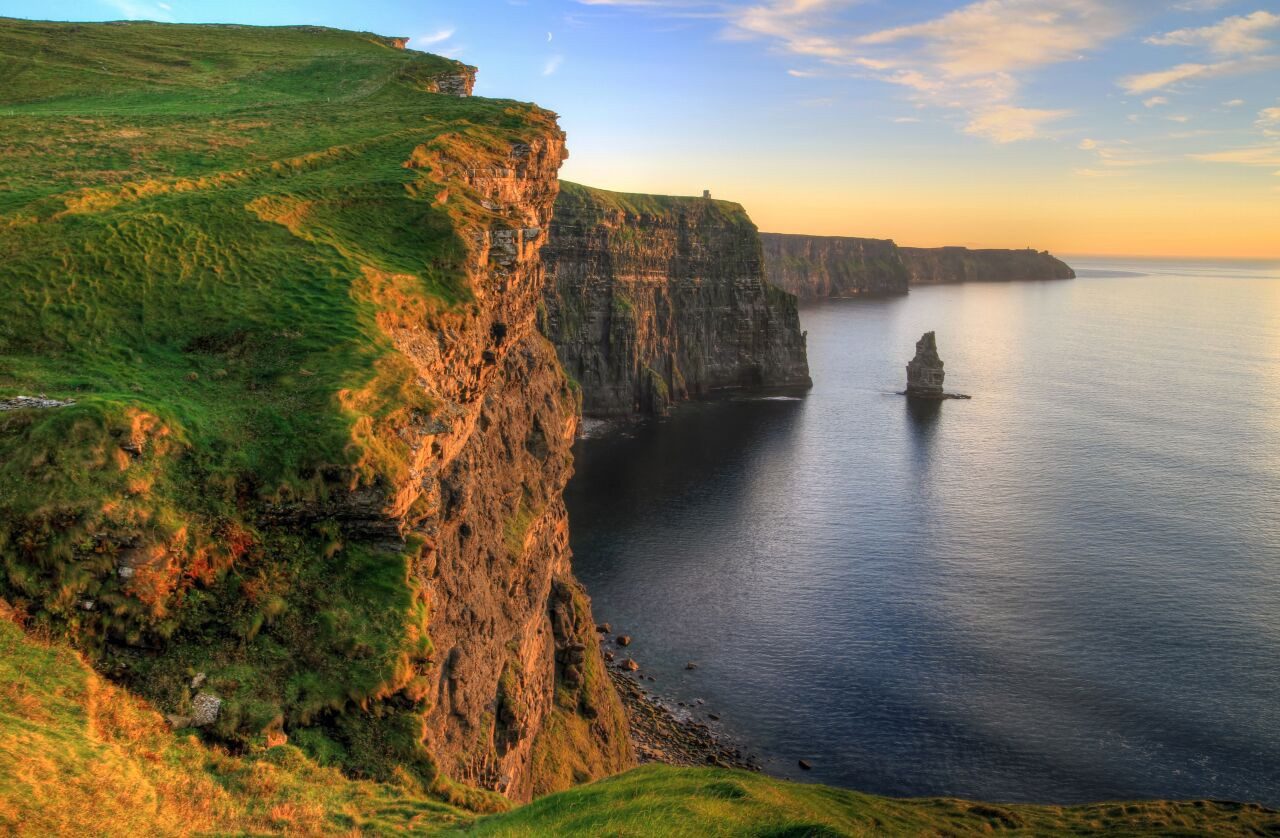
Departure northwest towards County Clare to reach the Cliffs of Moher, the majestic and imposing Atlantic cliffs, 200 meters high and 8 kilometers long. Continue to Limerick, an ancient city located on the banks of the Shannon River, which served as the backdrop for the novel “Angela’s Ashes” by Frank McCourt, also adapted into the eponymous film.
Departure for Dublin. It is recommended to make a photo stop at the Rock of Cashel along the way, one of the most photographed sites in Ireland. Upon arrival in Dublin, a city tour with entrance to the Chester Beatty Library.

Visit the Guinness Storehouse. At the end of the visit, free time to enjoy a pint of Guinness. Continue with a visit to Epic – The Irish Emigration Museum, a cutting-edge interactive experience located in the splendid undergrounds of the Custom House Quarter building in Dublin’s Docklands, the original departure point for many Irish migrants. In the evening, a visit to The Temple Bar is traditional.

Continue exploring Dublin even on the last day. The Irish capital deserves to be enjoyed.
Tip: Use our free Dublin guide or choose an unusual tour of the Irish capital. If you have little time available, we recommend the three-day Dublin guide. Don’t forget the Dublin card.