


Visiting Kyoto is a must for anyone interested in discovering Japan. Once the nation’s capital for centuries, this ancient city has long been the heart of Japanese culture and progress. Although its political power has faded over time, Kyoto still captivates as a cultural capital.
Unmissable historic sites in Kyoto
One of Kyoto’s most iconic historic sites is Heian Jingu Shrine, named after Kyoto’s former name, Heian. Unlike other ancient shrines, it was only built in 1895 but plays a key role in local history. Heian Jingu enshrines the first and last emperors of the Heian era: Emperor Kammu and Emperor Komei.
If you plan to visit, make a note of the Jidai Matsuri festival on October 22. This annual event, featuring a grand parade and elaborate costumes, celebrates Kyoto’s founding, with Heian Jingu as the focal point.

A visit to Fushimi Inari Shrine offers not just spectacular vermilion torii gates but also an insight into Kyoto’s spiritual legacy. Dating back to the 8th century, this important Shinto site is dedicated to Inari, the goddess of rice and harvests.
The shrine’s mesmerizing tunnels of torii gates—donated by businesses as offerings—are its most recognizable feature and symbolize gratitude and prosperity. Fox statues are also abundant here, as in Japanese folklore foxes are Inari’s messengers. Tradition says to gently rub a statue’s nose and make an offering for good luck!

The Tokugawa shogunate helped shape modern Japan, and their influence is immortalized in Nijo Castle. The clan patriarch, Ieyasu Tokugawa, and top-ranking relatives established their seat here.
This castle exemplifies the height of Japanese art and architecture, with intricately carved wooden panels and impeccably manicured gardens. Today, its museum draws countless visitors and remains one of Kyoto’s top cultural attractions.

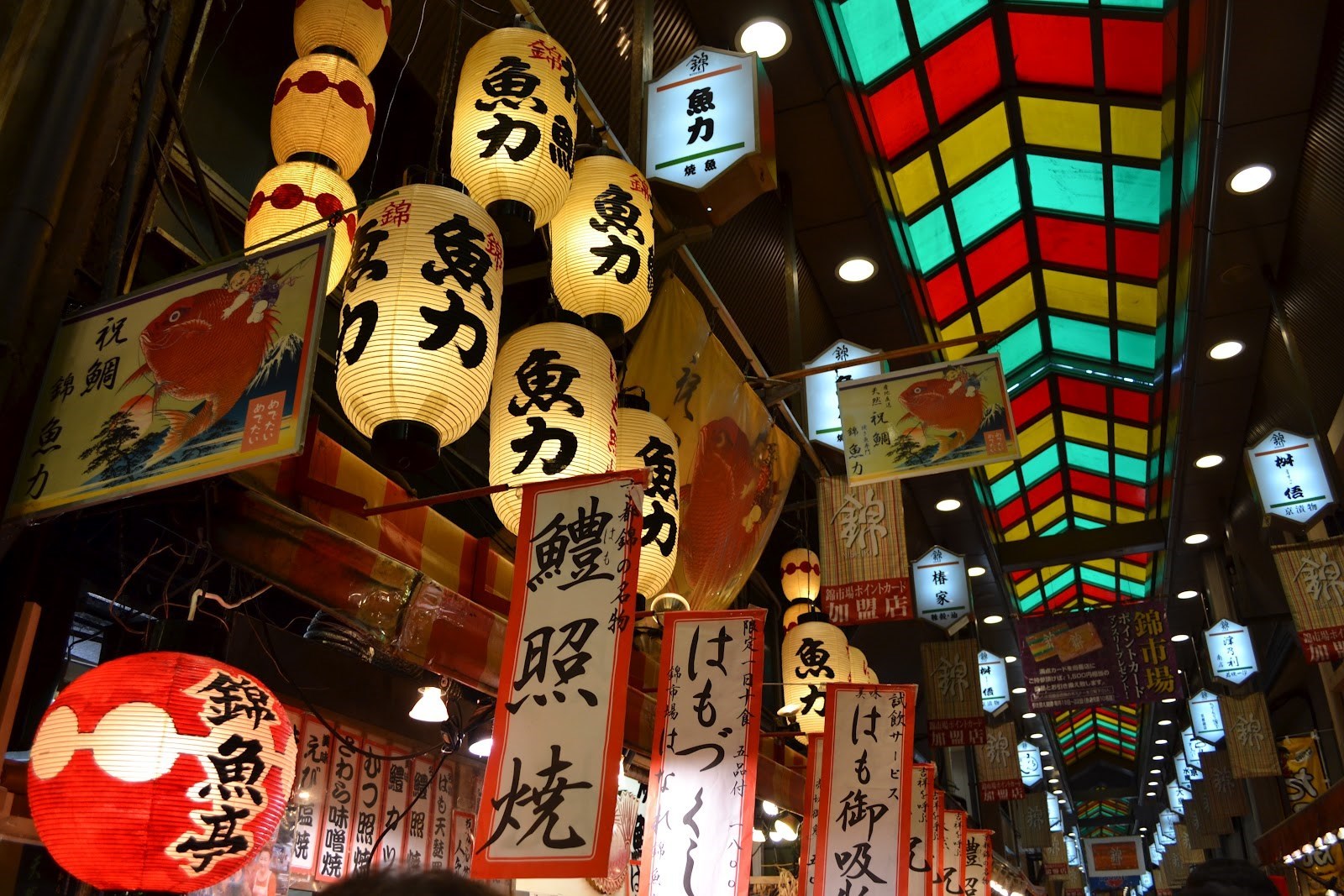
Nishiki Market is a food lover’s paradise and an essential stop in Kyoto. Known as “Kyoto’s Kitchen“, this bustling market boasts a 400-year legacy of offering the city’s tastiest bites.
Here, you’ll find crisp local produce and unique Kyoto vegetables alongside delightful traditional sweets and savory snacks like rice crackers and cakes. It’s also among the best places to shop for authentic local souvenirs.
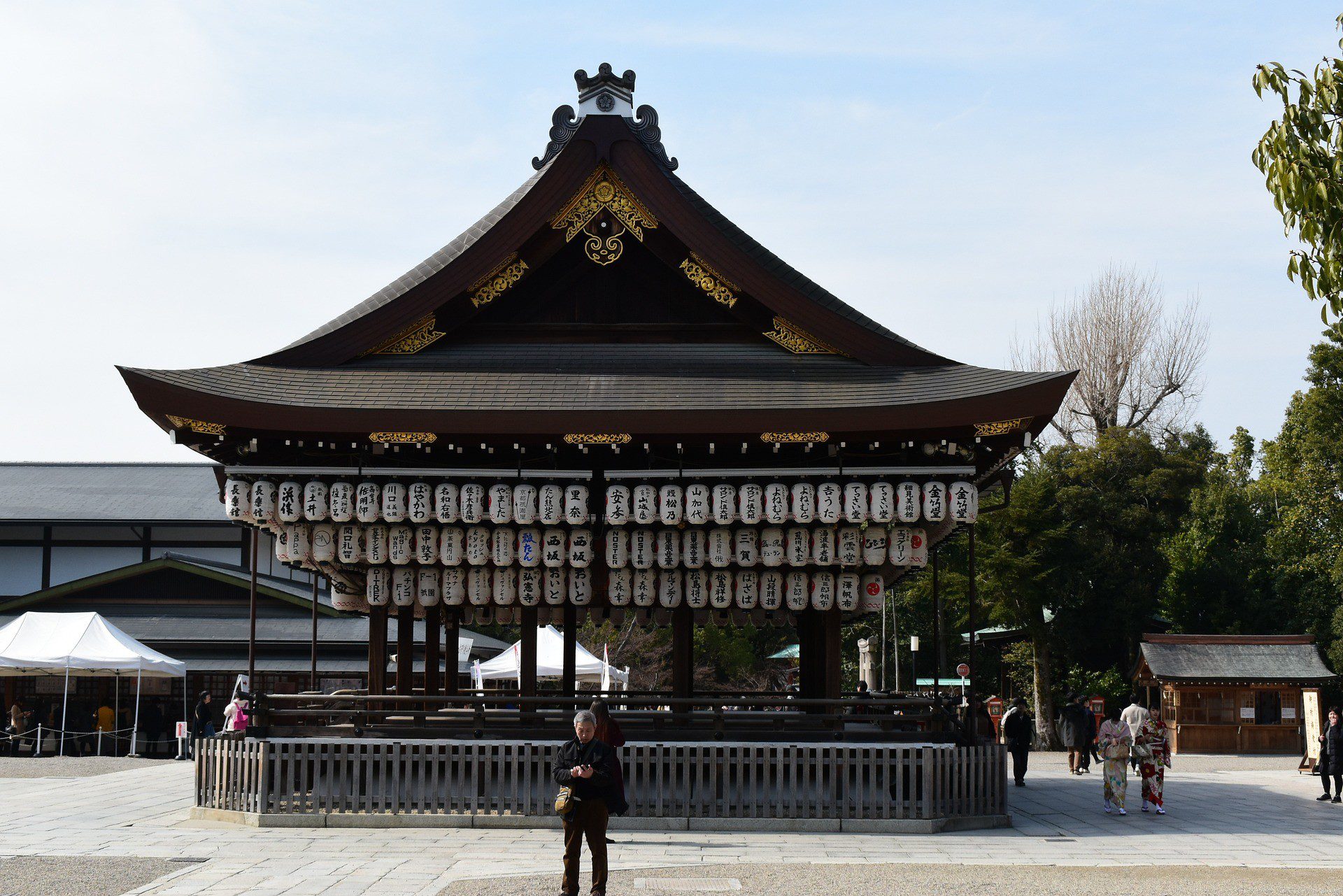
The Gion district is one of Kyoto’s most atmospheric neighborhoods, teeming with teahouses and geisha culture. At its heart sits the historic Yasaka Shrine.
This Shinto shrine honors Susanoo-no-Mikoto and his wife Kushinadahime-no-Mikoto, drawing visitors for its striking architecture. The famous Gion Matsuri, one of Kyoto’s grandest festivals, unfolds here every July.
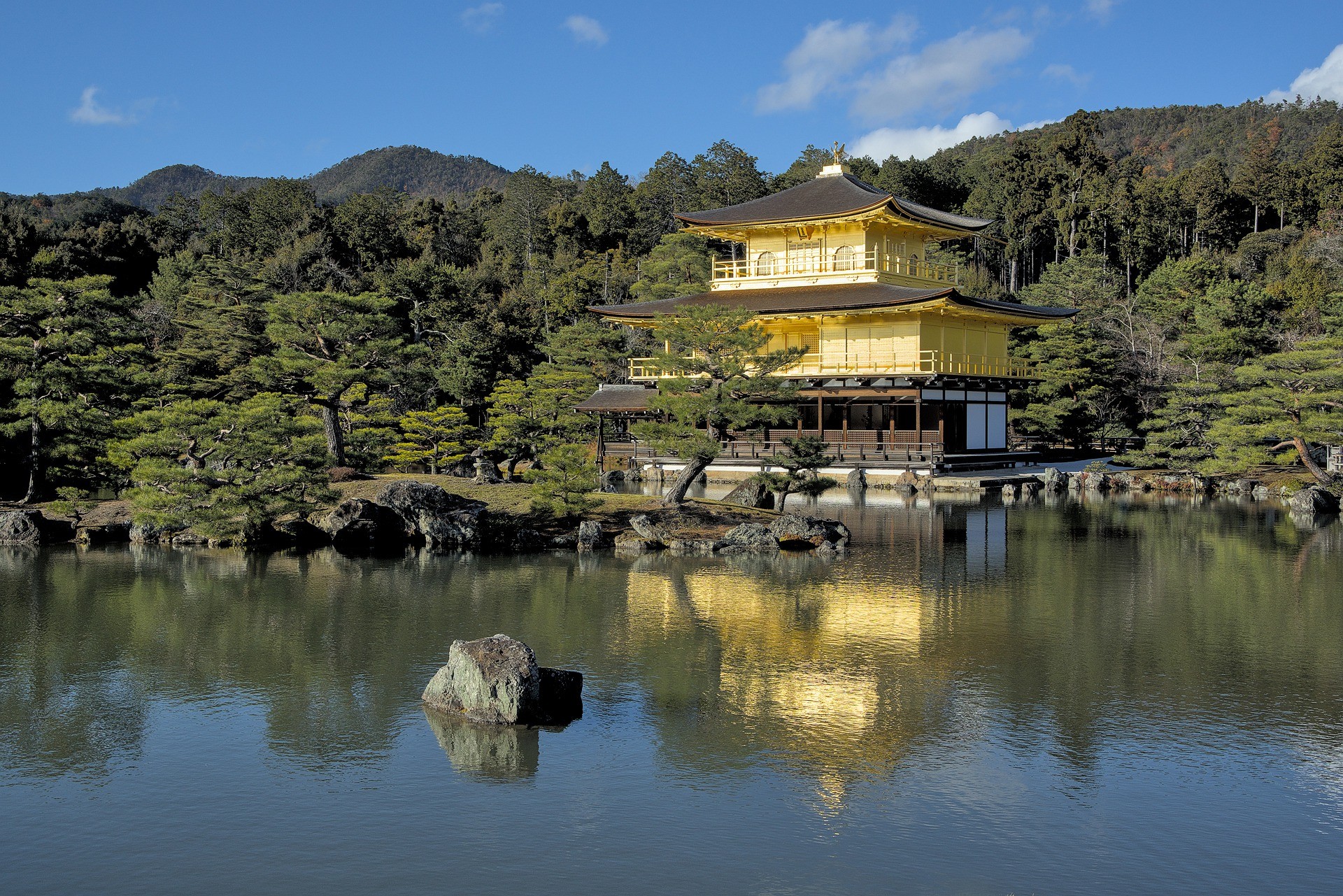
One of Kyoto’s best-known UNESCO World Heritage Sites is the dazzling Kinkaku-ji Temple, or Golden Pavilion. Its top two floors glisten with gold leaf, believed in folklore to ward off ill omens and negative thoughts about death.
Now a renowned Zen temple, Kinkaku-ji was originally the retirement villa of shogun Ashikaga Yoshimitsu in the 14th century. His son converted it into the temple we see today, featuring ancient relics and statues related to Buddhist beliefs.
The equally striking Ginkaku-ji Temple, or Silver Pavilion, was modeled after Kinkaku-ji by shogun Ashikaga Yoshimasa as a tribute to his family legacy.
Although intended to be covered in silver foil, budget limitations kept its exteriors plain. Like its golden counterpart, it later became a Zen temple and remains a symbol of refined Japanese aesthetics.

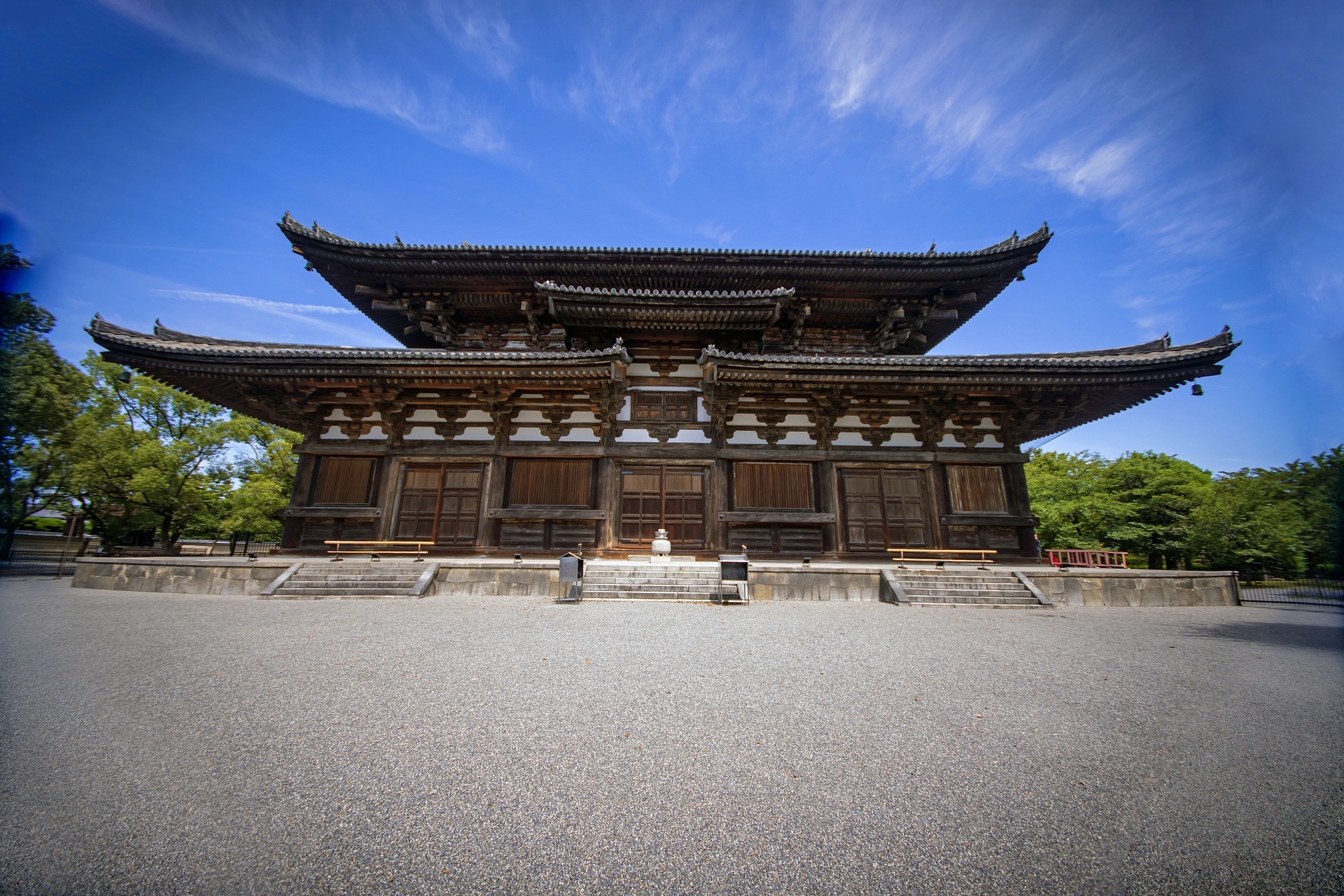
To-ji Temple is another historic Kyoto landmark not to miss. Its five-story, 57-meter pagoda once stood as Japan’s tallest wooden tower and exemplifies classical Heian architecture.
Spared from destruction during the separation of Buddhism and Shintoism in the Meiji era, To-ji is cherished as a symbol of resilience and peace. Don’t miss the monthly flea market held on the 21st—it’s an ideal spot for discovering unique Kyoto curios.
The Ashikaga shogunate was responsible for several UNESCO sites in Kyoto, and Tenryu-ji Temple, founded in 1339 by Ashikaga Takauji as a tribute to Emperor Go-Daigo, is one. Its highlights include an exquisite Zen garden designed by Master Muso Soseki. Nestled amid natural beauty, it also offers riverside walks and boat rides along the Hozu River.

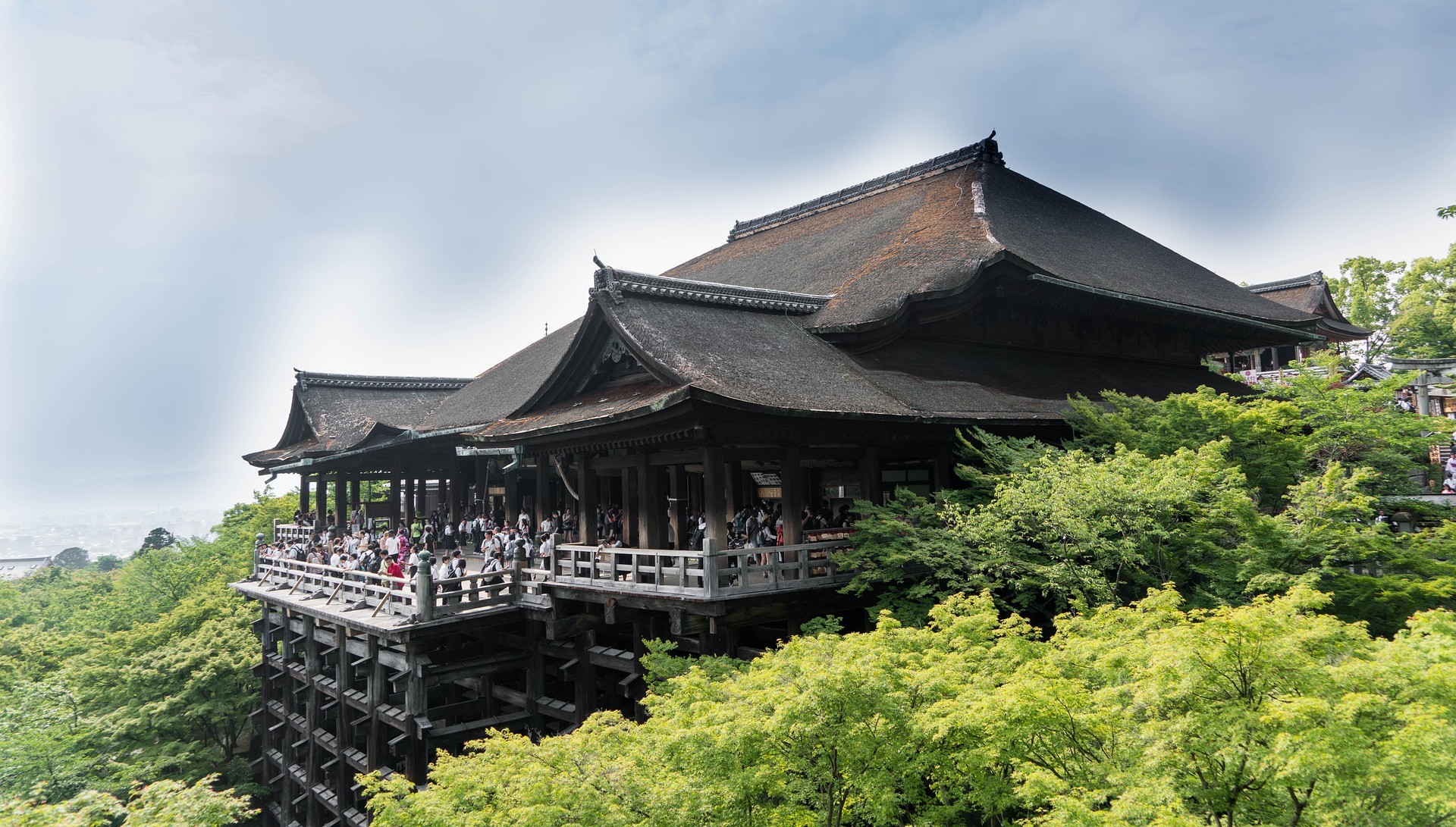
Visiting Kiyomizu-dera Temple is a sensory delight. Step onto its main hall’s veranda for an open-air panorama of Kyoto’s natural splendor—especially breathtaking amid seasonal colors.
At the base, the Otowa waterfall is believed to have life-changing, lucky properties depending on which of its streams you drink from: fortune, academic success, or love. Try your luck as generations have!
Of course, Kyoto is home to so many more historic sites that several days are needed to truly experience them all. It’s deservedly called Japan’s cultural capital—one of the most rewarding cities for every enthusiast of Japanese history.