


What to See in Tokyo in 2 Days: First Day, Gardens and Temples
Ueno District
The Ueno district, north of the city center, is the ideal starting point to explore the city. Also known for its large station – one of Tokyo’s main railway hubs – it may seem chaotic and colorful at first glance, but to find tranquility you just need to enter Japan’s oldest public garden: Ueno Park (Ueno-koen).
Already in the 17th century, this elevated plain caught attention and became home to temples and pagodas, while today it is one of the city’s most popular leisure and strolling spots – an unmissable place during hanami the Yozakura, to admire cherry blossoms at night. Standing out in the heart of the park is Tosho-gu, a Shinto shrine built in 1627 by shogun Iemitsu Tokugawa in memory of his grandfather, which has survived through the centuries, is now a national treasure and boasts, in addition to the magnificent Chinese-style gate covered with gold leaf, splendid carved ceilings, painted walls, and animal-shaped bas-reliefs.

Asakusa
From the Ueno district, continuing eastward, you reach the Asakusa area where you can experience all the charm of old Edo and the atmosphere of the ancient lower city (Shitamachi), populated by humble people, craftsmen, and full of popular theaters. Don’t miss Kaminari-mon, the imposing “Thunder Gate,” characterized by the huge paper lantern bearing the two kanji and statues of Raijin and Fujin – respectively the gods of thunder and wind – that frighten away demons.
Passing through the gate leads to Senso-ji, the oldest, largest, and most popular temple in all Tokyo. Legend has it that it was built in the 7th century by two fishermen who had recovered a small golden statue of the goddess Kannon from the river. During the Sanja Matsuri, the third weekend of May, millions attend the parade of about a hundred mikoshi (portable shrines), while on regular days, it is frequented by those praying for courage to face a challenge, by those consulting the fortune boxes, or by those who pause to breathe in the beneficial incense smoke.

Nihombashi
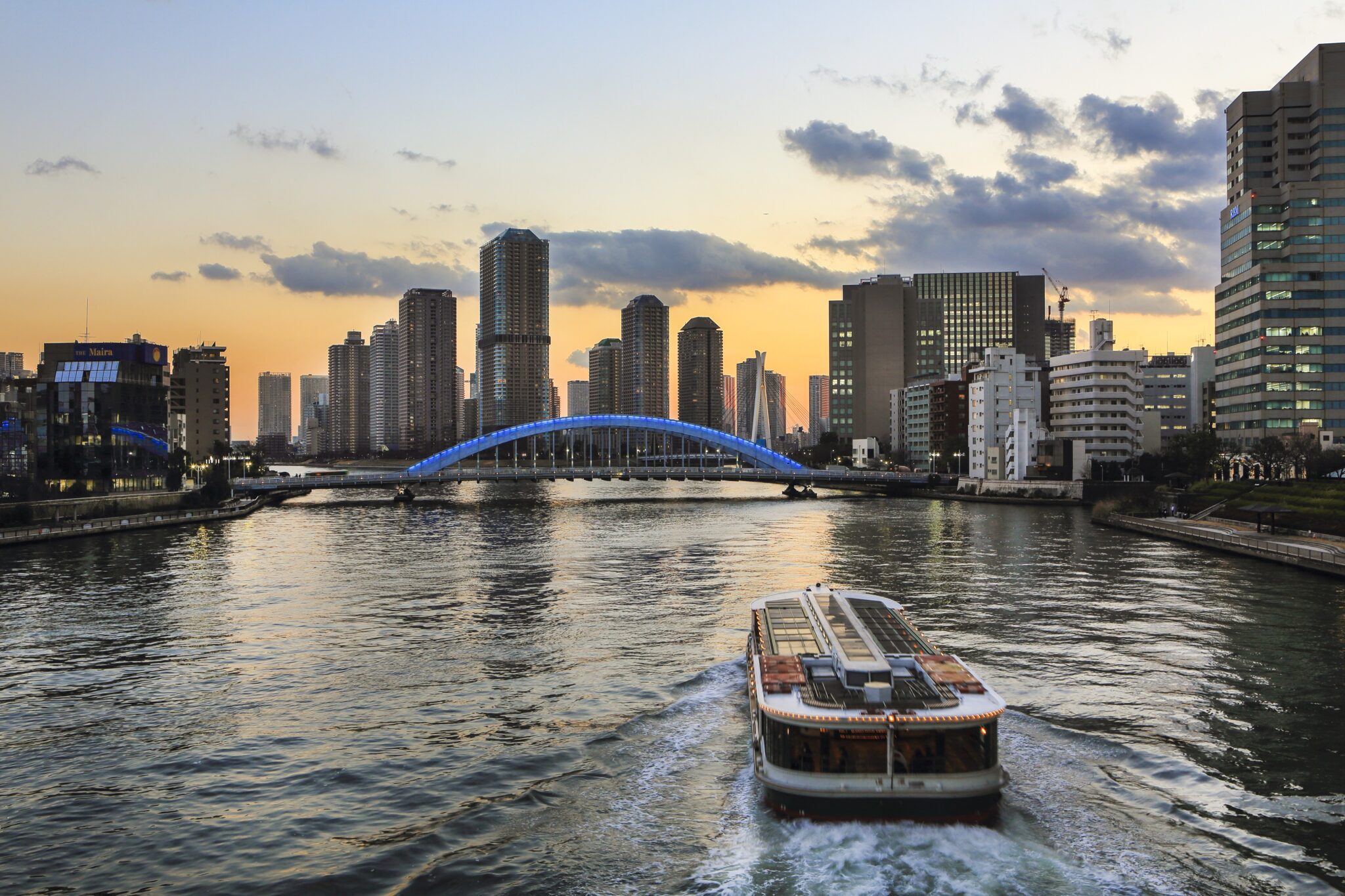
From the river to downtown. Once at the river, the Tokyo Waterway Line lets you reach the Nihombashi district, enjoying the view, and from there you enter, following the waterway branch, into central Tokyo until you arrive at the nerve center of the city: Tokyo Station. Completed in 1914 inspired by Amsterdam, the station hides beneath the tracks an underground city made of long corridors, restaurants, and an endless number of shops.
Crossing the financial district, you reach the Tokyo Imperial Palace, which since 1868, when Emperor Meiji moved the capital from Kyoto, has been the main official residence of the Emperor of Japan. Don’t miss Higashi-Gyoen (East Garden), accessible through the Ote-mon gate. Here, majestic trees, green lawns, and an incredible variety of flowers line the huge dark walls, remnants of the old Edo castle, which surround the palace. A mandatory photo from the famous Nijubashi Bridge.

Night in Tokyo
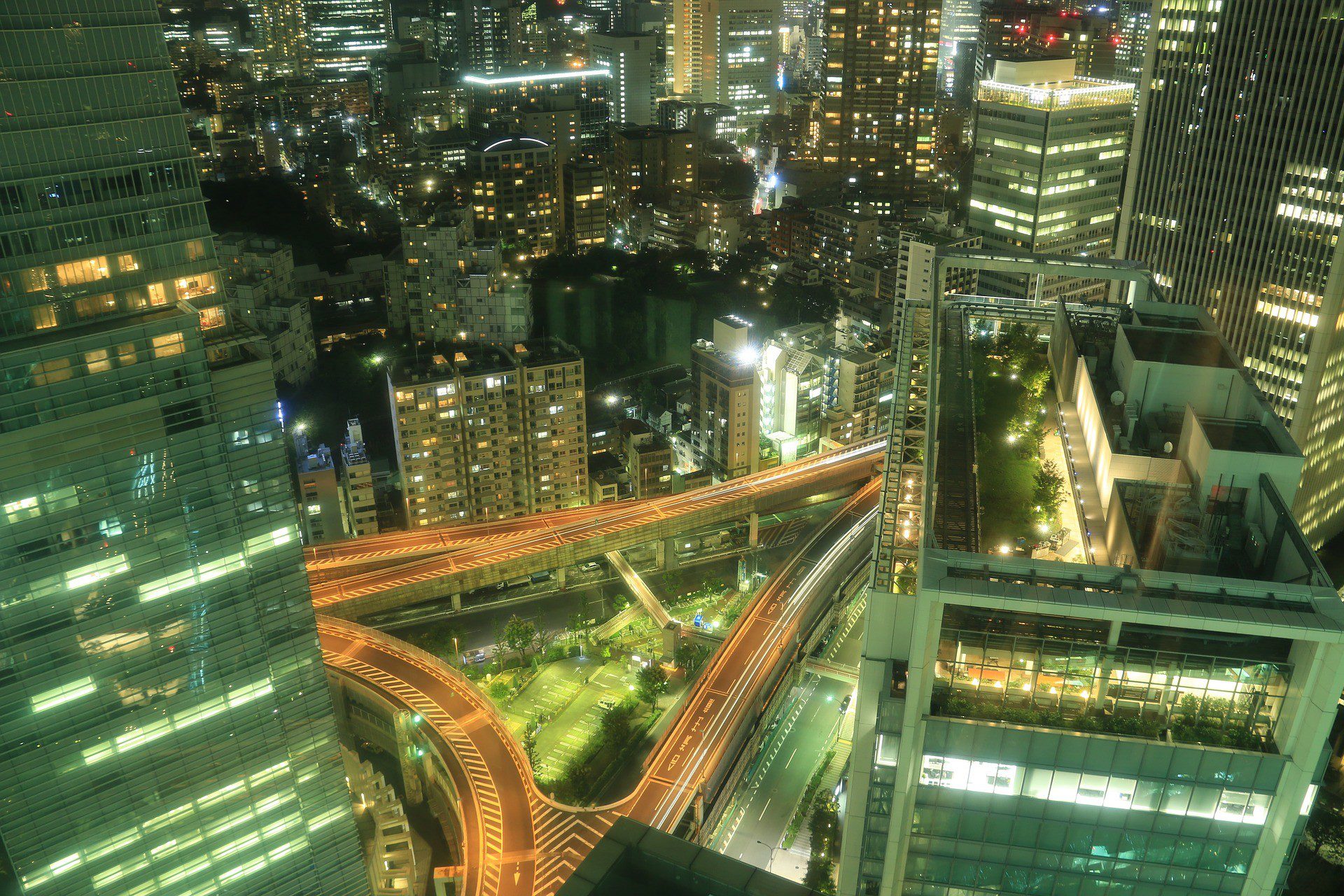
At dusk, it’s worth heading to the nearby Roppongi Hills complex, made up of towers, plazas, and suspended walkways, where a stop under Maman, a bronze and steel sculpture by artist Louise Bourgeois shaped like a spider, is a must; the sculptor dedicated it to his mother, seeing her qualities: intelligent and protective.
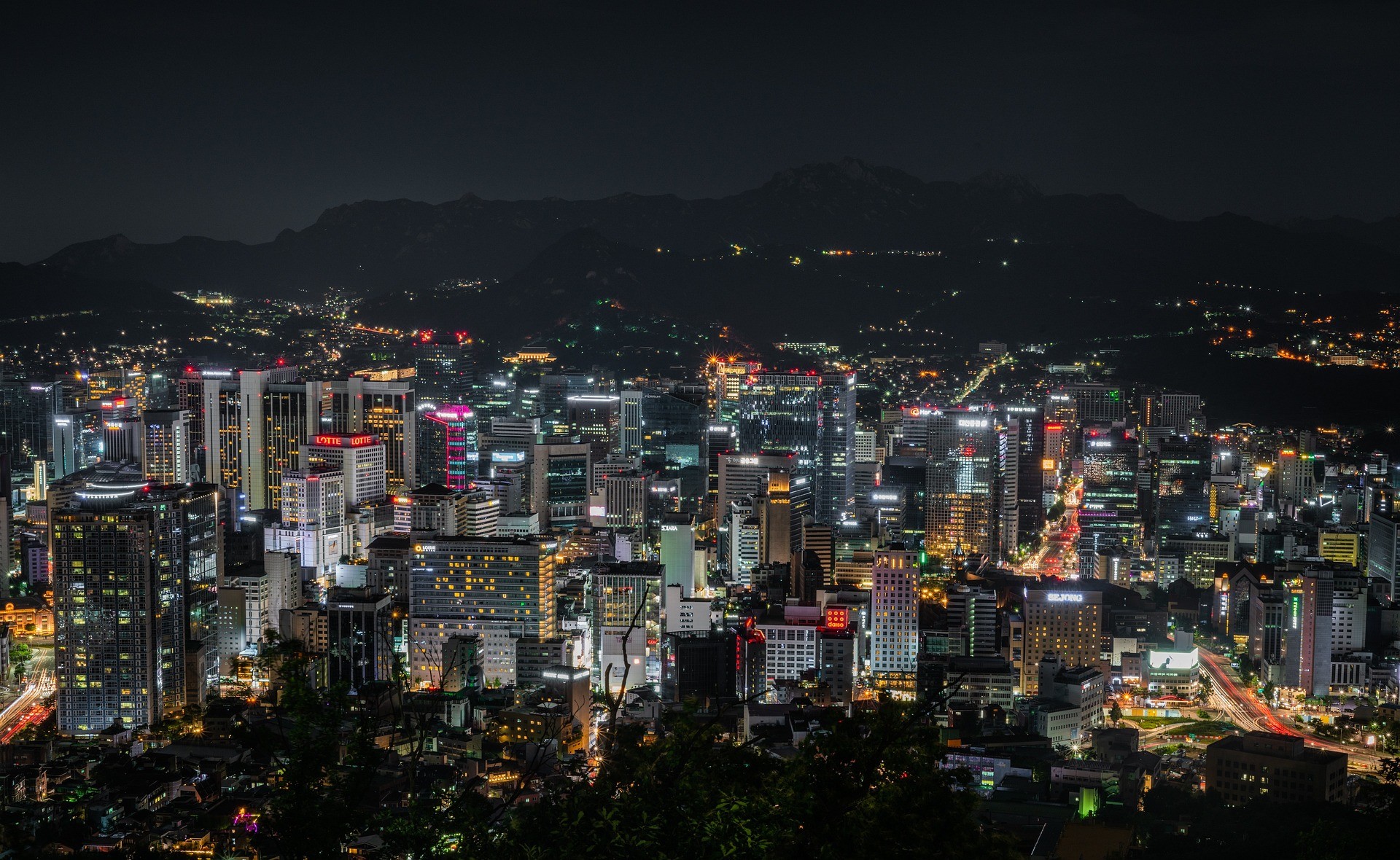
In the Roppongi district, there are plenty of places to spend the night, starting with Tokyo City View, perfect for admiring the splendid nighttime panorama of the city. For those seeking something more unusual, the restaurant-theater Roppongi Kingyo offers eccentric drag queen performances, while those wanting a sports-themed evening can opt for the Legends Sports Bar.
What to See in Tokyo in Two Days: Second Day, Leap into the Future
Shibuya District
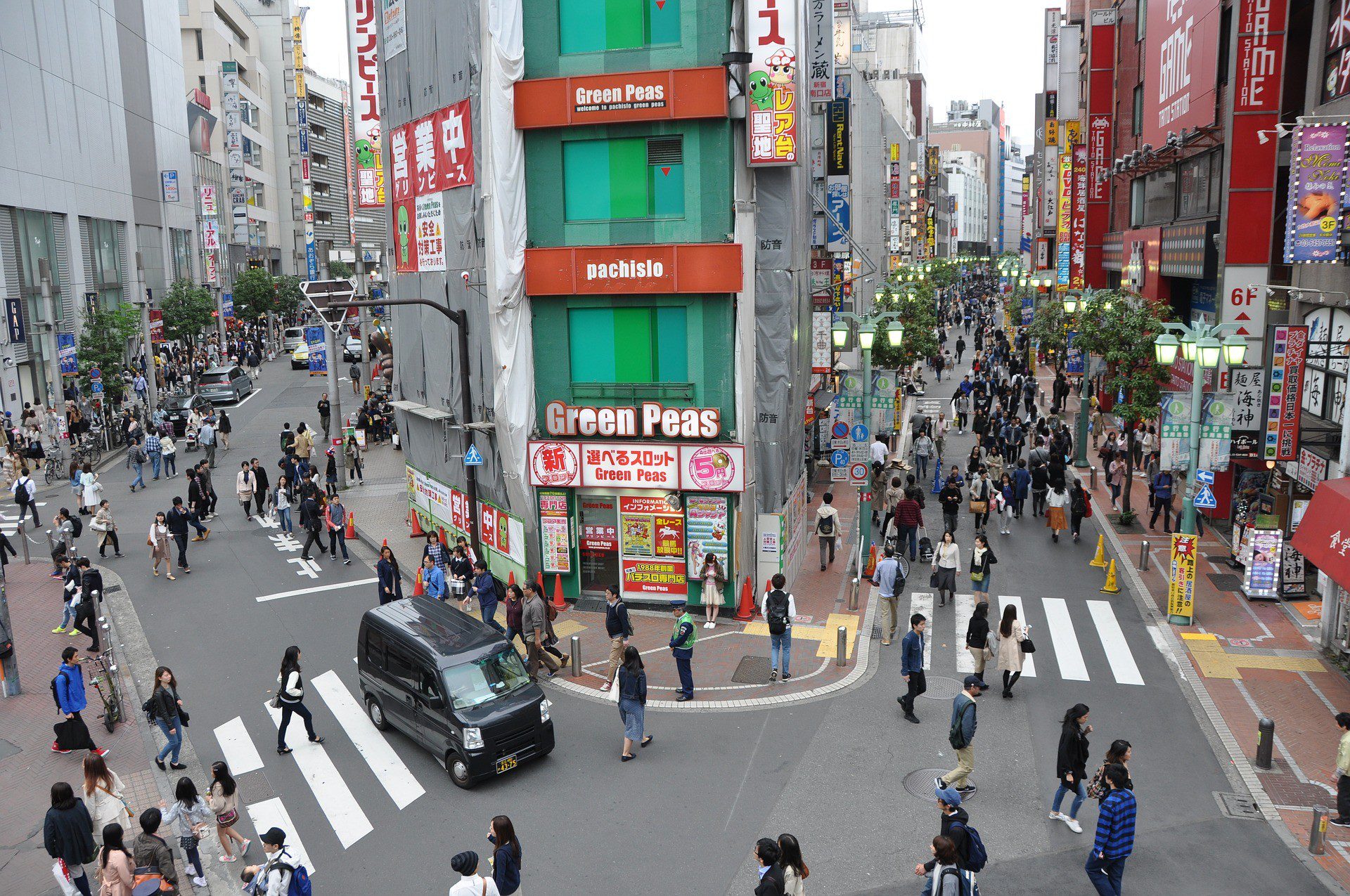
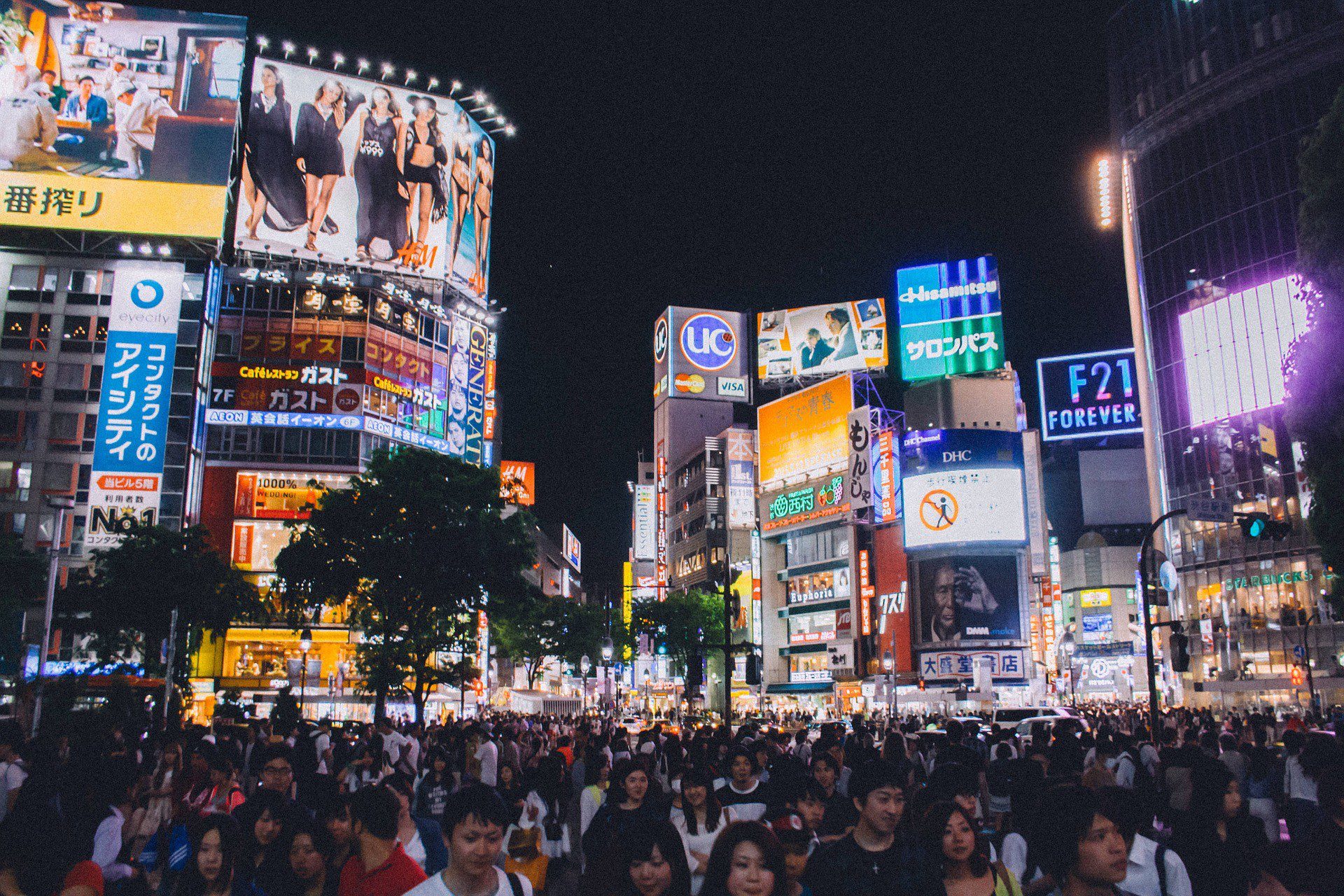
Start again from Shibuya, a neighborhood known worldwide, where the future seems to be happening now and Japan shows an unusual, youthful, and extremely modern face. The most famous image of this area is undoubtedly the Shibuya Crossing, a pedestrian crossing where thousands of people pass every three minutes, illuminated day and night by the screens on the surrounding buildings.
This is not the only iconic spot in the district; in front of the station is the bronze statue of Hachiko, the famous dog who waited for his owner every evening at the station exit, even after his death, made even more famous by the film with Richard Gere.
Yoyogi Park
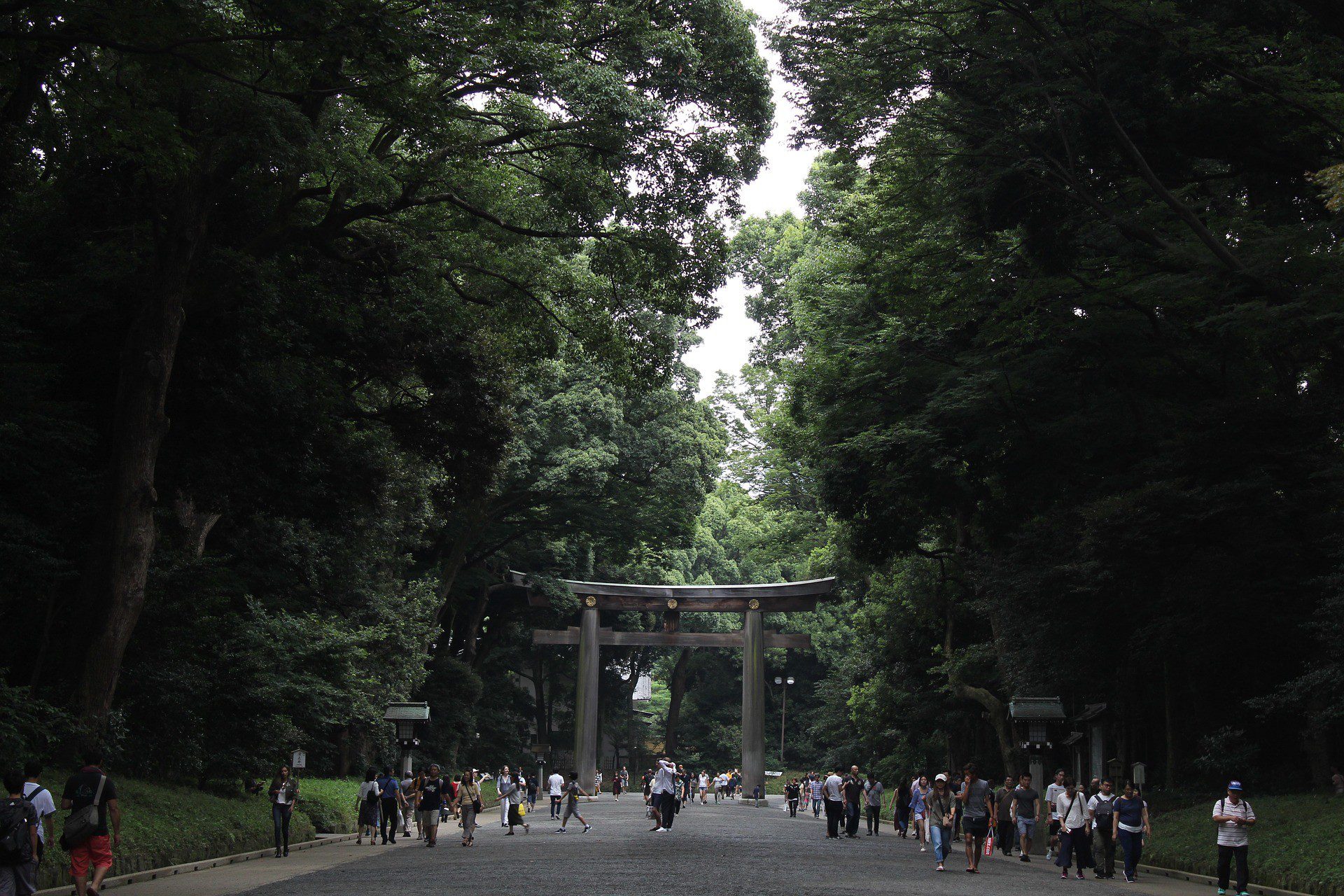
Just one train stop north of Shibuya, you discover the more traditional soul of this neighborhood. Inside the magnificent Yoyogi Park, the paths are lined with gigantic trees, whose foliage offers beautiful views in all four seasons, and here is the popular Shinto shrine Meiji Jingu, inaugurated in 1920 to house the remains of Emperor Meiji and his wife Shoken.
Shopping in Tokyo
There’s no better way to end the day than indulging your desires in the Shinjuku area, the largest shopping and entertainment district in the country. Around the station, huge electronics stores offer an endless range of products including cameras, phones, and PCs.
Here you also find major department stores frequented by tourists and locals, who often prefer the basement floors, specialized in selling food, Japanese and Western sweets, ready-made dishes, lunch boxes, and everything food-related. To find something more characteristic and step away from shopping frenzy, visit Golden-gai, a bar district born during the chaotic postwar days and still lively today with its small venues where you can eat and drink: about three hundred bars ranging from old 1950s pubs to trendy bars run by a new generation of owners.