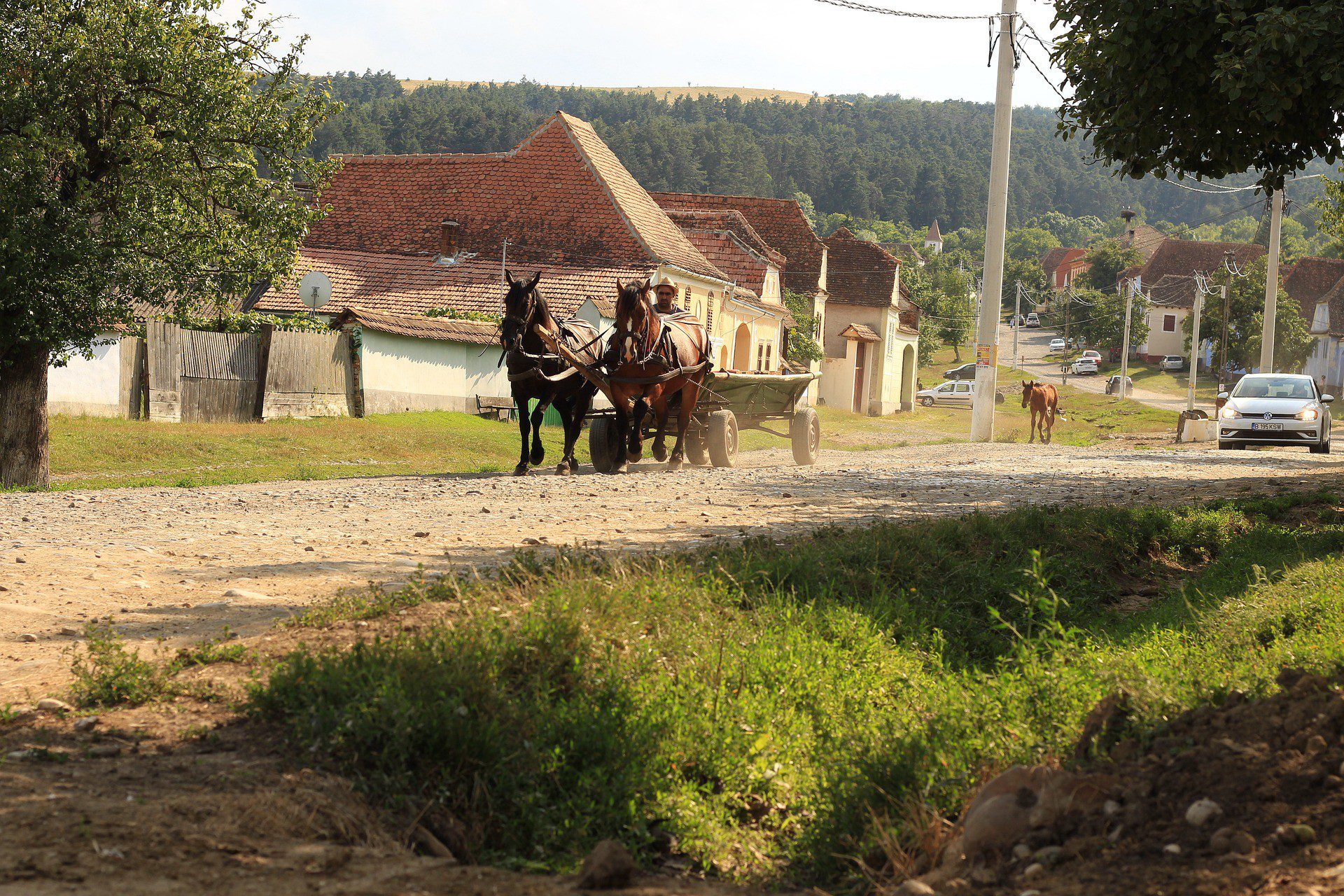


Transylvania is a fascinating region steeped in history, enchanting every traveler with its breathtaking landscapes, fairy-tale castles, and charming towns. By following these expert tips, you’ll be able to fully explore the hidden gems of this destination and create unforgettable memories. Don’t let the vampire legends stop you—prepare to discover the real beauty of Transylvania.
- 1. A region without official borders
- 2. The vampire myth
- 3. Discovering fairy-tale castles
- 4. Unmissable charming towns
- 5. Planning your travel around Transylvania
- 6. Choose a city as your base
- 7. Watch out for bears while hiking
- 8. The best time to visit
- 9. Remember, you’re not in Germany
- 10. Share the real Transylvania
Before diving into tips for exploring Transylvania, it’s important to understand its unique nature. Contrary to popular belief, Transylvania isn’t an official administrative division of modern Romania, but rather a historical area with no strict boundaries. Some places have traditionally been part of Transylvania, when the region had its own governor or prince, but northern and western cities like Oradea and Timișoara are sometimes included, sometimes not. So, depending on who you ask, the definition can change.

Thanks to movies and pop culture, Transylvania is often linked to vampires. But this is a relatively recent connection that began in 1897, when Irish author Bram Stoker published “Dracula.” The legendary vampire in the novel is Transylvanian, and as the story became popular, so did the association of vampires with Transylvania. The only real connection is Dracula’s name, inspired by Vlad the Impaler, a brutal prince from nearby Wallachia. No Romanian site is directly tied to the fictional Dracula, though many are linked to Vlad the Impaler—for example, his birthplace Sighișoara, Corvin Castle where he was supposedly imprisoned, and Poenari Castle where he lived. The most famous is Bran Castle, often called the “Dracula Castle” despite no real historical link.
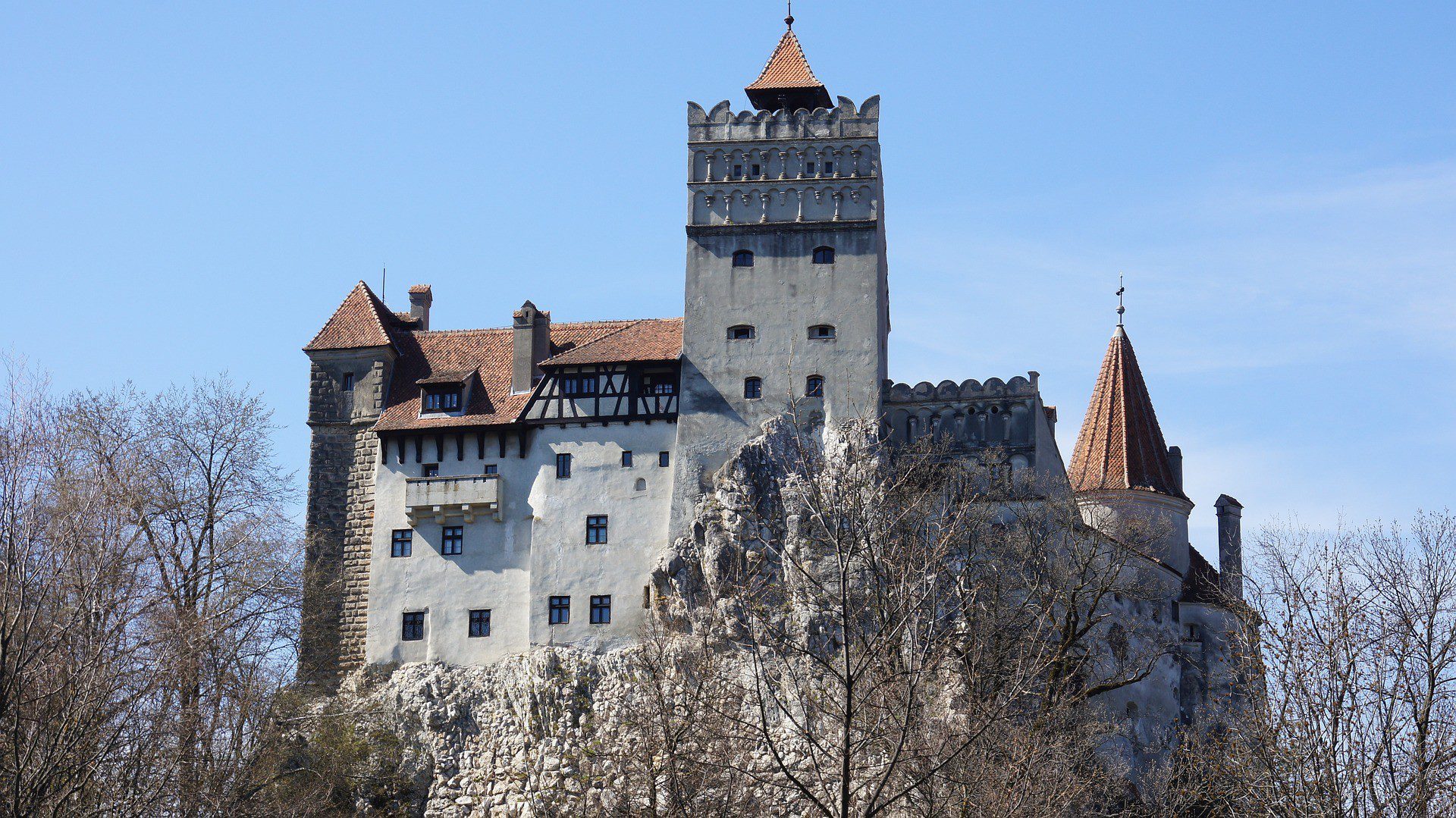
One of the main reasons to visit Transylvania is its extraordinary concentration of castles—rivaling those in Germany or France for history and beauty, but with far fewer tourists. These architectural jewels are a must on your first trip to the region.
We’ve already mentioned some sites linked to Vlad the Impaler, such as Bran Castle and Corvin Castle. Perched on a forested hill at the edge of the Carpathians, Bran Castle is an atmospheric medieval fortress; be sure to explore its many secret stairs, although they can be disorienting. Corvin Castle (or Hunyadi Castle) is simply stunning, with spectacular Gothic architecture that looks more like a fantasy park than something near the small town of Hunedoara. Once you’ve admired the iconic view from the high bridge, take time to discover the stone halls and castle interiors.
Another must-see is Peleș Castle, originally built as a summer residence for Romania’s royal family. This Neo-Renaissance castle would fit right in the Bavarian Alps, with its impressive exterior and lavish wooden interiors—it’s well worth a deep visit!
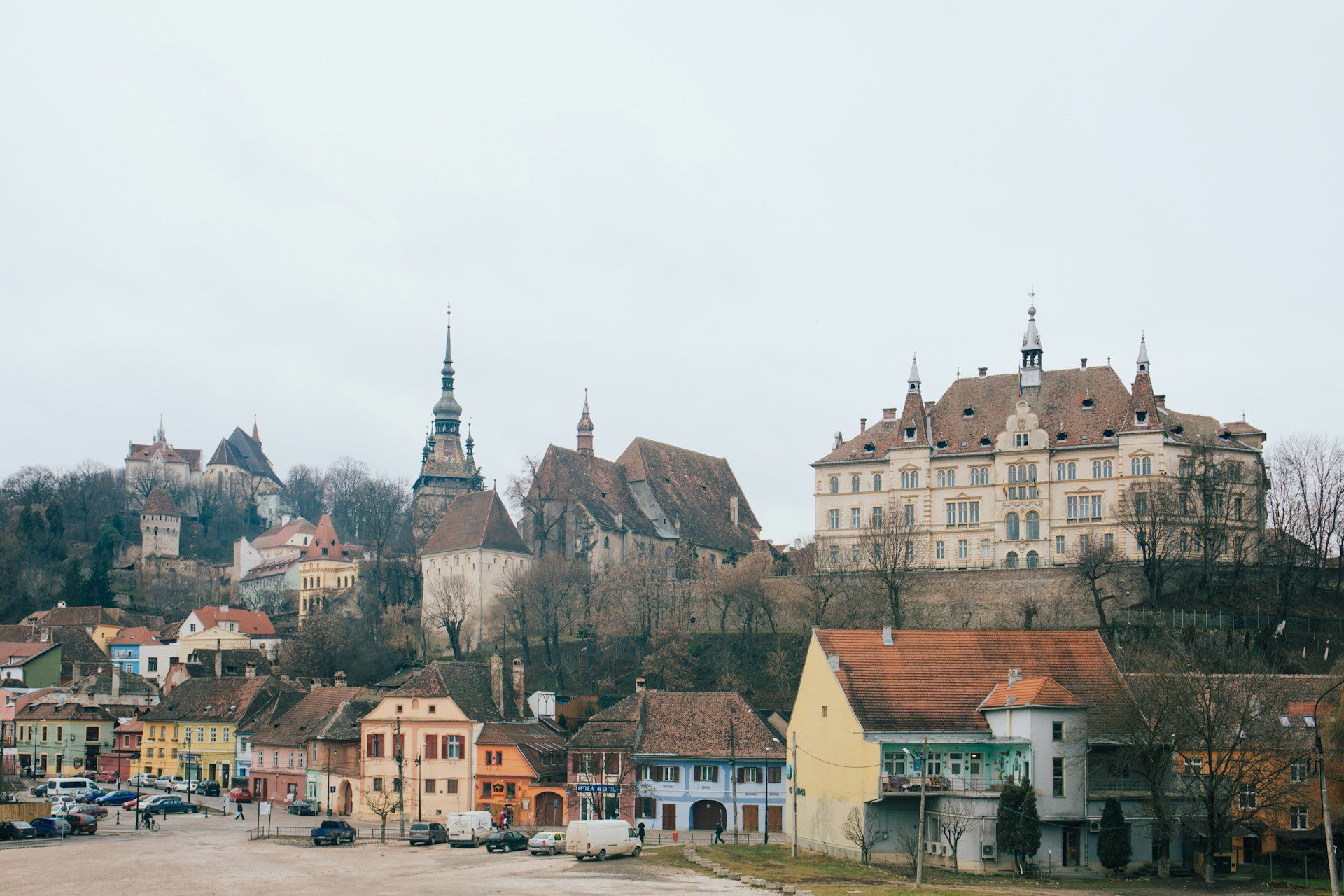
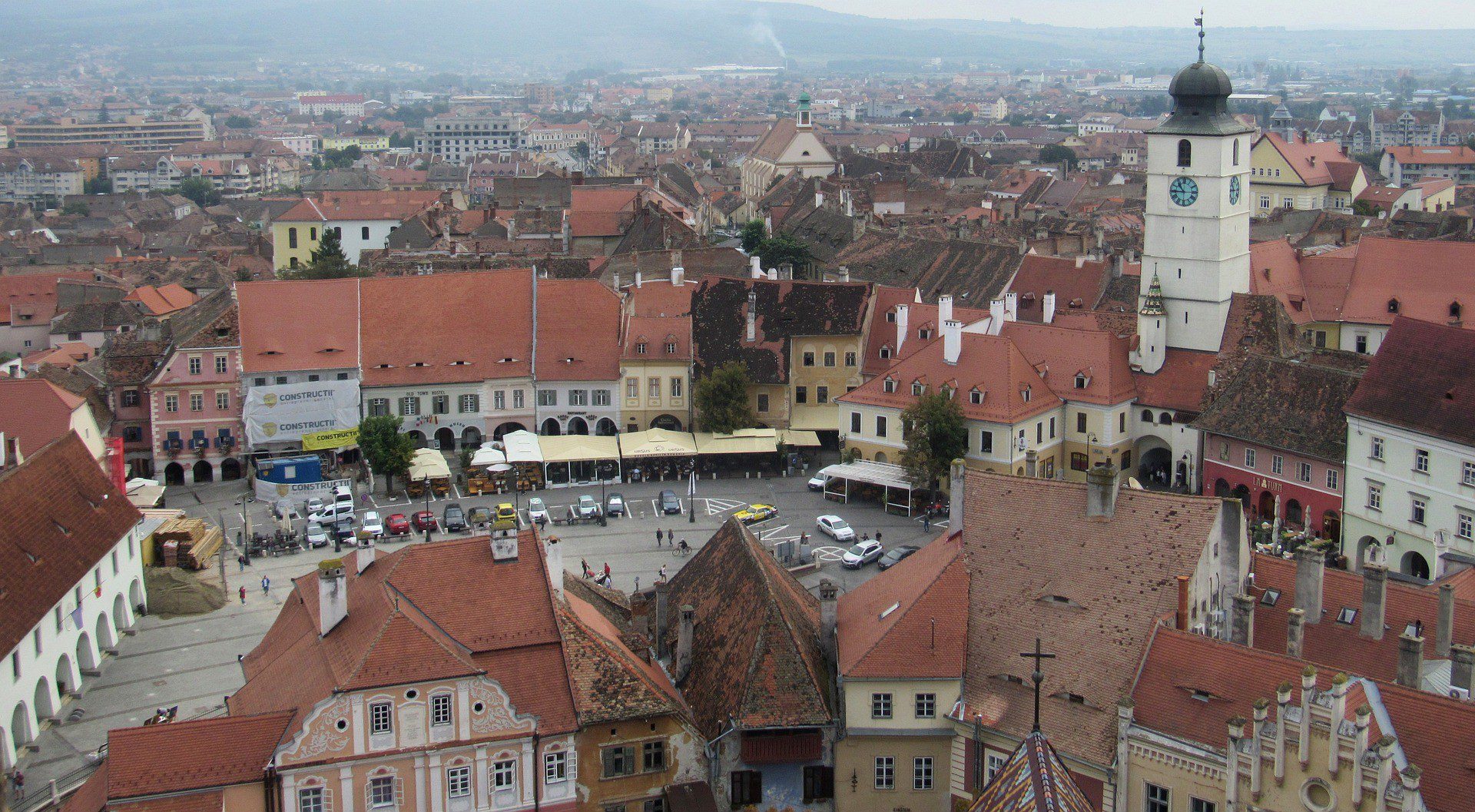
Among Transylvania’s many highlights, discovering its towns is a must. While much of the region is mountainous and rural, the easiest way to get to know Transylvania is through its cities. The obvious starting point is Cluj-Napoca, the region’s largest city and unofficial capital. Along with historic landmarks like the Church of St. Michael and parts of the medieval walls, Cluj is lively and modern. Then there’s Brașov, one of Europe’s most beautiful towns, famous for its mountain charm and close proximity to ski and snowboard spots. Among the smaller cities, Sibiu, Alba Iulia, Sighișoara, and Târgu Mureș each have unique attractions. Most are worth one or two days of exploration, especially given their scenic surroundings.
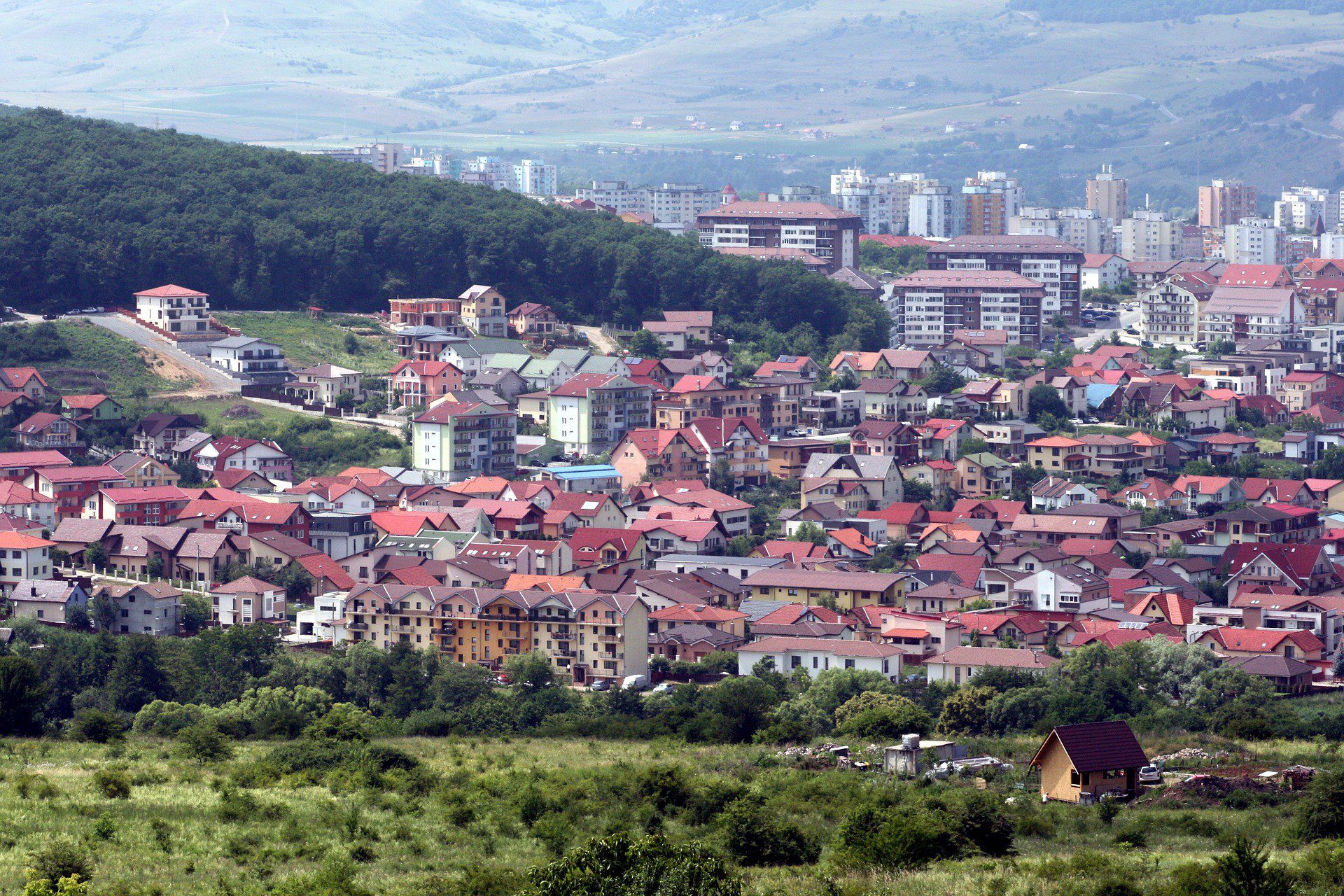
A top concern for any traveler is how to get around. One of the best tips for visiting Transylvania is to plan your journey in advance, as public transport has some limitations. Trains in Romania are decent, but often delayed due to infrastructure works. Buses (both coaches and minibuses) are usually more reliable, with similar prices and travel times, but this varies by route. As for flights, while there are budget options between major Romanian cities, Transylvania isn’t big enough to warrant flying from city to city.
Because of the terrain and the small size of many destinations, driving is generally the best option in Transylvania, especially if you want to visit remote spots like Biertan and its impressive fortified church.
Tip: For the best car rental rates, check out FullTravel Booking. The comparison tool searches and shows prices and availability from hundreds of companies, helping you find the car that fits your budget. Driving also lets you experience what Top Gear once called “the world’s greatest driving road” — the Transfăgărășan Highway. This long, winding mountain road climbs the Carpathians with endless switchbacks and breathtaking views at the top. However, it’s only open in summer when it’s snow-free.

When planning a trip to Transylvania, it’s tempting to create a long checklist of places to visit, many of which are small towns that can be seen in a day. However, as most are either new to mass tourism or quite small, they may not offer all the travel conveniences you expect. For this reason, it’s smart to pick one or two cities as your base and take day trips to nearby sights.
Staying in a city like Brașov or Sibiu lets you cover several destinations in a single day. For instance, from Brașov you can easily visit both Râșnov Fortress and Bran Castle without needing an overnight stay.
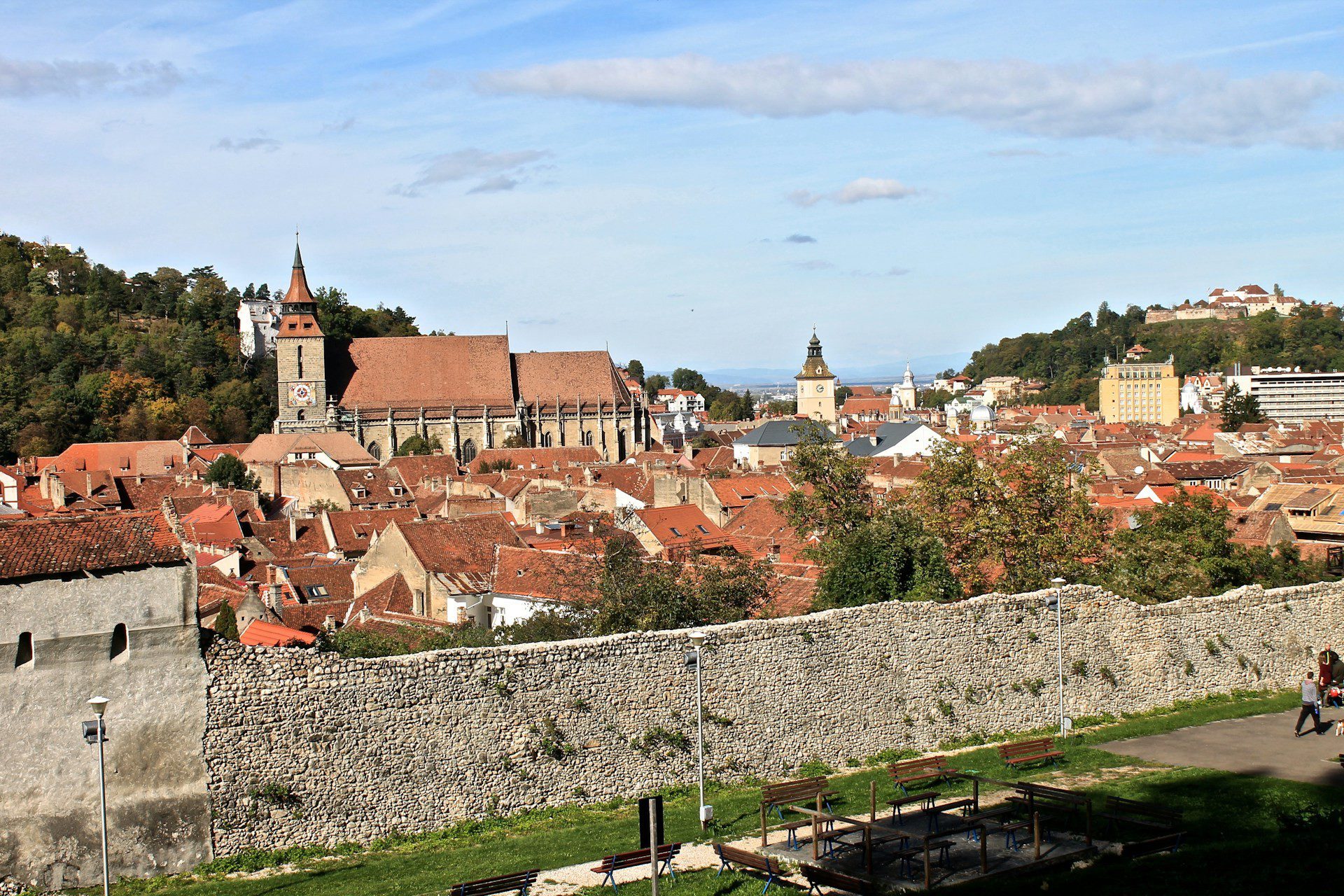
One of the most popular activities in Transylvania is hiking in the Carpathian Mountains. Many outdoor fans come here especially for that, drawn by spectacular rock formations such as the Sphinx in the Bucegi Natural Park. Trails wind through dense forests, but you need to stay alert—not for vampires or legendary monsters, but for real, wild brown bears. Romania is home to about 6,000 bears, nearly half the European population, with many living in Transylvania.
Before you head out, find out about local bear activity and how to act if you encounter one. This is one of the most important safety tips, as attacks—though rare—do happen. You don’t even need to venture deep into the wild, since bears are seen even on Mount Tâmpa above Brașov. That said, bear watching is becoming increasingly popular, especially in the Piatra Craiului Mountains. In this case, always rely on expert guides.
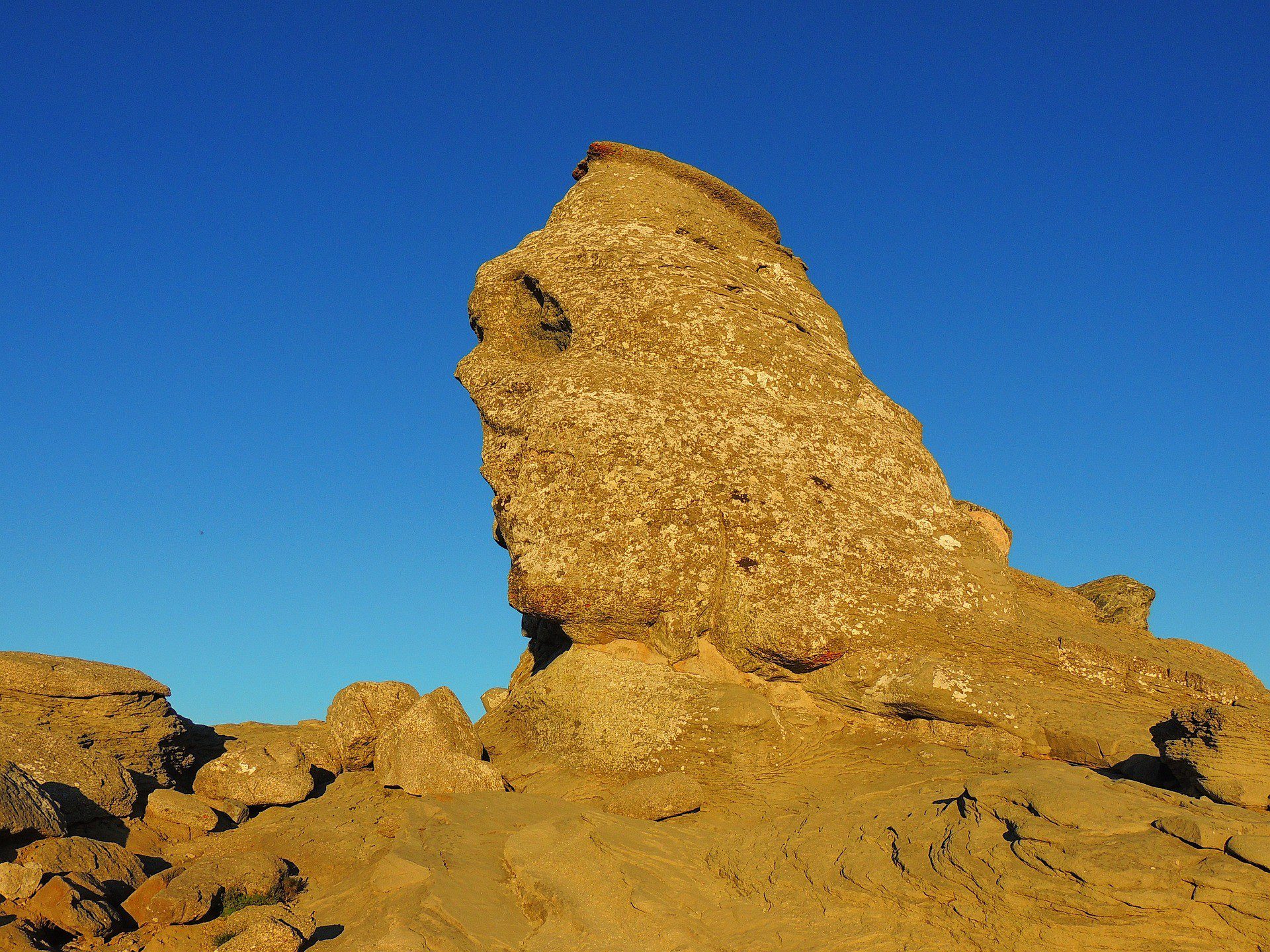
As with any destination, timing your trip is key. It all depends on your planned activities. Summer is generally an excellent time; Romania isn’t overwhelmed by crowds yet and it’s not too hot. For a balanced mix of sightseeing and hiking, autumn or late spring might be best. Autumn foliage lovers will enjoy Transylvania’s endless forests. Winter isn’t ideal for sightseeing, as Romania is quite cold in the mountains, but perfect for skiers or those wanting to browse traditional Christmas markets.
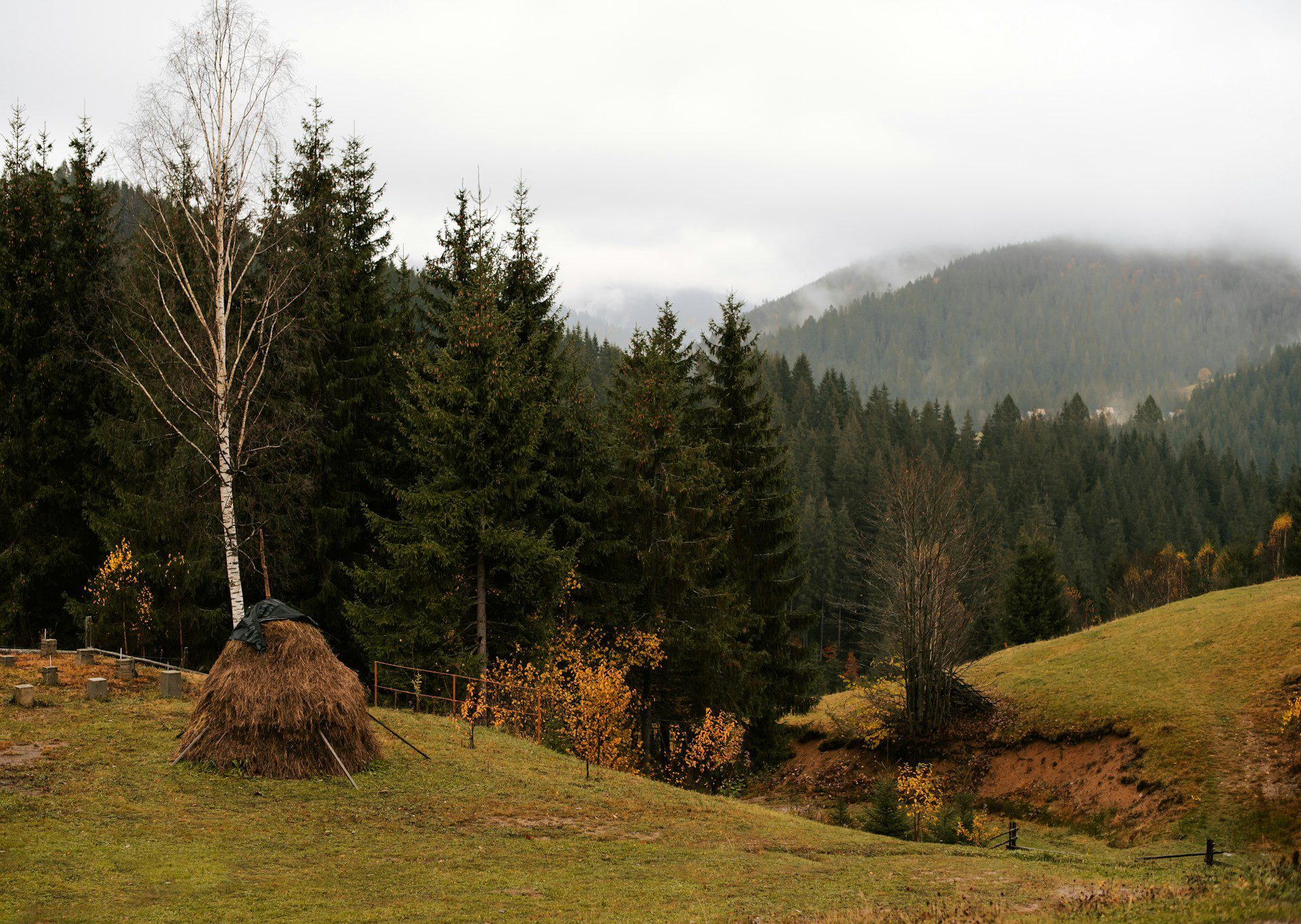
When visiting Transylvania, you might feel as if you’re somewhere else. Don’t worry—what you’re experiencing is the influence of centuries of German settlers. Starting in the 12th century, people from what’s now western Germany, Luxembourg, Belgium, and the Netherlands came to Transylvania to defend it from invading armies and work the land. Known as the Transylvanian Saxons, they established Siebenbürgen, seven fortified towns (including Brașov and Sibiu) throughout the region.
Though most of the Saxons have moved on, these towns still retain their German names, like “Hermannstadt” for Sibiu and “Kronstadt” for Brașov. Sibiu even has a German-language school. You’ll see the influence in the bourgeois homes of Sibiu and the fortified churches in Biertan and Prejmer.
Both Transylvania and Romania as a whole are growing in popularity with travelers, yet they still see far fewer visitors compared to other European destinations. It’s not because there’s nothing to do, but simply because not many people know about the wonders here. If you get the chance to visit Transylvania, don’t hesitate to share your stories and show others what it’s really like!