

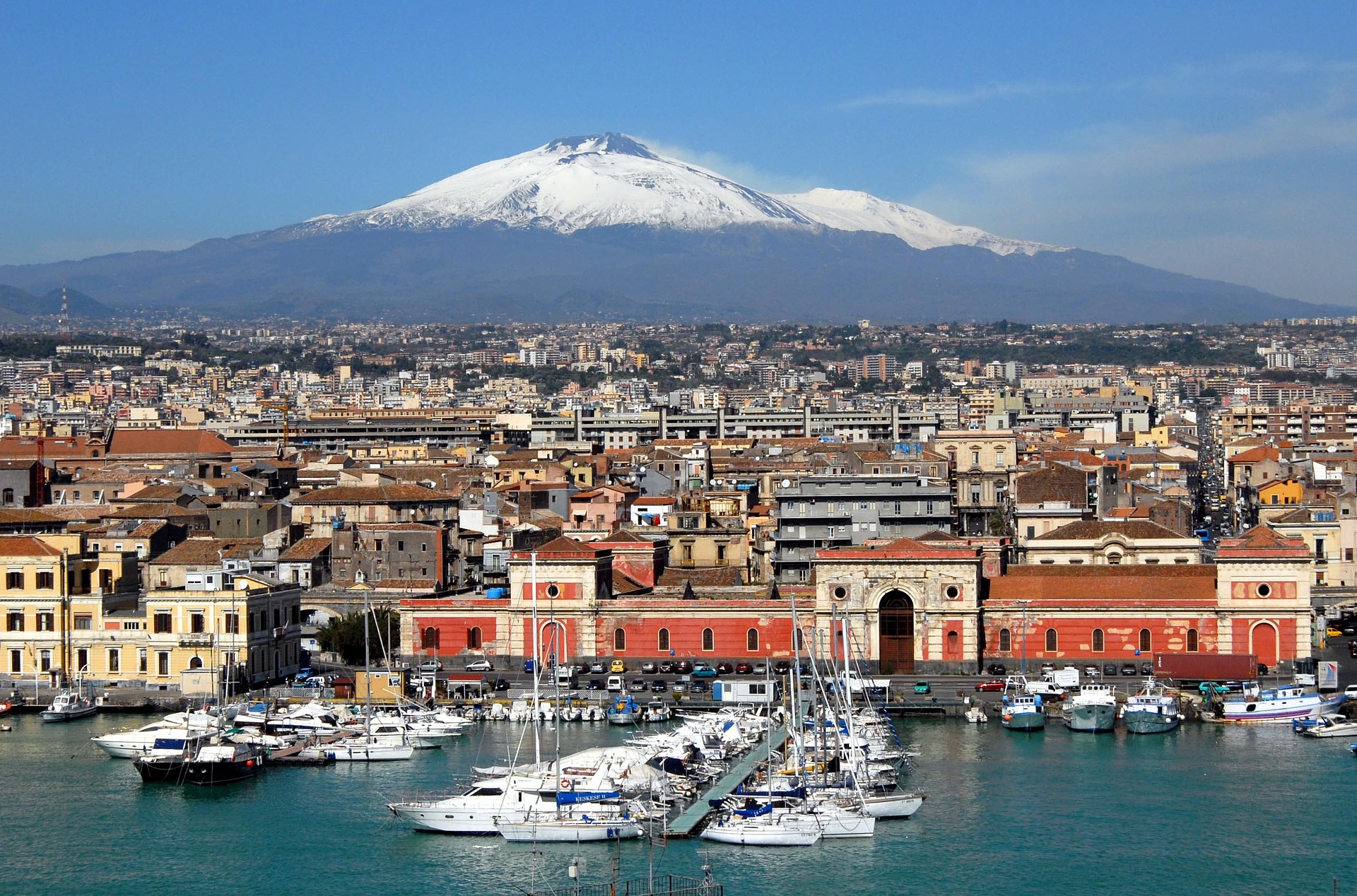

Greca e romana, araba e bizantina, normanna, sveva e spagnola, Catania boasts a rich and interesting array of monuments.
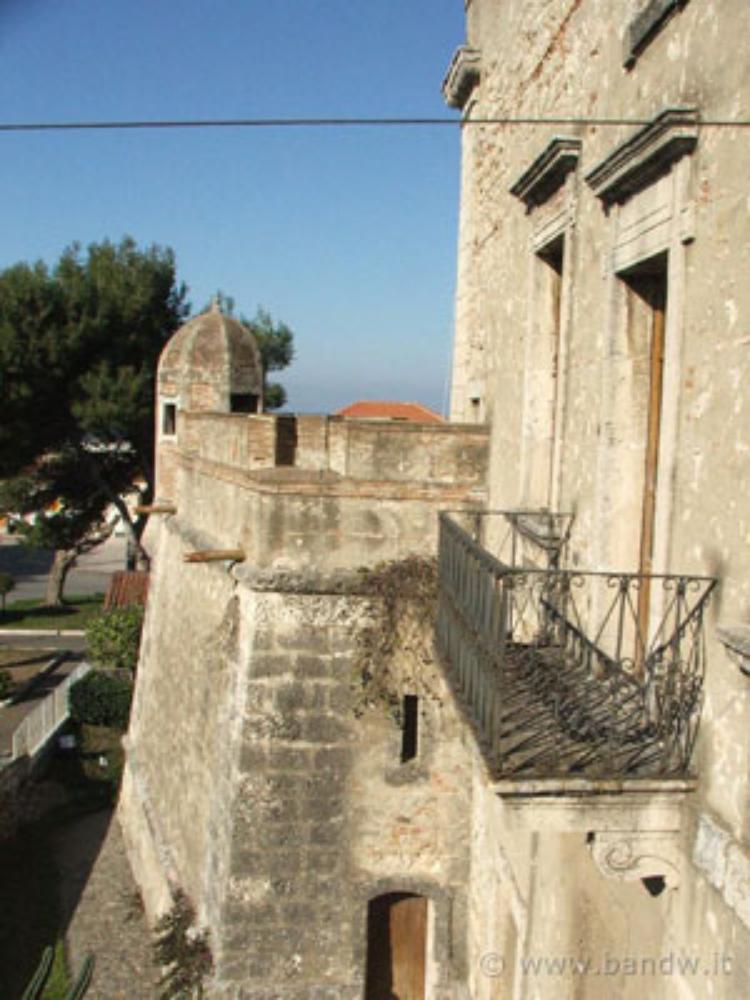
Starting with the theater, the Odeon, and the Roman-era amphitheater; the 13th-century Castello Ursino with its square plan, equipped with magnificent towers and home to the rich collections of the Municipal Museum.
Many are the Baroque buildings overlooking elegant streets and squares: the Cathedral, with a sumptuous two-tiered façade (1736) and parts of the original medieval church; the churches of Sant’Agata, covered by a large and spectacular dome, and those of San Benedetto, San Giuliano, San Francesco, San Nicolò, the Collegiate church itself: genuine gems of the so-called Catanese Baroque. Not to be missed is also a stop at the house-museums of Vincenzo Bellini and Giovanni Verga, the two most illustrious sons of this city, rich with many evocative relics. Moving up the Ionian coast, one encounters three of the nine Acis that dot the territory of Catania. The first is Acicastello, just a stone’s throw from the capital, with its beautiful medieval village dominated by the Norman castle and the bay stirred by the faraglioni and the Islands of the Cyclops.
The second is Acitrezza, where Verga set I Malavoglia. And the third is Acireale, rebuilt in Baroque style after the 1693 earthquake, offering culturally interesting stops, such as the cathedral, the Pinacoteca Zelantea and the Theater of the Puppets. This coastal strip is also famous for its extensive cultivation of oranges, mandarins, and verdelli lemons, which are used to prepare marmalades of Sicilian lemons and mandarins, candied fruit, and citrus liqueurs.
Continuing up the coast, a stop not to be missed, especially for those with a sweet tooth, is Giarre, home of almond pastries, amaretti, and the famous Martorana fruits made from a delicate mixture (sugar and ground almonds), shaped and colored like fruit. Just a few kilometers away is Taormina, resting on a green terrace between rocks and sea, with Etna in the background.