

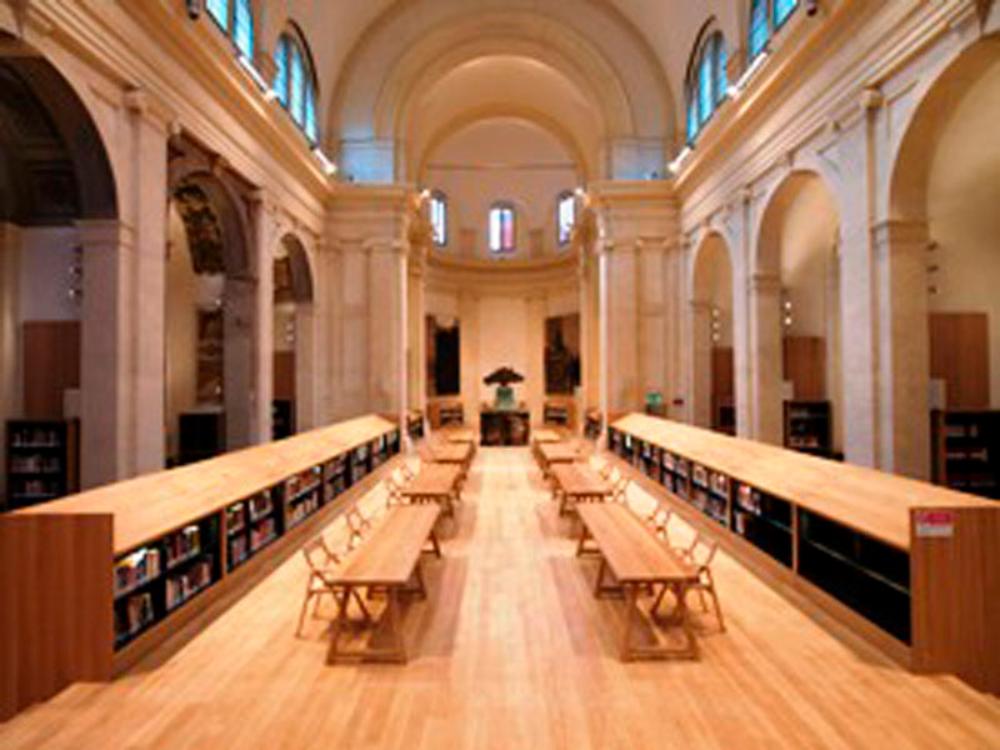

Project of the Fondazione Cassa di Risparmio di Bologna, it was created to better describe and understand the genus, the lineage of the Bolognese, integrating itself into the existing institutional structure through connections with other museums, art galleries, cultural, economic, and social realities of the city. The San Giorgio in Poggiale Art and History Library is a preservation and reference library, which houses important collections of ancient books and a large section of modern books. Alongside the book collection, there is a newspaper library, which preserves newspapers and periodicals from the late 18th century, and a rich photographic archive, a precious testimony of city life from the 19th century onwards. The reading room is enriched with contemporary artworks by Claudio Parmiggiani and Piero Pizzi Cannella.
The heritage of the Fondazione della Cassa di Risparmio Collections, once exhibited here, is destined to be transferred to the soon-to-open City Museum, which will be housed in Palazzo Pepoli Vecchio. The library’s heritage consists of ancient books, modern books (from 1831 to the present), manuscripts, incunabula, announcements, edicts, notifications, works on and related to music. The volumes are complemented by an important newspaper library and a photographic archive. The book heritage consists of 100,000 books, of which 60,000 are part of collections, resulting from purchases, wills, or donations. They mainly consist of volumes of local history and art history, although they maintain specific characteristics linked to the personalities of their previous owners. To these is added another historical core formed from 1837 (the founding date of the Cassa di Risparmio in Bologna) until the late 1980s, within which ancient and modern texts can be found.
The collection of newspapers and periodicals includes titles and papers of various kinds from the late 18th century to today. Currently, about twenty subscriptions to journals specializing in art history are active.
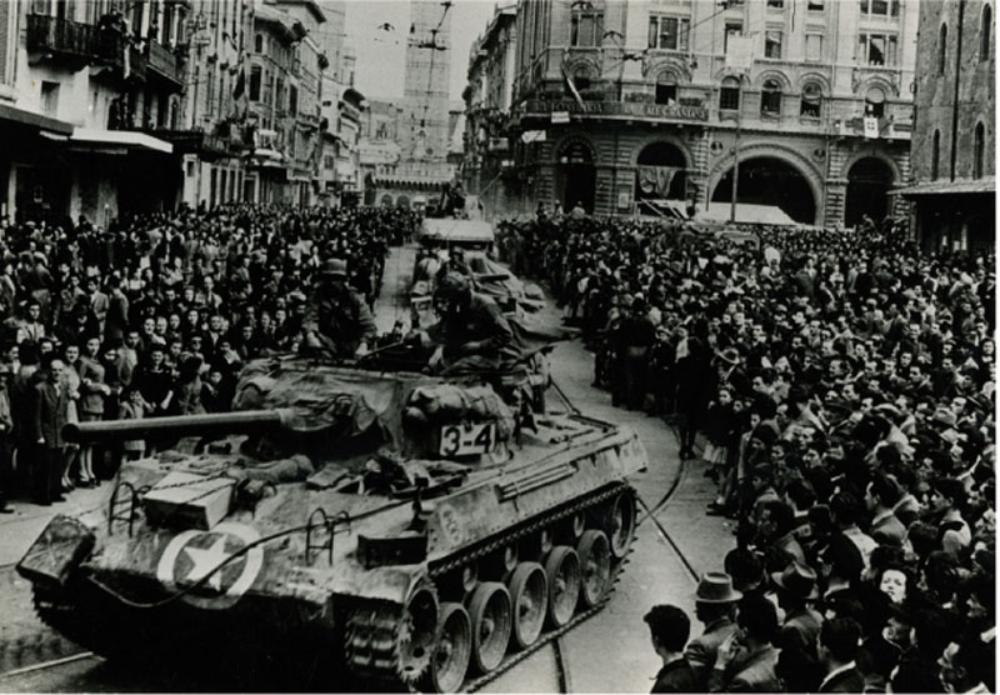
The photo library consists of a core of about 60,000 phototypes, organized into several collections. The history of the photographic archive begins in the first half of the last century when the then curator of the Fondazione Cassa di Risparmio di Bologna Collections recognized the importance of acquiring documents that testified to the urban changes in Bologna after the implementation of the 1889 master plan.