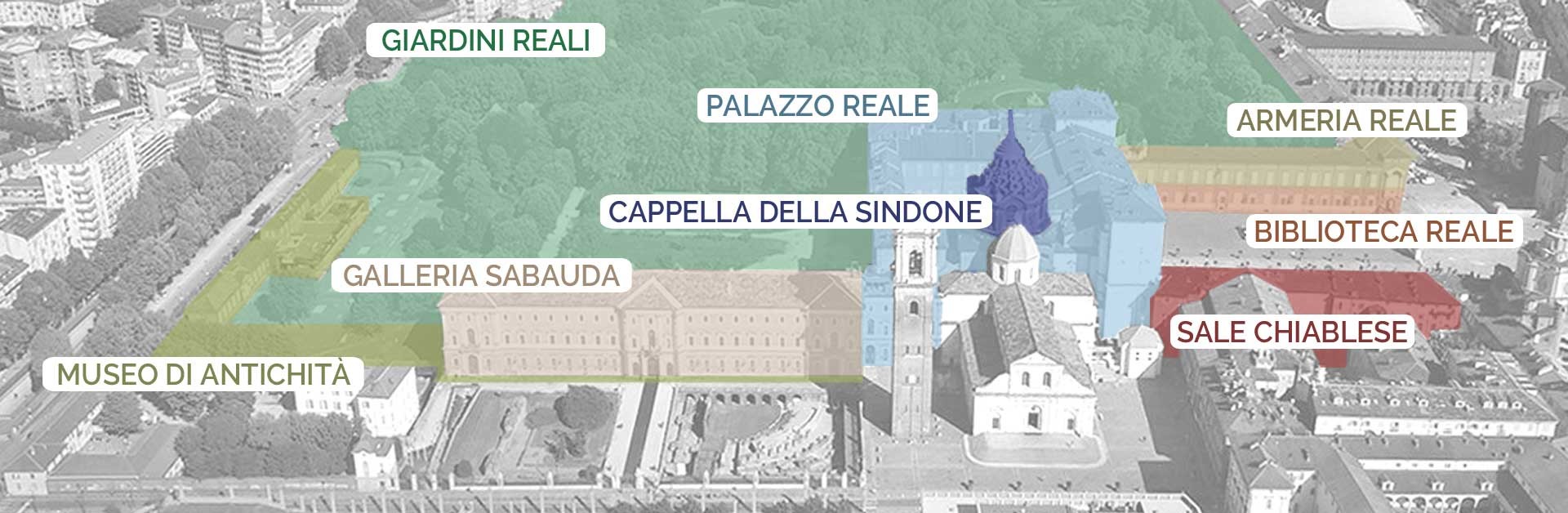


The Royal Museums of Turin are one of the largest and most diverse museum complexes in Europe, comparable in size and collection value to the major European royal residences. They are located in the heart of the old city and offer a journey through history, art, and nature stretching over 3 km of museum walkways across 30,000 square meters of exhibition and storage space, with 7 hectares of gardens, featuring artifacts dating from Prehistory to the modern age.
- 1 Royal Palace of Turin
- 2 Royal Armoury, Turin
- 3 Royal Library, Turin
- 4 Sabauda Gallery, Turin
- 5 Archaeological Museum, Turin
- 6 Royal Gardens, Turin
- 7 Chiablese Palace, Turin
- 8 Chapel of the Holy Shroud, Turin
- Opening Hours Royal Museums Turin
- Tickets Royal Museums Turin
- How to Get to the Royal Museums of Turin
- Tram and bus
- Train
- Car
- Where to Park for the Royal Museums of Turin
- Map of the Royal Museums of Turin
Their origin dates back to 1563, when Emanuele Filiberto of Savoy moved the capital of the duchy from Chambéry to Turin and began a major urban transformation and enrichment of the dynastic collections. Between the 17th and 18th centuries, the residence, centered on the majestic Royal Palace, expanded in the form of a city following the orthogonal layout of the first urban expansion towards the Po River. Inhabited by the House of Savoy until 1946, it is now owned by the Italian state.
The Royal Museums of Turin are located in the heart of the old city and offer a fascinating itinerary of history, art, and nature over 55,000 sqm, with artifacts dating from Prehistory to the modern age brought together in a single large museum project:
- the Royal Palace
- the Royal Library
- the Royal Armoury
- the Sabauda Gallery
- the Archaeological Museum
- the Royal Gardens
- the Chiablese Palace
- the Chapel of the Holy Shroud.
1 Royal Palace of Turin
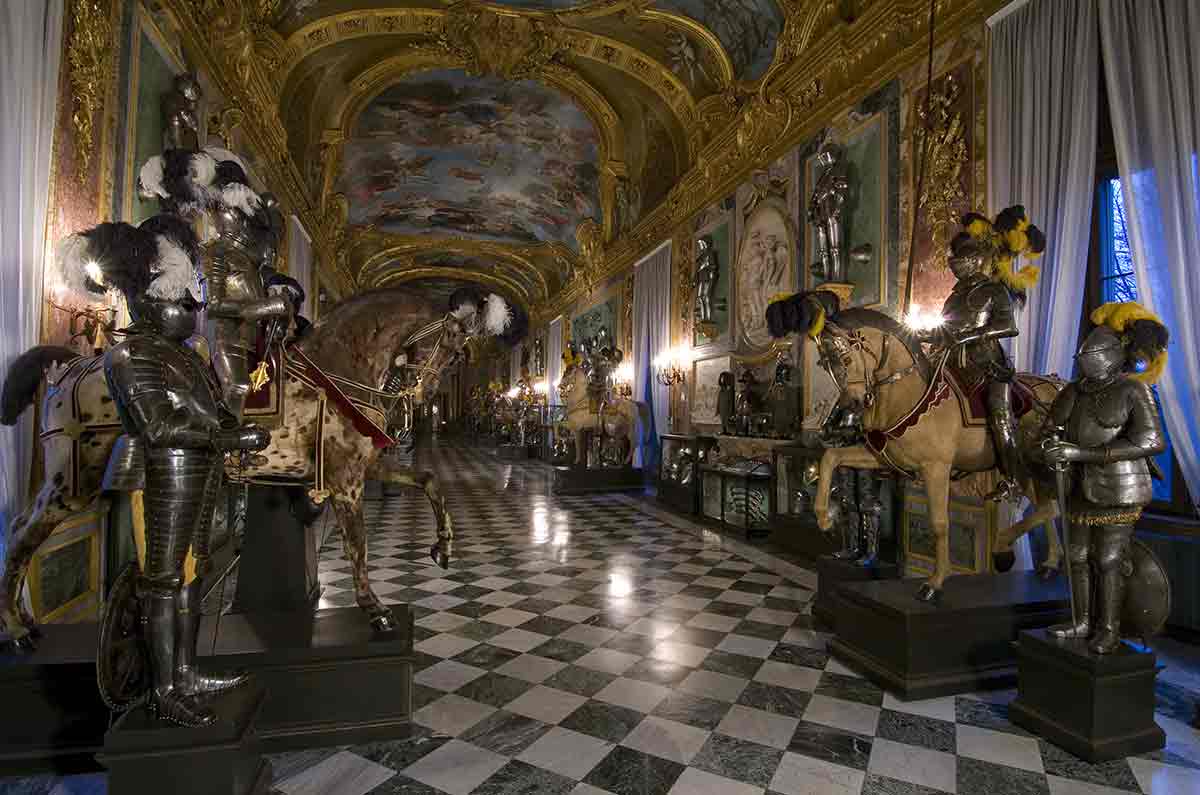
The Royal Palace, the command center of the Savoy family, preserves rooms, furnishings, and artworks created from the 16th to the 20th century. The facade, preceded by the gate designed by Pelagio Palagi, conceals lavish interiors designed and decorated by great artists such as Daniel Seyter, Claudio Beaumont, Francesco De Mura and architects like Filippo Juvarra and Benedetto Alfieri. Through the Medal Room, you enter the Beaumont Gallery, which houses the Royal Armoury, opened to the public in 1837, containing a rich collection of weapons and armor from the archaeological period up to the 19th century.

2 Royal Armoury, Turin
The Royal Armoury of Turin currently holds over 5,000 objects ranging from Prehistory to the early 20th century, among which one of the most important groups consists of 16th-century weapons and armor. The Royal Armoury also houses the Royal Medal Collection, kept in precious Palagi furniture, featuring the coin collection and a selection of classical antiquities and precious objects of Carlo Alberto.
“To avoid any inconvenience, you can purchase your ticket online for the guided tour of the Royal Palace of Turin.”
3 Royal Library, Turin
The Alfierian staircase connects the Armoury to the Royal Library, founded in 1831 by Carlo Alberto, who expanded the court library with numerous volumes purchased from antiquarians throughout Europe. The collection of drawings is highly valuable, featuring works from the 15th to the 18th century by great masters such as Michelangelo, Raphael, and Rembrandt. Among these is also the famous collection of Leonardo da Vinci, including the Self-Portrait and the Code on the flight of birds. For conservation reasons, the drawings are not always on public display.

4 Sabauda Gallery, Turin
The collecting taste of the Savoy family is documented in painting by the Sabauda Gallery, which preserves great masterpieces of the main European schools, from Van Eyck to Rubens and van Dyck; from Mantegna to Paolo Veronese, Orazio Gentileschi, and Guido Reni. Arranged chronologically, the Gallery is housed in the New Wing and also contains two important collections: that of the financier Riccardo Gualino, with major paintings ranging from Duccio to Botticelli and Francesco Guardi, and that of Flemish and Dutch paintings from the collections of Prince Eugene of Savoy-Soissons.
5 Archaeological Museum, Turin
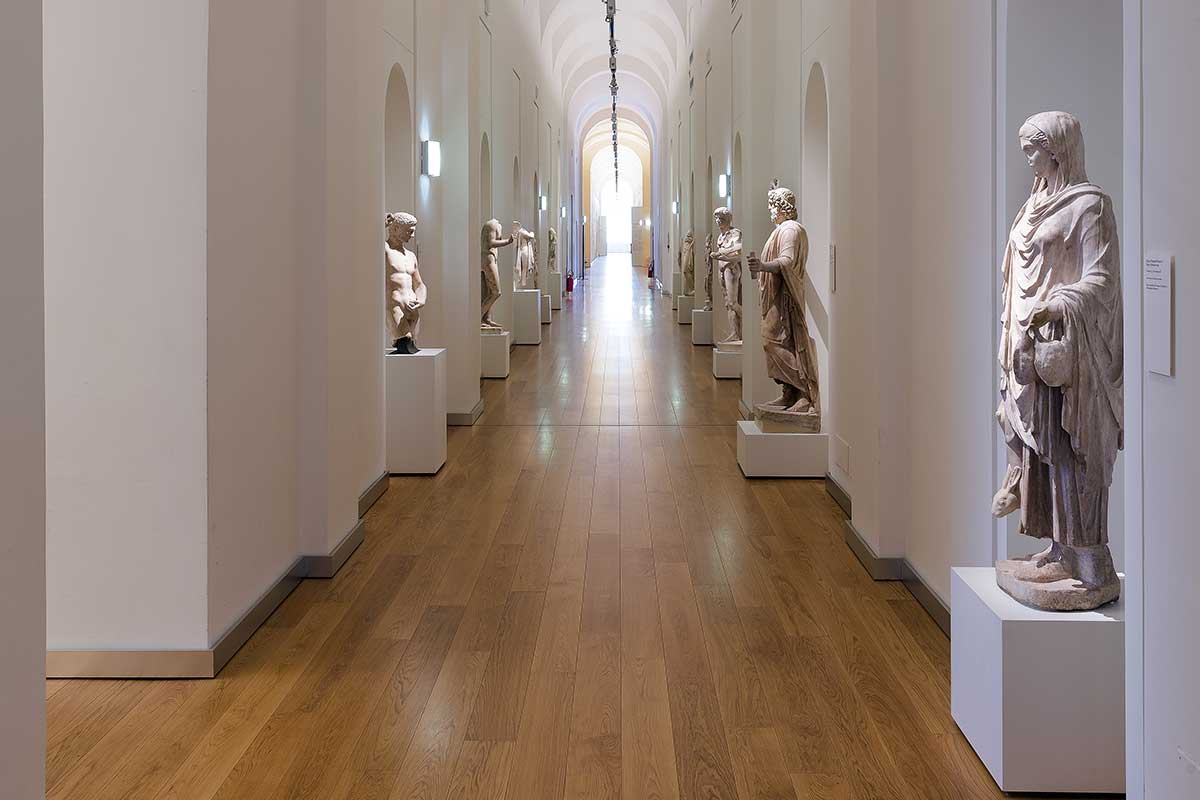
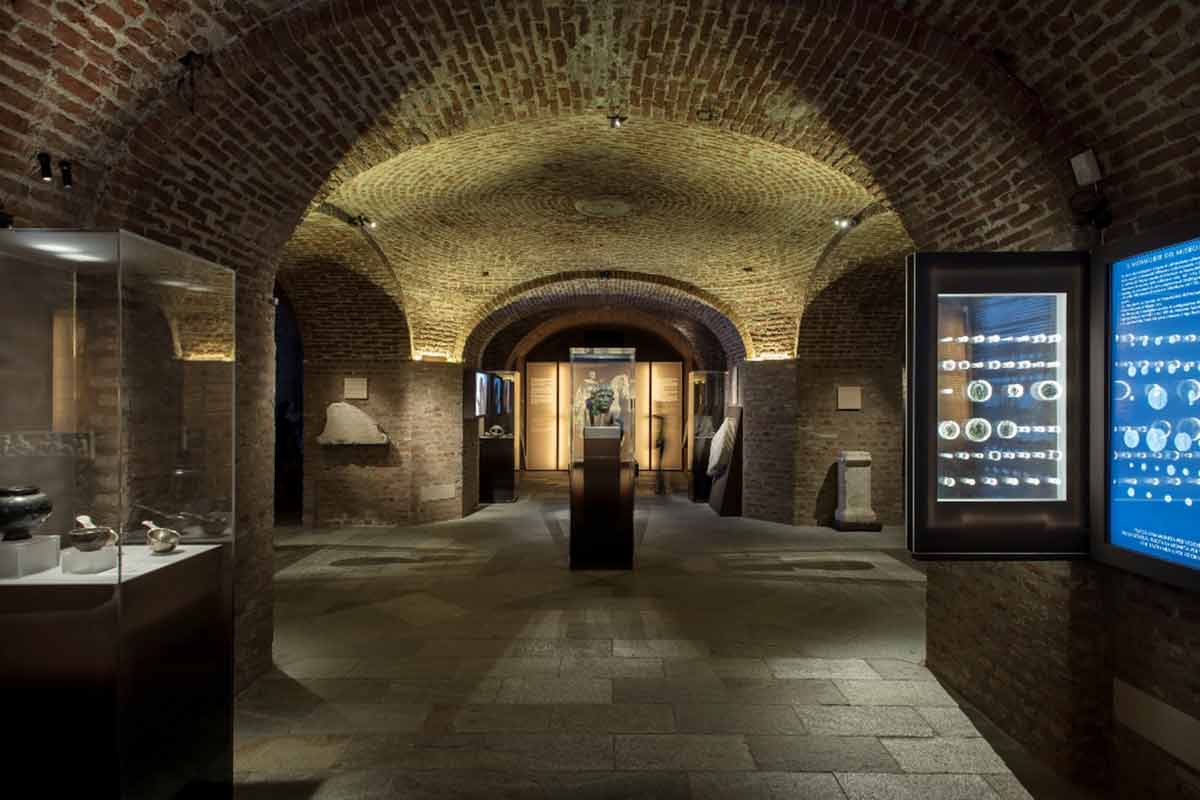
The underground floor of the same building and the Orangeries host the Archaeological Museum, overlooking the area of the Roman theater. Founded in the 16th century as a dynastic collection of the Dukes of Savoy, the archaeological collection was enriched by the arrival of the Egyptian collection of Bernardino Drovetti and became the Museum of Antiquities and Egyptian Art in 1832. After separating from the Egyptian Museum, it houses archaeological finds from excavations conducted in the Piedmont region, including the Treasure of Marengo.
“To avoid any inconvenience, you can purchase your ticket online for the guided tour of the Royal Palace of Turin.”
6 Royal Gardens, Turin
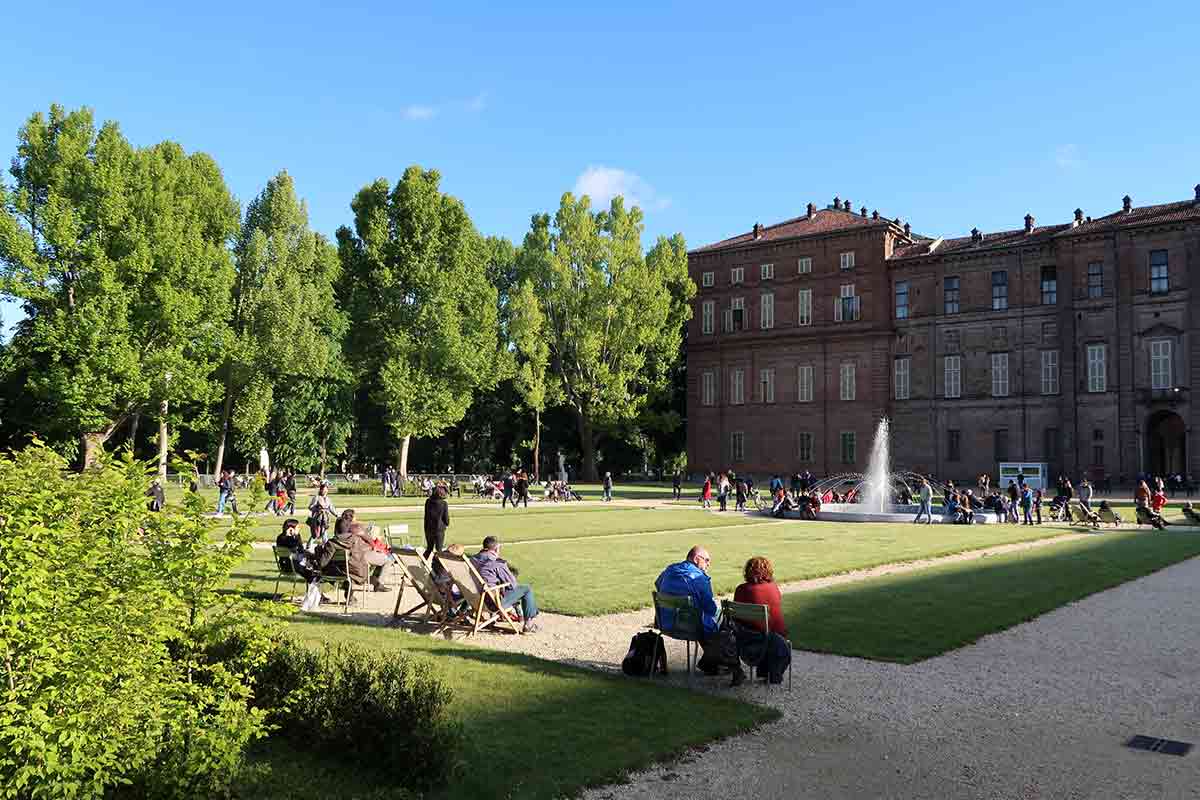
The Royal Gardens constitute a unique green urban area of monumental and environmental value, developing within the portion still enclosed by the Bastions, over a total area of about 7 hectares. The central point of the entire complex, they were originally designed by Duparc, enlarged during the 17th century by André le Nôtre, and completed in the following century with the statuary group of the Tritons, the work of Simone Martinez.
7 Chiablese Palace, Turin
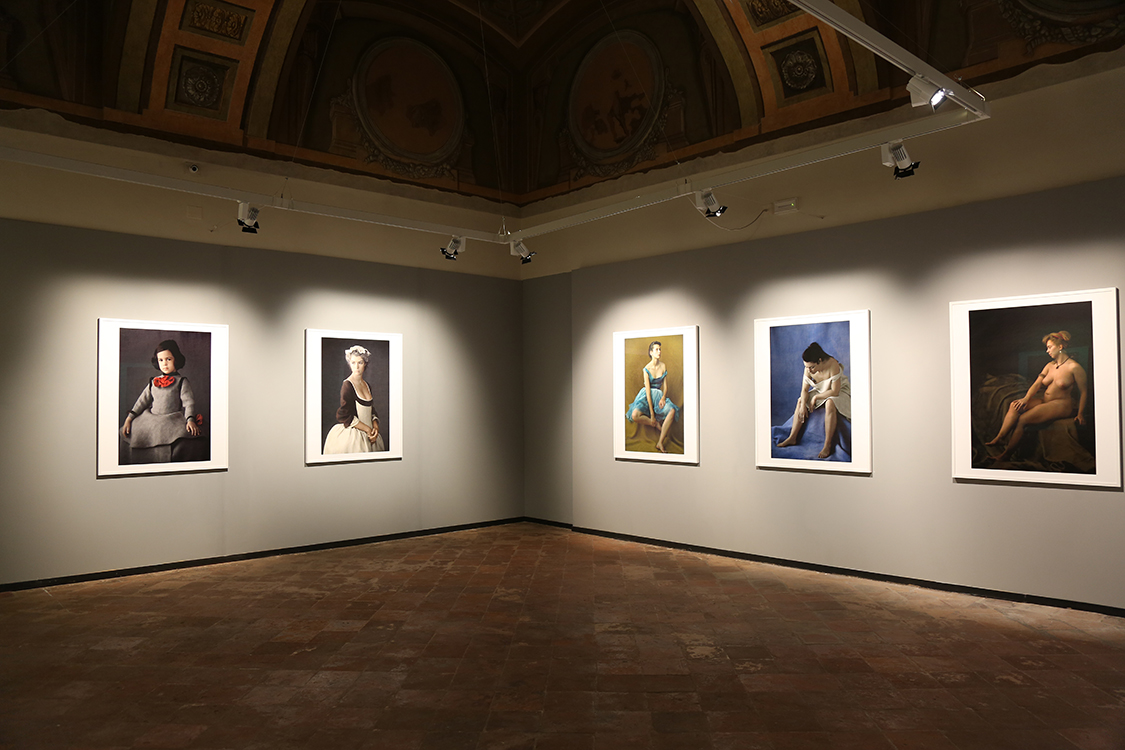
The Royal Museums also include the ground floor of the Chiablese Palace, dedicated to important temporary exhibitions. The exhibitions are often dedicated to great international artists and allow visitors to take a journey through history and art, from the Roman era to the 20th century. Built in the 17th century, the Palace was redesigned in 1753 by the architect Benedetto Alfieri on the king’s commission to serve as residence for Benedetto Maria Maurizio, Duke of Chiablese, from whom it takes its name. From this period date the majestic staircase leading to the noble floor, where sumptuous decorations, stuccoes, furnishings, painted overdoors, and boiseries can be found.
8 Chapel of the Holy Shroud, Turin
The Chapel of the Holy Shroud, an architectural masterpiece, was realized by Guarino Guarini between 1667 and 1690. On the night between April 11 and 12, 1997, the Chapel of the Holy Shroud suffered a vast fire that deeply damaged the building, rendering necessary a long and challenging architectural and structural restoration intervention to restore its load-bearing capacity and appearance. On September 27, 2018, the Chapel of the Holy Shroud was reopened to the public. Access is included in the standard ticket for the Royal Museums.

“To avoid any inconvenience, you can purchase your ticket online for the guided tour of the Royal Palace of Turin.”
Opening Hours Royal Museums Turin
Tuesday to Sunday: 9:00 AM – 7:00 PM
Ticket office: 9:00 AM – 6:00 PM
Last admission at 6:00 PM
The Royal Museums entrance ticket includes the following routes: The dynastic apartment on the first floor of the Royal Palace with Armoury and Chapel of the Holy Shroud, Sabauda Gallery (First Floor), and Museum of Antiquities (Archaeology in Turin and Treasure of Marengo). Phone (Monday to Sunday, 9 AM – 1 PM): 011 19560449.
Tickets Royal Museums Turin
The Royal Museums of Turin can be visited with a single ticket.
- Full price €15.00
- Reduced: €2.00
- Youth aged 18 to 25
- Free: under 18 years old
- People with disabilities and one companion
- Teachers with school groups – Tourist guides with groups
- Ministry personnel – Holders of Museum Pass, Torino+Piemonte Card, ICOM card
“To avoid any inconvenience, you can purchase your ticket online for the guided tour of the Royal Palace of Turin.”
How to Get to the Royal Museums of Turin
Tram and bus
Stop 472 Castello in Piazza Castello, Stop 423 Duomo – Polo Reale in Via XX Settembre, Stop 204 XI Febbraio in Corso XI Febbraio.
Train
- Porta Nuova Station (15 minutes on foot) From the station, cross Corso Vittorio Emanuele II and continue along Via Roma to Piazza Castello
- Porta Susa Station (20 minutes on foot) Exit the station, take Via Cernaia and continue along Via Pietro Micca to Piazza Castello
Car
From the highway exit or ring road, follow signs to the city center. The Royal Museums are located in a central Low Emission Zone (ZTL) with specific restrictions on car traffic. Car passage is prohibited in Via XX Settembre and Via Pietro Micca, which are reserved for public transport. Access to Via Po, Piazza Castello, and Viale dei Partigiani is forbidden from 7:30 AM to 10:30 AM. Corso Regina Margherita and Corso San Maurizio have free access all day.
Where to Park for the Royal Museums of Turin
PARKING
San Carlo, Piazza Castello, 113 – Santo Stefano Parking, Via Porta Palatina, 15
BICYCLE PARKING
Bicycles must be parked outside the Royal Museums. Outside the Museum, bicycles can be parked in Piazza San Giovanni, near the entrance to the Royal Palace Complex.
BIKE SHARING
ToBike Station, Via Conte Verde
CITYSIGHTSEEING
Ticket Point, Piazza Castello, 165
Map of the Royal Museums of Turin