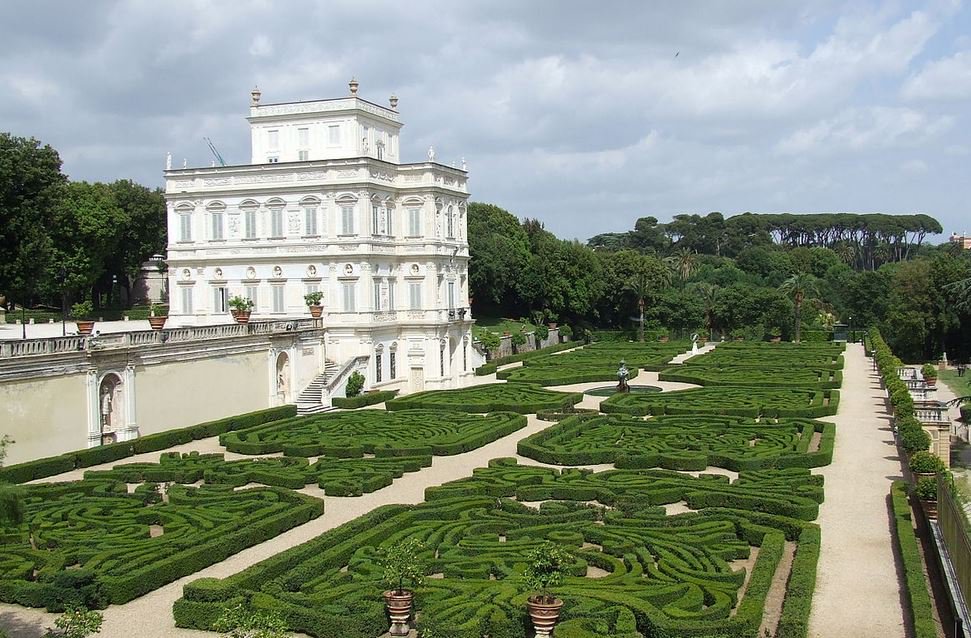
The National Gallery of Modern and Contemporary Art in Rome, established in 1883 with the mission to document “living” art, is today a museum with two souls, just as it focuses on two centuries, the 19th and the 20th.
Its important collections, in fact, on one hand reflect the cultural events of the unified State, including their international projections; on the other hand, they constitute the great historical reserve of the contemporary art system in Italy.
The National Gallery of Modern Art houses over 24,000 works including paintings, sculptures, and prints, hosted both in the main building and in satellite museums, covering a time span from the 19th century to the early 21st century. Much of the collection is made up of prints which, for conservation reasons, are exhibited during temporary exhibitions organized by the museum itself or arranged at other institutions. In the exhibition spaces—across rooms, gardens, and rotating exhibitions—about 900 works can be seen.
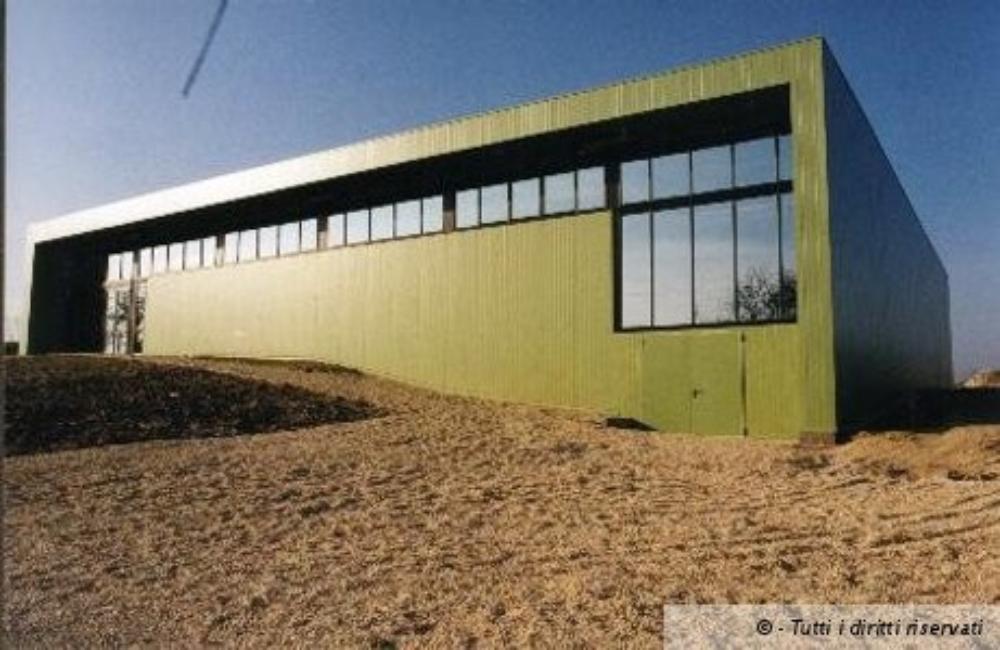
The exhibition area occupies about 10,000 square meters. In the sector dedicated to exhibitions (EXPO 1 and EXPO 2), shows related to the artists and works in the collection are regularly set up. There is a multifunctional educational room. Outside the east wing of the museum is a garden designed by Paolo Pejrone.