


In the 16th century, people used to say that Naples was a paradise inhabited by poor devils—liars, superstitious, dirty, thieves, cunning and without dignity. This image of Neapolitans has long intrigued and attracted first pioneers and conquerors, then travelers, scholars, and intellectuals.
The cliché of Naples filled with street urchins, smugglers, tricksters and layabouts still lingers. A popular 1987 travel guide introduced the city like this: “Burdened by the densest population of European cities, deep poverty, unemployment, bureaucratic inefficiency, and organized crime, the city has become a crossroads between Manhattan and Calcutta for its human misery…”.
Liberty Architecture in Naples
Heading down towards Piazza Amedeo, you’ll walk along via del Parco Margherita, a showcase of Liberty-style buildings, almost all designed by Giulio Ulisse Arata from Piacenza, who also worked on palaces between via Crispi and via Martucci. This neighbourhood is also home to notable structures like the Teatro Sannazzaro on via Chiaja, Palazzo Mannajuolo at 36 via Filangieri, and Palazzo Leonetti on via dei Mille.
Climbing up Rampe Brancaccio, you’ll find Naples’ first Liberty-style building: Palazzina Velardi. Designed in 1906 by Francesco de Simone, it’s rich in floral and neo-Gothic motifs and features a slim tower facing Vomero hill.
You’ll spot more villas and Liberty-style buildings up the hill—along via Tasso, around via Luca Giordano, near San Martino and Santarella, and on the slopes beside Villa Floridiana. Villa Loreley, created by Adolfo Avena in 1912, stands out in this area.
In Posillipo, Parco Carelli is another fine example of floral architecture. But the true jewel of Naples’ Liberty style is at 5 salita del Casale: Villa Pappone, built in 1912 by Gregorio Botta, with splendid wrought iron, stained glass, white stucco, and ceramics—an ode to the Viennese Secession.
Spaccanapoli
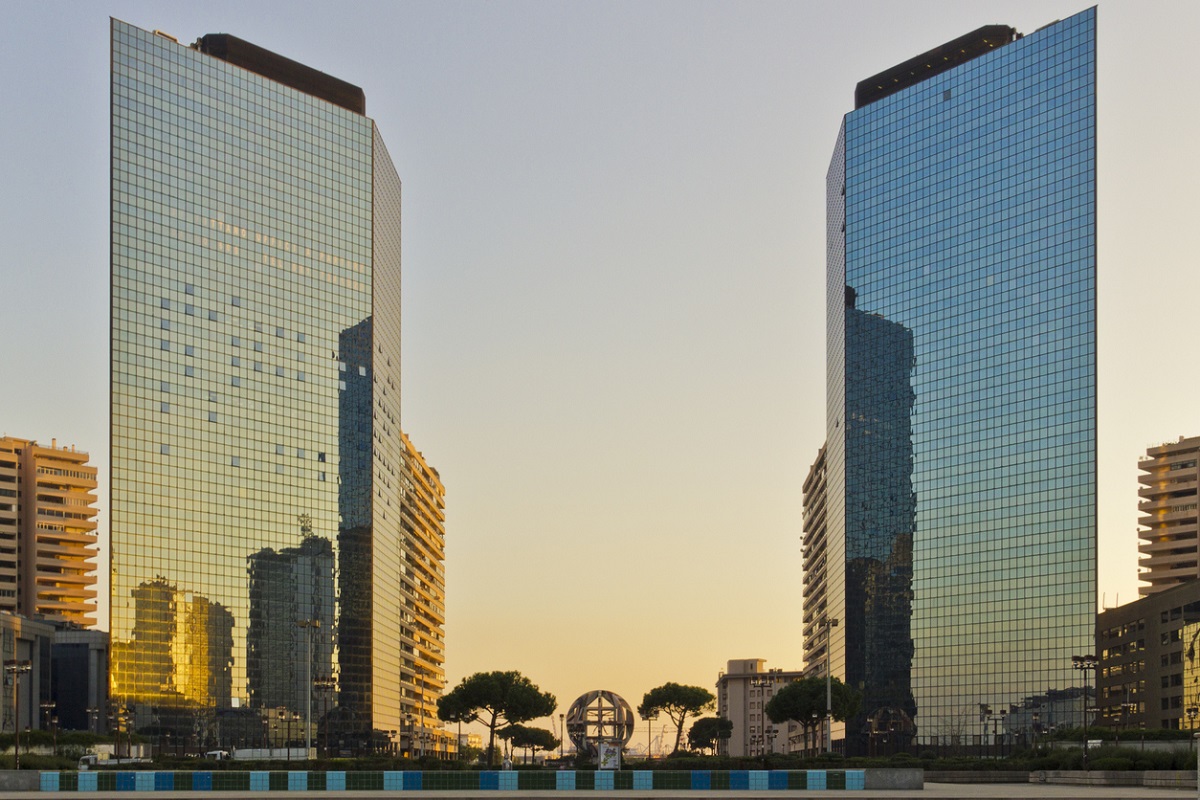
Here begins Spaccanapoli, the lower decumanus. This square is seen as the boundary between the ancient city and the early medieval and viceregal areas. The whole district is packed with Renaissance and Baroque architecture, so much so that since 1995 the entire historic centre is a UNESCO World Heritage Site. Over the past century, Naples has lived through vibrant eras—eclectic and floral periods, the fascist era, and the boom in public housing in the ’40s. From the 1950s onwards, due to political changes and real estate speculation, high-quality urban planning faltered, and—apart from a few isolated projects—Neapolitan architecture lost much of its brilliance.