


Visiting Iceland in 3 days starting from Reykjavíkis possible, as long as you plan your time well and make one choice: you won’t see the whole island, but you’ll experience a truly meaningful slice of its character. Iceland’s capital is small, lively, and easy to explore, while its surroundings offer some of the country’s most iconic landscapes—think geysers, waterfalls, lava fields, geothermal spas, and scenic drives.
- Iceland in 3 days: Reykjavík as your travel base
- Day 1: What to see in Reykjavík
- Hallgrímskirkja, Laugavegur and the Old Town
- Harpa, Sun Voyager and the waterfront
- Museums, Perlan or geothermal pools
- Day 2: Golden Circle excursion
- Þingvellir: Icelandic history and geology
- Geysir and Strokkur: the landscape breathes
- Gullfoss: the iconic waterfall of the Golden Circle
- Evening in Reykjavík or northern lights hunt
- Day 3: Blue Lagoon, whale watching or south coast
- Option 1: Blue Lagoon
- Option 2: Iceland’s South Coast
- Option 3: whale watching and a relaxed Reykjavík
- Winter or summer itinerary: what changes
- How to get around Iceland in 3 days
- Where to stay: Reykjavík or the surroundings?
- If you have more time in Iceland
- Practical tips for a short trip to Iceland
- FAQ: What to see in Iceland in 3 days
- Can you visit Iceland in 3 days?
- What can you see in Iceland in 3 days starting from Reykjavík?
- Is it better to rent a car or join organized tours?
- Can you visit the Blue Lagoon on the last day?
- Can you see the Northern Lights in three days?
- Iceland in 3 days: a first taste of the country
This itinerary is perfect for those with a long weekend, a stopover, or just a few days to spare who want to use Reykjavík as their base. Day one is dedicated to the city, the second to the Golden Circle, and the third to your choice of the Blue Lagoon, South Coast, whale watching, or relaxing in a thermal spa. For a broader overview, check out our guide on what to see in Iceland.
If you’re short on time.On a 3-day trip to Iceland, it’s best to spend the first day in Reykjavík, the second exploring the Golden Circle with Þingvellir, Geysir, and Gullfoss, and the third at the Blue Lagoon or on a South Coast excursion. If you’re traveling in winter, you can also add an evening trip to hunt for the Northern Lights.
Iceland in 3 days: Reykjavík as your travel base
Reykjavík is the most convenient base for a first short trip to Iceland. Most tourist connections arrive here, many day tours start from the city, and it’s where you’ll find hotels, restaurants, travel agencies, museums, and all the services you need. The capital lets you experience Icelandic urban life without missing out on nature, which begins almost as soon as you leave the city.
With three days at your disposal, the best advice is not to plan an overly ambitious itinerary. Iceland may look small on the map, but distances, weather, and road conditions can completely change your experience. It’s better to pick a few solid stops, well spaced out, leaving flexibility for breaks, daylight, wind, rain, or snow.
This route works both with a rental car and with organized tours. Renting a car gives you more freedom, but in winter, or for those who prefer not to drive in variable conditions, daily tours from Reykjavík are a simpler solution.

Day 1: What to see in Reykjavík
Dedicate your first day to Reykjavík—not just to get your bearings, but to gradually settle into the Icelandic rhythm. The city is compact, walkable, and very different from Europe’s grand capitals. Reykjavík isn’t about imposing historic buildings, but about its Nordic vibe, connection to the sea, contemporary architecture, colorful houses, cafés, bookshops, museums, and that ever-changing light. To dive deeper into the capital, you can also consult our dedicated guide to what to see in Reykjavík, helpful for rounding out your itinerary with extra attractions and practical tips.
Hallgrímskirkja, Laugavegur and the Old Town
A great first stop is Hallgrímskirkja, the tall church that dominates the city’s skyline. Its vertical architecture, inspired by Iceland’s basalt landscapes, is one of Reykjavík’s most recognizable landmarks. From the tower, you’ll enjoy sweeping views of the city, its colorful houses, the harbor, and the surrounding mountains. After your visit, head down toward Laugavegur, the liveliest street in the center, packed with shops, bars, cafés, street art, restaurants, and little galleries. It’s the perfect place for a leisurely stroll, a warming coffee stop, and some people-watching.
From here it’s easy to reach central spots like Austurvöllur, home to Iceland’s parliament, Reykjavík Cathedral, and Tjörnin Lake—one of the best areas for a peaceful break.
Harpa, Sun Voyager and the waterfront
In the afternoon, head toward the sea. The Harpa Concert Hall is among the city’s most iconic modern buildings, with its glass façade alternating moods with the light. Even if you’re not attending a concert, it’s worth stepping inside to admire the interiors and the interplay between architecture, harbor, and the surrounding landscape.
Follow the seafront path to reach the Sun Voyager, the steel sculpture resembling a stylized ship that’s become one of Reykjavík’s most photographed spots. The view over the sea, Mount Esja, and the bay makes this area especially evocative, especially during the golden hours of morning or sunset. If you still have time, head to the old harbor—a lively area for restaurants, museums, boat tours, and strolls. This is also where many whale watching tours set off.
Museums, Perlan or geothermal pools
You can round off your first day with a museum visit or a more local experience. The National Museum of Iceland gives you insights into the country’s history, from Viking origins to today’s society. Alternatively, Perlan offers a more spectacular introduction to Icelandic nature, with exhibitions, panoramic views, and immersive experiences about glaciers, volcanoes, and natural phenomena.
Those seeking a truly local vibe can opt for a city geothermal pool. In Iceland, pools aren’t just for swimming—they’re social, everyday, relaxing spaces. After traveling and a day on your feet, they’re the best way to truly embrace the Icelandic way of life.

Day 2: Golden Circle excursion
The second day is perfect for the Golden Circle, the most classic route from Reykjavík and one of the best excursions for first-time visitors to Iceland. The itinerary connects three main stops: Þingvellir, the geothermal area of Geysir, and the Gullfoss waterfall.
It’s an ideal route for a short trip as it packs geology, history, water, steam, open landscapes, and very different natural phenomena all into a single day. You can do it by rental car or by joining an organized tour. In both cases, it’s a good idea to set off early, especially in winter when daylight hours are limited.
Þingvellir: Icelandic history and geology
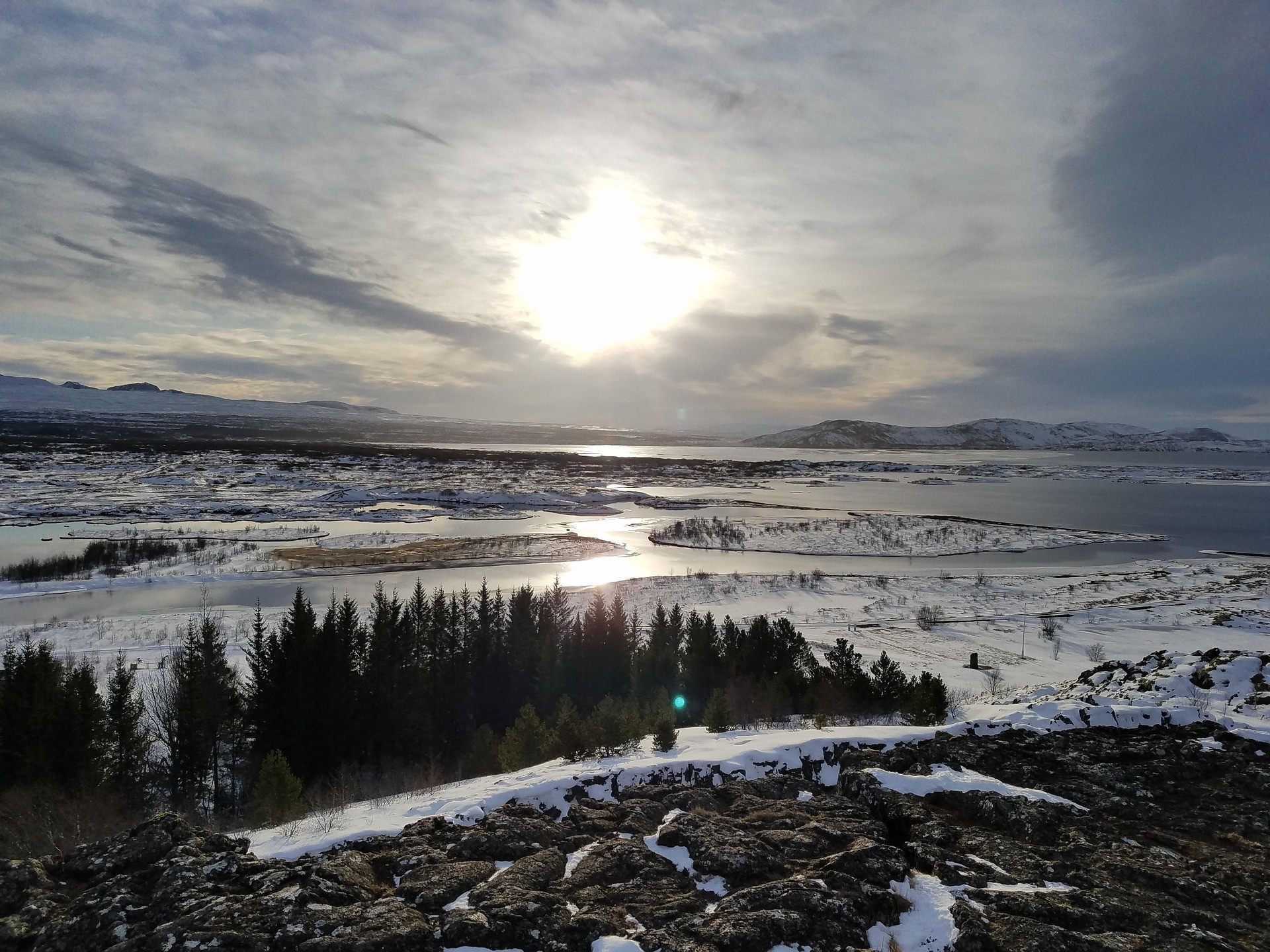
The first major stop on the Golden Circle is Þingvellir National Park, a key site for both Iceland’s history and the country’s geology. Here, you can truly feel the rift between the North American and Eurasian plates, in a landscape of fissures, rocks, water, and open space. Þingvellir is also tied to Iceland’s political history, as the ancient Icelandic parliament used to meet in this area. So it’s a stop that blends nature with national identity, making the Golden Circle much more than just a scenic drive. Walking through Þingvellir means stepping into a place where Iceland tells its own story best: a land in motion, shaped by deep geological forces and a long human history.
Geysir and Strokkur: the landscape breathes
The second stop is the geothermal area of Geysir, famous for its steam vents, boiling pools, and the Strokkur geyser, which erupts at regular intervals. It’s one of the most immediate places to understand how alive Iceland is beneath the surface. Here, the ground steams, water bubbles, and waiting for an eruption is part of the experience. Even though it’s a popular spot, it still has remarkable scenic power, especially for those who have never seen such geothermal phenomena up close.
The visit doesn’t take long, but it’s worth your full attention. Always stay on marked paths and keep your distance, as the geothermal water can get extremely hot.

Gullfoss: the iconic waterfall of the Golden Circle
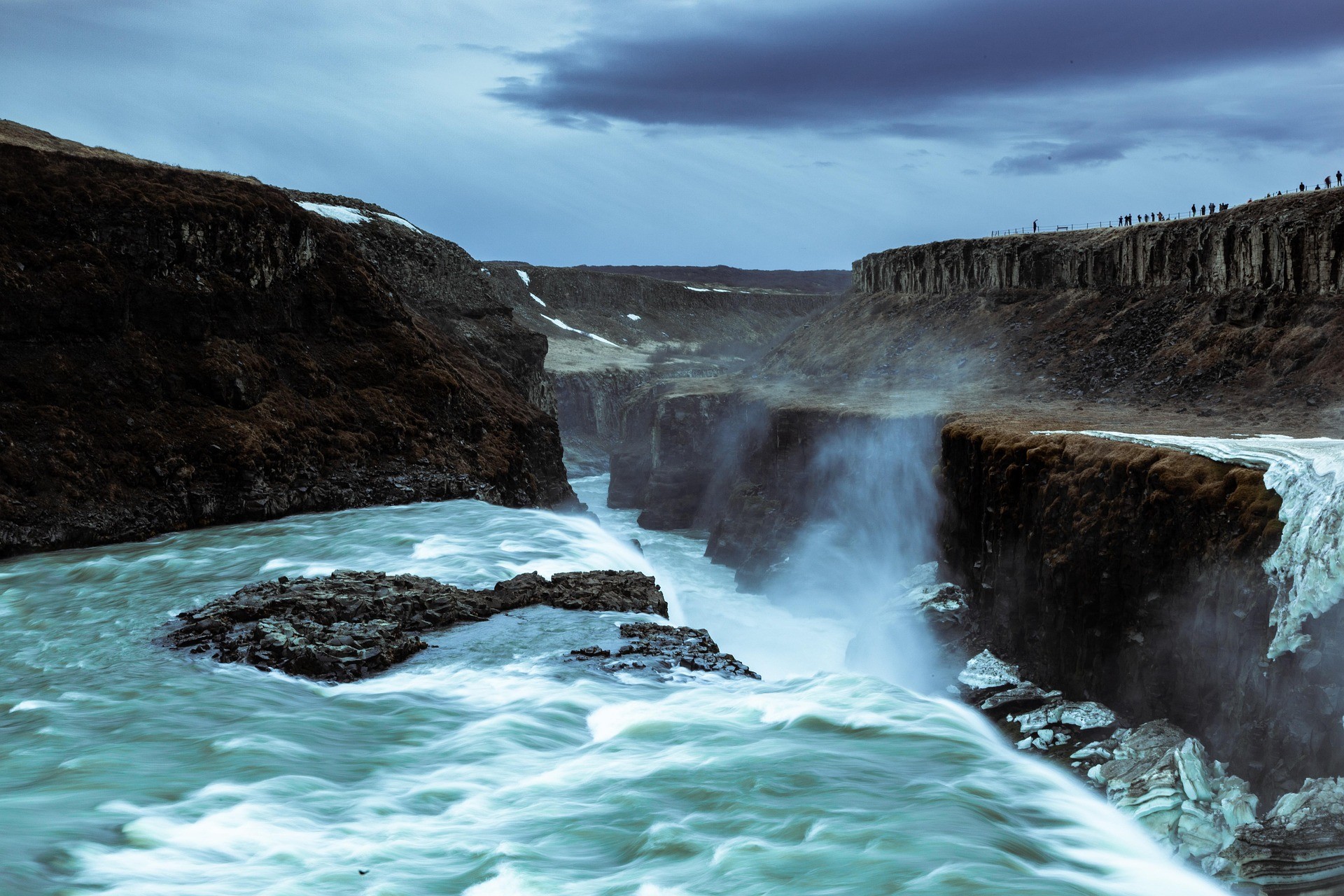
The third classic stop is Gullfoss, one of Iceland’s most famous waterfalls. The Hvítá river plunges into a canyon with incredible force, creating a powerful, thunderous, ever-changing scene. In summer the waterfall can produce rainbows and shimmering spray; in winter it takes on a more severe look, with ice, snow, and cold hues.
Gullfoss is one of those stops that explain why so many travelers fall in love with Iceland: you don’t need to look for a spectacular effect, the landscape itself commands your attention. Just stop, listen to the roar of the water, and take in the scale of the natural features.
After Gullfoss, you can head back to Reykjavík or add a stop along the way, depending on the season, the daylight, and how much time you have.
Evening in Reykjavík or northern lights hunt
After the Golden Circle, the evening can be relaxing. A dinner in downtown Reykjavík, a short walk, or a break in a geothermal pool are more realistic options than packing in too many activities.
However, if you’re traveling between autumn and spring, you might want to consider an evening outing to search for the northern lights. They’re never guaranteed: you need darkness, clear skies, and favorable geomagnetic activity. For this reason, it’s better to consider them a possibility, not a promise.

Day 3: Blue Lagoon, whale watching or south coast
The third day really depends on the kind of trip you want. With just three days in Iceland, there’s no one-size-fits-all solution. You could end with a thermal experience at the Blue Lagoon, set off for the south coast to see waterfalls and black beaches, or stay closer to Reykjavík with whale watching and some free time in the city.
The best choice also depends on your flight schedule. If you’re flying out of Keflavík, the Blue Lagoon is very convenient because it’s located on the Reykjanes Peninsula, not far from the airport. If you have a full day left and are spending another night in Reykjavík, you can consider the south coast or a boat tour.
Option 1: Blue Lagoon
The Blue Lagoon is one of the best-known experiences in Iceland. Its milky blue waters, the lava landscape, and its almost otherworldly atmosphere make it a favorite, especially for those wanting to end their trip with something relaxing and scenic.
It’s not a natural spring in the wildest sense, but rather a built and organized experience, with services, regulated entry, and various packages. That’s why it’s important to book in advance. If you choose to include it on your third day, make sure to read the guide on how to buy tickets for the Blue Lagoon, especially during peak periods.
The Blue Lagoon is ideal if you want to avoid a tiring day, if you leave in the afternoon, or if you prefer to end your trip with hot springs, warm water, and volcanic landscapes.
Option 2: Iceland’s South Coast
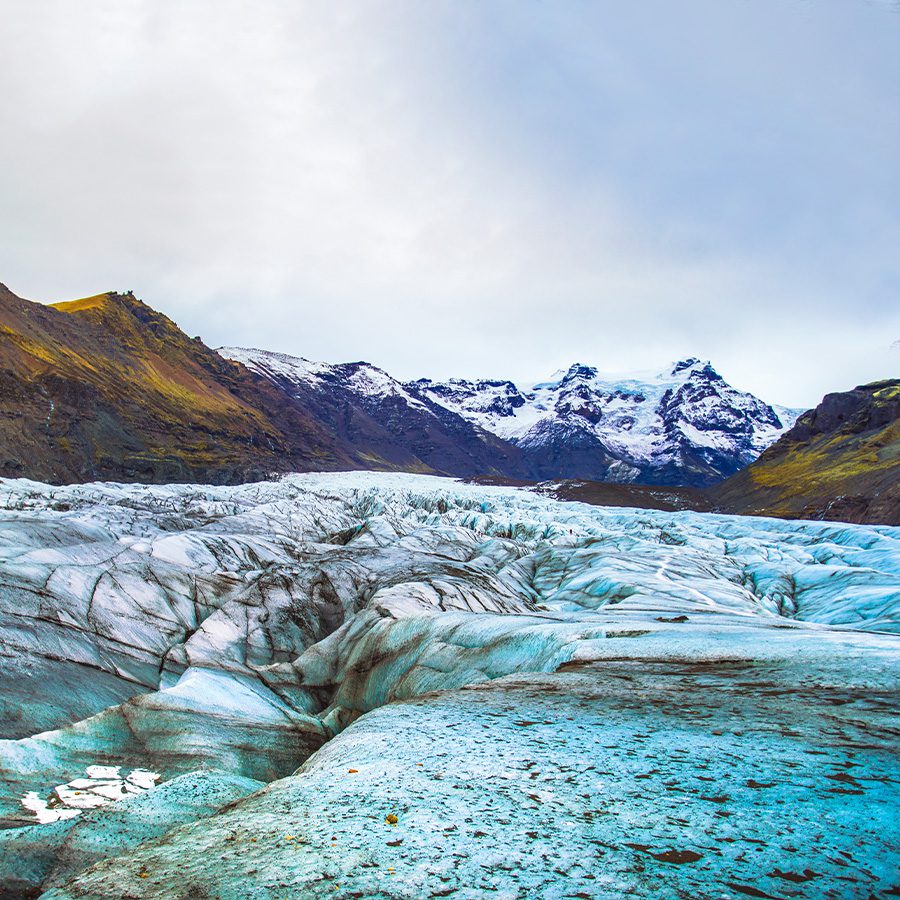
If you have a full day, you can dedicate the third day to the south coast of Iceland. It’s a more demanding choice compared to the Blue Lagoon, but truly spectacular. The most famous stops include waterfalls like Seljalandsfoss and Skógafoss, black sand beaches, cliffs, rural landscapes, and breathtaking views of the Atlantic.
This option is recommended if you enjoy driving or if you’d rather join a long organized tour, knowing the day will be intense. It’s not the best choice if you have only a few hours before your flight or if the weather is tricky.
The south coast offers a glimpse of Iceland’s most scenic, natural side, but in a three-day itinerary it needs to be paced properly. It’s better to visit fewer spots at a relaxed pace than to turn the trip into a race from place to place.
Option 3: whale watching and a relaxed Reykjavík
A third option is to stay closer to the capital and join a whale watching tour from the port of Reykjavík. Sightings can’t be absolutely guaranteed, but going out to sea lets you experience another side of Iceland—one tied to the ocean, marine life, and coastal scenery.
After the tour, you can spend the rest of the day in the city: visit a museum you missed on the first day, enjoy lunch at the harbor, stroll among shops and cafés, or relax at a geothermal swimming pool. This is the most balanced option if you want to avoid too many journeys.

Winter or summer itinerary: what changes
In Iceland, the season dramatically changes the experience. In summer, days are long, the light seems endless, and you can spread out your visits more easily. It’s the best time for driving, hiking, and making the most of a three-day trip.
In winter, daylight hours are short and the weather can have a greater impact on travel. The upside is the ambiance: snow, darkness, city lights, hot springs, and the chance to see the Northern Lights make for a truly magical trip. In this case, it’s best to plan fewer stops and allow extra time for the unexpected.
Spring and autumn are interesting shoulder seasons, with fewer crowds than summer and a chance to enjoy some very different landscapes. Even in these periods, however, it’s wise to always check road conditions and the weather forecast.
How to get around Iceland in 3 days
For a short trip, you have two main options: rent a car or join organized excursions. Renting a car is perfect if you want freedom, photo stops, and flexible timing. However, it requires caution, especially in winter, when wind, ice, and snow can make driving more challenging.
Organized tours are less flexible but make travel much easier. From downtown Reykjavík, excursions depart for the Golden Circle, Blue Lagoon, south coast, whale watching, and Northern Lights. For those short on time, these are often the most practical options. Getting around Reykjavík itself is easy on foot—the city center is compact and the main urban sights are relatively close together. For areas further out, buses, taxis, or transfers may be useful.
Where to stay: Reykjavík or the surroundings?
With three days available, the most convenient choice is to stay in Reykjavík. Changing your base every night would waste time and make the itinerary more tiring. By staying in the city, you’re well placed for excursions and have restaurants, amenities, and evening strolls at your fingertips.
The best area is the city center, especially if you don’t have a car. Staying near Laugavegur, by the old harbor or in the central districts lets you get around by foot and easily reach the starting points for tours. If you have a car and want a quieter option, consider staying a bit outside town—but for a first short trip, Reykjavík is the simplest base.
If you have more time in Iceland
Three days are enough to get a taste of Iceland, but not to truly know it. If you can extend your trip, your options change completely: you can explore more of the south coast, reach the glacier lagoons, include more hot spring stops, spend nights outside Reykjavík, and experience the country at a slower pace.
If three days feel too short, you might consider a more complete route by following our 8-day itinerary in Iceland, designed for a road trip.
To make your trip even more memorable, you can also draw inspiration from the unique experiences to have only in Iceland, between extreme nature, hot springs, volcanic landscapes, and northern atmospheres.

Practical tips for a short trip to Iceland
- Book the most popular experiences in advance, especially the Blue Lagoon and organized tours.
- Don’t overfill your schedule: Icelandic weather can change quickly.
- Choose Reykjavík as your base if you only have three days.
- Consider a guided tour if you don’t want to drive in winter.
- Bring waterproof and windproof clothing in every season.
- Always check road conditions and the forecast before setting out.
- In winter, think of the Northern Lights as a possibility, not a certainty.
- Always leave some buffer time between excursions and your return flight.

FAQ: What to see in Iceland in 3 days
Can you visit Iceland in 3 days?
Yes, you can visit part of Iceland in three days using Reykjavík as your base. The most balanced itinerary includes a day in the city, a day for the Golden Circle, and a third day for either the Blue Lagoon, the south coast, or whale watching.
What can you see in Iceland in 3 days starting from Reykjavík?
The most recommended stops are Reykjavík, Hallgrímskirkja, Harpa, Sun Voyager, the Golden Circle with Þingvellir, Geysir and Gullfoss, plus a third experience of your choice: Blue Lagoon, south coast or whale watching.
Is it better to rent a car or join organized tours?
It depends on the season and your driving experience. Renting a car offers more freedom, but in winter, organized tours tend to be more convenient and safer for those not used to driving in wind, snow or on icy roads.
Can you visit the Blue Lagoon on the last day?
Yes, the Blue Lagoon is a great choice for the last day, especially if your flight departs from Keflavík. Just make sure to book in advance and leave enough time for the transfer to the airport.
Can you see the Northern Lights in three days?
It is possible to see the Northern Lights in winter, but there are no guarantees. You’ll need dark skies, favorable weather and suitable geomagnetic activity. It’s best to plan it as an evening possibility, not a sure stop.
Iceland in 3 days: a first taste of the country
A 3-day trip to Iceland can’t cover everything, but it can be incredibly intense. Reykjavík gives you an insight into Icelandic urban culture; the Golden Circle reveals some of the country’s most iconic landscapes; and the third day lets you set your own pace: hot springs, sea, the south coast, or untouched nature.
The secret is not trying to do it all. Iceland rewards those who leave space for light, wind, spontaneous stops, and last-minute changes. Even a short itinerary can become unforgettable if you approach it with realism, curiosity, and a bit of flexibility.
{
“@context”: “https://schema.org”,
“@type”: “FAQPage”,
“mainEntity”: [
{
“@type”: “Question”,
“name”: “Si può visitare l’Islanda in 3 giorni?”,
“acceptedAnswer”: {
“@type”: “Answer”,
“text”: “Sì, in 3 giorni si può visitare una parte dell’Islanda usando Reykjavík come base. L’itinerario più equilibrato comprende un giorno in città, un giorno al Golden Circle e un giorno tra Laguna Blu, costa sud o whale watching.”
}
},
{
“@type”: “Question”,
“name”: “Cosa vedere in Islanda in 3 giorni partendo da Reykjavík?”,
“acceptedAnswer”: {
“@type”: “Answer”,
“text”: “Le tappe più consigliate sono Reykjavík, Hallgrímskirkja, Harpa, Sun Voyager, il Golden Circle con Þingvellir, Geysir e Gullfoss, e una terza esperienza a scelta tra Laguna Blu, costa sud o whale watching.”
}
},
{
“@type”: “Question”,
“name”: “Meglio noleggiare un’auto o fare tour organizzati?”,
“acceptedAnswer”: {
“@type”: “Answer”,
“text”: “Dipende dalla stagione e dall’esperienza di guida. L’auto offre più libertà, ma in inverno i tour organizzati possono essere più comodi e sicuri per chi non è abituato a guidare con vento, neve o ghiaccio.”
}
},
{
“@type”: “Question”,
“name”: “La Laguna Blu si può visitare l’ultimo giorno?”,
“acceptedAnswer”: {
“@type”: “Answer”,
“text”: “Sì, la Laguna Blu può essere una buona scelta per l’ultimo giorno, soprattutto se il volo parte da Keflavík. È importante però prenotare in anticipo e lasciare margine sufficiente per il trasferimento verso l’aeroporto.”
}
},
{
“@type”: “Question”,
“name”: “In 3 giorni si può vedere l’aurora boreale?”,
“acceptedAnswer”: {
“@type”: “Answer”,
“text”: “È possibile vedere l’aurora boreale in inverno, ma non è garantito. Servono cielo buio, condizioni meteo favorevoli e attività geomagnetica adeguata. Conviene prevederla come possibilità serale, non come tappa certa.”
}
}
]
}