


On a practical level, it’s helpful to know that in Vienna, the high tourist season begins in April and ends in late October. In other destinations, especially in the mountains, the peak of the ski season arrives during the Christmas holidays, Easter break, and the months of February and March.
Summer is also a popular time, with high demand for bookings (and prices) in July and August. That said, there are countless reasons for a holiday or a short stay in Austria. Among the most famous events is the dazzling New Year’s Concert in Vienna, performed by the Wiener Philharmoniker Orchestra at the Musikverein, featuring pieces from the Strauss repertoire (tickets must be requested months in advance), or the lively Tyrolean Carnival in Imst in February.
Spring and Summer in Austria
Spring in Vienna is marked by classical music festivals: Osterklang, held around Easter, features both operas and concerts. Next come the Festwochen (May-June), Jazz Fest Wien (late June), and KlangBogen (July-August).
The most traditional Tyrolean folk festival takes place the first weekend of May in Zillertal: it’s the Gauder Fest in Zell, a 500-year-old celebration. Local men, dressed in leather breeches and wool jackets, compete in competitions of strength and skill; there are also sheep fighting contests and a market of regional specialties. For the occasion, a very strong beer, Gauderbeer, is brewed.
July and August also feature two not-to-be-missed cultural events: the Bregenz Music Festival on Lake Constance and the legendary Salzburg Festival, presenting both classic operas and avant-garde performances.
Autumn and Christmas in Austria
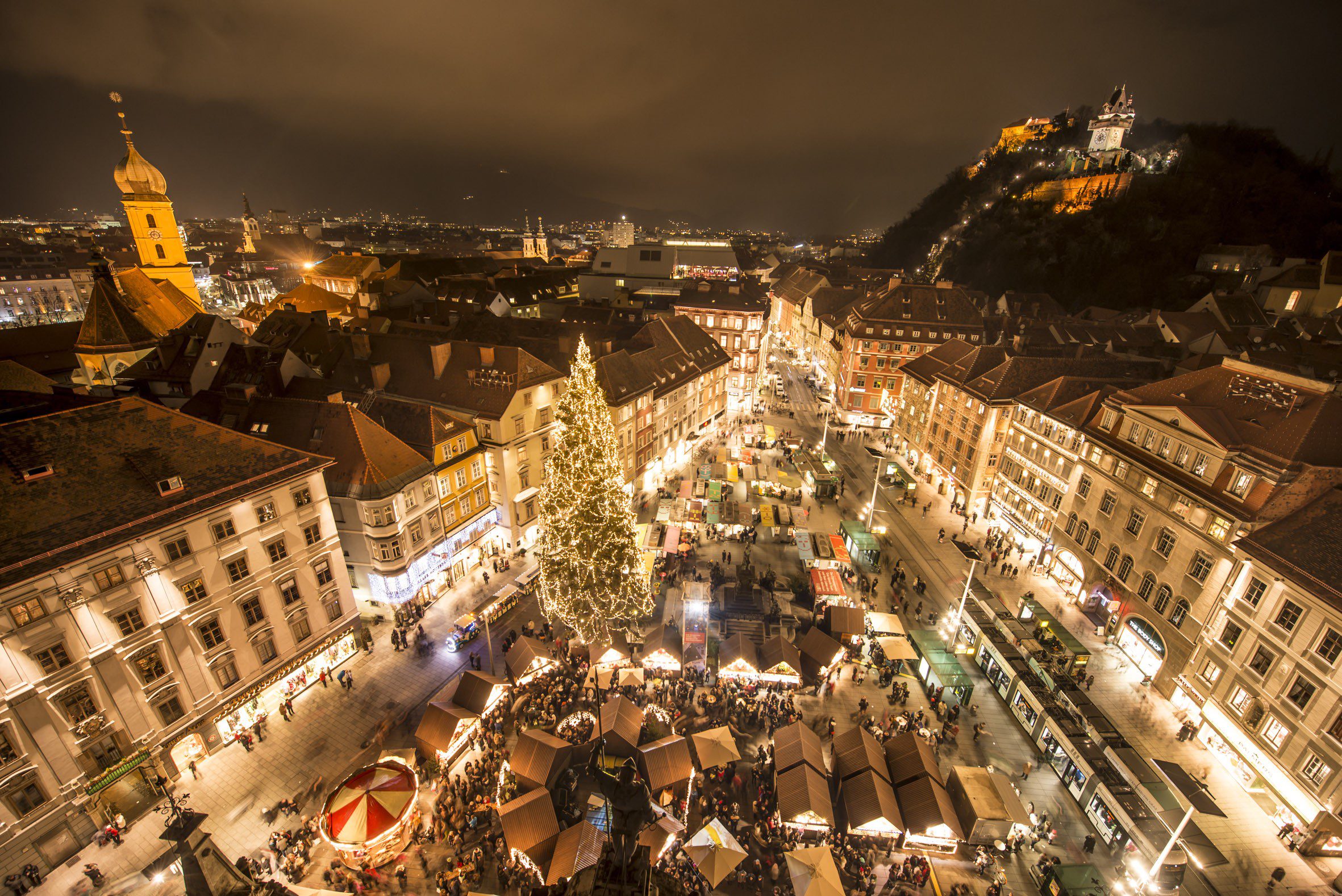
Contemporary art is the focus during the Steirischer Herbst (Styrian Autumn) in Graz. The magical Christmas Markets in Vienna, Innsbruck, Graz, and Salzburg (and many others—almost every town has one) invite you to end the year surrounded by lights, scents, and traditions unique to this country.