

Johannesburg, populous city of South Africa, physically presents itself as a series of hills, occupying the central part of a plateau; while from an urban planning perspective, the central districts are distinguished from the so-called townships, populous suburban neighborhoods like Soweto, which have written the history of Apartheid and its removal.
Johannesburg is not an easy city to visit for first-timers: the distances between areas are significant and the risk for those who do a “do-it-yourself” approach is also ending up in undesirable places. It is better to rely on an organized tour while waiting to get to know it better.
1 What to visit in Johannesburg
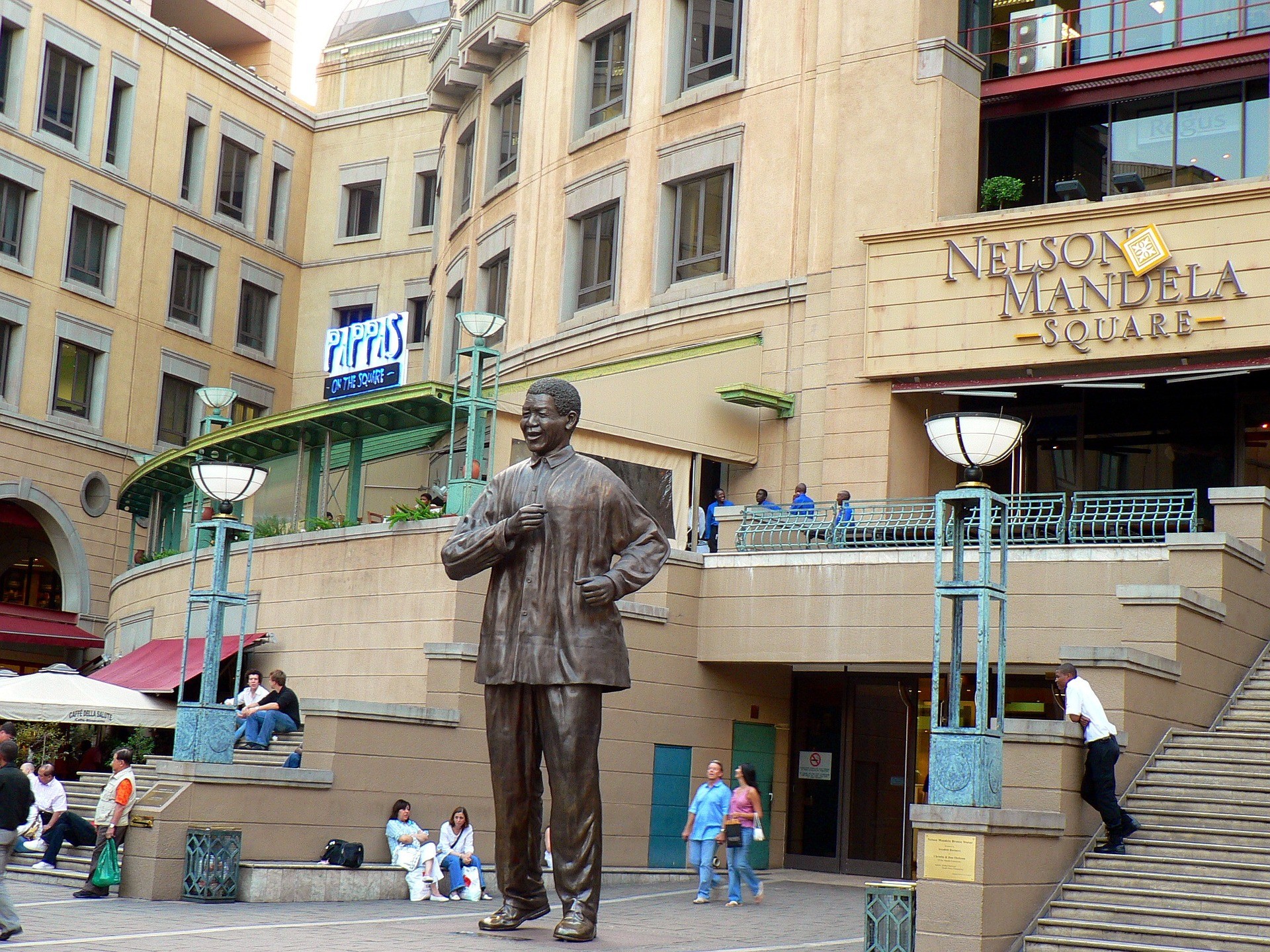
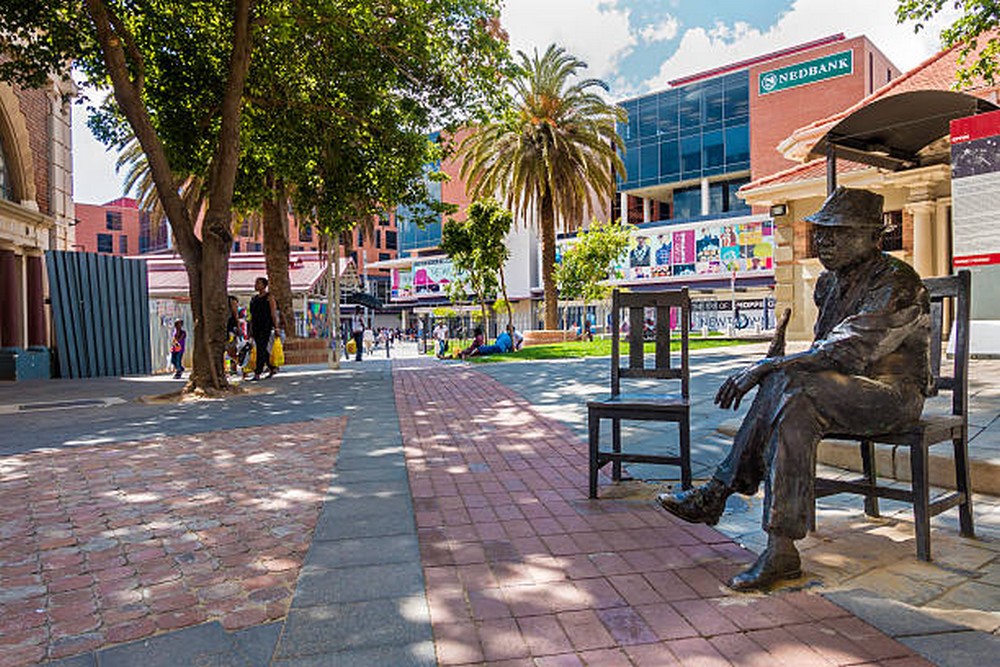
The most central areas, worth a visit, are the so-called Newtown Precinct, which has become, from an old market district, the beating heart of the city’s cultural life. Easily accessible from the urban highways thanks to the brand new Nelson Mandela bridge, it houses the Museum Africa, an immense collection of relics on the history of the city and South African culture; a theater, the Market Theatre; a museum dedicated to the history of beer, and many multifunctional spaces for concerts, exhibitions, shows and cultural events of all kinds. And then a center for crafts and design, the Bus Factory, and one for Science and Technology.
2 Parktown and Houghton in Johannesburg
To the east and southeast, just on the edge of the center, two of the most beautiful and exclusive neighborhoods in Johannesburg emerge: Parktown and Houghton. The former is dotted with large eclectic-style mansions, built in the early 1900s; it hosts the Zoo, spread over 55 hectares of park, where more than 400 species of animals live, and the adjoining Zoo Lake, an artificial lake bordered by a park, which represents a precious green lung, where every year in September, Jazz on the Lake is held, a popular outdoor jazz festival.
Houghton boasts magnificent villas with lush gardens, wide shady streets, and an elegant and refined atmosphere. In Houghton is also Casa Graça, which was the residence of President Nelson Mandela, named after his last wife.
3 Melville
North of the Central Business District, the city’s business center, driven by skyscrapers and large buildings, and touristically unappealing, lies the neighborhood of Melville, where decidedly more pleasant and relaxed atmospheres reign: a kind of South African Greenwich Village, populated by cafes and outdoor restaurants, venues where live music is played, and pedestrian streets safe both day and night.